
Fire & Smoke Damage Restoration in Brevard County, FL
The fire stops in an hour. The smoke keeps working for months.
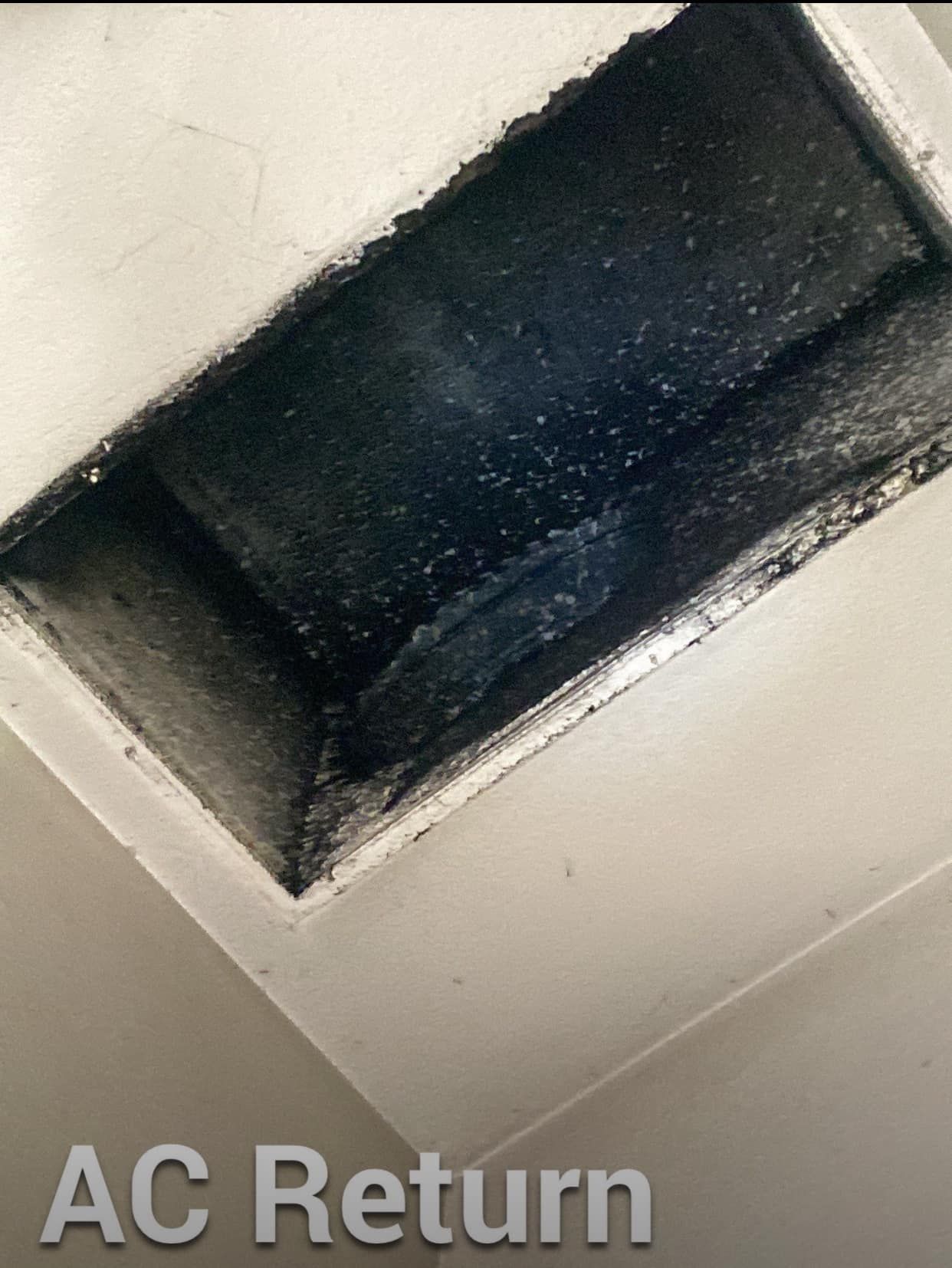
Combustion products travel wherever air travels — through returns and supply ducts, into wall and ceiling cavities, into closets and drawers two rooms from any flame. They are acidic, they keep etching metal and finishes, and they are the reason a house that looks fine after cleanup still smells like a fire in August when the humidity comes up.
Hanes approaches a fire loss the way we approach every loss: establish the actual extent first, then clean to it. Soot and carbonaceous particle testing tells us which rooms are contaminated and which are not — so nothing gets cleaned that did not need it, and nothing gets missed.
CALL NOW (321) 208-5180
·
REQUEST RESTORATION SERVICE
Fire & Smoke Services
Fire Damage Restoration · Smoke Damage Restoration · Soot Cleanup · Smoke Odor Removal · Deodorization · Structural Cleaning · HEPA Cleaning · Fire-Damaged Material Removal · Smoke-Affected Contents Cleaning · Contents Restoration · Emergency Fire Loss Services
Assessment is a separate service, on purpose:
Fire & Smoke Damage Assessments and Soot / Carbonaceous Particle Testing. Owners, buyers and adjusters often need the finding without the crew.
How a Fire Loss Runs
Emergency Response
Securing and stabilising, water removal from suppression, protection of what is unaffected. Suppression water is a water loss inside a fire loss and it starts its own clock.
Assessment and Testing
Room-by-room documentation, with tape lift and air sampling where the boundary of contamination is unclear. This is the step that defines the scope and settles the "does this room need cleaning" question with evidence.
Contents Decisions and Packout
Salvageable items inventoried, photographed and packed out for off site cleaning and climate-controlled storage. Getting contents out early also clears the structure for work.
Material Removal
Charred and unsalvageable materials removed and documented.
Structural and Hepa Cleaning
Soot removal by residue type — dry smoke, wet smoke, protein and fuel residues all require different methods, and the wrong method sets a stain permanently.
Odor Removal and Deodorization
Source removal first, then HEPA filtration, then treatment. HVAC systems addressed, because a contaminated duct system re-odorizes a cleaned house every time it runs.
Verification
Post-cleaning testing where warranted, so "it is done" is a finding rather than an opinion
Why Testing Changes the Outcome
- A partial loss. The fire was in the kitchen; the insurer scopes the kitchen. Particle testing shows how far combustion residue actually travelled — often the whole first floor and the duct system. That is the difference between a cleaned house and a house that smells for years.
- A neighboring or nearby fire. Smoke intrusion from a fire that was never in your building is real, documentable, and routinely disputed. Testing settles it.
- Buying, selling or renting after a fire. An independent assessment tells you what was actually done and what was left.
Avoid the Damage Pains and Call Hanes.
Frequently Asked Questions
How do you test a home for smoke contamination?
Visual inspection with room-by-room documentation, tape lift samples from surfaces, and air sampling where needed, analysed by an accredited lab for carbonaceous and combustion-related particles. It distinguishes fire residue from ordinary household dust and candle soot.
Can smoke odor be removed permanently?
Yes, if the source is removed rather than masked. Odor that returns in humidity means residue was left behind — commonly in insulation, ductwork, wall cavities or contents.
What about my belongings?
Contents are often the largest part of a fire loss, and many items are recoverable with the right cleaning. We can handle contents even if another contractor is doing the structure.
Do I need to move out?
It depends on the extent, the utilities and whether anyone in the household has respiratory sensitivity. The assessment gives you the basis for that decision.
Is soot dangerous?
Combustion particles are respiratory irritants and carry adsorbed chemicals. They are also acidic and continue damaging surfaces. This is not a cosmetic problem.