
Mold Remediation in Brevard County, FL — Protocols, Oversight & Clearance
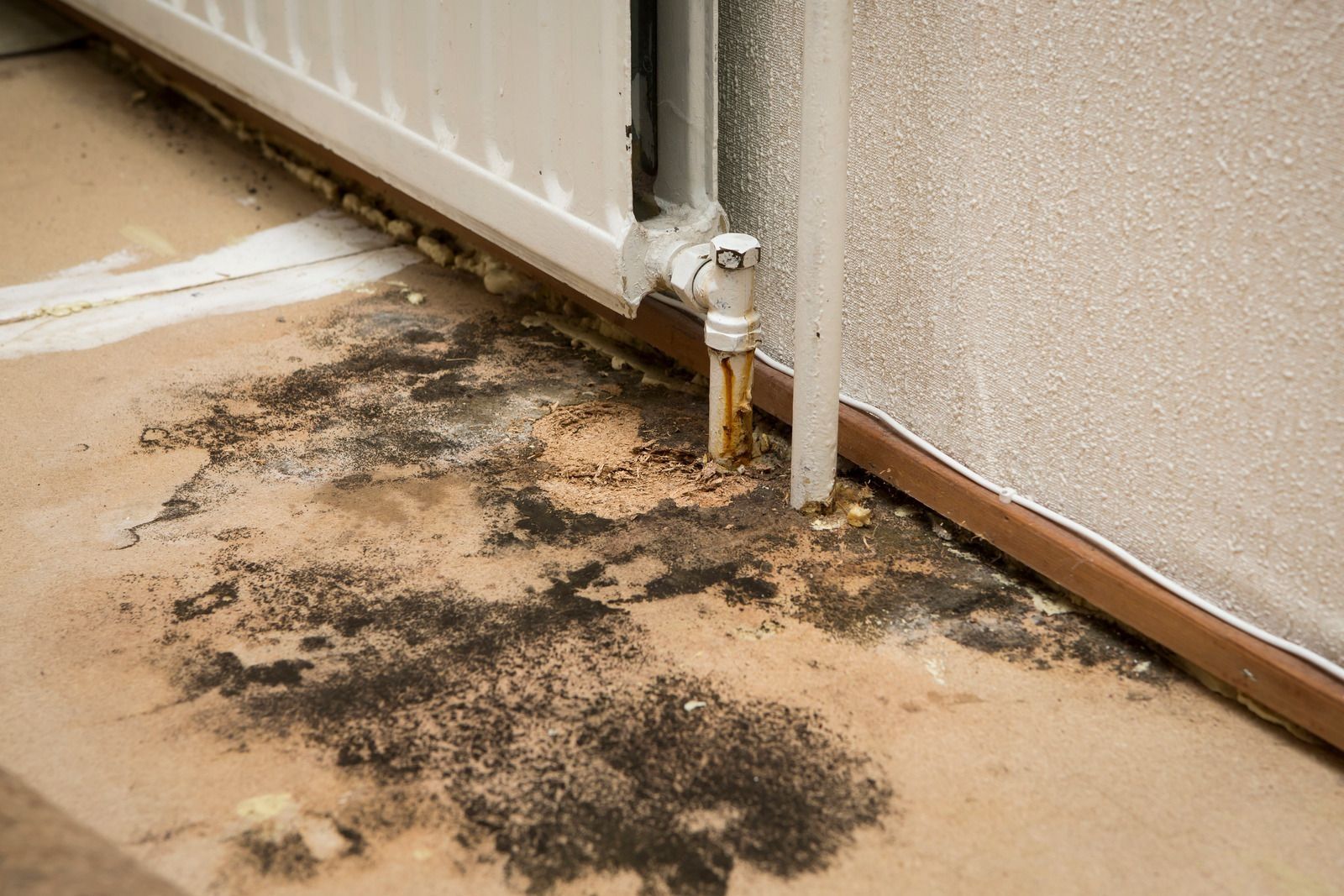
Florida treats mold assessment and mold remediation as two separate licensed activities, and it deliberately keeps them apart. Under Florida Statute 468.8419, a licensed mold assessor may not remediate a structure it assessed in the previous 12 months, and a remediator may not assess a structure it remediated. Assessors also may not pay or accept referral fees from remediators.
That rule exists because the company that tells you how much mold you have should not be the company that gets paid by how much it removes.
Hanes Environmental
works the assessment side, and works it hard: we define the problem, write the remediation protocol your contractor works from, specify containment and clearance criteria, and independently verify the result. You get a remediation that was scoped by someone with no financial interest in its size.
SCHEDULE AN INSPECTION
·
CALL
(321) 208-5180
What That Means for You, Practically
We write the protocol. A remediation protocol is the specification: which materials come out, how far past visible growth, what containment is required, what filtration and pressure differential, what the cleaning method is, and what the property has to achieve to pass clearance. Without it, remediators are bidding on different assumptions and you cannot compare the prices.
You choose the remediator. We do not take a fee for a referral, and Florida law forbids us from doing so.
We verify the outcome. Post-remediation verification against the criteria in the protocol: visual inspection, moisture confirmation and sampling. Because we did not do the removal, that clearance means something.
What Proper Remediation Involves
Understanding the process is how you tell a real remediator from a bleach-and-paint operation. Our protocols specify:
Moisture Source Correction First
Remediation before the leak is fixed is money burned. This is the most common reason mold comes back.
Containment
Physical barriers isolating the work area so spores are not distributed through the rest of the building during removal.
Negative Air and HEPA Filtration
Negative pressure inside containment with HEPA air scrubbers exhausting appropriately, so airflow moves into the work area rather than out of it.
Mold-affected Material Removal
Porous materials — drywall, insulation, carpet, ceiling tile — that cannot be cleaned come out, cut back past the visible growth boundary to a defined margin, with proper bagging.
HEPA Cleaning and Structural Cleaning
HEPA vacuuming and detail cleaning of remaining surfaces and semi-porous framing. Mold does not have to be alive to cause a reaction, so removal matters more than killing.
Encapsulation, Only Where Appropriate
After cleaning and verification, on suitable substrates. Encapsulation over active growth or wet material is a cover-up, and any protocol that leads with it should be questioned.
Drying and Clearance
Materials brought to target moisture content, then clearance testing.
Mold Services
Mold Removal · Mold Remediation Services · Mold-Affected Material Removal · Containment · Negative Air / HEPA Filtration · HEPA Cleaning · Structural Cleaning · Cleaning & Sanitization · Encapsulation
Avoid the Damage Pains and Call Hanes.
Where to Start
YOUR SITUATION START WITH
- Smell or suspect mold, nothing visible Mold Assessment
- Visible growth, want to know the extent Mold Assessment + Mold Testing Have a remediation quote, want it checked Mold Remediation Protocol
- Remediation finished, need proof it worked Post-Remediation Verification
- Tenant, employee or buyer dispute Mold Assessment (independent) Active leak, materials still wet
- Water Damage Restoration, before mold starts
Frequently Asked Questions
Why will you not just remove the mold for me?
Because Florida licenses assessment and remediation separately and prohibits one company doing both on the same structure within 12 months. Firms offering "free mold testing" with their removal service are usually either unlicensed or not testing in any meaningful sense.
Is bleach enough?
On a hard, non-porous surface, sometimes. On drywall, wood or insulation, no — the water in bleach feeds the problem while the surface looks clean, and porous material holds growth below the surface.
Does mold always have to be removed?
Not always. Small surface growth on non-porous material with a corrected moisture source can sometimes be cleaned. That determination should come from someone who is not being paid to remove it.
How much does mold remediation cost in Florida?
It scales with affected square footage, material type, containment complexity and access. A protocol is what makes competing bids comparable.
Will my insurance cover mold?
Often partially, and usually tied to whether the underlying water event was covered and how quickly it was addressed. Long-term humidity and maintenance issues are typically excluded.