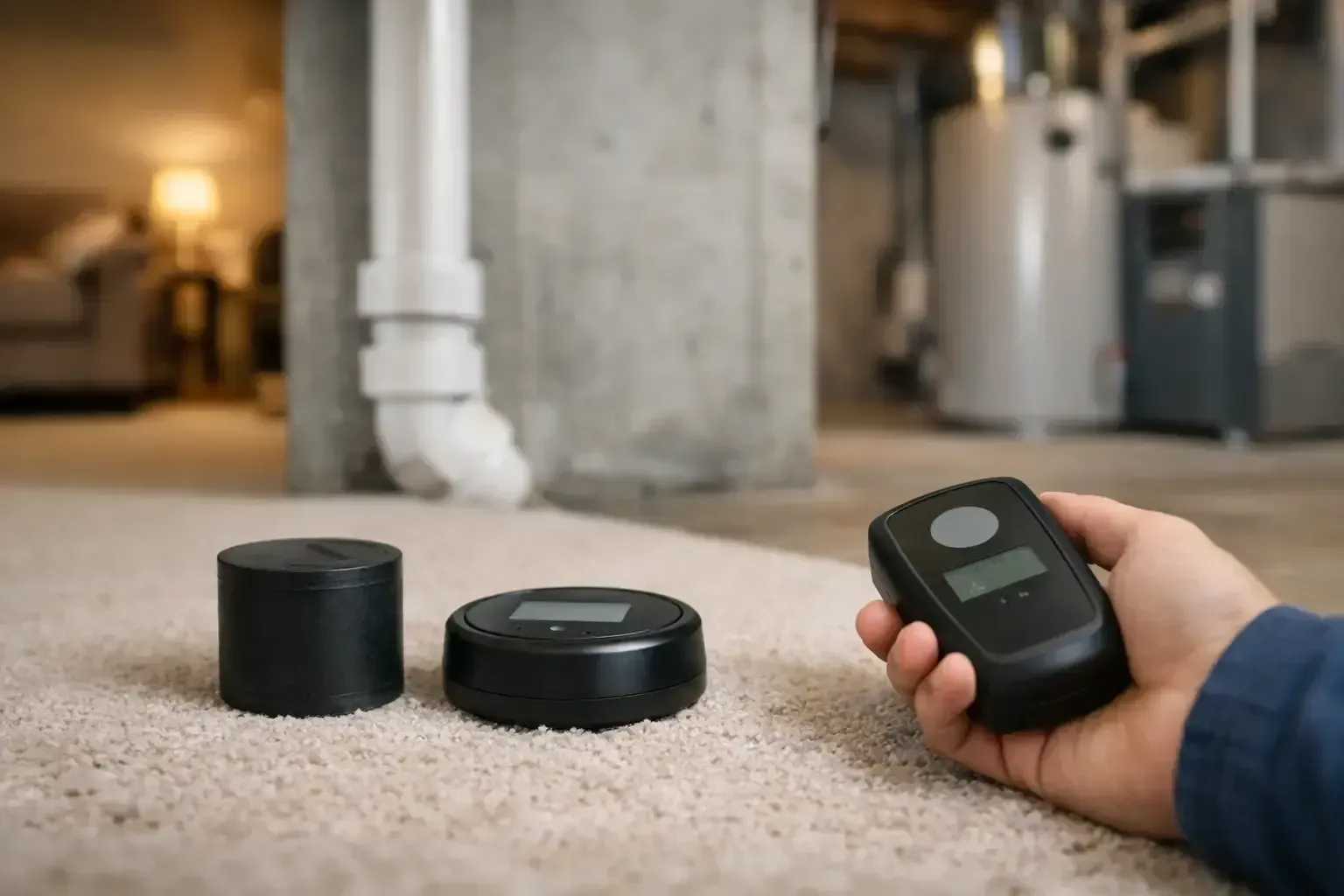
Common Mistakes When Documenting Sewage Contamination
The quality of the report depends on the quality of the inspection. You want someone who understands moisture behavior, building materials, contamination categories, and the difference between visible damage and actual spread. The report should be direct, specific, and supported by field findings, not vague language.
It also helps to work with a company that can explain results in plain English. Technical accuracy matters, but so does communication. When people are dealing with damage to a home, rental, office, or investment property, they need answers they can act on.
In Florida and Kentucky, where weather, humidity, plumbing failures, and hidden moisture issues can all play a role, a thorough assessment is one of the smartest early steps you can take. Hanes Environmental provides that kind of clear, field-based reporting so property owners know what they are dealing with before the damage gets worse.
The sooner you replace assumptions with documented facts, the easier it becomes to protect the building, the people inside it, and the money it will take to set things right.
Why Interpretation Matters More Than the Lab Report Alone
If the property recently had a leak, flood, or AC overflow, timing matters. Testing too early can miss developing growth, while waiting too long can allow contamination to spread. In many cases, the first priority after water damage is drying and stabilizing the structure quickly. Once materials remain wet beyond a day or two, the risk of mold increases significantly.
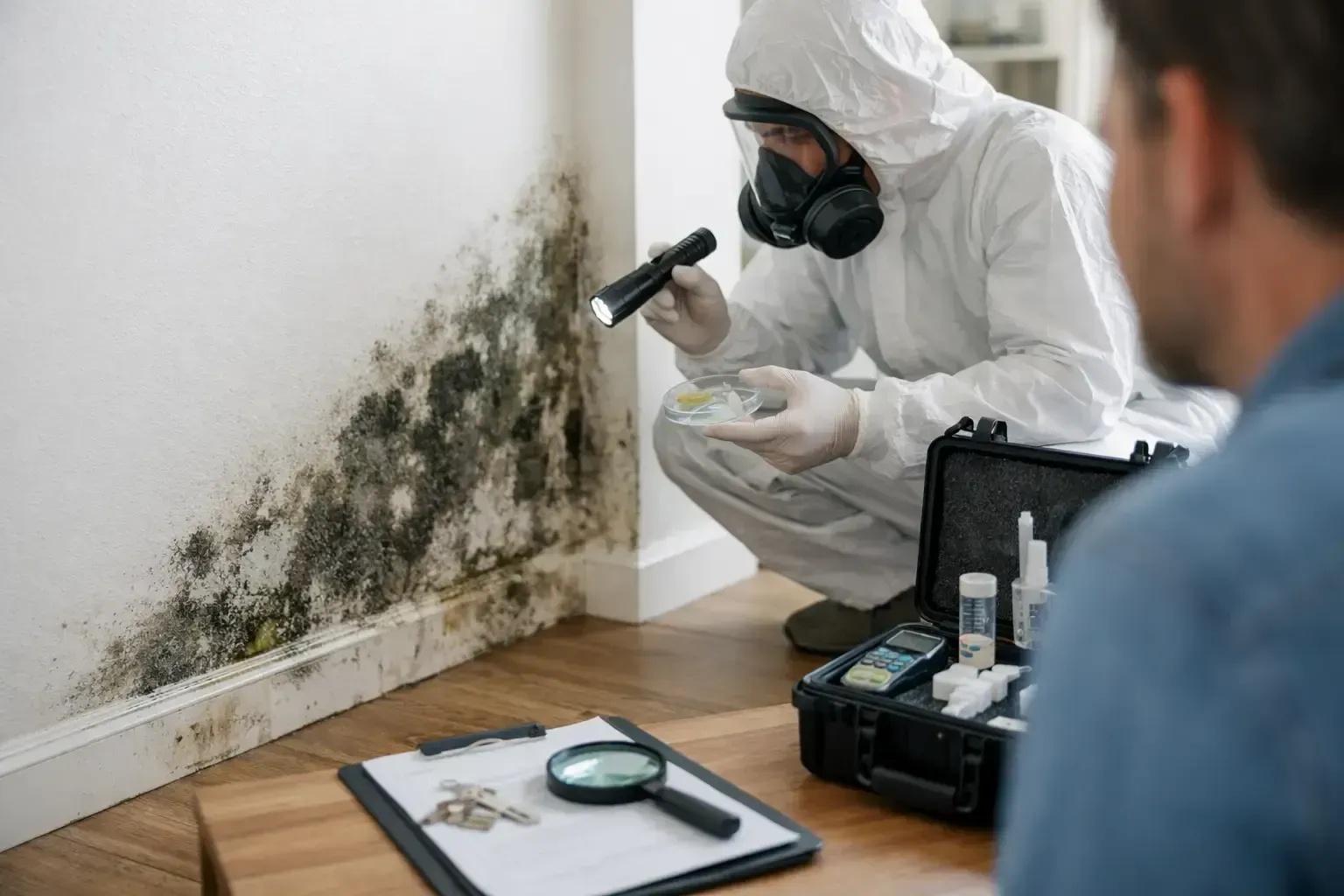
After water damage, testing usually focuses on the affected materials, adjacent rooms, and HVAC impact if the system ran during the event. Moisture mapping is essential here. Water often travels farther than the visible stain suggests, especially under flooring and inside wall cavities.
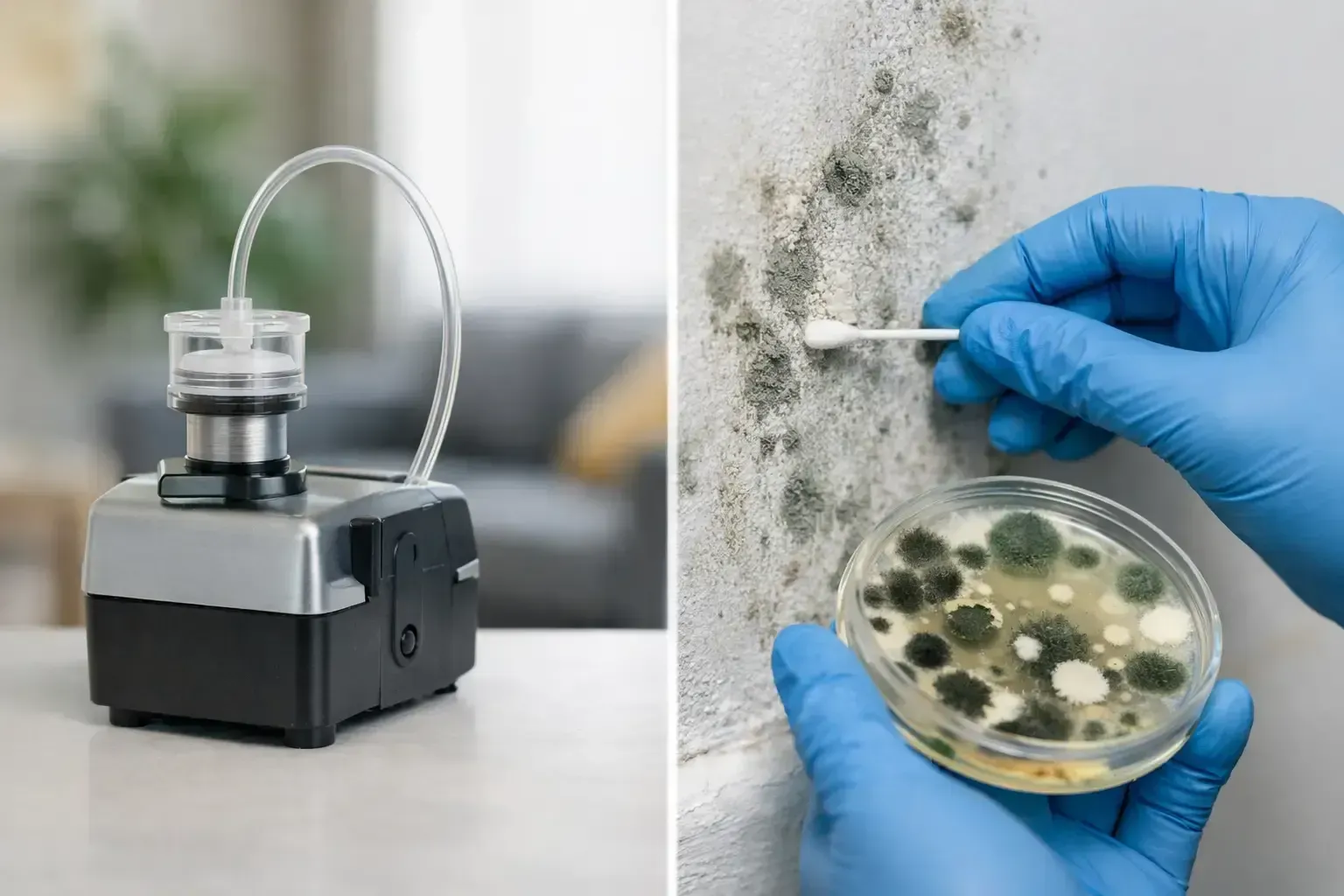
If remediation has already been performed, post-remediation verification testing may be the next step. That type of testing checks whether contamination has been properly removed and whether the area is dry and ready for rebuild. For property owners, buyers, managers, and contractors, that documentation can be just as important as the initial diagnosis.
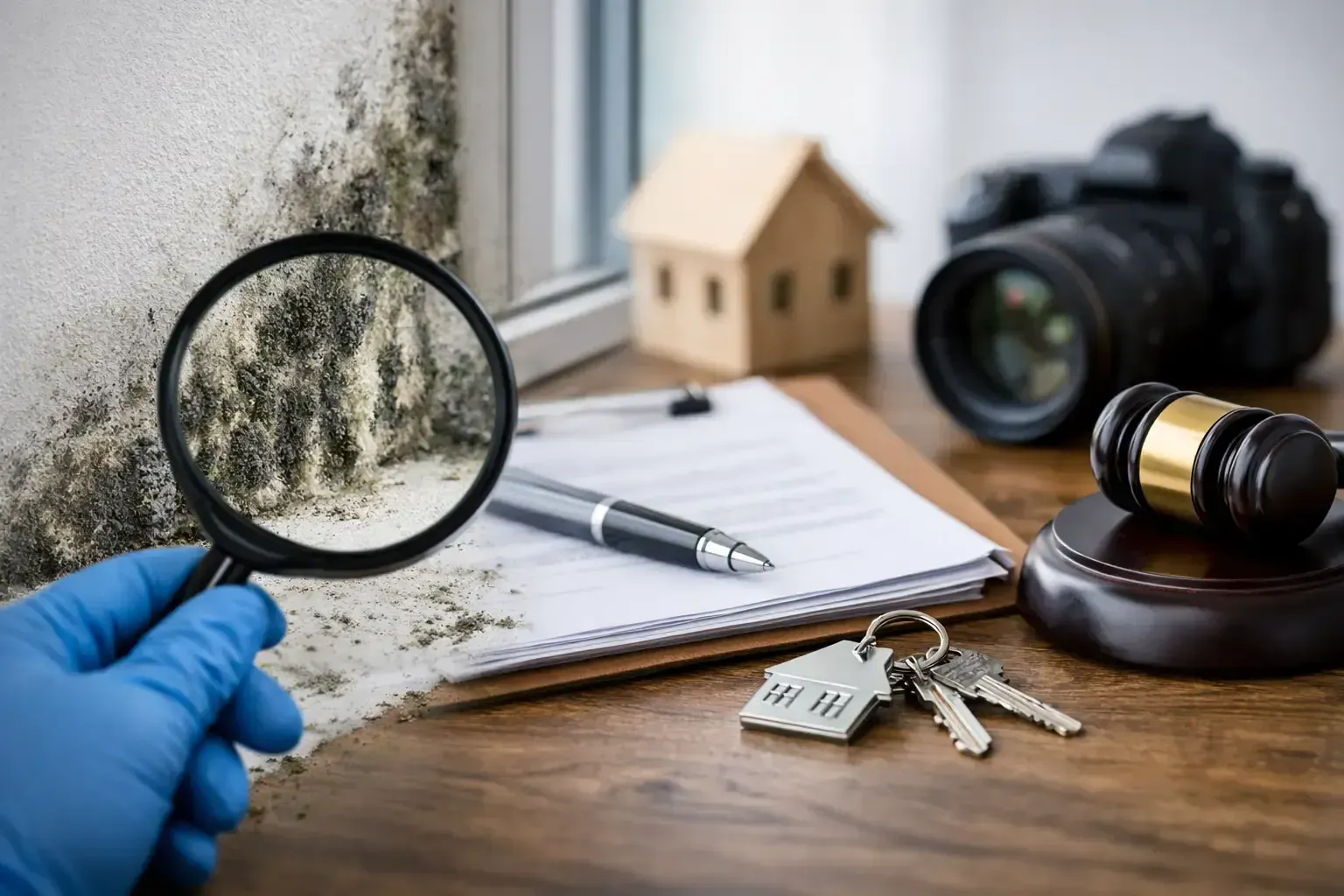
Use the checklist as a screening tool, not a final diagnosis. Walk the property slowly. Start where water is most likely, then expand outward to adjacent rooms and connected systems such as HVAC and crawl spaces. Document what you see, what you smell, and what history you know.
If your inspection reveals isolated humidity staining, you may only need better ventilation and moisture control. If it reveals recurring leaks, soft materials, spreading discoloration, or widespread odor, the safer move is a professional mold assessment with testing where appropriate.
When indoor conditions feel off, delay usually makes the situation more expensive. A careful inspection done early can protect your health, your property, and your documentation if the issue turns into a real estate, insurance, or tenant matter.
The best closing thought is simple: trust what the building is telling you. If you see moisture, smell mustiness, or notice damage that does not make sense, act on it before a small problem becomes hidden contamination.
Room-by-room Inspection Points
Bring in Qualified Help for Complex or Contaminated Losses
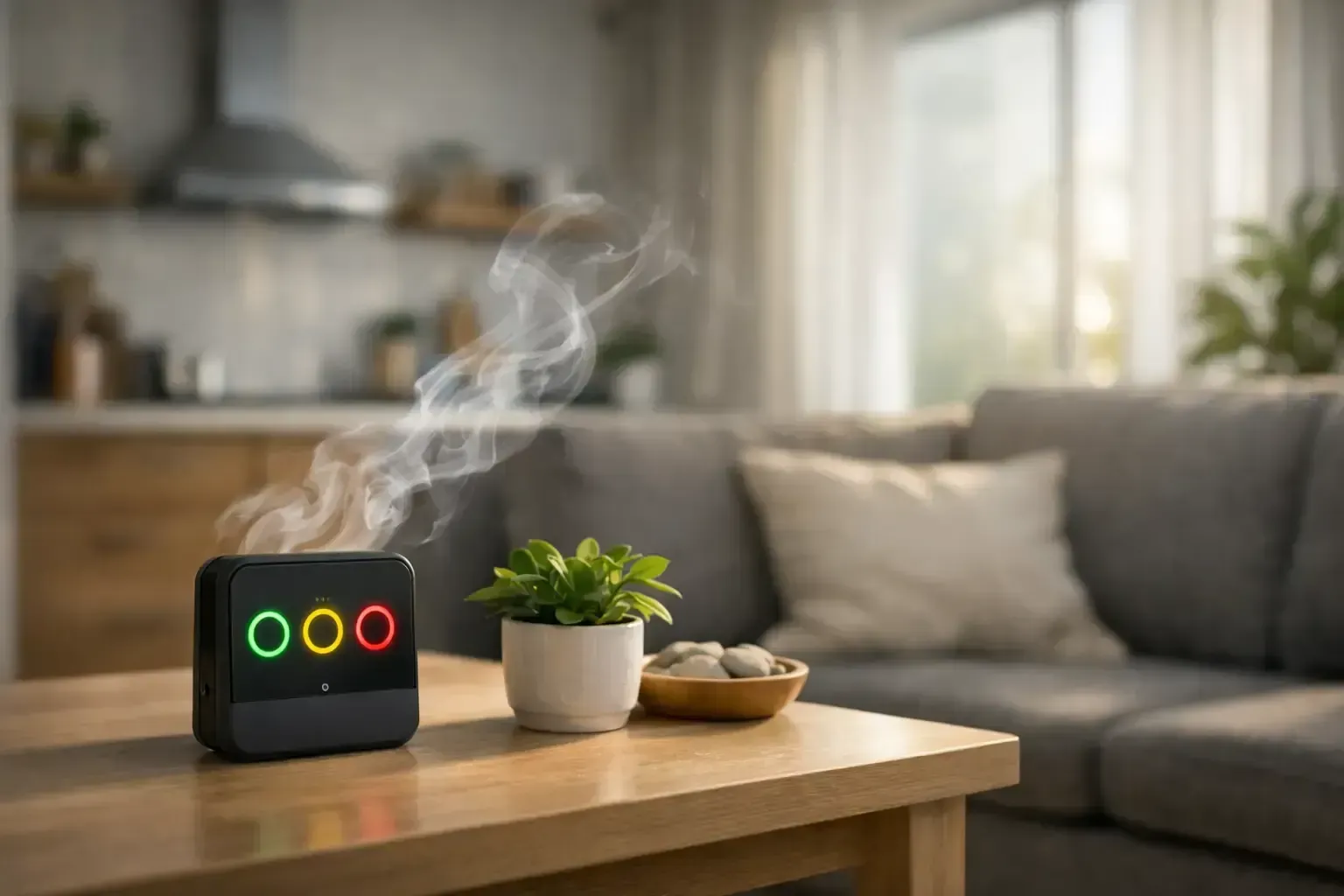
That “new paint” smell, a lingering cleaning-product odor, or fumes after installing flooring can be more than an annoyance. This guide to indoor VOC exposure explains what may be in the air, when odors deserve attention, and how property owners can get clear answers without guessing.
VOC stands for volatile organic compounds. These are carbon-containing chemicals that can evaporate into indoor air at room temperature. Some VOCs have a noticeable odor. Others do not. Their presence does not automatically mean a building is unsafe, but elevated or persistent levels can point to an indoor air quality issue that should be investigated.
For homeowners, renters, property managers, and business owners, the challenge is usually not recognizing that something smells unusual. The challenge is determining the source, understanding whether conditions are temporary or ongoing, and documenting the issue accurately when health, tenant concerns, insurance questions, or a real estate transaction are involved.
What Indoor VOC Exposure Means
Indoor VOC exposure occurs when people breathe air containing chemical vapors released from materials, products, or activities inside or near a building. Concentrations can rise after renovation work, a fire, a water damage event, pest treatment, cleaning, or the introduction of new furniture and finishes.
A VOC result is not a simple pass-or-fail measure of air safety. The meaning depends on the compounds identified, their levels, the duration of exposure, ventilation conditions, occupancy, and the property’s history. A short-term increase after painting a room is different from a recurring chemical odor in a bedroom, office, daycare area, or newly remodeled commercial space.
Some people are more sensitive to airborne chemicals than others. Children, older adults, people with asthma or respiratory conditions, and individuals who spend long periods in the affected area may have greater concerns. Still, symptoms alone cannot identify VOCs or prove a source. Testing and a thorough property assessment are necessary to separate chemical vapors from
mold-related odors, smoke residue, sewer gas, combustion concerns, or other indoor air issues.
Common Sources of VOCs Inside Properties
VOCs can enter indoor air from everyday products, building materials, stored chemicals, and contamination events. The most likely source often depends on what changed before the odor or symptoms began.
Fresh paint, stains, sealants, adhesives, caulk, flooring, cabinetry, carpet, and engineered wood products can release VOCs, particularly when recently installed. New construction and renovation projects deserve close attention because multiple materials may off-gas at the same time in a tightly closed building.
Household and commercial products can also contribute. Cleaning agents, air fresheners, disinfectants, laundry products, aerosol sprays, cosmetics, hobby supplies, fuel containers, and pesticides may release vapors during use or while stored improperly. A garage attached to a home can be a significant pathway if gasoline, solvents, paints, or lawn equipment fumes migrate through gaps, doors, ductwork, or shared wall openings.
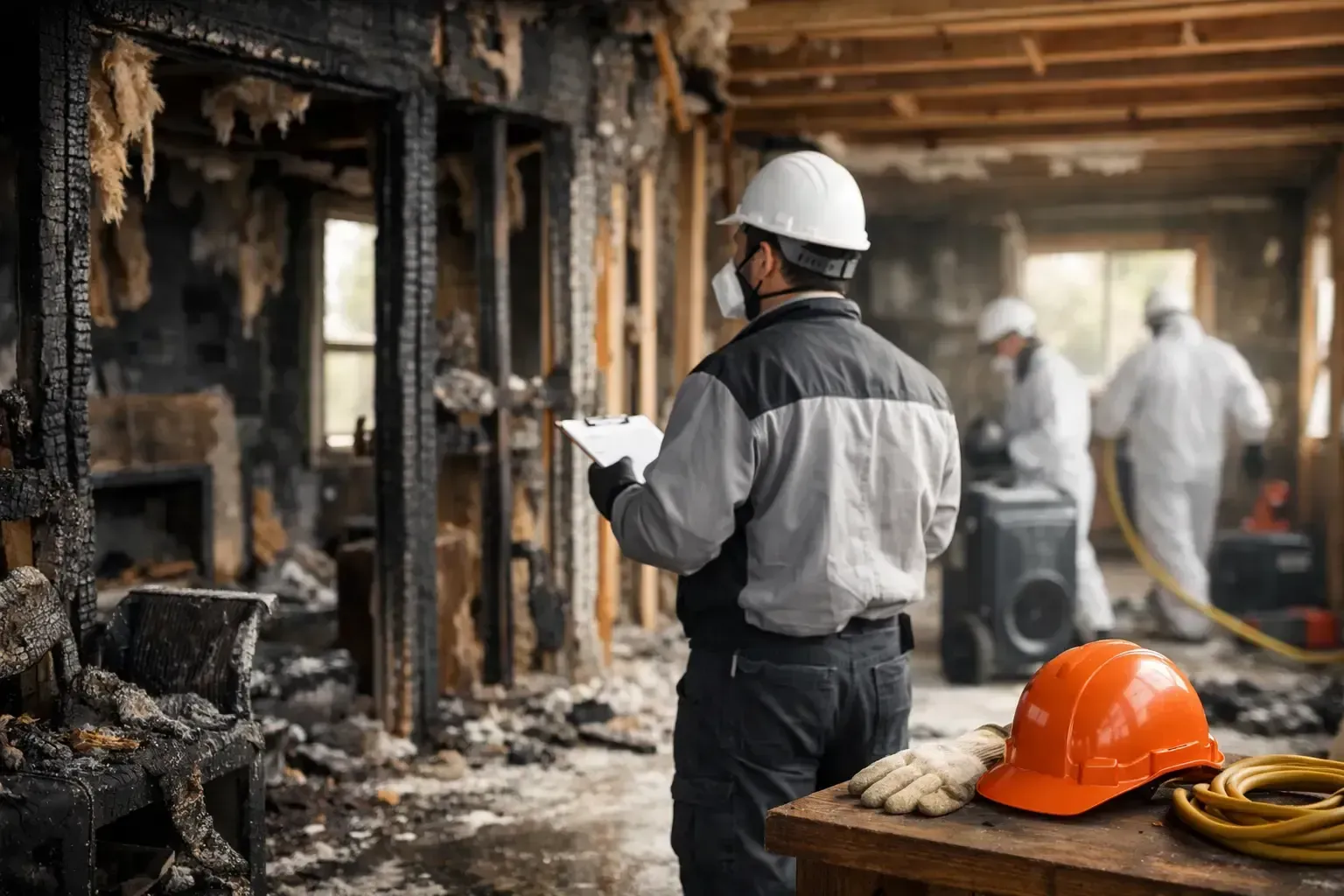
Fire and smoke damage can create a different and more complicated situation. Burned materials, soot, charred contents, and cleaning efforts may leave odors and chemical residues behind. Water damage can also matter when wet materials, microbial growth, cleaning products, or restoration materials are involved. In those cases, an investigation should look beyond a single odor and consider the entire event history.
Signs That Warrant a Closer Look
A chemical smell that remains for days or weeks, returns after the HVAC system runs, or becomes stronger in one room should not be ignored. The same is true when occupants report headaches, eye or throat irritation, nausea, dizziness, or respiratory discomfort that appears to improve when they leave the property.
These symptoms are nonspecific. They may have many causes, including allergies, dust, mold, smoke residue, humidity problems, or unrelated medical conditions. Do not rely on symptoms as a testing method. Treat them as a reason to investigate conditions promptly, especially if multiple occupants report similar concerns.
Pay attention to patterns. Does the odor appear after a new cleaning contractor services the building? Did it begin after new flooring, painting, a plumbing leak, a fire, or pesticide application? Is it limited to a closet, utility room, garage-adjacent space, or a recently renovated suite? Specific observations help narrow the assessment and support a more meaningful testing plan.
How Ventilation Changes the Picture
Ventilation can reduce airborne VOC concentrations, but it is not a substitute for identifying a significant source. Opening windows or increasing outdoor air may help after normal painting or cleaning, provided outdoor conditions are suitable. Running bathroom and kitchen exhaust fans can also help remove moisture and certain indoor pollutants.
However, ventilation can mask a problem during an assessment if it is changed immediately before testing. If an odor is intermittent, turning on fans, adding fragrances, deep cleaning, or removing suspected materials before an inspection may make the source harder to identify. When possible, document what you notice first: the time, location, odor description, recent activities, and whether HVAC operation affects the condition.
HVAC systems deserve careful review as well. Filters, dirty coils, duct leakage, pressure differences, and outdoor-air settings can influence how contaminants move through a building. An air handler may not create the VOC source, but it can distribute vapors from a garage, storage room, damaged area, or neighboring suite.
When Consumer Products Are Not Enough
Home air monitors and odor sensors can be useful for noticing changes, but they often provide broad readings rather than identifying specific compounds. A high total VOC reading does not explain what chemicals are present, where they came from, or whether a particular material is responsible.
Consumer devices can also react to harmless activities such as cooking, alcohol-based products, fragrance, or normal cleaning. That does not make the reading meaningless. It means the result needs context. Avoid making major repair, health, lease, or purchase decisions based only on a screen reading from a consumer monitor.
Professional VOC testing may involve collecting air samples using appropriate media and laboratory analysis. The inspection should consider the property layout, recent work, visible conditions, ventilation, moisture history, fire or smoke history, chemical storage, and occupant concerns. In some cases, comparison samples or targeted sampling areas are appropriate. In others, the more useful first step is finding an obvious source such as improperly stored chemicals or an actively off-gassing material.
A Practical Response to Suspected VOCs
Start by reducing unnecessary exposure without disturbing important evidence. Move strong chemicals out of occupied areas, secure lids, and store products according to their labels. If a product was recently used, provide reasonable ventilation and allow the recommended curing or drying time. Do not mix cleaning products or use additional fragrances to cover an odor.
Next, look for a clear connection between the problem and a recent event. Review renovation invoices, paint and flooring products, pest-control records, fire or water damage documentation, and changes in cleaning procedures. Property managers should also record occupant reports and identify whether concerns are isolated or occurring across multiple units.
If the odor is strong, persistent, unexplained, or tied to health complaints, request a professional assessment. This is especially important before closing a real estate transaction, returning occupants after a fire or restoration project, responding to tenant complaints, or reopening a commercial area. Clear documentation can help define the problem, guide corrective work, and establish whether post-repair verification is needed.
Hanes Environmental provides VOC testing and indoor air quality assessments for properties throughout Florida and in Lexington and Louisville, Kentucky. The goal is not to create fear around every household smell. It is to identify conditions accurately, explain the results in plain language, and provide defensible information for the next decision.
What to Expect After Testing
A laboratory-supported result should be reviewed alongside the site observations. If elevated compounds or unusual patterns are found, the next step may involve source removal, material replacement, cleaning, ventilation adjustments, HVAC corrections, or additional investigation. The proper remedy depends on the source. More ventilation may be appropriate for temporary off-gassing, while a damaged or contaminated material may need to be removed.
Be cautious with quick fixes. Air fresheners, ozone generators, and unverified odor treatments can add chemicals, hide conditions temporarily, or create new concerns. A solution should match the documented cause, not just make the room smell different.
Indoor air should not leave you guessing whether a property is safe to occupy or ready to hand over to a tenant, buyer, or customer. When a chemical odor persists or indoor conditions do not feel right, accurate assessment is the practical next step.
Recent Posts