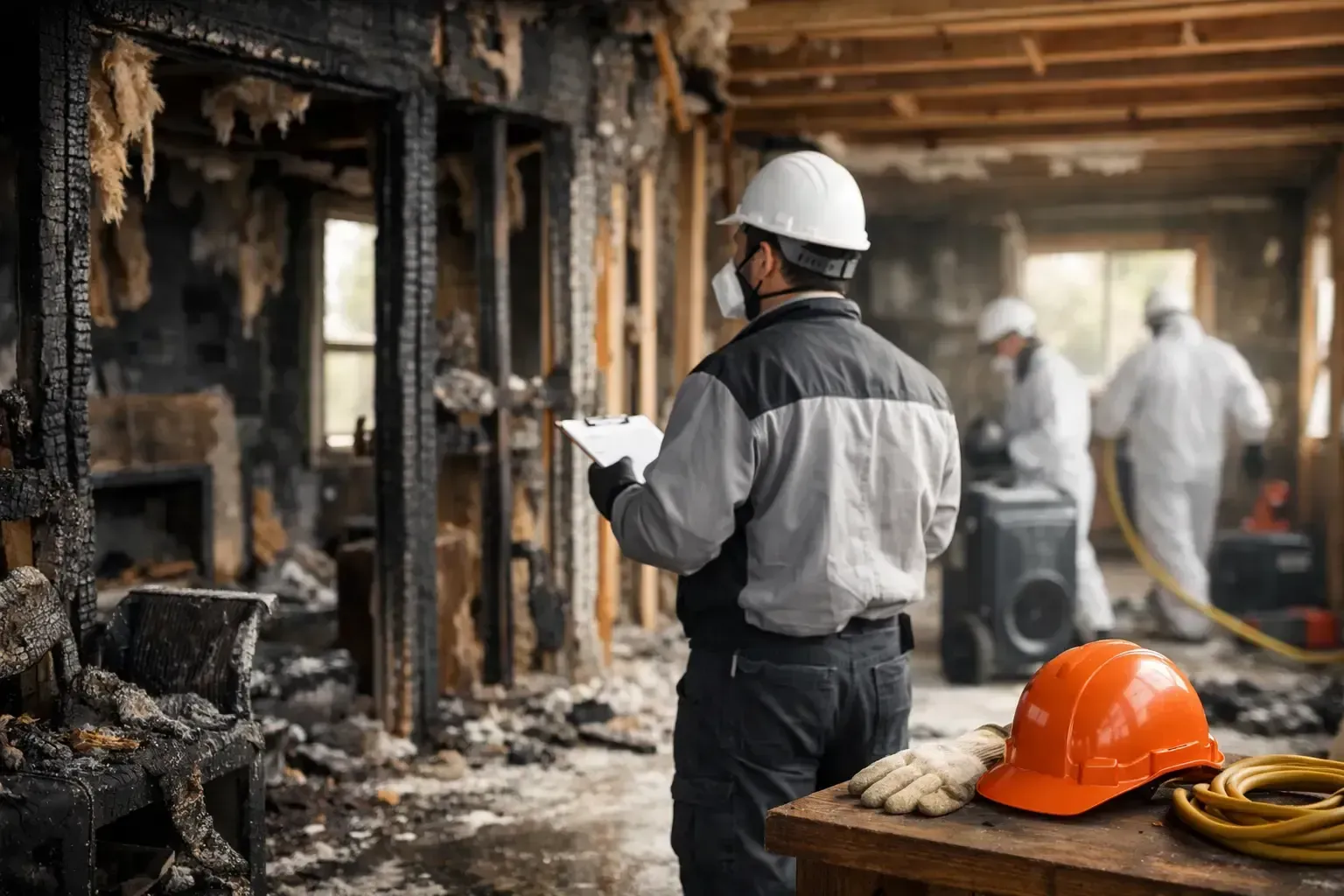
Common Mistakes When Documenting Sewage Contamination
The quality of the report depends on the quality of the inspection. You want someone who understands moisture behavior, building materials, contamination categories, and the difference between visible damage and actual spread. The report should be direct, specific, and supported by field findings, not vague language.
It also helps to work with a company that can explain results in plain English. Technical accuracy matters, but so does communication. When people are dealing with damage to a home, rental, office, or investment property, they need answers they can act on.
In Florida and Kentucky, where weather, humidity, plumbing failures, and hidden moisture issues can all play a role, a thorough assessment is one of the smartest early steps you can take. Hanes Environmental provides that kind of clear, field-based reporting so property owners know what they are dealing with before the damage gets worse.
The sooner you replace assumptions with documented facts, the easier it becomes to protect the building, the people inside it, and the money it will take to set things right.
Why Interpretation Matters More Than the Lab Report Alone
If the property recently had a leak, flood, or AC overflow, timing matters. Testing too early can miss developing growth, while waiting too long can allow contamination to spread. In many cases, the first priority after water damage is drying and stabilizing the structure quickly. Once materials remain wet beyond a day or two, the risk of mold increases significantly.
After water damage, testing usually focuses on the affected materials, adjacent rooms, and HVAC impact if the system ran during the event. Moisture mapping is essential here. Water often travels farther than the visible stain suggests, especially under flooring and inside wall cavities.
If remediation has already been performed, post-remediation verification testing may be the next step. That type of testing checks whether contamination has been properly removed and whether the area is dry and ready for rebuild. For property owners, buyers, managers, and contractors, that documentation can be just as important as the initial diagnosis.
Use the checklist as a screening tool, not a final diagnosis. Walk the property slowly. Start where water is most likely, then expand outward to adjacent rooms and connected systems such as HVAC and crawl spaces. Document what you see, what you smell, and what history you know.
If your inspection reveals isolated humidity staining, you may only need better ventilation and moisture control. If it reveals recurring leaks, soft materials, spreading discoloration, or widespread odor, the safer move is a professional mold assessment with testing where appropriate.
When indoor conditions feel off, delay usually makes the situation more expensive. A careful inspection done early can protect your health, your property, and your documentation if the issue turns into a real estate, insurance, or tenant matter.
The best closing thought is simple: trust what the building is telling you. If you see moisture, smell mustiness, or notice damage that does not make sense, act on it before a small problem becomes hidden contamination.
Room-by-room Inspection Points
Bring in Qualified Help for Complex or Contaminated Losses
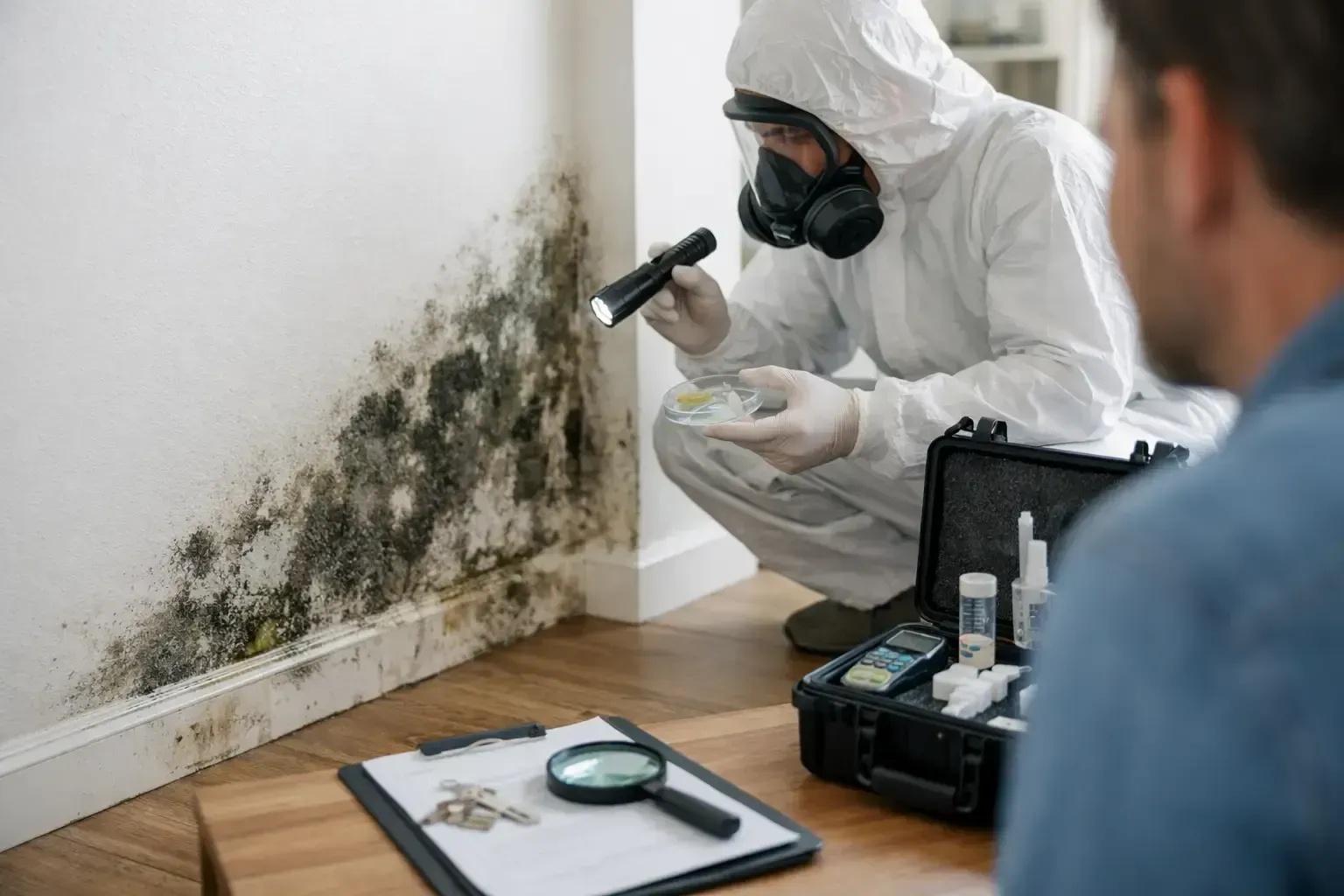
A mold problem is not cleared because the stain is gone or the room smells better. Mold clearance means the moisture source has been corrected, contaminated materials have been properly addressed, and the affected area can be evaluated for a clean, dry condition. This homeowner guide to mold clearance explains what that process should look like, where homeowners can make sound decisions, and when professional assessment and documentation are the safer choice.
Mold Clearance Starts With the Moisture Source
Mold requires moisture. That moisture may come from a visible plumbing leak, storm damage, roof intrusion, an overflowing appliance, high indoor humidity, or condensation around air-conditioning components. If the source is still active, cleaning visible growth is only a temporary cosmetic fix.
Start by identifying what got wet, how long it stayed wet, and whether water may have traveled beyond the visible area. A leak under a sink can affect cabinet bases, drywall, flooring, and the wall cavity behind the cabinet. A roof leak can wet insulation and framing long before discoloration appears on a ceiling.
Florida properties often face persistent humidity, wind-driven rain, and air-conditioning condensation issues. In Kentucky, seasonal temperature changes, basement moisture, roof leaks, and plumbing failures can create similar conditions. The climate differs, but the clearance principle is the same: stop the water first, then dry the affected building materials thoroughly.
Know When a Small Cleanup is Not Enough
A small, surface-level area on a nonporous material may be manageable after the moisture issue is corrected. But homeowners should not assume every visible spot is a minor cleanup project. Porous materials such as drywall, carpet, insulation, ceiling tile, particleboard, and upholstered furnishings can hold moisture and support hidden growth.
The situation becomes more serious when mold covers a large area, returns after cleaning, follows a sewage backup or contaminated water event, or appears after a major water loss. Professional help is also appropriate when occupants report persistent odor, eye or throat irritation, respiratory symptoms, or when the property involves tenants, a real estate transaction, an insurance claim, or a dispute over responsibility.
Do not disturb suspect materials aggressively before the conditions are understood. Scrubbing, sanding, demolition, or using a fan in the wrong area can spread particles into unaffected rooms. Bleach is also not a complete mold-clearance plan. It may lighten discoloration on some surfaces, but it does not correct moisture, restore damaged porous materials, or prove that hidden contamination is gone.
Document Conditions Before Remediation Begins
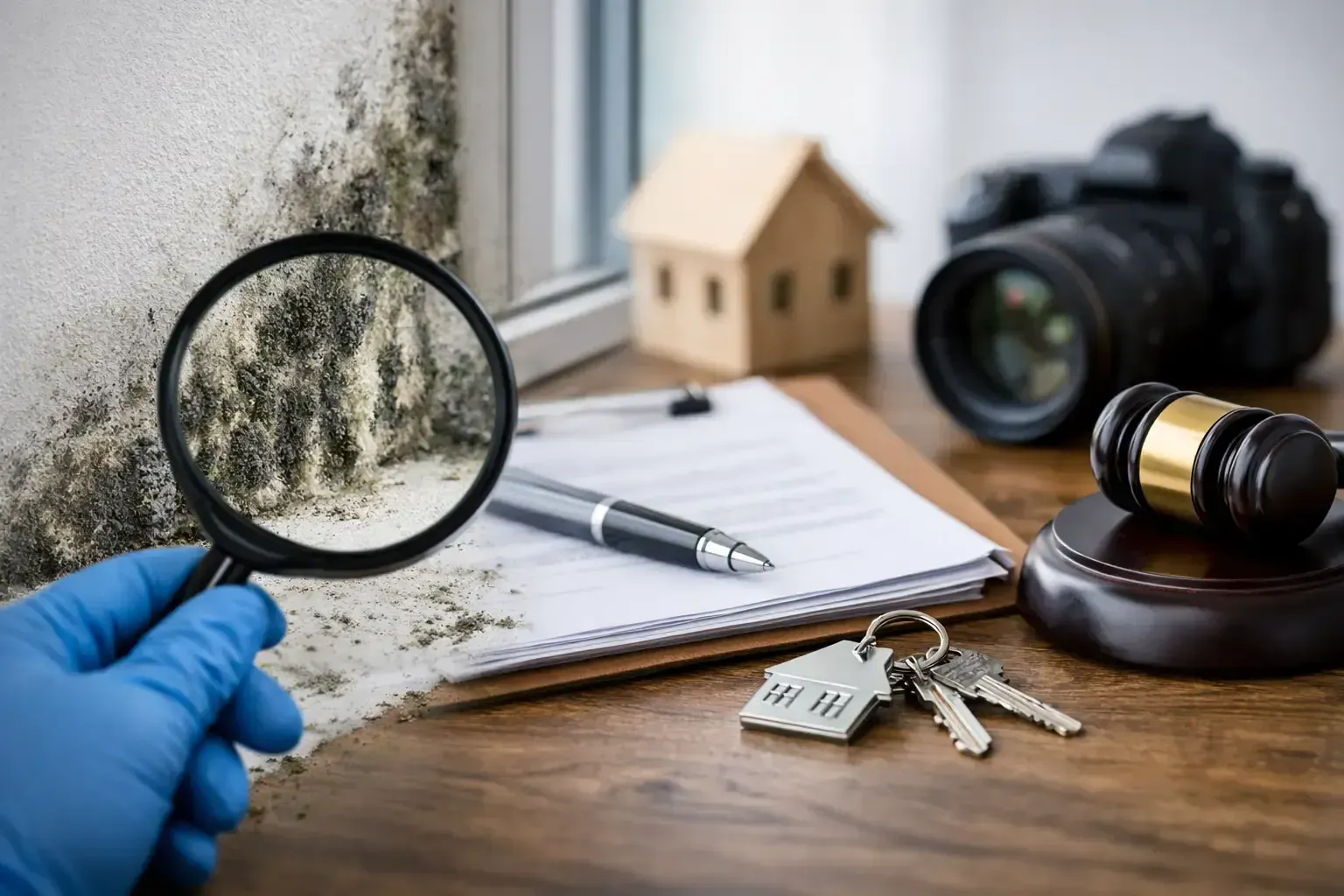
Clear documentation protects the homeowner and provides a practical roadmap for the work ahead. Take date-stamped photographs of visible growth, staining, water damage, damaged contents, plumbing conditions, and any suspected entry point. Keep invoices, emergency water-extraction records, repair estimates, and correspondence with insurance representatives or property managers.
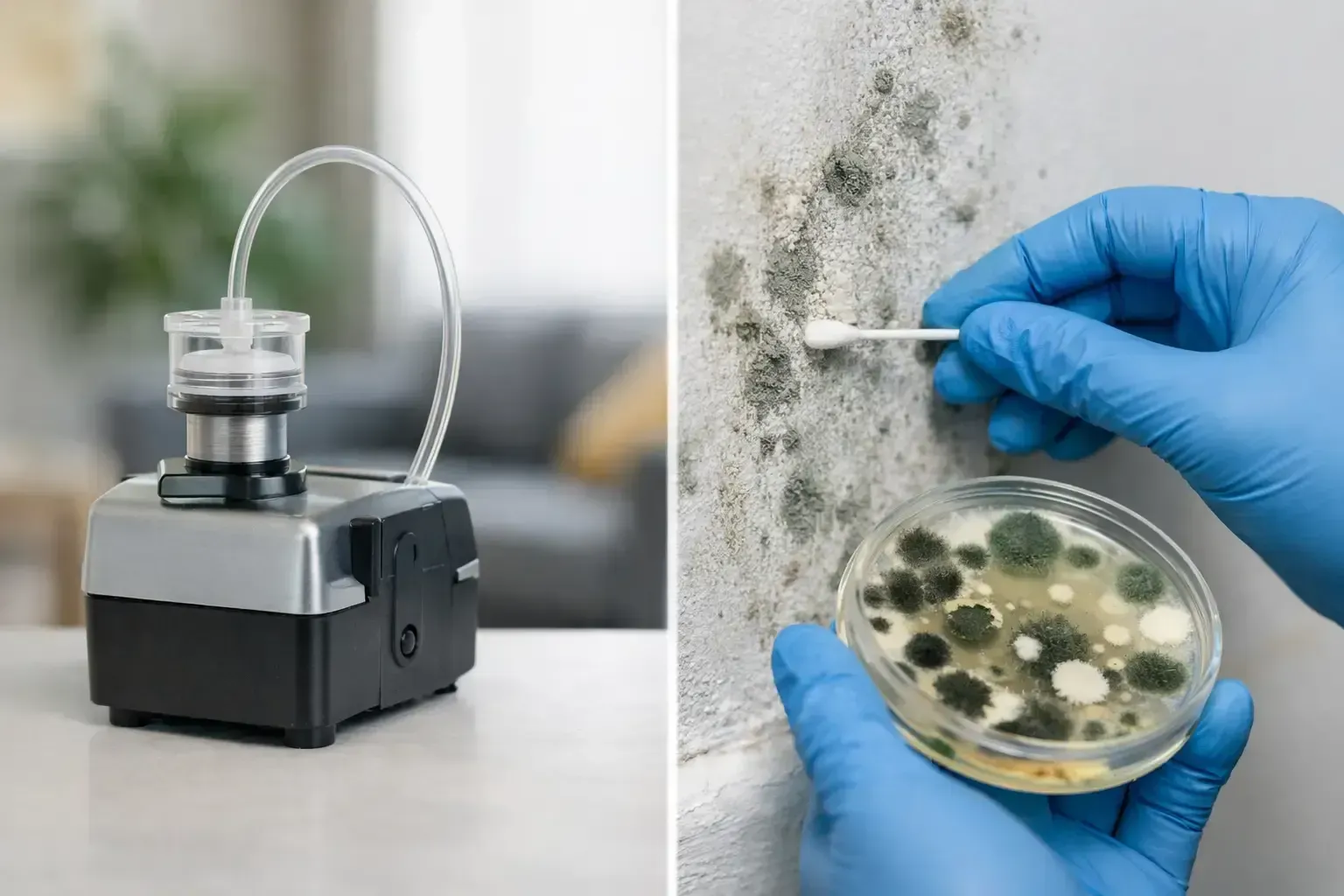
A professional mold assessment can add the detail that photographs alone cannot provide. The assessment may include a visual inspection, moisture measurements, humidity evaluation, infrared screening where appropriate, material observations, and targeted sampling when it will answer a useful question. Sampling is not required in every case, but laboratory-supported testing can be valuable when the extent is uncertain, contamination is hidden, or defensible documentation is needed.
The goal is not to chase a single mold number. A reliable assessment should help determine the moisture source, the likely extent of impact, the materials involved, and the conditions that must be met before clearance can be considered.
Separate Assessment From the Cleanup Plan
For larger or disputed projects, an independent assessment and written scope can be especially useful. It gives the remediation contractor clear direction and gives the owner a record of what was found before work started. This can reduce confusion about whether demolition was necessary, which materials required removal, and what areas need to be evaluated after the work.
It also helps prevent a common mistake: treating only the visibly damaged surface while leaving wet materials or contaminated cavities behind it.
What Proper Mold Remediation Should Accomplish
Remediation is not simply spraying a product. The work should address contaminated materials, control the spread of dust and particles, remove moisture, clean appropriate structural surfaces, and return the area to a condition suitable for rebuilding.
The exact scope depends on the affected materials and the source of water. A small leak contained to a cabinet may require a very different response than a flooded room, a long-term roof leak, or moisture found behind multiple walls. In many cases, damaged porous materials cannot be reliably cleaned and may need removal. Structural framing may be cleaned and dried if it remains sound.
Containment is another critical part of the process. For significant projects, the work area may need physical barriers and controlled airflow so dust and mold particles are not carried into clean rooms. Workers should use appropriate protective equipment, and debris should be handled in a way that does not contaminate hallways, HVAC systems, or living areas.
Drying must be verified rather than assumed. Materials can feel dry on the surface while retaining moisture deeper inside. Moisture readings, humidity control, and inspection of affected assemblies help determine whether drying goals have been reached.
A Homeowner Guide to Mold Clearance Testing
Post-remediation verification, often called PRV or clearance testing, is the step that evaluates whether remediation work appears complete. It is most useful after a substantial mold project, a water loss with suspected contamination, a property sale, an insurance claim, or any situation where the owner needs objective documentation.
A proper clearance evaluation begins with a detailed visual inspection. The assessor looks for remaining debris, dust, visible growth, wet materials, unresolved leaks, and incomplete repairs. The containment area should be clean, and materials intended to remain should be dry and free of visible contamination.
Depending on site conditions and the purpose of the evaluation, the process may also include moisture readings and air or surface sampling. Testing should be interpreted in context. An air sample is not a stand-alone guarantee that a home is mold-free, and a single result should never override obvious evidence of moisture or incomplete cleaning. Results are most meaningful when paired with field observations, moisture data, the remediation scope, and appropriate comparison samples.
A clearance report can provide a clear record of conditions observed, methods used, laboratory findings if samples were collected, and whether the area met the defined clearance criteria. For homeowners, this documentation can be valuable when discussing completed work with a contractor, insurer, buyer, seller, landlord, or property manager.
Questions to Ask Before You Sign Off
Before final payment or reconstruction, ask direct questions. Has the original moisture source been repaired? Were wet porous materials removed or documented as successfully dried? Was the HVAC system evaluated if it may have been affected? Were containment and cleaning procedures used where needed? Is there written documentation of the completed work?
If the project was more than a very limited surface issue, also ask whether post-remediation verification is appropriate. The answer depends on the size of the loss, the materials involved, occupant concerns, and the need for documentation. It is often a reasonable investment when hidden moisture, insurance, real estate, or health-related concerns are part of the situation.
Be cautious of anyone who promises clearance based only on a quick visual glance or insists that testing alone can replace a thorough inspection. Mold decisions should be based on the building conditions, not fear-based sales tactics or a one-size-fits-all package.
Protect the Property After Clearance
Once the affected area is cleared and rebuilt, prevention comes down to moisture control. Repair leaks promptly, maintain gutters and exterior drainage, use exhaust fans in bathrooms and kitchens, and keep indoor humidity under control. Air-conditioning systems, drain pans, condensate lines, and filters deserve regular attention, especially in humid climates.
Check previously affected areas after heavy rain, plumbing repairs, or extended periods of high humidity. A musty odor, new staining, warped materials, or recurring condensation should be investigated early. Small moisture problems are far less disruptive when addressed before materials deteriorate.
When the condition is unclear, accurate assessment is the right first move. Hanes Environmental provides mold assessments, moisture investigations, laboratory-supported testing, and post-remediation verification for property owners who need clear findings before they move forward. A careful clearance process protects more than the appearance of a room - it protects the decisions made after the damage is gone.
Recent Posts