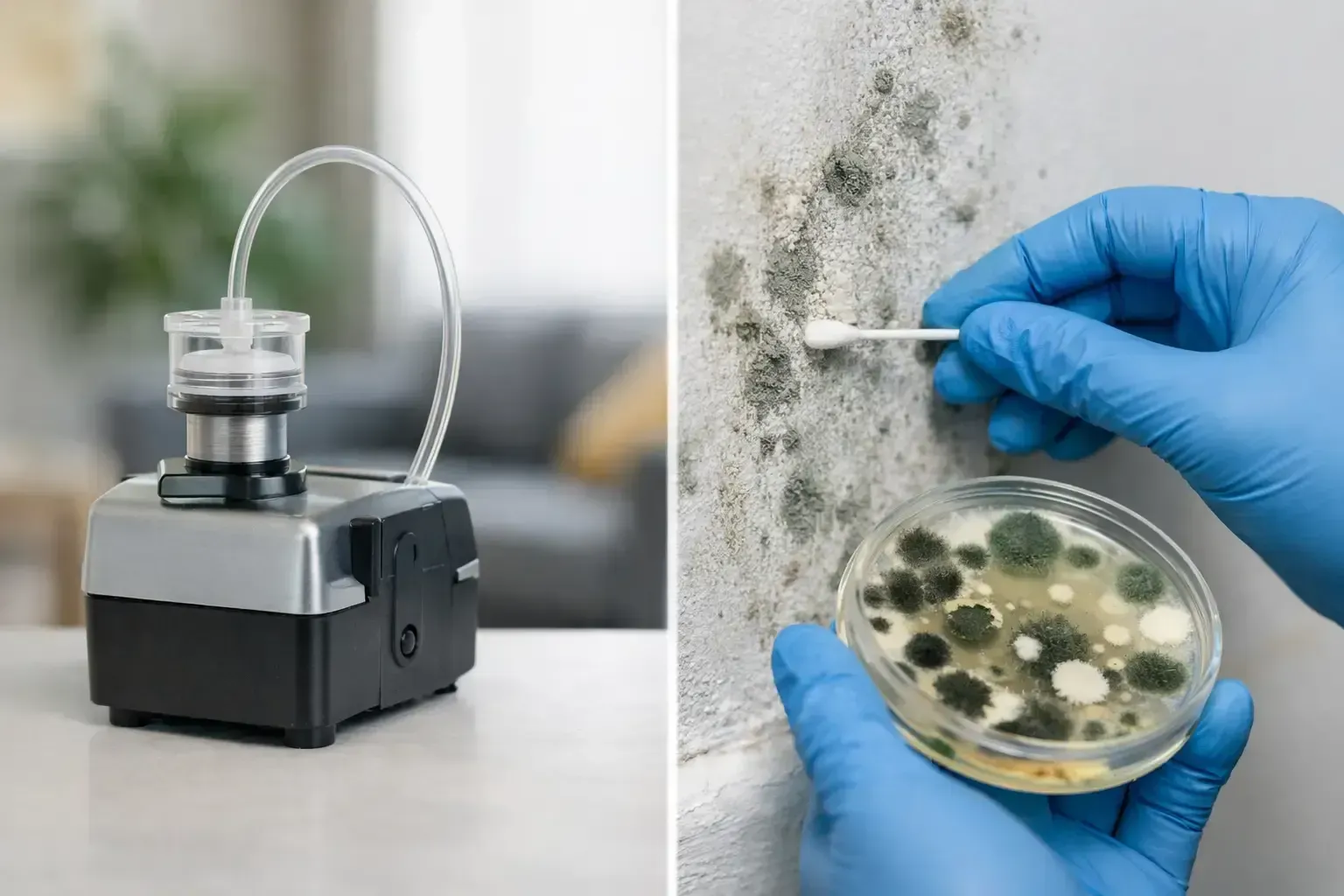
Common Mistakes When Documenting Sewage Contamination
The quality of the report depends on the quality of the inspection. You want someone who understands moisture behavior, building materials, contamination categories, and the difference between visible damage and actual spread. The report should be direct, specific, and supported by field findings, not vague language.
It also helps to work with a company that can explain results in plain English. Technical accuracy matters, but so does communication. When people are dealing with damage to a home, rental, office, or investment property, they need answers they can act on.
In Florida and Kentucky, where weather, humidity, plumbing failures, and hidden moisture issues can all play a role, a thorough assessment is one of the smartest early steps you can take. Hanes Environmental provides that kind of clear, field-based reporting so property owners know what they are dealing with before the damage gets worse.
The sooner you replace assumptions with documented facts, the easier it becomes to protect the building, the people inside it, and the money it will take to set things right.
Why Interpretation Matters More Than the Lab Report Alone
If the property recently had a leak, flood, or AC overflow, timing matters. Testing too early can miss developing growth, while waiting too long can allow contamination to spread. In many cases, the first priority after water damage is drying and stabilizing the structure quickly. Once materials remain wet beyond a day or two, the risk of mold increases significantly.
After water damage, testing usually focuses on the affected materials, adjacent rooms, and HVAC impact if the system ran during the event. Moisture mapping is essential here. Water often travels farther than the visible stain suggests, especially under flooring and inside wall cavities.
If remediation has already been performed, post-remediation verification testing may be the next step. That type of testing checks whether contamination has been properly removed and whether the area is dry and ready for rebuild. For property owners, buyers, managers, and contractors, that documentation can be just as important as the initial diagnosis.
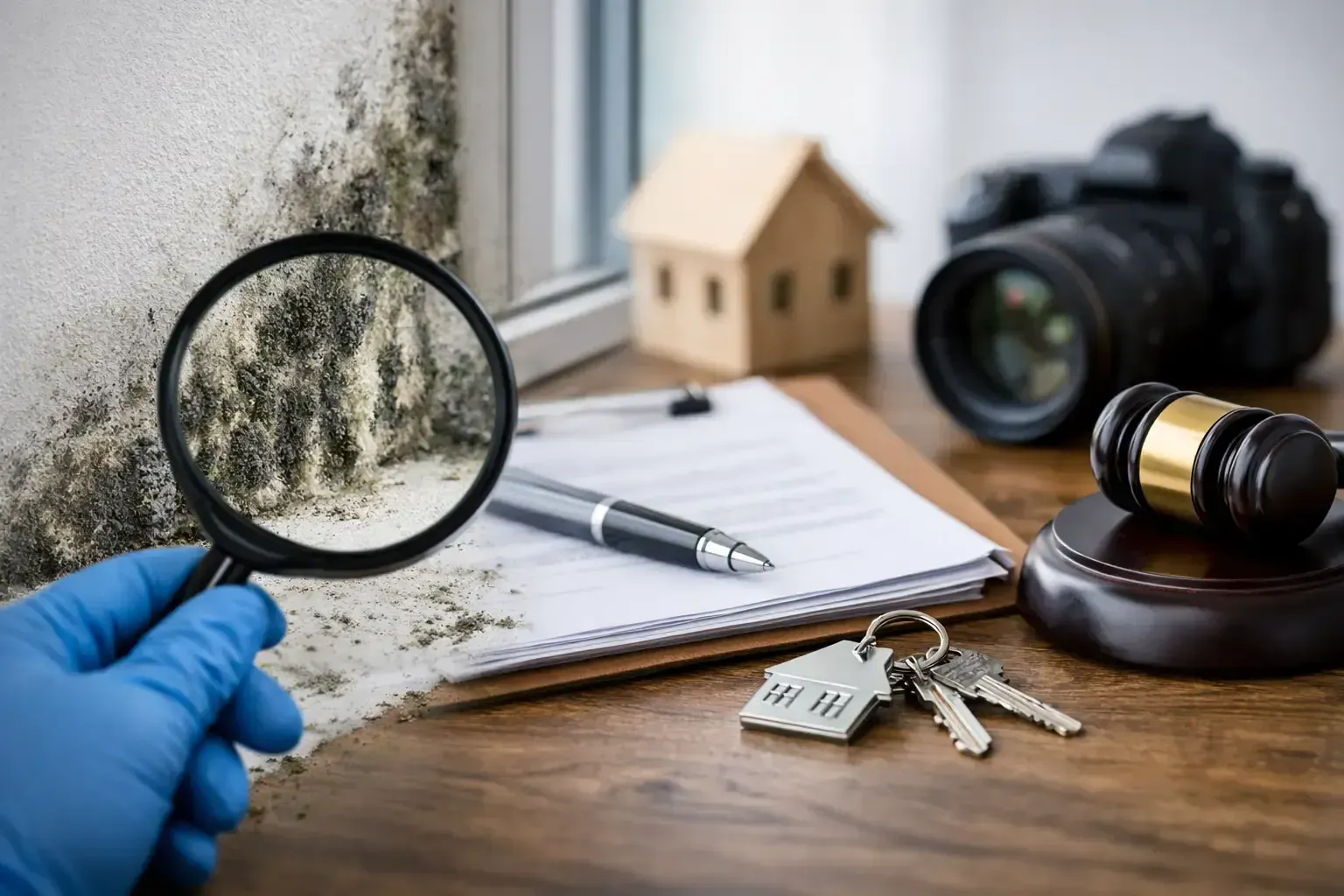
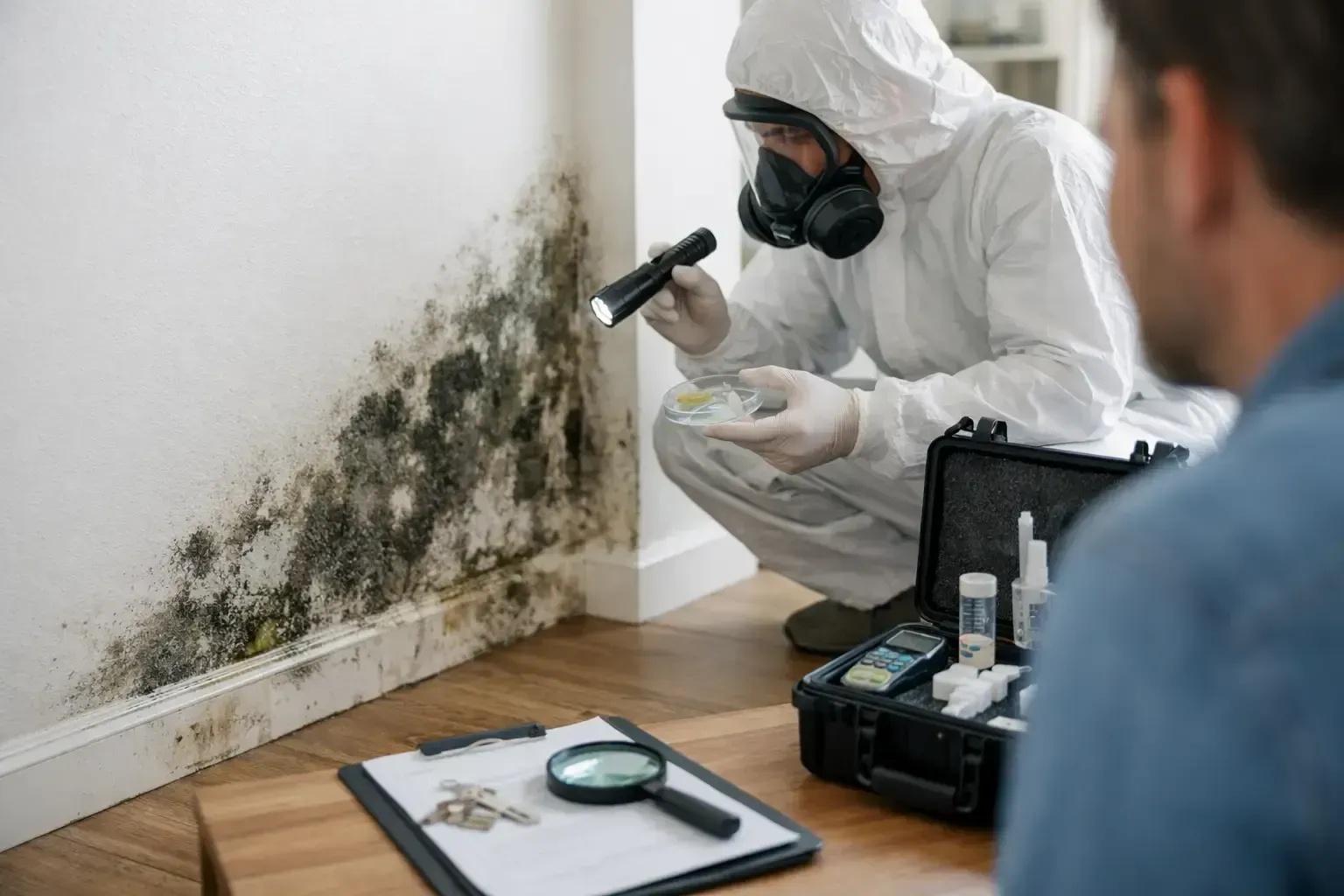
Use the checklist as a screening tool, not a final diagnosis. Walk the property slowly. Start where water is most likely, then expand outward to adjacent rooms and connected systems such as HVAC and crawl spaces. Document what you see, what you smell, and what history you know.
If your inspection reveals isolated humidity staining, you may only need better ventilation and moisture control. If it reveals recurring leaks, soft materials, spreading discoloration, or widespread odor, the safer move is a professional mold assessment with testing where appropriate.
When indoor conditions feel off, delay usually makes the situation more expensive. A careful inspection done early can protect your health, your property, and your documentation if the issue turns into a real estate, insurance, or tenant matter.
The best closing thought is simple: trust what the building is telling you. If you see moisture, smell mustiness, or notice damage that does not make sense, act on it before a small problem becomes hidden contamination.
Room-by-room Inspection Points
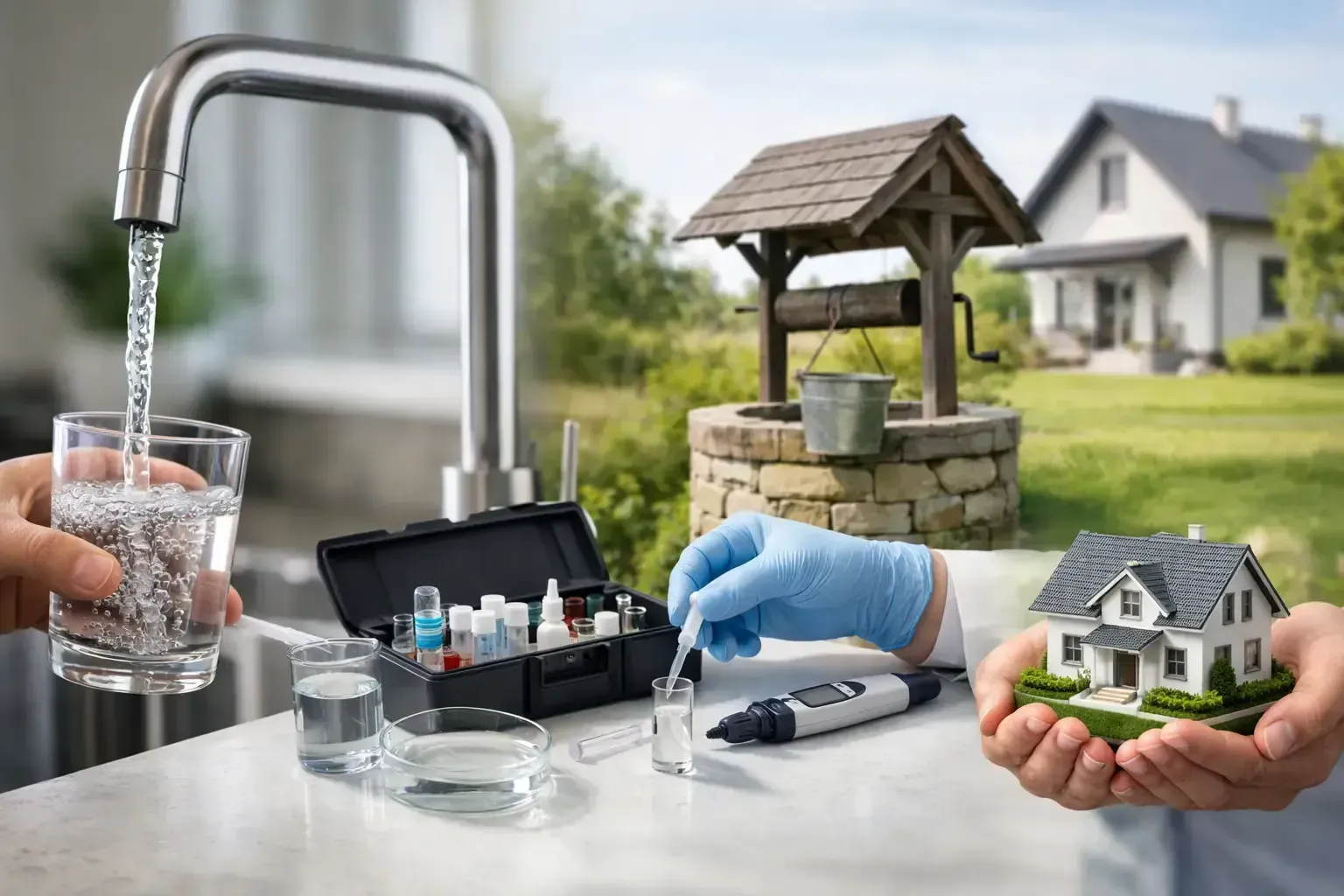
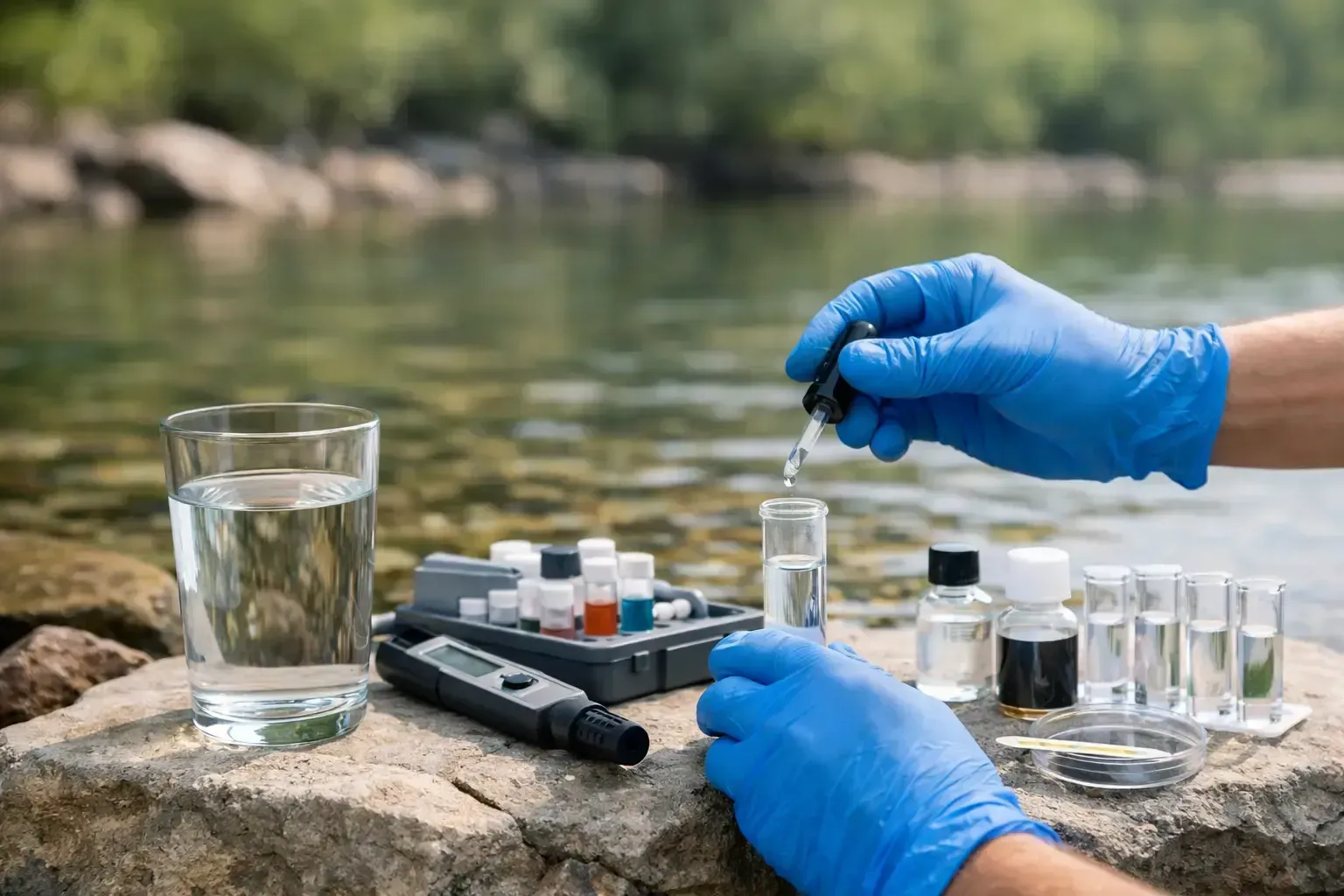
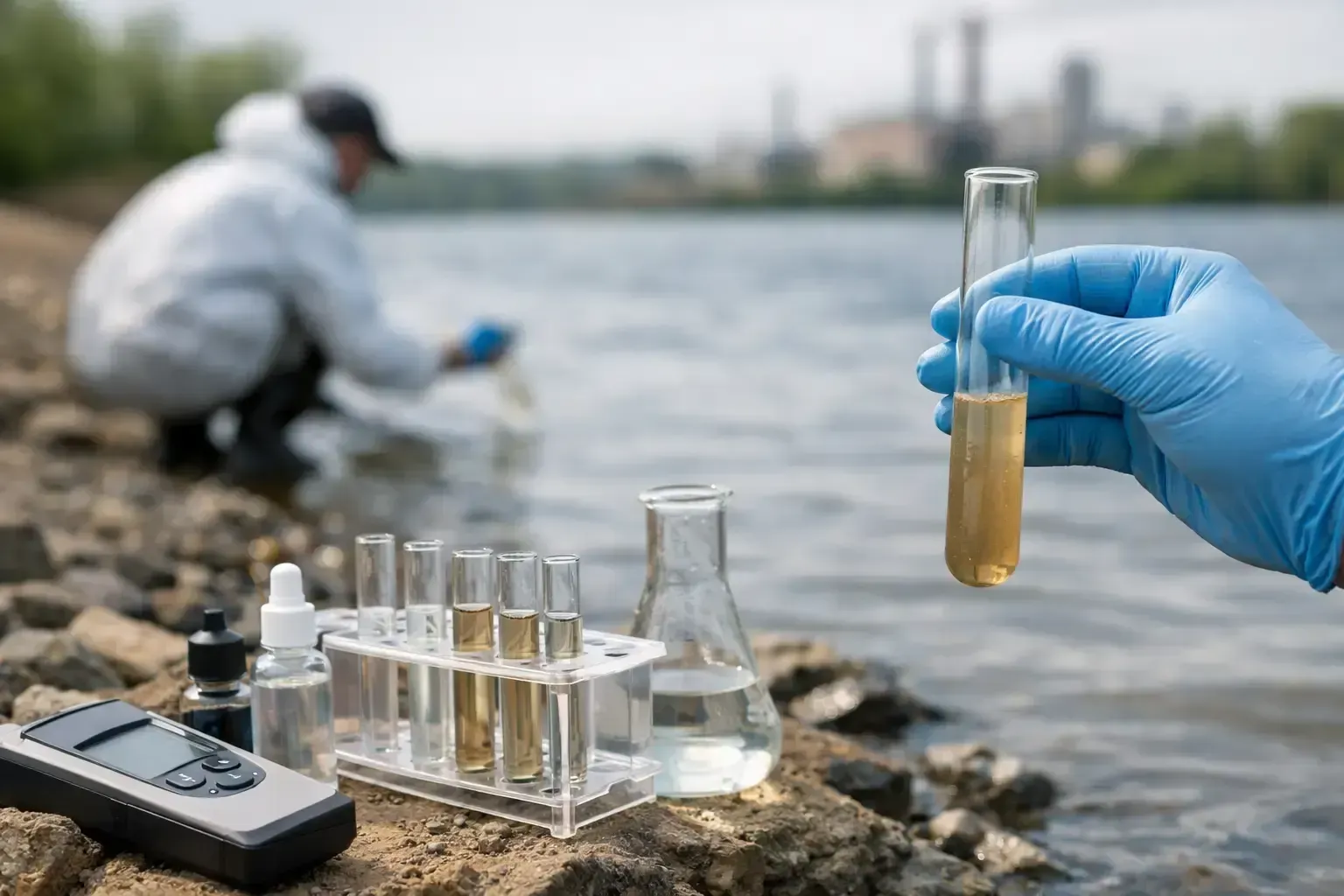
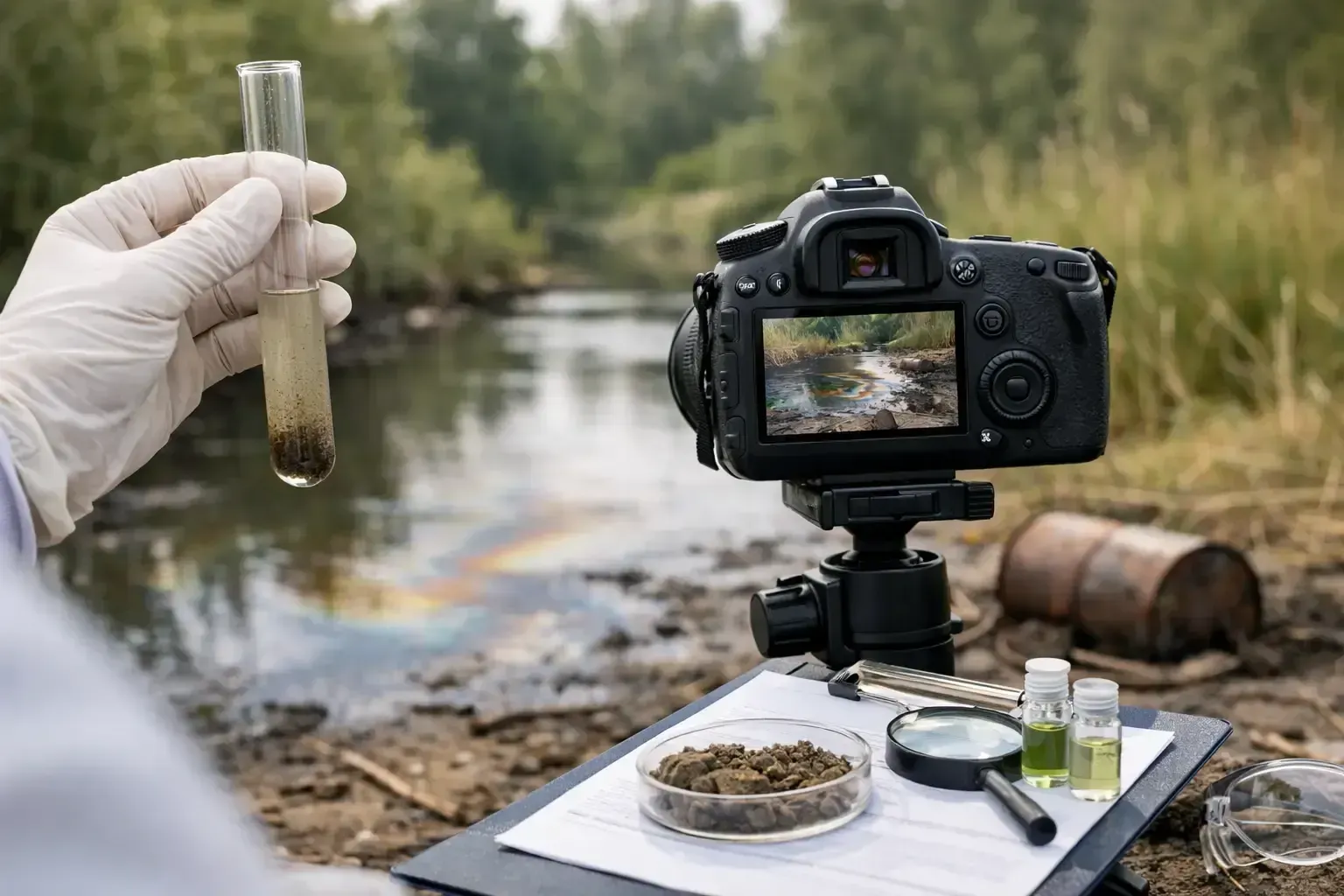
A detected contaminant does not automatically mean the entire building is unsafe, and a non-detect result does not erase a separate moisture, sewage, or plumbing issue. Results must be interpreted in context. A bacterial detection in a private well may call for a review of the well system, potential disinfection, corrective repairs, and follow-up sampling. A fixture-specific metals result may require plumbing evaluation rather than treatment for the whole property.
When results exceed an applicable standard or reveal a contamination concern, the next step should be targeted. It may involve repairing a well cap, correcting drainage, servicing plumbing, replacing affected materials, disinfecting a system, installing appropriate treatment, or completing restoration after a sewage loss. Retesting is often necessary to confirm that corrective work addressed the original condition.
Avoid selecting treatment equipment before you know what needs treatment. A filter designed for sediment is not necessarily appropriate for bacteria, metals, or chemical contaminants. Likewise, a one-time disinfecting step may not solve an ongoing pathway that allows contamination to return.
Bring in Qualified Help for Complex or Contaminated Losses
For real estate transactions, lender requirements, insurance matters, and commercial properties, the written report can be as important as the test itself. It should clearly state what was sampled, what method was used, what the laboratory found, and what the findings mean in practical terms. Vague language creates uncertainty. Specific documentation supports better decisions.
Hanes Environmental provides water testing and contamination investigations for properties across Florida and in Lexington and Louisville, Kentucky, with a focus on clear reporting and practical next steps. Whether the concern is a well, a lender-required test, a suspected sewage exposure, or water damage affecting a building, the right investigation begins with a properly defined question.
If water has changed, a well has gone untested, or contaminated water may have reached your property, act before assumptions turn into larger repairs or avoidable exposure. Accurate screening gives you a documented starting point and a clearer path forward.
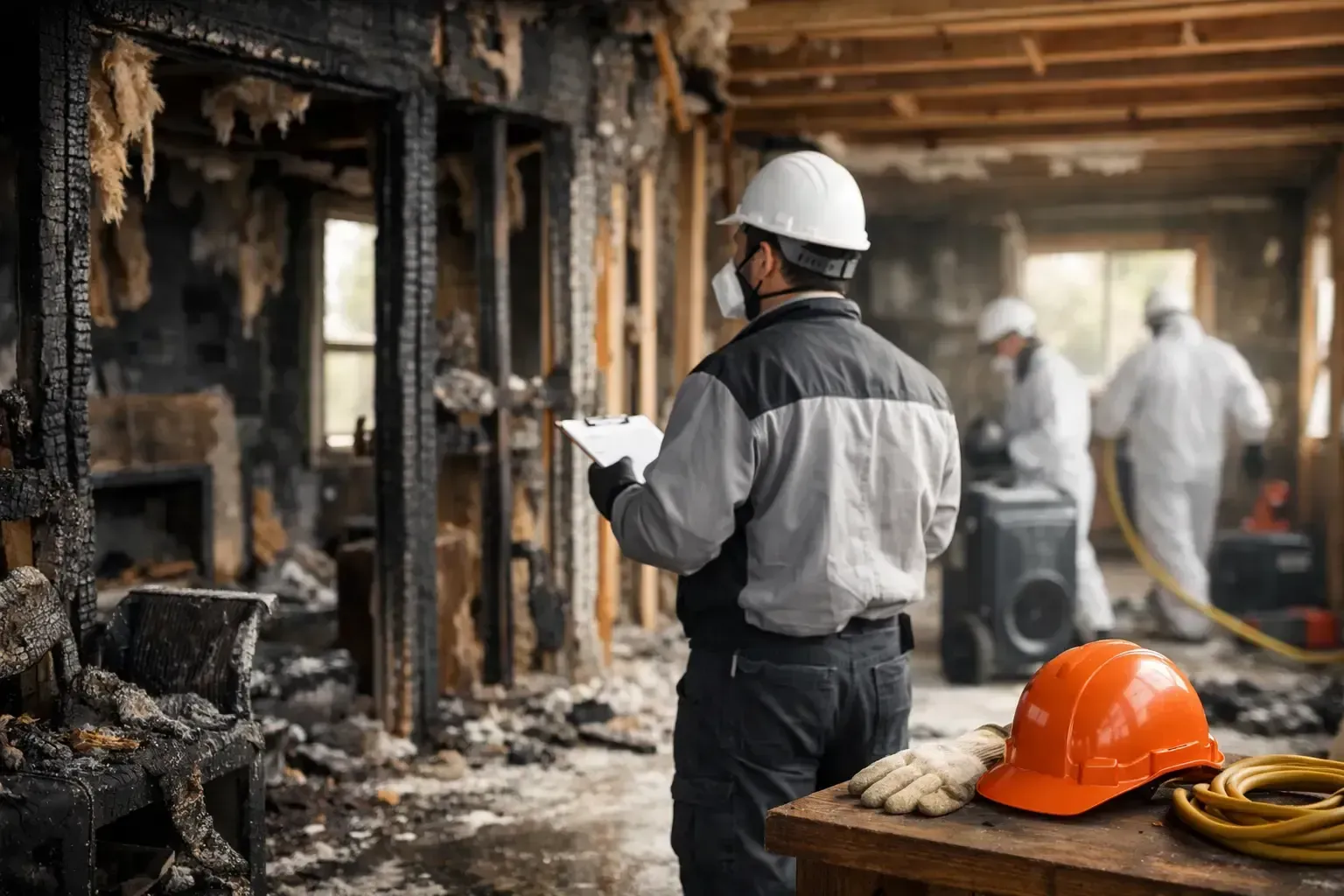
A fire can be extinguished in minutes, yet the damage it leaves behind can continue for weeks. Fire restoration is not just removing burned materials and repainting walls. It is a controlled process of identifying smoke residue, soot, moisture, odor sources, and safety concerns before they spread further through the property.
For homeowners, business owners, property managers, and real estate professionals, the first decisions after a fire often affect the cost, health risks, documentation quality, and success of the insurance claim. A fast cleanup without a proper assessment can leave contamination in HVAC systems, wall cavities, contents, and indoor air.
Fire Restoration Starts With an Accurate Assessment
Every fire creates a different contamination pattern. A small kitchen fire may leave oily residue in nearby rooms. An electrical fire can produce heavier soot and sharp odors. A larger structure fire may involve water damage from suppression efforts, damaged building materials, compromised insulation, and debris that cannot be handled safely without proper controls.
The visible damage is only part of the picture. Smoke moves through openings, ductwork, and pressure differences in the building. It can settle on ceilings, inside cabinets, behind appliances, and in rooms that never had direct flame exposure. Fine soot particles can be difficult to see but may still affect surfaces and air quality.
A professional
fire damage assessment documents the conditions present before restoration begins. This may include identifying the fire-affected areas, evaluating smoke migration, checking for moisture from firefighting efforts, examining materials for residue, and determining whether contents can be cleaned, restored, or should be removed. Clear documentation gives property owners a defensible starting point for repairs and insurance communication.
Why soot type matters
Not all soot cleans the same way. Dry soot may be loose and powdery, while protein residue from burned food can create an oily, nearly invisible film with a persistent odor. Synthetic materials, plastics, wiring, and furnishings can produce sticky residues and volatile organic compounds, or VOCs, when they burn.
Using the wrong cleaning method can grind particles into porous materials or spread residues to clean areas. A field assessment helps determine where dry cleaning, wet cleaning, HEPA vacuuming, specialized deodorization, removal, or further testing may be appropriate. The right approach depends on the fire source, materials involved, extent of migration, and condition of the property.
The First 24 Hours After a Fire
Once emergency personnel have released the property, safety and documentation should come before cleaning. Do not begin wiping every surface with household products or run the HVAC system without understanding whether smoke and soot entered the equipment. Those actions can redistribute contamination and make the restoration process harder to document.
If the structure is unstable, has exposed wiring, wet electrical components, damaged ceilings, or heavy smoke conditions, limit entry until it can be evaluated. Keep people, pets, and unnecessary foot traffic out of affected areas. In commercial settings, restrict access with clear barriers so residue is not tracked into unaffected workspaces.
Photograph visible damage, affected contents, and room conditions before debris removal when it is safe to do so. Save receipts for emergency services, temporary protection, and related expenses. Insurance carriers may require specific documentation, but property owners should not wait to protect the building from additional loss. Covering exposed openings, addressing standing water, and controlling moisture are often urgent steps.
Smoke and Soot Can Travel Far Beyond the Burn Area
One of the most common misunderstandings after a fire is assuming that a room looks clean because it was not burned. Smoke does not respect room boundaries. It can travel through hallways, attics, return vents, plumbing penetrations, and gaps around doors.
This is why smoke, soot, and carbonaceous particle testing can be valuable when the extent of contamination is uncertain. Testing and detailed inspection can help distinguish fire-related residue from ordinary household dust, construction debris, or other particles. For insurance claims, property transactions, tenant concerns, and commercial liability questions, documented findings can be especially important.
Indoor air quality may also need attention after a fire. Odors alone do not tell the full story. A property may smell strongly after a small event, while another may have little odor but still contain soot deposits in concealed areas. The assessment should focus on what is present, where it has migrated, and what corrective work is necessary.
HVAC systems need careful evaluation
Heating and cooling systems can move smoke through a building quickly. If the system operated during or after the fire, residue may be present on components, inside ductwork, or at supply and return vents. Simply changing the filter may not be enough.
The appropriate response depends on the type of system, fire conditions, visible residue, and whether contamination entered the air-handling equipment. An assessment can help determine whether the system needs cleaning, component inspection, isolation during restoration, or additional air-quality evaluation before normal use resumes.
Fire Damage Often Includes Water Damage
Firefighting water can create a second restoration problem. Wet drywall, insulation, flooring, cabinetry, and contents can deteriorate quickly. In Florida and Kentucky, warm or humid conditions can increase the chance of microbial growth if moisture is not identified and addressed promptly.
Fire restoration should account for both contamination and moisture. Materials that appear intact may hold water behind finishes or beneath flooring. Moisture investigation helps identify areas that need drying, removal, or monitoring. Skipping this step can lead to odors, hidden damage, and mold concerns after the smoke cleanup is complete.
The timing matters. Drying should begin as soon as conditions allow, but it must be coordinated with soot control. Uncontrolled fans or demolition can spread fine particles from fire-damaged materials. Restoration work should be planned so that cleaning, containment, drying, removal, and repair support one another rather than create additional exposure.
What a Documented Restoration Plan Should Address
A reliable plan is specific to the property, not a generic checklist. It should identify affected rooms, likely contamination pathways, materials that can be restored, materials that should be removed, moisture concerns, and recommended verification steps.
For a residential property, the priority may be returning the home to a safe, habitable condition while preserving important belongings and records. For an apartment community, office, restaurant, warehouse, or industrial facility, the plan may also need to address occupant safety, business interruption, regulatory requirements, and separation of affected and unaffected areas.
A thorough plan commonly includes the following elements:
- Safety controls for damaged materials, electrical hazards, and restricted areas.
- Smoke and soot evaluation, including surfaces, contents, and possible HVAC impact.
- Moisture inspection and drying needs related to firefighting water.
- Cleaning, removal, and deodorization recommendations based on material type and contamination level.
- Documentation for insurance, property managers, contractors, or legal records.
- Post-restoration verification when questions remain about whether contamination was adequately addressed.
The scope should be adjusted as new conditions are found. Hidden residue behind cabinetry or moisture inside wall cavities may require a change in approach. Good restoration is not about promising that every item can be saved. It is about making clear, evidence-based decisions that protect occupants and the property.
When Testing Provides Added Protection
Testing is not necessary for every minor fire event, but it can be a practical safeguard when the damage is widespread, the source materials are uncertain, occupants report symptoms, or a dispute exists over the extent of cleaning needed. It is also useful when a property has been partially cleaned before the full impact was documented.
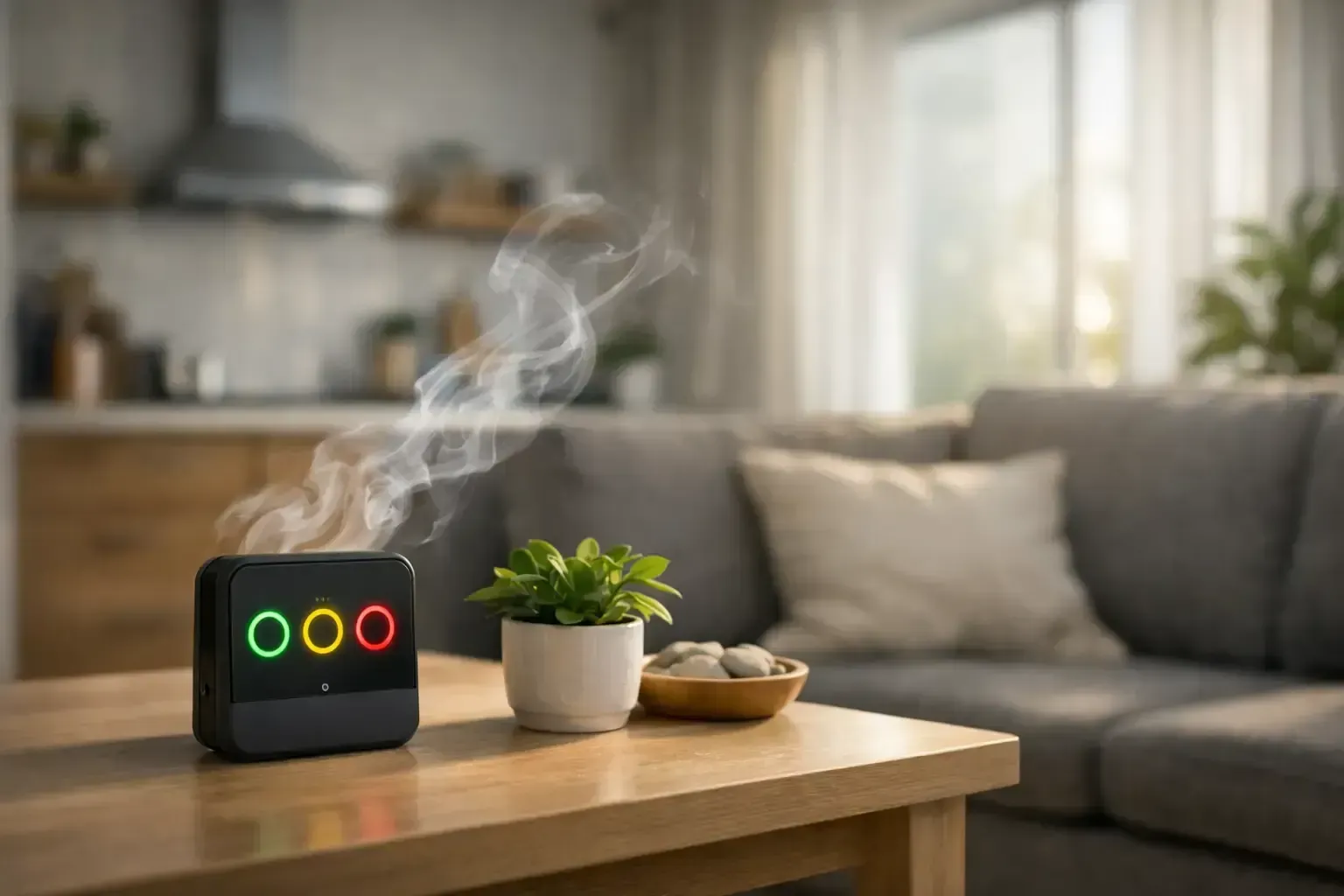
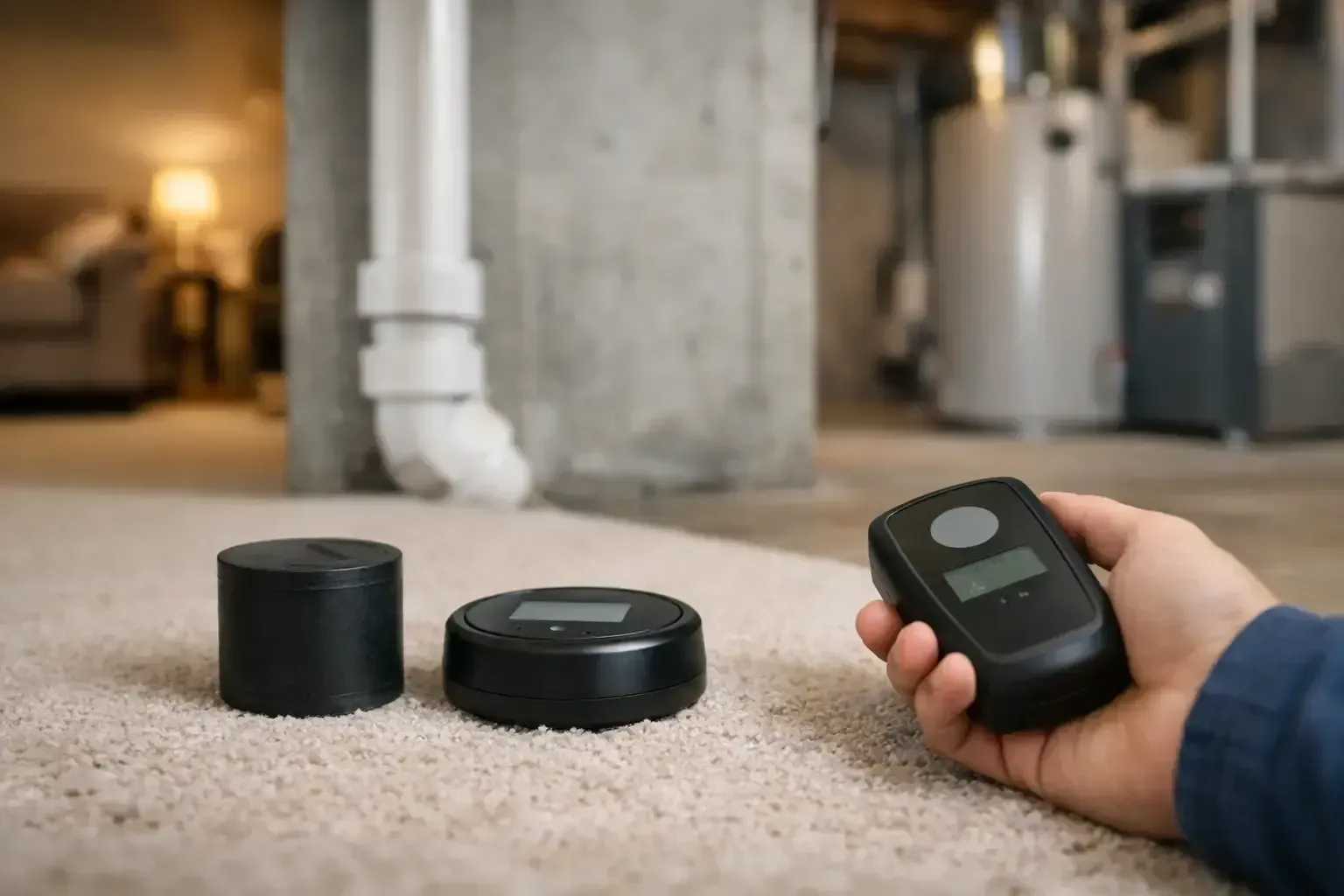
Laboratory-supported soot or carbonaceous particle testing can provide objective information about suspected fire-related residue. VOC testing may be appropriate when odors persist or burned synthetic materials are a concern. Indoor air quality testing can help investigate complaints in occupied properties after a fire or restoration project.
For property managers and commercial owners, these findings can support decisions about reoccupancy, contractor scope, and tenant communication. For homeowners, they can provide clearer answers when the damage is not obvious but the building still does not feel or smell right.
Protect the Property Without Rushing the Wrong Work
After a fire, urgency is real. Belongings need attention, employees may need a place to work, and families want to get back home. But speed only helps when it is directed by an accurate understanding of the damage.
Hanes Environmental provides fire and smoke damage assessments, soot and carbonaceous particle testing, indoor air quality evaluation, moisture investigation, and fire damage restoration services for properties throughout Florida and in Lexington and Louisville, Kentucky. Direct, well-documented findings help property owners move forward with fewer assumptions.
The best next step after a fire is not to guess what is clean based on appearance. Start with a clear assessment, protect unaffected areas, and make restoration decisions that address the damage you can see as well as the contamination you cannot.
Recent Posts