Common Mistakes When Documenting Sewage Contamination
The quality of the report depends on the quality of the inspection. You want someone who understands moisture behavior, building materials, contamination categories, and the difference between visible damage and actual spread. The report should be direct, specific, and supported by field findings, not vague language.
It also helps to work with a company that can explain results in plain English. Technical accuracy matters, but so does communication. When people are dealing with damage to a home, rental, office, or investment property, they need answers they can act on.
In Florida and Kentucky, where weather, humidity, plumbing failures, and hidden moisture issues can all play a role, a thorough assessment is one of the smartest early steps you can take. Hanes Environmental provides that kind of clear, field-based reporting so property owners know what they are dealing with before the damage gets worse.
The sooner you replace assumptions with documented facts, the easier it becomes to protect the building, the people inside it, and the money it will take to set things right.
Why Interpretation Matters More Than the Lab Report Alone
If the property recently had a leak, flood, or AC overflow, timing matters. Testing too early can miss developing growth, while waiting too long can allow contamination to spread. In many cases, the first priority after water damage is drying and stabilizing the structure quickly. Once materials remain wet beyond a day or two, the risk of mold increases significantly.
After water damage, testing usually focuses on the affected materials, adjacent rooms, and HVAC impact if the system ran during the event. Moisture mapping is essential here. Water often travels farther than the visible stain suggests, especially under flooring and inside wall cavities.
If remediation has already been performed, post-remediation verification testing may be the next step. That type of testing checks whether contamination has been properly removed and whether the area is dry and ready for rebuild. For property owners, buyers, managers, and contractors, that documentation can be just as important as the initial diagnosis.
Use the checklist as a screening tool, not a final diagnosis. Walk the property slowly. Start where water is most likely, then expand outward to adjacent rooms and connected systems such as HVAC and crawl spaces. Document what you see, what you smell, and what history you know.
If your inspection reveals isolated humidity staining, you may only need better ventilation and moisture control. If it reveals recurring leaks, soft materials, spreading discoloration, or widespread odor, the safer move is a professional mold assessment with testing where appropriate.
When indoor conditions feel off, delay usually makes the situation more expensive. A careful inspection done early can protect your health, your property, and your documentation if the issue turns into a real estate, insurance, or tenant matter.
The best closing thought is simple: trust what the building is telling you. If you see moisture, smell mustiness, or notice damage that does not make sense, act on it before a small problem becomes hidden contamination.
Room-by-room Inspection Points
Bring in Qualified Help for Complex or Contaminated Losses
A musty odor after a water leak, dark spotting under a window, or dust that appeared after a fire can all raise the same question: what is actually in this building? Air sampling vs surface sampling is not a matter of choosing the “better” test. Each method answers a different question, and selecting the wrong one can leave a homeowner, property manager, or buyer with incomplete evidence.
A qualified environmental assessment starts with the conditions inside the property. The history of water intrusion, visible damage, HVAC operation, odors, occupancy, and suspected contamination all help determine where and how samples should be collected. Testing should support a clear investigation, not replace one.
What Air Sampling Measures
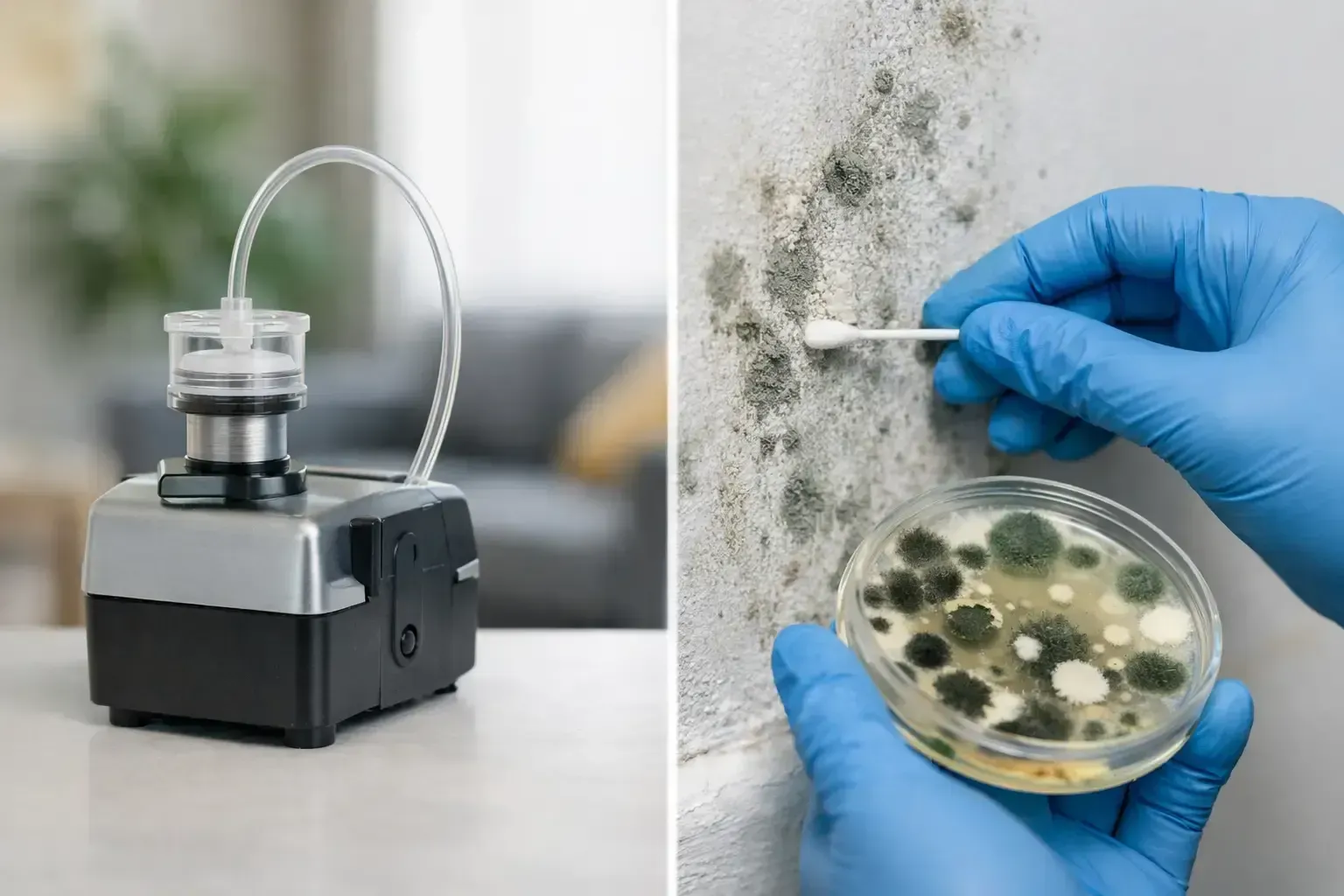
Air sampling captures a measured volume of indoor air and evaluates the particles present at that moment. In mold investigations, the laboratory may identify and quantify fungal structures such as spores in the sample. Depending on the concern, air testing may also be part of an indoor air quality investigation involving particulate matter, soot, carbonaceous particles, volatile organic compounds, or other airborne contaminants.
The central question air sampling addresses is straightforward: are particles of concern airborne in this area now, and how does the indoor environment compare with an appropriate outdoor or unaffected reference area?
This can be especially useful when there is no obvious visible mold growth but occupants report persistent odors, respiratory irritation, or concerns following a leak. It can also help evaluate whether a containment area, cleaned room, or remediated space has an airborne particulate condition that warrants further attention.
Air results require careful interpretation. Indoor air changes throughout the day. Opening doors, operating an HVAC system, moving stored items, vacuuming, outdoor weather, and foot traffic can all affect what a sample captures. A low airborne count does not prove that mold is absent behind a wall or beneath flooring. It means the sample did not show elevated airborne evidence under the conditions present during collection.
That limitation matters. Hidden mold growth may be sealed inside a wall cavity, under cabinets, or behind baseboards. If it is not actively releasing material into the room air at the time of testing, an air sample alone may not locate it.
What Surface Sampling Measures
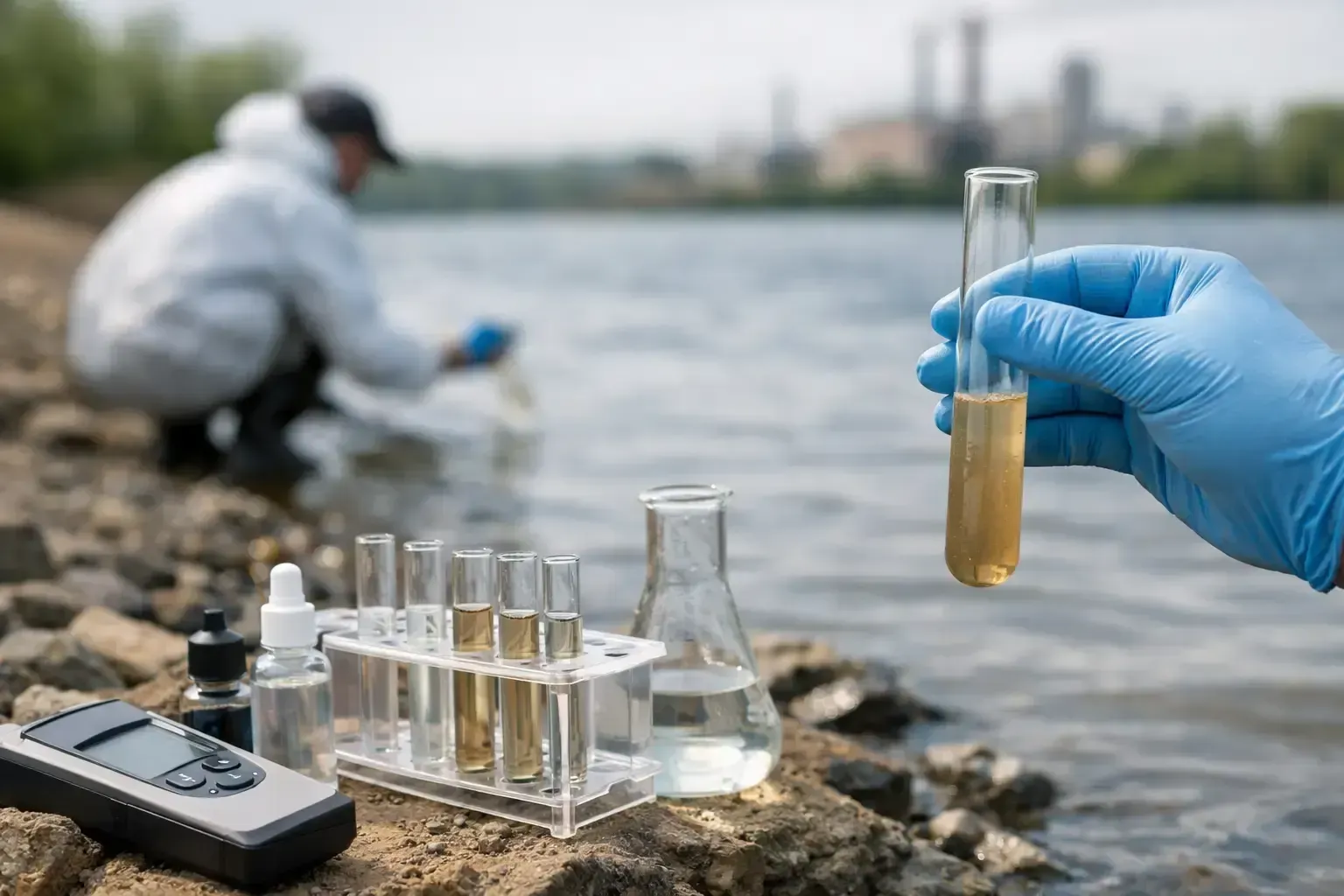
Surface sampling examines a specific material or area. Common collection methods include tape lifts, swabs, and bulk samples, depending on the surface and the purpose of the investigation. A laboratory can evaluate whether fungal growth, spores, soot, residue, or other material is present on the sampled location.
Surface testing answers a more targeted question: what is this substance on this wall, ceiling, HVAC register, contents item, or building material?
It is valuable when there is visible discoloration, suspicious residue, staining near a prior leak, or a need to document a defined condition. After a fire, for example, surface sampling may help identify soot or carbonaceous residue on affected materials. In a mold concern, a tape lift from visible growth can establish whether the material is consistent with fungal growth rather than ordinary dust, dirt, or staining.
The trade-off is that a surface sample is highly location-specific. It describes the area sampled, not every surface in the room. A negative swab from one section of drywall does not clear an entire wall system. Likewise, finding spores on a dusty shelf does not automatically establish active mold growth in the building. Spores are common in indoor and outdoor environments and can settle on surfaces over time.
For that reason, surface results should be read alongside the visual inspection, moisture findings, material condition, and building history. The presence of fungal material is one part of the evidence. The cause of the condition - such as a plumbing leak, roof intrusion, condensation, or poor drainage - must still be identified and corrected.
Air Sampling vs Surface Sampling: The Practical Difference
The simplest way to compare air sampling vs surface sampling is this: air sampling evaluates what occupants may be breathing at the time of collection, while surface sampling identifies what is present on a particular material or object.
Neither method can independently answer every question. Air testing is broad but temporary. Surface testing is specific but limited to the chosen location. When conditions justify it, combining both can produce a clearer and more defensible picture.
Consider a tenant complaint involving a recurring musty smell in a bedroom. If no visible growth is present, an inspection may focus on moisture readings around windows, exterior walls, plumbing fixtures, and HVAC components. Air samples may help determine whether the room has an airborne particulate pattern that differs from an outdoor reference or unaffected indoor area. If an inspector finds staining under the carpet edge or inside a closet, a surface or material sample may help document what that visible condition contains.
Now consider a home with visible growth under a kitchen sink after a supply-line leak. A surface sample can document the visible material, but the more urgent issue is the moisture source and the extent of damaged building materials. If water affected the cabinet base, wall, flooring, or adjacent areas, moisture investigation and selective material evaluation may be more useful than collecting multiple air samples. Testing should guide decisions, not delay necessary drying, removal, or repair.
When Air Sampling Is Usually Appropriate
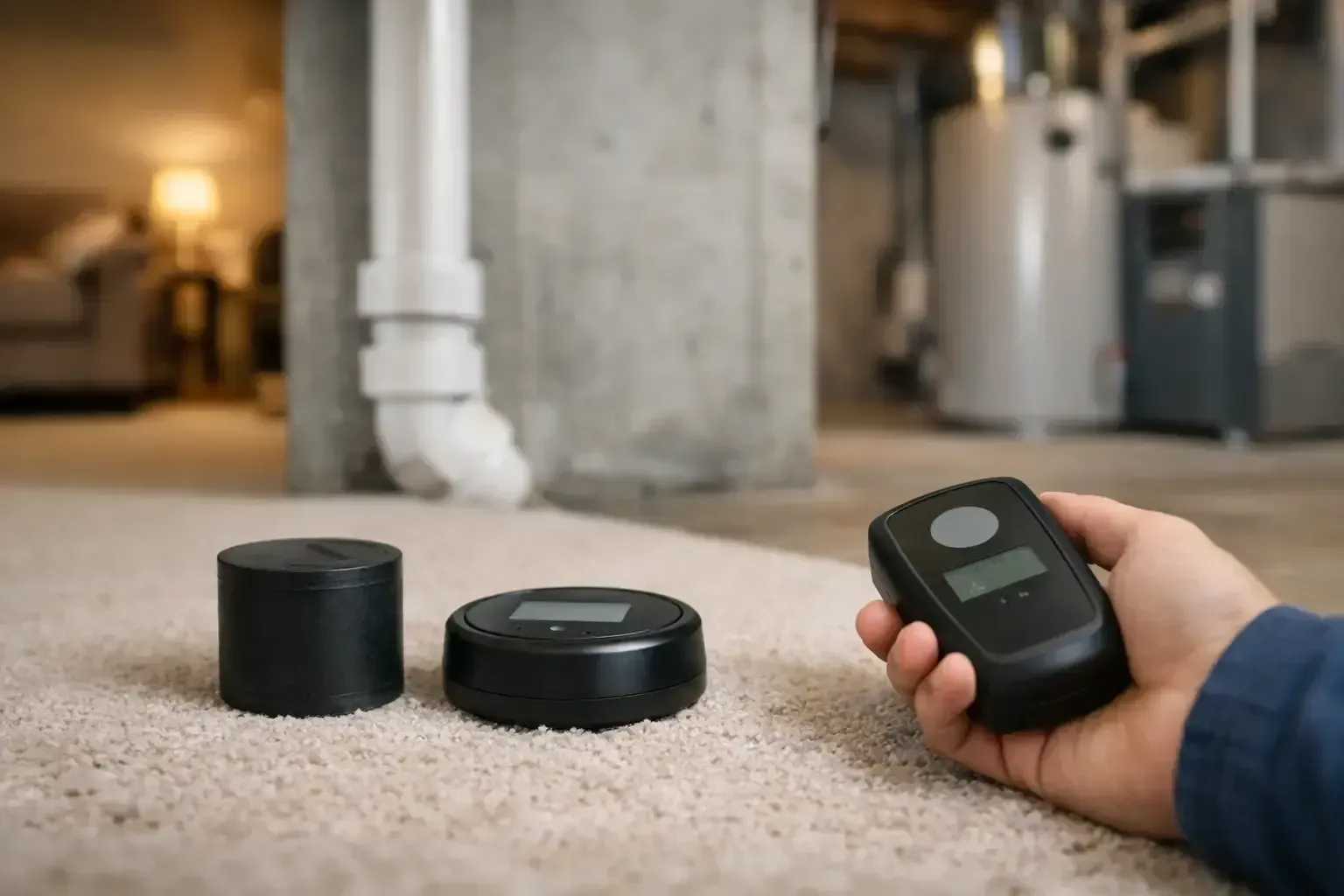
Air sampling is often useful when the concern involves the occupied environment rather than a single visible spot. That may include unexplained odors, suspected hidden contamination, HVAC-related complaints, post-remediation verification, or a comparison between affected and unaffected areas.
It can also be appropriate for real estate and insurance situations where objective documentation is needed. A buyer may want to understand whether a room with a prior water event shows an unusual airborne condition. A property manager may need a documented assessment after addressing a tenant complaint. A restoration contractor may need post-remediation verification testing to support that cleaned areas meet the project’s established criteria.
Sampling plans should account for the building layout and the question being asked. Collecting a single air sample in a large commercial building rarely explains conditions across multiple suites, floors, or HVAC zones. The number and placement of samples should reflect the property and the scope of concern.
When Surface Sampling Is Usually Appropriate
Surface sampling is usually appropriate when there is a visible substance that needs identification or documentation. It is particularly useful for discoloration on drywall, framing, contents, HVAC components, or materials affected by smoke and fire residue.
It may also help distinguish between a cosmetic stain and a contamination concern. However, the result should never be used to ignore moisture conditions. If a wall has elevated moisture, deteriorated material, or an active leak, the property needs corrective action whether or not one small surface sample appears inconclusive.
For smoke damage, surface sampling can be part of a broader assessment that considers where smoke traveled, how residue deposited, which materials are porous, and whether cleaning or removal is required. Fire residues can migrate beyond visibly burned areas, especially through HVAC pathways and open interior spaces.
Why Moisture Investigation Comes First in Mold Concerns
Mold needs moisture. That fact shapes nearly every reliable mold investigation. If a property has ongoing water intrusion, condensation, plumbing failure, roof damage, or high humidity, sampling alone will not solve the problem. The moisture source must be located and controlled.
A thorough assessment may include visual inspection, moisture measurements, thermal observations where appropriate, review of the water-loss history, and targeted laboratory sampling. This approach reduces guesswork. It also helps avoid unnecessary demolition in areas with no evidence of impact while identifying materials that may require removal or further evaluation.
For new construction and commercial properties, moisture concerns can be less obvious. Wet framing, enclosed materials before complete drying, HVAC imbalance, window installation defects, and roof penetrations can create conditions that later become expensive claims. Early documentation protects the project, the owner, and the parties responsible for corrections.
Do Not Treat Lab Results as a Pass-or-Fail Score
Laboratory-supported testing provides valuable evidence, but a report is not a simple pass-or-fail grade for a building. There are no universal mold numbers that automatically make every property safe or unsafe. Species types, indoor-to-outdoor relationships, sample conditions, visible growth, moisture findings, and the purpose of the assessment all matter.
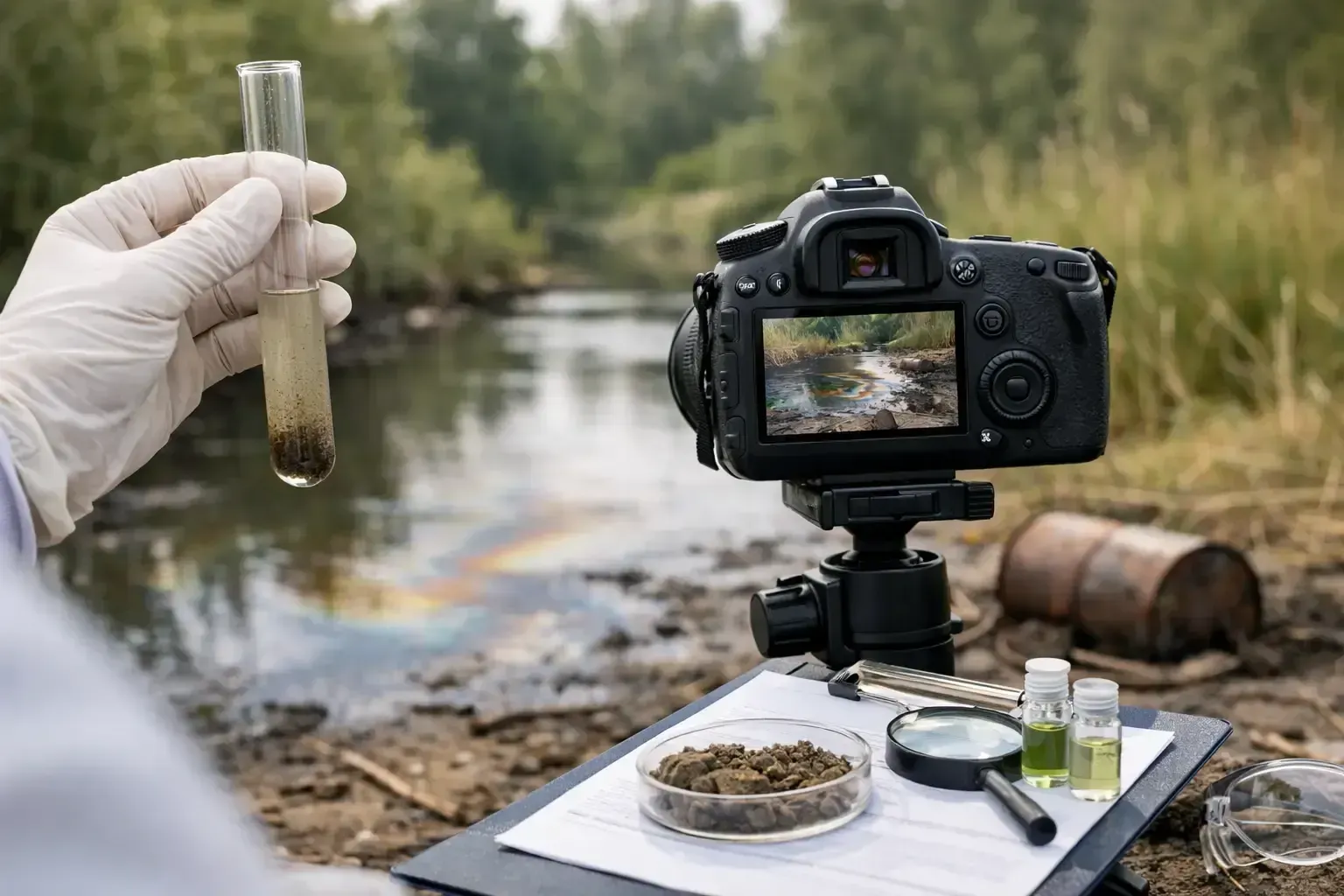
The strongest reports explain what was sampled, why those locations were selected, what the laboratory found, and how the results relate to observed conditions. Clear documentation is especially important for real estate transactions, tenant-landlord concerns, insurance claims, and post-remediation decisions.
Hanes Environmental approaches sampling as part of a complete investigation, with direct explanations of the findings and practical next steps. The goal is not to create alarm. It is to identify the condition accurately so property owners can protect occupants, preserve the building, and make informed repair decisions.
If you can see a suspicious substance, smell a persistent odor, or know that water entered the building, act before the condition spreads or materials deteriorate further. The right testing plan begins with the right question - and a careful assessment can provide the evidence needed to move forward with confidence.
Recent Posts