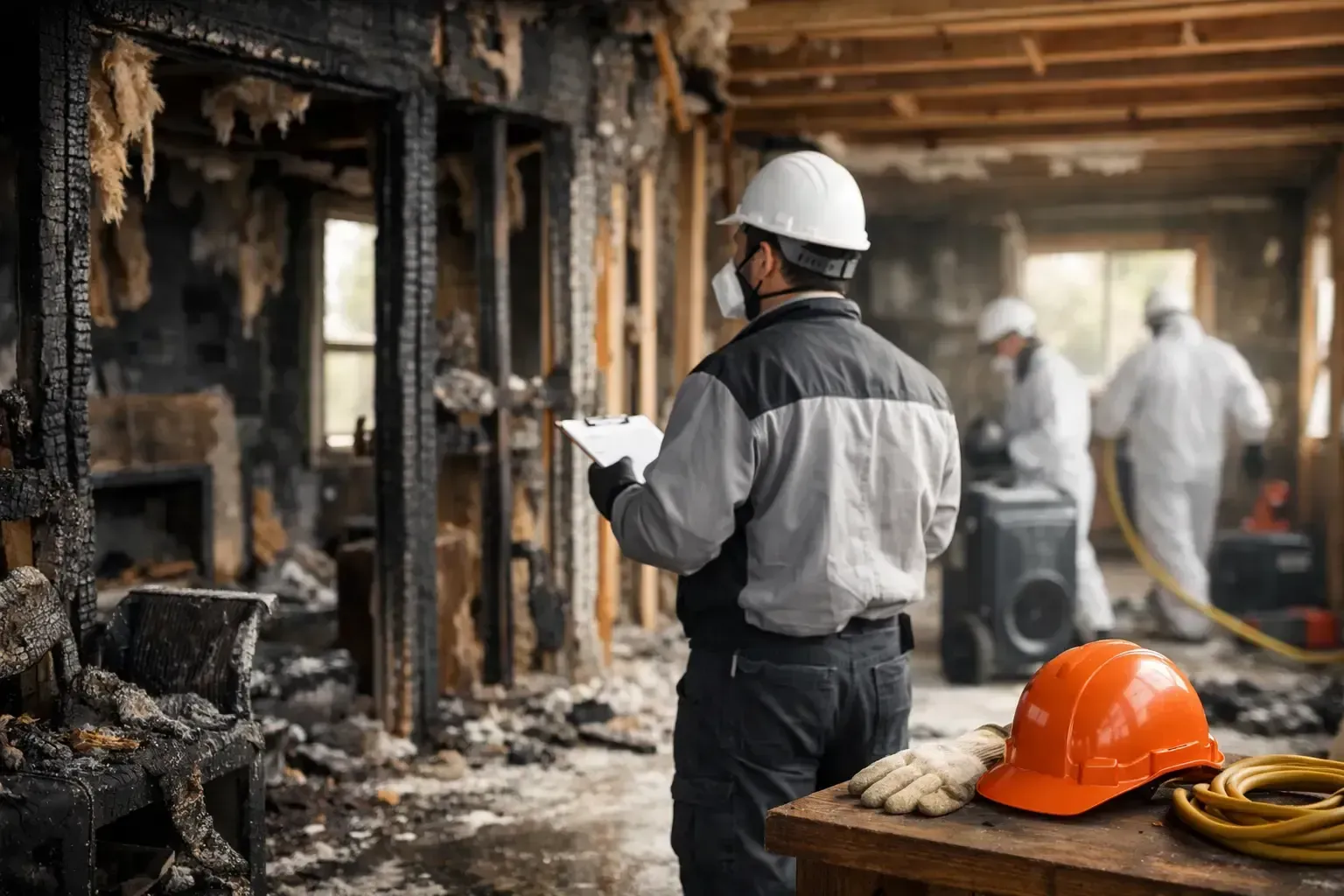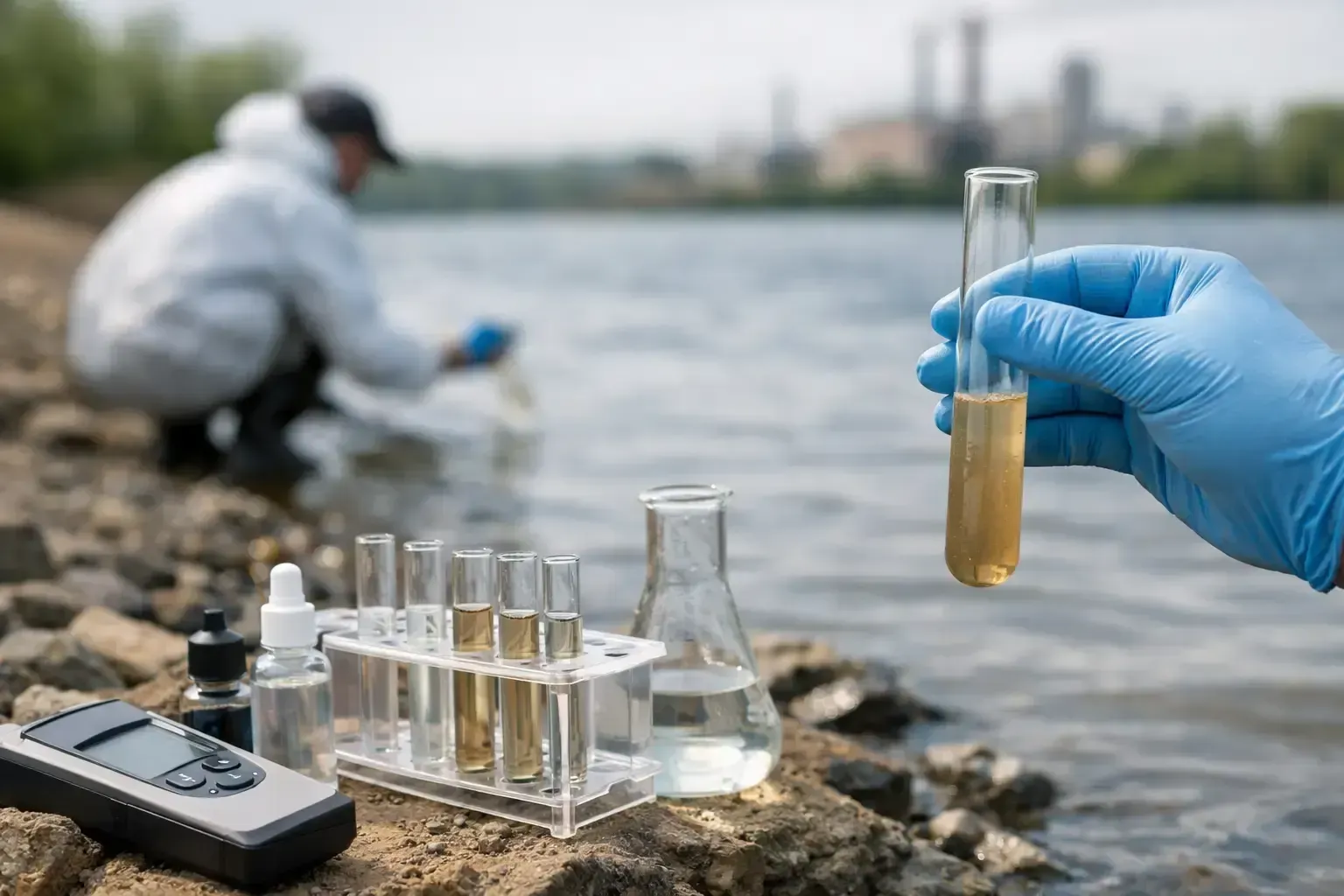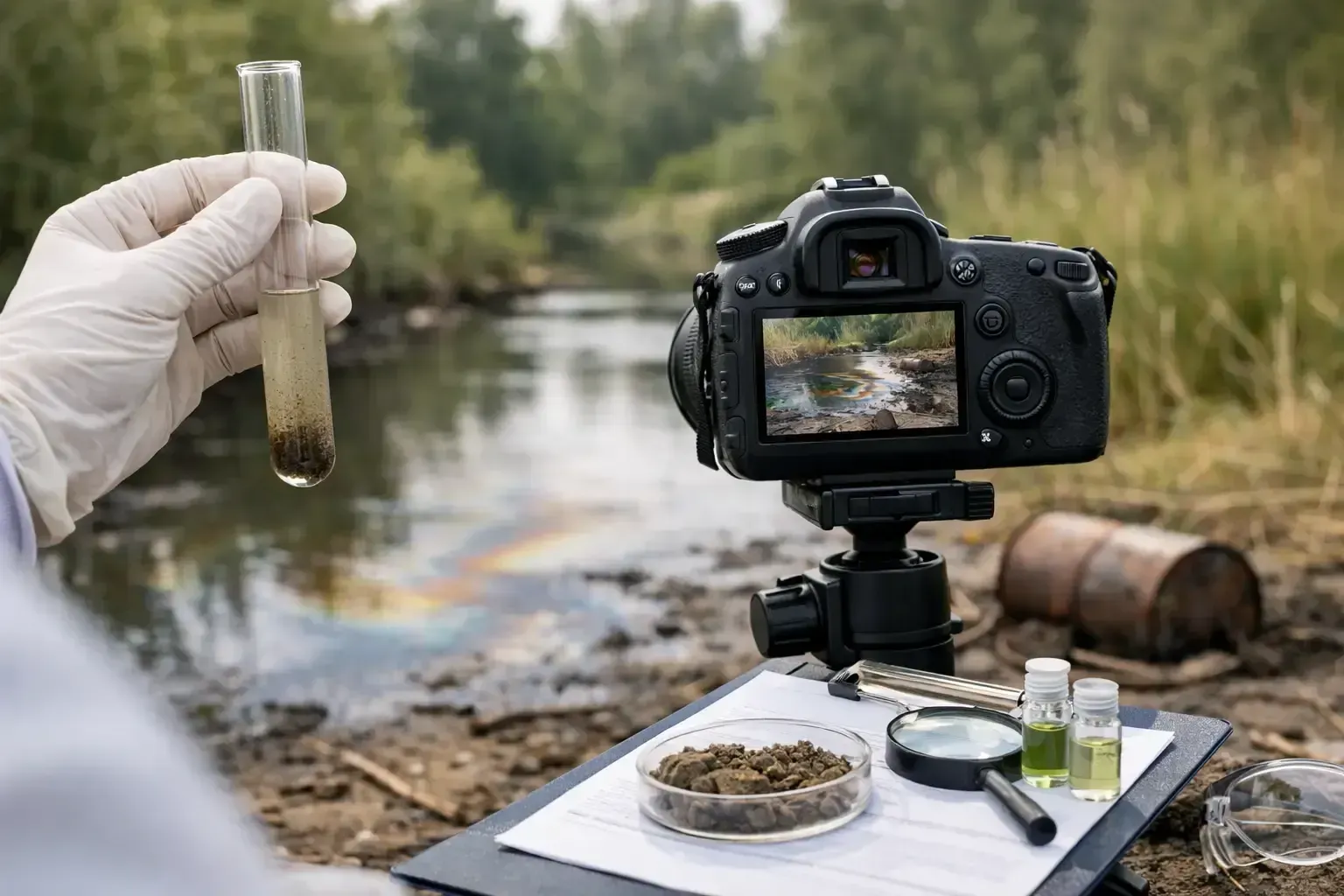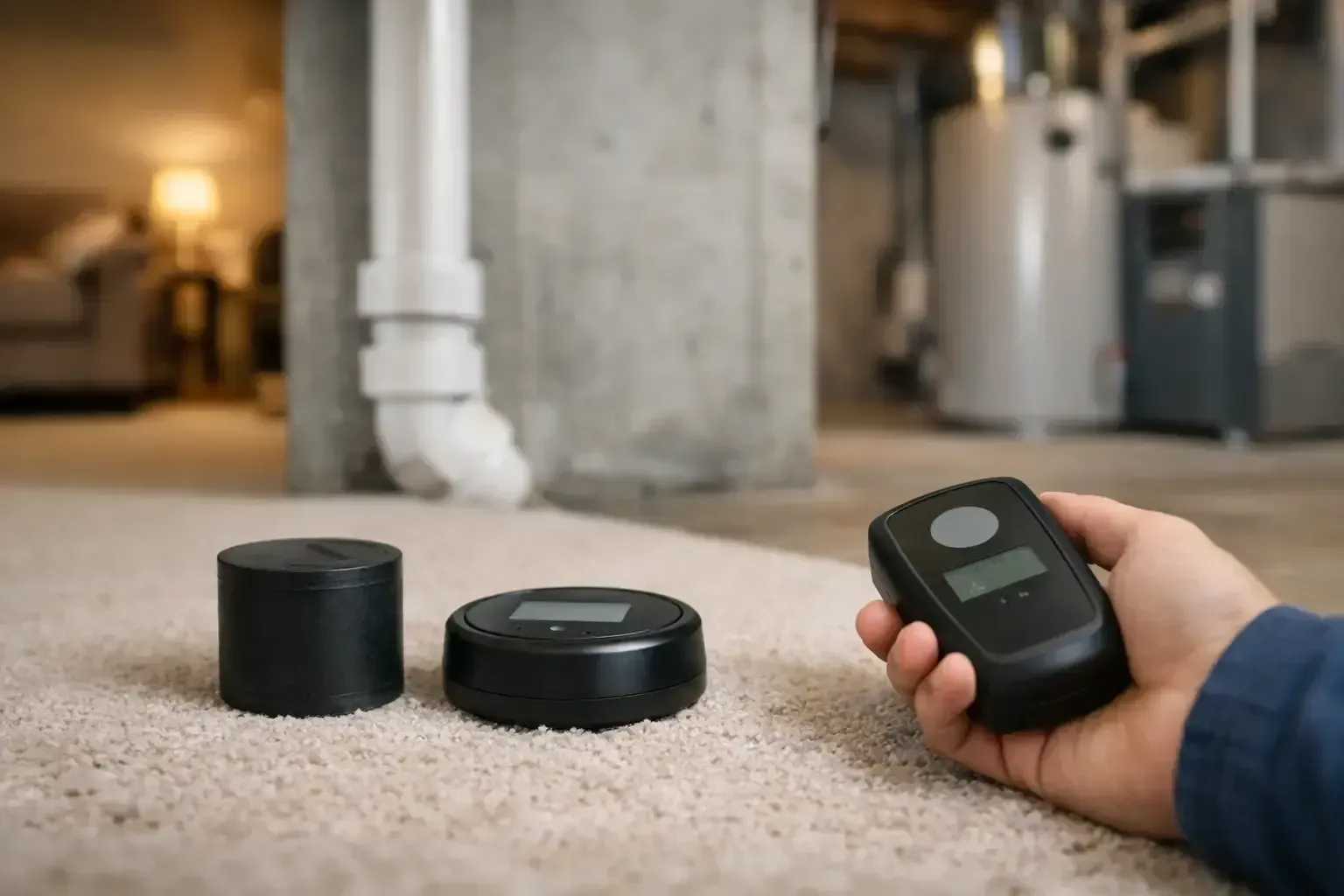
Common Mistakes When Documenting Sewage Contamination
The quality of the report depends on the quality of the inspection. You want someone who understands moisture behavior, building materials, contamination categories, and the difference between visible damage and actual spread. The report should be direct, specific, and supported by field findings, not vague language.
It also helps to work with a company that can explain results in plain English. Technical accuracy matters, but so does communication. When people are dealing with damage to a home, rental, office, or investment property, they need answers they can act on.
In Florida and Kentucky, where weather, humidity, plumbing failures, and hidden moisture issues can all play a role, a thorough assessment is one of the smartest early steps you can take. Hanes Environmental provides that kind of clear, field-based reporting so property owners know what they are dealing with before the damage gets worse.
The sooner you replace assumptions with documented facts, the easier it becomes to protect the building, the people inside it, and the money it will take to set things right.
Why Interpretation Matters More Than the Lab Report Alone
If the property recently had a leak, flood, or AC overflow, timing matters. Testing too early can miss developing growth, while waiting too long can allow contamination to spread. In many cases, the first priority after water damage is drying and stabilizing the structure quickly. Once materials remain wet beyond a day or two, the risk of mold increases significantly.
After water damage, testing usually focuses on the affected materials, adjacent rooms, and HVAC impact if the system ran during the event. Moisture mapping is essential here. Water often travels farther than the visible stain suggests, especially under flooring and inside wall cavities.
If remediation has already been performed, post-remediation verification testing may be the next step. That type of testing checks whether contamination has been properly removed and whether the area is dry and ready for rebuild. For property owners, buyers, managers, and contractors, that documentation can be just as important as the initial diagnosis.
Use the checklist as a screening tool, not a final diagnosis. Walk the property slowly. Start where water is most likely, then expand outward to adjacent rooms and connected systems such as HVAC and crawl spaces. Document what you see, what you smell, and what history you know.
If your inspection reveals isolated humidity staining, you may only need better ventilation and moisture control. If it reveals recurring leaks, soft materials, spreading discoloration, or widespread odor, the safer move is a professional mold assessment with testing where appropriate.
When indoor conditions feel off, delay usually makes the situation more expensive. A careful inspection done early can protect your health, your property, and your documentation if the issue turns into a real estate, insurance, or tenant matter.
The best closing thought is simple: trust what the building is telling you. If you see moisture, smell mustiness, or notice damage that does not make sense, act on it before a small problem becomes hidden contamination.
Room-by-room Inspection Points
A detected contaminant does not automatically mean the entire building is unsafe, and a non-detect result does not erase a separate moisture, sewage, or plumbing issue. Results must be interpreted in context. A bacterial detection in a private well may call for a review of the well system, potential disinfection, corrective repairs, and follow-up sampling. A fixture-specific metals result may require plumbing evaluation rather than treatment for the whole property.
When results exceed an applicable standard or reveal a contamination concern, the next step should be targeted. It may involve repairing a well cap, correcting drainage, servicing plumbing, replacing affected materials, disinfecting a system, installing appropriate treatment, or completing restoration after a sewage loss. Retesting is often necessary to confirm that corrective work addressed the original condition.
Avoid selecting treatment equipment before you know what needs treatment. A filter designed for sediment is not necessarily appropriate for bacteria, metals, or chemical contaminants. Likewise, a one-time disinfecting step may not solve an ongoing pathway that allows contamination to return.
Bring in Qualified Help for Complex or Contaminated Losses
For real estate transactions, lender requirements, insurance matters, and commercial properties, the written report can be as important as the test itself. It should clearly state what was sampled, what method was used, what the laboratory found, and what the findings mean in practical terms. Vague language creates uncertainty. Specific documentation supports better decisions.
Hanes Environmental provides water testing and contamination investigations for properties across Florida and in Lexington and Louisville, Kentucky, with a focus on clear reporting and practical next steps. Whether the concern is a well, a lender-required test, a suspected sewage exposure, or water damage affecting a building, the right investigation begins with a properly defined question.
If water has changed, a well has gone untested, or contaminated water may have reached your property, act before assumptions turn into larger repairs or avoidable exposure. Accurate screening gives you a documented starting point and a clearer path forward.
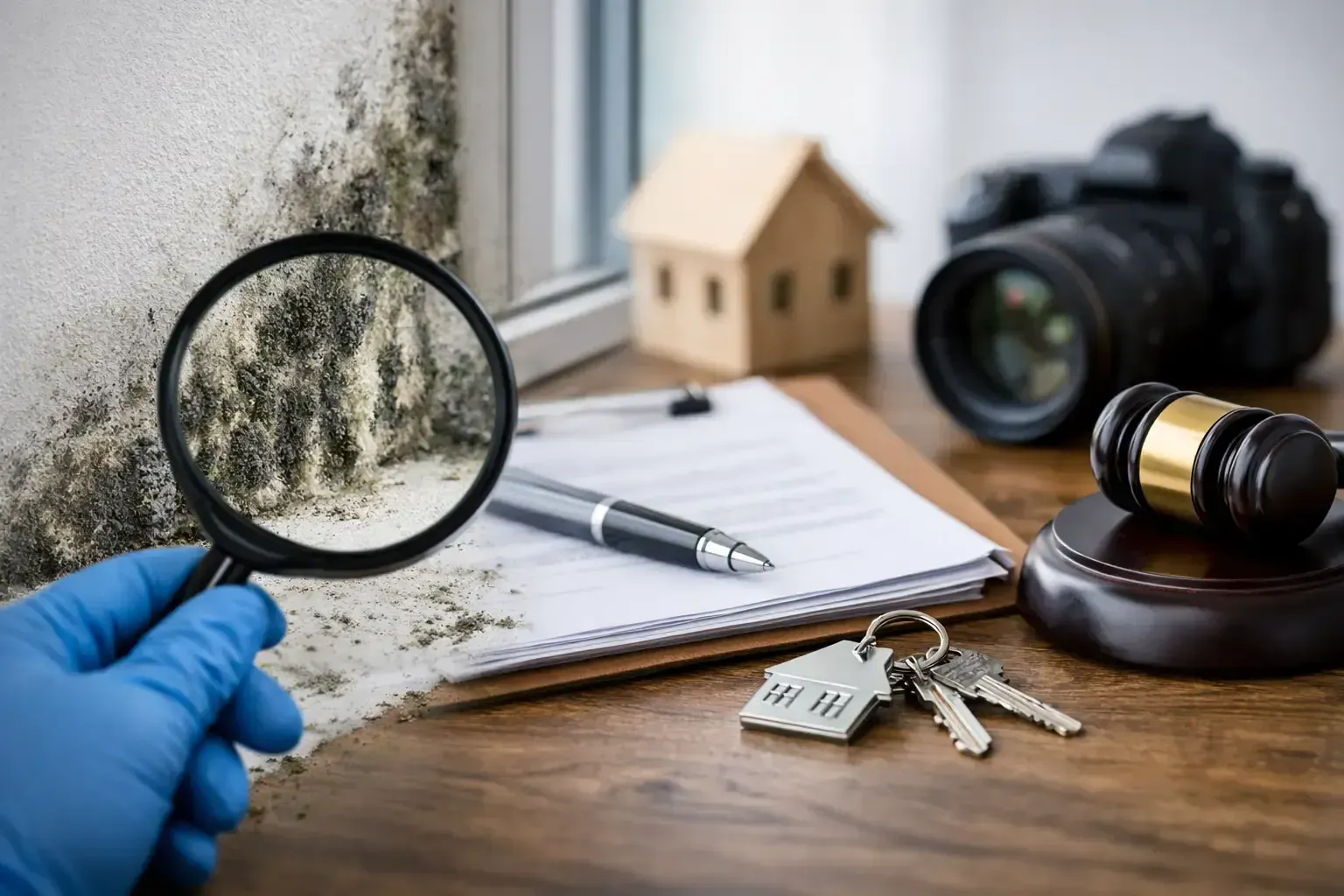
A dark patch under a bathroom sink, a musty odor after a roof leak, or bubbling paint around an air handler can quickly become more than a maintenance concern. Tenant mold liability often comes down to a practical question: who knew about the moisture problem, what did they do after learning about it, and what evidence supports the claim?
For renters, property owners, and managers, assumptions are expensive. Mold may result from a building leak, plumbing failure, poor drainage, condensation, storm damage, inadequate ventilation, or an occupant-related moisture condition. The visible growth does not always reveal the source. A thorough assessment helps separate opinions from documented conditions.
Tenant Mold Liability Is Not Automatic
Mold inside a rental property does not automatically make the landlord responsible. It also does not automatically make the tenant responsible. Liability can depend on the lease, state and local housing requirements, the condition of the building, the cause of the water intrusion, the timing of notice, and the response from everyone involved.
A roof leak, failed pipe, damaged window, overflowing HVAC condensate line, or moisture entering through the building envelope may point to a property maintenance issue. In those situations, the owner or manager may be responsible for investigating, correcting the water source, and addressing contamination that resulted from the defect.
On the other hand, tenant actions can become relevant when moisture is allowed to continue without being reported, when a plumbing overflow is not addressed, or when excessive indoor humidity is created and not controlled. Even then, the cause must be established. Blaming a tenant for condensation or mold without investigating ventilation performance, hidden leaks, insulation gaps, or air-conditioning problems can produce an incomplete and unreliable conclusion.
The strongest position is not a quick accusation. It is a clear record of conditions, timeline, source findings, and corrective action.
What Must Be Proven in a Mold Dispute
Mold disputes are usually evidence disputes. A photograph of staining can be useful, but it rarely answers the entire question. Was there active moisture? Is the material damp now? Is mold present behind a wall or beneath flooring? Did the condition predate occupancy? Was a repair completed properly, or was the visible area simply painted over?
The moisture source
Mold needs moisture to grow. Identifying the moisture source is the first priority because cleaning visible growth without correcting water intrusion can lead to repeated damage. A professional moisture investigation may include visual observations, moisture-meter readings, thermal imaging where appropriate, HVAC evaluation, and examination of likely entry points.
The source can be straightforward, such as a leaking supply line. It can also be concealed, such as slow moisture movement from a shower wall, a roof penetration, or condensation around poorly insulated ductwork. Without source documentation, responsibility can be difficult to establish and remediation may fail.
Notice and response
Timing matters. Tenants should report leaks, damp materials, unusual odors, visible growth, plumbing backups, and HVAC concerns in writing as soon as they are discovered. Property owners and managers should acknowledge the report, inspect promptly, and maintain records of work orders, contractor findings, repairs, and follow-up visits.
A maintenance request stating only that there is mold may not capture the actual condition. A more useful report identifies the location, when it was first noticed, whether water is visible, whether the area is expanding, and whether there are odors or building-system concerns. Clear reporting helps protect occupants and gives maintenance personnel a better starting point.
The condition of the materials
Not every discolored surface is active mold growth, and not every mold issue is limited to what can be seen. Laboratory-supported sampling may be appropriate when the source is unclear, hidden contamination is suspected, there is a health or insurance concern, or parties need defensible documentation.
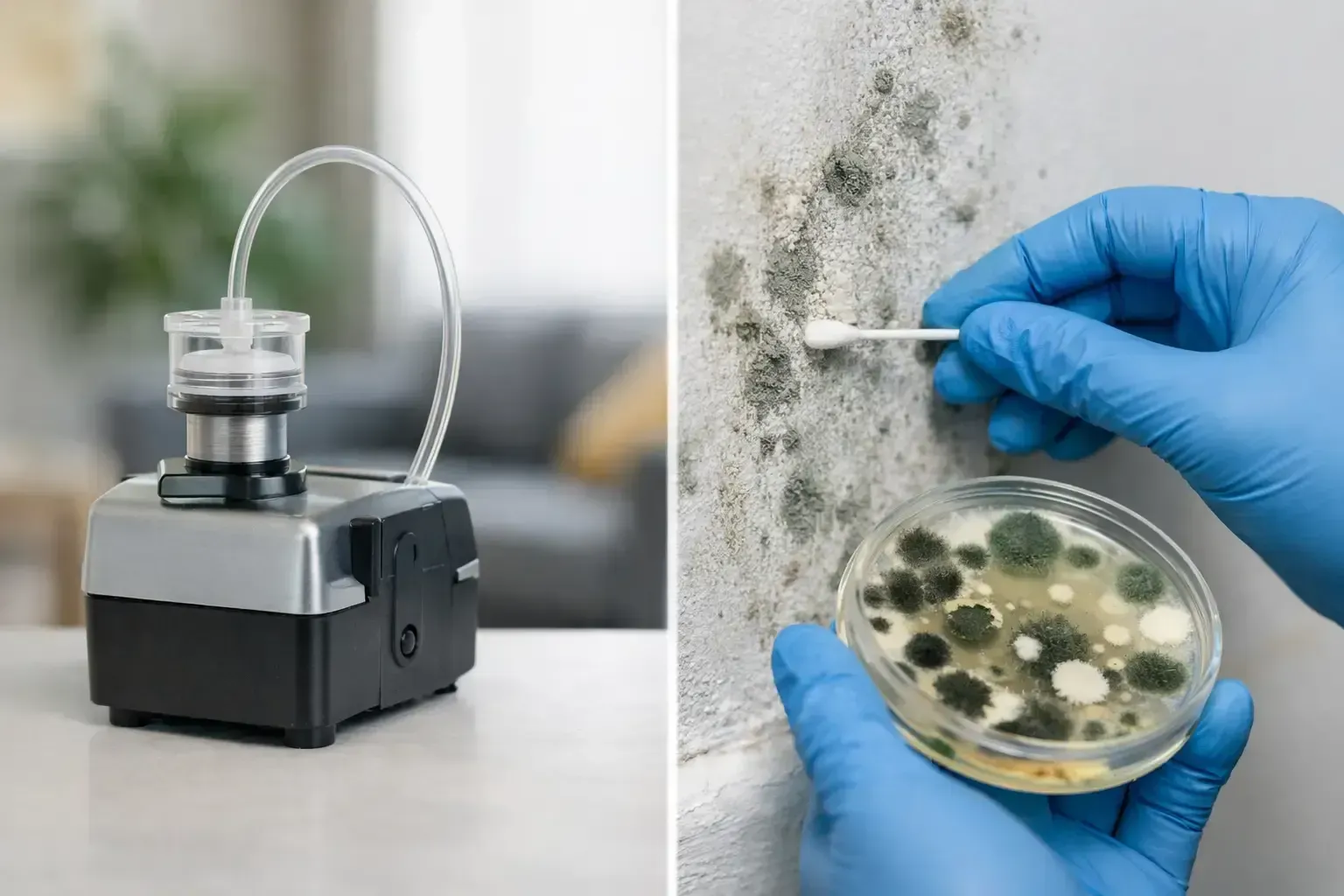
Testing should answer a defined question. Surface sampling can help document suspected growth on a material. Air sampling may help evaluate airborne fungal conditions when interpreted alongside a full inspection. Moisture findings, building history, visible conditions, and laboratory results should be considered together. A single result without context can be misleading.
Documentation That Protects Tenants and Owners
Good records can prevent a maintenance concern from becoming a prolonged dispute. Both tenants and owners benefit from documentation that is dated, specific, and consistent.
Tenants should keep copies of written maintenance requests, responses, photographs, videos, and receipts for reasonable temporary measures taken to protect belongings. Photos should show both the close-up condition and the surrounding location, such as the cabinet, ceiling, window, or wall where the issue appeared. If personal property is damaged, document it before moving or discarding it when practical.
Owners and property managers should preserve inspection notes, work orders, moisture readings, repair invoices, before-and-after photographs, contractor communications, and records showing when access was requested or provided. If a tenant reports a moisture concern, a documented response is better than an informal verbal assurance.
Four records are especially valuable when a dispute is possible:
- The initial report and the date it was received
- Evidence of the condition, including location-specific photos and moisture findings
- Documentation of the repair that stopped the water source
- Follow-up information showing whether materials were dried, removed, cleaned, or professionally remediated
This record does more than assign responsibility. It helps ensure the actual hazard is addressed instead of repeatedly treating symptoms.
Why Repairs Alone May Not Resolve the Problem
Stopping a leak is essential, but it may not be the end of the job. Wet drywall, carpet padding, insulation, cabinetry, and subflooring can retain moisture after the source is repaired. Materials that remain damp can support microbial growth or create persistent odors.
The correct scope depends on the extent of damage, material type, duration of wetness, and whether contamination has spread. Nonporous surfaces may sometimes be cleaned after the moisture issue is corrected. Porous materials with significant damage may require removal. Large or concealed contamination conditions often require containment and controlled remediation procedures to avoid spreading debris and spores into unaffected areas.
For owners, an incomplete repair can create recurring complaints, property damage, and unnecessary liability exposure. For tenants, returning to a unit before moisture and contamination are properly addressed can mean continued odors, damaged belongings, and uncertainty about whether the condition is truly resolved.
When Independent Testing Is Worth Considering
Independent environmental testing is particularly useful when the parties disagree about the presence, source, or extent of mold; when an insurance claim is involved; when damage is hidden behind finishes; or when repairs have been completed but concerns remain.
An independent assessment should document what was observed, identify moisture conditions, explain the limitations of the inspection, and provide clear findings. If sampling is performed, the report should explain what the laboratory results mean in the context of the property. Technical data is most useful when it is translated into practical next steps.
Post-remediation verification can also be appropriate after a significant mold project. This type of inspection evaluates whether remediation work appears complete and whether remaining conditions warrant additional correction before rebuilding or reoccupancy. It is not a substitute for fixing the original water source. It is a quality-control step after that work has been completed.
Hanes Environmental provides mold assessments, moisture investigations, laboratory-supported testing, and post-remediation verification for residential and commercial properties throughout Florida and in Lexington and Louisville, Kentucky. Clear reporting can help renters, owners, managers, insurers, and contractors make decisions based on documented conditions rather than speculation.
Practical Steps Before the Situation Escalates
If mold or moisture is suspected in a rental property, act early. Report the concern in writing, limit additional water exposure where possible, and avoid disturbing visibly contaminated materials. Do not rely on fragrance products, fresh paint, or surface cleaning to prove that the problem is resolved.
Property owners should treat reports of moisture as time-sensitive building concerns. Inspect the area, identify the water source, dry or remove affected materials as needed, and document the work. Tenants should provide reasonable access for inspection and repairs while maintaining a record of communications and conditions.
Legal rights and duties vary by lease and jurisdiction, so parties facing a serious dispute should seek qualified legal guidance. From an environmental standpoint, the clearest path is the same in nearly every case: find the moisture, document the condition, correct the cause, and verify that the space is dry and safe to use.
Recent Posts