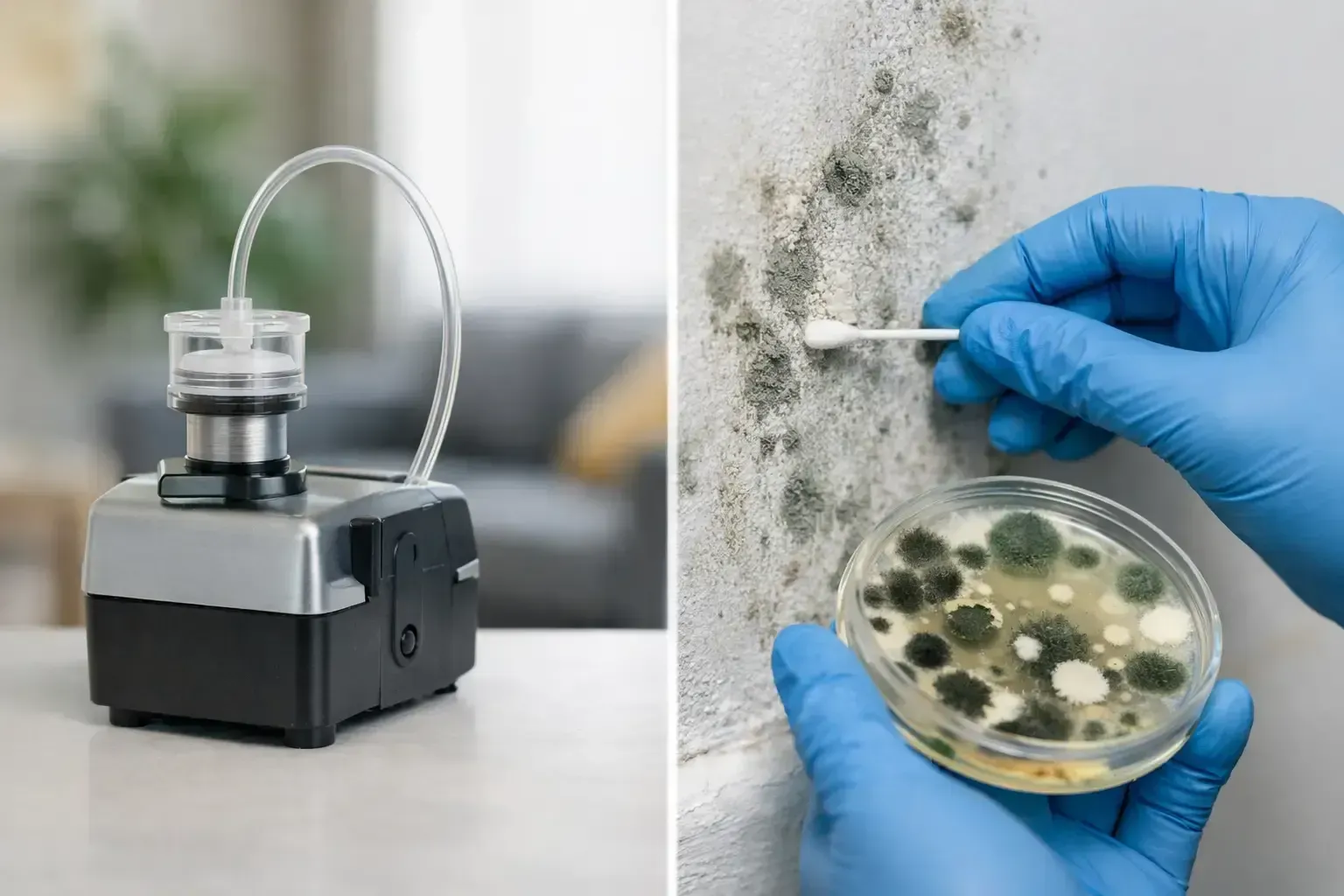
Common Mistakes When Documenting Sewage Contamination
The quality of the report depends on the quality of the inspection. You want someone who understands moisture behavior, building materials, contamination categories, and the difference between visible damage and actual spread. The report should be direct, specific, and supported by field findings, not vague language.
It also helps to work with a company that can explain results in plain English. Technical accuracy matters, but so does communication. When people are dealing with damage to a home, rental, office, or investment property, they need answers they can act on.
In Florida and Kentucky, where weather, humidity, plumbing failures, and hidden moisture issues can all play a role, a thorough assessment is one of the smartest early steps you can take. Hanes Environmental provides that kind of clear, field-based reporting so property owners know what they are dealing with before the damage gets worse.
The sooner you replace assumptions with documented facts, the easier it becomes to protect the building, the people inside it, and the money it will take to set things right.
Why Interpretation Matters More Than the Lab Report Alone
If the property recently had a leak, flood, or AC overflow, timing matters. Testing too early can miss developing growth, while waiting too long can allow contamination to spread. In many cases, the first priority after water damage is drying and stabilizing the structure quickly. Once materials remain wet beyond a day or two, the risk of mold increases significantly.
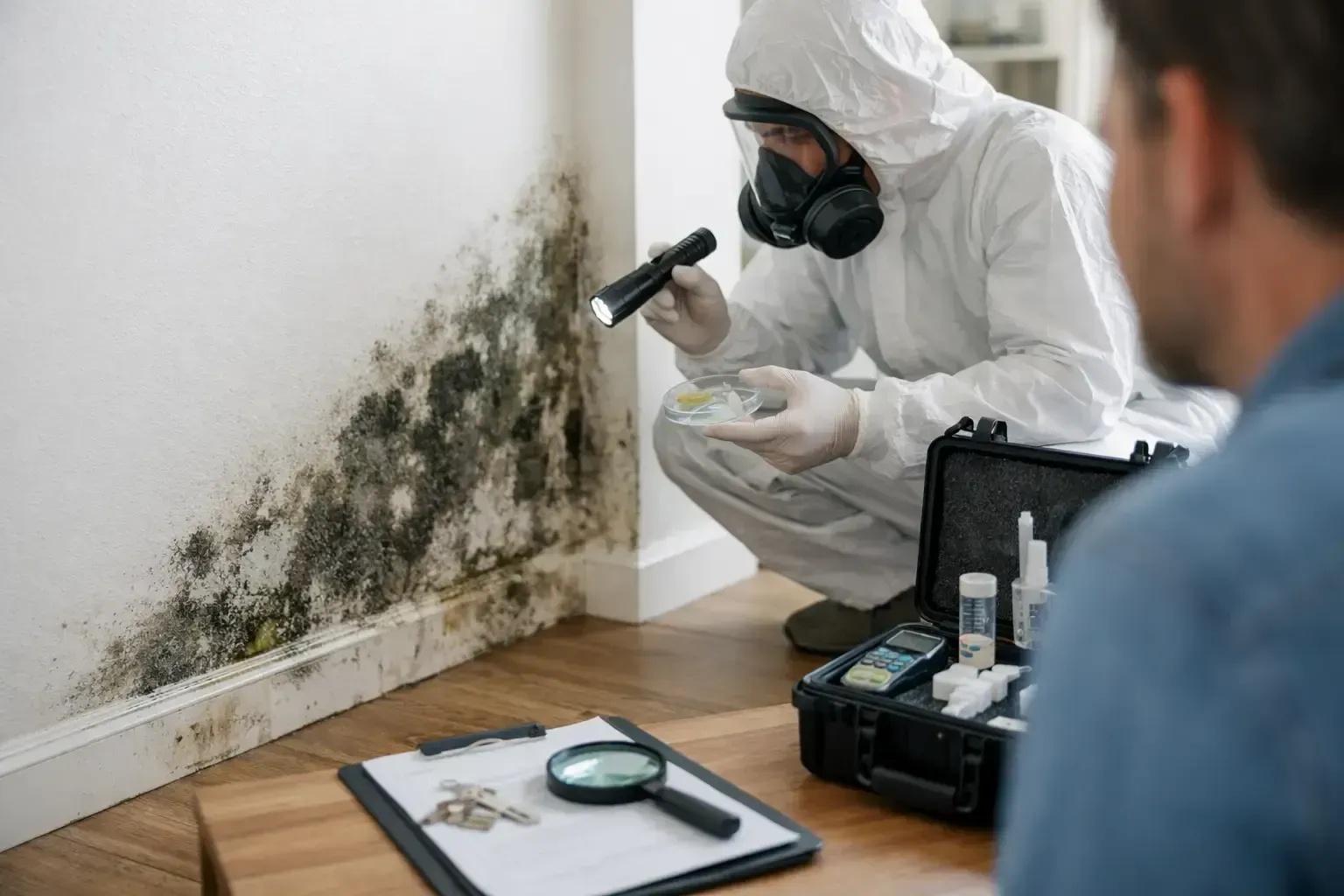
After water damage, testing usually focuses on the affected materials, adjacent rooms, and HVAC impact if the system ran during the event. Moisture mapping is essential here. Water often travels farther than the visible stain suggests, especially under flooring and inside wall cavities.
If remediation has already been performed, post-remediation verification testing may be the next step. That type of testing checks whether contamination has been properly removed and whether the area is dry and ready for rebuild. For property owners, buyers, managers, and contractors, that documentation can be just as important as the initial diagnosis.
Use the checklist as a screening tool, not a final diagnosis. Walk the property slowly. Start where water is most likely, then expand outward to adjacent rooms and connected systems such as HVAC and crawl spaces. Document what you see, what you smell, and what history you know.
If your inspection reveals isolated humidity staining, you may only need better ventilation and moisture control. If it reveals recurring leaks, soft materials, spreading discoloration, or widespread odor, the safer move is a professional mold assessment with testing where appropriate.
When indoor conditions feel off, delay usually makes the situation more expensive. A careful inspection done early can protect your health, your property, and your documentation if the issue turns into a real estate, insurance, or tenant matter.
The best closing thought is simple: trust what the building is telling you. If you see moisture, smell mustiness, or notice damage that does not make sense, act on it before a small problem becomes hidden contamination.
Room-by-room Inspection Points
A detected contaminant does not automatically mean the entire building is unsafe, and a non-detect result does not erase a separate moisture, sewage, or plumbing issue. Results must be interpreted in context. A bacterial detection in a private well may call for a review of the well system, potential disinfection, corrective repairs, and follow-up sampling. A fixture-specific metals result may require plumbing evaluation rather than treatment for the whole property.
When results exceed an applicable standard or reveal a contamination concern, the next step should be targeted. It may involve repairing a well cap, correcting drainage, servicing plumbing, replacing affected materials, disinfecting a system, installing appropriate treatment, or completing restoration after a sewage loss. Retesting is often necessary to confirm that corrective work addressed the original condition.
Avoid selecting treatment equipment before you know what needs treatment. A filter designed for sediment is not necessarily appropriate for bacteria, metals, or chemical contaminants. Likewise, a one-time disinfecting step may not solve an ongoing pathway that allows contamination to return.
Bring in Qualified Help for Complex or Contaminated Losses
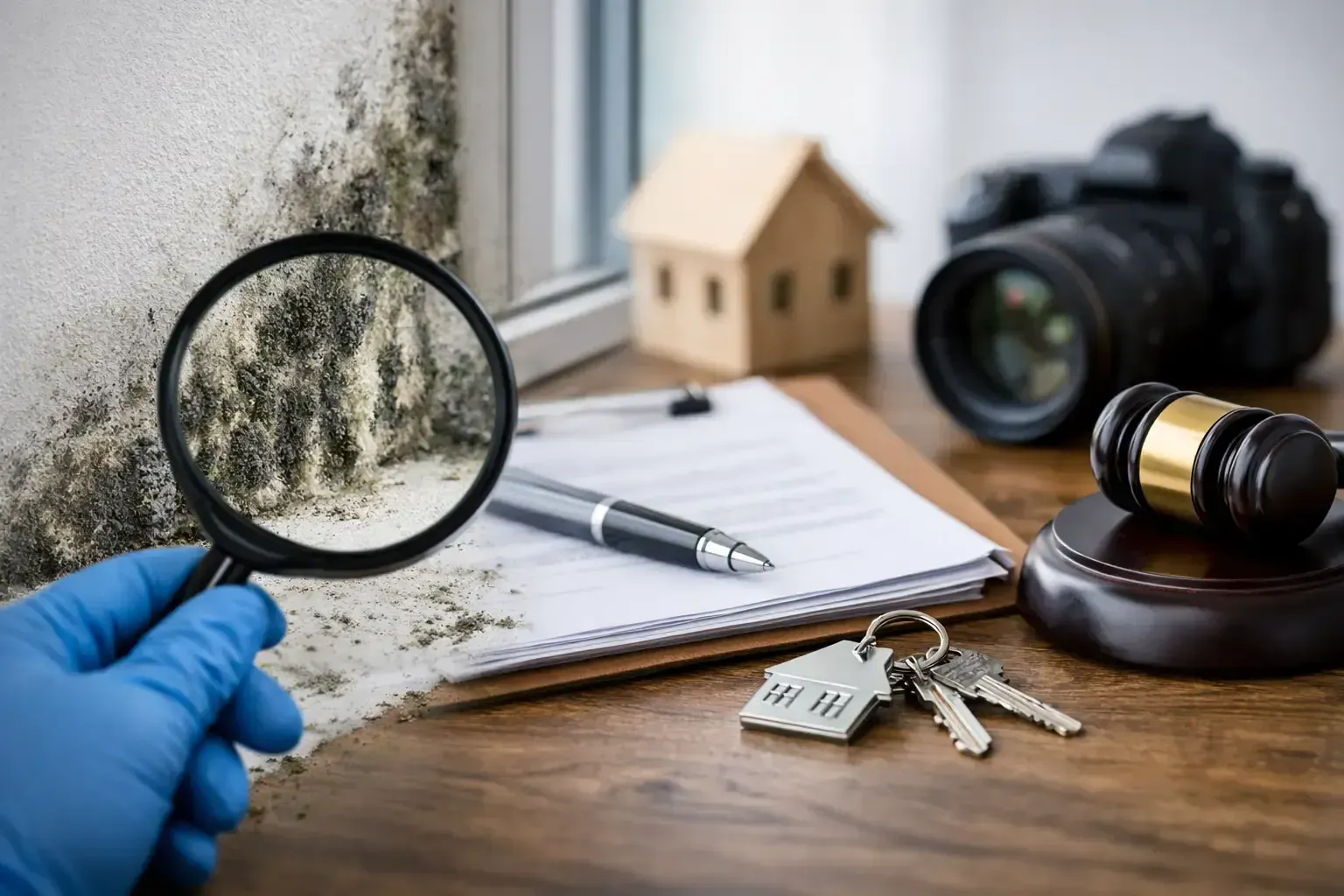
For real estate transactions, lender requirements, insurance matters, and commercial properties, the written report can be as important as the test itself. It should clearly state what was sampled, what method was used, what the laboratory found, and what the findings mean in practical terms. Vague language creates uncertainty. Specific documentation supports better decisions.
Hanes Environmental provides water testing and contamination investigations for properties across Florida and in Lexington and Louisville, Kentucky, with a focus on clear reporting and practical next steps. Whether the concern is a well, a lender-required test, a suspected sewage exposure, or water damage affecting a building, the right investigation begins with a properly defined question.
If water has changed, a well has gone untested, or contaminated water may have reached your property, act before assumptions turn into larger repairs or avoidable exposure. Accurate screening gives you a documented starting point and a clearer path forward.
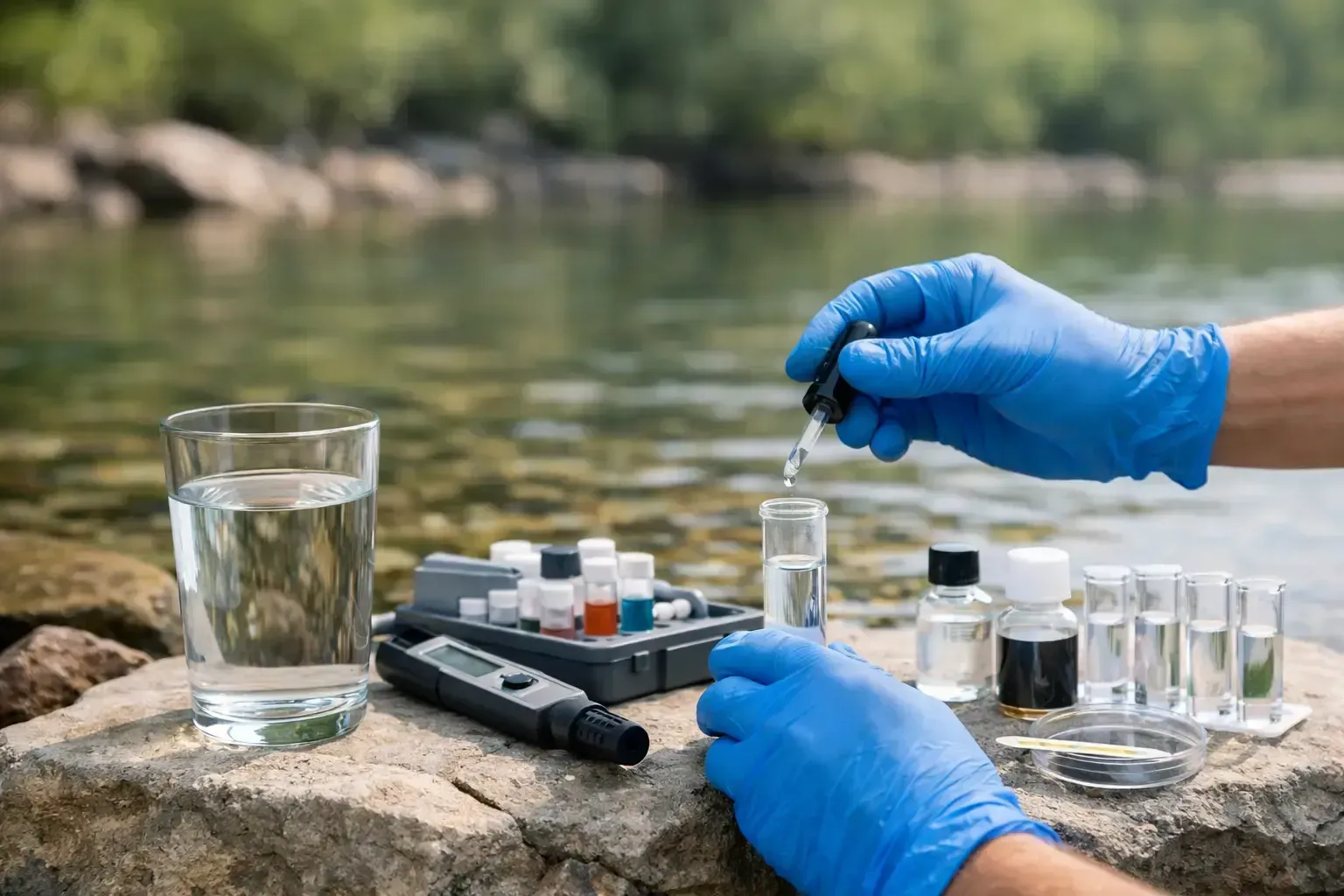
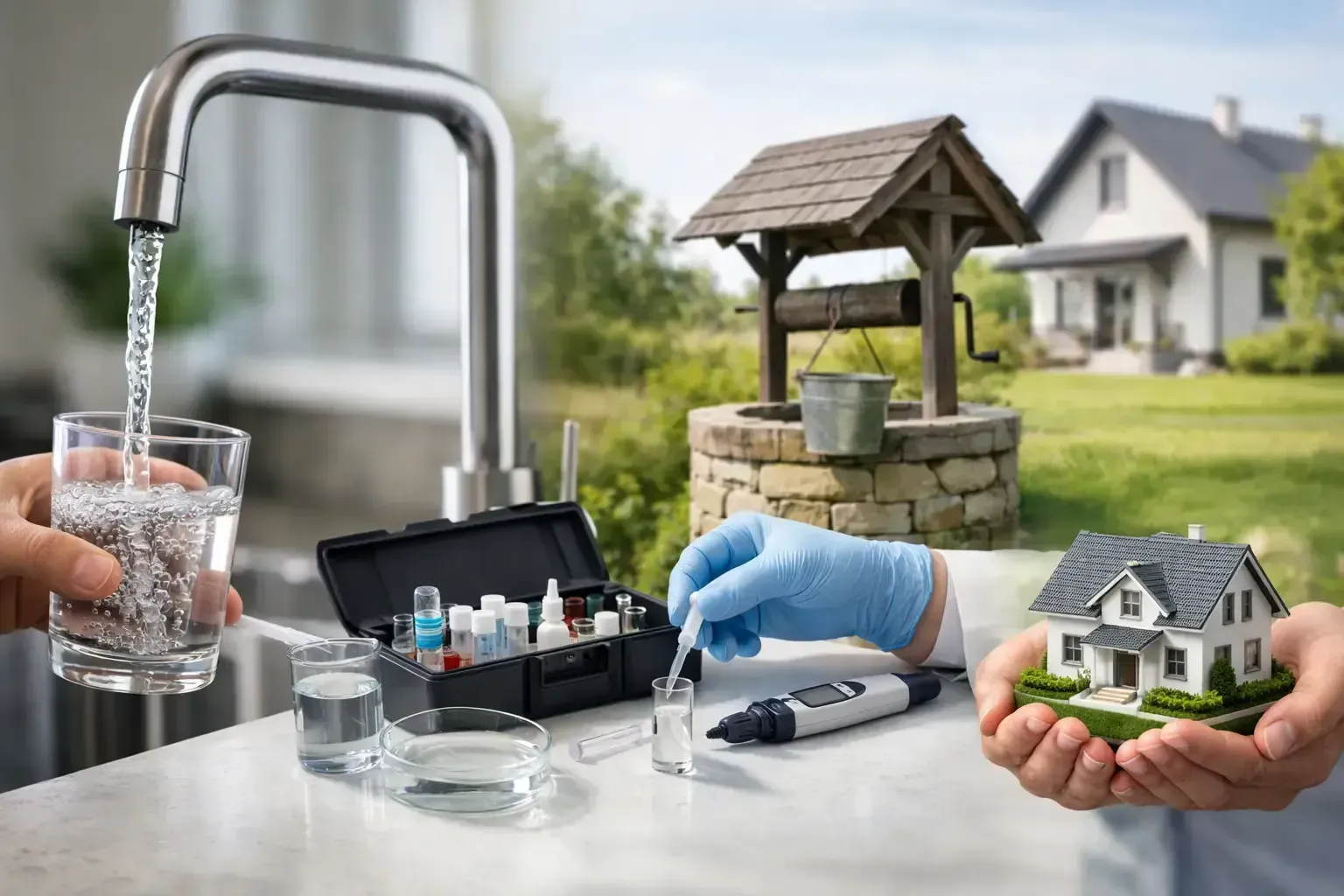
A water sample can look perfectly clear, smell normal, and still contain contaminants that matter. That is why learning how to test drinking water starts with one question: what are you trying to rule out? A basic test for bacteria will not identify lead. A mineral panel will not tell you whether sewage contamination is present. The right test depends on the water source, the property history, and the concern that prompted the test.
For homeowners, renters, property managers, and real estate professionals, laboratory-backed results provide more than peace of mind. They create a clear record of current water conditions and help determine whether treatment, repairs, disinfection, or further investigation is needed.
When Drinking Water Testing Is Necessary
Private well owners should test water regularly because wells are not monitored by a public utility. At minimum, annual bacterial testing is a sensible baseline. Testing should also follow flooding, a septic backup, nearby construction, changes in taste or odor, well repairs, a new well installation, or any unexplained gastrointestinal illness among occupants.
Municipal water is treated and monitored before it reaches the distribution system, but that does not eliminate every concern inside a property. Aging plumbing, lead service lines, damaged pipes, stagnant water, cross-connections, water damage, or periods of vacancy can affect water at the tap. A home that has been unoccupied for months may need a different testing approach than a continuously occupied building.
Testing is also commonly required during real estate transactions involving FHA or VA financing. These programs may require specific analyses, often including coliform bacteria, nitrate and nitrite, and lead. Requirements can vary by loan program, county, and water source, so the test order should match the lender's current requirements rather than relying on an old report.
How to Test Drinking Water Correctly
Testing begins with a defined sampling plan. First, identify whether the concern involves drinking water at a kitchen faucet, a private well, an ice maker, a bathroom sink, or the building's incoming supply. Sampling the wrong location can produce a result that is technically accurate but does not answer the practical question.
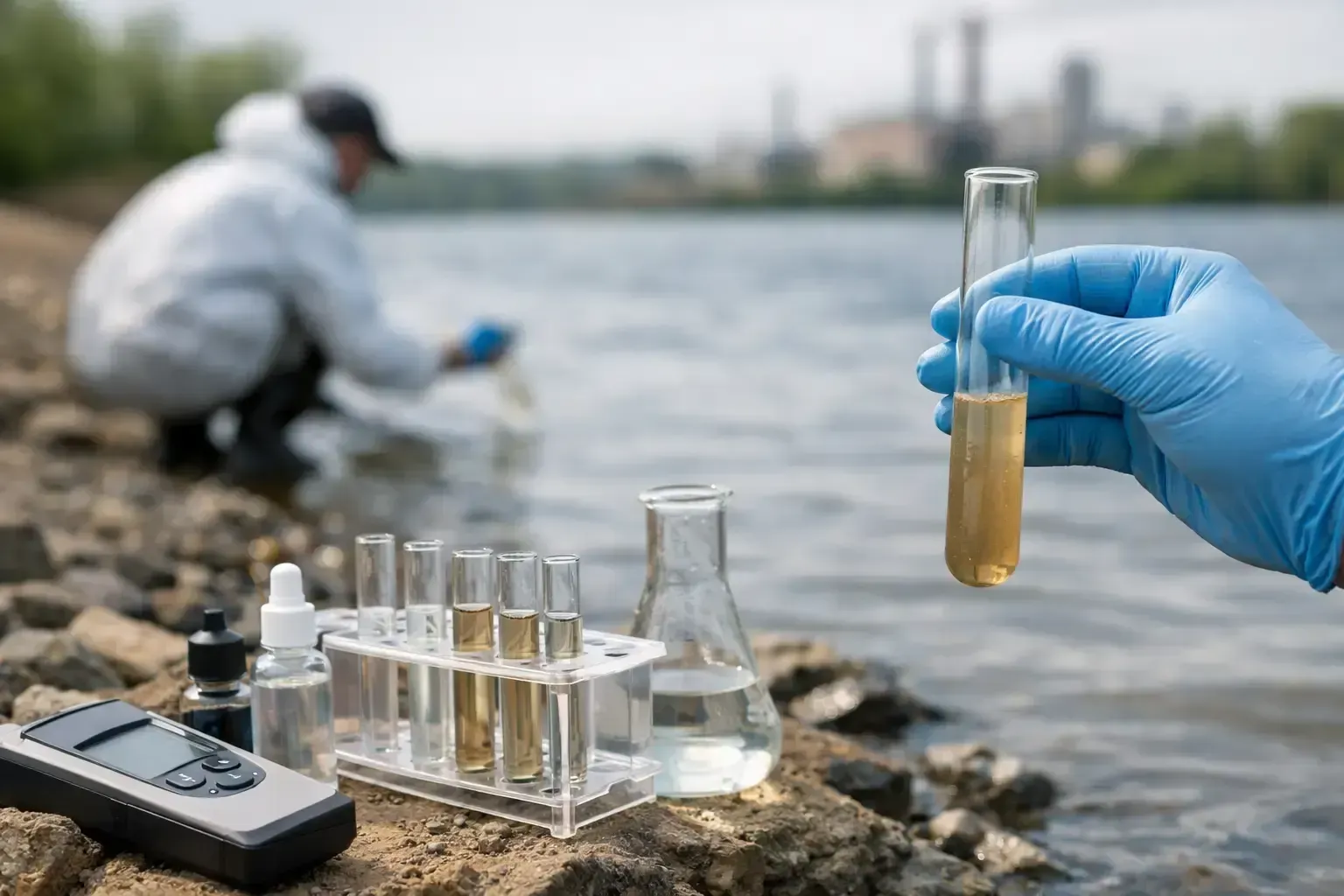
A certified laboratory or qualified environmental professional can provide the correct containers, preservatives, instructions, and chain-of-custody documentation. These details are not paperwork for paperwork's sake. Some contaminants break down quickly, while bacteria samples can be compromised by an unclean container, an improperly sanitized faucet, or a late delivery to the laboratory.
For a standard bacteria sample, the laboratory will usually provide a sterile bottle. Do not rinse it. Avoid touching the inside of the cap or bottle opening. Remove aerators or screens if the sampling instructions require it, and do not collect from a faucet that is connected to a filter unless the purpose is to evaluate that filter. The sample needs to be delivered within the laboratory's required holding time, which is often short for bacterial analysis.
Lead sampling is different. In many cases, the water must sit unused for a specified period before collection so the sample represents water that has been in contact with plumbing. Flushing the faucet immediately before a first-draw lead sample can make the result misleadingly low. Follow the exact protocol provided for the lead test, because the collection method directly affects what the laboratory can document.
If a property has a private well, testing may include a raw water sample before treatment and a sample after treatment. This helps separate a source-water problem from a treatment-system performance problem. It can also show whether a softener, filter, ultraviolet unit, or reverse-osmosis system is operating as expected.
What Should You Test For?
There is no single drinking water panel that fits every property. The most useful test is targeted to the risk.
Bacteria testing commonly looks for total coliform and E. coli. Total coliform bacteria are indicators that a pathway may exist for outside contamination to enter the water supply. E. coli is more concerning because it can indicate fecal contamination and a potential sewage, septic, animal waste, or surface-water intrusion issue.
Nitrate and nitrite testing is especially relevant for private wells, rural properties, areas near agricultural activity, and homes with septic systems. Elevated nitrate levels can pose a serious risk to infants, particularly when water is used to prepare formula.
Lead and copper testing helps evaluate whether plumbing materials are contributing metals to drinking water. Lead is a concern in older properties, but age alone does not tell the full story. Plumbing configuration, service-line materials, corrosion conditions, and how long water sits in pipes all influence results.
A broader chemistry panel may evaluate pH, hardness, iron, manganese, chloride, sulfate, total dissolved solids, and other characteristics. These results can explain staining, scale buildup, metallic taste, corrosion, appliance damage, or treatment-system issues. They do not necessarily indicate an immediate health emergency, but they can point to conditions that affect plumbing and water quality over time.
Where there is a specific concern, additional testing may be appropriate for volatile organic compounds, pesticides, arsenic, fluoride, radon, or other contaminants. Properties near industrial activity, fuel releases, dry cleaners, landfills, agricultural operations, or known groundwater concerns may need a more specialized scope. A strong investigation does not guess. It uses the property's location, history, and symptoms to determine what to test.
Home Test Kits vs. Laboratory Testing
At-home strips and mail-in kits can be useful as an initial screen for basic conditions such as pH, hardness, chlorine, or some metals. They are quick and inexpensive, which makes them attractive when you want a general snapshot.
Their limits matter, though. Color interpretation can be subjective, detection ranges may be broad, and some kits do not provide the documentation needed for a loan, insurance matter, tenant-landlord dispute, or remediation decision. They also do not replace a properly collected bacterial sample analyzed by an accredited laboratory.
When health concerns, financing requirements, sewage exposure, a damaged well, or a property dispute is involved, professional sampling and defensible laboratory reporting are the safer choice. The cost of testing should be weighed against the cost of making a major decision based on incomplete information.
How to Read Drinking Water Test Results
A laboratory report lists each analyte, the result, the reporting limit, the unit of measurement, and often a reference standard or comparison value. A detected result is not automatically proof that water is unsafe, and a non-detect result does not mean every possible contaminant was evaluated. It means that contaminant was not found above the laboratory's reporting limit in that specific sample.
For bacteria, an E. coli detection should be treated seriously. Do not assume the issue will resolve on its own. The immediate response may include avoiding water for drinking, cooking, making ice, brushing teeth, and infant formula until you understand the situation. Boiling water can address many bacteria concerns, but it does not remove chemicals, metals, or nitrates. The proper response depends on the results and local public-health guidance.
For chemical results, the next step may be confirmation sampling, source investigation, plumbing evaluation, treatment selection, or retesting after corrective work. A filter is not a universal answer. For example, a treatment system designed to improve taste may not address bacteria, while disinfection alone will not solve lead leaching from plumbing.
Protect the Sample and the Property
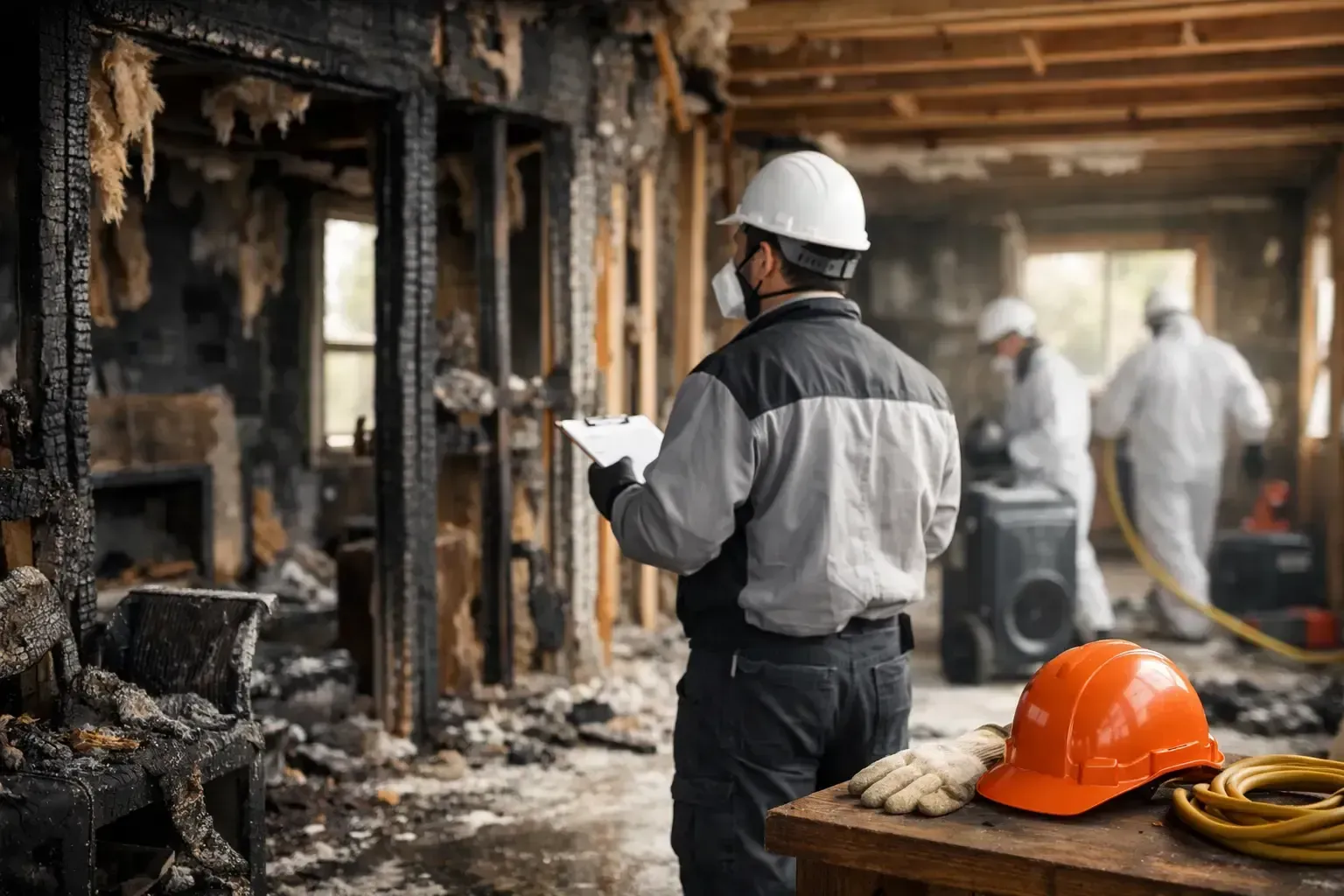
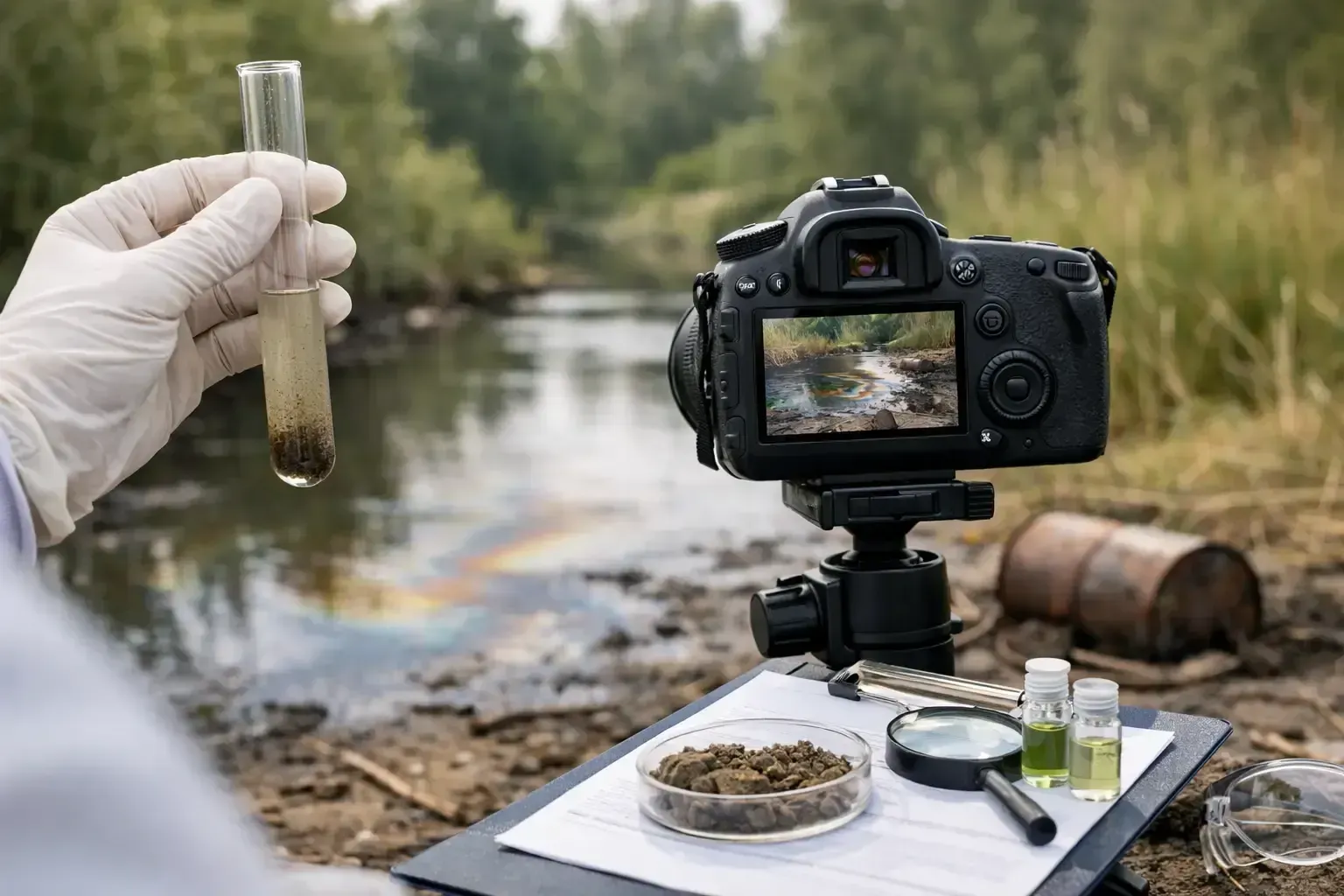
If water testing follows a flood, sewage backup, fire damage event, or major leak, do not focus only on the tap. Contamination can affect wells, plumbing fixtures, water heaters, filters, ice machines, stored water, and building materials. Document visible conditions, preserve maintenance records, and avoid cleaning or repairing away critical evidence before the scope is understood.
Hanes Environmental helps property owners and professionals obtain clear, laboratory-supported answers when water quality concerns involve health, real estate, contamination, or property damage. Accurate sampling, correct test selection, and plain-language reporting allow decisions to be based on evidence rather than assumptions.
Water is part of daily life, so uncertainty around it can feel personal. A properly collected test does not create a problem. It shows you whether one exists and gives you a practical path to address it before it affects the people and property you are responsible for.
Recent Posts