Common Mistakes When Documenting Sewage Contamination
The quality of the report depends on the quality of the inspection. You want someone who understands moisture behavior, building materials, contamination categories, and the difference between visible damage and actual spread. The report should be direct, specific, and supported by field findings, not vague language.
It also helps to work with a company that can explain results in plain English. Technical accuracy matters, but so does communication. When people are dealing with damage to a home, rental, office, or investment property, they need answers they can act on.
In Florida and Kentucky, where weather, humidity, plumbing failures, and hidden moisture issues can all play a role, a thorough assessment is one of the smartest early steps you can take. Hanes Environmental provides that kind of clear, field-based reporting so property owners know what they are dealing with before the damage gets worse.
The sooner you replace assumptions with documented facts, the easier it becomes to protect the building, the people inside it, and the money it will take to set things right.
Why Interpretation Matters More Than the Lab Report Alone
If the property recently had a leak, flood, or AC overflow, timing matters. Testing too early can miss developing growth, while waiting too long can allow contamination to spread. In many cases, the first priority after water damage is drying and stabilizing the structure quickly. Once materials remain wet beyond a day or two, the risk of mold increases significantly.
After water damage, testing usually focuses on the affected materials, adjacent rooms, and HVAC impact if the system ran during the event. Moisture mapping is essential here. Water often travels farther than the visible stain suggests, especially under flooring and inside wall cavities.
If remediation has already been performed, post-remediation verification testing may be the next step. That type of testing checks whether contamination has been properly removed and whether the area is dry and ready for rebuild. For property owners, buyers, managers, and contractors, that documentation can be just as important as the initial diagnosis.
Use the checklist as a screening tool, not a final diagnosis. Walk the property slowly. Start where water is most likely, then expand outward to adjacent rooms and connected systems such as HVAC and crawl spaces. Document what you see, what you smell, and what history you know.
If your inspection reveals isolated humidity staining, you may only need better ventilation and moisture control. If it reveals recurring leaks, soft materials, spreading discoloration, or widespread odor, the safer move is a professional mold assessment with testing where appropriate.
When indoor conditions feel off, delay usually makes the situation more expensive. A careful inspection done early can protect your health, your property, and your documentation if the issue turns into a real estate, insurance, or tenant matter.
The best closing thought is simple: trust what the building is telling you. If you see moisture, smell mustiness, or notice damage that does not make sense, act on it before a small problem becomes hidden contamination.
Room-by-room Inspection Points
Bring in Qualified Help for Complex or Contaminated Losses
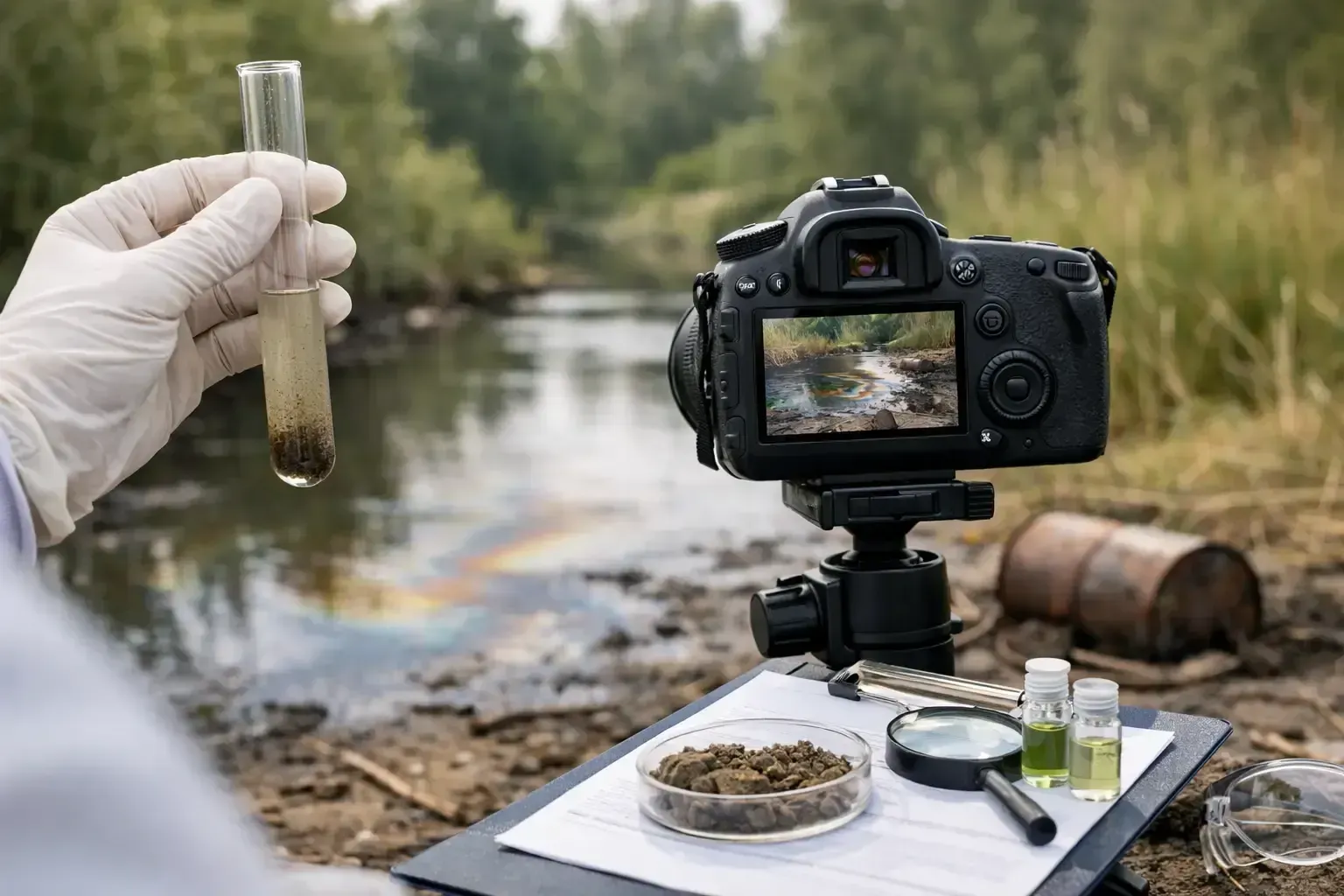
A ceiling stain, smoke odor, or damp carpet can look minor at first. The real problem may be behind a wall, under flooring, inside HVAC components, or in materials that have already begun to deteriorate. Insurance claim environmental evidence turns those observations into documented facts that can help establish what happened, how far damage extends, and what conditions require professional attention.
For homeowners, property managers, business owners, and restoration professionals, the goal is not to make assumptions or force a coverage decision. It is to create an accurate record of property conditions. That record can be critical when water, mold, sewage, fire residue, or indoor air concerns are involved.
Why Environmental Evidence Matters in an Insurance Claim
Insurance claims are often decided around cause, timing, policy language, and the documented scope of damage. A visible wet spot may be easy to photograph, but it does not necessarily show moisture trapped in wall cavities, elevated microbial conditions, sewage contamination, or soot deposited throughout a building.
Environmental assessment can fill that gap. A qualified inspection may document moisture patterns, affected materials, contamination pathways, building conditions, sampling locations, laboratory findings, and the professional basis for recommendations. This gives the owner, adjuster, carrier, contractor, or attorney clearer information to review.
The difference is significant. A repair estimate explains what work may cost. Environmental evidence helps explain why specific work may be necessary. Depending on the loss, it can support drying, removal of affected materials, cleaning, containment, testing, or post-restoration verification.
It also protects property owners from an expensive mistake: repairing only what can be seen. Closing a wall before hidden moisture or contamination is addressed can create a larger problem later, particularly in Florida's humid climate or after a delayed response to a plumbing leak.
What Insurance Claim Environmental Evidence Can Document
The appropriate evidence depends on the loss. There is no single test that answers every question, and testing should be selected based on building conditions rather than used as a one-size-fits-all checklist.
Water Damage and Hidden Moisture
After a supply-line break, roof leak, appliance overflow, or storm intrusion, a moisture investigation can identify wet building materials beyond the obvious area. Documentation may include moisture readings, thermal imaging observations, visible staining, damaged finishes, and photographs showing affected locations.
This information can help define the drying and repair scope. It can also establish whether materials such as drywall, insulation, baseboards, cabinetry, flooring, or framing remain wet after the initial event. Timing matters. The longer materials stay wet, the greater the chance of deterioration and microbial growth.
Mold and Microbial Conditions
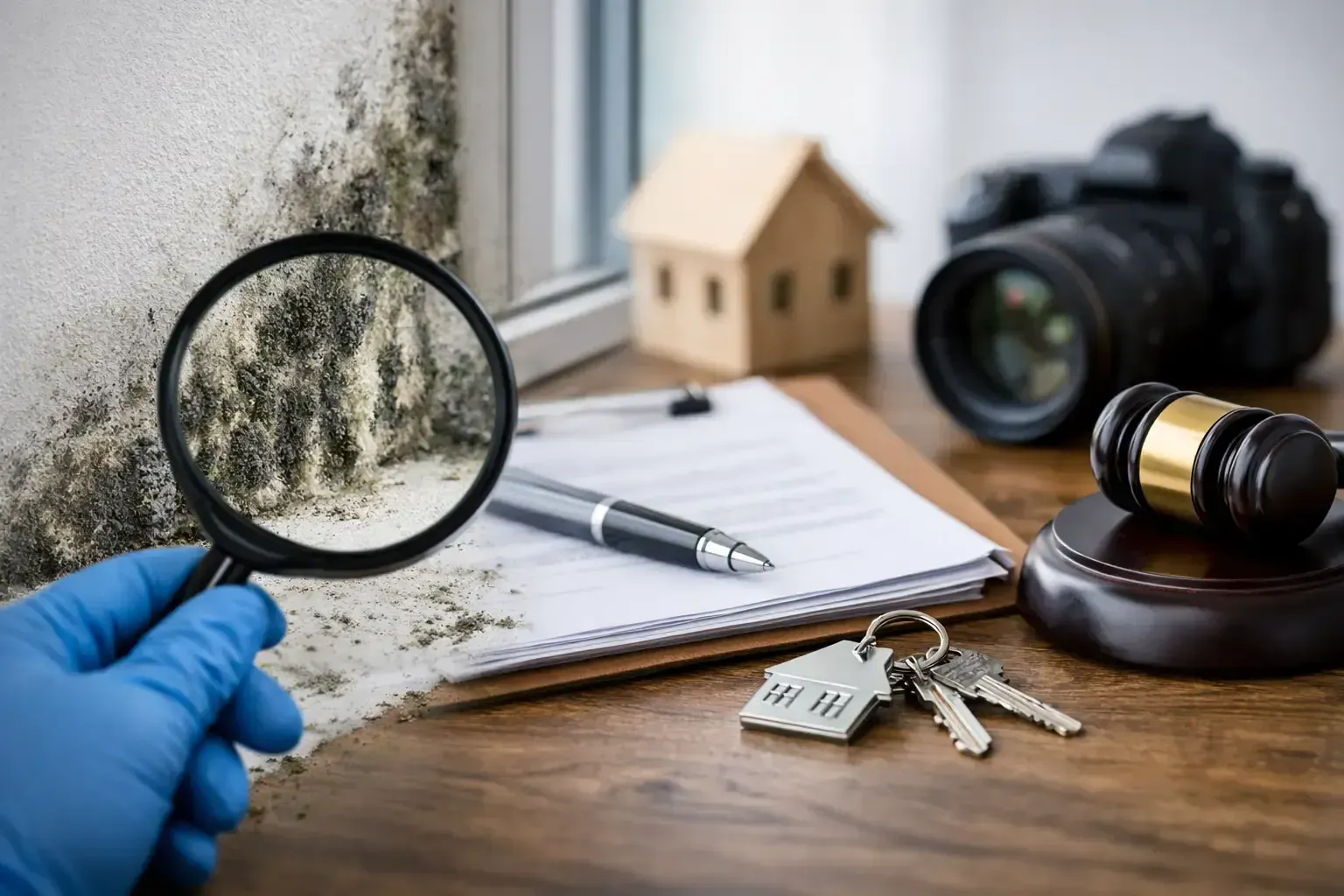
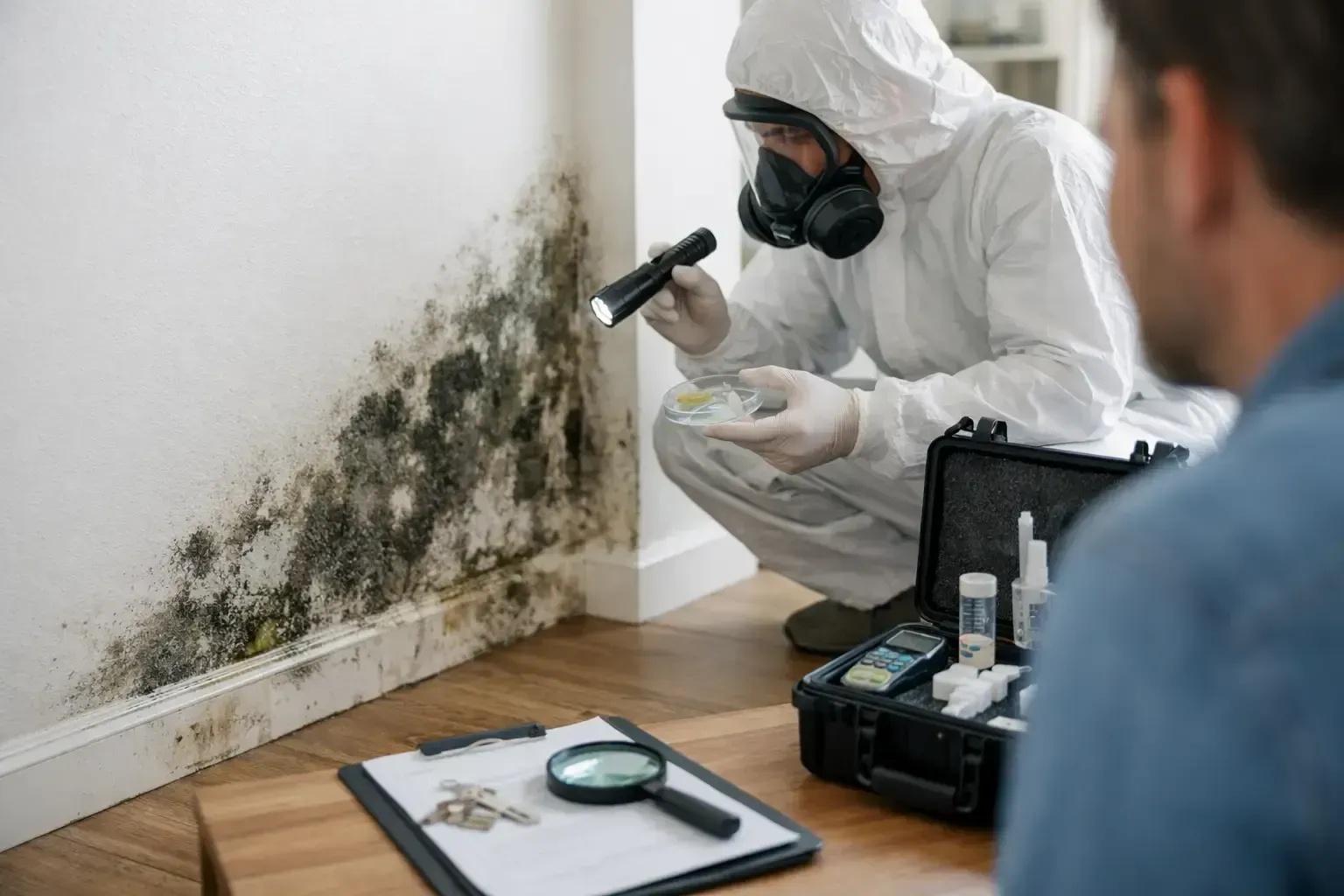
Mold claims require careful, fact-based documentation. Mold can be visible, hidden, old, new, active, dormant, or unrelated to the reported event. An assessment should consider the moisture source, visible conditions, building history, material damage, and whether sampling is appropriate.
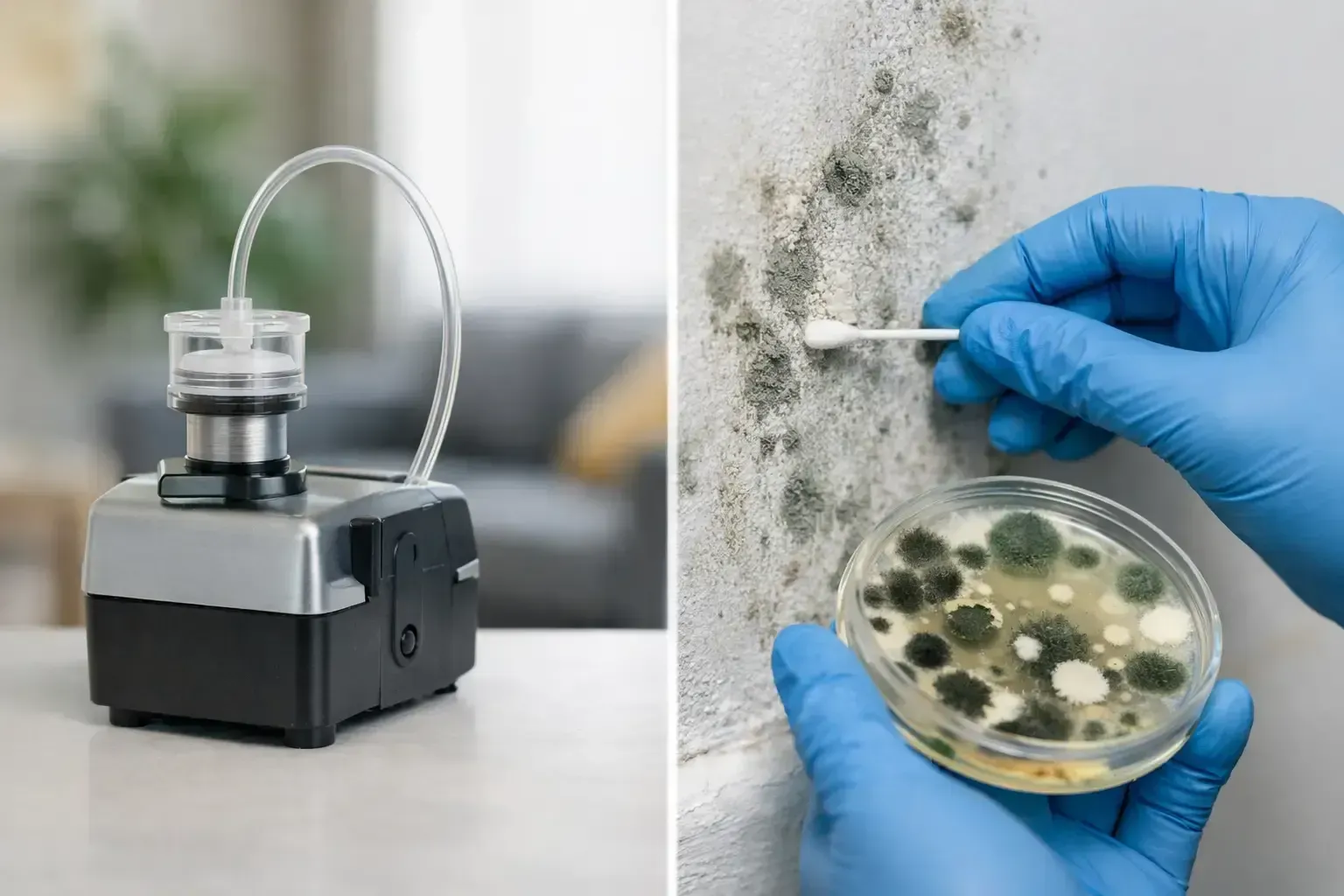
Air, surface, cavity, or bulk samples may be collected when they will answer a specific question. Laboratory analysis can provide useful supporting data, but results must be interpreted in context. A lab report alone does not identify the cause of a condition or determine the full remediation scope.
A thorough mold assessment documents the observed evidence and connects findings to building conditions. That distinction is especially valuable when a claim involves a dispute over whether damage resulted from a sudden event, long-term leakage, inadequate drying, or a pre-existing issue.
Fire, Smoke, and Soot Damage
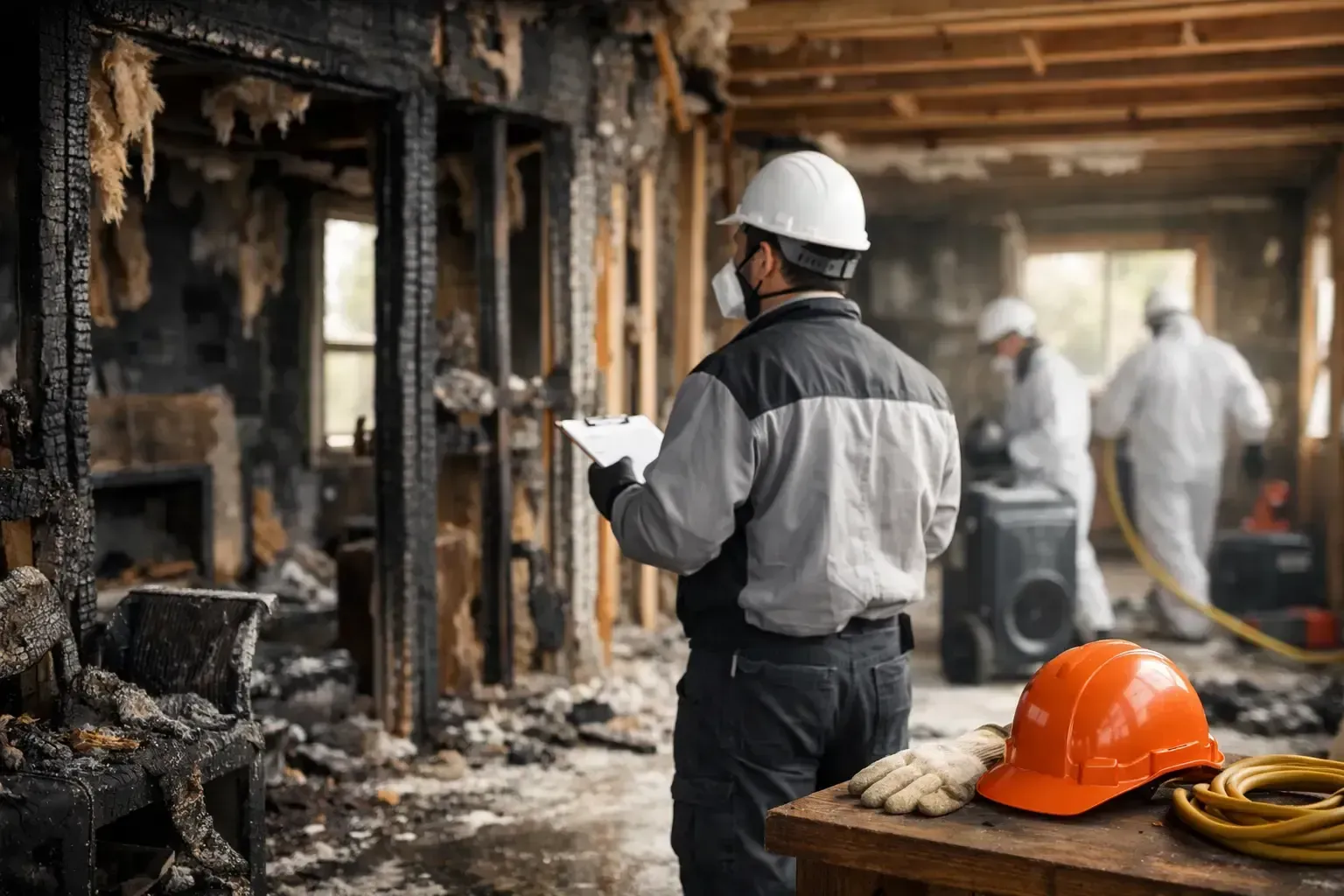
After a fire, residue may travel far beyond the room where flames originated. Fine soot and carbonaceous particles can settle on walls, ceilings, contents, inside cabinets, and throughout HVAC pathways. Odor may persist even where surfaces appear clean.
A fire damage assessment can document the distribution and character of residues, smoke staining, odor concerns, damaged materials, and areas that may require specialized cleaning or restoration. When needed, soot or carbonaceous particle testing can provide additional evidence of residue consistent with a fire or smoke event.
This is not merely cosmetic. Residue can affect indoor conditions, contents, and the ability to return a property to its pre-loss condition. Accurate documentation helps prevent affected areas from being overlooked because they do not show obvious burn damage.
Sewage, Bacteria, and Contaminated Water
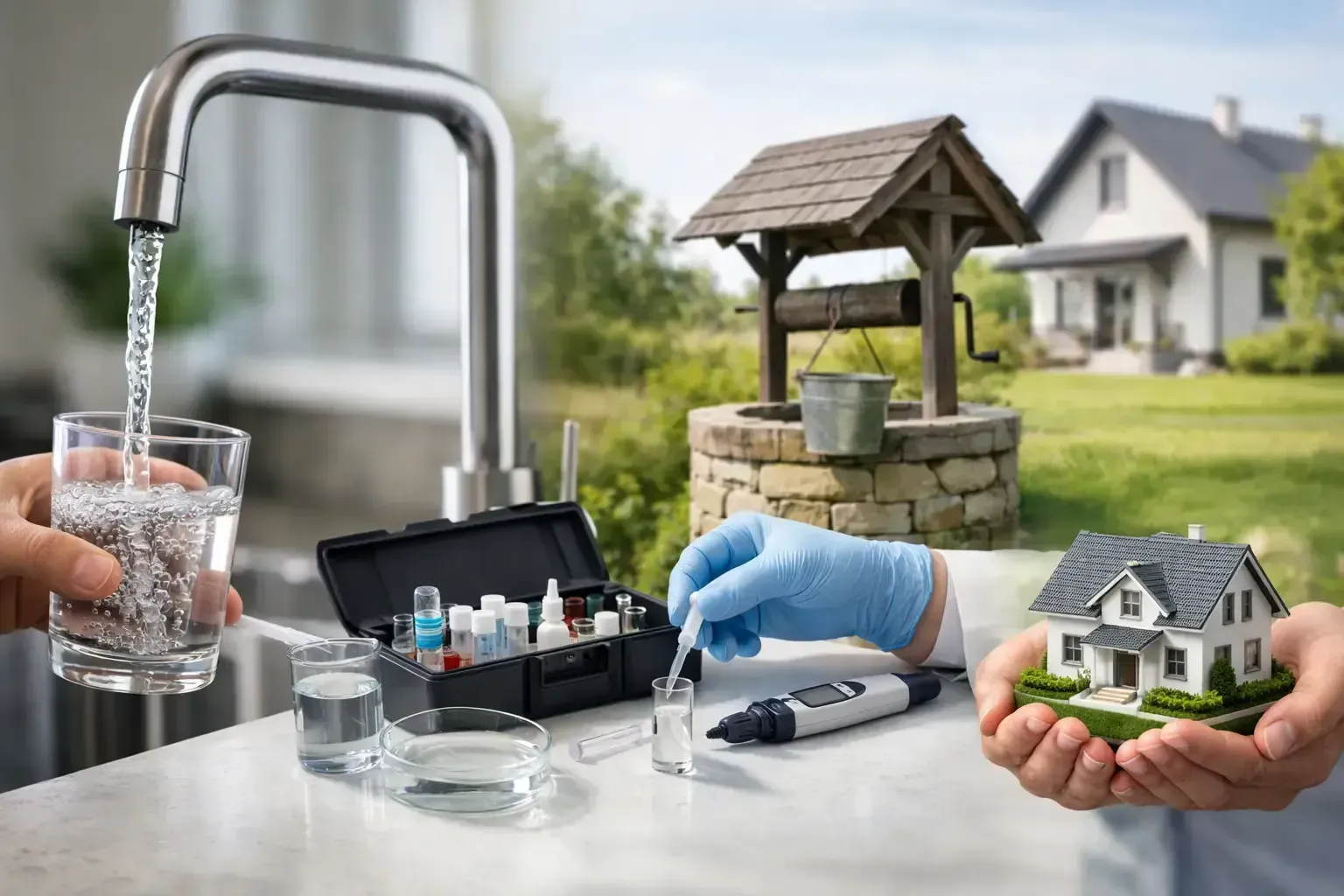
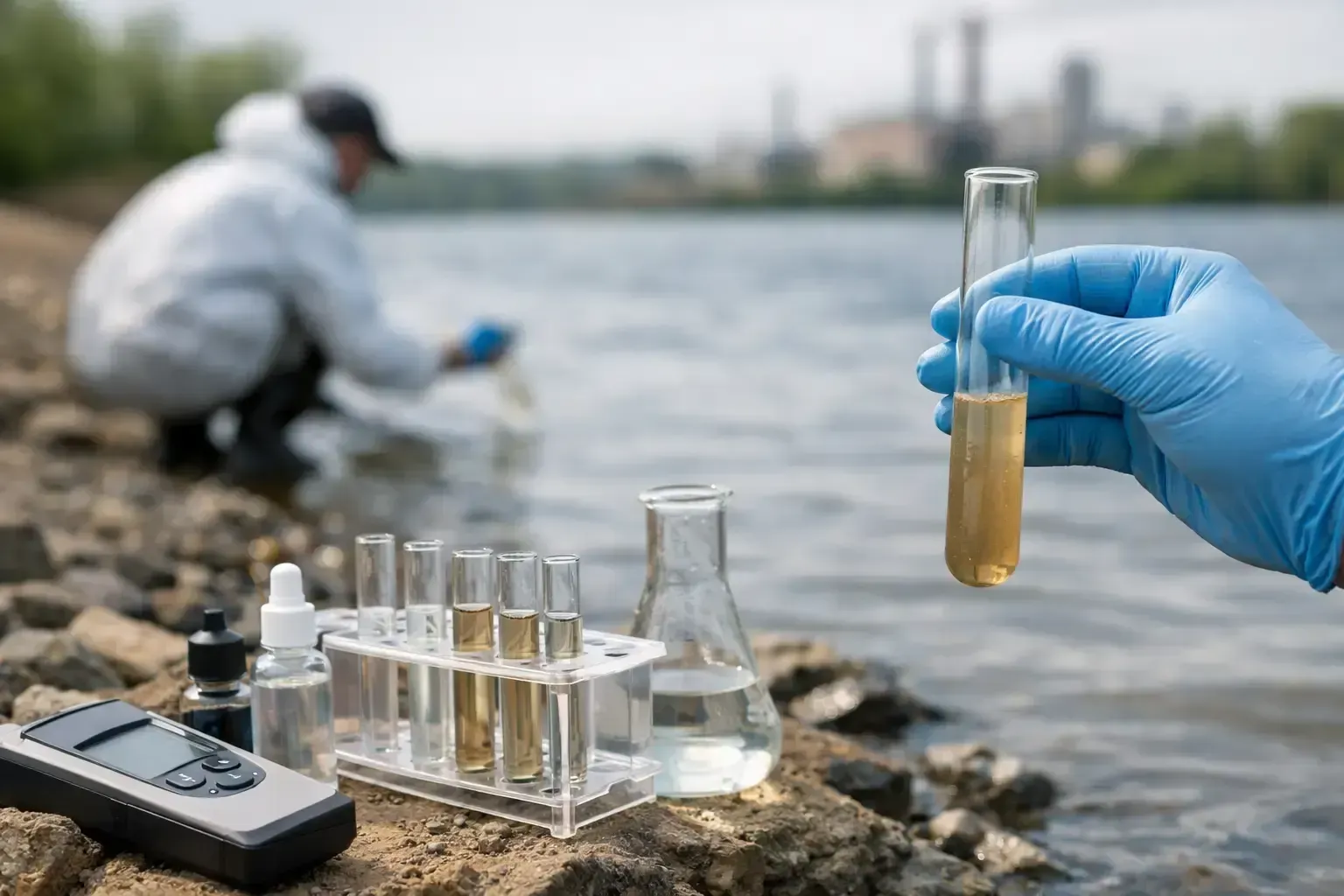
A sewage backup is different from a clean-water leak. Water from a toilet overflow involving waste, a drain backup, or a sewer line failure may introduce bacteria and other contaminants into absorbent materials and living or work spaces.
The investigation should document the source, category of water, travel path, impacted materials, and affected rooms. Testing may be appropriate in certain situations, but the most urgent step is often controlling exposure and determining which materials can be safely cleaned versus removed.
For a claim file, clear evidence of contamination can help distinguish a routine water cleanup from a loss requiring more extensive protective measures, cleaning, disinfection, and material disposal.
A Defensible Record Starts Early
Evidence is strongest when it is collected promptly and methodically. Waiting until demolition is complete, surfaces are cleaned, or materials are discarded can make it difficult to show the original extent of the loss.
Start with clear, date-stamped photographs and video before major work begins when conditions allow. Record the source of the loss, the date it was discovered, visible damage, affected rooms, prior repairs, odors, and any actions already taken to stop the water or secure the property. Keep invoices, emergency mitigation records, plumber reports, and communications related to the event.
Professional documentation adds another level of detail. A well-prepared environmental report should identify the property areas inspected, methods used, observations made, sample locations if samples were collected, laboratory results, limitations, and recommendations based on the findings. The report should be understandable to a nontechnical reader without leaving out the technical basis for the conclusions.
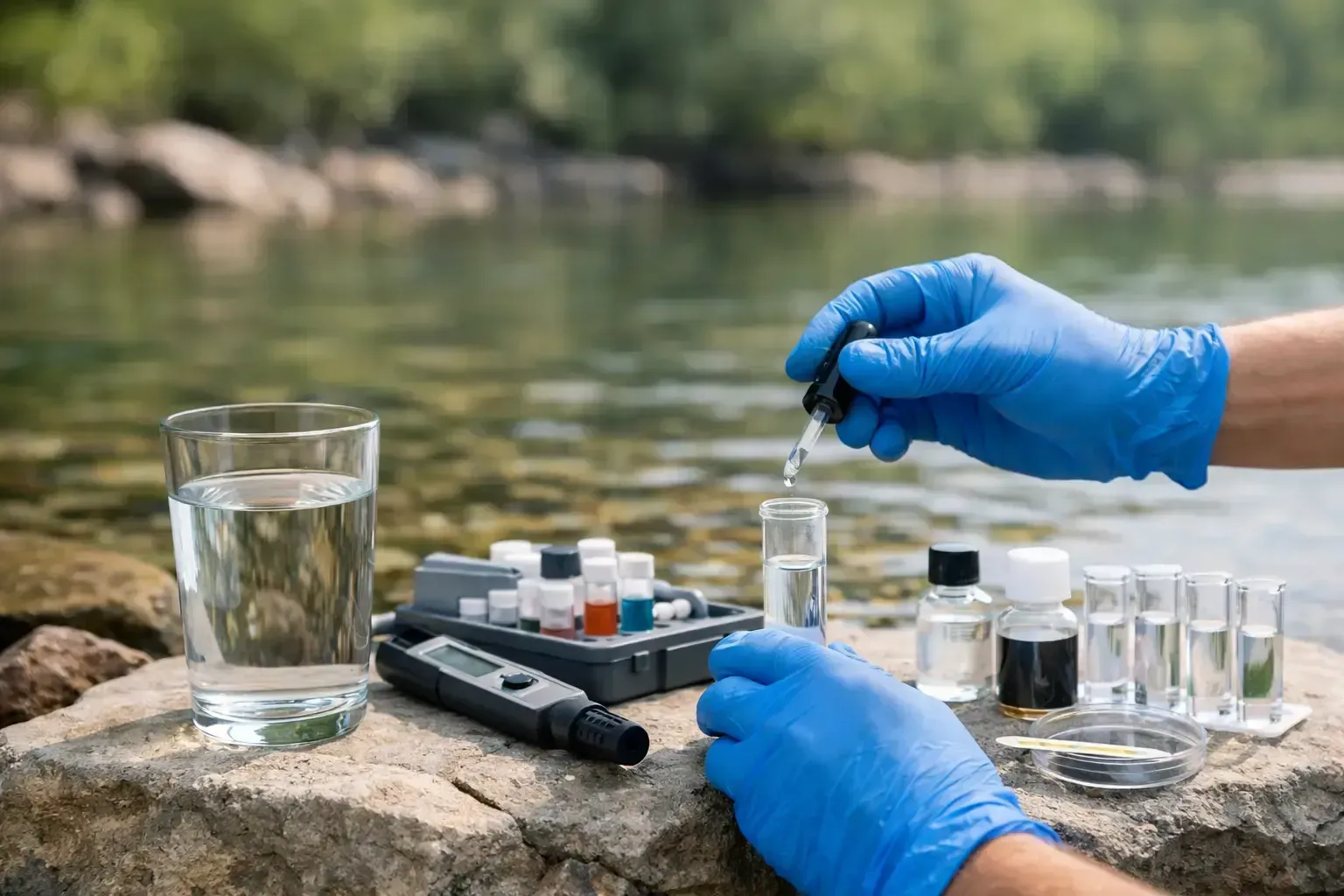
When samples are part of the investigation, proper procedures matter. Collection methods, labeling, handling, laboratory analysis, and chain-of-custody records all affect the usefulness of the result. An unverified home test or a photograph without context may raise concerns, but it rarely carries the same weight as a documented professional assessment.
Evidence is Not the Same as Coverage
Environmental evidence can establish conditions at a property. It does not guarantee that an insurer will cover every part of a loss. Coverage depends on the policy, endorsements, exclusions, deductibles, cause of loss, maintenance history, and the carrier's claim review.
That is why accuracy matters more than dramatic language. Exaggerated conclusions can undermine a claim. So can incomplete inspections that miss a moisture source or fail to distinguish old damage from current damage. The right approach is to document what is present, explain what the findings mean, and identify what additional investigation or corrective work may be warranted.
There are also situations where evidence serves purposes beyond the insurance claim. A property manager may need documentation for tenant safety decisions. A buyer or seller may need answers before a transaction proceeds. A business owner may need to evaluate whether employees can safely return after a fire, flood, or sewage event.
Choosing the Right Environmental Assessment
The best assessment matches the loss. A suspected roof leak may require a moisture investigation and mold assessment. A kitchen fire may call for smoke, soot, and odor evaluation. A flooded commercial space may need moisture mapping, contaminated-water investigation, and a restoration plan that addresses both building materials and occupancy concerns.
Ask whether the inspector is evaluating the whole affected area or only the visibly damaged surface. Ask how findings will be documented, whether laboratory analysis is performed when appropriate, and whether the final report will clearly explain the condition of the property. If restoration work is also needed, make sure the diagnostic findings are captured before evidence is removed or altered.
Hanes Environmental provides environmental testing, assessments, and restoration services with the practical focus these situations require: identify the condition, document it clearly, and help property owners make informed next steps.
When a loss leaves unanswered questions, do not rely on appearance alone. A careful assessment can preserve the facts while they are still visible, protect the people using the property, and give every party a clearer basis for deciding what happens next.
Recent Posts