Common Mistakes When Documenting Sewage Contamination
The quality of the report depends on the quality of the inspection. You want someone who understands moisture behavior, building materials, contamination categories, and the difference between visible damage and actual spread. The report should be direct, specific, and supported by field findings, not vague language.
It also helps to work with a company that can explain results in plain English. Technical accuracy matters, but so does communication. When people are dealing with damage to a home, rental, office, or investment property, they need answers they can act on.
In Florida and Kentucky, where weather, humidity, plumbing failures, and hidden moisture issues can all play a role, a thorough assessment is one of the smartest early steps you can take. Hanes Environmental provides that kind of clear, field-based reporting so property owners know what they are dealing with before the damage gets worse.
The sooner you replace assumptions with documented facts, the easier it becomes to protect the building, the people inside it, and the money it will take to set things right.
Why Interpretation Matters More Than the Lab Report Alone
If the property recently had a leak, flood, or AC overflow, timing matters. Testing too early can miss developing growth, while waiting too long can allow contamination to spread. In many cases, the first priority after water damage is drying and stabilizing the structure quickly. Once materials remain wet beyond a day or two, the risk of mold increases significantly.
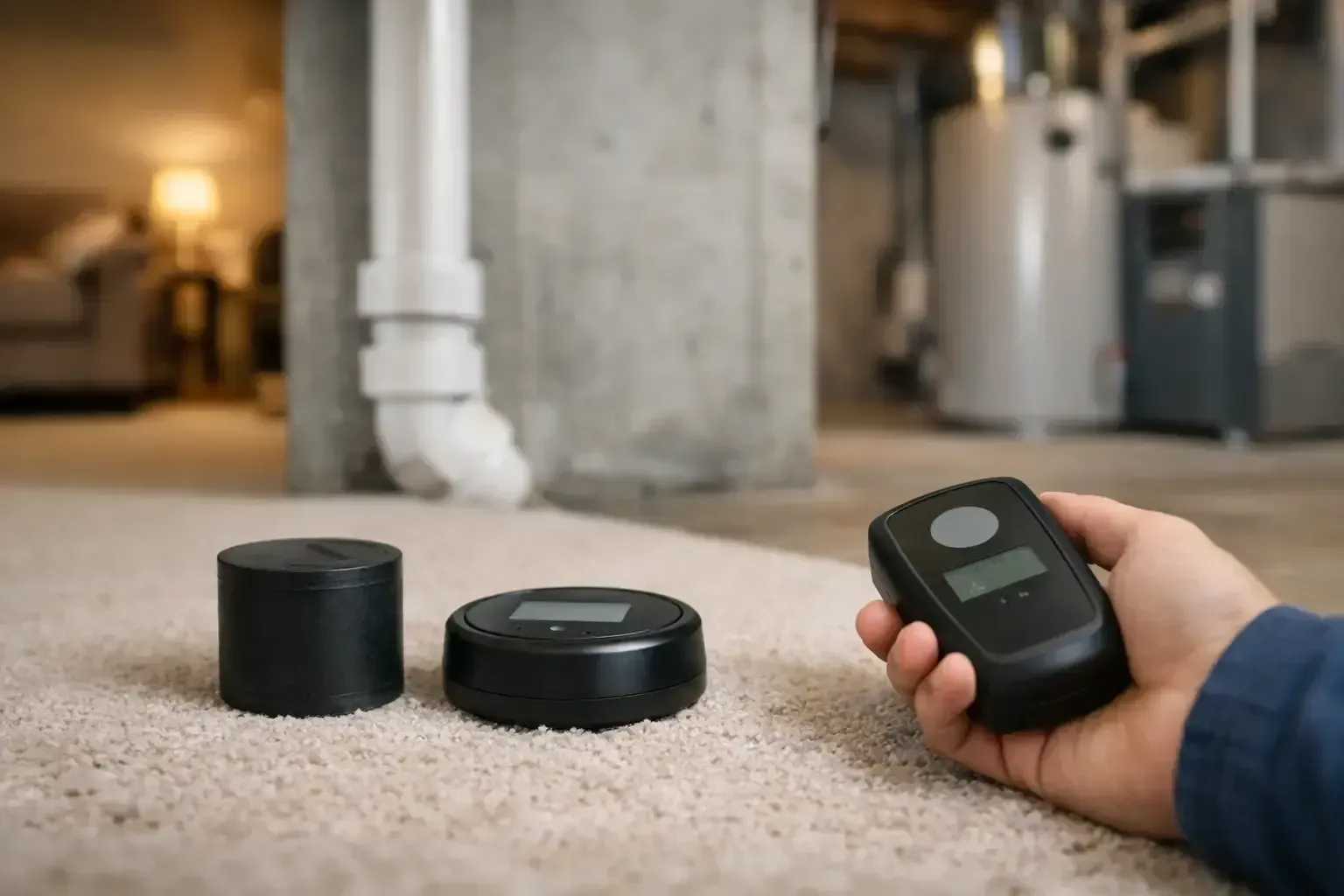
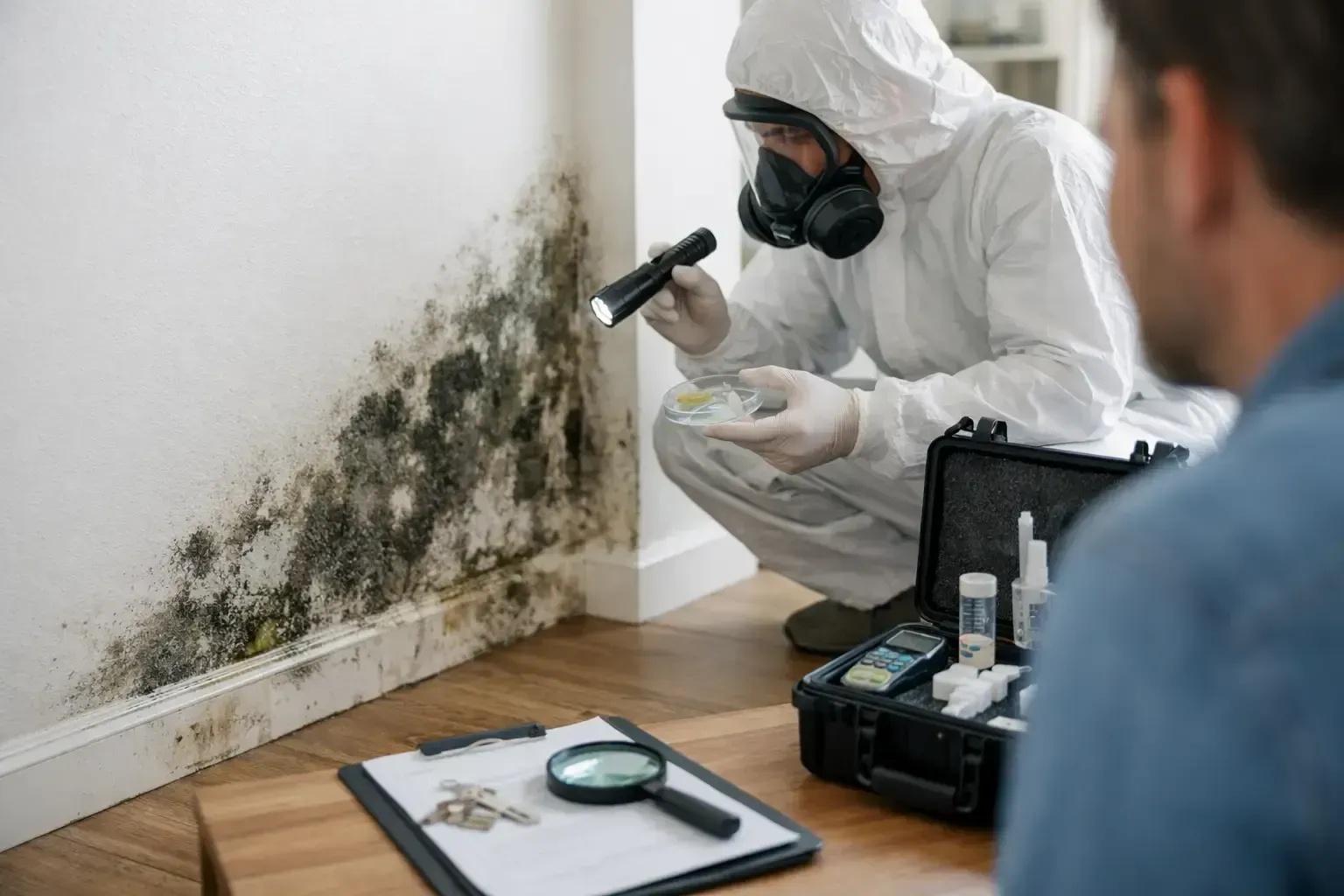
After water damage, testing usually focuses on the affected materials, adjacent rooms, and HVAC impact if the system ran during the event. Moisture mapping is essential here. Water often travels farther than the visible stain suggests, especially under flooring and inside wall cavities.
If remediation has already been performed, post-remediation verification testing may be the next step. That type of testing checks whether contamination has been properly removed and whether the area is dry and ready for rebuild. For property owners, buyers, managers, and contractors, that documentation can be just as important as the initial diagnosis.
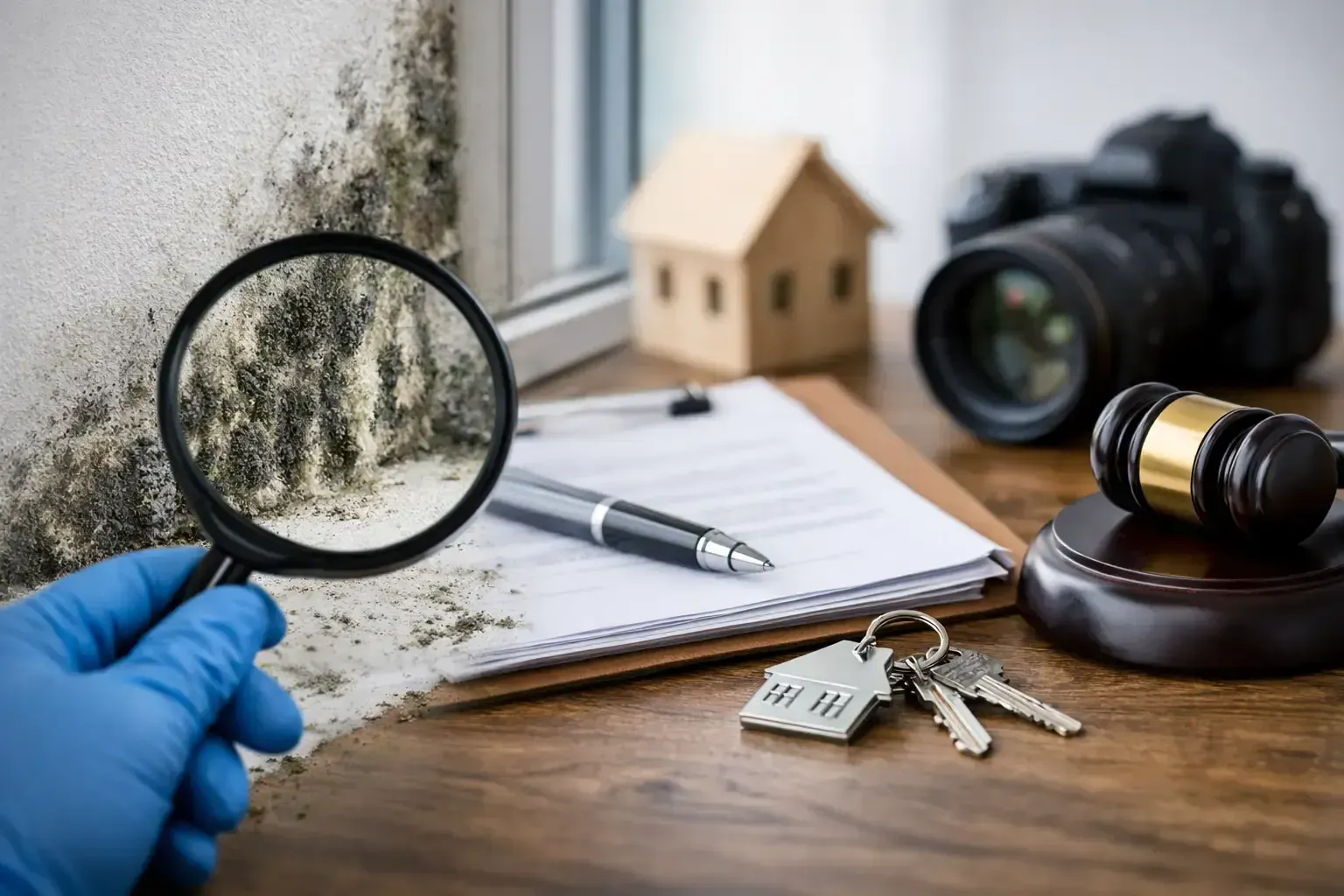
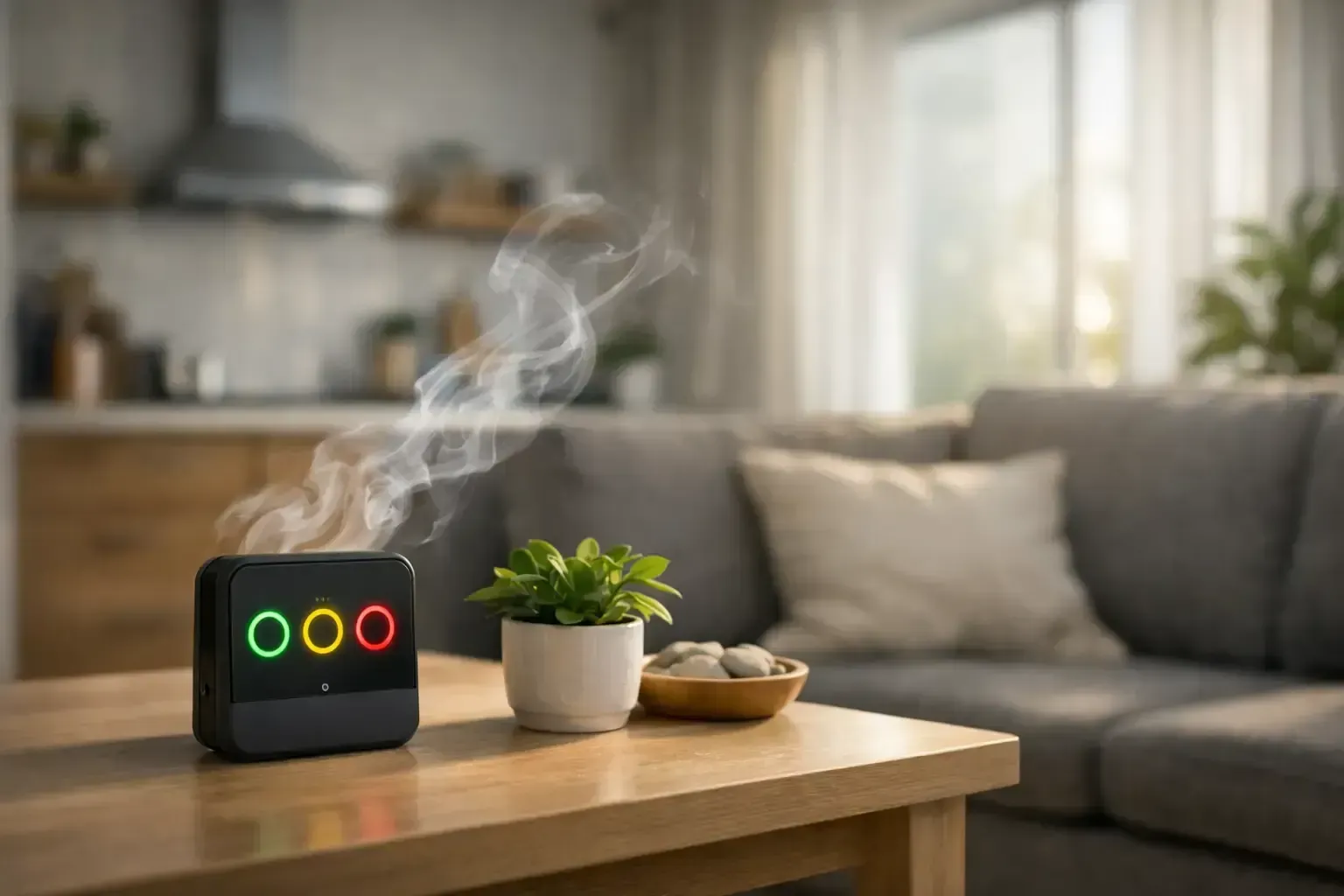
Use the checklist as a screening tool, not a final diagnosis. Walk the property slowly. Start where water is most likely, then expand outward to adjacent rooms and connected systems such as HVAC and crawl spaces. Document what you see, what you smell, and what history you know.
If your inspection reveals isolated humidity staining, you may only need better ventilation and moisture control. If it reveals recurring leaks, soft materials, spreading discoloration, or widespread odor, the safer move is a professional mold assessment with testing where appropriate.
When indoor conditions feel off, delay usually makes the situation more expensive. A careful inspection done early can protect your health, your property, and your documentation if the issue turns into a real estate, insurance, or tenant matter.
The best closing thought is simple: trust what the building is telling you. If you see moisture, smell mustiness, or notice damage that does not make sense, act on it before a small problem becomes hidden contamination.
Room-by-room Inspection Points
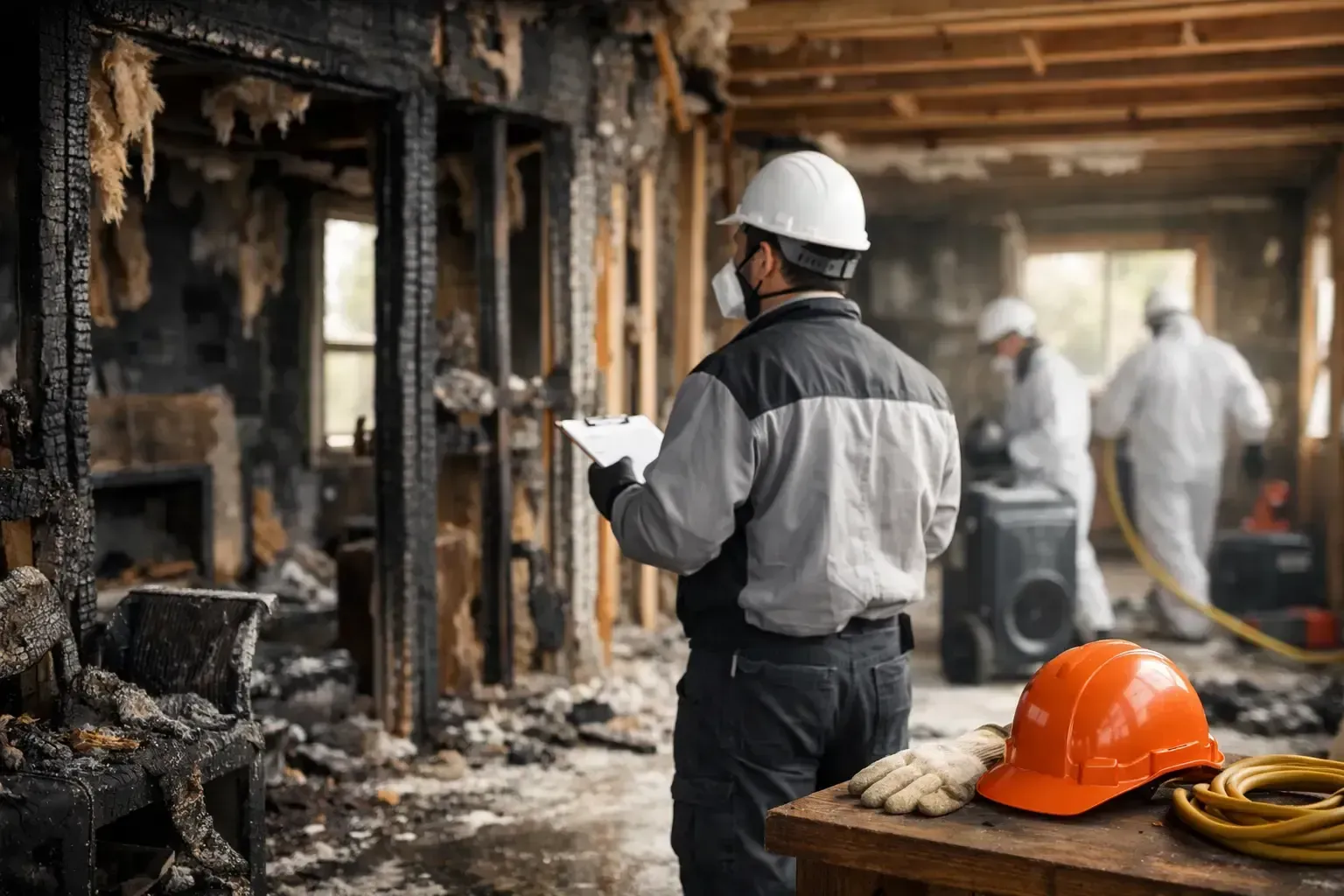
Bring in Qualified Help for Complex or Contaminated Losses
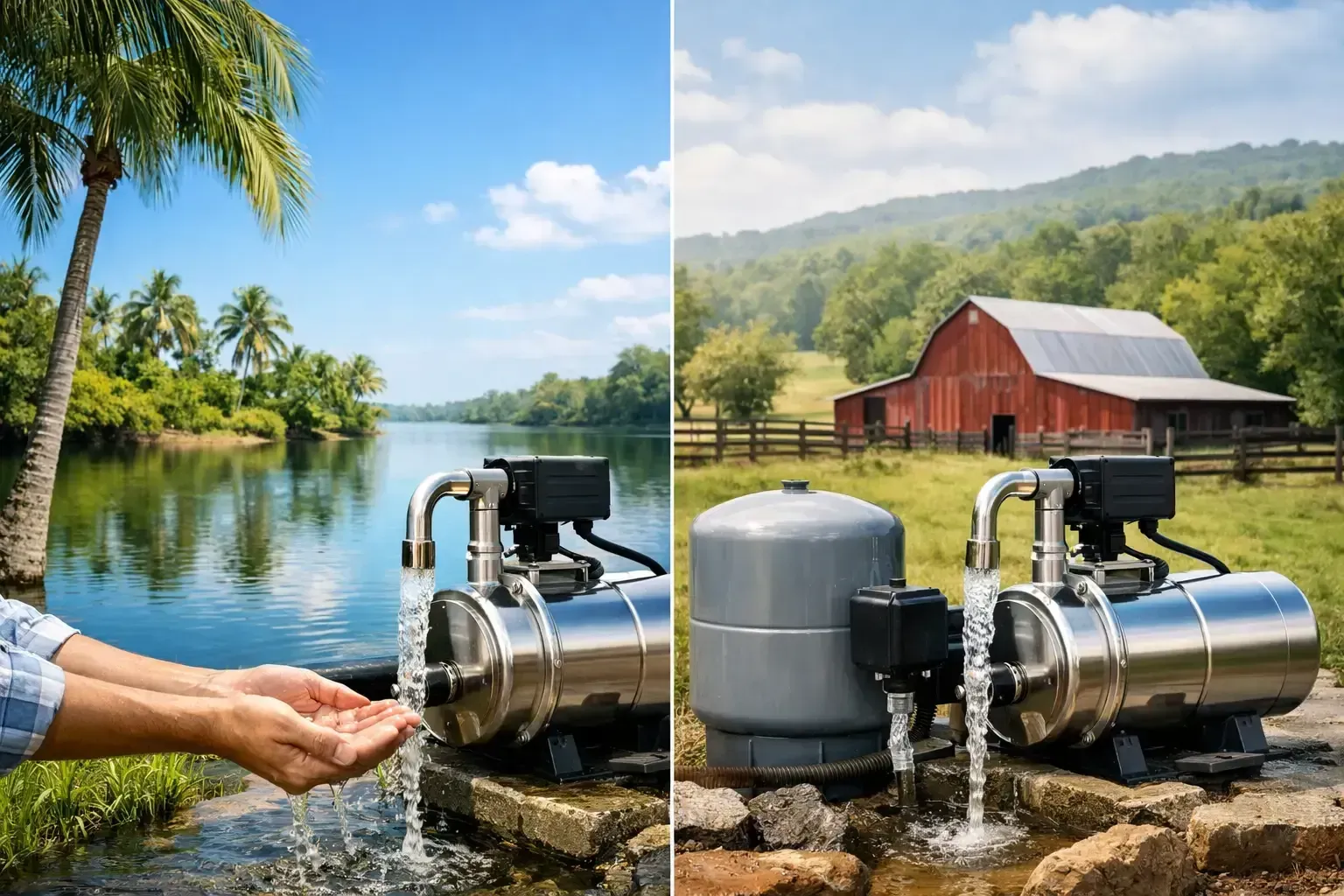
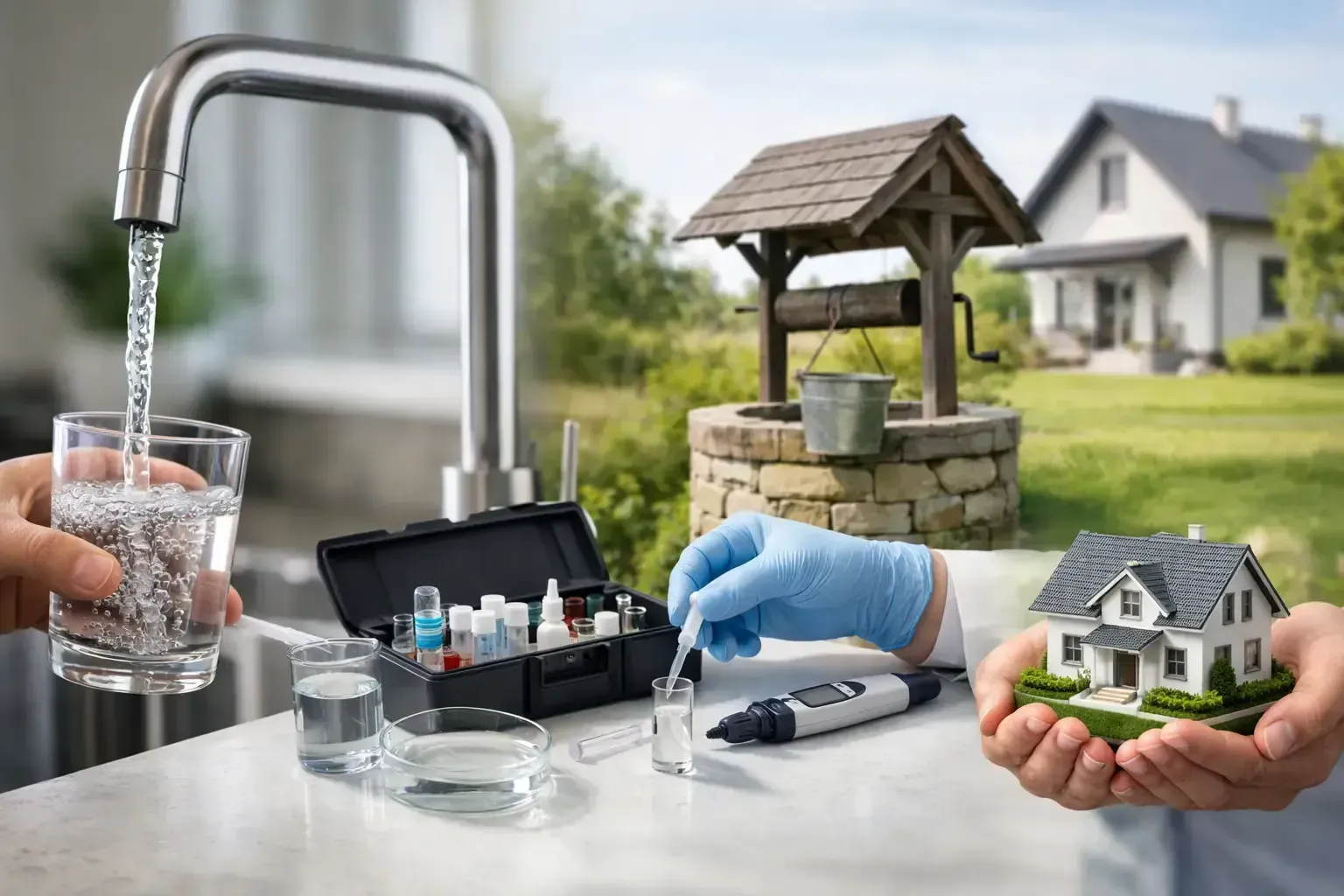
A private well can provide dependable water for a home, but it does not receive the routine monitoring required for a public water system. This safe well water guide explains what property owners need to test, when to act, and why a clear laboratory report matters before anyone assumes the water is safe to drink.
Well water can look clear, smell normal, and still contain contaminants that affect health, plumbing, lending requirements, or a real estate transaction. The right response is not guesswork or a quick store-bought strip. It is targeted sampling, certified laboratory analysis, and a treatment decision based on the actual results.
Why Private Well Water Needs Routine Testing
A private well is the owner's responsibility. The well, pump, pressure tank, plumbing, nearby drainage, septic system, and surrounding land conditions can all influence water quality. Heavy rain, flooding, nearby construction, a damaged well cap, a failed septic component, or changes in groundwater can introduce new risks even when past test results were acceptable.
The concern is not limited to one contaminant. Bacteria may enter through surface water or a compromised wellhead. Nitrate can come from fertilizer, septic waste, or agricultural activity. Metals such as lead may come from household plumbing, while iron, manganese, sulfur compounds, hardness minerals, and other naturally occurring constituents can affect taste, odor, staining, and equipment performance.
Florida and Kentucky properties face different local groundwater conditions, but the basic rule is the same: a well should be tested on a schedule and whenever conditions change. A one-time clear result is useful documentation. It is not a lifetime guarantee.
What to Test for in a Safe Well Water Plan
The best testing panel depends on the property, the well's location, nearby land use, household needs, and any visible or noticeable changes in the water. A qualified environmental professional can help define a panel that answers the actual concern instead of ordering unnecessary tests or missing a likely issue.
Core Drinking Water Tests
For many private wells, total coliform bacteria and E. coli are foundational tests. Total coliform indicates that conditions may allow contamination into the water system. E. coli is a more serious indicator of fecal contamination and requires prompt action. Do not rely on odor or appearance to rule out bacterial concerns.
Nitrate and nitrite testing is also especially important where septic systems, fertilized landscapes, livestock, or agricultural activity may affect groundwater. Elevated nitrate is a particular concern for infants and pregnant individuals. Well water used to prepare infant formula should be evaluated carefully rather than assumed safe because it comes from a private source.
A baseline water profile may also include pH, hardness, iron, manganese, chloride, sulfate, total dissolved solids, and other parameters relevant to the area. These results can identify corrosive water, scale-forming water, staining sources, or conditions that affect treatment performance.
Property-specific contaminants
Some concerns call for more focused testing. Lead and copper testing may be appropriate when plumbing materials or corrosive water conditions are a concern. Volatile organic compounds may be considered near fuel storage, industrial activity, dry-cleaning operations, or suspected chemical exposure. Pesticide or herbicide testing may be appropriate near agricultural land or where chemical use is known.
Testing should also respond to the property's history. If a well is near a septic system, has been submerged by floodwater, has a damaged casing, or supplies a building with recurring gastrointestinal complaints, the testing approach should be expanded accordingly. A targeted plan creates defensible results and a clearer path to correction.
How Often Should Well Water Be Tested?
Annual testing for bacteria and nitrate is a practical baseline for many private wells. A more complete profile is often valuable when purchasing a home, installing a new well, changing treatment equipment, or establishing the first reliable baseline for a property.
Test immediately after flooding, a hurricane or severe storm, a plumbing repair, a well repair, a change in taste or odor, unexplained staining, or any event that could allow surface water into the well. Test after a septic backup or failure near the well area. If the well cap is loose, cracked, missing, or below an area where water can pond, schedule an inspection and testing without delay.
For FHA and VA-financed transactions, water testing may be required when a property uses a private well. These tests are performed under specific sampling and reporting requirements. Timing matters because lenders and appraisers may have validity windows, and an incomplete or improperly collected sample can delay closing.
Warning Signs That Should Not Be Ignored
Some changes are obvious, while others only appear in a laboratory report. Cloudiness, grit, staining, sulfur-like odor, metallic taste, blue-green staining, black residue, or a sudden drop in water pressure all deserve attention. These signs do not identify a contaminant by themselves, but they can point to a changing well, plumbing, or treatment condition.
Health symptoms alone are not a water test. Stomach illness, skin irritation, headaches, or unusual odors in the home can have many causes. Still, when multiple occupants are affected, the water source should be considered as part of a complete environmental assessment. Document when symptoms occur, who is affected, and whether the issue changes when people are away from the property.
Do not use a household filter as proof that a water problem has been resolved. Filters have limits. Some are designed for taste and odor only, while others require specific cartridges, flow rates, maintenance schedules, or professional installation to reduce certain contaminants. Treatment should follow the laboratory result, not precede it.
Proper Sampling Protects the Accuracy of Your Results
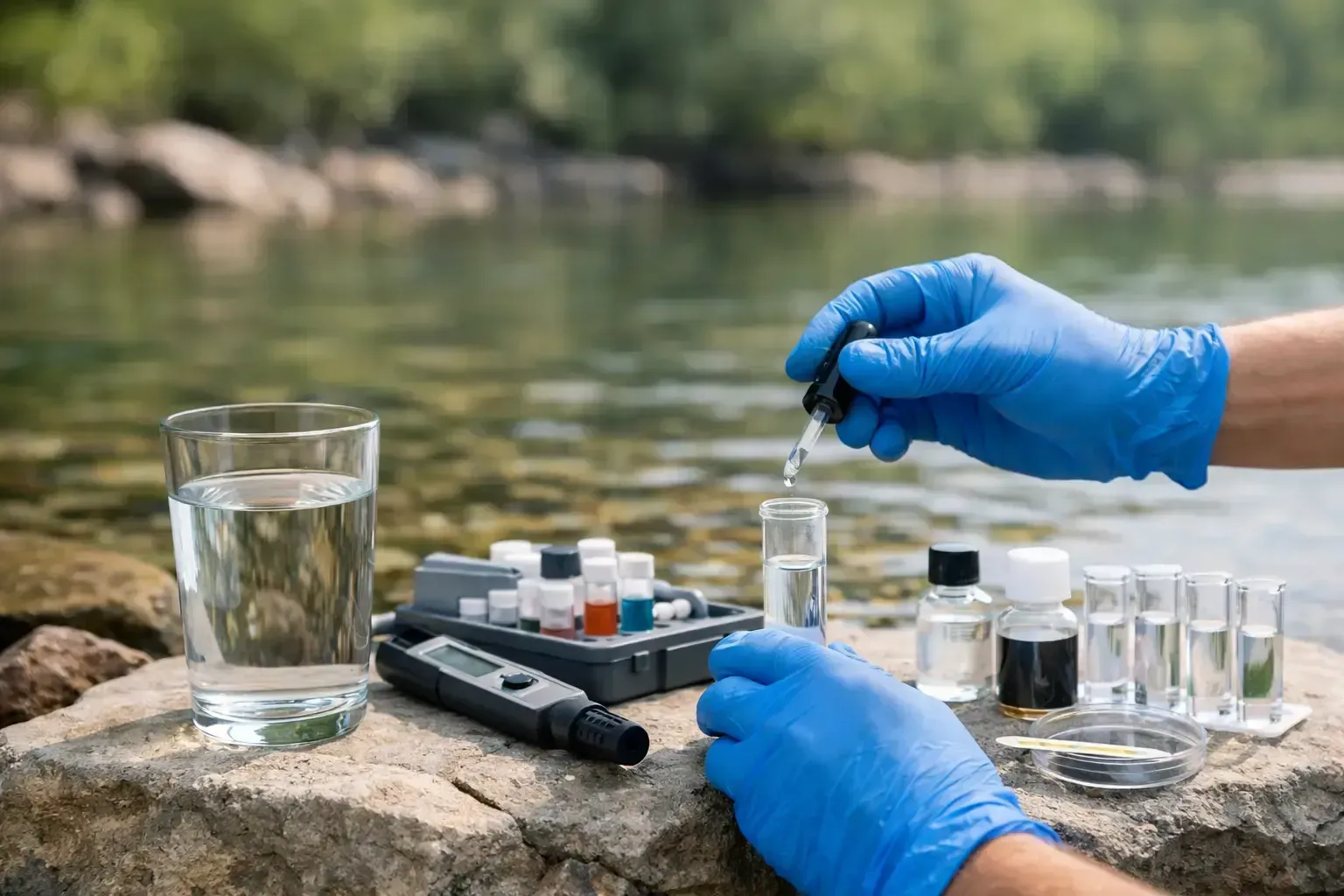
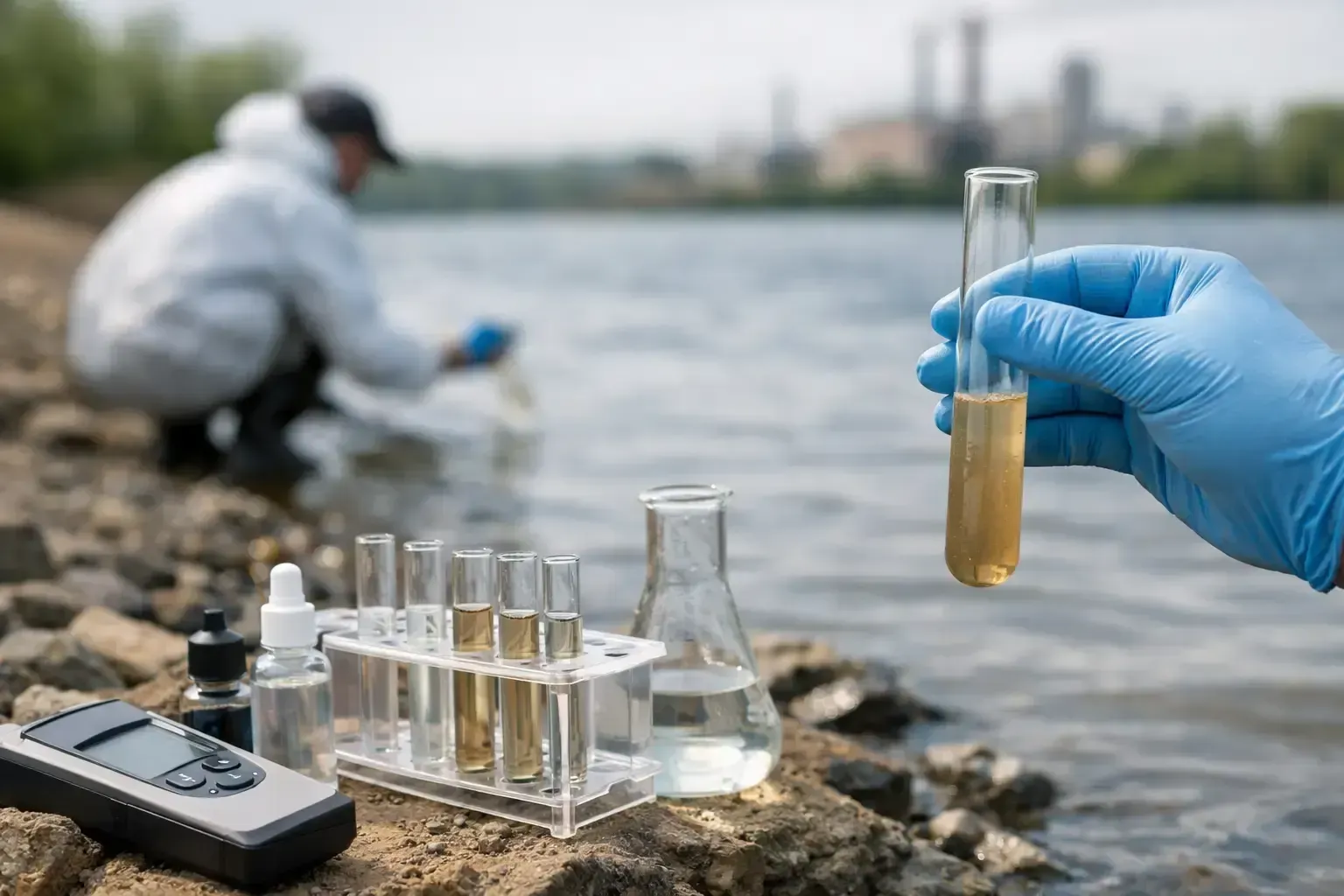
Water testing is only as reliable as the sample collected. Sampling from the wrong faucet, using an unsterilized container, running water for the wrong amount of time, or missing the laboratory holding time can compromise results. Bacteria sampling is particularly time-sensitive and should be handled according to laboratory instructions.
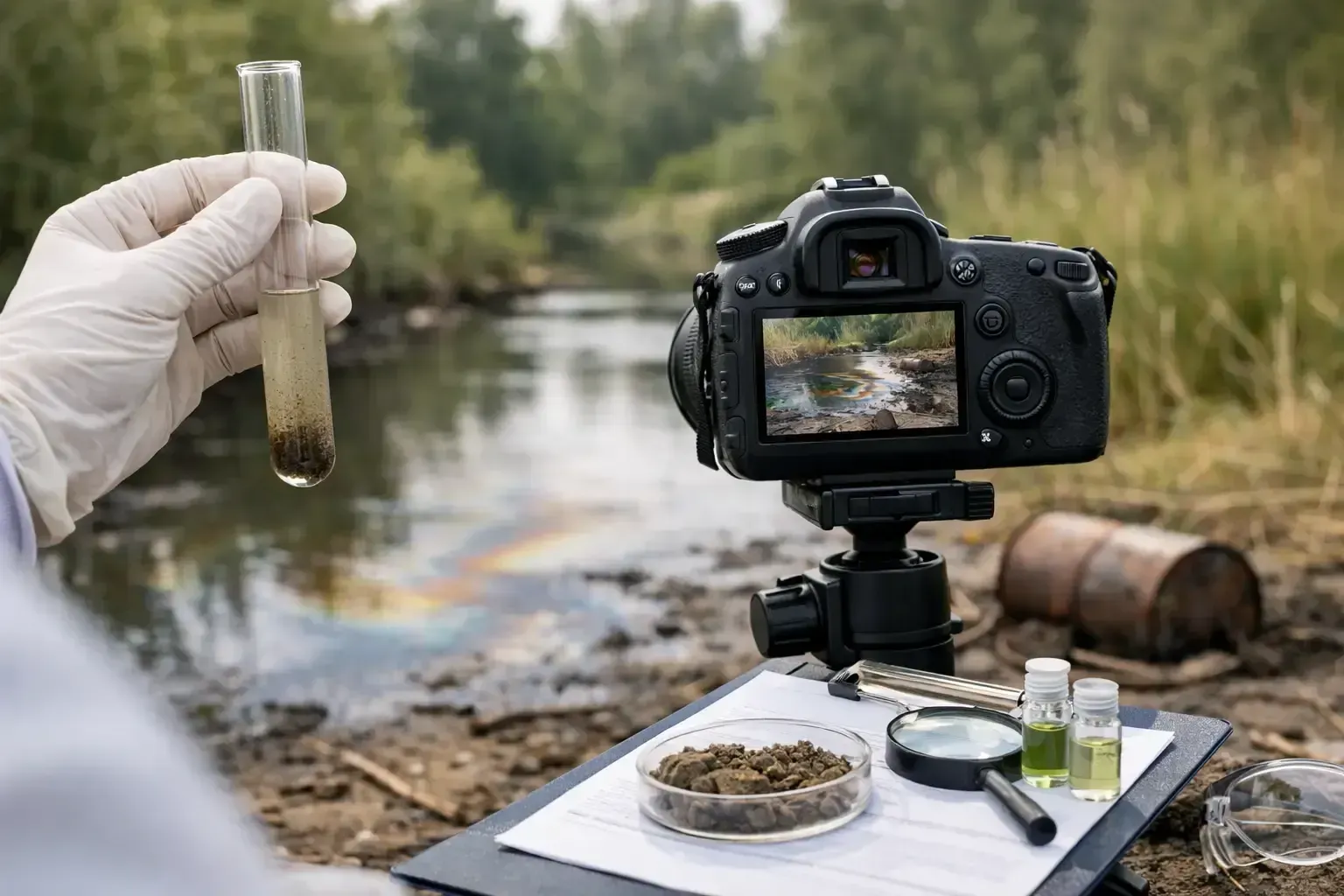
A professional collection process documents the sample location, collection time, property conditions, and chain of custody. That documentation matters for real estate transactions, insurance matters, tenant-landlord disputes, and decisions involving major treatment or well repairs. It also gives owners confidence that the report reflects the water being evaluated.
If a result is elevated, ask what it means, what source is likely, and what confirmation testing may be needed. A single result can sometimes require follow-up sampling to distinguish a temporary event from an ongoing condition. For E. coli or other urgent findings, use the guidance provided with the report and consult the appropriate local health authority or qualified professional promptly.
Treatment Should Match the Confirmed Problem
There is no universal well-water treatment system. Disinfection may be used to address bacterial contamination, but it does not solve the pathway that allowed contamination into the well. If surface water enters through a damaged cap, poor grading, a cracked casing, or an unsafe wellhead, that condition must be corrected to reduce recurrence.
Water softeners can address hardness but are not designed to remove every contaminant. Carbon filtration may help with certain tastes, odors, and organic compounds, depending on the system and contaminant. Reverse osmosis can reduce selected dissolved constituents at a point of use, but it requires maintenance and may not be the right solution for whole-house needs. Iron and manganese often require specialized treatment selected for the water chemistry.
Treatment systems need follow-up testing. Without verification, there is no reliable way to know whether the equipment is performing as intended. This is particularly important after changing filters, servicing a disinfection unit, or installing new treatment equipment.
Protect the Wellhead Between Tests
Every well owner should periodically look at the area around the well. The cap should be secure and in good condition. The ground should slope away from the casing so rainwater does not collect around it. Keep chemicals, fuel, manure, and waste away from the well area, and do not pile mulch, soil, or debris around the casing.
Maintain the septic system and avoid directing roof runoff toward the well. If you do not know the location of the well, septic components, or buried utility lines, have the property evaluated before landscaping, excavation, or construction work begins. Small site changes can create a direct route for contamination.
Clear Results Support Safer Decisions
A well-water report should give property owners more than a pass-or-fail impression. It should identify what was tested, show the measured result, explain the relevant standard or guideline where applicable, and support the next decision. Hanes Environmental helps homeowners, buyers, property managers, and real estate professionals obtain accurate, documented water testing when dependable answers are needed.
If your water has changed, your well has been exposed to flooding or damage, or a purchase contract requires private-well testing, act before the issue becomes a larger health, liability, or closing problem. A properly collected sample and a clear report give you a practical place to start.
Recent Posts