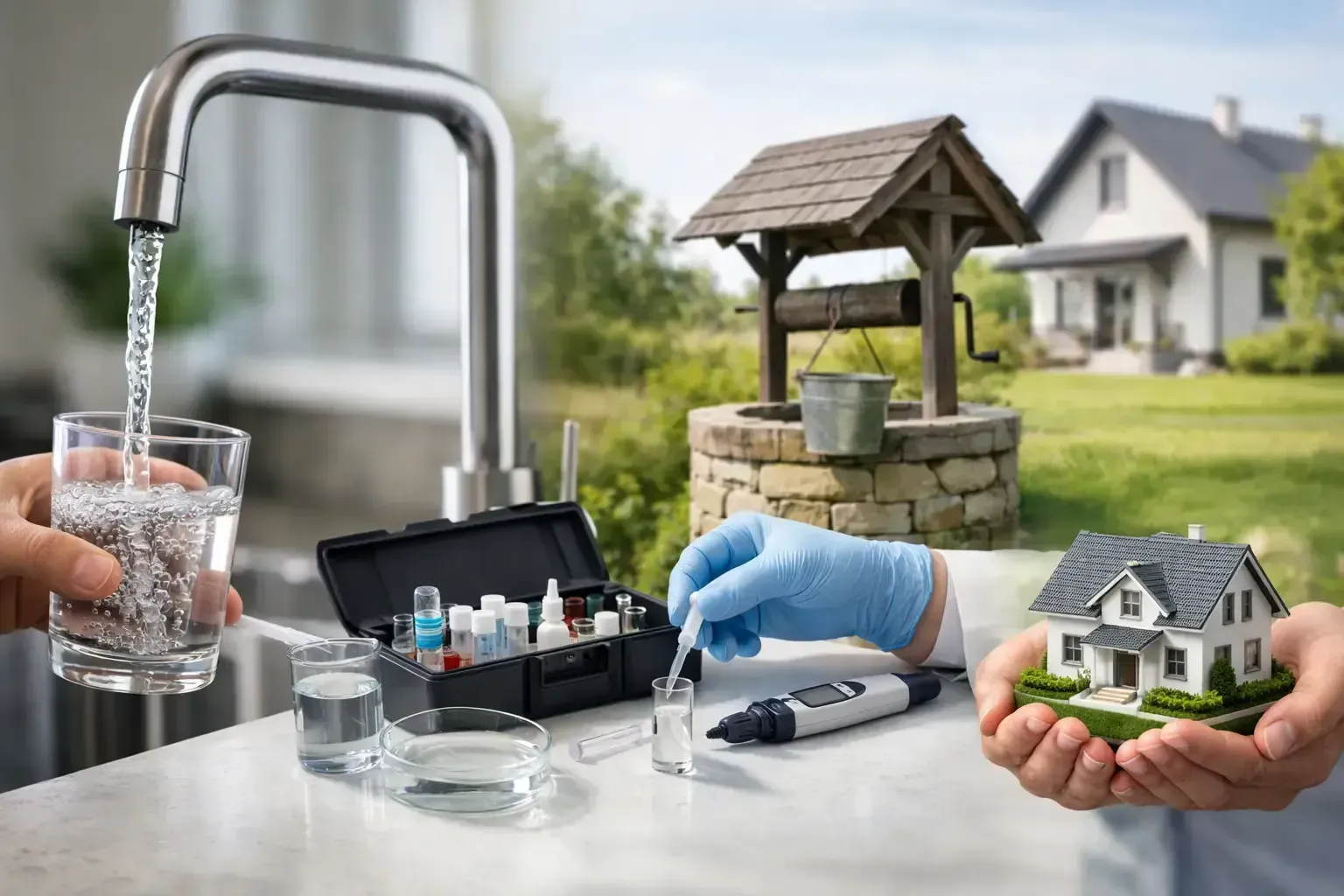
If you are buying or refinancing a home with a private well, a va well water test can become one of the most important steps in the transaction. It is not paperwork for the sake of paperwork. It is a health and lending issue. The test is meant to confirm that the water source serving the property is safe for household use and that the loan is not moving forward on a hidden contamination problem.
For buyers, sellers, and real estate professionals, the stress usually starts when the clock is already ticking. Appraisals are moving, underwriting is waiting, and then someone asks whether the well water has been tested to VA standards. That is when delays happen. The good news is that the process is straightforward when it is handled early, documented properly, and completed by a company that understands both the testing side and the real estate side.
What a VA Well Water Test is Actually Checking
A VA well water test is generally used to evaluate whether water from a private well meets basic safety standards for domestic use. The exact requirements can vary by lender, local health authority, and state guidance, but most transactions focus on bacteriological safety and a few core water quality indicators.
In many cases, the lab analysis includes total coliform bacteria and E. coli. These are the most common red-flag items because they can indicate contamination from surface water, sewage, animal waste, or poor well construction. Some lenders or local requirements may also call for nitrate, nitrite, lead, or other parameters depending on the property, region, and condition of the well.
This is where confusion starts. People often assume one standard applies everywhere. It does not. A property in one county may need a different testing panel than a property in another area. A lender may request a broader scope than the minimum. A home with visible water quality concerns, a history of repairs, or a shallow older well may also justify additional testing beyond the base requirement.
When a VA Well Water Test is Required
The VA loan program commonly requires water testing when the property is served by a private well rather than a public water system. If the home is on municipal water, this step usually does not apply in the same way. If the home depends on a private well, lenders want documented proof that the water is potable.
This tends to come up during purchase transactions, but it can also matter during certain refinance situations or when a lender has questions about property condition. In practical terms, the test becomes part of the documentation package needed to keep the loan moving.
Timing matters more than most people realize. Water samples have to be collected correctly, transported correctly, and analyzed within lab holding times. If bacteria results come back with a problem, treatment or disinfection may be needed before retesting. That can add days, sometimes longer, to the deal.
Why Proper Sample Collection Matters
A water report is only as good as the sample behind it. If the sample is collected carelessly, the result may not reflect the true condition of the well. It could create a false pass or a false fail, and both are a problem.
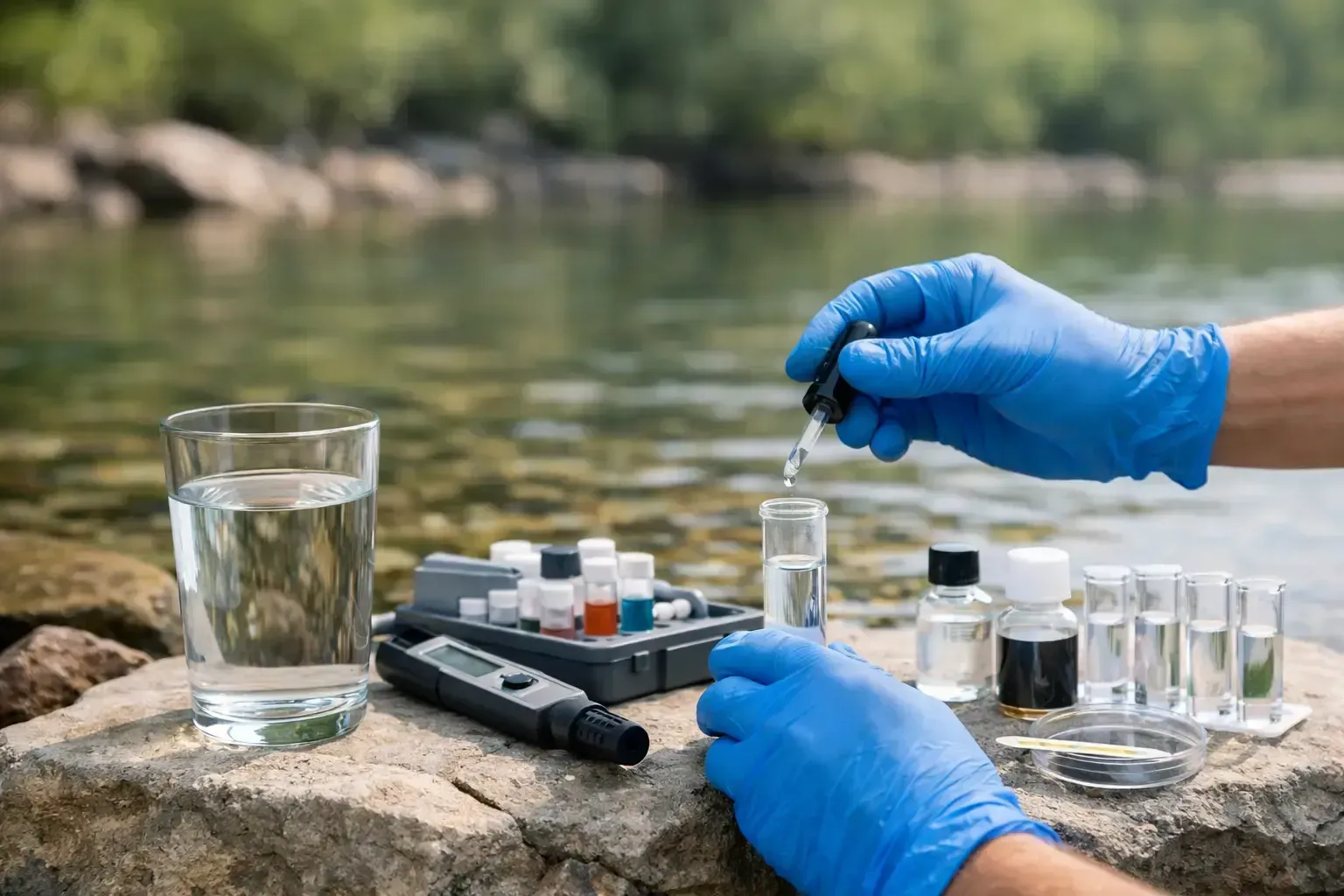
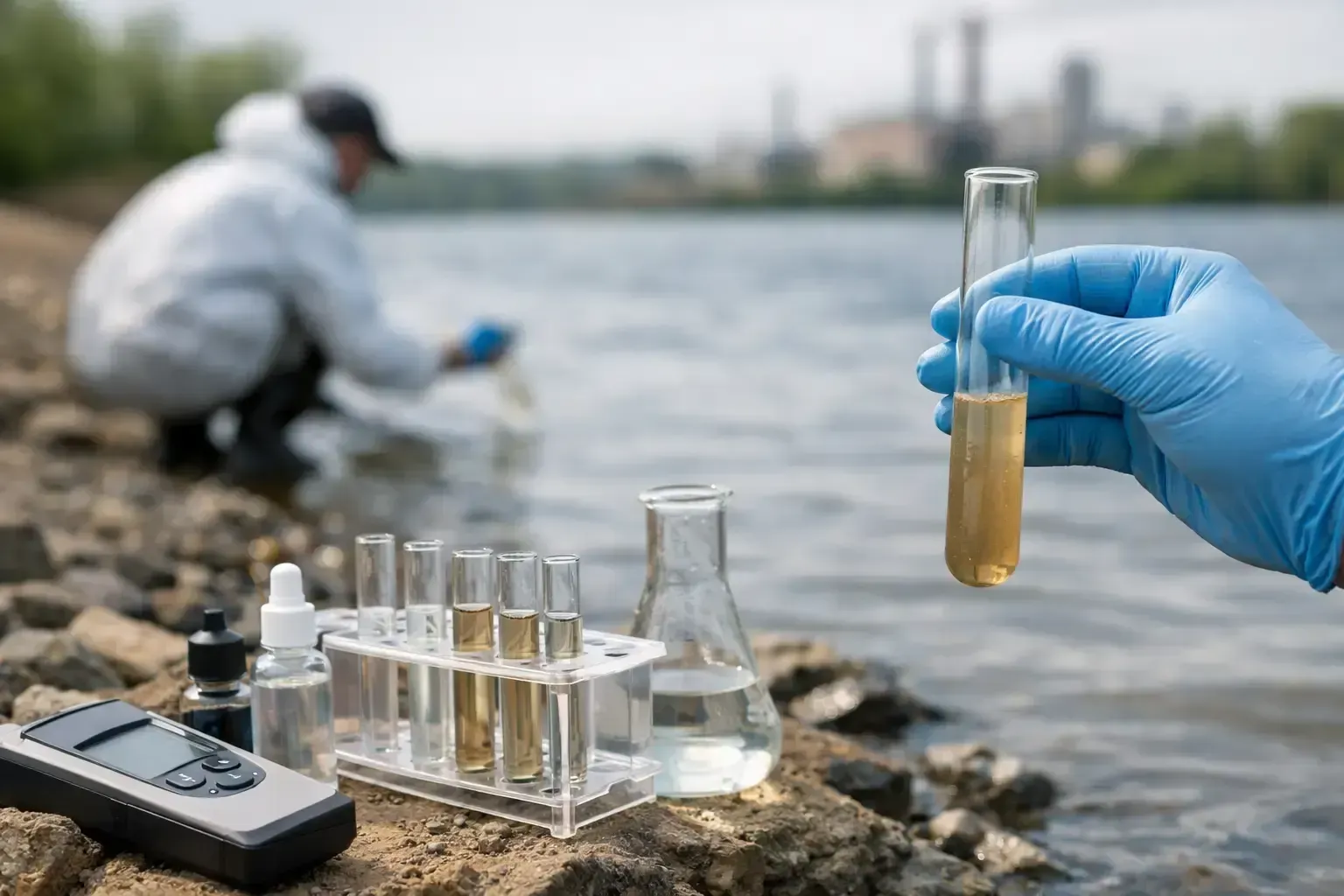
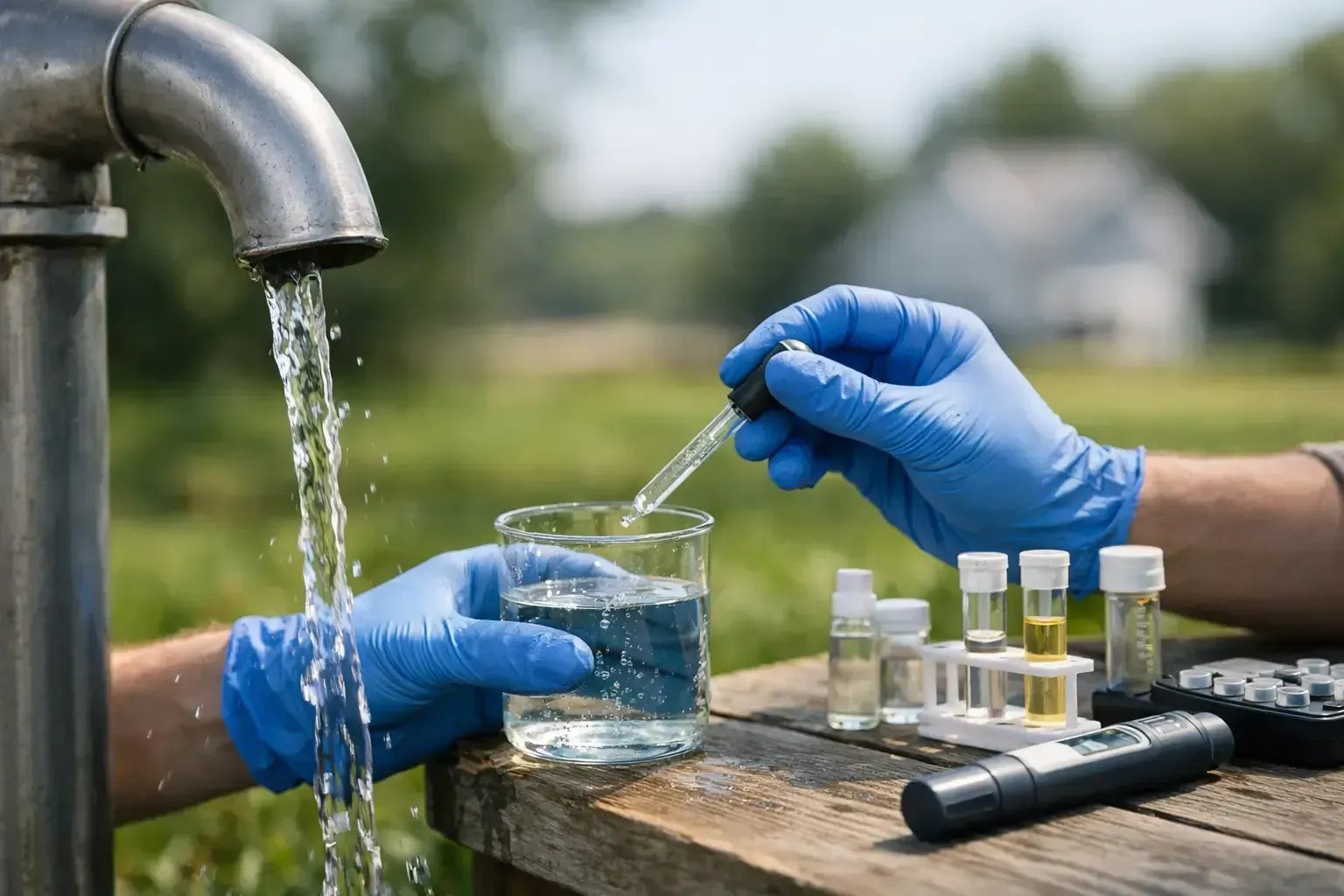
Professional collection matters because there is a chain of steps that can affect accuracy. The sampling point has to be selected carefully. The faucet may need to be disinfected. Aerators or filters may need to be removed. The water usually needs to run for a set period before collection. Sterile containers must be handled properly, and the sample has to reach the lab within the required timeframe.
This is one reason last-minute DIY sampling can backfire. Even when intentions are good, simple handling mistakes can contaminate the sample or make the results unacceptable to the lender. In a real estate transaction, that is not just a technical issue. It is a delay issue.
What Can Cause a Well Water Test to Fail
The most common failure point is bacteria. If total coliform or E. coli is present, the water may not meet lending requirements until the issue is corrected and a clean retest is obtained. A failed result does not always mean the well is permanently unsafe, but it does mean the source needs attention.
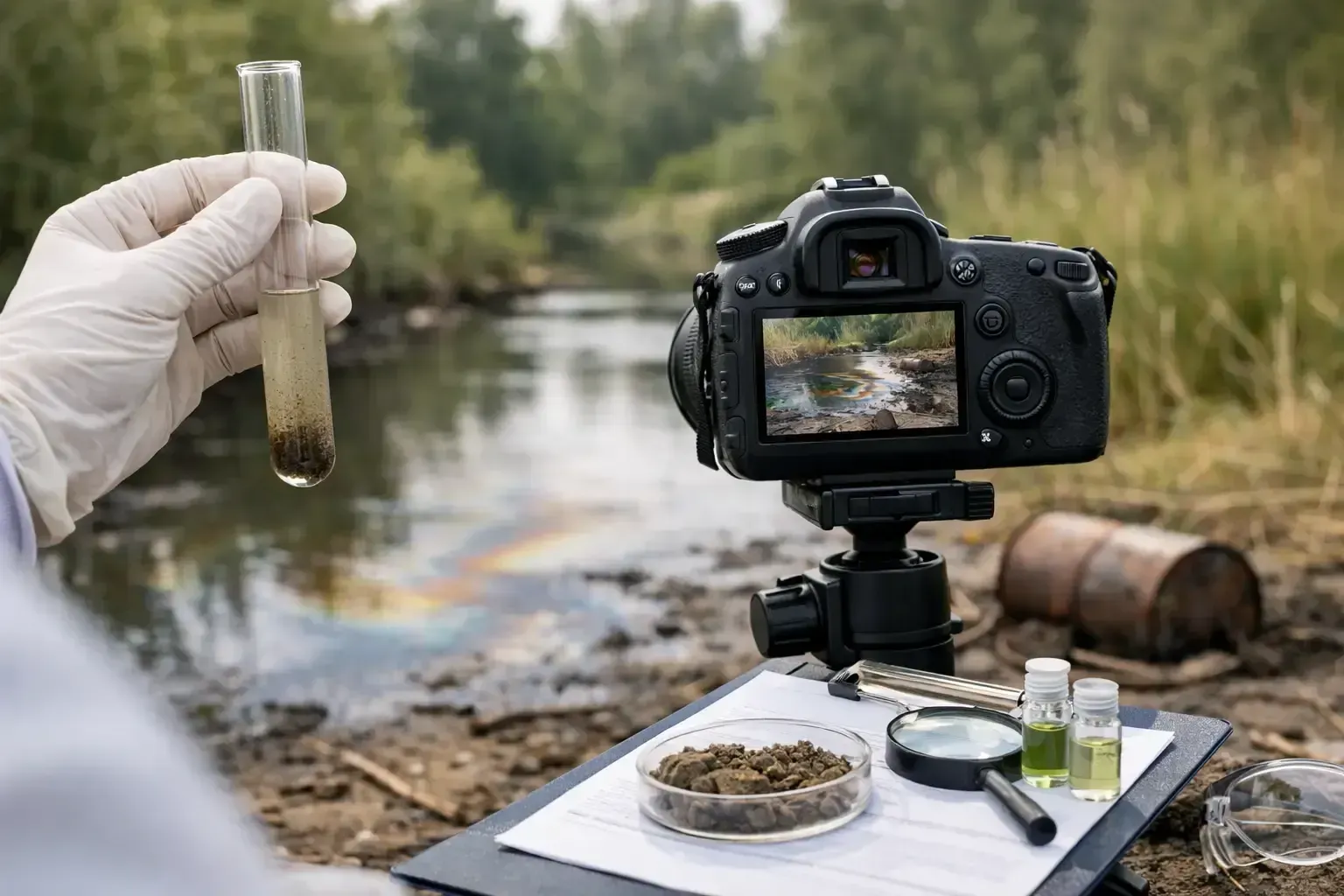
Contamination can happen for several reasons. The well cap may be damaged or missing. Surface water may be entering near the casing. Flooding, poor drainage, aging components, cracked seals, nearby septic problems, or improper maintenance can all introduce bacteria.
Sometimes the problem is not the well itself but the plumbing system. A pressure tank, treatment device, or interior plumbing issue can affect results. That is why a good inspector or testing professional looks beyond the lab sheet and considers the condition of the system as a whole.
Chemical issues can also cause concern. Elevated nitrate may be associated with fertilizer runoff, septic influence, or agricultural activity. Lead may relate to plumbing materials. Other region-specific contaminants may need review based on site conditions and property history. Not every home needs an expanded panel, but some clearly do.
What Happens if the Water Does Not Pass
A failed VA well water test does not automatically kill the transaction. It usually means the source of the problem has to be addressed, followed by retesting. The exact corrective action depends on what failed.
For bacteria, the response often involves shock chlorination or another disinfection procedure, along with inspection of the wellhead, cap, casing, and surrounding site conditions. If contamination returns after treatment, deeper issues may need to be corrected. A damaged seal or ongoing surface intrusion will not be solved by disinfection alone.
For chemical concerns, treatment options vary. Some can be managed with a properly designed water treatment system. Others may point to broader source contamination or a need for further investigation. This is where trade-offs matter. A simple treatment fix may work well for one contaminant and be the wrong answer for another.
The key is documentation. Lenders typically need clear, current results showing compliance. If treatment or repairs were performed, those steps should also be documented in a way that supports the final retest.
How to Avoid Closing Delays
Most delays are preventable. The best move is to confirm the testing requirement as soon as the property goes under contract, not a few days before closing. That gives everyone time to schedule collection, receive lab results, and address any problems without panic.
It also helps to ask the right questions early. Is the home on a private well only, or does it have shared water service? Does the lender want a basic bacteria panel or something more? Are there county-specific forms or property conditions that could trigger added requirements? Is there any visible well damage, standing water, or past repair history?
When the testing company understands environmental sampling and real estate timelines, the process is usually smoother. That means accurate collection, defensible lab reporting, and clear communication about what the results mean. It also means recognizing when a simple pass/fail answer is not enough and the property needs further evaluation.
VA Well Water Test vs. General Water Testing
A VA-related test is usually narrower than a full diagnostic water quality assessment. It is designed to satisfy lending requirements, not necessarily to answer every question about the water in the home.
That distinction matters. A sample can pass the lender's required parameters and still leave other concerns unaddressed, such as staining, odor, hardness, sulfur, iron, manganese, or other nuisance and health-related issues. On the other hand, a broader water quality workup may be useful for a homeowner but not required for closing.
The right scope depends on the goal. If the goal is loan approval, follow the lender requirement exactly. If the goal is long-term water confidence for your family or tenants, it may be smart to go beyond the minimum and test for additional contaminants based on the property's age, location, and history.
Who Should Pay Attention to the Results
Buyers are not the only people who need to understand a VA well water test. Sellers should care because unresolved water issues can delay or derail closing. Agents should care because poor timing can create avoidable contract stress. Property managers and investors should care because well safety affects liability, occupancy, and maintenance planning.
For households with children, older adults, or people with weakened immune systems, water quality concerns carry even more weight. Bacterial contamination is not just a transaction obstacle. It is a health concern that deserves fast, documented answers.
In Florida and Kentucky, where property conditions, soil characteristics, and weather events can affect water systems differently, local experience helps. A company that routinely handles environmental testing, contamination concerns, and real estate-driven documentation can spot issues that a basic sampler may miss. That practical field knowledge is often what keeps a small water problem from becoming a major closing problem.
Hanes Environmental works with property owners and real estate stakeholders who need accurate testing, clear reporting, and direct answers when water safety is on the line.
A private well should never be treated like a guess. If a VA loan is involved, get the testing scheduled early, make sure the sample is collected correctly, and deal with any failed result before it turns into a closing emergency. Clear water results do more than satisfy a lender. They help protect the people who will actually be using that water every day.
Recent Posts