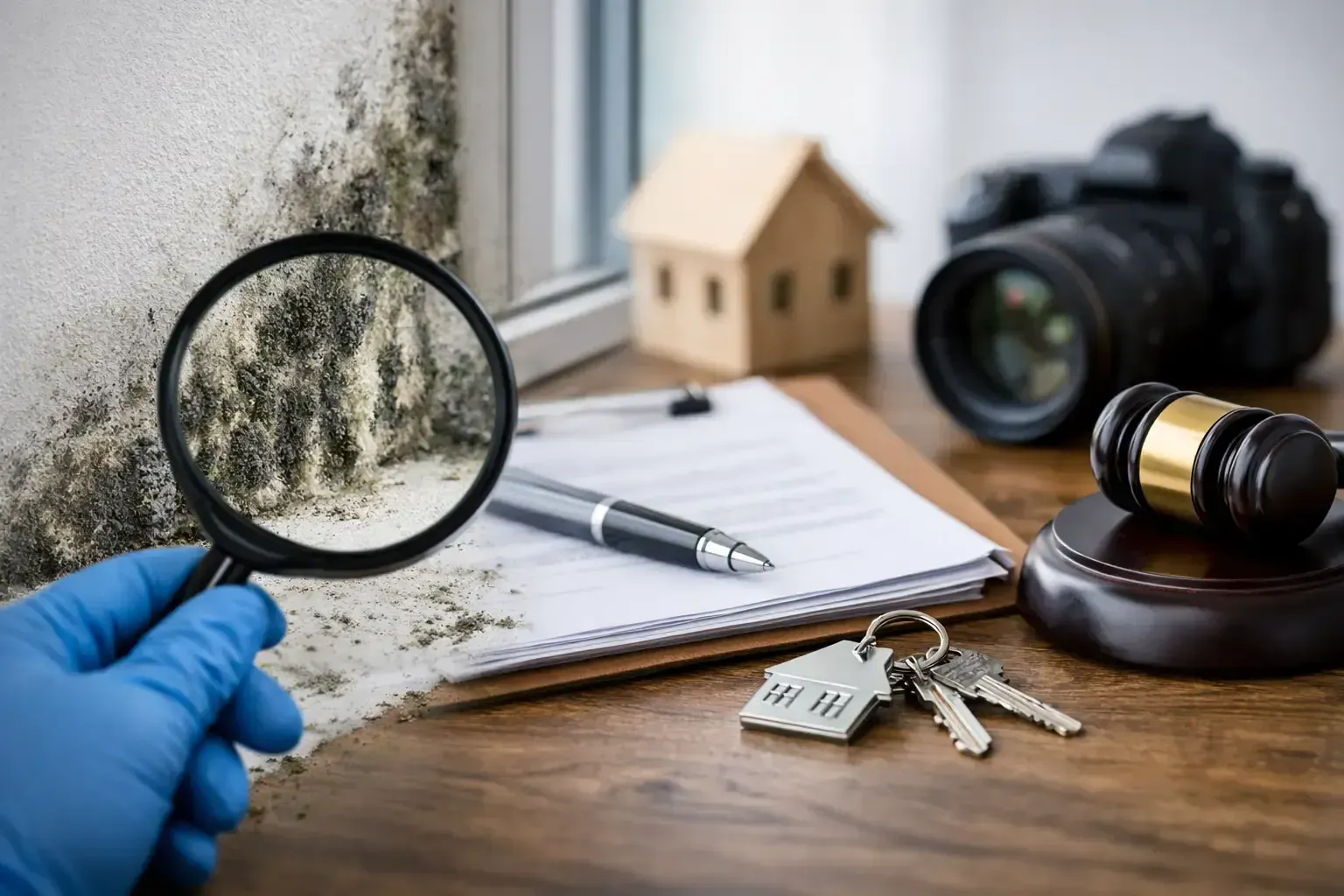
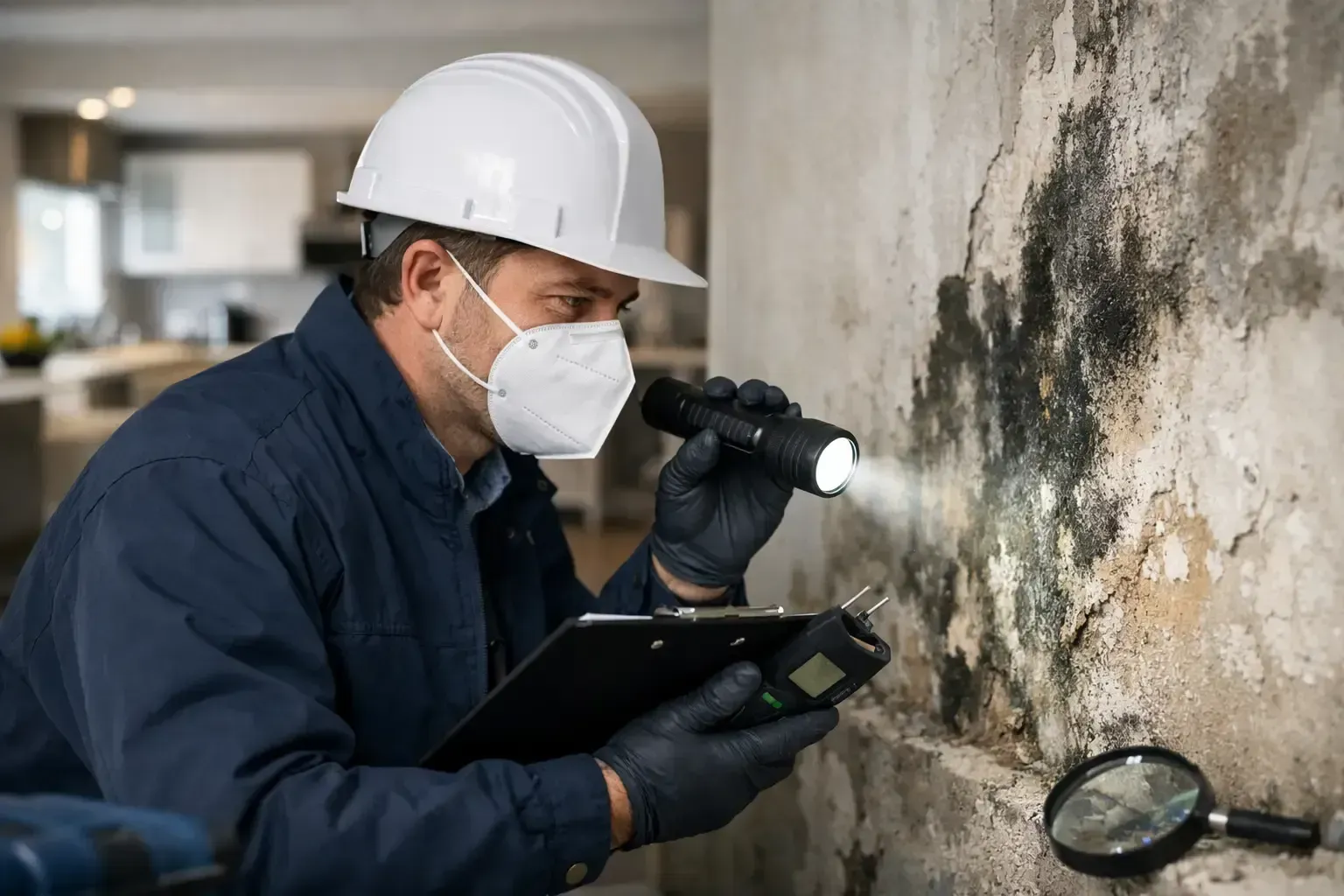
A house can look clean, smell fine, and still have a mold problem hiding behind drywall, under flooring, or inside an HVAC system. That is why a pre purchase mold inspection matters before you commit to a property. By the time mold becomes obvious, the buyer is often already dealing with repair costs, indoor air quality concerns, and a much harder negotiation.
For home buyers, investors, and real estate professionals, mold is not just a cosmetic issue. It usually points to a moisture source. That could mean a roof leak, plumbing failure, poor drainage, elevated humidity, past flooding, or construction defects. The visible staining is only part of the story. The bigger question is what caused it, how far it spread, and whether the conditions are still active.
Why a Pre Purchase Mold Inspection is Different
A standard home inspection has value, but it is not the same as a mold assessment. Most home inspectors are looking broadly at structure, systems, and major defects. They may note suspicious staining or moisture damage, but they are not always performing targeted environmental testing, moisture mapping, or sampling designed to document mold conditions.
A pre purchase mold inspection is narrower and more technical. It focuses on signs of microbial growth, hidden water intrusion, suspect materials, and indoor air quality concerns tied to mold exposure. The goal is not to create panic. The goal is to give the buyer accurate information before the deal is final.
That distinction matters in older homes, flipped properties, vacant homes, and buildings with a history of roof leaks or water damage. It also matters in Florida and Kentucky markets where humidity, storm activity, plumbing failures, and seasonal moisture swings can create the right conditions for mold growth.
What an Inspector is Really Looking for
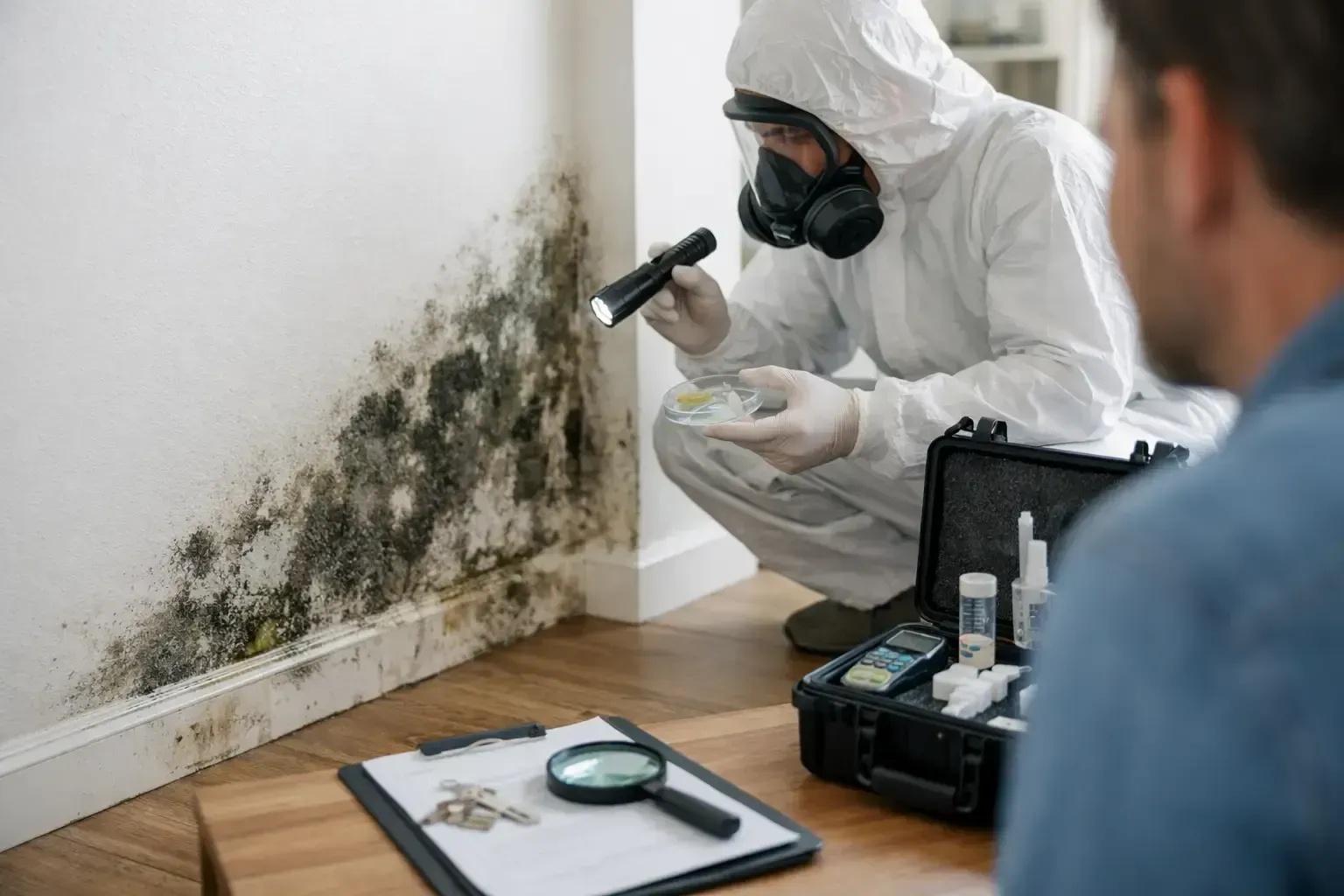
The inspection starts with the building itself, not just a discolored wall. A qualified mold assessor is looking for evidence of moisture movement and moisture retention. That includes warped materials, bubbling paint, staining, deteriorated caulking, elevated readings in walls or floors, musty odors, and signs that previous repairs may have covered rather than corrected the problem.
Bathrooms, kitchens, laundry rooms, HVAC closets, attics, crawl spaces, garages, and areas around windows are common problem zones. So are air handlers and duct systems, especially if condensation issues have gone unchecked. In commercial buildings, roof transitions, plumbing chases, exterior wall penetrations, and tenant improvement areas can also raise concern.
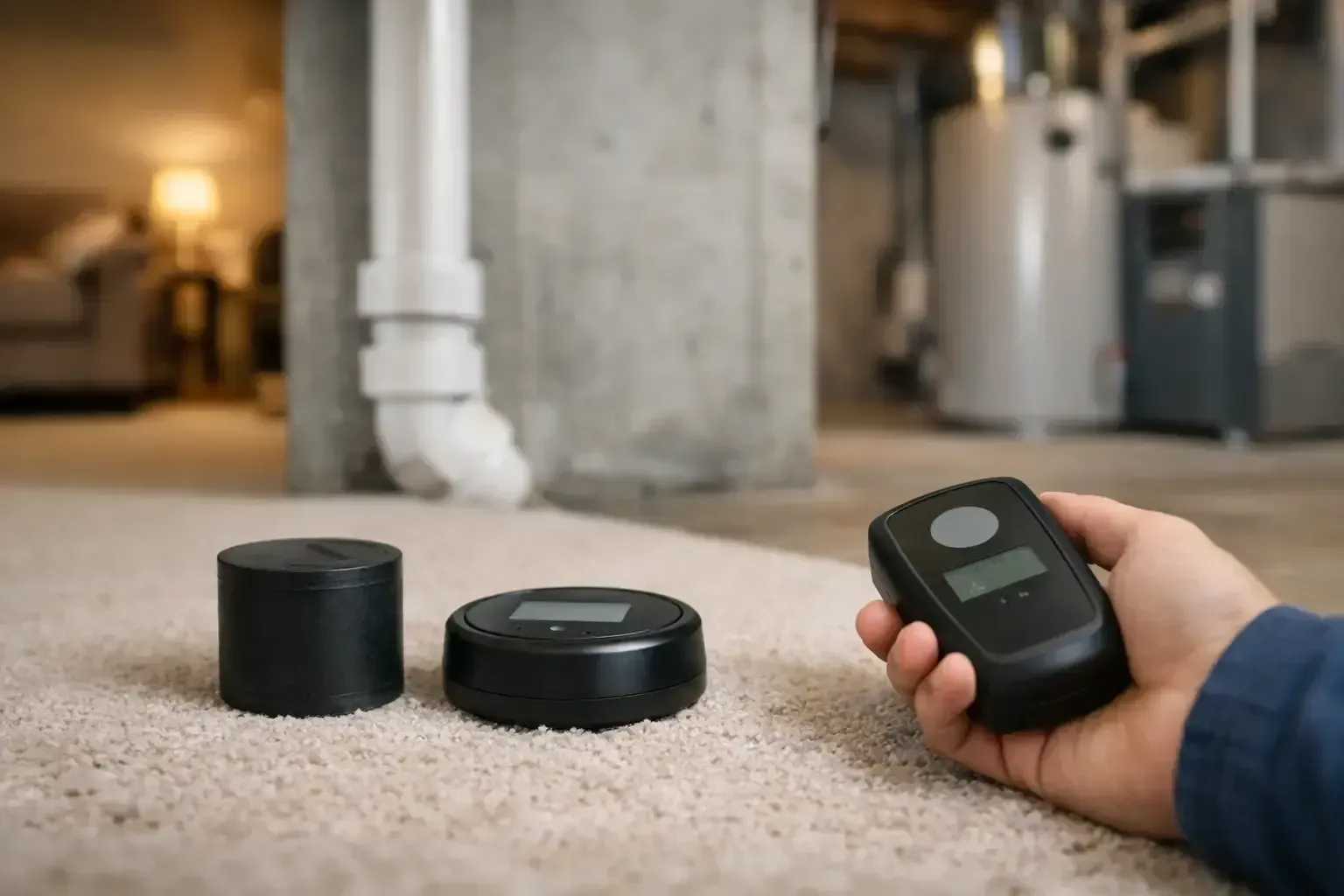
If conditions warrant it, sampling may be used to support the visual findings. Air samples can help identify whether indoor airborne spore levels are elevated compared to normal conditions. Surface samples may help confirm whether visible material is mold growth or something less concerning. Moisture readings and thermal imaging can help identify hidden dampness that is not obvious during a walk-through.
What Buyers Often Miss During a Showing
Most buyers are focused on layout, finishes, and location. That is normal. The problem is that mold issues often sit behind the details people find most attractive. Fresh paint can cover staining. New flooring can conceal prior slab moisture or a previous leak. A well-staged room does not tell you what is happening behind the baseboards.
Even odor is not a reliable guide. Some mold problems have a strong musty smell. Others do not. Air fresheners, open windows, recent cleaning, and vacant conditions can mask what would be more noticeable during regular occupancy.
Another common mistake is assuming a repaired leak means the mold risk is gone. Sometimes the leak was fixed quickly and the area dried properly. Sometimes it was not. Materials may have remained wet long enough for growth to develop inside a wall cavity, under cabinets, or beneath flooring. A pre purchase mold inspection helps separate a resolved issue from an ongoing one.
When Mold Findings Should Change the Deal
Not every mold finding should kill a transaction. That is where experience matters. A small, isolated issue caused by a minor past event may be manageable. Widespread growth tied to active water intrusion is a different situation entirely.
The right question is not simply, Is there mold? The right question is, What is the extent, what caused it, what does it take to correct it, and what risk does it create for the buyer after closing?
If the inspection shows active moisture, hidden contamination, or suspect indoor air quality conditions, the buyer may need to renegotiate repairs, request further invasive evaluation, seek remediation by a qualified contractor, or reconsider the purchase. If the findings are limited and well documented, they may simply become part of a realistic repair plan.
This is especially important for buyers with respiratory concerns, families with young children, older adults, or anyone planning to occupy the property immediately. It is also important for landlords and investors who could inherit liability if tenants later report health complaints tied to mold or moisture damage.
Why Documentation Matters as Much as Detection
A verbal opinion is not enough when money, liability, and real estate negotiations are involved. Buyers need findings that are clear, defensible, and easy to understand. That means written observations, moisture data, laboratory-supported sampling when appropriate, and reporting that explains what was found and why it matters.
Good documentation helps in several ways. It gives buyers leverage in negotiations. It helps agents and attorneys understand the scope of concern. It provides a baseline if remediation is performed later. And it reduces confusion about whether the issue was visible, active, or pre-existing at the time of sale.
This is one reason many buyers and Realtors prefer a dedicated environmental testing company over a generalist approach. When the findings may affect pricing, repair obligations, occupancy decisions, or future claims, precision matters.
Pre Purchase Mold Inspection for Homes, Condos, and Commercial Property
The inspection process can vary depending on the property type. In a single-family home, the main focus is often the roof, plumbing, HVAC, attic, bathrooms, and building envelope. In condos, it may be harder to determine whether the moisture source is limited to the unit or tied to a shared exterior wall, neighboring unit, or common building system.
Commercial properties bring a different layer of complexity. Tenant build-outs, maintenance histories, flat roofs, aging mechanical systems, and concealed wall assemblies can all affect mold risk. A buyer looking at office, retail, warehouse, or mixed-use space needs to know whether moisture damage is isolated or part of a broader building problem.
That is why the inspection should fit the property, not follow a one-size-fits-all checklist. The age of the building, occupancy history, recent renovations, visible damage, and known water events all shape the right level of assessment.
What Sellers and Agents Should Understand
A mold inspection before closing does not have to derail a sale. In many cases, it keeps the deal from falling apart later. Uncertainty is what causes the most friction. When buyers feel they are guessing, they get cautious. When conditions are documented clearly, everyone can respond based on facts.
For agents, that means fewer surprises near closing and fewer disputes after possession. For sellers, it creates a chance to address legitimate concerns directly rather than argue over vague suspicion. For buyers, it reduces the risk of inheriting a hidden environmental problem that becomes expensive the moment the keys change hands.
In practice, the best outcomes usually happen when the issue is identified early, assessed thoroughly, and explained in plain language. That gives all parties room to make informed decisions.
Choosing the Right Testing Partner
Not every company approaches mold concerns with the same level of detail. Buyers should look for experience with moisture investigations, indoor air quality concerns, laboratory-supported testing, and reporting that stands up in real estate and insurance conversations. Speed matters, but accuracy matters more.
Owner-operated involvement can also make a difference. When the person assessing the property has deep field experience and understands both the technical findings and the practical stakes of the transaction, the process is often clearer and more useful. Hanes Environmental works with buyers, Realtors, property managers, and business owners who need direct answers, documented findings, and a realistic view of what they are walking into.
A pre purchase mold inspection is not about assuming every property has a major contamination problem. It is about protecting your investment before the closing paperwork turns someone else’s moisture issue into your financial responsibility. If something feels off, or if the property has any history of leaks, flooding, humidity problems, or recent cosmetic cover-up work, getting real answers before you buy is the smarter move.
Recent Posts