Common Mistakes When Documenting Sewage Contamination
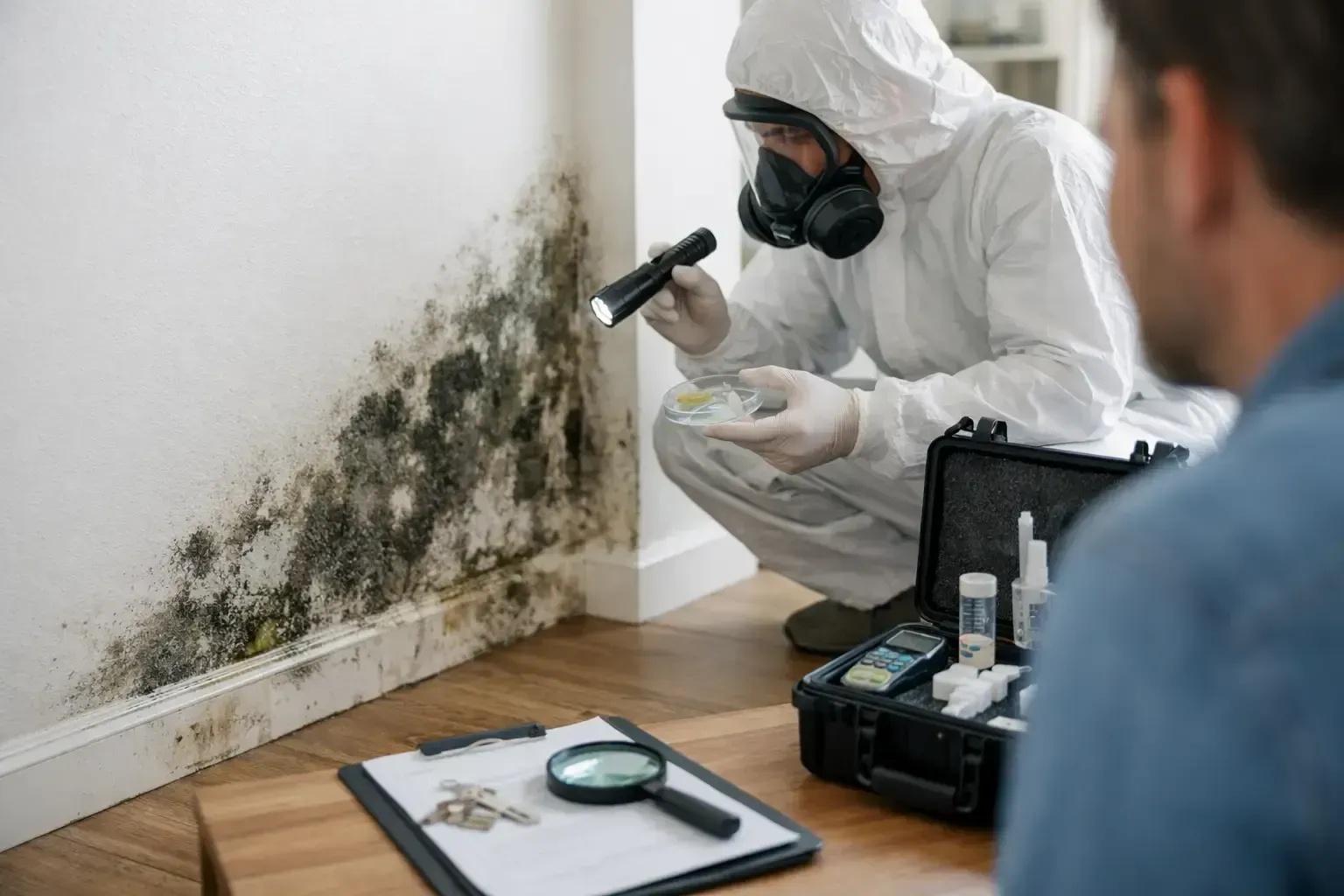
The quality of the report depends on the quality of the inspection. You want someone who understands moisture behavior, building materials, contamination categories, and the difference between visible damage and actual spread. The report should be direct, specific, and supported by field findings, not vague language.
It also helps to work with a company that can explain results in plain English. Technical accuracy matters, but so does communication. When people are dealing with damage to a home, rental, office, or investment property, they need answers they can act on.
In Florida and Kentucky, where weather, humidity, plumbing failures, and hidden moisture issues can all play a role, a thorough assessment is one of the smartest early steps you can take. Hanes Environmental provides that kind of clear, field-based reporting so property owners know what they are dealing with before the damage gets worse.
The sooner you replace assumptions with documented facts, the easier it becomes to protect the building, the people inside it, and the money it will take to set things right.
Why Interpretation Matters More Than the Lab Report Alone
If the property recently had a leak, flood, or AC overflow, timing matters. Testing too early can miss developing growth, while waiting too long can allow contamination to spread. In many cases, the first priority after water damage is drying and stabilizing the structure quickly. Once materials remain wet beyond a day or two, the risk of mold increases significantly.
After water damage, testing usually focuses on the affected materials, adjacent rooms, and HVAC impact if the system ran during the event. Moisture mapping is essential here. Water often travels farther than the visible stain suggests, especially under flooring and inside wall cavities.
If remediation has already been performed, post-remediation verification testing may be the next step. That type of testing checks whether contamination has been properly removed and whether the area is dry and ready for rebuild. For property owners, buyers, managers, and contractors, that documentation can be just as important as the initial diagnosis.
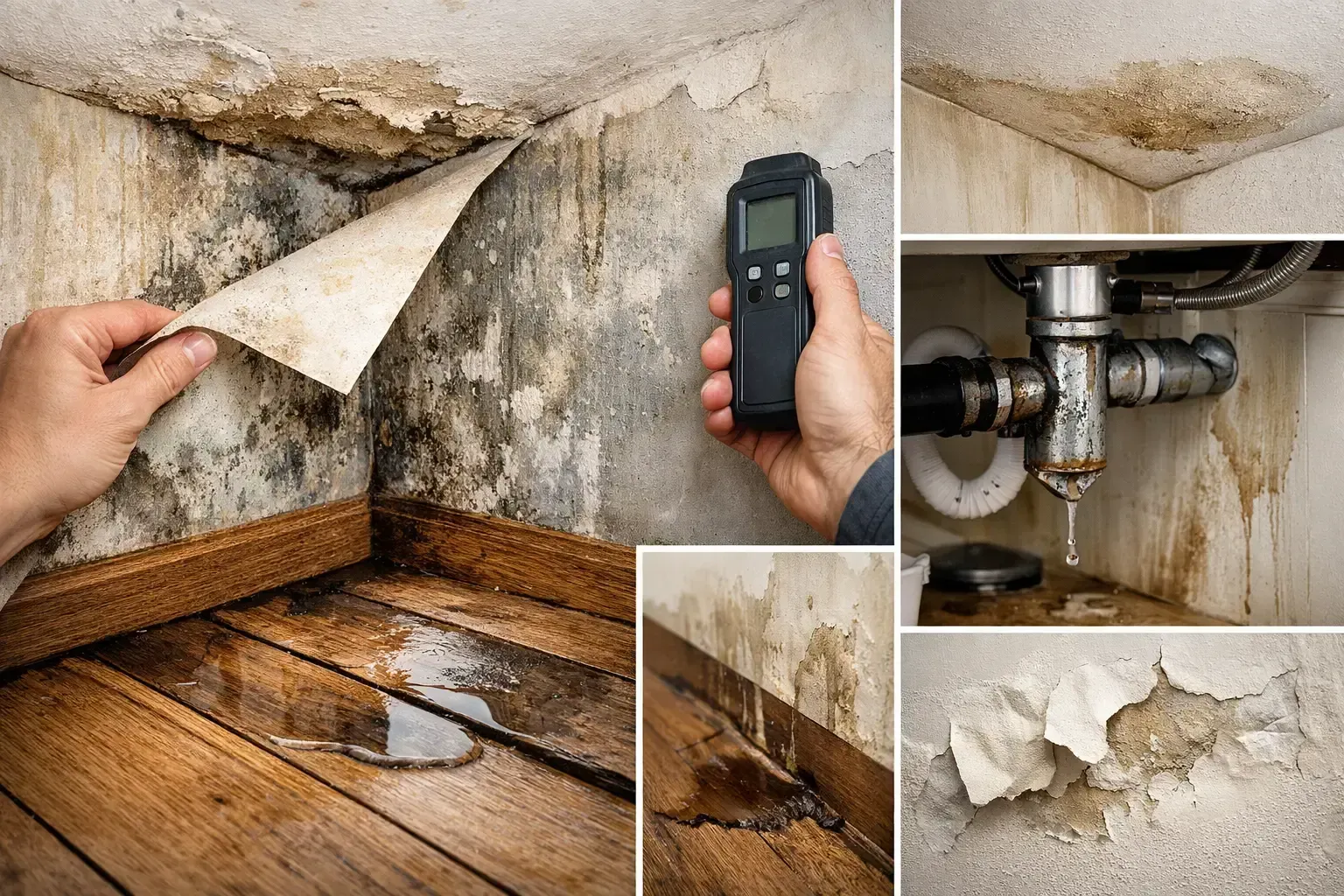
A wall can look perfectly fine and still hold enough moisture to damage framing, ruin insulation, and support mold growth. That is why knowing the best signs of hidden water damage matters. By the time water becomes obvious, the repair scope is often larger, more expensive, and harder to document for insurance, property management, or a real estate transaction.
Hidden water damage is common in homes, rentals, offices, and commercial buildings across Florida and Kentucky. Roof leaks, plumbing failures, HVAC condensation, window intrusion, slab moisture, and appliance line leaks can all stay out of sight for weeks or months. The goal is not to panic over every mark on a wall. The goal is to recognize patterns early and respond before moisture turns into structural damage, contamination, or an indoor air quality issue.
The Best Signs of Hidden Water Damage Inside a Property
Some signs are visual. Others show up as odor, texture changes, or unexplained health complaints that improve when people leave the building. A single symptom does not always prove a hidden leak. Several symptoms together usually mean the property needs a closer look.
1. Stains That Keep Coming Back
A yellow, brown, or copper-colored stain on drywall or ceiling material is one of the clearest warning signs. The key detail is whether it returns after repainting or seems to grow over time. Fresh paint may cover the cosmetic problem, but it does not remove moisture in the wall cavity or above the ceiling.
Staining near skylights, chimneys, windows, tubs, or under upstairs bathrooms often points to an active or recurring leak path. On commercial properties, staining around roof penetrations, HVAC units, or parapet walls deserves immediate attention.
2. Paint That Bubbles, Peels, or Blisters
Paint failure is not always a bad paint job. Moisture behind the surface can break the bond between paint and drywall, plaster, or wood. You may notice bubbling, cracking, flaking, or a section that feels soft when pressed.
This is especially common in bathrooms, laundry rooms, kitchens, around exterior doors and windows, and on walls that share plumbing lines. In humid climates, condensation can contribute, but repeated paint failure in one area usually calls for moisture investigation, not another coat of paint.
3. Warped Baseboards, Flooring, or Trim
Water changes materials. Wood swells. Laminate edges lift. Baseboards separate from the wall. Vinyl flooring may loosen or ripple. Tile can sound hollow if moisture affects the subfloor beneath it.
These issues are often dismissed as age or settling. Sometimes that is true. But when warping is isolated to one room or one section of a room, hidden water is a more likely cause. Around refrigerators, dishwashers, water heaters, toilets, and exterior walls, even a slow leak can quietly deform materials long before water is seen on the floor.
4. A Musty Smell That Does Not Go Away
Persistent odor is one of the best signs of hidden water damage because moisture problems often announce themselves before they become visible. A musty, earthy smell may suggest wet building materials, microbial growth, or stagnant moisture in a wall cavity, crawl space, attic, or HVAC area.
Odor alone does not identify the source. It does tell you that something in the building environment is off. If the smell worsens after rain, when the air conditioner runs, or when a room is closed up for several hours, that pattern can help narrow down the moisture source.
5. Soft Drywall or Sagging Ceilings
Drywall should feel firm. If a wall feels spongy, crumbles easily, or dents with very light pressure, moisture may be affecting the material. A sagging ceiling is even more urgent. It can indicate water pooling above, damaged fasteners, or compromised ceiling board.
This is not a wait-and-see situation. Ceiling failures can happen suddenly, especially after roof leaks or plumbing problems from upper floors. In multi-unit buildings and commercial spaces, it may also indicate a leak coming from a neighboring unit or shared system.
6. Unexpected Mold Spots or Repeated Mold Cleanup
Visible mold is not always the beginning of the problem. It is often the result of moisture that has been present for some time. Small spots on drywall, around supply vents, inside cabinets under sinks, or behind furniture placed against an exterior wall can point to a hidden moisture source.
If you keep cleaning mold and it comes back, the moisture issue has not been solved. Surface cleaning addresses the symptom, not the cause. Professional assessment is often the fastest way to determine whether the issue is a plumbing leak, elevated humidity, building envelope intrusion, or condensation problem.
7. Higher Water Bills With No Clear Explanation
Not every hidden leak leaves a visible stain right away. Some start inside walls, under slabs, or behind fixtures and simply keep running. If your water bill rises without a seasonal or occupancy-related reason, it is worth investigating.
This sign matters most when paired with warm spots on floors, reduced water pressure, sounds of running water, or unexplained dampness. In rentals and commercial properties, utility spikes can be one of the earliest clues that a concealed plumbing issue is active.
8. Damp or Humid Rooms That Feel Different From the REST of the Building
A room that always feels muggy, clammy, or cooler than nearby rooms may have hidden moisture in walls, flooring, or insulation. You might also notice condensation on windows, metal vents, or supply grilles in one part of the property more than others.
Humidity problems are not always caused by a leak. Sometimes the issue is poor ventilation, HVAC imbalance, or outdoor air intrusion. But excess moisture in one isolated area should not be ignored, especially if it is paired with odor, staining, or material changes.
9. Cabinet Damage Under Sinks or Around Plumbing Walls
Open the vanity or sink base and look closely. Swollen particleboard, rusted supply lines, staining around penetrations, and soft shelving are classic signs of long-term moisture exposure. These areas are easy to overlook because the doors stay closed and the damage builds slowly.
Behind refrigerator water lines, ice maker hookups, and dishwasher connections, hidden leaks can continue for a long time before they spread into adjacent flooring or walls. In many homes, the first clue is not standing water. It is material breakdown.
10. Exterior Clues That Point to Interior Damage
Hidden water damage does not always start indoors. Cracked caulking, failed grout, roof damage, clogged gutters, poor drainage, and gaps around windows or doors can allow water into wall cavities and ceilings. Inside, the damage may look minor at first. Outside, the entry point may be the real problem.
This is where experience matters. Water rarely travels in a straight line. A stain in one room may originate several feet away, especially with roof leaks, flashing failures, and multi-story plumbing paths.
When the Signs of Hidden Water Damage Need Professional Testing
There is a difference between a simple maintenance issue and a moisture problem that needs documentation, moisture mapping, or environmental testing. If the property has a musty odor, recurring staining, visible mold, sewage involvement, recent flooding, or occupants with health concerns, a proper assessment is the safer move.
That is also true for real estate transactions, insurance claims, tenant-landlord disputes, and commercial buildings where liability is a factor. Visual checks help, but they do not measure moisture inside materials or confirm whether contamination has spread. In those situations, clear findings and defensible reporting matter.
Professionals may use moisture meters, thermal imaging, hygrometers, and targeted sampling depending on what the building is showing. The right approach depends on the source. A roof leak, slab leak, plumbing failure, and HVAC condensation issue do not behave the same way, so the inspection should not be one-size-fits-all either.
What to Do if You Notice the Best Signs of Hidden Water Damage
Start by documenting what you see. Take photos of stains, warped materials, affected contents, and any visible mold. Make note of when the issue appears worse, such as after rain, after shower use, or when the HVAC system runs. That timeline can help identify the source faster.
If safe to do so, shut off the suspected water source or stop using the fixture or appliance involved. Do not keep repainting, caulking, or cleaning over the issue without confirming where the moisture is coming from. Cover-up work often delays proper repairs and can complicate insurance or real estate documentation later.
Most importantly, act early. Water damage rarely stays contained. What starts as a minor hidden leak can lead to damaged materials, mold growth, indoor air concerns, and more costly restoration if it is allowed to continue. When a building is giving you signs, it is usually worth listening before the damage has a chance to spread.
Recent Posts