Common Mistakes When Documenting Sewage Contamination
The quality of the report depends on the quality of the inspection. You want someone who understands moisture behavior, building materials, contamination categories, and the difference between visible damage and actual spread. The report should be direct, specific, and supported by field findings, not vague language.
It also helps to work with a company that can explain results in plain English. Technical accuracy matters, but so does communication. When people are dealing with damage to a home, rental, office, or investment property, they need answers they can act on.
In Florida and Kentucky, where weather, humidity, plumbing failures, and hidden moisture issues can all play a role, a thorough assessment is one of the smartest early steps you can take. Hanes Environmental provides that kind of clear, field-based reporting so property owners know what they are dealing with before the damage gets worse.
The sooner you replace assumptions with documented facts, the easier it becomes to protect the building, the people inside it, and the money it will take to set things right.
Why Interpretation Matters More Than the Lab Report Alone
If the property recently had a leak, flood, or AC overflow, timing matters. Testing too early can miss developing growth, while waiting too long can allow contamination to spread. In many cases, the first priority after water damage is drying and stabilizing the structure quickly. Once materials remain wet beyond a day or two, the risk of mold increases significantly.
After water damage, testing usually focuses on the affected materials, adjacent rooms, and HVAC impact if the system ran during the event. Moisture mapping is essential here. Water often travels farther than the visible stain suggests, especially under flooring and inside wall cavities.
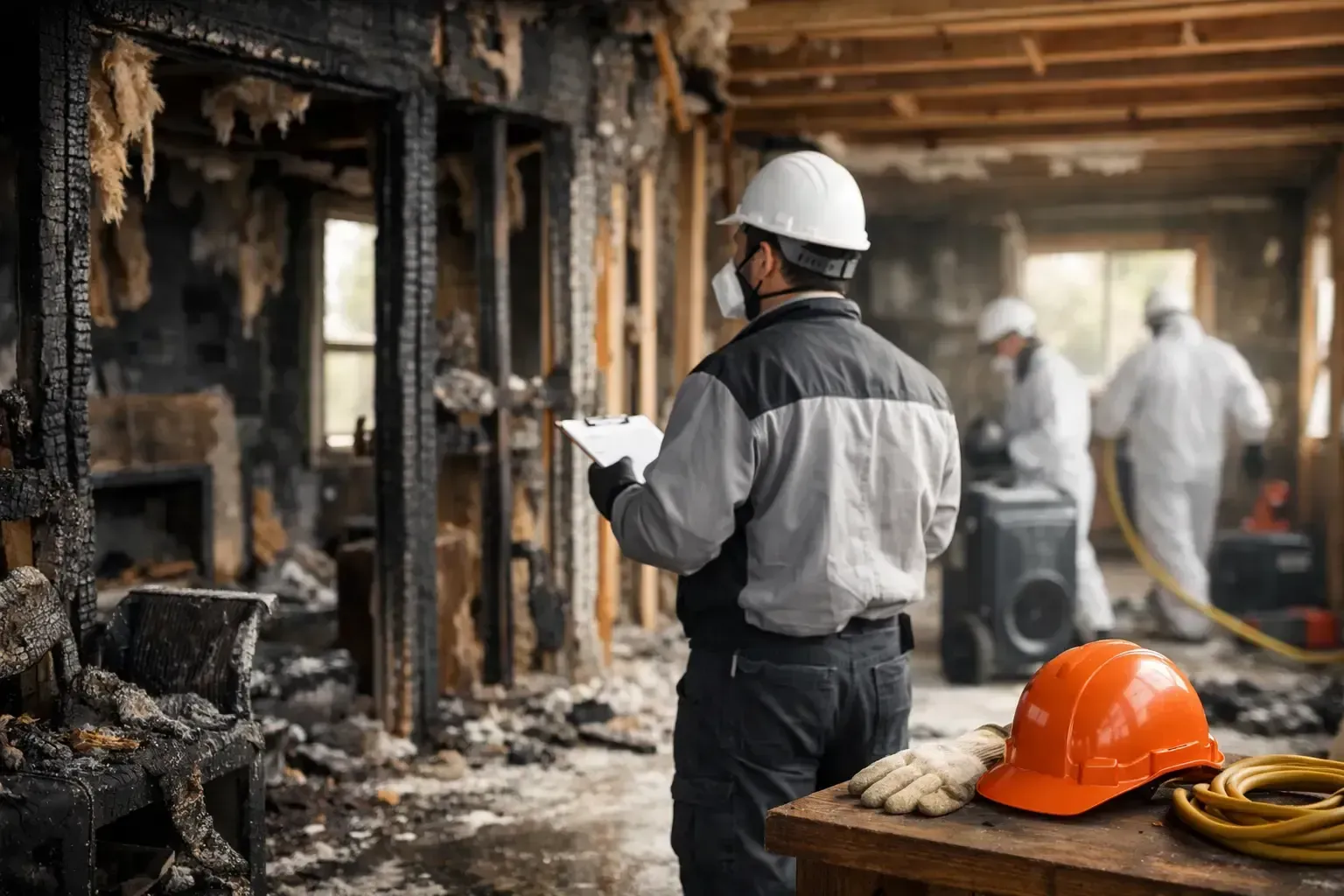
If remediation has already been performed, post-remediation verification testing may be the next step. That type of testing checks whether contamination has been properly removed and whether the area is dry and ready for rebuild. For property owners, buyers, managers, and contractors, that documentation can be just as important as the initial diagnosis.
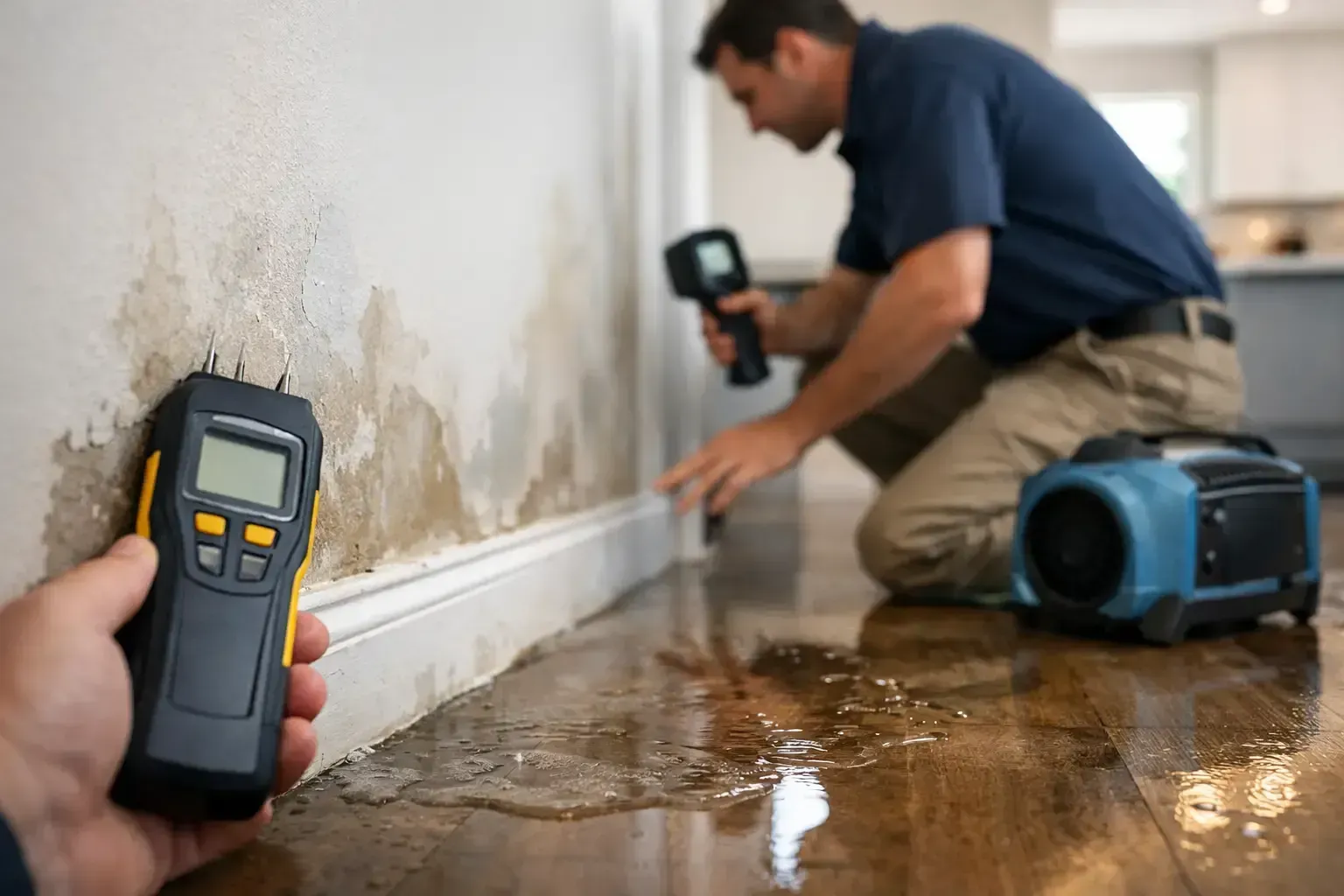
A water stain on drywall rarely tells the whole story. By the time paint bubbles, flooring lifts, or a musty odor shows up, moisture may already be inside wall cavities, under finish materials, or affecting indoor air quality. That is why knowing how to assess water intrusion matters early. A fast look at the obvious damage is not enough if you want to protect the structure, avoid mold growth, and document the full scope of the problem.
Water intrusion assessment is part observation, part moisture investigation, and part documentation. The goal is not just to confirm that water got in. The real goal is to determine where it entered, how far it traveled, what materials were affected, and whether conditions now support microbial growth or other contamination concerns.
What Water Intrusion Actually Means
Water intrusion is any unwanted water entering a building envelope or interior space. It may come from a roof leak, failed window seal, plumbing leak, slab moisture, storm damage, poor drainage, HVAC condensation, or a building defect. In Florida and Kentucky, the causes can differ by season and building type, but the assessment process still depends on evidence, not guesswork.
That distinction matters because visible damage and actual moisture spread are often different. A ceiling stain may be the end point, not the source. Wet baseboards may reflect water wicking up from flooring materials rather than a direct wall leak. If you only react to the cosmetic damage, you can miss the active problem.
How to Assess Water Intrusion Without Missing Hidden Damage
A proper assessment starts with context. Before taking readings or opening materials, it helps to understand when the issue began, what weather events occurred, whether plumbing was involved, and how long materials stayed wet. Clean rainwater, supply line water, and sewage-related moisture do not present the same risk, and that changes the urgency and next steps.
Start with the most obvious signs. Look for staining, warped trim, swollen cabinetry, soft drywall, buckled flooring, peeling paint, rusted fasteners, and musty odors. In commercial spaces, also check around roof penetrations, parapet walls, rooftop units, and exterior wall transitions. In homes, common problem areas include window corners, shower surrounds, laundry rooms, under sinks, water heater areas, and attic penetrations.
After the visual review, the next step is moisture mapping. This means checking both damaged and apparently unaffected areas to identify how far the water moved. Moisture often spreads beyond the visible spot, especially in porous materials such as drywall, insulation, wood framing, carpet pad, and baseboards. A good assessment compares wet readings to dry control areas in the same structure so the results are meaningful.
Thermal imaging can help identify temperature differences consistent with possible moisture, but it should not be used alone as proof of water intrusion. Cool areas can reflect airflow, shade, missing insulation, or mechanical conditions. A dependable assessment uses thermal imaging to guide the inspection, then confirms findings with moisture meters and field experience.
Key Areas to Inspect During a Water Intrusion Assessment
The source and path of water are just as important as the damage itself. If the source is still active, drying efforts may fail and repairs may not hold. That is why assessment should move from symptom to origin.
Exterior Entry Points
Inspect roof coverings, flashing, vents, wall penetrations, windows, doors, siding transitions, stucco cracks, and grading around the building. Poor drainage, clogged gutters, and downspouts discharging near the foundation can allow water to enter repeatedly. In some cases, wind-driven rain enters around failed seals that look minor from the ground but create chronic interior moisture.
Interior Moisture Pathways
Inside the structure, inspect ceilings, wall bases, corners, closets, and areas behind furniture where airflow is limited. Water can travel along framing, wiring paths, subfloor seams, and concrete surfaces before becoming visible. Bathrooms, kitchens, mechanical rooms, and areas around HVAC equipment deserve extra attention because multiple moisture sources may overlap.
Hidden Cavities and Confined Spaces
Attics, crawl spaces, wall cavities, and under-cabinet voids often hold the clearest evidence of intrusion. Wet insulation, darkened wood, microbial growth, or elevated humidity in these spaces can confirm a longer-term problem even when the finished room looks only mildly affected. This is one reason surface appearance should never be the only basis for decision-making.
What Tools Help Assess Water Intrusion
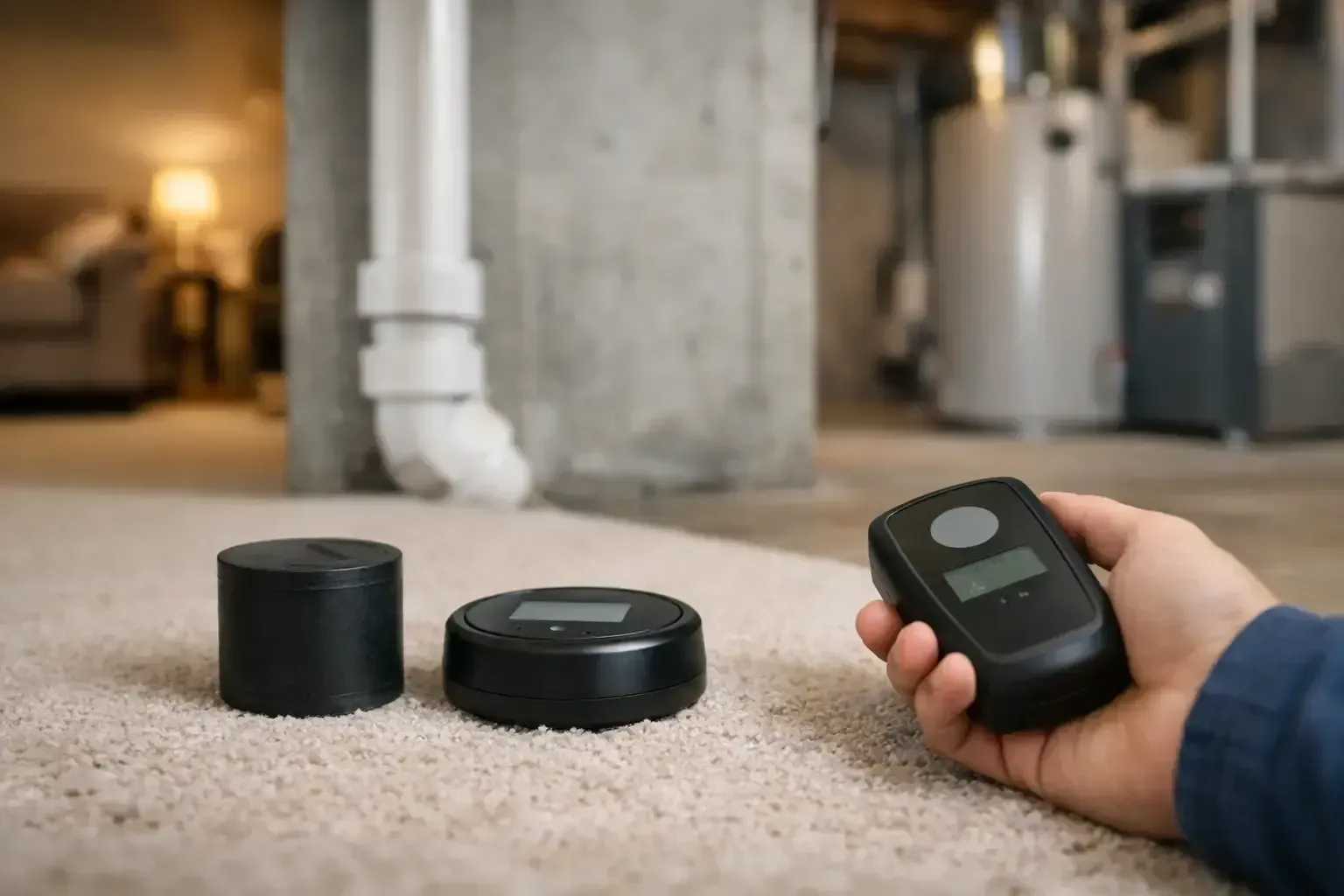
A serious assessment uses more than a flashlight and a quick opinion. Non-invasive moisture meters help locate elevated moisture behind surfaces without immediate demolition. Pin meters can provide more precise readings in wood and certain building materials. Hygrometers and psychrometric measurements help determine whether an environment supports continued dampness or slow drying.
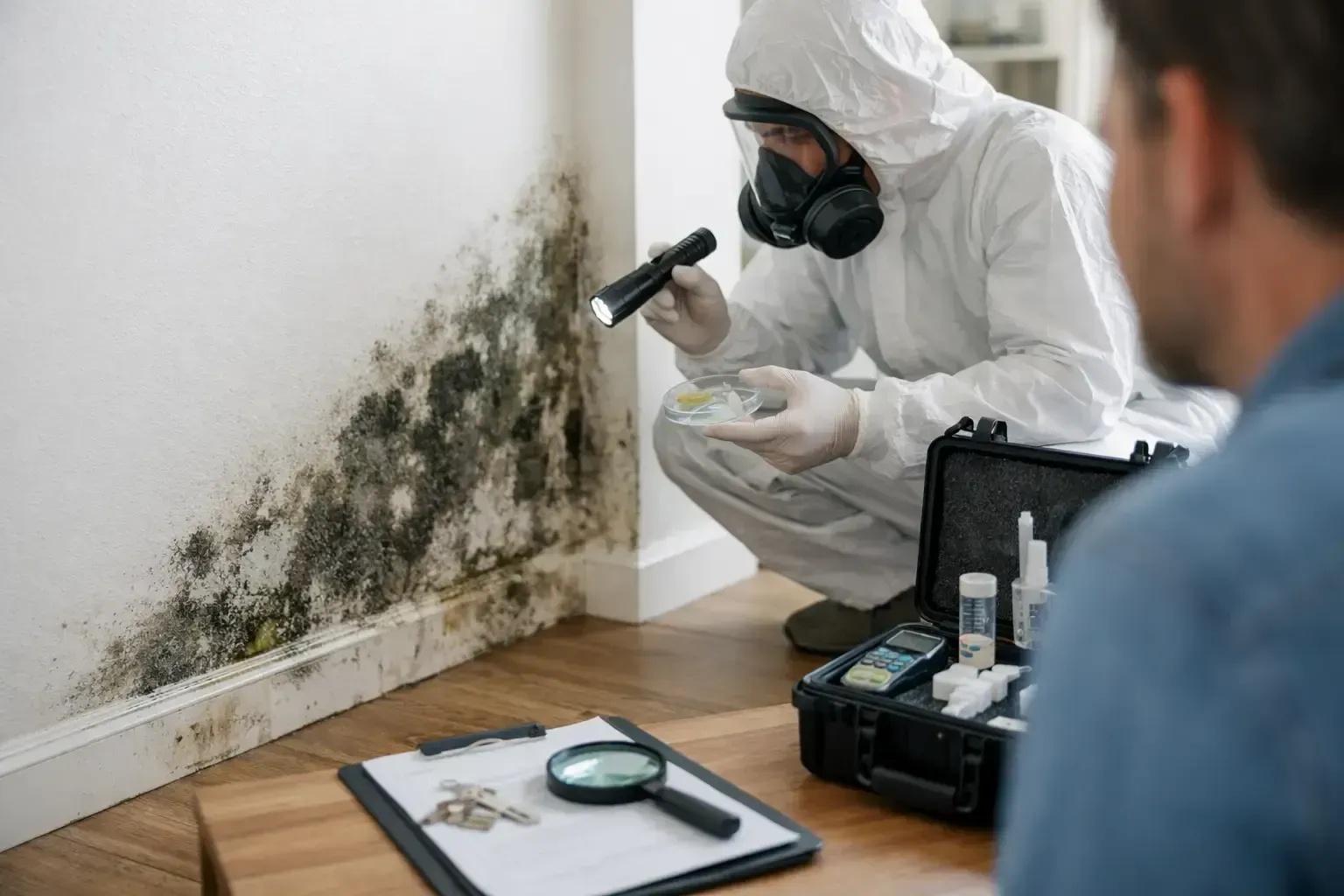
Thermal imaging can narrow down suspicious areas. Borescopes may help inspect confined spaces with minimal disruption. In some cases, material sampling or mold testing is appropriate, especially if the water issue has been present for more than a day or two, if odors are present, or if occupants report respiratory symptoms.
The right tool depends on the structure and the timing. A fresh supply-line leak in a visible area may require straightforward moisture confirmation and drying documentation. A slow roof leak over several months may call for a broader environmental assessment because the damage can extend into insulation, framing, and indoor air.
When Water Intrusion Becomes a Mold or Health Issue
Not every wet area turns into a major contamination event, but the risk increases quickly when materials stay damp. Drywall paper, wood, carpet backing, insulation facings, and dust residues can support mold growth if moisture remains long enough. Warm, humid conditions make that more likely, which is especially relevant in Florida properties.
This is where timing matters. If water intrusion is identified and dried quickly, damage may stay limited. If it goes undetected behind walls or under flooring, the issue can shift from water damage to a larger indoor environmental problem. That may affect occupants, delay real estate transactions, complicate insurance claims, and increase restoration costs.
Sewage-related intrusion raises the stakes further. Once black water or wastewater contamination is involved, the assessment must consider bacteria and occupant safety, not just wet materials. The same is true when gray water remains stagnant or contacts absorbent building materials for too long.
Documentation Matters More Than Most Owners Expect
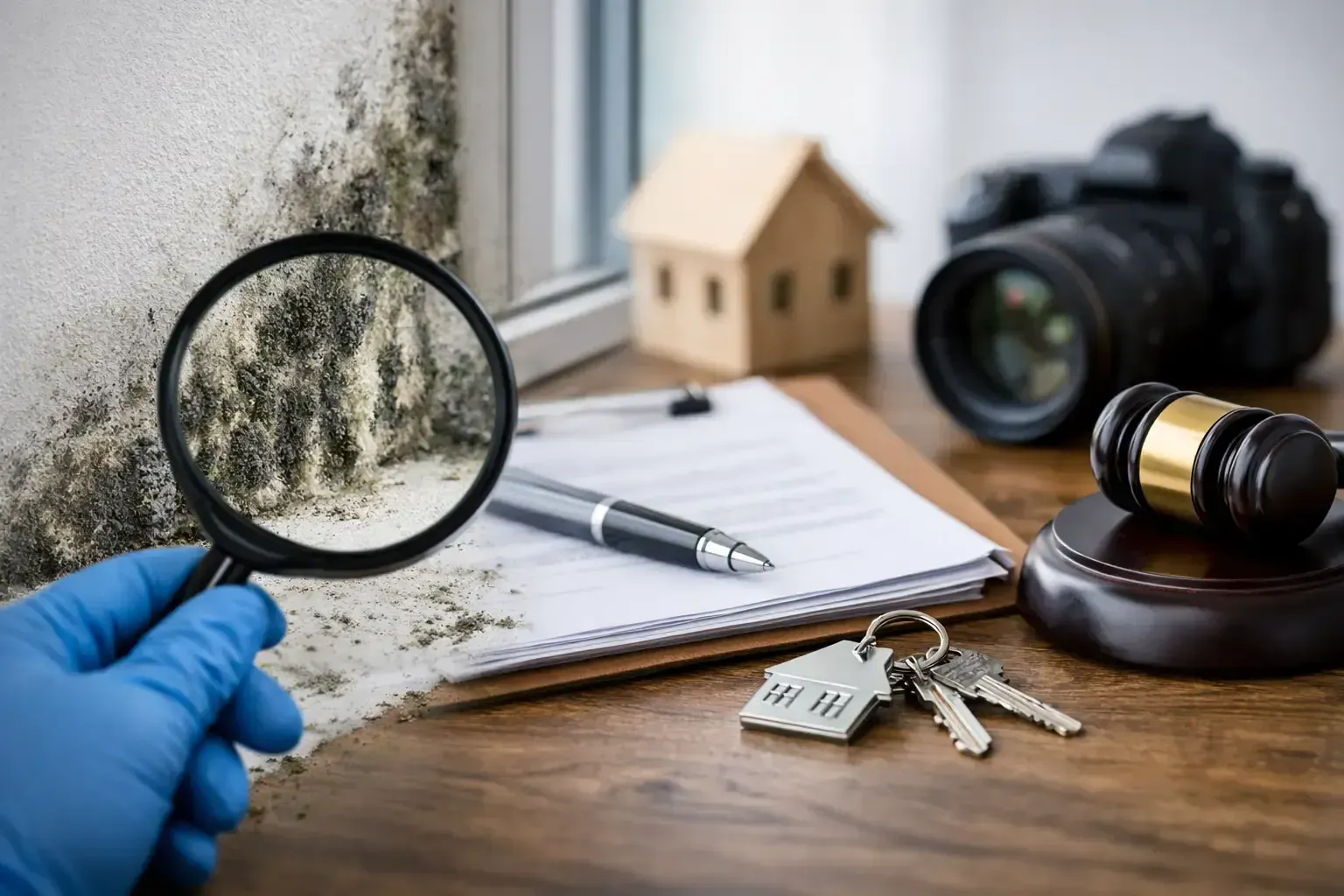
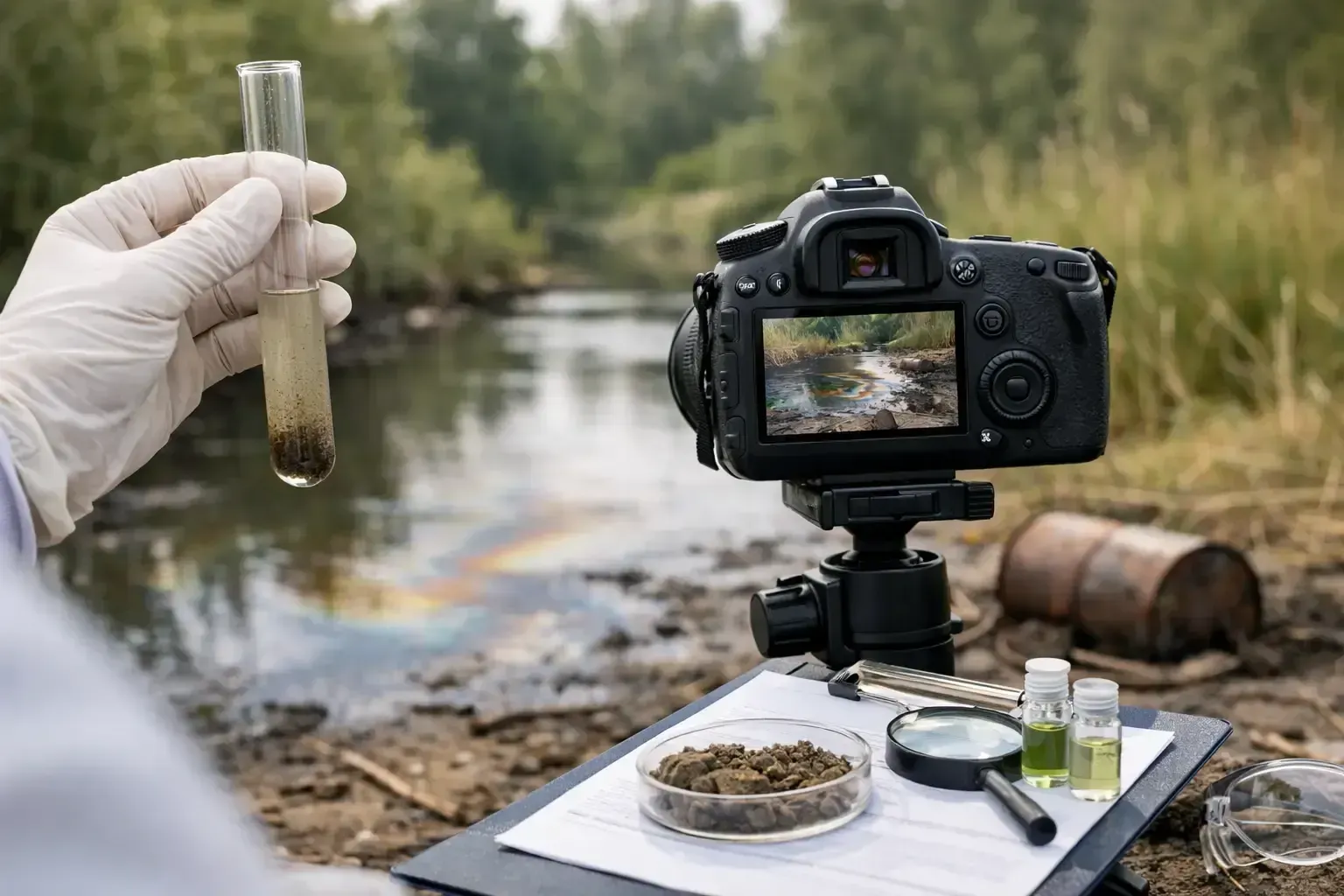
A water intrusion assessment should create a record, not just an opinion. Good documentation includes affected locations, moisture readings, visible damage, suspected source conditions, photographs, and notes on material types and extent. If the issue leads to remediation, repair disputes, tenant concerns, or an insurance claim, that record becomes very important.
For homeowners, documentation helps answer a basic question: is this cosmetic damage or a larger structural and environmental issue? For property managers and business owners, it supports maintenance decisions, tenant communication, and liability reduction. For real estate professionals, it helps separate minor, corrected moisture events from unresolved defects that could affect a transaction.
When to Call a Professional for Water Intrusion Assessment
Some situations justify immediate professional help. If the source is unknown, if the damage affects multiple rooms, if there is a musty odor, if materials have likely been wet for more than 24 to 48 hours, or if sewage is involved, a professional assessment is the safer move. The same is true if occupants have health concerns, if the property is part of a sale, or if an insurer will require clear evidence.
Professional assessment is also valuable when the moisture issue seems to keep coming back. Recurring stains, persistent odor, repeated window leaks, damp flooring, or seasonal wall moisture often point to hidden building failures that basic cleanup does not solve. An experienced environmental testing and restoration company can determine whether the problem is active, historical, or tied to a larger moisture pattern.
For many owners, the hardest part is knowing whether they are overreacting. In practice, early assessment usually costs less than delayed discovery. A limited inspection today can prevent a much larger restoration project later.
If you are dealing with suspected moisture in a home, rental, commercial building, or new construction property, accuracy matters. Hanes Environmental approaches water intrusion with the same standard every property owner should expect - careful inspection, verified moisture findings, and clear reporting that tells you what is wet, what is affected, and what needs to happen next.
The best time to assess water intrusion is when the first sign appears, not after the damage starts spreading. Acting early gives you better answers, better options, and a better chance of keeping a water problem from becoming a much larger environmental one.
Recent Posts