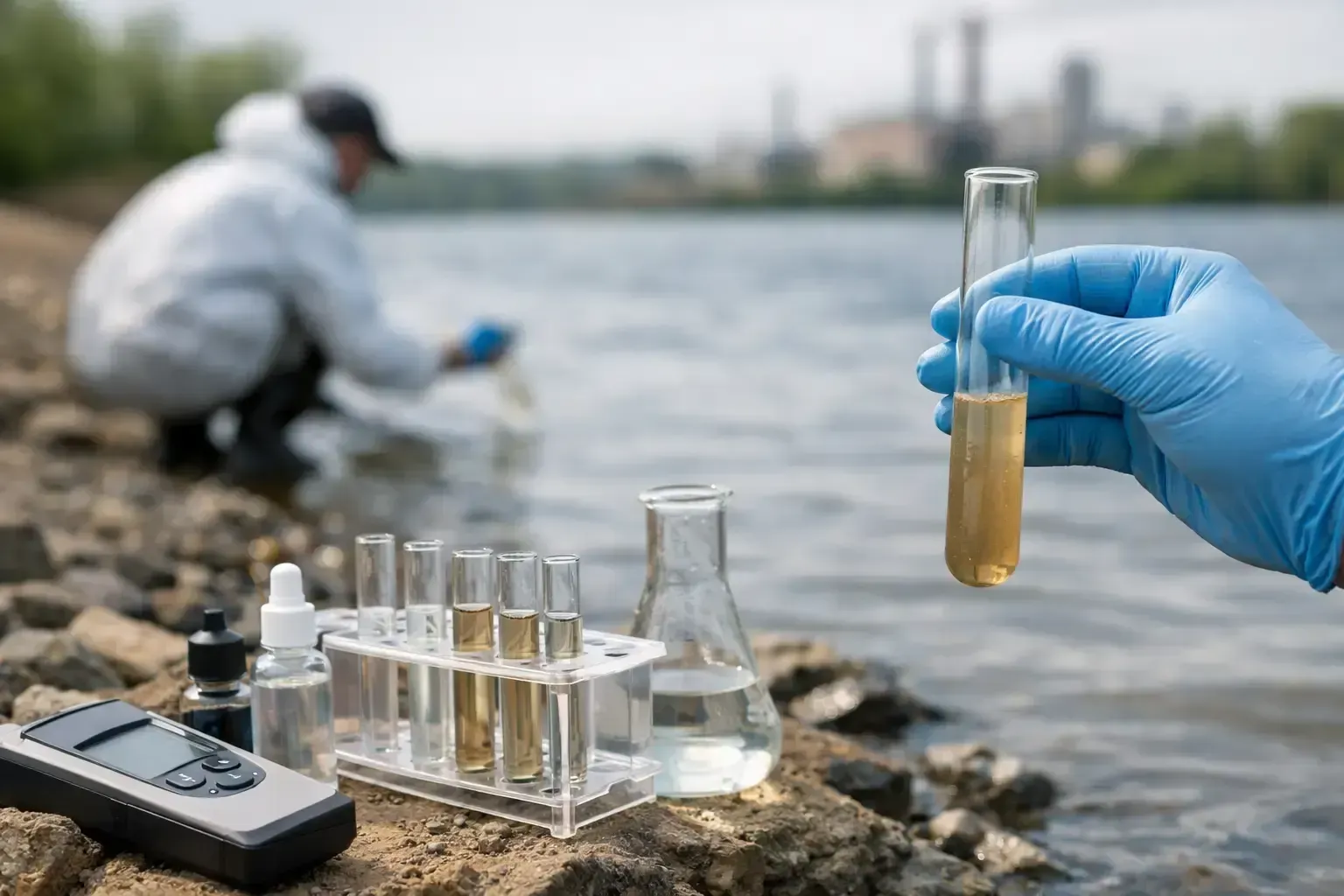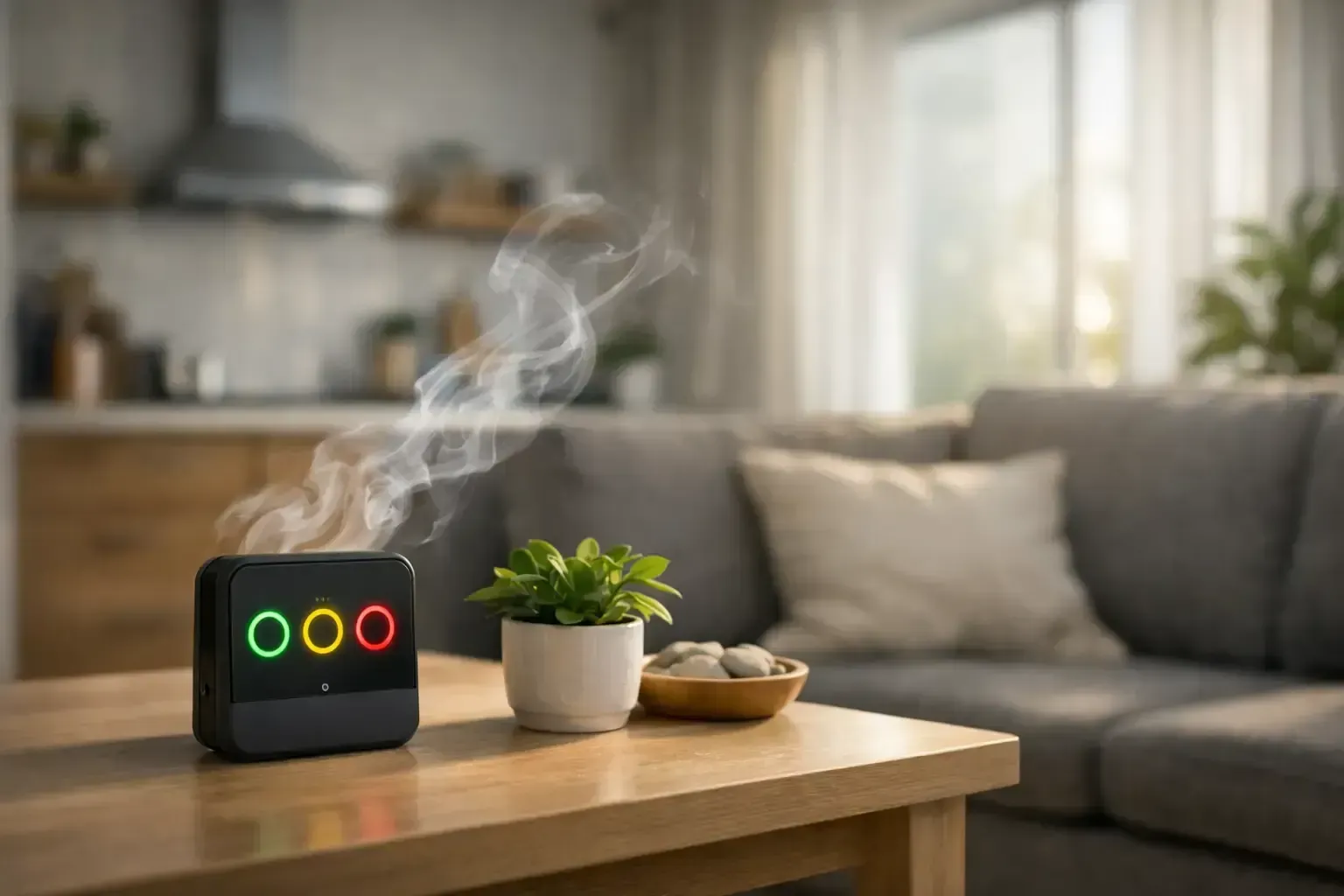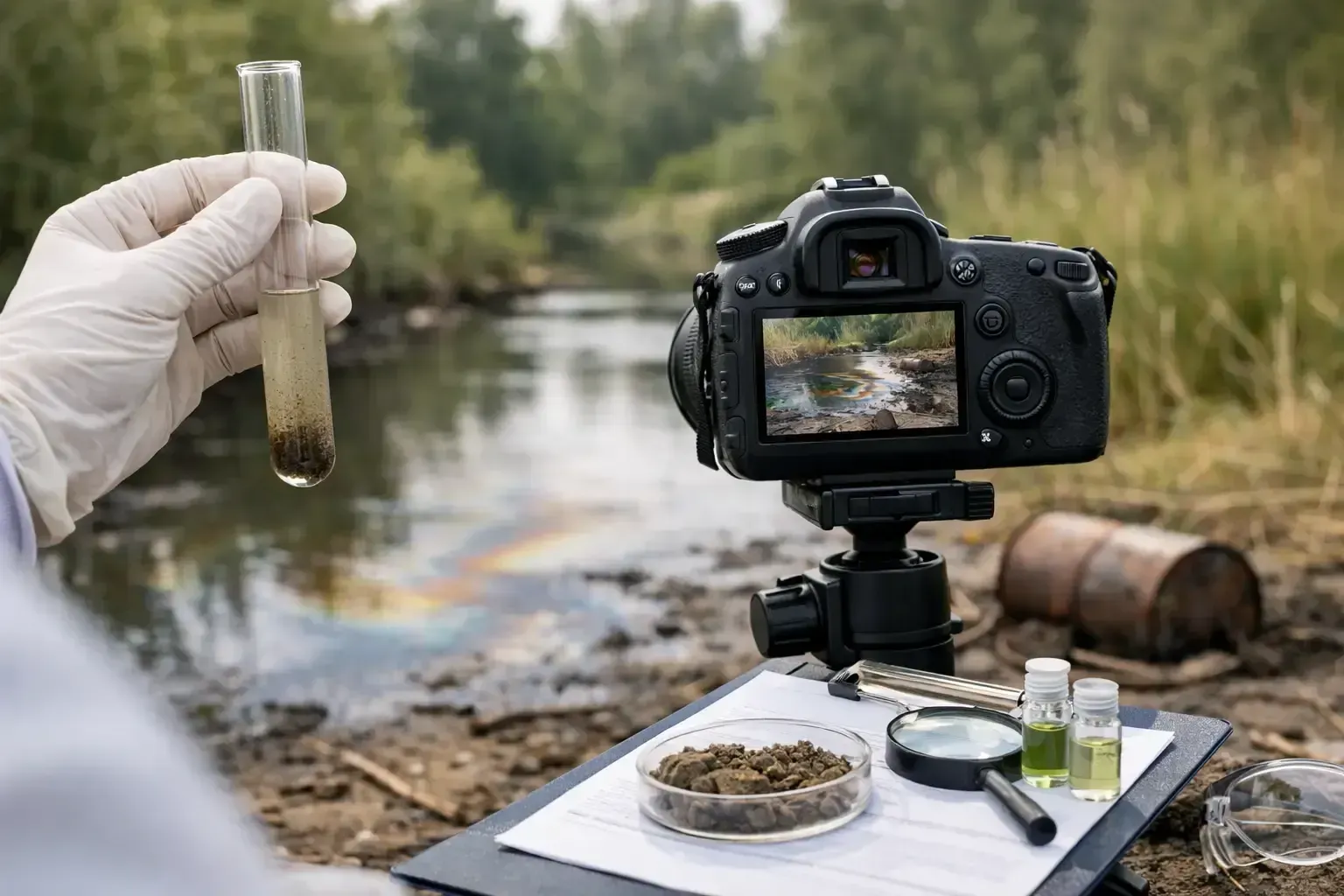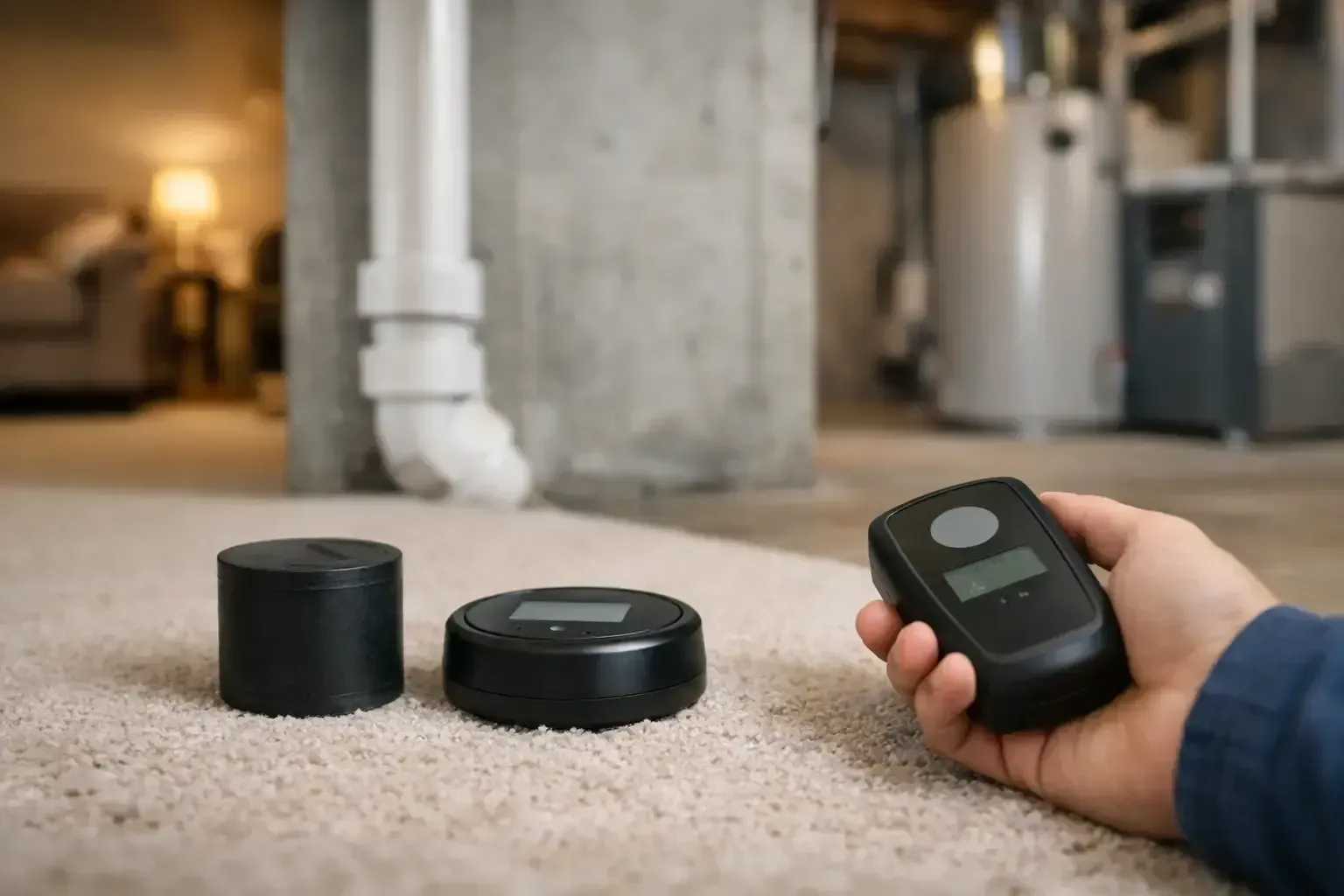
Common Mistakes When Documenting Sewage Contamination
The quality of the report depends on the quality of the inspection. You want someone who understands moisture behavior, building materials, contamination categories, and the difference between visible damage and actual spread. The report should be direct, specific, and supported by field findings, not vague language.
It also helps to work with a company that can explain results in plain English. Technical accuracy matters, but so does communication. When people are dealing with damage to a home, rental, office, or investment property, they need answers they can act on.
In Florida and Kentucky, where weather, humidity, plumbing failures, and hidden moisture issues can all play a role, a thorough assessment is one of the smartest early steps you can take. Hanes Environmental provides that kind of clear, field-based reporting so property owners know what they are dealing with before the damage gets worse.
The sooner you replace assumptions with documented facts, the easier it becomes to protect the building, the people inside it, and the money it will take to set things right.
Why Interpretation Matters More Than the Lab Report Alone
If the property recently had a leak, flood, or AC overflow, timing matters. Testing too early can miss developing growth, while waiting too long can allow contamination to spread. In many cases, the first priority after water damage is drying and stabilizing the structure quickly. Once materials remain wet beyond a day or two, the risk of mold increases significantly.
After water damage, testing usually focuses on the affected materials, adjacent rooms, and HVAC impact if the system ran during the event. Moisture mapping is essential here. Water often travels farther than the visible stain suggests, especially under flooring and inside wall cavities.
If remediation has already been performed, post-remediation verification testing may be the next step. That type of testing checks whether contamination has been properly removed and whether the area is dry and ready for rebuild. For property owners, buyers, managers, and contractors, that documentation can be just as important as the initial diagnosis.
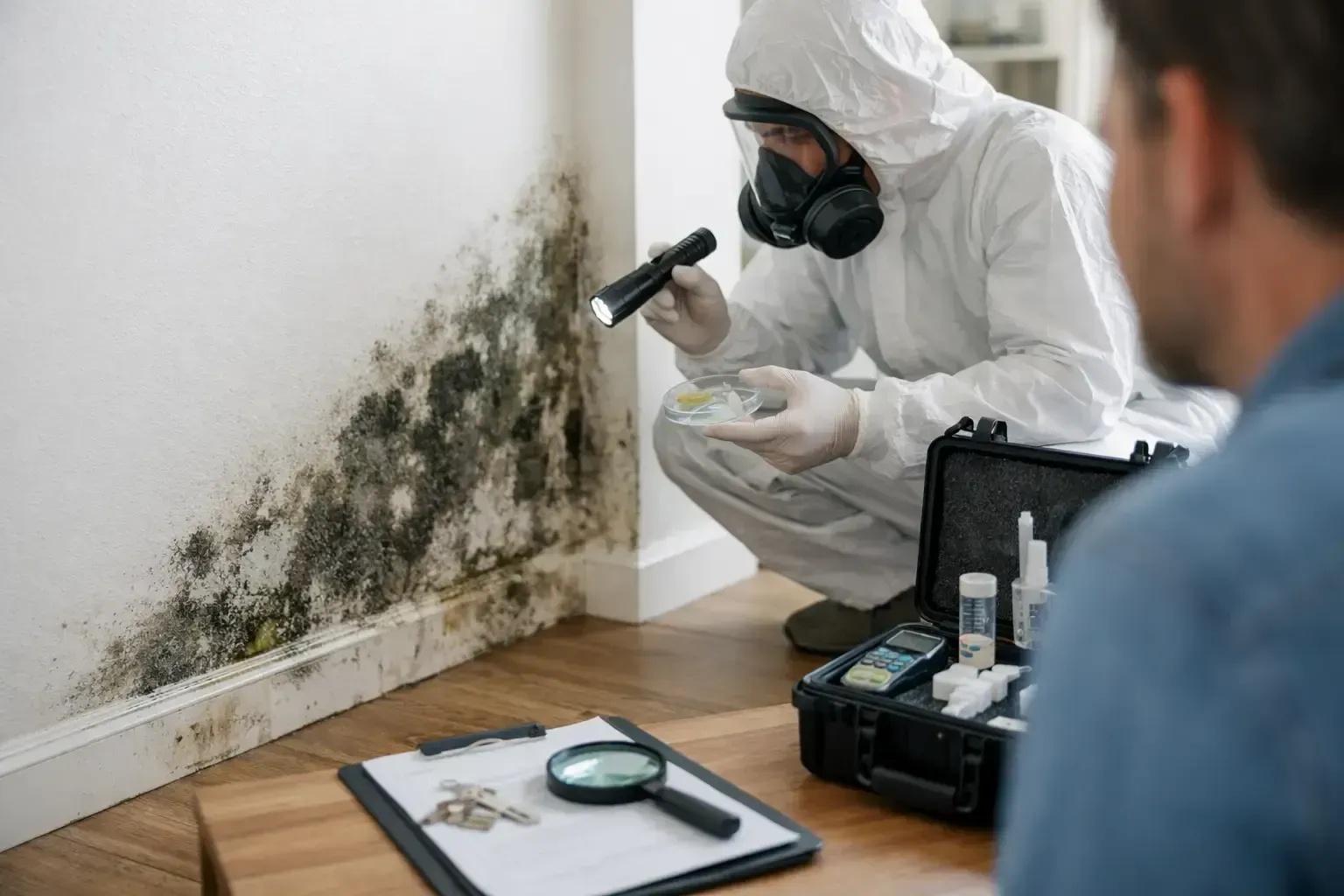
Use the checklist as a screening tool, not a final diagnosis. Walk the property slowly. Start where water is most likely, then expand outward to adjacent rooms and connected systems such as HVAC and crawl spaces. Document what you see, what you smell, and what history you know.
If your inspection reveals isolated humidity staining, you may only need better ventilation and moisture control. If it reveals recurring leaks, soft materials, spreading discoloration, or widespread odor, the safer move is a professional mold assessment with testing where appropriate.
When indoor conditions feel off, delay usually makes the situation more expensive. A careful inspection done early can protect your health, your property, and your documentation if the issue turns into a real estate, insurance, or tenant matter.
The best closing thought is simple: trust what the building is telling you. If you see moisture, smell mustiness, or notice damage that does not make sense, act on it before a small problem becomes hidden contamination.
Room-by-room Inspection Points
Bring in Qualified Help for Complex or Contaminated Losses
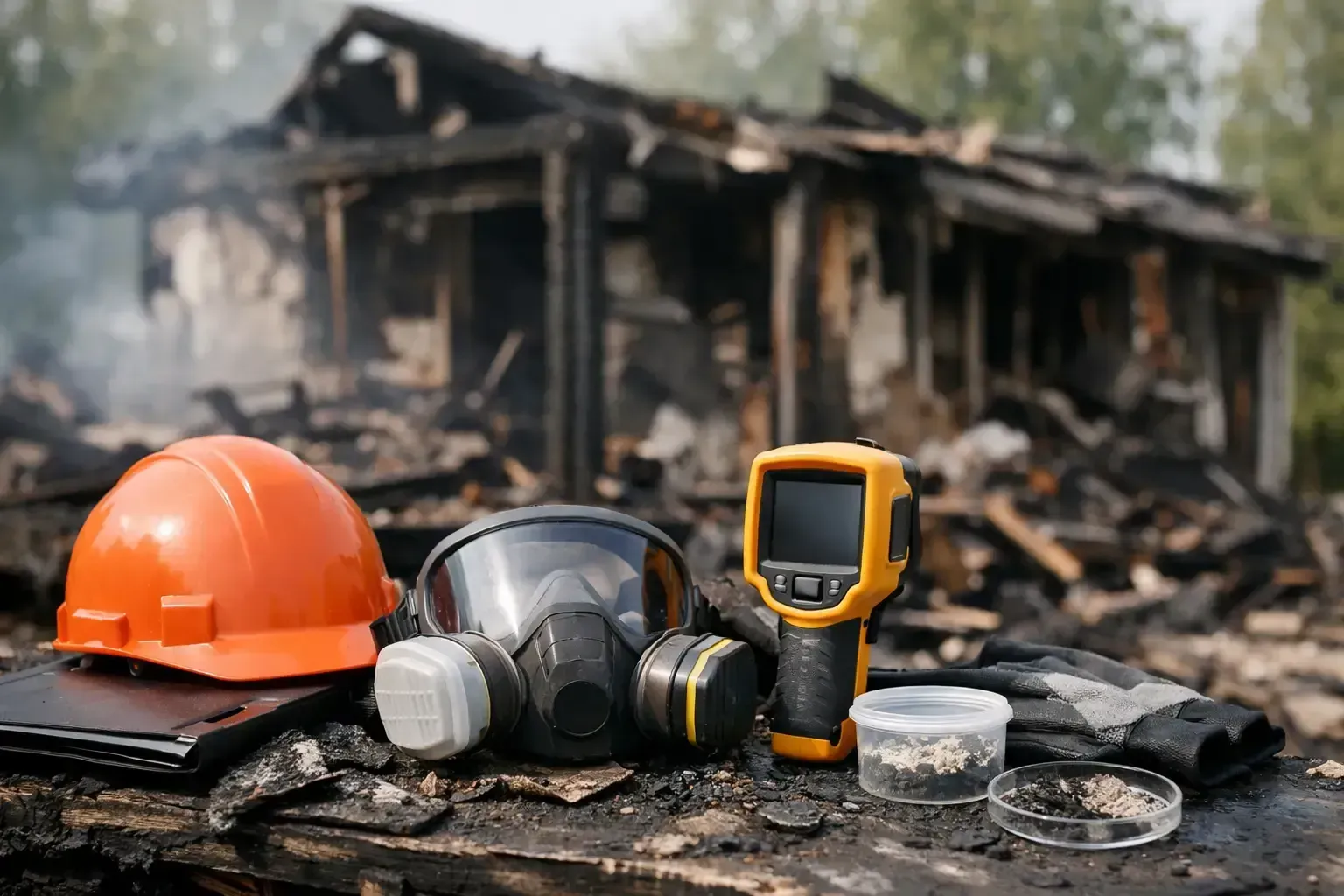
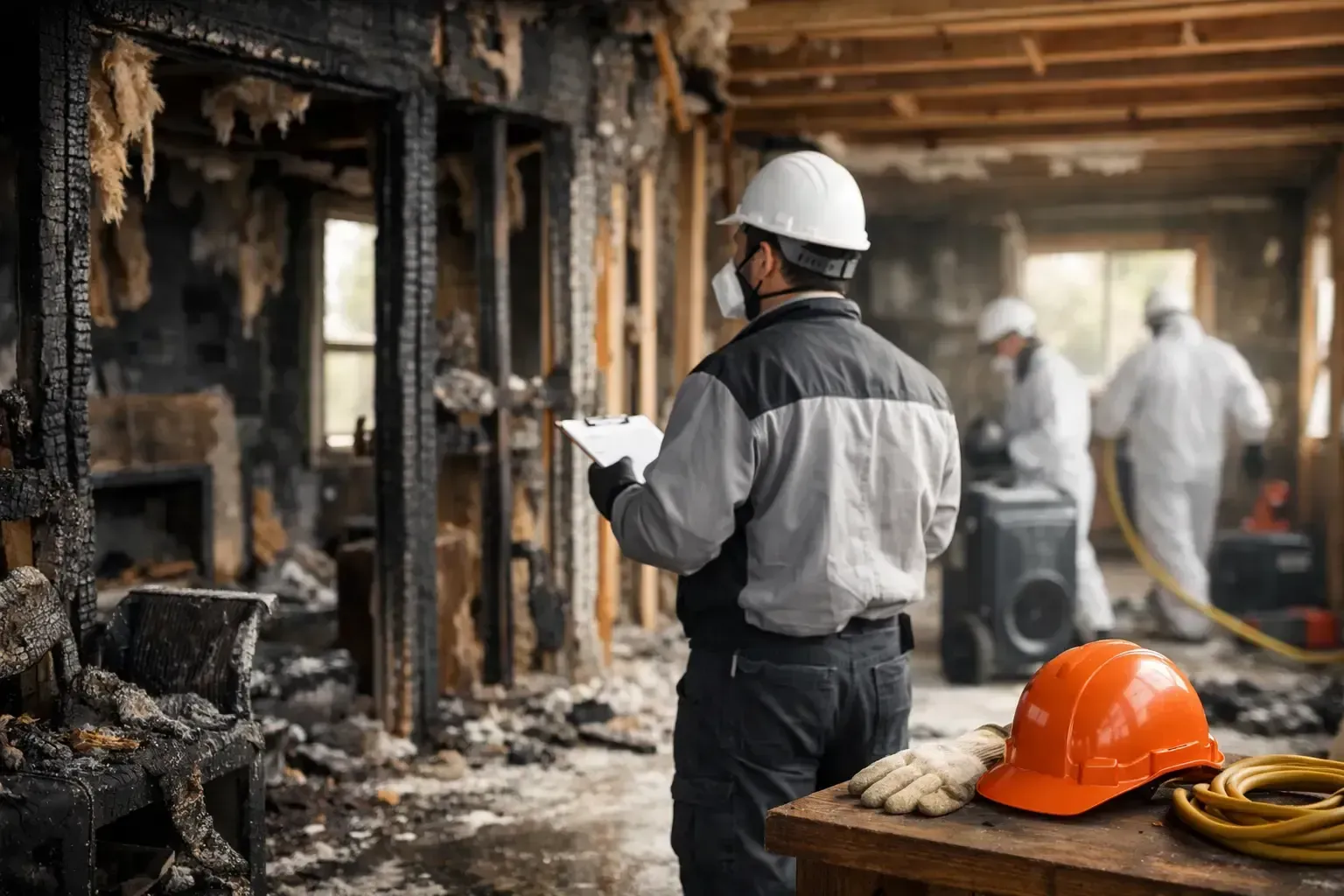
A fire can be out in minutes, yet contamination can remain in a building for months if it is not identified and addressed correctly. This guide to post fire contamination explains what may be left behind after a residential or commercial fire, why visual cleanup is often not enough, and how testing and documented restoration help protect occupants and property.
Smoke can travel far beyond the room where the fire began. It moves through return vents, wall cavities, attics, electrical openings, and gaps around doors. Fine particles settle on surfaces that appear clean, while odors and chemical residues can remain embedded in porous materials. The damage may be obvious near the fire source, but hidden contamination is often the issue that creates the most difficult cleanup decisions.
What Post-fire Contamination Can Include
Post-fire contamination is not limited to black soot on walls or ceilings. The materials that burned, the temperature of the fire, the amount of oxygen available, and the water or chemicals used to extinguish it all affect what is left behind.
Soot and carbonaceous particles are among the most common concerns. These particles can be extremely small and may be inhaled or carried into unaffected rooms on clothing, shoes, HVAC airflow, or cleaning tools. A light gray film on a tabletop may be visible, but fine particulate residue can also collect inside supply registers, on insulation, within cabinets, and on upholstered furniture.
Smoke residue may contain a mix of compounds from wood, plastics, fabrics, electronics, insulation, paint, or household chemicals. Fires involving synthetic materials can produce more complex chemical residues than a small wood-burning fire. The odor itself does not define the hazard, but a persistent smoke odor is a clear sign that residue or affected materials may still be present.
Volatile organic compounds, commonly called VOCs, are another concern after some fires. These gases can be released from burned or heat-damaged building materials, furnishings, coatings, and cleaning products. Occupants may notice headaches, throat irritation, eye irritation, or strong odors, although symptoms alone cannot identify a specific contaminant. Testing provides clearer answers than assumptions.
Water damage also frequently follows a fire. Fire suppression efforts can soak drywall, flooring, insulation, cabinetry, and contents. If those materials remain wet,
microbial growth can begin. A fire loss may therefore involve smoke contamination, soot deposition, moisture damage, and mold risk at the same time.
Why Surface Cleaning Alone May Not Solve the Problem
Wiping down visible residue is a reasonable first response for limited contamination on hard, nonporous surfaces. It is not a reliable clearance method for an entire building. Improper cleaning can spread particles, drive residue deeper into materials, or leave contamination inside heating and cooling systems.
Drywall, carpet, insulation, unfinished wood, acoustic ceiling tile, and upholstered items can absorb smoke and odor. Whether these materials can be restored depends on the severity of damage, the type of residue, moisture exposure, and the material itself. In some cases, detailed cleaning and odor treatment are appropriate. In others, removal is the safer and more cost-effective choice.
A common mistake is using fragranced products or ozone equipment before the source of contamination has been removed. Covering an odor does not remove soot, smoke residue, or chemical compounds. Odor treatments should support a complete restoration plan, not replace cleaning, removal, and verification.
HVAC systems deserve special attention. If the system operated during or shortly after the fire, it may have distributed fine smoke particles into multiple rooms. Filters, ducts, coils, registers, and air handlers may require inspection. Simply changing the filter may help reduce airborne particles, but it does not establish that the system is clean or that contamination has been contained.
A Practical Guide to Post Fire Contamination Assessment
The right assessment begins by determining the fire's scope and the areas affected by smoke, soot, heat, moisture, and suppression activities. This is especially valuable when contamination is visible in rooms far from the fire or when occupants report lingering odor after initial cleanup.
A qualified assessment typically considers the fire origin, materials burned, smoke pathways, visible residue patterns, moisture conditions, HVAC operation, and impacted contents. The goal is to distinguish between cosmetic smoke staining and contamination that requires more extensive restoration.
Testing may include soot and carbonaceous particle sampling, surface sampling, indoor air quality evaluation, VOC testing, and moisture investigation. The most useful testing plan depends on the property and the question that needs to be answered. A small kitchen fire may need a focused surface and HVAC assessment, while a commercial fire involving electronics, plastics, or widespread smoke migration may require broader documentation.
Laboratory-supported findings can be particularly valuable for insurance claims, tenant-landlord concerns, real estate transactions, and disputes over the completeness of cleanup. Clear reporting creates a record of observed conditions, test methods, findings, and recommended next steps. That record helps property owners make decisions based on evidence rather than appearance or odor alone.
Do Not Disturb Suspect Materials Unnecessarily
Older buildings may contain materials that require special handling, including asbestos-containing materials or lead-based paint. Fire damage can make these materials more fragile and easier to disturb during demolition. Before removing damaged drywall, flooring, insulation, or textured finishes, determine whether additional testing or regulated procedures are needed.
This does not mean every post-fire project involves asbestos or lead. It means the building age, damaged materials, and planned scope of work should guide the decision. A careful assessment can prevent an avoidable secondary contamination issue.
What Property Owners Should Do First
Once fire officials have released the property, the priority is preventing further exposure and damage. Avoid running the HVAC system until it has been evaluated if smoke has entered the building. Limit entry to affected areas, especially for children, older adults, pets, and people with respiratory conditions.
Do not dry sweep soot or use a household vacuum without appropriate filtration. Both methods can put fine particles back into the air. Avoid aggressive scrubbing of walls, ceilings, and porous materials before the contamination has been evaluated. The wrong cleaning method can spread residue into areas that were initially less affected.
Document conditions before cleanup begins. Take photographs of visible soot, smoke staining, damaged contents, wet materials, and impacted rooms. Keep records of emergency services, mitigation work, inspections, and communications with insurers or property managers. Good documentation supports claim discussions and helps establish what changed during restoration.
If water was used to extinguish the fire, act quickly on drying. Wet materials can deteriorate rapidly, and concealed moisture may remain behind walls or beneath flooring even after surfaces feel dry. Moisture detection and targeted drying help reduce the risk of additional damage.
Restoration Should Follow the Actual Contamination Pattern
A proper fire restoration plan is not one-size-fits-all. It should identify what can be cleaned, what must be removed, how cross-contamination will be controlled, and how the property will be evaluated when work is complete.
Containment may be necessary when demolition or detailed cleaning could release particles into adjacent areas. HEPA-filtered air cleaning and vacuuming may be used to capture fine particulate matter. Hard surfaces may require specialized cleaning methods, while contents such as textiles, electronics, books, and furniture need item-specific decisions. A heavily contaminated couch may not respond to the same process used for a sealed metal cabinet.
The order of work matters. Removing wet or unsalvageable materials before detailed cleaning can prevent repeated contamination. Cleaning HVAC components too early, before source materials are addressed, can also lead to recontamination. Restoration should move from source control and removal to detailed cleaning, odor management, repairs, and verification.
When Post-restoration Testing is Worth It
Post-restoration verification is most valuable when contamination was widespread, when occupants have health concerns, when a property will be sold or reoccupied by tenants, or when insurers and other parties need defensible documentation. It can also help when smoke odor persists after work is reported complete.
Verification should be matched to the original problem. If soot particles were documented before restoration, follow-up sampling may evaluate whether the cleaning effort adequately addressed those conditions. If moisture was present, moisture readings and visual inspection can help confirm affected materials were dried or removed. If VOCs were a concern, follow-up air testing may be appropriate after source control and ventilation.
No single test can answer every post-fire question. Reliable decisions come from combining the property history, inspection findings, targeted sampling, laboratory analysis when needed, and a clear understanding of what restoration work was performed.
Hanes Environmental provides fire and smoke damage assessments, soot and carbonaceous particle testing, VOC testing, moisture investigations, and restoration services for property owners who need clear answers after a fire. The objective is straightforward: identify the contamination, document the conditions, and help determine whether the building is ready for safe repair or reoccupancy.
A fire-damaged property does not need guesswork or cosmetic fixes. When the air still smells smoky, surfaces keep showing residue, or water damage complicates the loss, a thorough assessment gives you a practical path forward and a clearer basis for protecting the people who use the building.
Recent Posts