Common Mistakes When Documenting Sewage Contamination
The quality of the report depends on the quality of the inspection. You want someone who understands moisture behavior, building materials, contamination categories, and the difference between visible damage and actual spread. The report should be direct, specific, and supported by field findings, not vague language.
It also helps to work with a company that can explain results in plain English. Technical accuracy matters, but so does communication. When people are dealing with damage to a home, rental, office, or investment property, they need answers they can act on.
In Florida and Kentucky, where weather, humidity, plumbing failures, and hidden moisture issues can all play a role, a thorough assessment is one of the smartest early steps you can take. Hanes Environmental provides that kind of clear, field-based reporting so property owners know what they are dealing with before the damage gets worse.
The sooner you replace assumptions with documented facts, the easier it becomes to protect the building, the people inside it, and the money it will take to set things right.
Why Interpretation Matters More Than the Lab Report Alone
If the property recently had a leak, flood, or AC overflow, timing matters. Testing too early can miss developing growth, while waiting too long can allow contamination to spread. In many cases, the first priority after water damage is drying and stabilizing the structure quickly. Once materials remain wet beyond a day or two, the risk of mold increases significantly.
After water damage, testing usually focuses on the affected materials, adjacent rooms, and HVAC impact if the system ran during the event. Moisture mapping is essential here. Water often travels farther than the visible stain suggests, especially under flooring and inside wall cavities.
If remediation has already been performed, post-remediation verification testing may be the next step. That type of testing checks whether contamination has been properly removed and whether the area is dry and ready for rebuild. For property owners, buyers, managers, and contractors, that documentation can be just as important as the initial diagnosis.
Use the checklist as a screening tool, not a final diagnosis. Walk the property slowly. Start where water is most likely, then expand outward to adjacent rooms and connected systems such as HVAC and crawl spaces. Document what you see, what you smell, and what history you know.
If your inspection reveals isolated humidity staining, you may only need better ventilation and moisture control. If it reveals recurring leaks, soft materials, spreading discoloration, or widespread odor, the safer move is a professional mold assessment with testing where appropriate.
When indoor conditions feel off, delay usually makes the situation more expensive. A careful inspection done early can protect your health, your property, and your documentation if the issue turns into a real estate, insurance, or tenant matter.
The best closing thought is simple: trust what the building is telling you. If you see moisture, smell mustiness, or notice damage that does not make sense, act on it before a small problem becomes hidden contamination.
Room-by-room Inspection Points
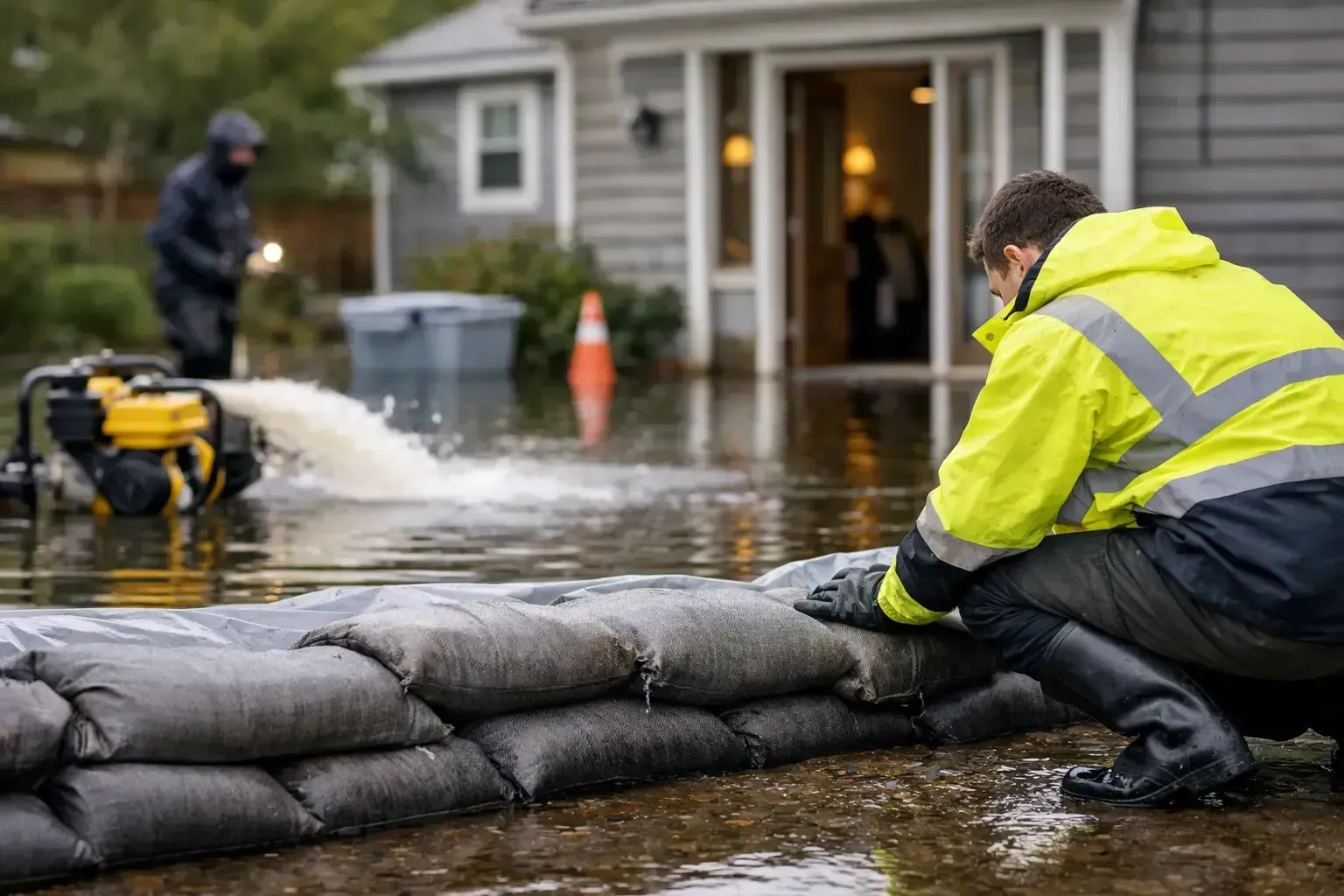
Standing water changes a property fast. Within hours, it can reach electrical components, wick into drywall and insulation, damage flooring, and carry contaminants into spaces that looked clean the day before. Knowing how to secure flooded property is not just about stopping more water from coming in. It is about protecting people first, limiting avoidable damage, and creating a clear record of what happened before cleanup begins.
Floodwater is not all the same. A broken supply line in a clean interior area calls for a different response than storm runoff, river water, or a sewage backup. When the source is uncertain, treat the water and affected materials as potentially contaminated until a qualified assessment says otherwise.
Secure Flooded Property by Protecting People First
Do not enter a flooded building simply to check the damage. Water can hide structural failure, energized wiring, sharp debris, displaced wildlife, and contamination. This is especially true after hurricanes and severe storms in Florida, as well as flash flooding and basement backups in Kentucky.
If water is near outlets, appliances, the electrical panel, or extension cords, stay out of the area. Do not turn power off while standing in water. Contact the utility company or a qualified electrician if the main shutoff cannot be reached safely. If you smell gas, hear hissing, or suspect a gas leak, leave immediately and call emergency services or the gas provider from a safe location.
Keep children, tenants, employees, and pets away from the building until it has been evaluated. Property managers should restrict access with clear notices or barriers, particularly in shared hallways, storage rooms, laundry areas, and commercial spaces where someone may enter without realizing there is a hazard.
When entry is safe and necessary, wear protective equipment appropriate for the conditions. At minimum, that may include waterproof boots, gloves, eye protection, and a properly fitted respirator when contaminated water, mold growth, dust, or sewage may be present. Avoid direct skin contact with floodwater. Cuts and abrasions create an easy path for bacteria and other contaminants.
Stop the Source and Limit Further Intrusion
The timing and location of symptoms often provide better direction than the symptom itself. Seasonal allergies commonly increase when outdoor pollen is high. They may follow a predictable pattern each year and affect a person in multiple locations, including outdoors, at work, and at home.
A building-related concern may be more likely when symptoms begin or worsen in one specific property, room, or area. For example, a tenant may feel congested only in a bedroom with a past plumbing leak, or employees may report coughing after returning to an office following a roof leak. Improvement after spending time away from the building can also be a meaningful clue, although it does not prove mold is the cause.
Signs That Point Toward a Moisture Problem
The next priority is preventing the water event from getting worse. If the problem is a burst pipe, appliance supply line, or plumbing failure, shut off the water at the fixture or main valve if it can be done safely. If the water is coming from outdoors, move vehicles, outdoor equipment, inventory, and other movable assets away from the flood path when conditions allow.
A building should be secured against rain and unauthorized entry without trapping moisture inside. Close and lock undamaged windows and doors. Cover a damaged roof, broken window, or compromised opening with temporary materials only when it is safe to do so. Do not nail, screw, or tarp over areas where you cannot safely work, and do not attempt roof access during active storms or high winds.
For commercial properties, protect records, electronics, and inventory that are above the waterline. Move them to a dry area only if they can be handled without entering a dangerous space. Do not stack wet boxes or furnishings against walls. This blocks air movement and makes it harder to identify how far moisture traveled.
Do Not Pump Water Out Too Fast From a Basement
A fully or partially flooded basement can be under pressure from saturated soil outside. Pumping it dry too quickly may contribute to wall cracking, floor movement, or structural damage. The correct approach depends on the water depth, soil conditions, foundation type, and whether outside floodwaters are still present. Get professional guidance before aggressive pumping.
Document the Damage Before Major Cleanup
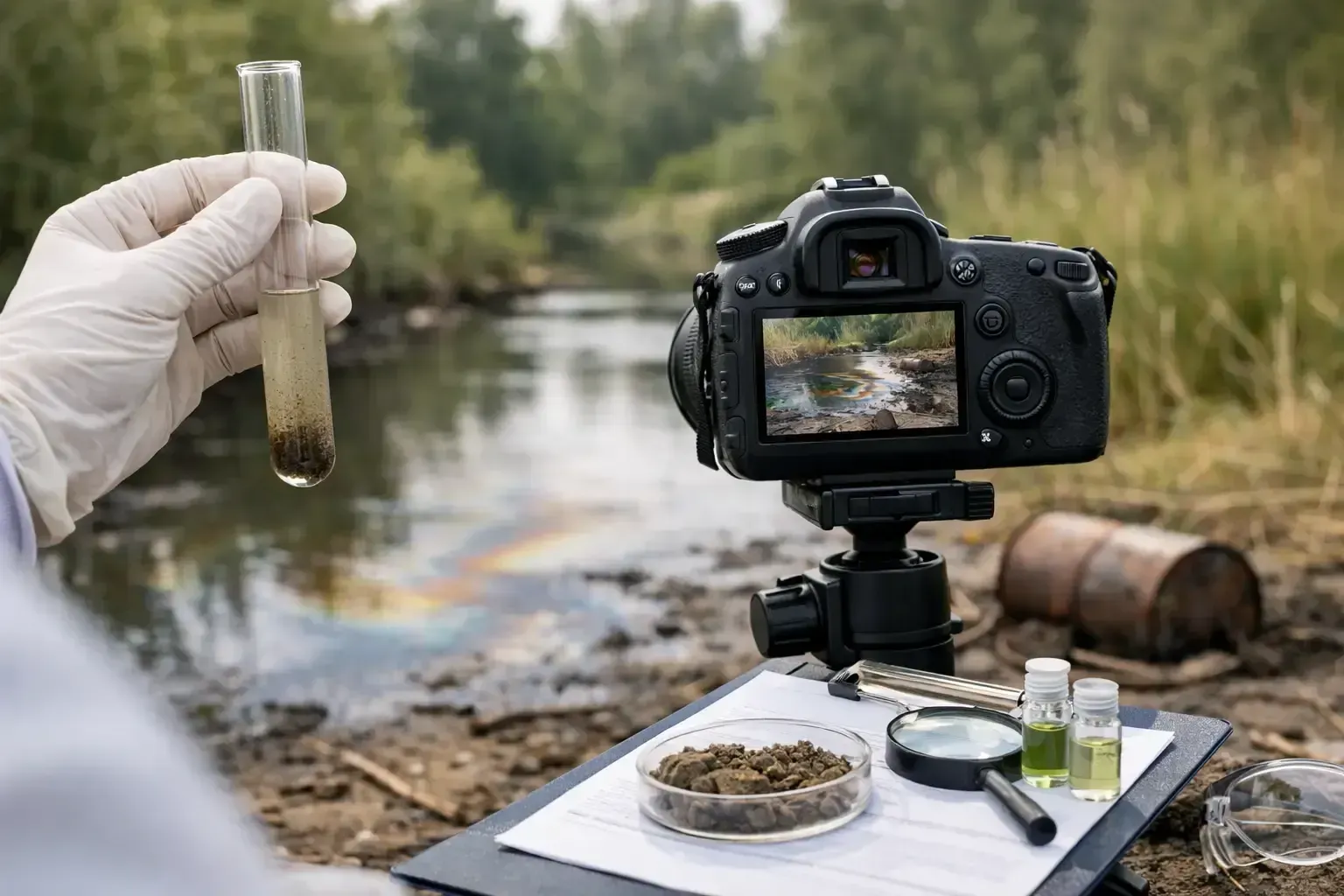
Insurance claims, tenant disputes, repair decisions, and contamination investigations all depend on documentation. Take photos and video from a safe location before moving belongings, removing materials, or using fans and dehumidifiers. Capture wide views of each affected room, then close images of water lines, damaged finishes, appliances, furniture, exterior entry points, and visible debris.
Record the date and time you discovered the loss, the likely water source, weather conditions, and every action taken. Keep receipts for emergency services, temporary protective measures, equipment rental, lodging, and damaged-property replacement. If the property is occupied by tenants or employees, document notices provided and areas that were closed.
This record does more than support an insurance claim. It helps determine the scope of the event. A visible wet carpet may be only part of the problem. Moisture can move behind baseboards, under cabinets, into wall cavities, below flooring, and through insulation. Clear documentation helps a restoration team and environmental assessor distinguish between the original loss and later deterioration.
Identify Whether the Water May Be Contaminated
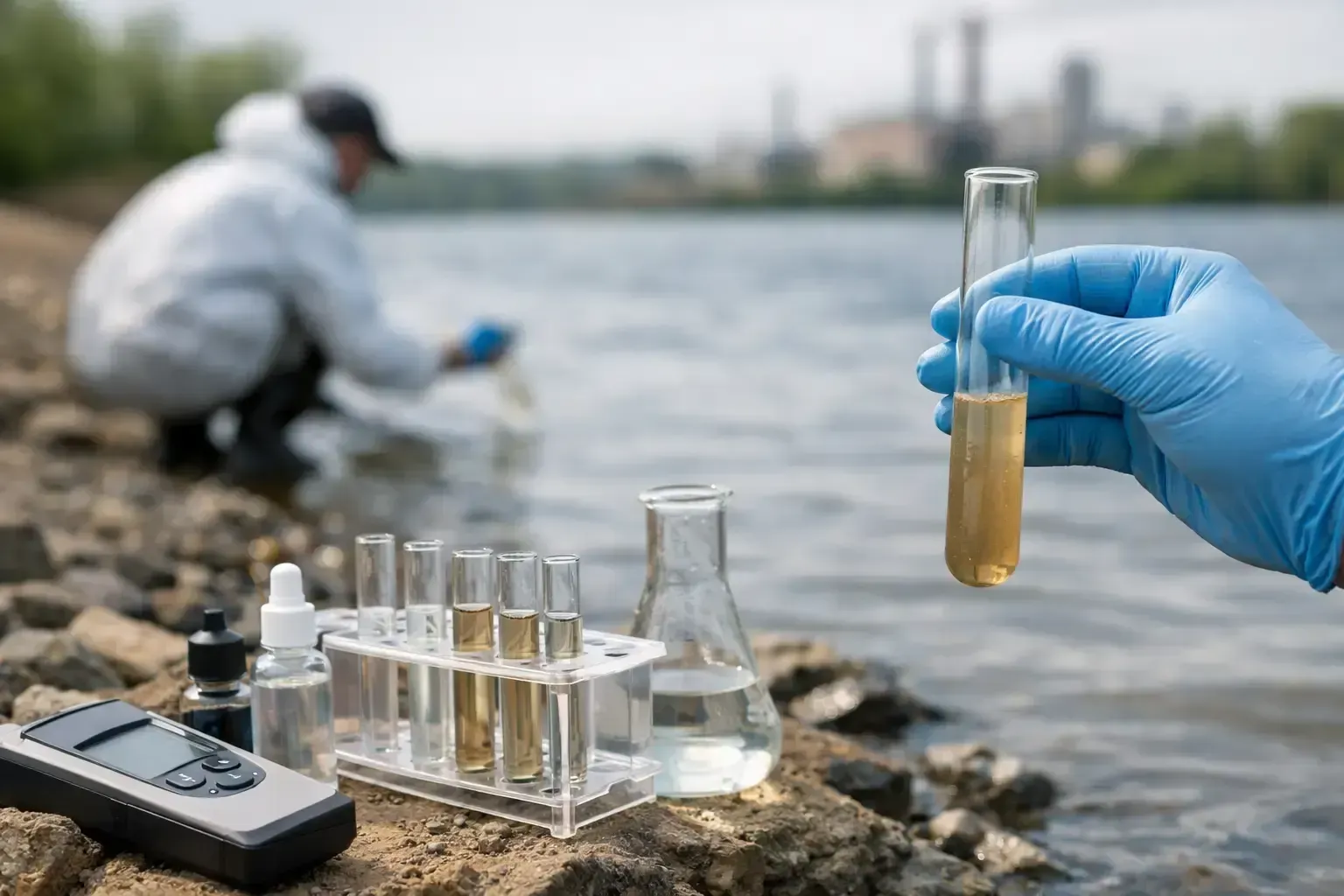
The water category matters because it affects what can be cleaned, what should be removed, and what testing may be needed. Water from a clean plumbing supply source may begin with low contamination risk, but it can become contaminated after contacting building materials, dirt, or microbes. Stormwater, groundwater intrusion, and water from an overflowing toilet or sewer line should be treated with much greater caution.
Sewage-contaminated water can contain bacteria, viruses, parasites, and other harmful organisms. Porous materials such as carpet padding, insulation, upholstered furniture, particleboard furniture, and some drywall may not be reliably recoverable after significant sewage contact. Trying to save every material can prolong exposure and lead to odor, mold, and bacteria concerns later.
Do not assume clear-looking water is safe. Likewise, do not assume every wet surface needs demolition. The correct decision depends on the source, duration of exposure, materials affected, moisture readings, and the condition of the assembly behind the visible surface. A documented assessment provides a defensible basis for that decision.
Start Drying Quickly, but Do Not Hide the Problem
Drying should begin as soon as the building can be entered safely. Remove standing water with appropriate extraction equipment, increase ventilation when outdoor humidity permits, and use professional-grade drying equipment where needed. Florida’s high humidity can make open windows ineffective or even counterproductive, particularly after a tropical storm. In Kentucky, a wet basement or crawl space may require a different drying strategy than an above-grade room.
The goal is controlled drying, not simply making the room feel less damp. Materials need to be evaluated with moisture meters and, when appropriate, thermal imaging or other diagnostic methods. Drywall can appear normal while its back side and insulation remain wet. Laminate flooring may look intact until trapped moisture causes swelling, separation, or microbial growth days later.
Avoid covering wet materials with new flooring, paint, paneling, or baseboards. Avoid relying on household fans to dry sewage-affected areas, since they can spread contaminants or disturb settled debris. Bleach is also not a complete flood remediation plan. It does not remove contamination from porous materials, and it can create a false sense that the area is safe.
Watch for Mold Conditions After the Water Is Gone
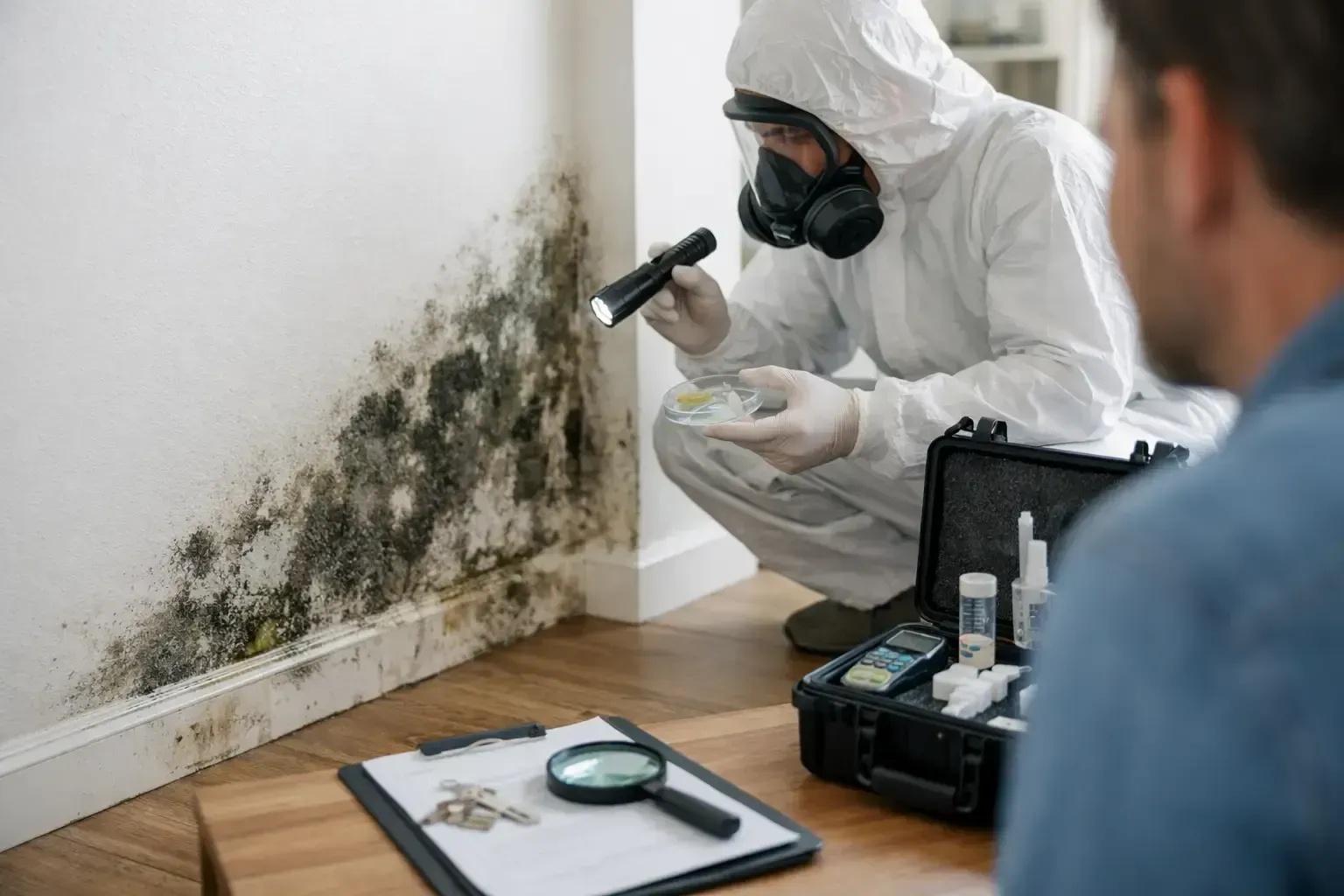
Mold does not need a visible puddle to grow. If building materials stay wet or elevated in moisture for roughly 24 to 48 hours, microbial growth can begin under the right conditions. Musty odor, stained drywall, warped trim, peeling paint, and persistent humidity are warning signs, but absence of visible mold is not proof that wall cavities or subflooring are dry.
A moisture investigation and, when warranted, mold or bacteria testing can help establish what remains after emergency drying. This is particularly useful for buyers, sellers, landlords, property managers, and insurance professionals who need documented findings rather than assumptions.
Bring in Qualified Help for Complex or Contaminated Losses
Call for professional assessment promptly when flooding involves sewage, stormwater, extensive structural materials, HVAC components, electrical concerns, a large commercial area, or recurring moisture. The same applies when occupants report odors, respiratory irritation, or concerns about hidden mold after a loss.
A thorough response should identify the water source, map affected materials, measure moisture, address contamination risks, and document the condition of the property. For claims and liability-sensitive situations, laboratory-supported environmental testing and clear reporting can be critical. Hanes Environmental provides water damage assessments, restoration services, sewage and bacteria contamination investigations, mold assessments, and post-remediation verification for property owners across Florida and in Lexington and Louisville, Kentucky.
The first day after flooding often determines whether a manageable water loss becomes a larger contamination and reconstruction problem. Secure the site, protect the people who use it, document what you find, and make restoration decisions based on the actual conditions inside the building - not just what is visible on the surface.
Recent Posts