Common Mistakes When Documenting Sewage Contamination
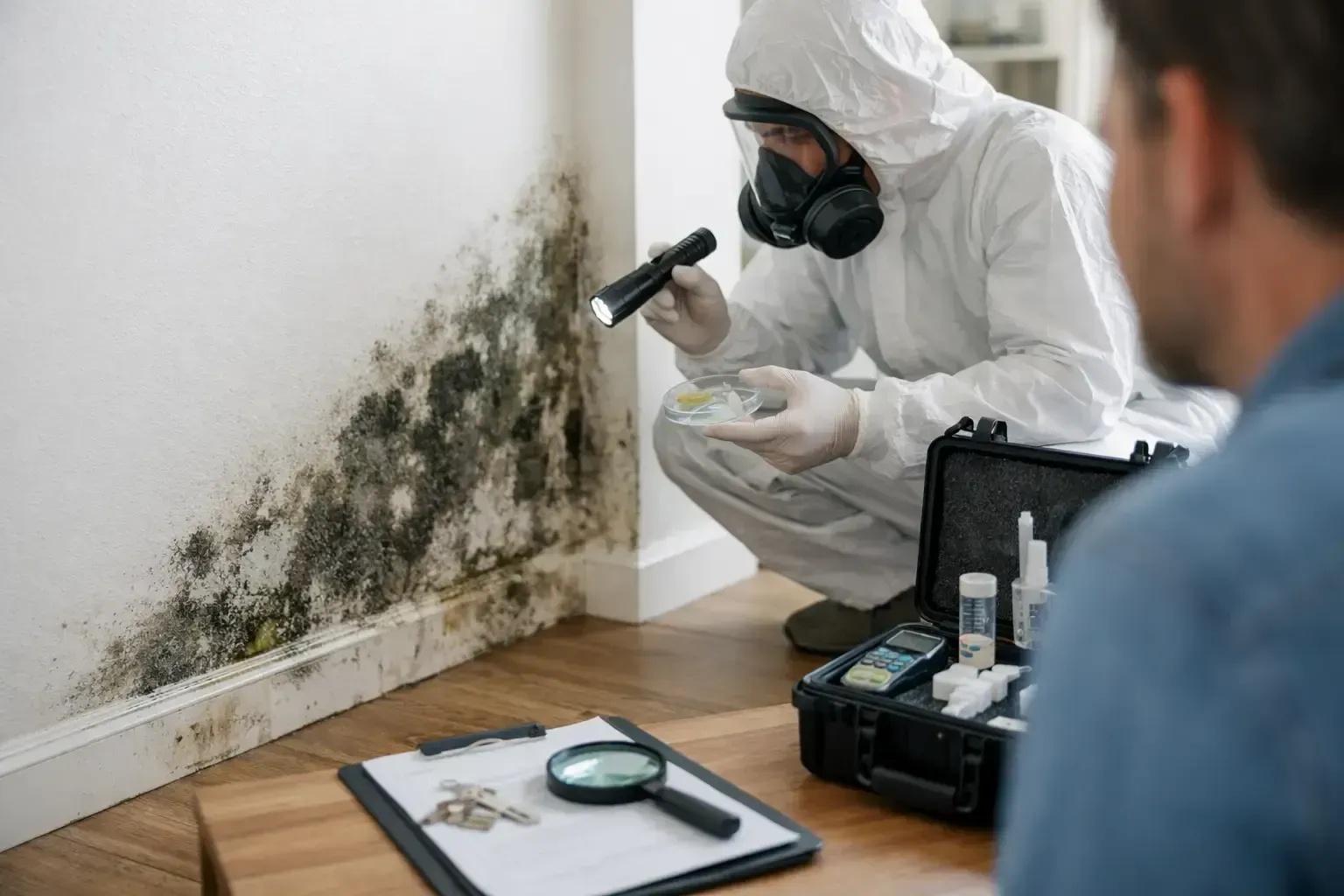
The quality of the report depends on the quality of the inspection. You want someone who understands moisture behavior, building materials, contamination categories, and the difference between visible damage and actual spread. The report should be direct, specific, and supported by field findings, not vague language.
It also helps to work with a company that can explain results in plain English. Technical accuracy matters, but so does communication. When people are dealing with damage to a home, rental, office, or investment property, they need answers they can act on.
In Florida and Kentucky, where weather, humidity, plumbing failures, and hidden moisture issues can all play a role, a thorough assessment is one of the smartest early steps you can take. Hanes Environmental provides that kind of clear, field-based reporting so property owners know what they are dealing with before the damage gets worse.
The sooner you replace assumptions with documented facts, the easier it becomes to protect the building, the people inside it, and the money it will take to set things right.
Why Interpretation Matters More Than the Lab Report Alone
If the property recently had a leak, flood, or AC overflow, timing matters. Testing too early can miss developing growth, while waiting too long can allow contamination to spread. In many cases, the first priority after water damage is drying and stabilizing the structure quickly. Once materials remain wet beyond a day or two, the risk of mold increases significantly.
After water damage, testing usually focuses on the affected materials, adjacent rooms, and HVAC impact if the system ran during the event. Moisture mapping is essential here. Water often travels farther than the visible stain suggests, especially under flooring and inside wall cavities.
If remediation has already been performed, post-remediation verification testing may be the next step. That type of testing checks whether contamination has been properly removed and whether the area is dry and ready for rebuild. For property owners, buyers, managers, and contractors, that documentation can be just as important as the initial diagnosis.
Use the checklist as a screening tool, not a final diagnosis. Walk the property slowly. Start where water is most likely, then expand outward to adjacent rooms and connected systems such as HVAC and crawl spaces. Document what you see, what you smell, and what history you know.
If your inspection reveals isolated humidity staining, you may only need better ventilation and moisture control. If it reveals recurring leaks, soft materials, spreading discoloration, or widespread odor, the safer move is a professional mold assessment with testing where appropriate.
When indoor conditions feel off, delay usually makes the situation more expensive. A careful inspection done early can protect your health, your property, and your documentation if the issue turns into a real estate, insurance, or tenant matter.
The best closing thought is simple: trust what the building is telling you. If you see moisture, smell mustiness, or notice damage that does not make sense, act on it before a small problem becomes hidden contamination.
Room-by-room Inspection Points
Bring in Qualified Help for Complex or Contaminated Losses
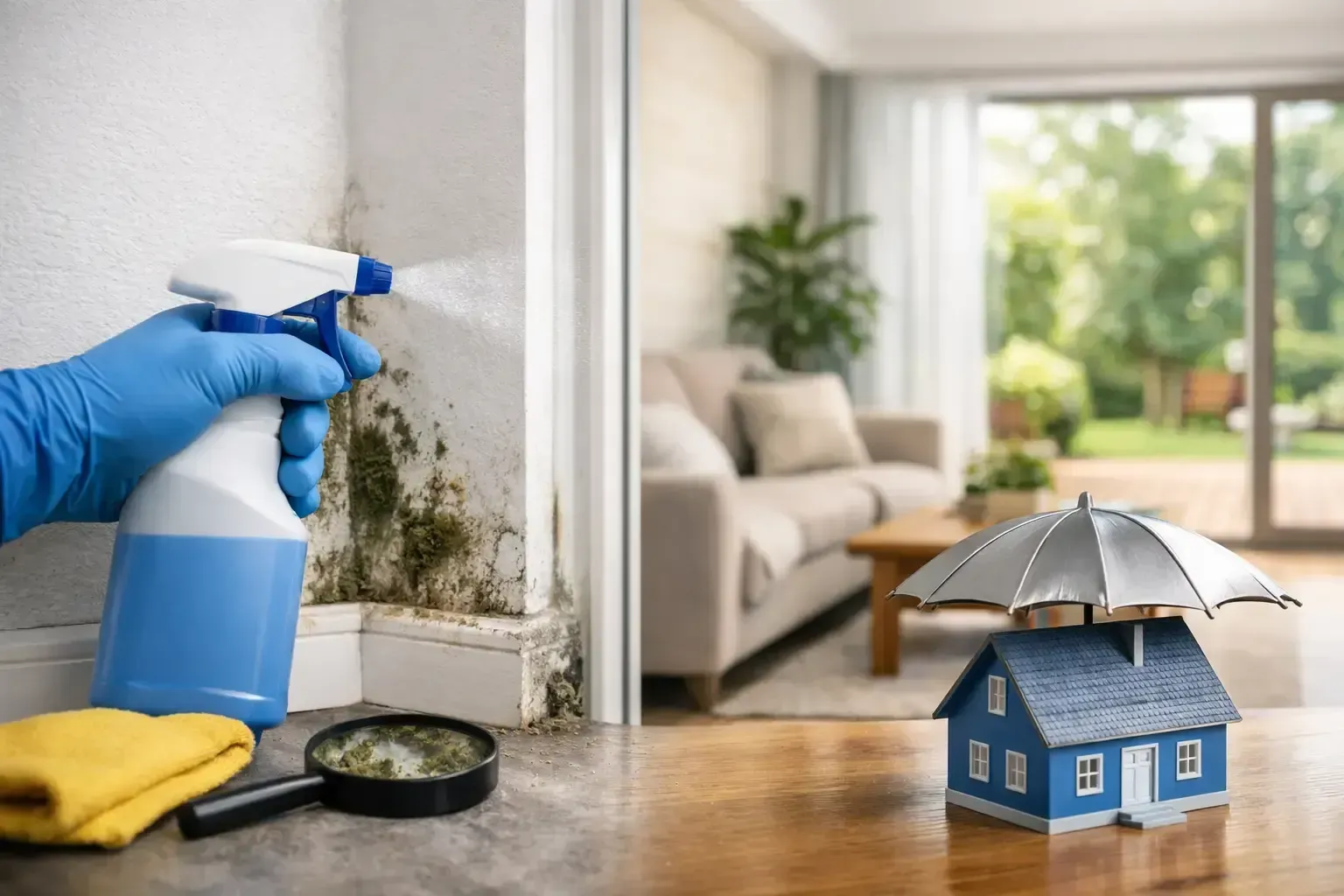
A small leak behind a cabinet, condensation on an air-conditioning duct, or a damp carpet after a storm can become a mold problem long before you see visible growth. Effective mold prevention is not about covering odors with cleaners or waiting for a dark spot to appear. It is about finding moisture quickly, controlling humidity, and correcting the building conditions that allow mold to grow.
For homeowners, landlords, property managers, and business owners, prevention protects more than surfaces. It helps protect indoor air quality, property value, tenant relationships, insurance documentation, and the people who spend time inside the building.
Mold Prevention Starts With Moisture Control
Mold needs moisture, a food source, and time. Most buildings already contain materials mold can feed on, including drywall paper, wood framing, carpet backing, dust, insulation, and stored cardboard. The practical way to interrupt growth is to control water and moisture before affected materials remain wet for too long.
A plumbing leak, roof leak, foundation intrusion, appliance overflow, sewage backup, or HVAC condensate issue should be treated as a building concern immediately. Drying the visible area is necessary, but it may not be enough. Water can travel below flooring, behind baseboards, inside wall cavities, and into insulation. A surface that feels dry can still conceal elevated moisture.
After a water event, prompt extraction, drying, and moisture verification matter. The longer materials remain wet, the greater the chance that mold growth, material deterioration, and unpleasant odors will develop. In Florida, high outdoor humidity and frequent heavy rain create persistent moisture pressure. In Kentucky, seasonal temperature swings can contribute to condensation, roof concerns, basement dampness, and frozen-pipe failures. The source may differ, but the prevention principle is the same: identify the moisture pathway and correct it.
Keep Indoor Humidity in a Safe Range
Humidity is one of the most overlooked mold risk factors. A building can have no obvious leak and still develop mold where humid air meets cooler surfaces. Common examples include supply vents, exterior walls, closets, window frames, bathrooms, and areas around poorly insulated ducts.
For most occupied properties, maintaining indoor relative humidity generally between 30% and 50% helps reduce the conditions that support mold. Readings that stay above 60% deserve attention, especially in closed rooms, vacant properties, or buildings with ongoing HVAC performance concerns.
Air conditioning is often the first line of humidity control in Florida. If the system is oversized, poorly maintained, short-cycling, or not operating long enough to remove moisture, the property may feel cool while humidity remains too high. Dirty drain pans, blocked condensate lines, damaged duct insulation, and air leaks around ducts can also introduce moisture where it does not belong.
Use bathroom exhaust fans during showers and for a period afterward. Vent clothes dryers outdoors, not into attics, garages, or crawlspaces. In areas with persistent dampness, a properly sized dehumidifier may help, but it is not a substitute for repairing leaks, correcting drainage, or addressing HVAC defects.
Watch the Spaces People Rarely Check
Mold frequently starts in places that receive little attention. Inspect under kitchen and bathroom sinks, behind washing machines, around water heaters, inside utility closets, near refrigerator water lines, and beneath window sills. Look in garages, attics, crawlspaces, storage rooms, and vacant units as well.
Property managers should include these locations in routine turnover and maintenance inspections. A vacant unit with air conditioning turned off or set too high can develop elevated humidity quickly in warm, humid weather. Likewise, stored belongings pushed against exterior walls can restrict airflow and hide condensation or water staining.
Signs worth investigating include a musty odor, peeling paint, bubbling drywall, warped baseboards, rust on metal fixtures, recurring stains, damp carpet edges, and condensation that returns after being wiped away. These conditions do not automatically confirm mold, but they do indicate that the moisture issue has not been resolved.
Prevent Water Intrusion From Outside
Water that enters from outdoors can create damage slowly and quietly. Roof leaks may begin as a small stain near a ceiling joint, while failing window seals can wet wall materials without producing an obvious puddle. Poor grading can direct rainwater toward the foundation, increasing the risk of crawlspace or basement moisture.
Keep gutters and downspouts clear, and direct discharge away from the building foundation. Repair damaged shingles, flashing, siding, caulking, windows, and door seals before repeated storms enlarge the problem. Check exterior penetrations around pipes, vents, electrical lines, and HVAC equipment. These small openings can allow wind-driven rain to enter wall assemblies.
Landscaping should not trap water against the structure. Sprinkler heads should be aimed away from exterior walls and windows, and irrigation schedules should be adjusted for rain. In commercial properties, pay close attention to roof drains, parapet walls, loading areas, mechanical rooms, and plumbing chases. A minor recurring intrusion in these areas can affect multiple suites or large sections of a building.
Respond Correctly When Water Damage Happens
Mold prevention after water damage depends on speed and documentation. Turn off the water source if it is safe to do so, protect occupants from electrical hazards, and move unaffected belongings away from wet materials. Do not assume that opening windows or placing a household fan in the room will adequately dry a significant loss.
The correct response depends on the source and extent of the water. Clean water from a controlled supply line presents different concerns than water from a sewage backup, toilet overflow, floodwater, or other contaminated source. Contaminated water may involve bacteria and sewage hazards in addition to moisture damage, requiring more controlled cleanup and appropriate protective measures.
Porous materials such as carpet padding, insulation, particleboard, and some drywall can be difficult to dry completely after extensive saturation. In those cases, removal may be more reliable than attempting to save materials that could retain moisture or contamination. The right decision depends on moisture readings, material condition, water category, how long the material was wet, and whether hidden areas are affected.
Keep records when the event involves an insurance claim, tenant concern, real estate transaction, or commercial liability issue. Photographs, dates, repair invoices, moisture documentation, and assessment reports can establish what occurred and what was done to correct it.
Do Not Rely on Appearance Alone
Visible mold is a reason to investigate, but the absence of visible growth does not prove the building is dry or unaffected. Mold can grow behind walls, under flooring, inside HVAC components, and above ceilings. Conversely, a stain or dark mark is not always mold. It may be dirt, old water staining, soot, or another material.
That distinction matters. Unnecessary demolition creates expense and disruption, while missed moisture can allow the problem to continue. A professional assessment can help determine whether there is evidence of active moisture, where it is coming from, what materials are affected, and whether sampling or laboratory analysis is appropriate.
Testing is especially useful when occupants report recurring odors or respiratory irritation, when there is a dispute about a property condition, after a known water event, before a real estate purchase, or when post-remediation verification is needed. Testing should support a clear investigation, not replace one. A meaningful result is paired with a thorough visual inspection, moisture assessment, building history, and an explanation of what the findings mean for the property.
Prevention Habits for Owners and Managers
The most reliable prevention plan is routine, not reactive. Check under sinks and around appliances monthly. Inspect roofs, gutters, exterior seals, and drainage before and after severe weather. Service HVAC systems regularly, including condensate components and filters. Keep indoor humidity monitored in buildings with a history of dampness, unoccupied units, or sensitive inventory.
For rental and commercial properties, make reporting easy. Tenants and staff should know to report leaks, overflowing fixtures, wet ceilings, musty odors, and condensation promptly. Delayed reporting turns small repairs into larger restoration projects and can make it harder to determine the original source.
Avoid using paint, caulk, fragrance products, or bleach as a way to hide a recurring issue. These measures may change the appearance or odor temporarily, but they do not stop moisture migration. The repair must address the cause, whether it is plumbing, drainage, roofing, ventilation, condensation, or an HVAC defect.
If a moisture problem keeps returning, a thorough assessment is often less costly than repeated cosmetic repairs. Hanes Environmental helps property owners and managers document moisture concerns, evaluate potential mold conditions, and make informed decisions based on clear findings. When your building gives you signs of water intrusion or persistent humidity, act while the issue is still manageable.
Recent Posts