Common Mistakes When Documenting Sewage Contamination
The quality of the report depends on the quality of the inspection. You want someone who understands moisture behavior, building materials, contamination categories, and the difference between visible damage and actual spread. The report should be direct, specific, and supported by field findings, not vague language.
It also helps to work with a company that can explain results in plain English. Technical accuracy matters, but so does communication. When people are dealing with damage to a home, rental, office, or investment property, they need answers they can act on.
In Florida and Kentucky, where weather, humidity, plumbing failures, and hidden moisture issues can all play a role, a thorough assessment is one of the smartest early steps you can take. Hanes Environmental provides that kind of clear, field-based reporting so property owners know what they are dealing with before the damage gets worse.
The sooner you replace assumptions with documented facts, the easier it becomes to protect the building, the people inside it, and the money it will take to set things right.
Why Interpretation Matters More Than the Lab Report Alone
If the property recently had a leak, flood, or AC overflow, timing matters. Testing too early can miss developing growth, while waiting too long can allow contamination to spread. In many cases, the first priority after water damage is drying and stabilizing the structure quickly. Once materials remain wet beyond a day or two, the risk of mold increases significantly.
After water damage, testing usually focuses on the affected materials, adjacent rooms, and HVAC impact if the system ran during the event. Moisture mapping is essential here. Water often travels farther than the visible stain suggests, especially under flooring and inside wall cavities.
If remediation has already been performed, post-remediation verification testing may be the next step. That type of testing checks whether contamination has been properly removed and whether the area is dry and ready for rebuild. For property owners, buyers, managers, and contractors, that documentation can be just as important as the initial diagnosis.

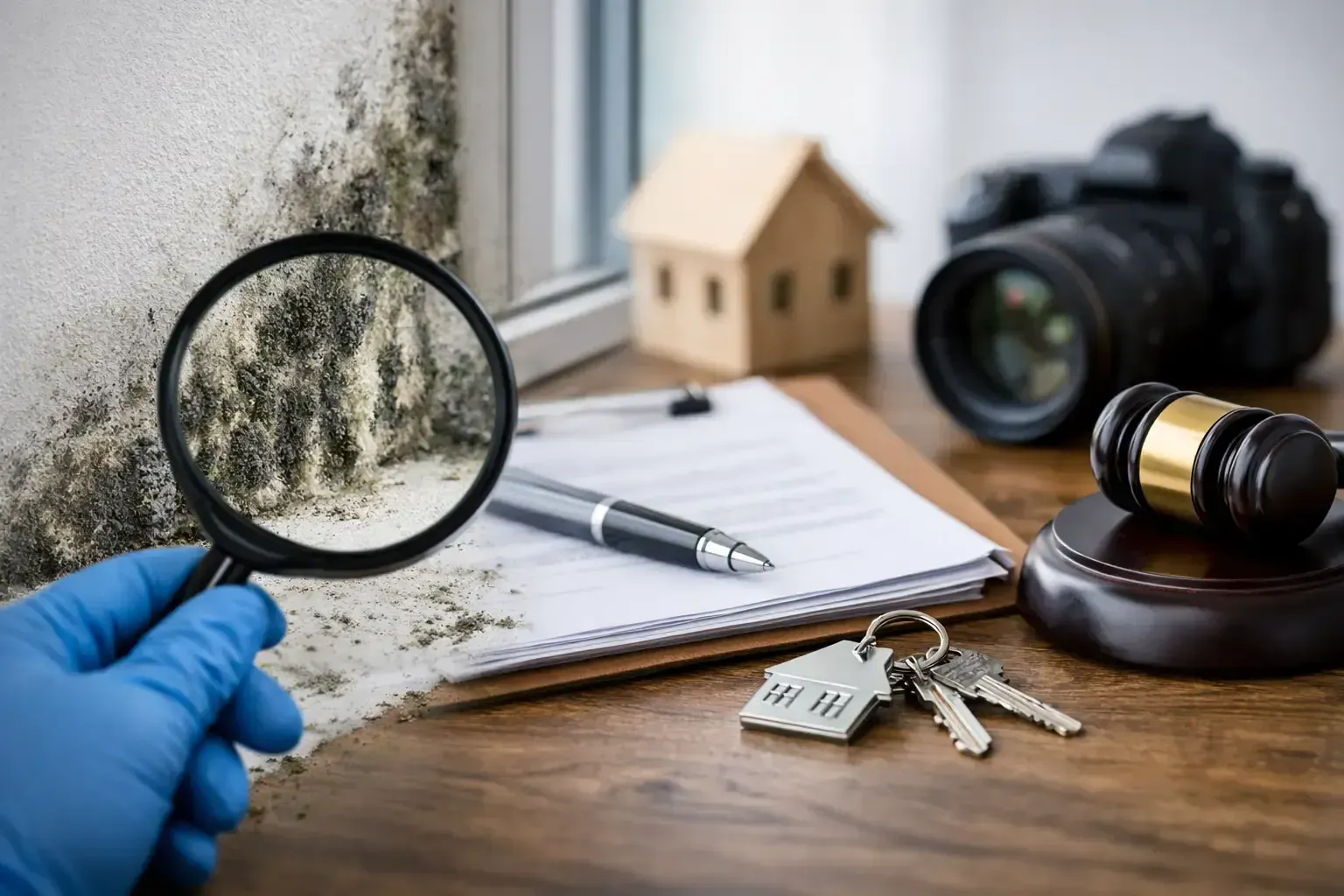
You usually do not start looking for mold because you are curious. You start because something is wrong - a musty room, a recent leak, visible staining, tenant complaints, or a real estate deal that suddenly feels less certain. This guide to mold sampling is built for that moment, when you need clear answers, not guesses.
Mold sampling can be useful, but it is not a magic shortcut. A good inspection still matters more than a lab report by itself. Sampling works best when it supports a thorough visual assessment, moisture investigation, and a clear understanding of the building history. If you skip those steps, even accurate samples can be misleading.
What Mold Sampling is Meant to Do
At its core, mold sampling helps answer specific questions about a property. It can help confirm whether mold growth is affecting indoor air, document conditions for a buyer or insurance file, compare impacted and non-impacted areas, or help verify whether cleanup was effective. It can also help identify hidden problems when there are odors or health complaints but little visible growth.
What it does not do is tell the whole story on its own. A sample cannot explain why mold is present, how far contamination extends inside walls or ceilings, or whether the moisture source has been corrected. That is why experienced assessors treat sampling as one part of a larger investigation.
A Guide to Mold Sampling Methods
Different situations call for different sample types. The right method depends on what you are trying to document, where the concern is located, and whether the problem appears active, hidden, or already remediated.
Air Sampling
Air samples are often used when people suspect mold exposure in occupied spaces, especially if there is a persistent odor, recent water damage, or concern about mold behind building materials. The sample captures airborne spores and sends them to a lab for analysis.
This method can be helpful, but it has limits. Air quality changes throughout the day based on HVAC operation, open doors, occupant movement, humidity, and outdoor conditions. A clean-looking air sample does not always mean there is no hidden mold, and an elevated result does not always tell you exactly where the source is. Air sampling is most useful when paired with indoor and outdoor comparison samples and a solid property inspection.
Surface Sampling
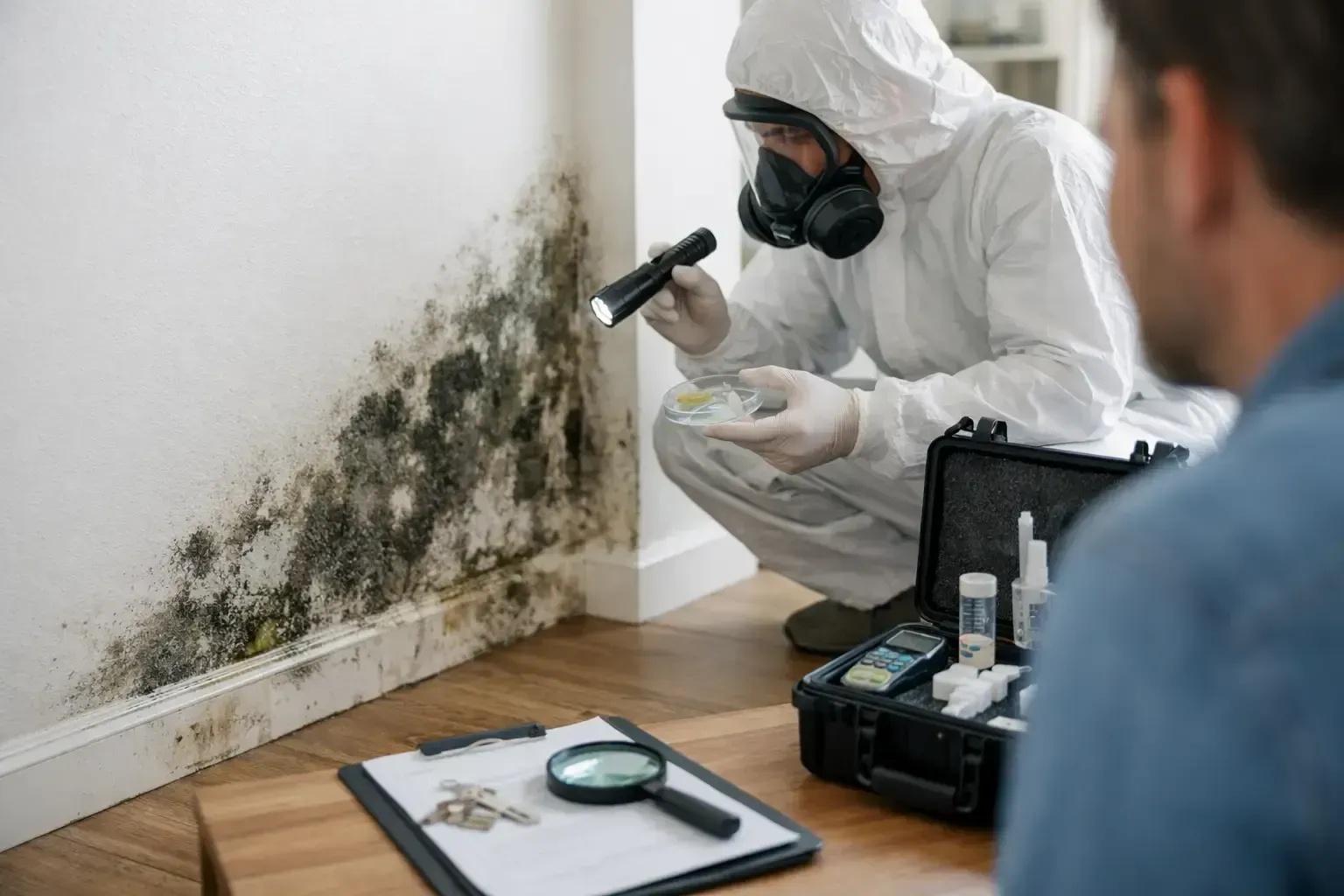
Surface samples are taken directly from visible suspect material. This may involve a tape lift, swab, or other collection method depending on the surface and the condition of the material.
This type of sampling is often used to identify whether visible growth is mold and, if so, what general type is present. It can also help document contamination on contents, framing, drywall, or HVAC components. Surface testing is straightforward, but it only tells you about the exact area sampled. It does not measure what is in the air or define the full extent of a hidden problem.
Bulk sampling
Bulk samples involve removing a small piece of affected material such as drywall, insulation, carpet, or wood for lab analysis. This is usually reserved for cases where material condition matters, where hidden contamination is suspected, or where a more direct material-based result is needed.
Bulk sampling can be very useful in commercial, industrial, or disputed property conditions, but it is more invasive than other methods. That means it should be selected carefully and only when the results will actually support a decision.
When Mold Sampling Makes Sense
There are times when testing adds real value, and times when it adds cost without changing the next step.
Sampling is often worthwhile after a plumbing leak, roof leak, storm intrusion, HVAC condensation issue, or long-term humidity problem. It is also helpful during real estate transactions, landlord-tenant disputes, post-remediation verification, and situations involving medical concern or documentation needs. In those cases, defensible lab-backed findings can help property owners make decisions and protect themselves.
On the other hand, if you already have obvious visible mold growth and obvious water damage, the first priority may be correcting the moisture source and planning proper remediation. Testing may still be appropriate for documentation, but the presence of mold is already established. In plain terms, you do not always need a lab to confirm what your eyes and a trained inspection already show.
What Happens During a Professional Mold Sampling Visit
A proper visit should begin with questions. When did the odor start? Was there a leak? Has cleanup already been attempted? Are there health complaints in one area or throughout the building? A reliable assessment starts with building history because moisture problems leave patterns.
Next comes the inspection. That includes visible conditions, water damage indicators, ventilation concerns, humidity conditions, and likely moisture pathways. In many cases, moisture meters, thermal imaging, or both help narrow down where further investigation is needed.
Only then should sampling locations be selected. That decision should be intentional, not random. Samples need context. One air sample in the middle of a house without comparison points may not tell much. Multiple targeted samples, chosen for a reason, are more likely to produce useful results.
After collection, samples are sent to a laboratory for analysis. The final report should explain the findings in plain language, not just hand over raw counts and species names. Good reporting connects the results back to the property conditions and outlines what actions make sense next.
How to Read Mold Sampling Results Without Overreacting
This is where many property owners get stuck. They receive a report with spore counts, genera names, and technical language that sounds alarming. Context matters.
Some mold spores are common in normal outdoor air, and small amounts can appear indoors as well. The concern rises when indoor samples show elevated levels, unusual spore types, or patterns that suggest active amplification inside the building. Surface samples showing mold growth on building materials also need to be interpreted alongside moisture findings and visible damage.
The key question is not just, Is mold present? Mold is common in the environment. The better questions are whether it is actively growing indoors, whether occupants are being exposed, whether materials are contaminated, and what conditions are allowing it to continue.
That is why experienced interpretation matters. A report without explanation can cause either false panic or false reassurance.
Common Mistakes People Make With Mold Sampling
One common mistake is relying on store-bought test kits. These kits may collect something, but they rarely provide the inspection context needed to make decisions. Many also produce results that are easy to misread.
Another mistake is testing before looking for the moisture source. Mold follows water. If the source is missed, sampling may confirm contamination but still leave the actual problem in place.
A third mistake is assuming one negative sample clears the whole property. Mold growth can be isolated, hidden, or intermittent in its effect on indoor air. Sampling strategy matters. So does timing.
There is also the opposite problem - overtesting. Not every room needs multiple samples. Not every visible spot needs lab confirmation. Good assessment means knowing when testing will help and when it will not change the outcome.
Why Professional Sampling is Different
Professional mold sampling is not just about collecting a specimen. It is about knowing where to sample, when to sample, and how to connect the result to building conditions. That takes field experience.
For homeowners, that means fewer guesses. For property managers and business owners, it means documentation that can support maintenance decisions, tenant communication, and liability reduction. For buyers, sellers, and real estate professionals, it means a clearer understanding of risk before a transaction moves forward.
An experienced company such as Hanes Environmental
approaches sampling as part of a broader environmental assessment, with attention to moisture intrusion, indoor air quality, and the practical steps needed after results come back. That approach is what turns testing into something useful.
The Real Goal of a Guide to Mold Sampling
The real goal is not to generate a report. It is to protect the property and the people in it. Sometimes sampling confirms a manageable issue in one area. Sometimes it reveals a larger moisture-driven condition that needs immediate attention. Sometimes it helps verify that remediation was successful and the space is ready to return to normal use.
If you suspect mold, the smartest next step is not to assume the worst or ignore the signs. It is to get the right level of inspection and testing for the situation you actually have. Clear answers tend to lower stress, and they put you in a better position to fix the problem the right way.
Recent Posts