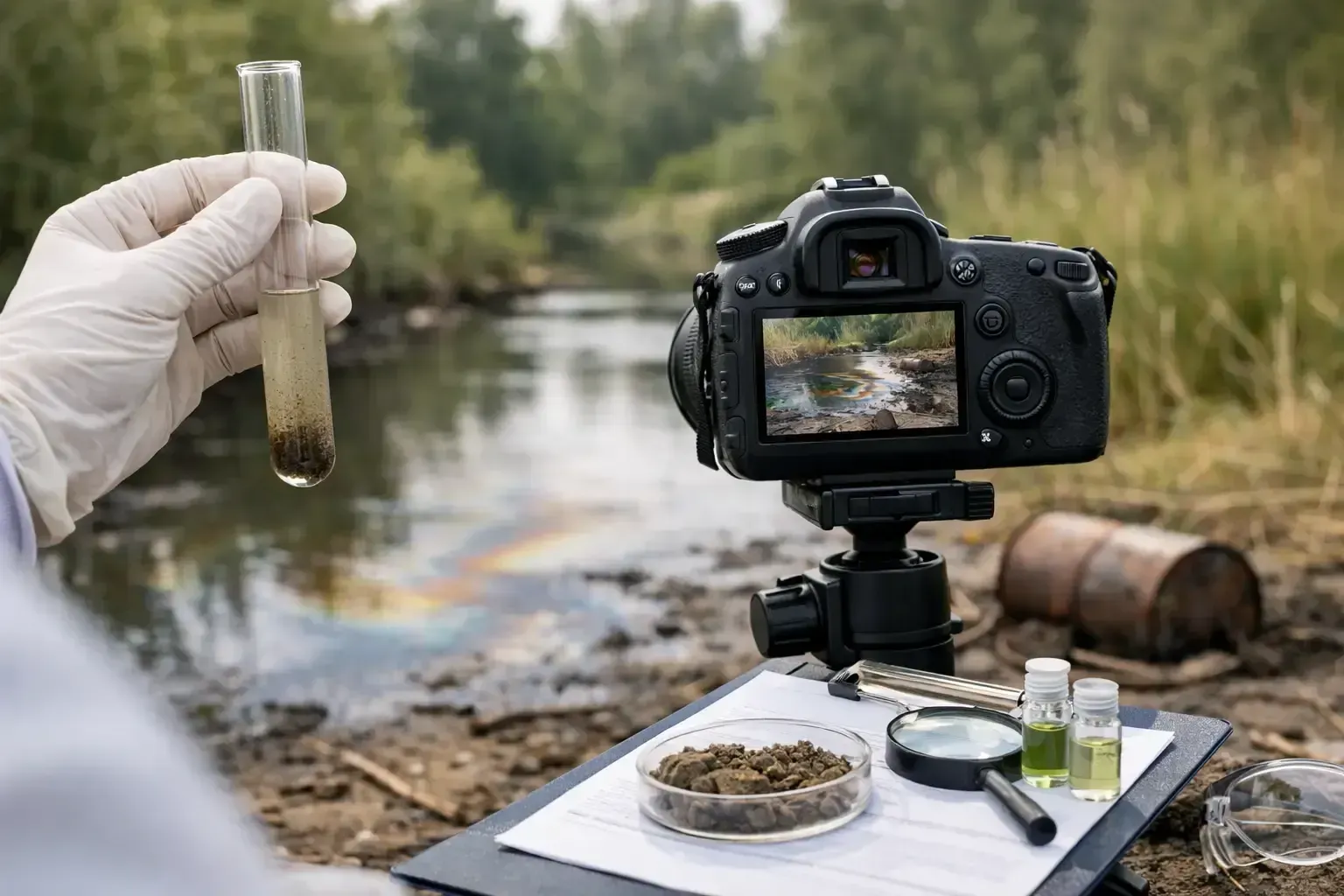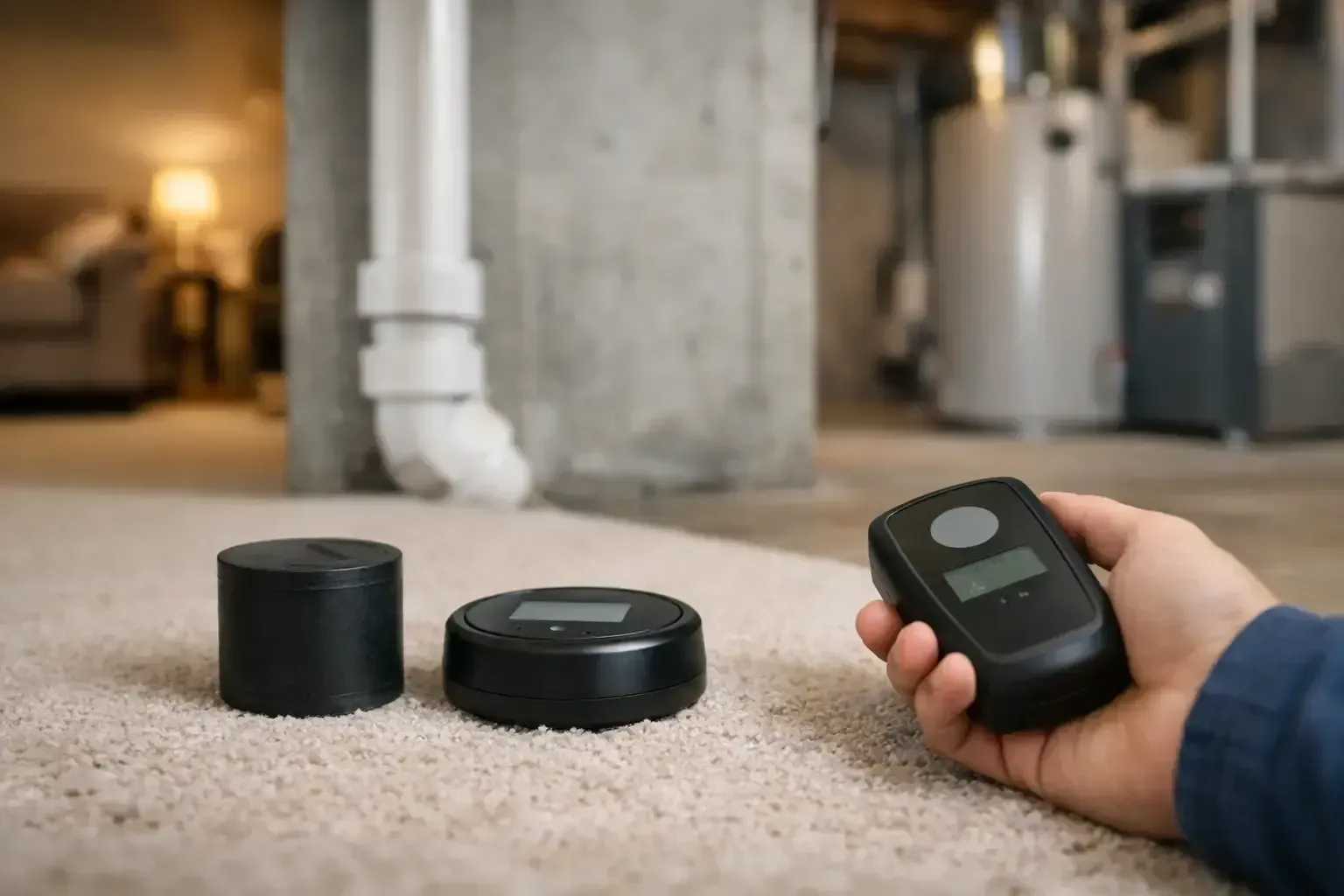
Common Mistakes When Documenting Sewage Contamination
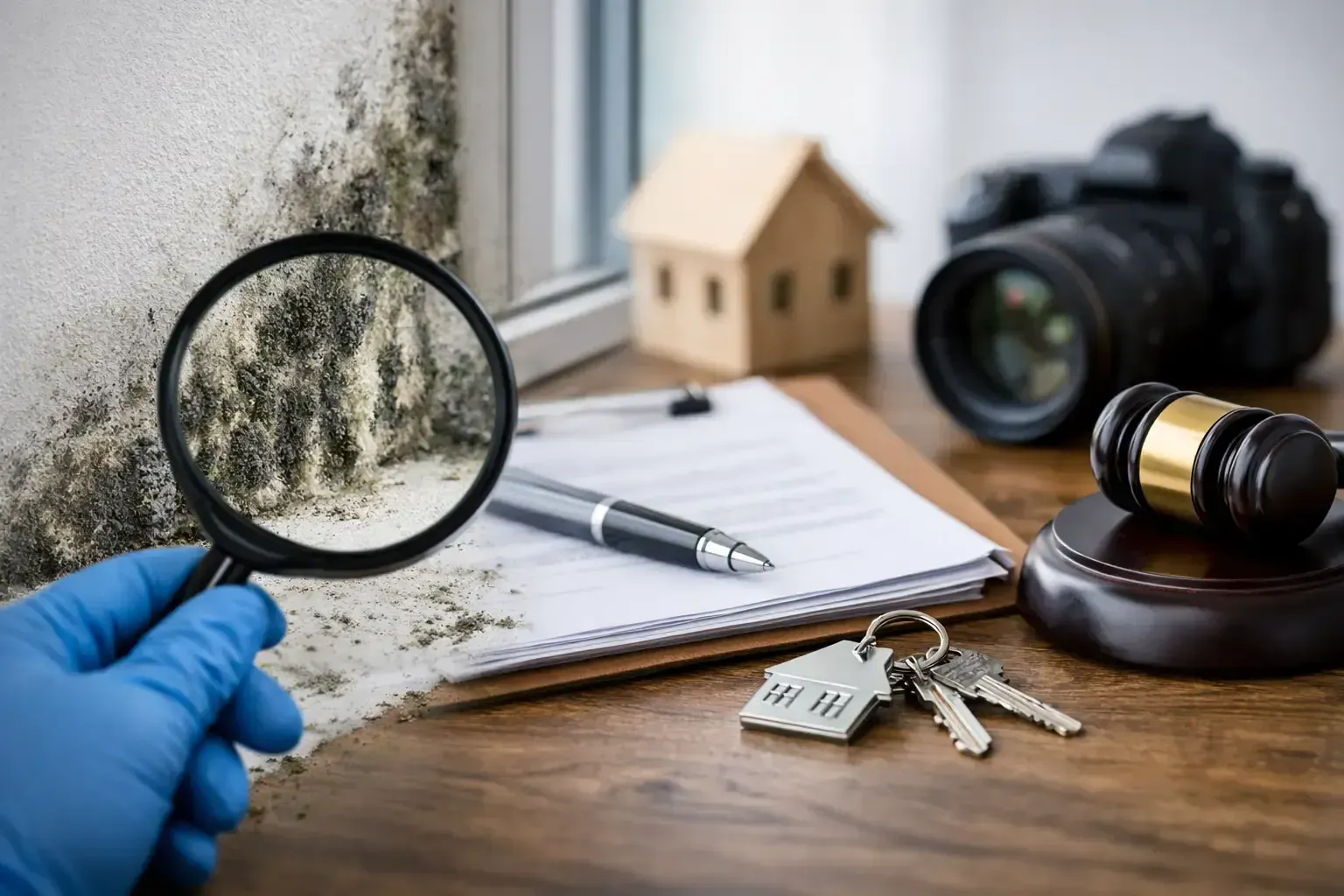
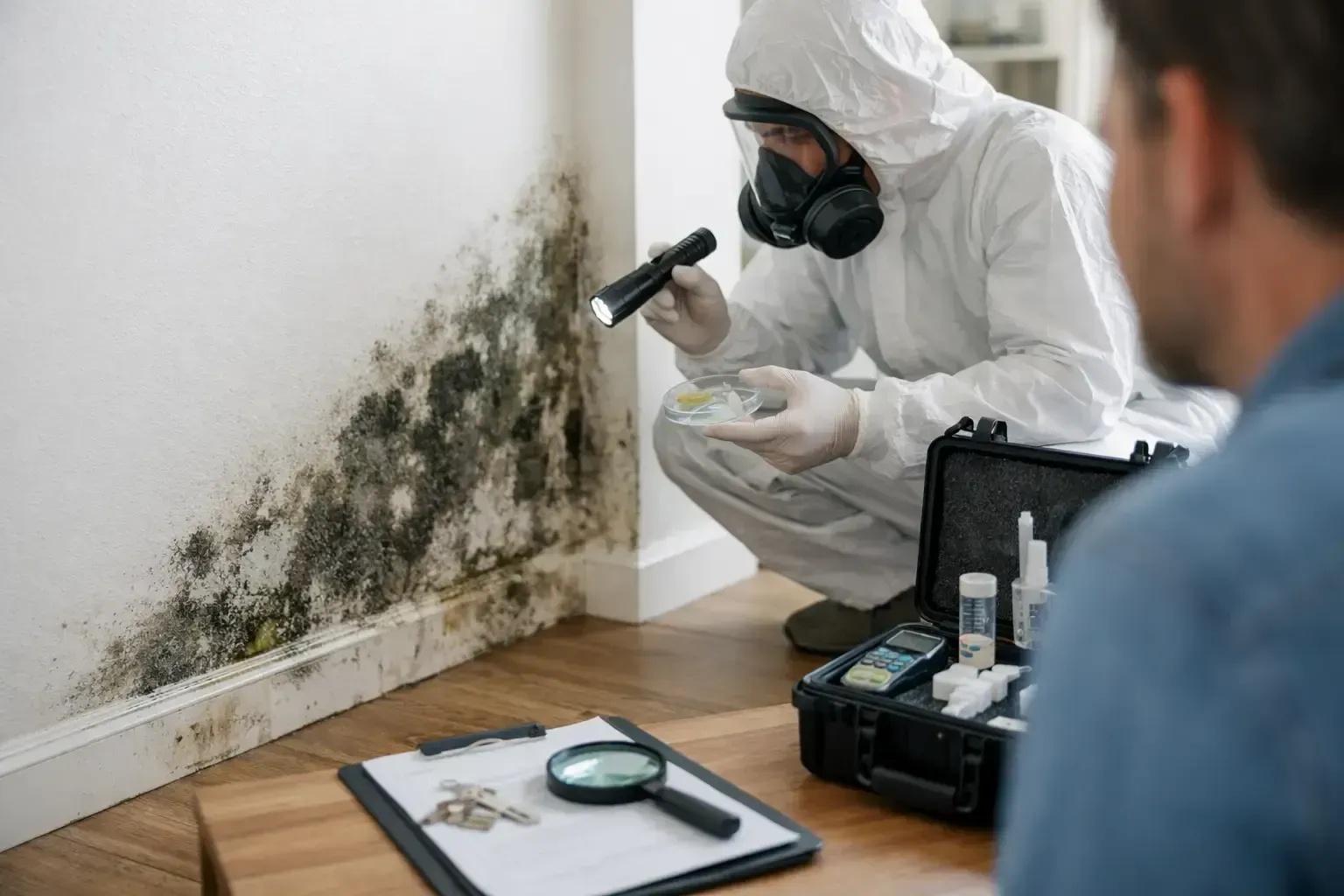
The quality of the report depends on the quality of the inspection. You want someone who understands moisture behavior, building materials, contamination categories, and the difference between visible damage and actual spread. The report should be direct, specific, and supported by field findings, not vague language.
It also helps to work with a company that can explain results in plain English. Technical accuracy matters, but so does communication. When people are dealing with damage to a home, rental, office, or investment property, they need answers they can act on.
In Florida and Kentucky, where weather, humidity, plumbing failures, and hidden moisture issues can all play a role, a thorough assessment is one of the smartest early steps you can take. Hanes Environmental provides that kind of clear, field-based reporting so property owners know what they are dealing with before the damage gets worse.
The sooner you replace assumptions with documented facts, the easier it becomes to protect the building, the people inside it, and the money it will take to set things right.
Why Interpretation Matters More Than the Lab Report Alone
If the property recently had a leak, flood, or AC overflow, timing matters. Testing too early can miss developing growth, while waiting too long can allow contamination to spread. In many cases, the first priority after water damage is drying and stabilizing the structure quickly. Once materials remain wet beyond a day or two, the risk of mold increases significantly.
After water damage, testing usually focuses on the affected materials, adjacent rooms, and HVAC impact if the system ran during the event. Moisture mapping is essential here. Water often travels farther than the visible stain suggests, especially under flooring and inside wall cavities.
If remediation has already been performed, post-remediation verification testing may be the next step. That type of testing checks whether contamination has been properly removed and whether the area is dry and ready for rebuild. For property owners, buyers, managers, and contractors, that documentation can be just as important as the initial diagnosis.
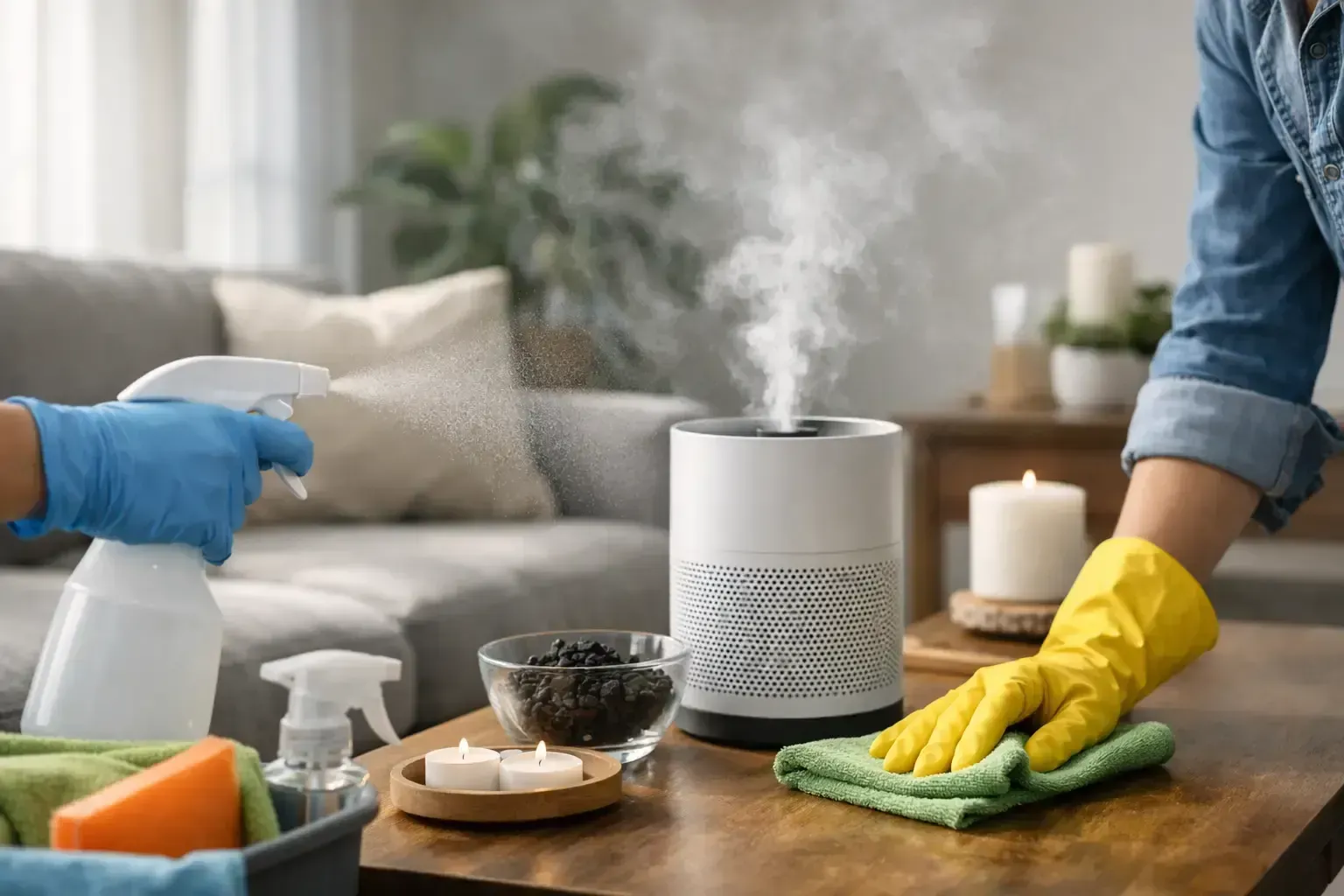
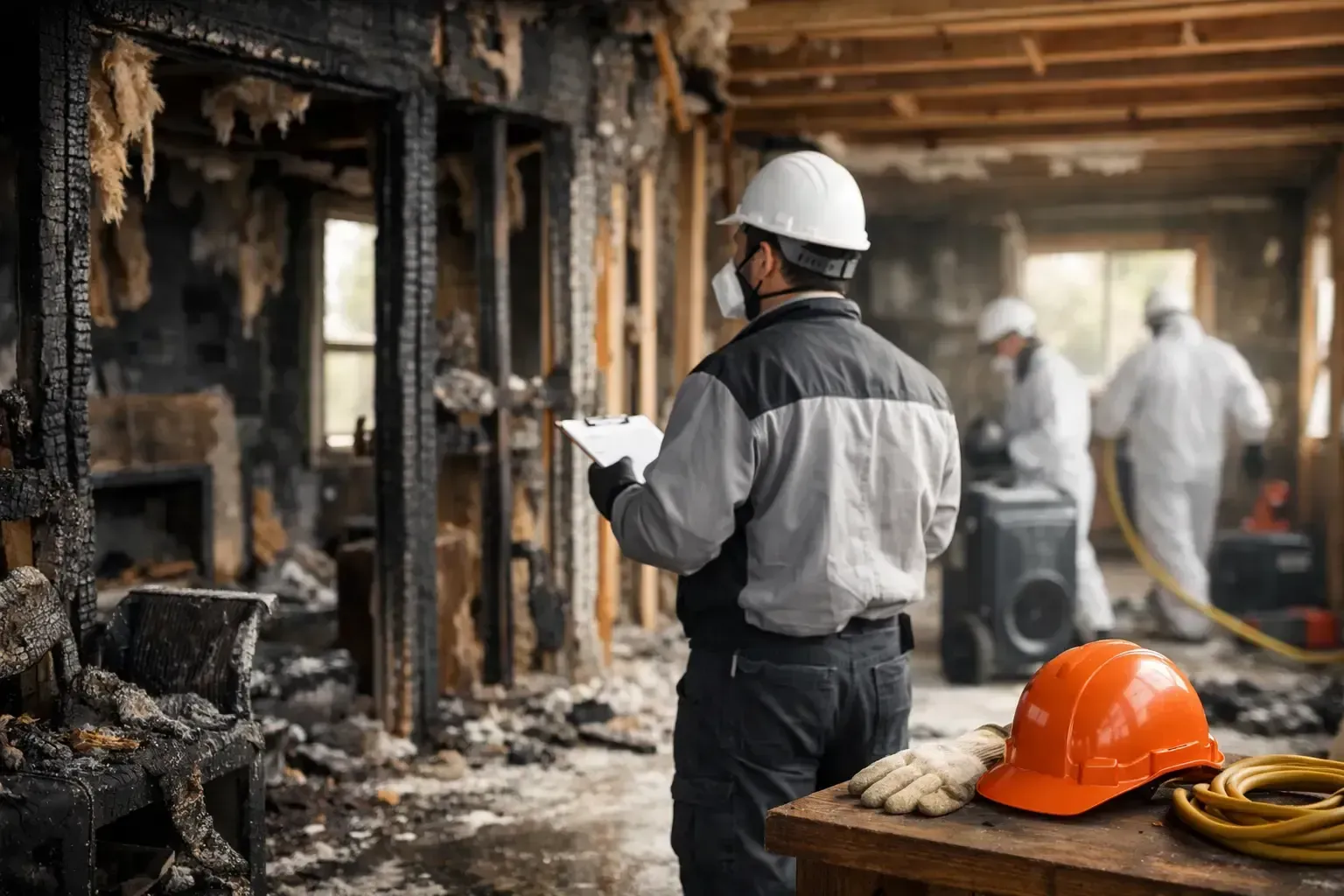
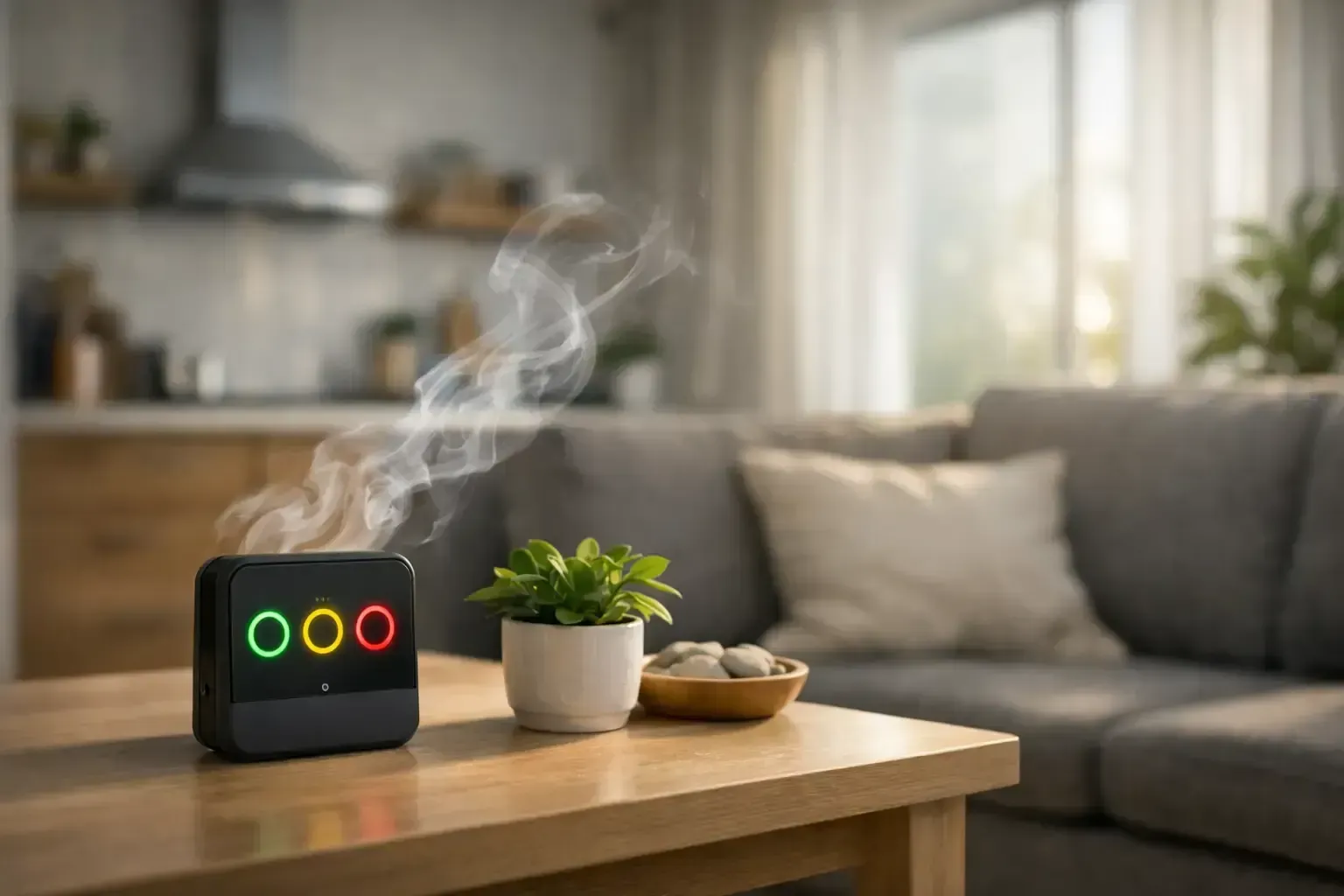
That stale smoke smell tells you something important - residue is still in the property. If you are trying to figure out how to clean smoke odor safely, the goal is not to cover it up with fragrance. The goal is to remove the particles and residues that keep releasing odor into the air.
Smoke odor can come from a house fire, a kitchen flare-up, a fireplace problem, cigarette smoke, or even a neighboring unit in a multi-family building. The source matters because different types of smoke leave different residues. Dry smoke, wet smoke, protein residue from cooking fires, and tobacco contamination do not behave the same way, and using the wrong cleaning method can spread residue further or damage surfaces.
Why Smoke Odor Lingers
Smoke is made up of extremely small particles, gases, and sticky residues that settle into porous materials. That includes drywall, wood trim, insulation, carpet, upholstery, clothing, and HVAC components. Even when visible soot is gone, hidden contamination can remain inside air vents, behind outlet covers, or in unfinished building cavities.
This is why odor often returns after a quick cleanup. If the particles were not fully removed, normal humidity changes and airflow can reactivate the smell. In some cases, what people call smoke odor is actually a mix of soot residue, burned synthetic materials, and elevated VOCs. That can create an
indoor air quality concern, not just a nuisance odor.
How to Clean Smoke Odor Safely Without Making It Worse
The first step is to control exposure. If there was a recent fire, especially one involving plastics, wiring, insulation, or appliances, treat the area as potentially contaminated until it has been properly assessed. Wear gloves, eye protection, and at minimum a well-fitted respirator rated for fine particles if you are handling soot or cleaning smoke-damaged materials. A basic dust mask is usually not enough.
Before scrubbing anything, dry remove loose residue. Use a HEPA vacuum on floors, windowsills, ledges, and upholstery where appropriate. Standard vacuums can blow fine particles back into the air. Avoid sweeping dry soot with a broom. That usually spreads contamination and increases airborne particles.
Ventilation helps, but it has limits. Opening windows can reduce some odor temporarily, especially after light cooking smoke, but outside humidity and temperature can also make odors more noticeable. If smoke entered the HVAC system, simply opening windows will not solve the problem.
Start With the Source, Not the Smell
If a burned pan caused the odor, remove the pan and any charred debris first. If cigarettes are the source, remove ashtrays, nicotine-stained filters, and heavily contaminated soft goods. After a fire event, identify which rooms were directly affected and which areas may have been exposed through return air ducts or pressure changes.
This matters because deodorizing sprays and foggers can mask the problem while leaving residue behind. In a home sale, rental turnover, or insurance claim, that often leads to complaints later. Odor removal is only reliable when source contamination is addressed.
Cleaning Walls, Ceilings, and Hard Surfaces
Hard surfaces usually need more than one pass. Start by HEPA vacuuming first if soot is present. Then use the right cleaner for the residue type. In many cases, a mild detergent solution or specialized smoke residue cleaner is appropriate for sealed walls, painted trim, tile, metal, and non-porous surfaces.
Test a small area before full cleaning. Aggressive scrubbing can smear oily residue, strip paint, or drive contaminants deeper into textured surfaces. Flat paint, acoustic ceilings, and unfinished wood are especially vulnerable. If staining or odor remains after careful surface cleaning, the material may need sealing or replacement rather than repeated washing.
Tobacco smoke is its own category. Nicotine and tar leave yellow-brown films that cling to walls, cabinets, blinds, and windows. Those residues often require repeated cleaning with a degreasing approach. If the smell is heavy and longstanding, repainting without proper cleaning and odor-blocking primer usually fails.
Be Careful With Bleach and Household Mixtures
Bleach is not a universal smoke cleaner. It can discolor surfaces, react poorly with other chemicals, and create irritating fumes in enclosed areas. Mixing bleach with ammonia or acidic cleaners is dangerous. For most smoke odor situations, residue removal and proper material-specific cleaning are more effective than harsh chemical use.
Fabrics, Carpet, and Upholstered Furniture
Soft materials hold odor longer because smoke particles settle deep into fibers and padding. Washable clothing, curtains, and bedding should be laundered as soon as possible. More than one wash cycle may be needed. Items that remain smoky after repeated washing may need professional textile cleaning or disposal.
Carpet can sometimes be restored after light smoke exposure, but heavy contamination is different. The carpet face may look acceptable while the pad underneath continues releasing odor. The same issue applies to upholstered furniture. If soot reached the inner cushion or backing, surface cleaning alone rarely solves it.
A common mistake is soaking fabrics with scented products. That often creates a stronger, more unpleasant mixed odor. The safer path is controlled cleaning, HEPA vacuuming, and evaluation of whether the material is salvageable. Some porous contents simply cost more to chase than they are worth to restore.
Don’t Forget the HVAC System
If the property smelled better for a day and then the odor came back when the air conditioner started, the HVAC system may be involved. Smoke particles can collect in return ducts, on coils, inside the air handler, and on filters. Every time the system runs, it can redistribute odor and fine residue.
Change the HVAC filter, but do not assume that solves the issue. In light cases, a filter replacement and coil inspection may be enough. In heavier contamination, the system may require cleaning and assessment by qualified professionals. This is especially important in commercial buildings, apartments, and homes with occupants who have asthma or other respiratory sensitivities.
Ozone, Fogging, and Other Odor Treatments
People often ask for the fastest treatment available. Ozone machines and thermal fogging are common examples. These can have a place in professional restoration, but they are not first-step DIY tools, and they are not risk-free.
Ozone can irritate the lungs and should not be used around occupants, pets, or plants. It also does not replace physical cleaning. If residue is still on surfaces or embedded in materials, the odor can return. Fogging can help neutralize odor in inaccessible areas, but it works best after contamination has already been removed. Used too early, it can create a false sense that the property is clean when it is not.
When Smoke Odor Points to a Bigger Indoor Air Problem
Sometimes odor is the visible part of a larger issue. After a fire or smoke event, there may be hidden soot, carbonaceous particles, or chemical residues that affect indoor air quality. This is especially true if synthetic materials burned, the HVAC system ran during the event, or occupants report headaches, throat irritation, coughing, or persistent odor despite cleanup.
That is when testing becomes valuable. A professional assessment can help determine whether the problem is surface residue, HVAC contamination, or a broader air quality issue. For property managers, business owners, and real estate professionals, documented findings also help support repair scope, tenant communication, and insurance discussions.
When to Stop Cleaning and Call for Help
There is a point where more scrubbing does not improve the result. If smoke odor remains after proper cleaning, if soot keeps appearing around vents or surfaces, or if porous materials were heavily exposed, the property may need a more thorough restoration plan. The same is true if the affected area includes electronics, insulation, crawlspaces, attics, or multiple connected rooms.
Professional help is also the safer move when children, older adults, or medically sensitive occupants are involved. What smells mild to one person may still represent an unhealthy environment for another. Companies like Hanes Environmental work with homeowners, property managers, and commercial clients who need clear answers about contamination, not guesses.
A Practical Rule for Safe Smoke Odor Cleanup
If the odor is light, recent, and clearly tied to a limited event like cooking smoke, basic cleaning and ventilation may solve it. If the odor is strong, widespread, or keeps returning, assume hidden residue remains until proven otherwise. That approach protects both the building and the people inside it.
Smoke odor is stubborn because it attaches itself to materials you cannot fully inspect with the naked eye. Clean what can be cleaned, remove what cannot, and treat recurring odor as a sign that more investigation is needed. A property does not need to smell burned to still have smoke contamination.
Recent Posts