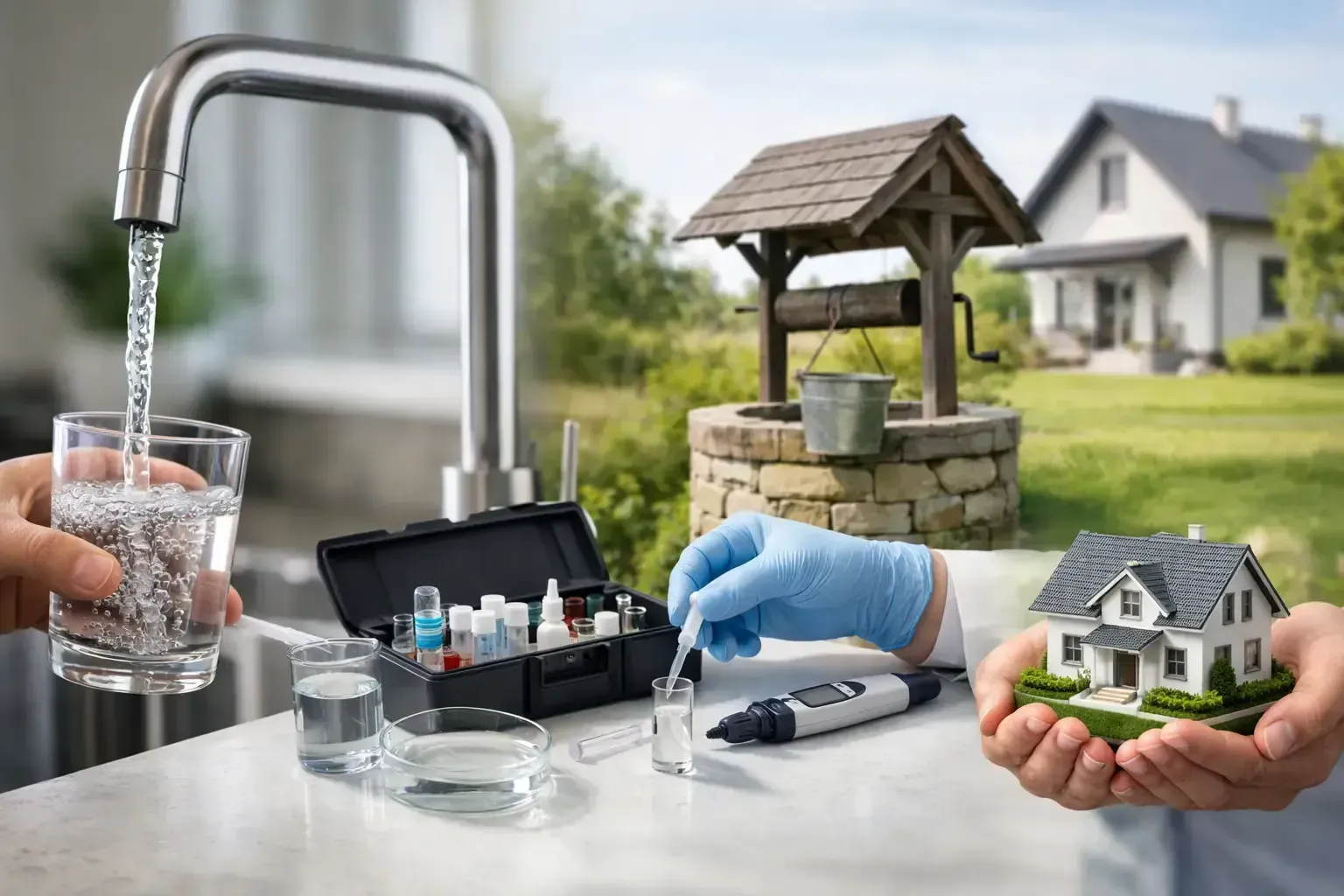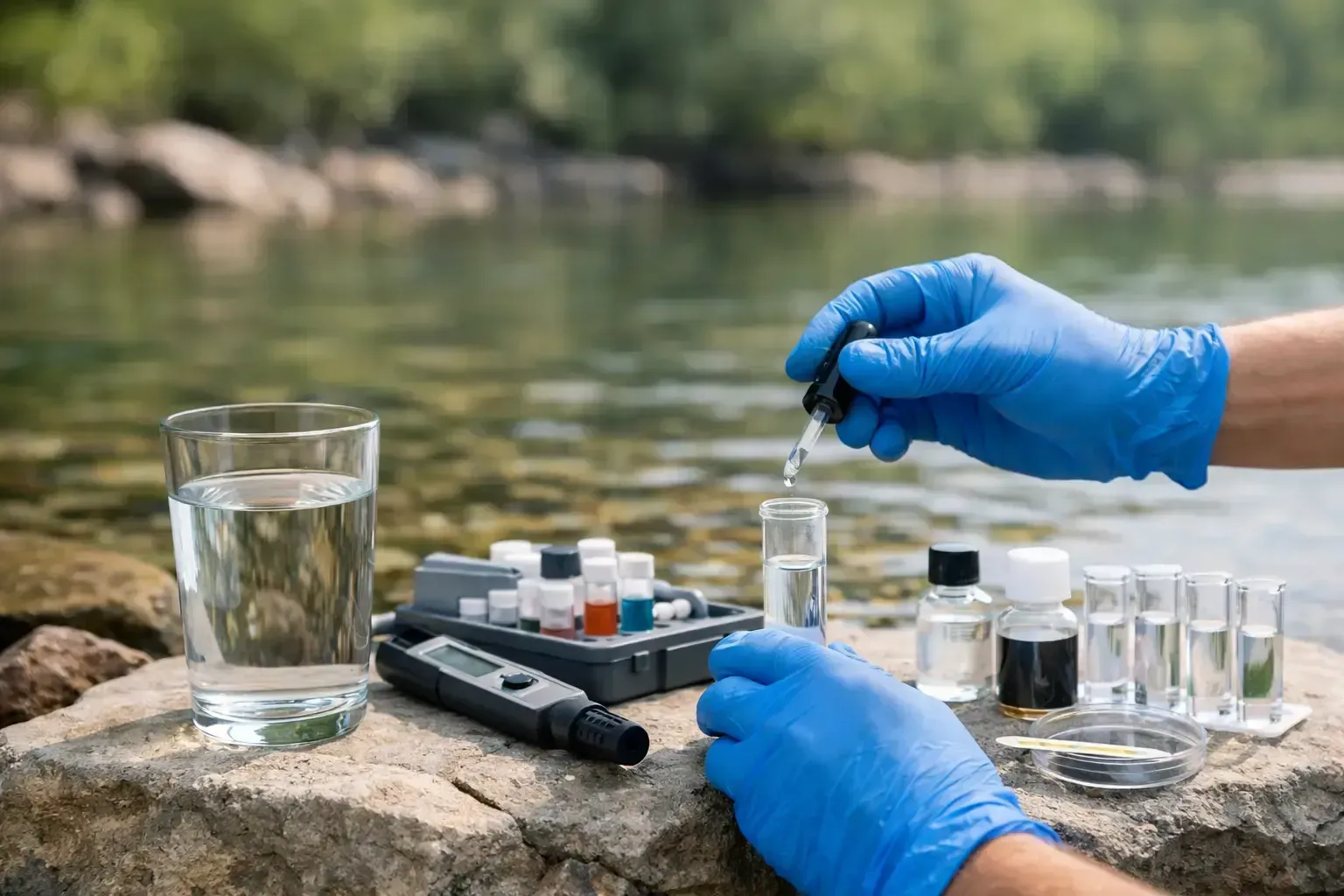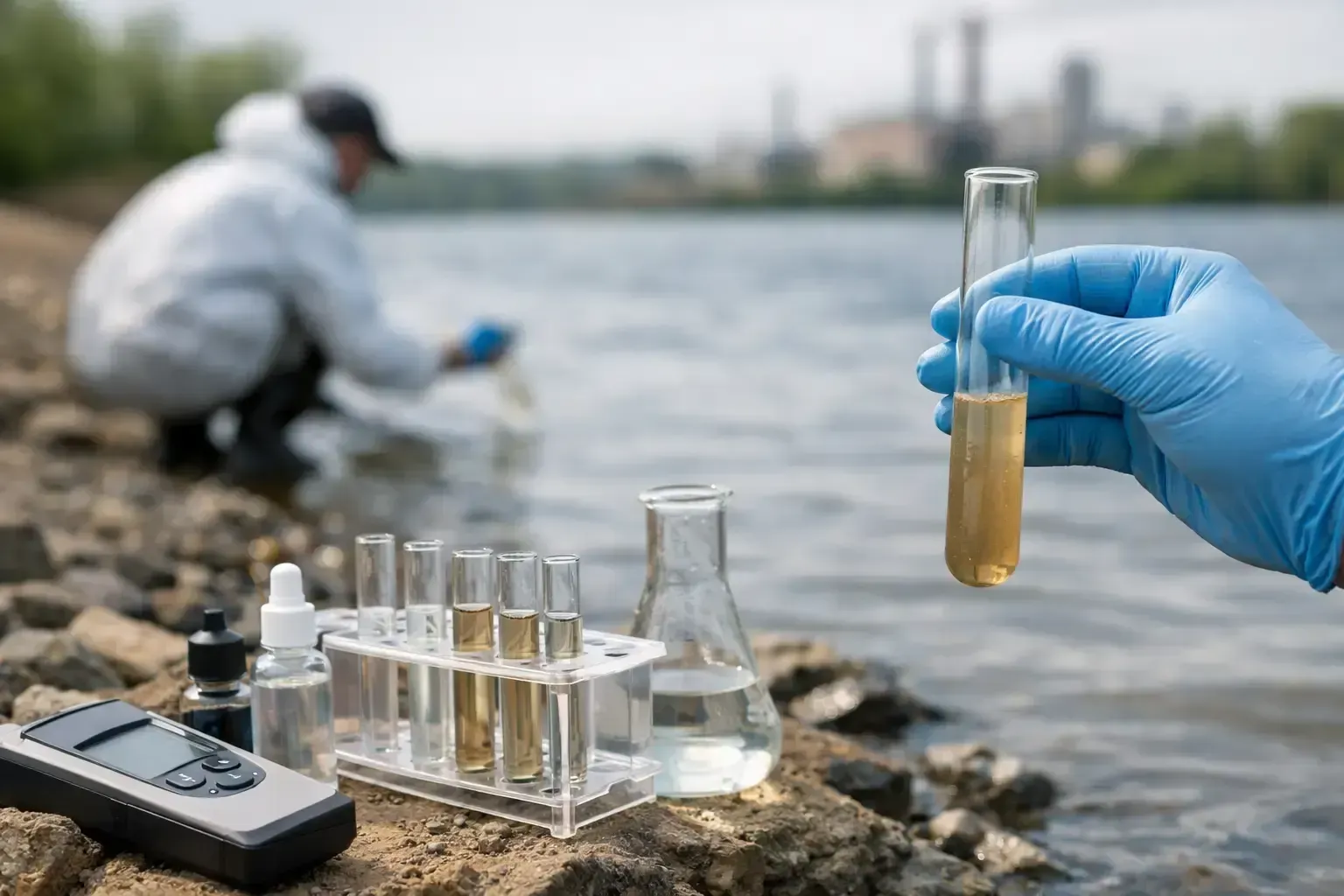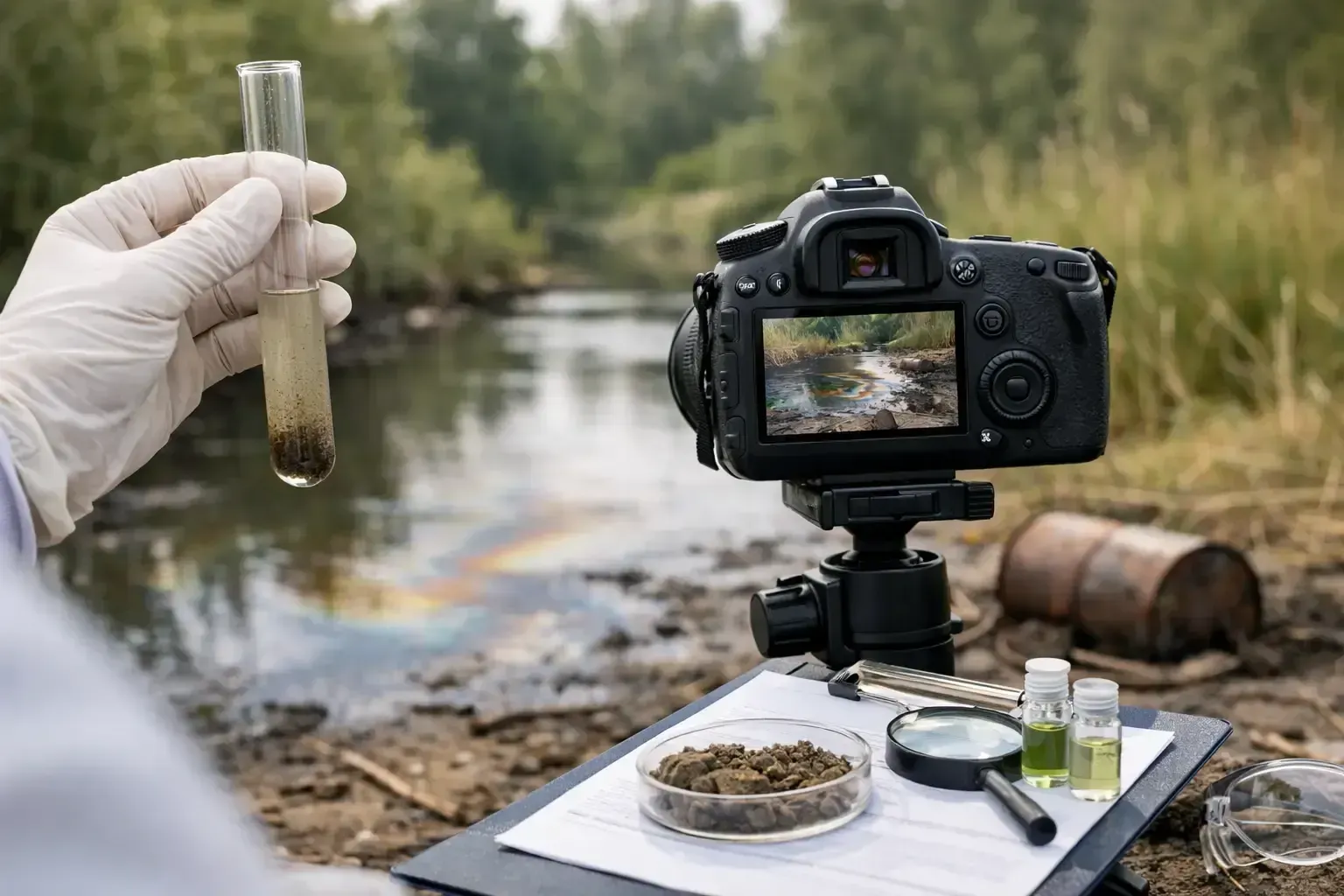
A glass of water can look clean, smell normal, and still fail a bacteria test. That is why bacteria water testing for home safety matters more than most people realize. When bacteria are present in a private well, after plumbing work, or following flooding or sewage exposure, the risk is not always visible. Testing gives you documented answers instead of guesswork.
For homeowners, landlords, buyers, and property managers, that difference matters. If someone in the property is getting sick, if a real estate transaction depends on water quality, or if a well has gone years without inspection, waiting is rarely the smart move. The goal is simple - find out whether the water is bacteriologically safe and, if it is not, identify the next step quickly.
What Bacteria Water Testing for Home Actually Checks
Most residential bacteria testing is not trying to identify every possible microorganism in water. The first line of testing typically looks for total coliform bacteria and E. coli. These are indicator organisms. Their presence does not always mean every glass of water will cause illness, but it does show that the water system may be vulnerable to contamination.
Total coliform bacteria are commonly found in soil, vegetation, and the environment. A positive result can point to an issue with the well cap, casing, plumbing, sample collection method, or another pathway that allowed contamination into the system. E. coli is more serious. Its presence suggests fecal contamination and raises a stronger health concern.
This distinction matters because the response is not always the same. A total coliform result may require follow-up investigation, corrective action, and retesting. An E. coli result calls for a more urgent response, often including immediate restrictions on using the water for drinking or cooking until the issue is addressed and confirmed resolved by repeat testing.
When Home Water Should Be Tested for Bacteria
Some homes should be tested on a routine basis, and others need testing because something changed. Private well owners should not assume the water stays safe year after year just because it has never caused an obvious problem. Wells can be affected by heavy rain, surface runoff, nearby septic failures, aging components, or construction activity.
Testing is especially appropriate after flooding, storm damage, plumbing repairs, pump replacement, well servicing, or any event that opens the system. It is also common before a home sale, during FHA or VA loan requirements, when a property has been vacant, or when a tenant reports concerns about water quality.
There are also symptom-based situations. If the water has a new odor, a sudden change in clarity, or if people in the property have unexplained gastrointestinal symptoms, bacteria testing is worth considering. The same is true after any sewage backup or cross-contamination event inside the structure.
Why Appearance is a Poor Safety Test
People often rely on taste, smell, or color to judge water. That is understandable, but it is not reliable for bacterial contamination. Some unsafe water looks completely normal, while some water with staining or mineral content may be unpleasant but not bacteriologically unsafe.
Bacteria are a lab issue, not a visual inspection issue. You can inspect the condition of a wellhead, plumbing system, or pressure tank and still need proper sampling to know what is happening in the water. This is one reason accurate collection methods matter so much. A bad sample can create false confidence or unnecessary alarm.
Home Test Kits Versus Professional Testing
Home test kits can be useful for basic screening, but they have limits. They are often chosen because they feel faster and cheaper. In some cases, that is fine for personal awareness. But if the result will affect a real estate transaction, a lending requirement, a tenant dispute, an insurance matter, or a health-driven contamination concern, professional sampling and laboratory-supported analysis are the stronger path.
The biggest issue is sample integrity. Bacteria testing depends on clean technique, proper containers, correct holding times, and careful handling. A sample can be contaminated during collection from dirty hands, the faucet aerator, an improperly disinfected tap, or the wrong sampling location. It can also be compromised if it sits too long before it reaches the lab.
That is where professional field experience matters. An experienced environmental tester knows how to select the right collection point, reduce sample error, and document the process clearly. For many property owners, that documentation is just as important as the result itself.
What Happens During Professional Bacteria Water Testing for Home Properties
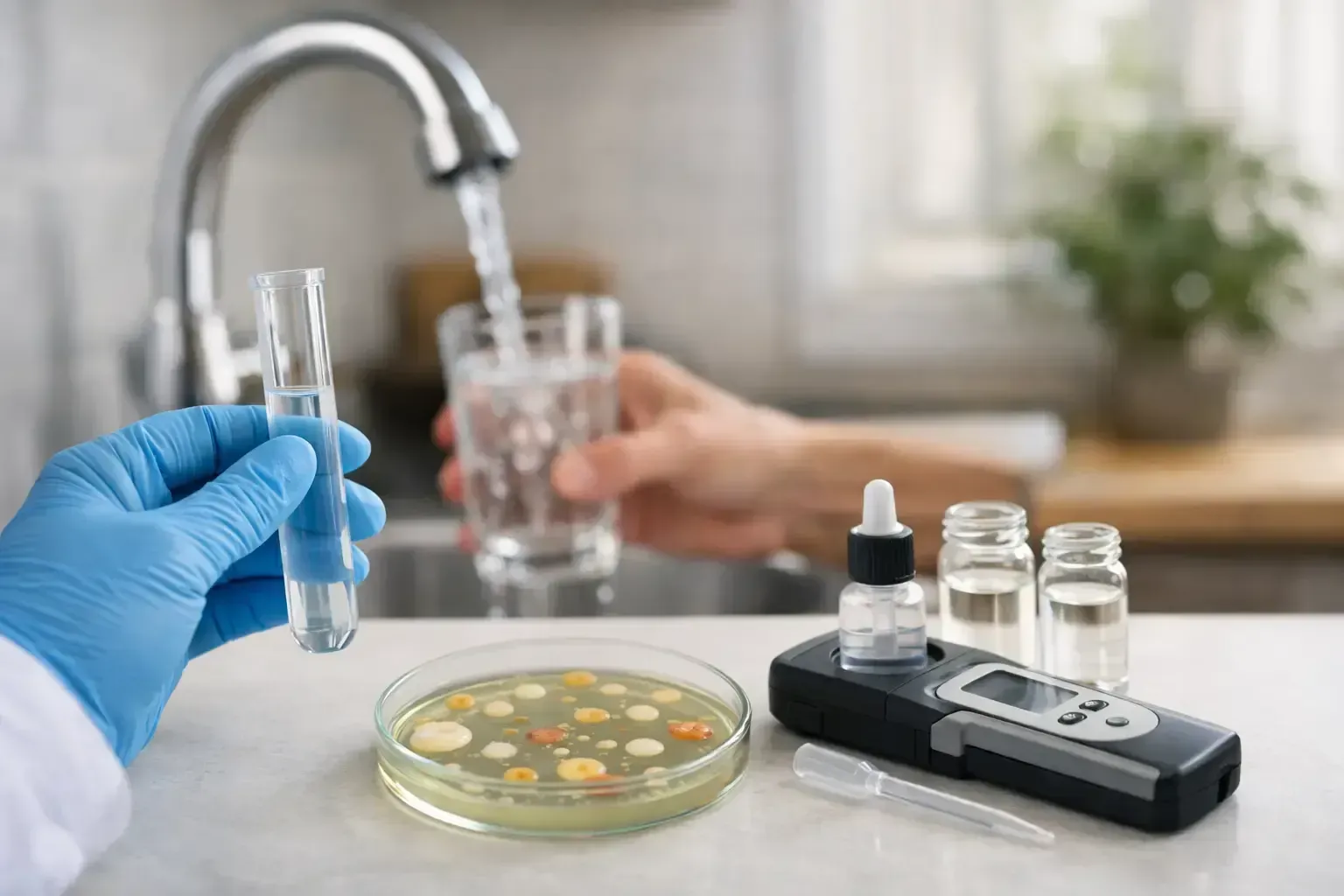
The process is usually straightforward, but it should be done carefully. A technician will identify the proper sampling location, often at a point that reflects water actually used in the home while avoiding factors that could distort the result. The faucet may need preparation before the sample is collected. Sterile containers are used, and the sample is handled under controlled conditions.
In some cases, one sample is not enough. If there has been a known contamination event, multiple locations may be tested to help determine whether the issue is isolated to a fixture, tied to the plumbing, or coming from the source water itself. That can make a major difference in how the problem is corrected.
After collection, the sample goes to a qualified laboratory for analysis. Results are then interpreted in plain language. That matters because most property owners do not just want a lab sheet. They want to know whether the water is safe, what the result likely means, and what to do next.
What Positive Results Can Mean
A positive bacteria result does not always mean the entire water supply is severely contaminated. It means the result needs to be taken seriously and investigated correctly. Sometimes the cause is environmental intrusion into a well. Sometimes it is poor well construction or a damaged cap. In other cases, the issue comes from plumbing conditions, stagnant lines, pressure loss, or contamination introduced during repairs.
This is where context matters. A private well after heavy rainfall is different from a municipal-water home with an isolated plumbing issue. A home that recently had a sewage backup presents a different level of concern than a property with a one-time total coliform result and no E. coli.
Good testing is not just about saying pass or fail. It is about identifying whether there is a system vulnerability that needs correction and whether follow-up retesting confirms the water is safe again.
Common Mistakes Homeowners Make
One common mistake is waiting for symptoms or obvious water changes before testing. Another is assuming that chlorinating the system once automatically solves the problem for good. Disinfection can be part of the corrective process, but if the entry point for contamination is still there, the issue can come back.
Another mistake is relying on one quick sample without understanding the sampling conditions. If the faucet was dirty, if the sample was taken from the wrong point, or if the home had just undergone plumbing work, the result may need more interpretation. That does not mean the result should be ignored. It means the answer may require a trained eye.
Why This Matters in Real Estate and Property Management
Bacteria testing often becomes urgent when a sale, lease, or loan is involved. Buyers want confidence. Sellers want a documented path to closing. Property managers and landlords need to show that health-related concerns were handled responsibly. In those settings, vague answers do not help much.
Professional bacteria testing provides a defensible record. It shows that sampling was performed correctly, that analysis was completed by a laboratory, and that the result can be discussed clearly with the parties involved. For FHA and VA transactions, that level of professionalism is often essential.
For owners in Florida and Kentucky dealing with well water, storm exposure, or contamination concerns, working with an experienced environmental testing company such as Hanes Environmental can help move the process from uncertainty to action.
If You Suspect Contamination, Timing Matters
The longer a bacteria issue goes untested, the more room there is for health concerns, liability, and property complications to grow. That does not mean every concern turns into a crisis. It does mean water safety should be handled with the same seriousness as mold, sewage exposure, or indoor air concerns.
If there has been flooding, sewage intrusion, well damage, or a failed prior test, get the water evaluated promptly and follow through with corrective action and retesting as needed. Clean-looking water is not proof. Accurate testing is.
The best next step is the one that replaces uncertainty with clear, documented results so you know whether your water is safe to use and what needs attention if it is not.
Recent Posts