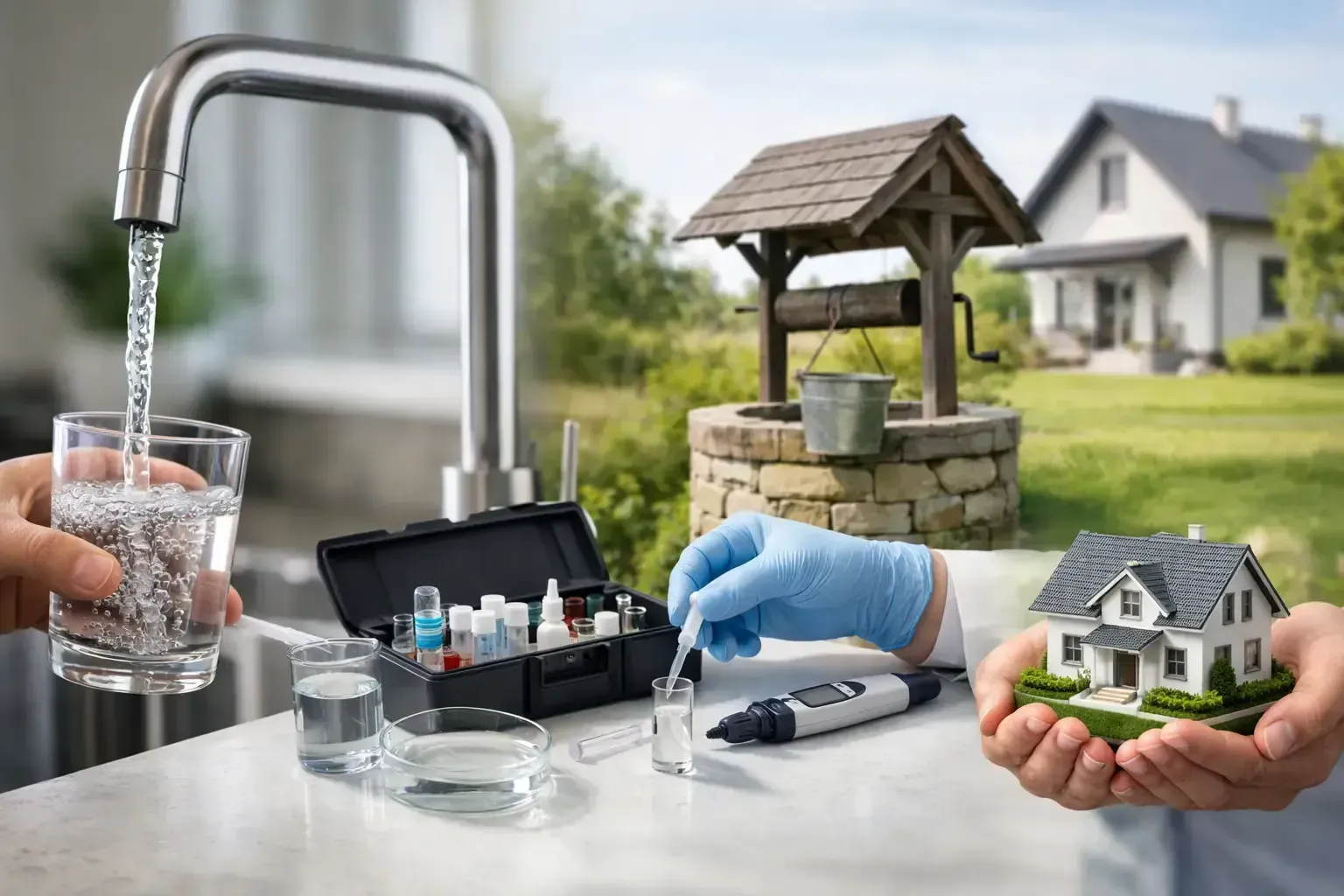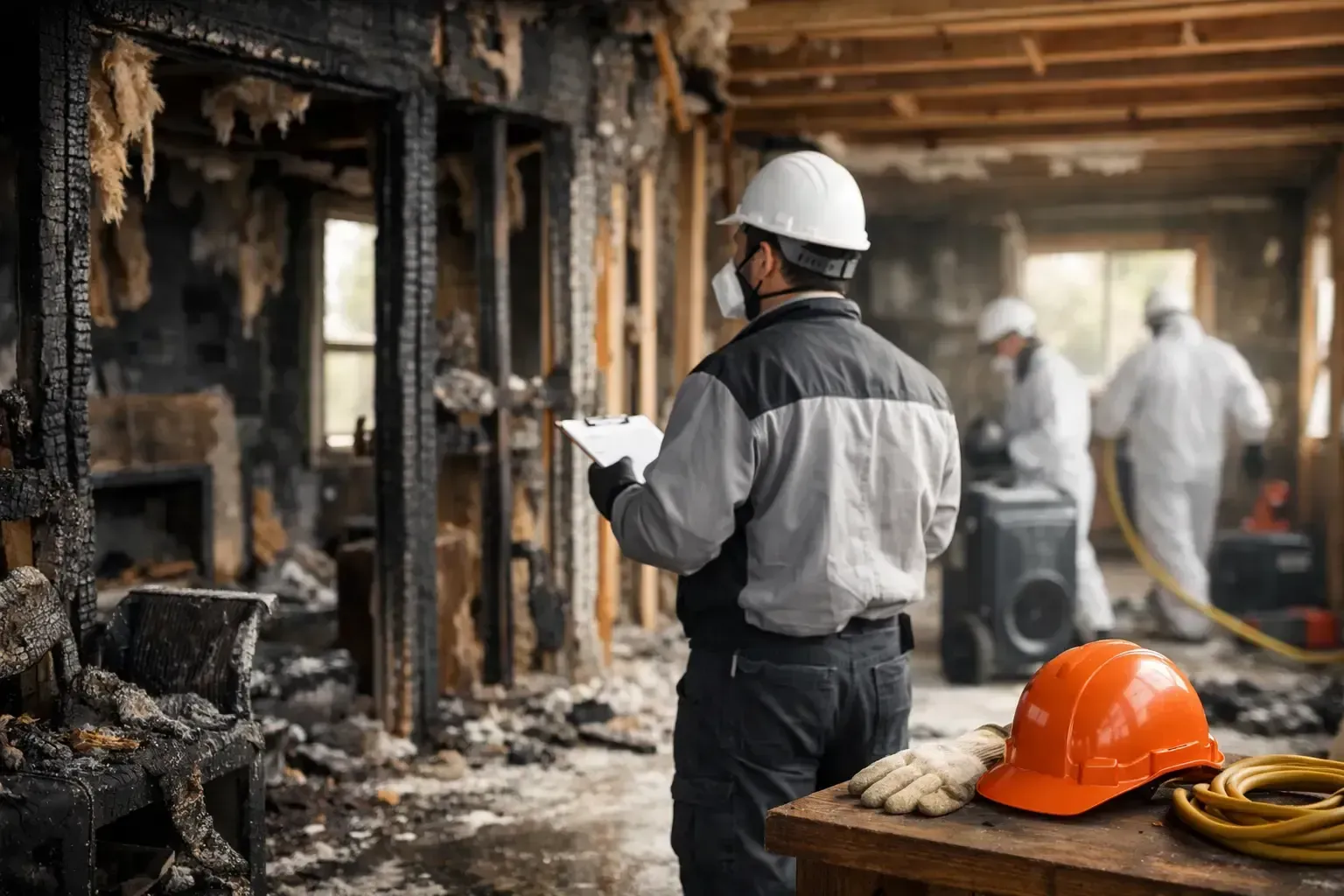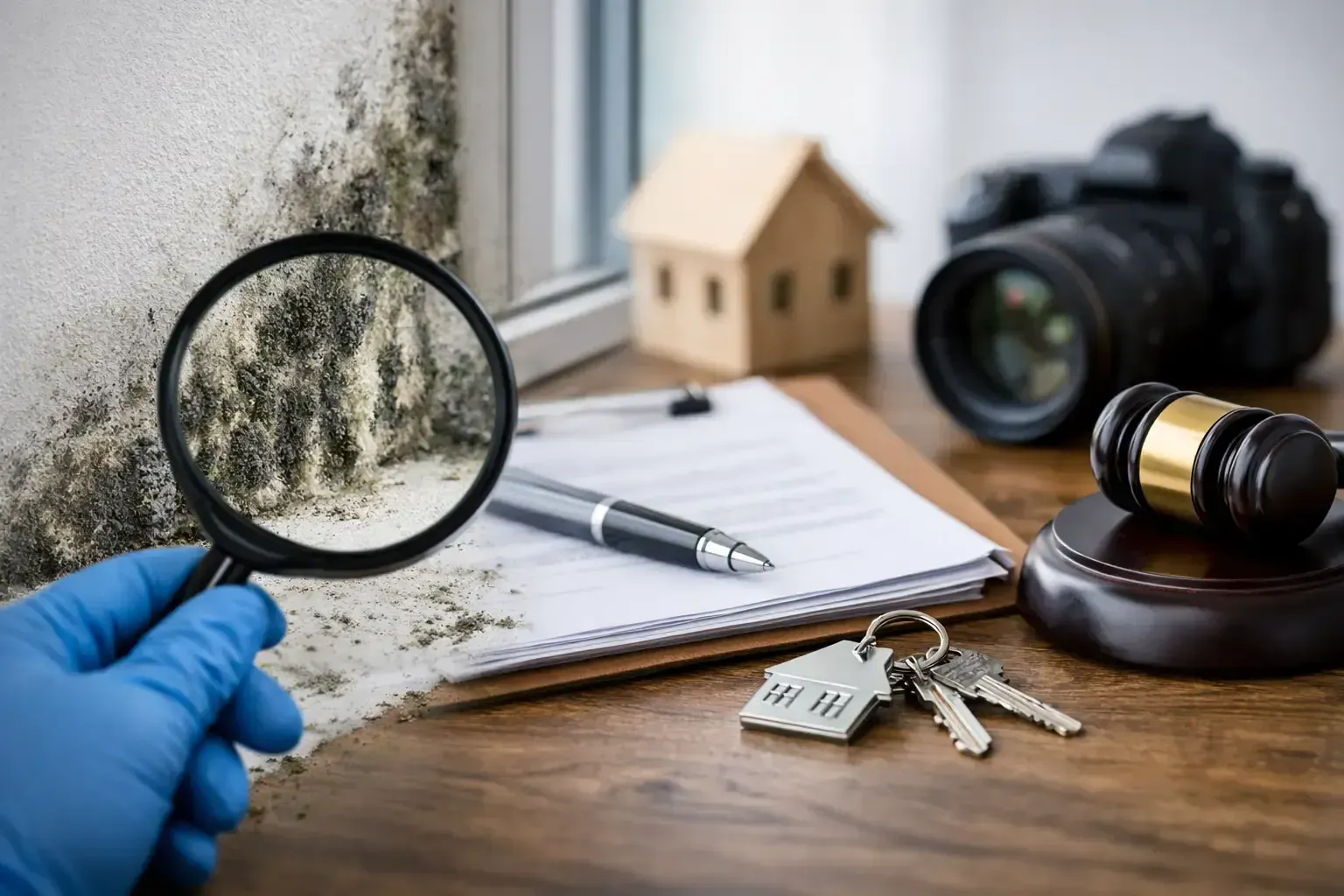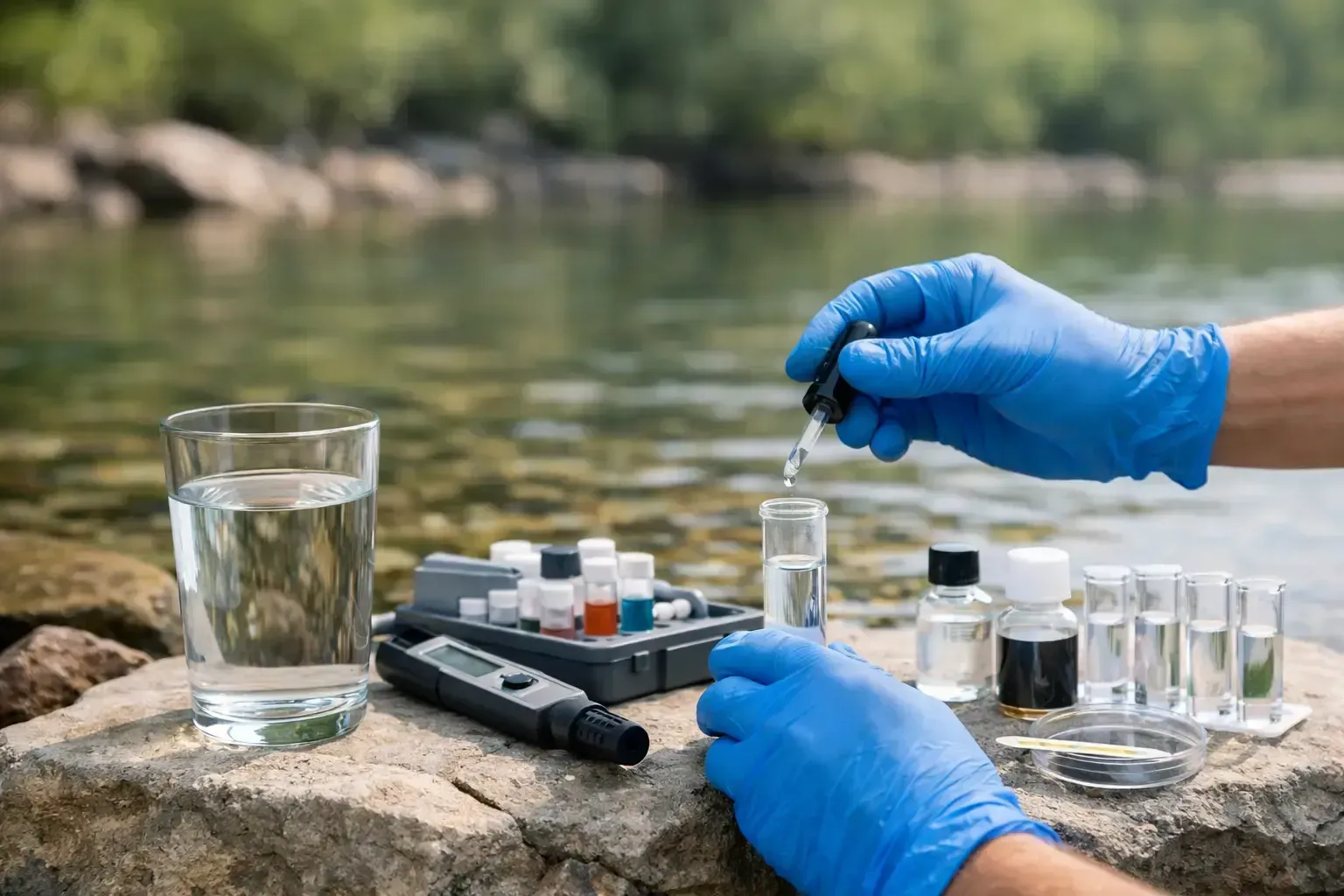
When sewage backs up into a home, office, or rental property, the damage is not just what you can see on the floor. The real concern is what may have spread into porous materials, HVAC components, wall cavities, and the air people are breathing. That is where sewage contamination testing services matter. They help determine where contamination is present, how far it has traveled, and what needs to be cleaned, removed, or documented before the property can be considered safe.
Sewage losses move fast. Water can wick into baseboards, drywall, insulation, cabinetry, flooring systems, and contents within hours. Once that water contains waste, bacteria and other contaminants become part of the problem. A quick visual inspection is rarely enough, especially when the property owner needs clear answers for health concerns, insurance documentation, tenant issues, or post-cleanup verification.
What Sewage Contamination Testing Services Actually Do
The purpose of sewage contamination testing is simple - identify contamination, define the affected area, and support informed decisions. In practice, that means much more than taking one sample and issuing a lab result. A proper assessment starts with the source of loss, the type of materials affected, the time elapsed, and whether previous cleanup efforts may have spread contamination further.
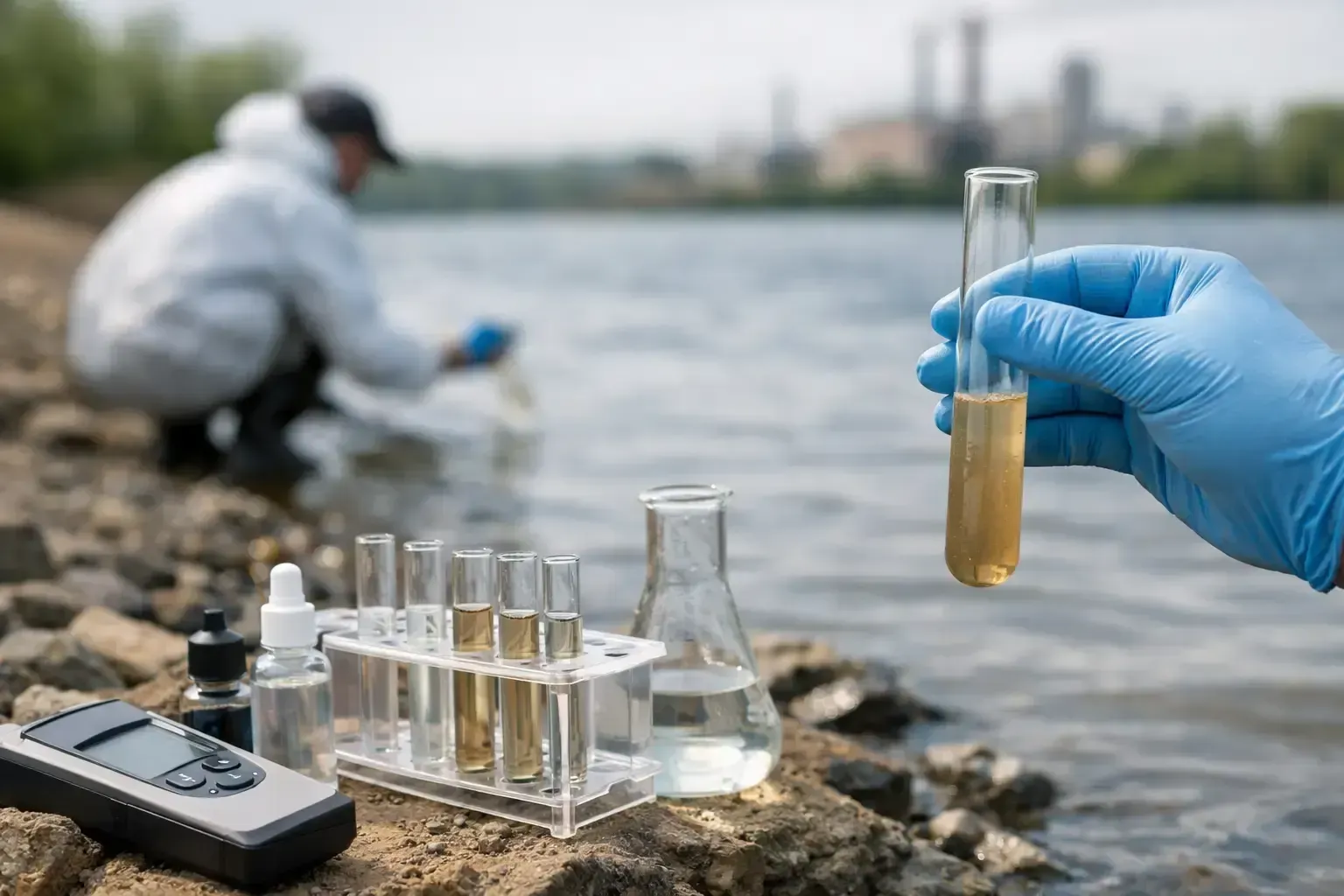
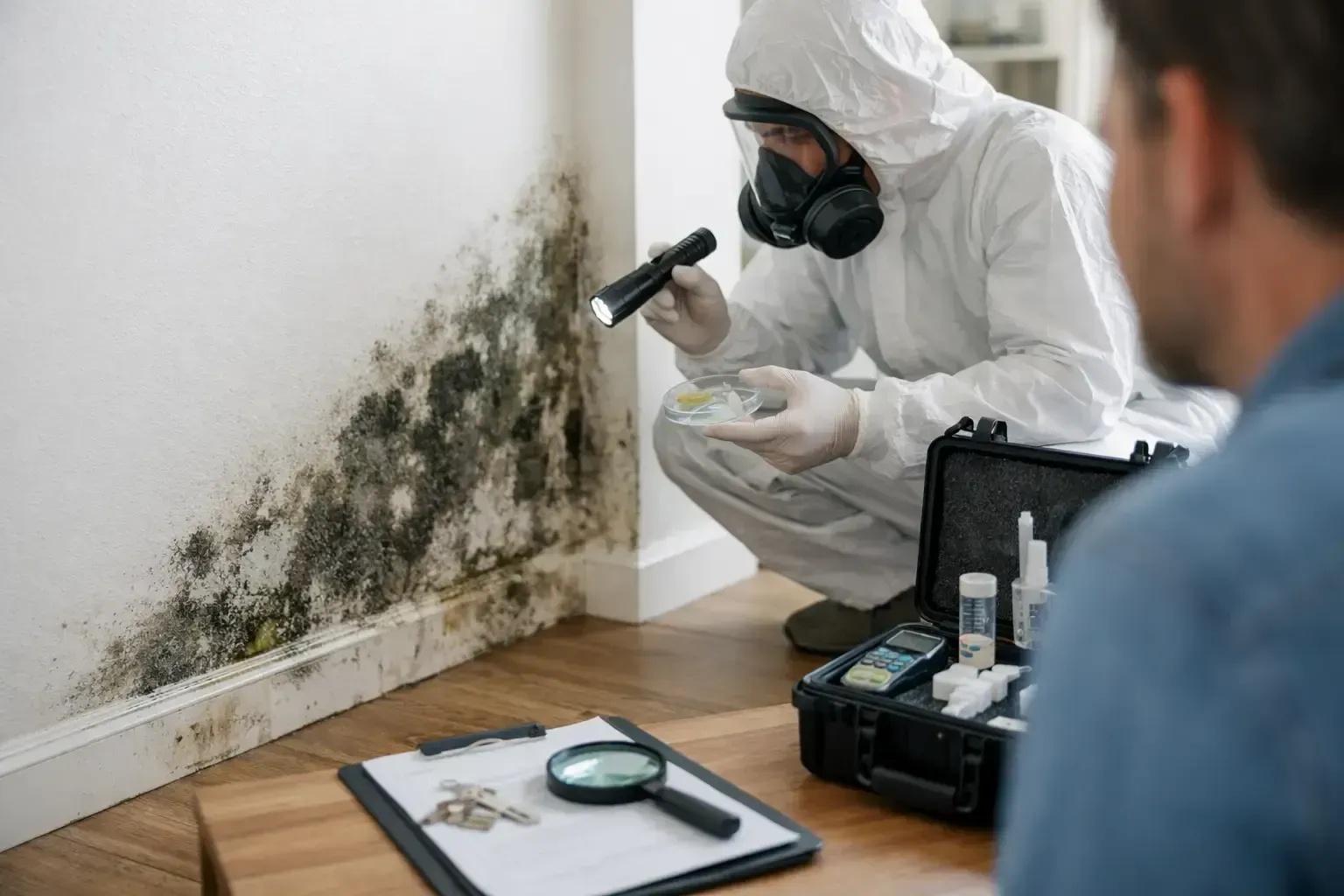
Testing may involve surface sampling, air sampling, moisture mapping, cavity inspection, and targeted evaluation of materials that tend to retain contamination. Depending on the loss, investigators may also assess bacteria, fungal amplification caused by the water event, and indoor air quality impacts tied to the sewage release. The goal is to build a defensible picture of the condition of the property, not rely on assumptions.
That distinction matters. Two properties can have similar-looking sewage damage but require very different responses. A small bathroom overflow caught immediately is not the same as a multi-room backup that sat for two days under flooring and behind walls. Testing helps separate minor, isolated issues from broader contamination that may affect occupant safety and restoration scope.
Why Visual Cleanup is Not Always Enough
A surface can look clean and still be a problem. Sewage contamination often reaches hidden areas, and porous materials can absorb contaminated moisture well beyond the visible stain line. In commercial spaces, contamination may also spread through foot traffic, cleaning equipment, or air movement during demolition.
This is one reason property owners and managers run into trouble after a rushed cleanup. Odors linger. Occupants report irritation or illness. Tenants question whether the space is truly safe. Contractors disagree on what should be removed. Without testing, those conversations become opinion against opinion.
Documented findings change that. A thorough assessment provides objective information about affected materials and conditions. It can support restoration decisions, help reduce disputes, and create a clearer path forward when multiple parties are involved.
When to Call for Sewage Contamination Testing Services
Some sewage events clearly call for immediate testing, while others depend on the property type, exposure level, and what happened after the loss. If sewage entered more than a small, non-porous area, if contaminated water contacted absorbent materials, or if there is uncertainty about spread, testing is usually a smart step.
It is also appropriate when occupants have health concerns, when there are children, elderly residents, or immunocompromised individuals in the building, or when a landlord, property manager, buyer, seller, or insurer needs documented evidence. In commercial and multifamily settings, the need for defensible reporting becomes even more important because liability can extend beyond one unit or one complaint.
Post-cleanup testing is another common need. Even when a restoration company has done thorough work, verification can confirm whether contamination was adequately addressed. That independent confirmation is often valuable in real estate transactions, tenant disputes, and insurance-supported restoration projects.
What the Testing Process Usually Looks Like
A qualified sewage investigation begins with an on-site assessment. The inspector reviews the incident history, identifies the probable source, and evaluates where contaminated water likely traveled. Moisture detection tools are often used to trace hidden migration in walls, flooring systems, and adjacent rooms.
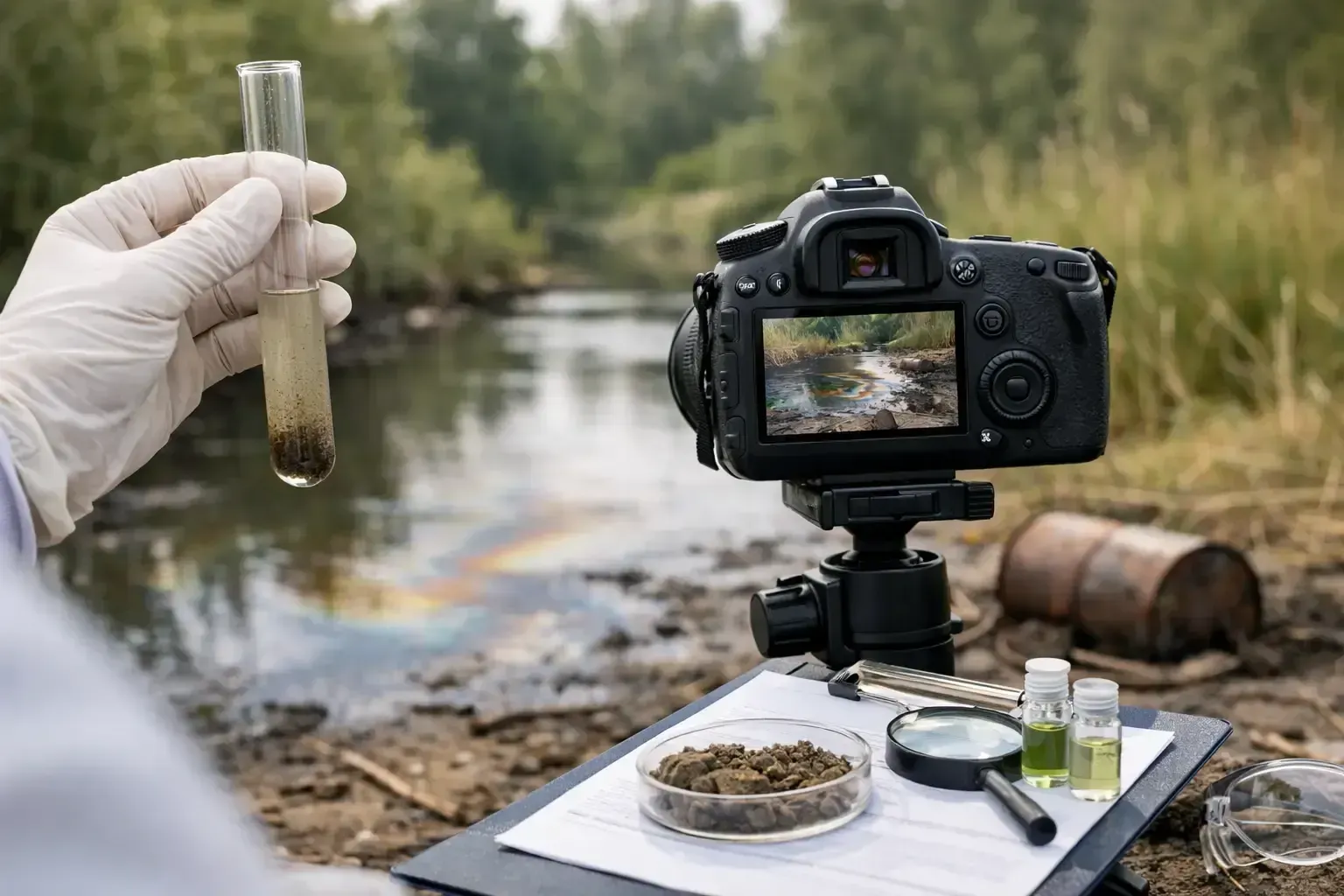
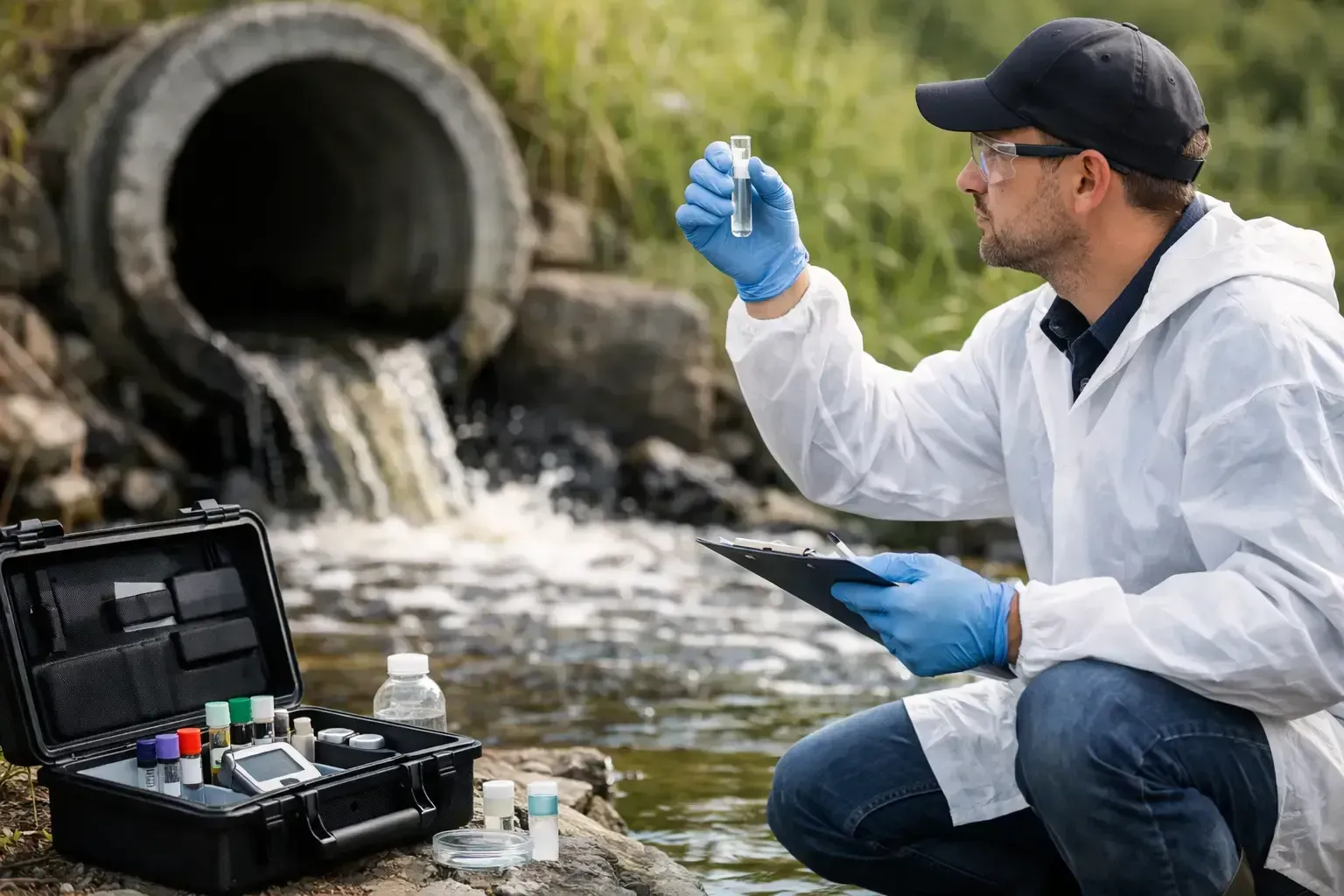
From there, sampling is targeted based on real conditions inside the property. Surface samples may be collected from suspect areas, including structural materials, contents, and zones believed to be outside the original loss area. In some cases, air sampling can help evaluate whether contamination or related microbial growth has affected indoor air. If wall cavities, crawlspaces, or subfloor systems are involved, those spaces may require closer inspection.
Laboratory analysis provides data, but interpretation is just as important. Numbers without context do not help a homeowner decide whether materials should be removed or whether a space is suitable for occupancy. Clear reporting should explain what was tested, where samples were taken, what the results suggest, and what corrective action may be appropriate.
Sewage Contamination Risks Inside Different Property Types
In a single-family home, the concern is often direct occupant exposure and damage to living spaces, furniture, flooring, and HVAC systems. In a rental property, the same event can quickly become a documentation issue between tenants, owners, and maintenance vendors. In a commercial building, downtime, employee concerns, and business interruption are often just as urgent as the contamination itself.
New construction and renovation sites can have their own complications. If a sewage release occurs before finishes are complete, moisture and contamination may affect framing, insulation, and installed materials before anyone notices. Testing helps determine whether replacement is necessary before the project moves forward.
There is no one-size-fits-all response. The right scope depends on where the sewage went, what materials it contacted, how long it remained, and whether the space has been properly contained during cleanup.
Why Clear Reporting Matters After a Sewage Loss
A sewage event can create more than a cleanup problem. It can become a health concern, a legal question, a real estate obstacle, or an insurance issue. That is why reporting needs to be clear, detailed, and supportable.
A useful report does not bury the client in technical language. It explains findings in plain terms while still documenting methods, sample locations, and laboratory results. That balance is especially important for property owners who need to make fast decisions but also need records that stand up to scrutiny later.
For this reason, many clients look for owner-led, field-experienced professionals rather than a volume-based testing operation. Experience shows in the questions asked on site, the way hidden spread is investigated, and the quality of the final recommendations. Hanes Environmental approaches these cases with that practical, documentation-first mindset because sewage losses rarely leave room for guesswork.
Choosing the Right Sewage Contamination Testing Services
Not every environmental company handles sewage investigations with the same depth. Some focus only on limited sampling. Others may not have restoration knowledge, which can make it harder to connect the testing results to practical next steps. The best fit is a provider that understands contamination pathways, moisture intrusion, material behavior, and the realities of cleanup and reconstruction.
It also helps to work with a company that can explain the trade-offs. Sometimes broad demolition is justified. Sometimes targeted removal and cleaning are enough. Sometimes the biggest issue is not the original spill but contamination that spread because the initial response was delayed or poorly contained. Good testing does not push a predetermined answer. It defines the actual condition of the property.
That matters whether you are a homeowner trying to protect your family, a property manager trying to reduce liability, or a business owner trying to reopen safely. You need facts you can act on, not vague reassurance.
The Value of Acting Early
The longer sewage contamination sits, the more complicated the project tends to become. Moisture spreads, materials break down, odors settle in, and related microbial issues can develop. Early testing can limit uncertainty and help direct cleanup before unnecessary costs build up.
It can also protect people from continued exposure. If there is any doubt about whether contamination reached hidden areas or whether cleanup was sufficient, that doubt should be resolved with proper investigation. Waiting rarely makes the answers simpler.
If a property has experienced a backup, overflow, or wastewater intrusion, the next step should be based on evidence. Professional sewage contamination testing services provide that evidence and help turn a chaotic situation into a clear plan for recovery. When safety, documentation, and property protection are on the line, accurate testing is not an extra step. It is the step that brings everything else into focus.
Recent Posts