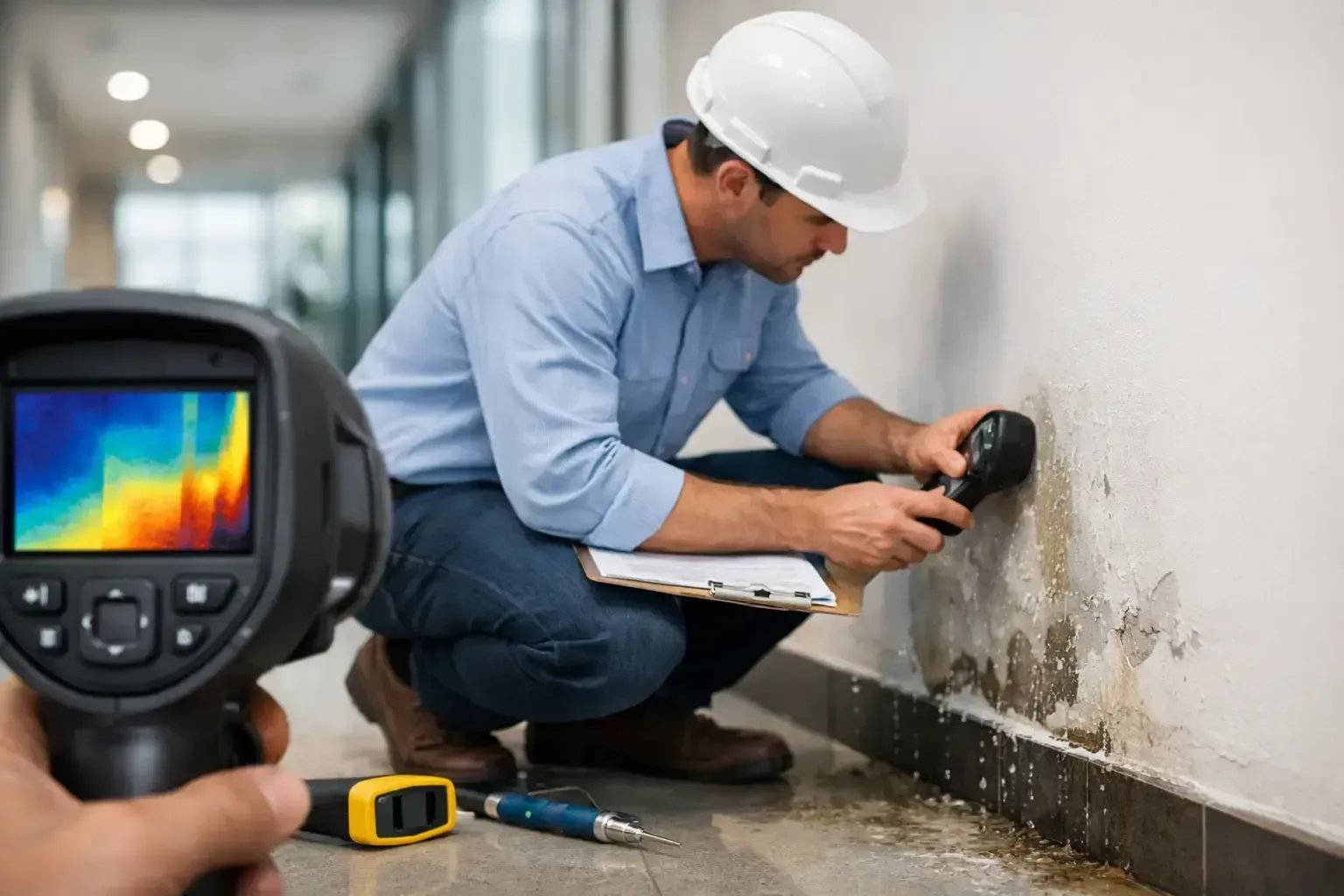
A stained ceiling tile in an office suite rarely tells the full story. By the time discoloration appears, moisture may already be moving through insulation, wall cavities, flooring systems, or HVAC components. A commercial moisture investigation is designed to find that hidden spread, confirm the source, and document conditions before a small water issue turns into mold growth, material failure, tenant complaints, or an expensive insurance dispute.
For commercial properties, moisture is not just a maintenance problem. It can affect operations, indoor air quality, occupant comfort, lease obligations, and long-term asset value. That is why commercial building owners, property managers, contractors, and insurance professionals need more than a quick visual check. They need a methodical assessment backed by field experience, accurate instruments, and reporting that stands up to scrutiny.
What a Commercial Moisture Investigation Actually Does
A commercial moisture investigation goes beyond finding where something looks wet. The goal is to identify where water entered, how far it traveled, what materials were affected, whether conditions support microbial growth, and what needs to happen next. In many buildings, the visible damage is only one part of the problem.
Moisture can move in ways that surprise people. Roof leaks may show up far from the penetration point. Condensation around ductwork can imitate plumbing leaks. Window failures may affect wall systems slowly over time instead of causing one obvious event. Slab moisture can migrate upward and damage flooring adhesives without any dramatic warning signs. In mixed-use buildings, one tenant’s complaint can point to a larger building envelope or mechanical issue affecting multiple spaces.
That is why a proper investigation starts with the building as a system. The inspector looks at exterior exposure, interior symptoms, building materials, humidity conditions, and any recent events such as storms, plumbing failures, sprinkler discharges, or HVAC malfunctions. The process is part science, part field judgment.
Signs You May Need a Commercial Moisture Investigation
Some calls come after an obvious water loss. Others start with subtle symptoms that have been ignored for weeks or months. A commercial property may need investigation when ceiling tiles stain repeatedly, flooring buckles, walls feel cool or damp, paint blisters, or musty odors persist even after cleaning.
In occupied spaces, complaints often show up before visible damage does. Tenants may report headaches, odors, stuffiness, or recurring allergy-like symptoms in a specific suite or floor. Staff may notice condensation on diffusers, damp carpet near exterior walls, or water appearing after heavy rain. Warehouses, medical offices, schools, retail spaces, apartment buildings, and industrial facilities all present different moisture patterns, so context matters.
Timing matters too. If moisture is found early, drying and targeted repairs may solve the problem before contamination spreads. If it is found late, the scope can widen to include mold assessment, material removal, indoor air quality concerns, and business interruption.
How the Investigation Process Works
A reliable commercial moisture investigation begins with a detailed interview and site history. That includes when the issue was first noticed, whether it changes during rain events, what repairs were already attempted, and which areas are most affected. Previous roof work, plumbing repairs, tenant improvements, and HVAC changes can all shift moisture behavior.
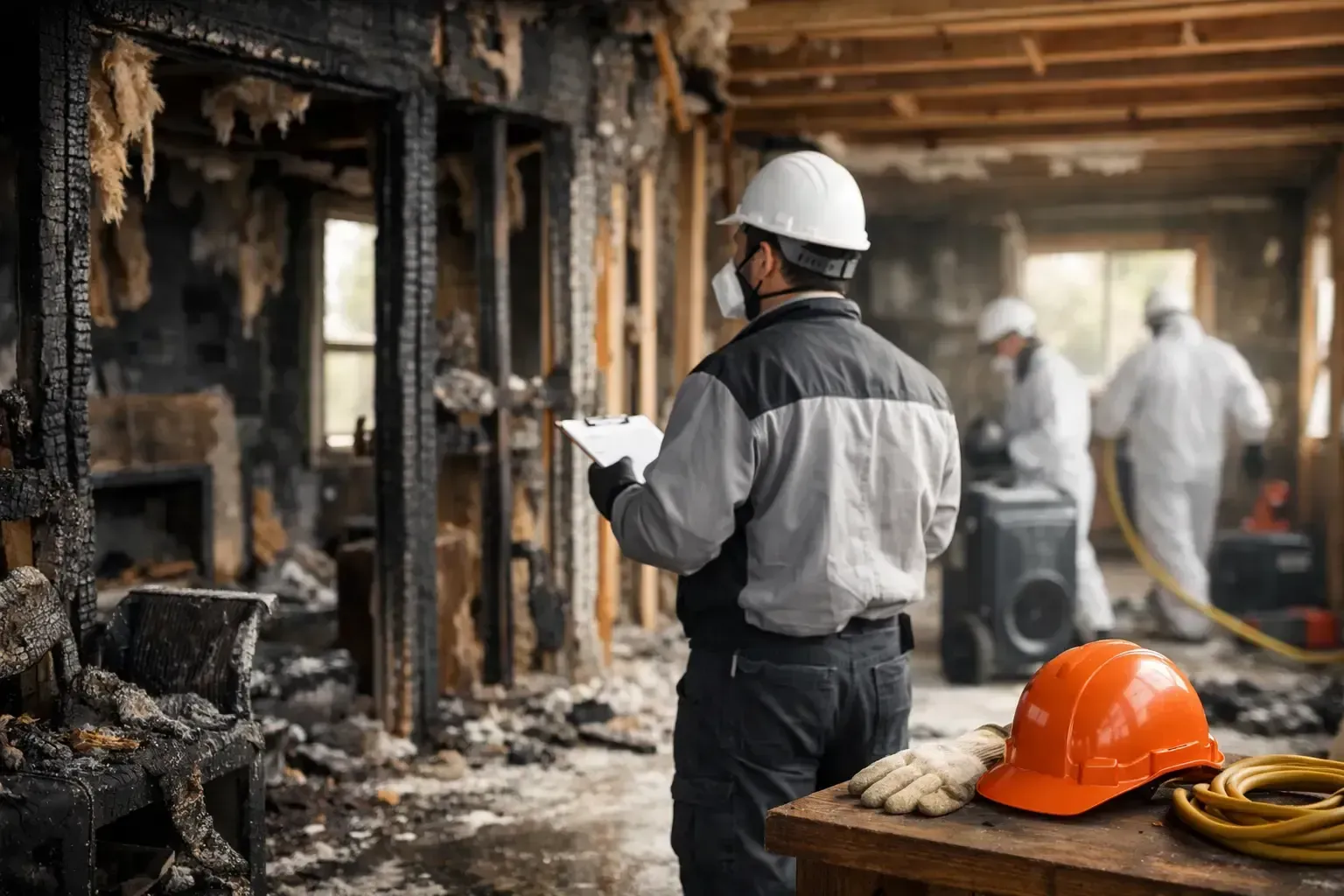
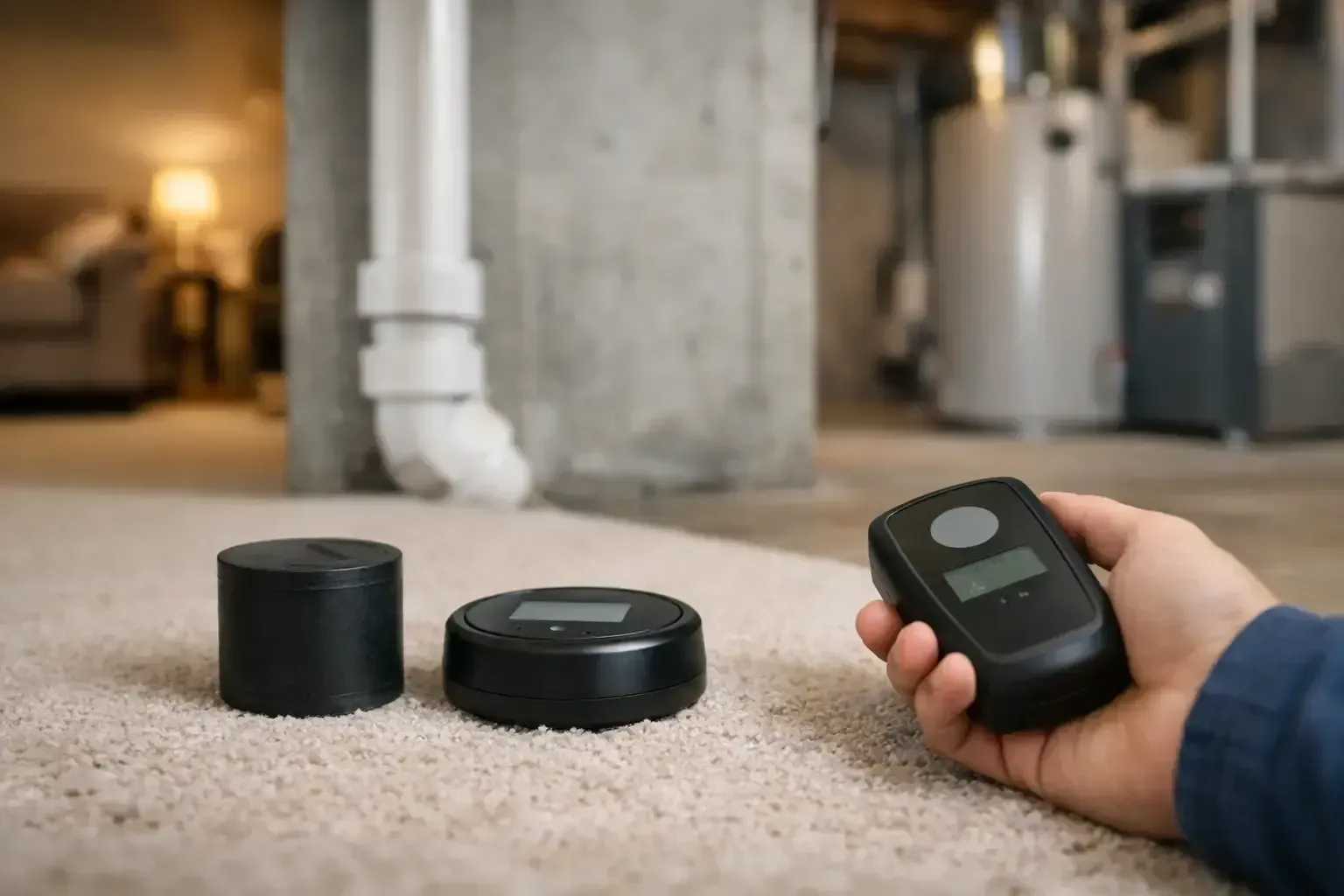
The field inspection usually includes a visual assessment of walls, ceilings, floors, penetrations, windows, roofing transitions, mechanical areas, and plumbing-adjacent spaces. Moisture meters help identify elevated readings in building materials. Thermal imaging can help detect temperature anomalies that suggest hidden moisture, though thermal patterns alone do not prove water presence. They need to be confirmed with direct meter readings and site knowledge.
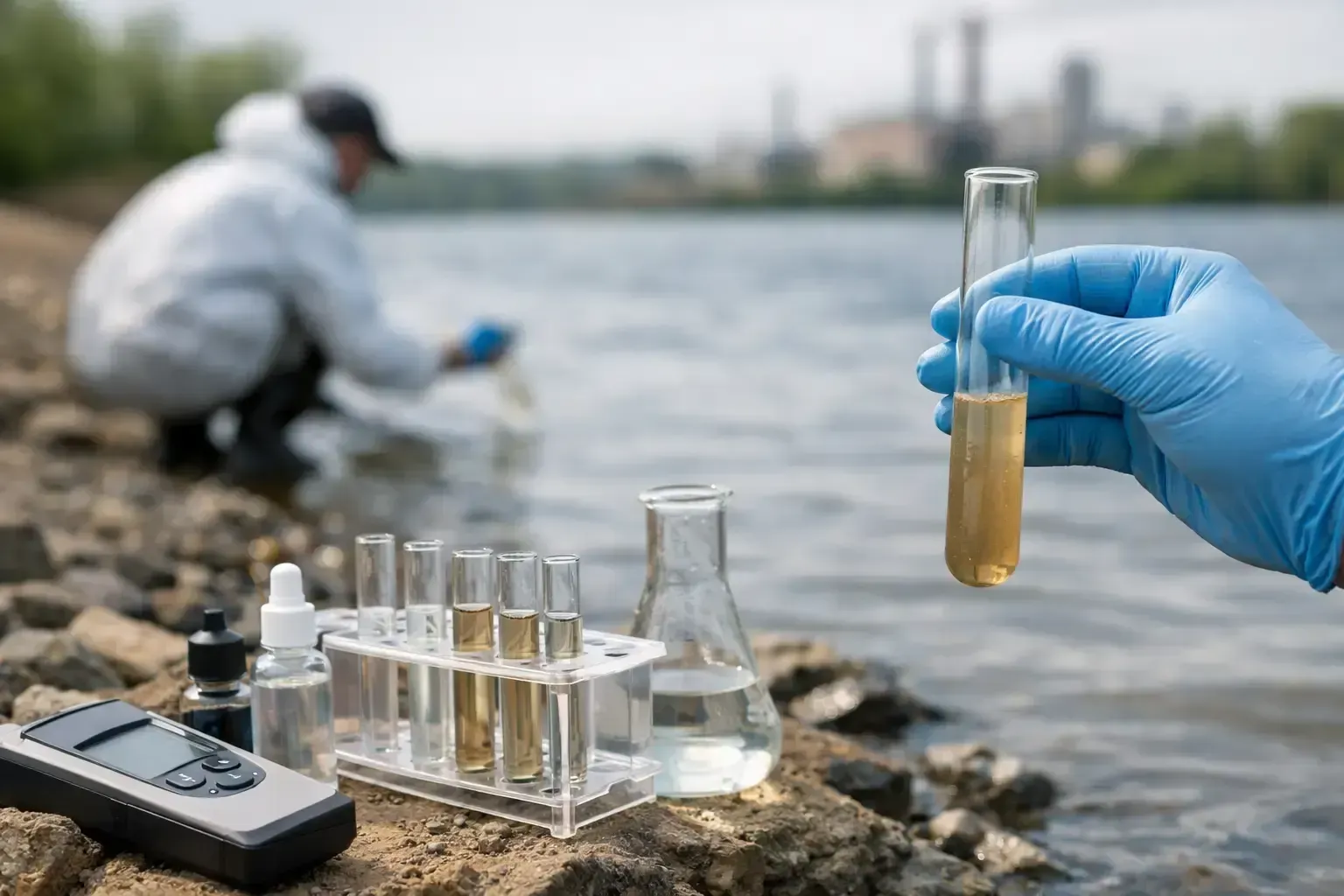
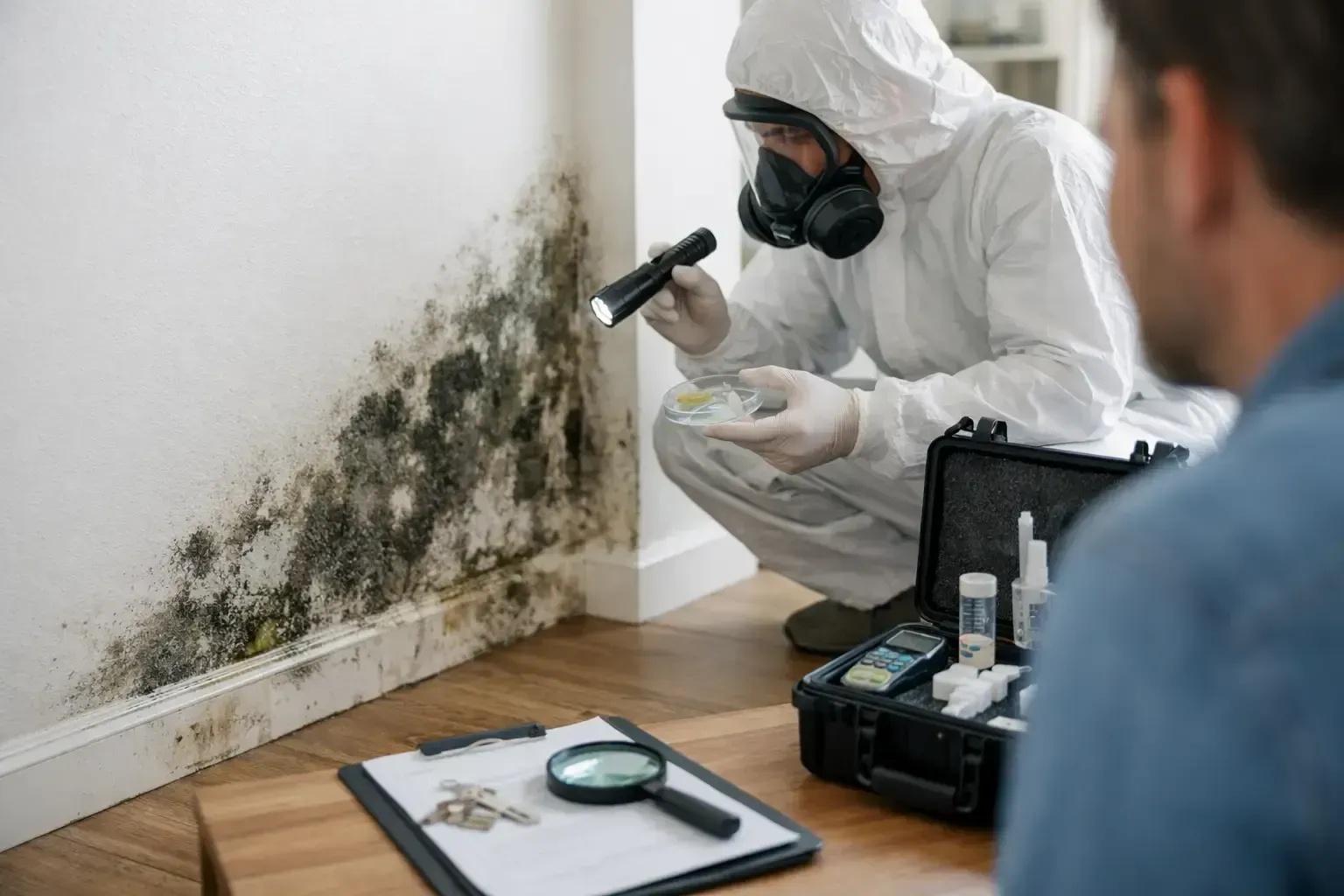
In some cases, the investigation also includes humidity measurements, documentation of visible microbial growth, and sampling when conditions warrant laboratory confirmation. If the property has active odors, occupant concerns, or suspected mold spread, additional testing may be appropriate. Not every moisture issue requires every test. The right scope depends on what the building is showing.
Commercial buildings often involve more complexity than homes. There may be multiple roof sections, different construction eras, layered renovations, long pipe runs, shared walls, or tenant spaces with varying use conditions. A restaurant, medical office, gym, and standard office suite will each produce different moisture loads. That is one reason quick assumptions can be costly.
Where Commercial Moisture Problems Usually Start
Roof leaks are a common source, especially around penetrations, drains, flashing details, rooftop units, and transitions between roofing materials. But they are not the only source, and blaming the roof too quickly can delay the real fix.
Plumbing lines above ceilings, around restrooms, in mechanical chases, or inside walls are frequent contributors. HVAC systems can also create major moisture problems through condensation, blocked drain lines, improper insulation, or poor humidity control. Exterior wall systems, windows, and doors may allow long-term intrusion during wind-driven rain. Below-grade spaces can take on moisture through foundation defects or drainage failures.
Then there are the harder cases - the properties where several factors are involved at once. A building might have a minor roof leak, elevated indoor humidity, and poor airflow in one section, all combining to create ongoing wet conditions. In those situations, treating only one symptom rarely solves the problem.
Why Documentation Matters for Owners and Managers
In a commercial setting, moisture findings often need to be shared with more than one party. Owners may need records for reserve planning. Property managers may need evidence for vendors, tenants, or corporate reporting. Contractors may need precise findings before opening walls or replacing materials. Insurance professionals may need defensible documentation tied to observed conditions.
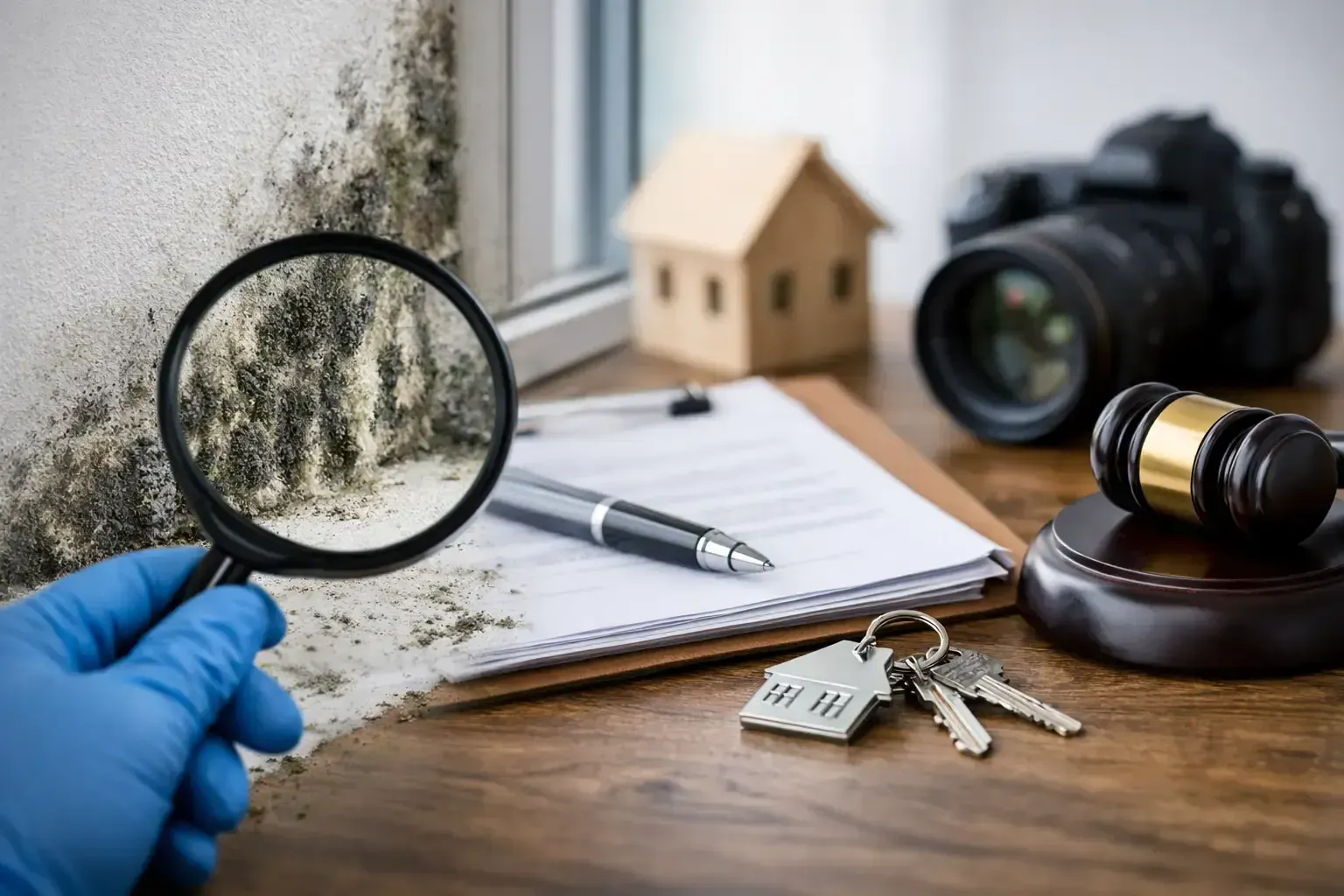
That is where clear reporting becomes critical. Good reporting should show where elevated moisture was found, how the conditions were verified, which materials appear affected, what the likely sources are, and what corrective action should be considered. Photos, mapped readings, and plain-language explanations help decision-makers move faster and avoid arguments based on guesswork.
This is especially important in tenant-occupied properties. If a business claims a water issue has affected its space, an undocumented opinion is weak. A professional investigation creates a factual record. That protects both the building and the people responsible for managing it.
Commercial Moisture Investigation and Mold Risk
Not every wet material has mold, but persistent moisture creates the conditions for growth. In Florida and Kentucky, that risk can rise quickly because of heat, humidity, storms, and building use patterns. Once mold takes hold in drywall, insulation, ceiling systems, or porous furnishings, the response often becomes more expensive and more disruptive.
A commercial moisture investigation helps identify whether the issue is still an active water problem, a past loss with residual damage, or a condition that has already crossed into contamination. That distinction matters. If active moisture remains, remediation efforts can fail because the source was never corrected. If the issue is old staining without current moisture, the repair strategy may look different.
This is also where experience counts. Buildings can show false clues. Old leaks leave marks that look active. Condensation can mimic intrusion. Occupants may focus on one room while the source starts elsewhere. The right investigator separates current conditions from old damage and avoids overcalling or undercalling the issue.
What to Expect After Findings Are Confirmed
Once the source and spread are identified, the next step depends on severity. Some properties need targeted repairs and drying. Others need selective demolition to expose hidden damage. If mold or bacterial contamination is present, remediation protocols may be required. In larger losses, repairs may need to be coordinated in phases to reduce interruption to tenants or operations.
There is no single fix for every building. A small office with one plumbing leak is different from a retail center with repeated roof intrusion or a multifamily building with chronic window failures. The value of the investigation is that it narrows the problem to facts. That helps owners avoid unnecessary demolition on one end and incomplete repairs on the other.
For clients who need reliable answers, companies such as Hanes Environmental provide the kind of field-driven assessment that helps move a project from uncertainty to action. Accurate diagnostics early in the process often save money later.
Choosing the Right Commercial Moisture Investigation Provider
Commercial properties require more than a basic leak check. Look for a provider with direct experience in moisture mapping, water damage assessment, environmental testing, and clear reporting. Just as important, they should explain findings in plain language so owners, managers, and occupants understand what is happening and why it matters.
Speed matters, but so does accuracy. A rushed visit that misses hidden spread can leave you with repeat damage, tenant frustration, and larger claims later. A thorough investigation should be focused, defensible, and practical. It should help you make the next decision with confidence.
If your building is showing signs of hidden water intrusion, waiting rarely improves the outcome. Moisture tends to spread quietly, and the longer it stays in place, the more expensive the correction usually becomes. Getting clear answers early is one of the most effective ways to protect the property, the people inside it, and the budget behind it.
Recent Posts