Common Mistakes When Documenting Sewage Contamination
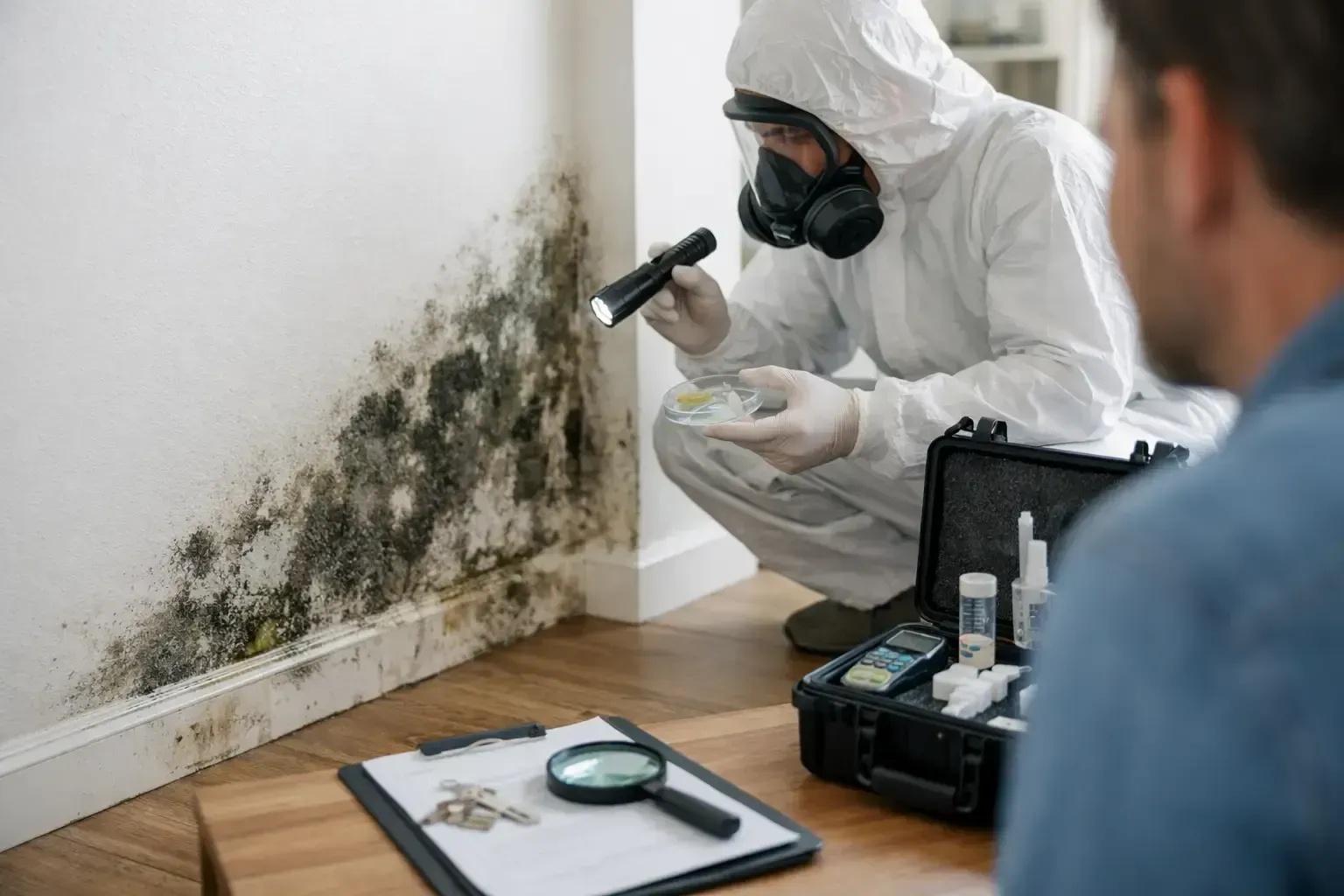
The quality of the report depends on the quality of the inspection. You want someone who understands moisture behavior, building materials, contamination categories, and the difference between visible damage and actual spread. The report should be direct, specific, and supported by field findings, not vague language.
It also helps to work with a company that can explain results in plain English. Technical accuracy matters, but so does communication. When people are dealing with damage to a home, rental, office, or investment property, they need answers they can act on.
In Florida and Kentucky, where weather, humidity, plumbing failures, and hidden moisture issues can all play a role, a thorough assessment is one of the smartest early steps you can take. Hanes Environmental provides that kind of clear, field-based reporting so property owners know what they are dealing with before the damage gets worse.
The sooner you replace assumptions with documented facts, the easier it becomes to protect the building, the people inside it, and the money it will take to set things right.
Why Interpretation Matters More Than the Lab Report Alone
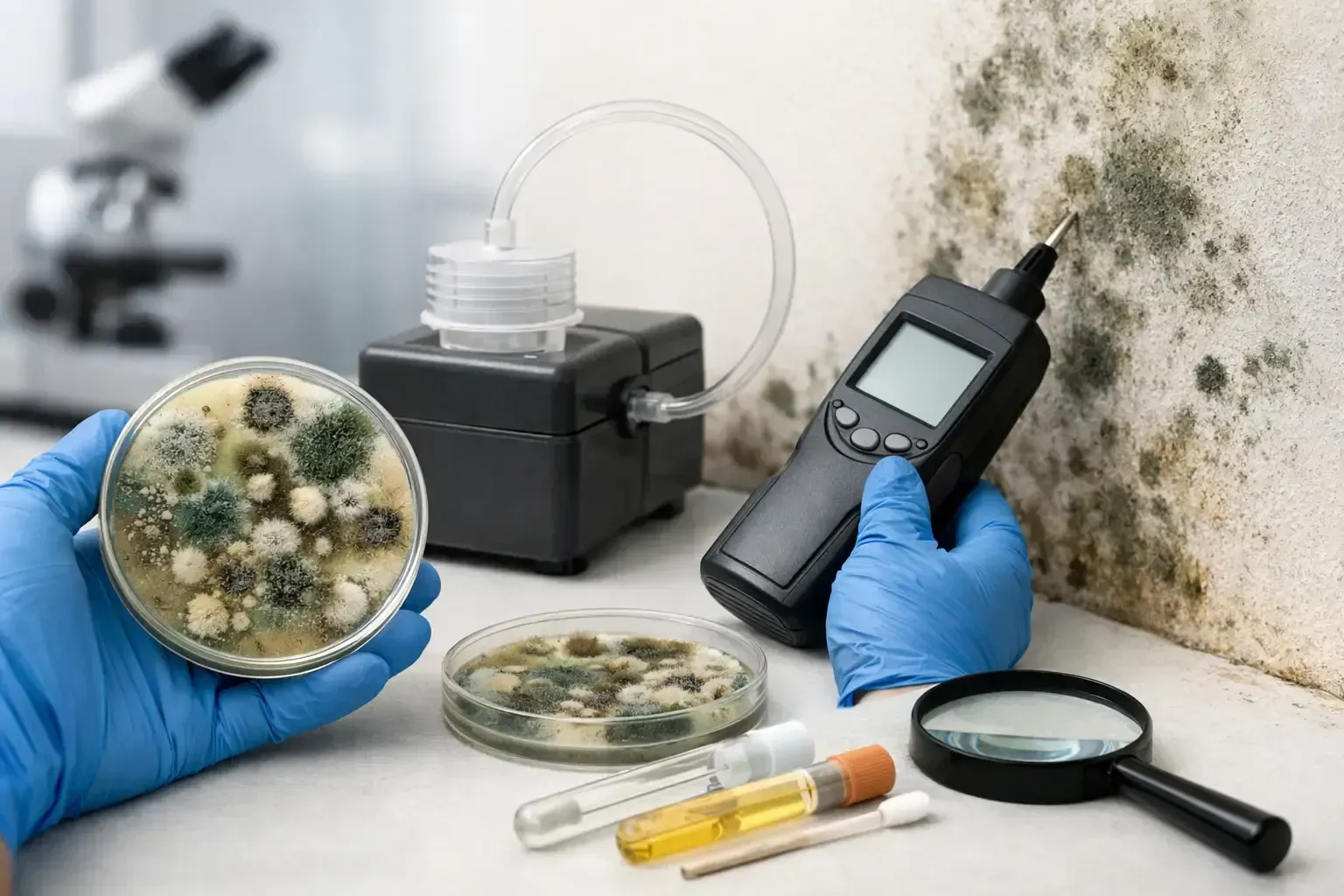
When a property smells musty, shows staining around baseboards, or has a history of leaks, the question is rarely whether something is wrong. The real question is which of the best mold test methods will give you a clear, defensible answer. That matters whether you are protecting your family, documenting a problem for a real estate transaction, or trying to determine how far contamination has spread after water damage.
Mold testing is not one-size-fits-all. The best method depends on what you are trying to confirm, where the suspected growth is located, whether moisture is still active, and how the results will be used. A homeowner looking for peace of mind may need something different than a property manager dealing with a tenant complaint or a buyer asking for evidence before closing.
What Makes the Best Mold Test Methods Reliable?
A reliable mold test does more than produce a lab report. It helps answer practical questions. Is there active amplification inside the property? Is the growth limited to one material, or is it affecting indoor air? Is hidden moisture feeding the problem? Has remediation actually worked?
That is why professional mold investigations usually combine more than one tool. Visual inspection, moisture mapping, and laboratory sampling often work together. If someone skips the inspection and takes a random sample, the result may be technically valid but not very useful.
The best mold test methods are the ones that match the conditions on site and the decision you need to make. In many cases, the testing itself is only part of the job. Interpreting what the data means for the building is just as important.
Best Mold Test Methods Used in Homes and Buildings
Air sampling
Air sampling is one of the most recognized methods because it helps determine whether airborne mold spores inside a property are elevated compared to normal conditions. This can be useful when occupants are reporting odors, irritation, or suspected hidden contamination, especially when there is no obvious visible growth.
In a professional assessment, air samples are usually collected from indoor areas of concern and compared with an outdoor control sample. The comparison matters. Mold exists naturally in the environment, so the goal is not to find zero spores. The goal is to determine whether indoor conditions suggest an abnormal source.
Air sampling can be very helpful, but it has limits. Mold spore levels can change based on airflow, HVAC operation, cleaning activity, weather, and whether the contamination is actively releasing spores at the moment of testing. A clean air sample does not always rule out mold hidden inside a wall cavity or under flooring. It is best used as part of a larger inspection, not as a standalone answer.
Surface sampling
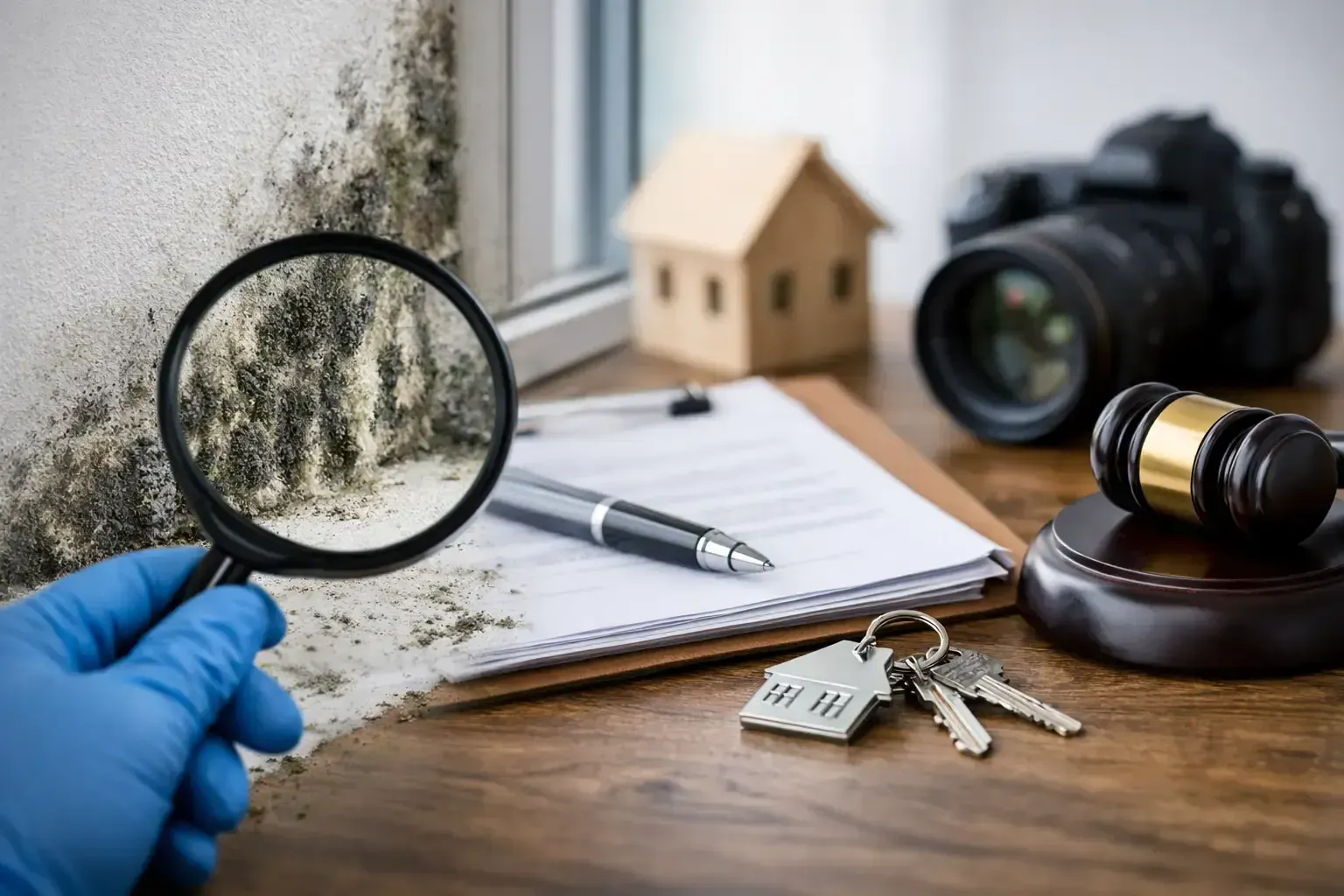
Surface sampling is used when there is visible suspect growth on drywall, wood, insulation, contents, or HVAC components. A technician may use tape lifts, swabs, or other collection media to confirm whether the material is fungal growth and identify the types present.
This method is straightforward and effective for one specific purpose: confirming what is on a surface. It can be useful when stains are questionable, when documentation is needed for a landlord-tenant issue, or when someone wants laboratory support before remediation begins.
The trade-off is that surface sampling only tells you about the area sampled. It does not measure what is circulating in the air, and it does not tell you whether hidden growth exists nearby. If a wall has visible growth because of a roof leak, the surface sample may confirm mold, but moisture investigation is still needed to understand how extensive the damage really is.
Cavity sampling
When mold is suspected behind walls, inside ceilings, under cabinets, or within other concealed spaces, cavity sampling may be the most targeted approach. This method is often used when there is a strong odor, a moisture history, or material damage, but little to no visible growth in the occupied space.
Cavity sampling can help identify contamination inside enclosed areas without fully opening large sections of the structure first. That makes it valuable for narrowing the scope of a problem and supporting repair decisions.
Still, cavity sampling should be performed carefully. If the wrong area is tested, you can miss the source. And if moisture data is ignored, the investigation may identify mold without resolving why it developed in the first place.
Bulk sampling
Bulk sampling involves taking a piece of the affected material itself, such as drywall, carpet pad, insulation, or wood. This method is typically used when a lab needs to evaluate contamination within the material rather than just on the surface.
Bulk sampling is often useful in construction-related disputes, severe contamination cases, or situations where material breakdown is part of the concern. It can provide strong evidence, but it is also more invasive than some other options.
Because of that, it is not always the first choice in an occupied home unless there is already damaged material scheduled for removal. The value of bulk sampling depends on whether the sample will materially change the remediation or documentation plan.
Moisture mapping and thermal imaging
Strictly speaking, moisture mapping and thermal imaging are not mold tests. But in real-world investigations, they are among the most important methods used to locate conditions that allow mold growth. Mold needs moisture. If you do not identify the source of water intrusion, humidity buildup, condensation, or trapped moisture, the problem is likely to return.
Moisture meters can help detect wet drywall, flooring, trim, and framing. Thermal imaging can help flag temperature differences that suggest hidden moisture patterns. These tools do not confirm mold by themselves, but they often show where additional sampling should occur.
This is where many property owners get misled by do-it-yourself kits. A kit may tell you mold exists, which is rarely the hard part. The harder part is finding where it is growing, what is causing it, and how far it has spread.
When DIY Kits Fall Short
Many store-bought mold kits collect passive samples from the air or a surface and send them to a lab. They can appear inexpensive, but they often create more questions than answers. Mold spores are common in indoor and outdoor environments, so a simple positive result does not necessarily prove a problem.
DIY kits also lack building context. They do not assess moisture sources, compare meaningful sample locations, interpret occupancy conditions, or explain whether the findings suggest minor background presence or active indoor amplification. That becomes a serious issue when the results are being used for a home purchase, an insurance matter, a tenant complaint, or a remediation dispute.
If the goal is casual curiosity, a kit may satisfy that. If the goal is accurate decision-making, documented evidence, or a safe cleanup plan, professional testing is the better route.
How to Choose Among the Best Mold Test Methods
The right method depends on the problem in front of you. If there is visible growth on a bathroom ceiling, surface sampling may be enough to confirm contamination, while moisture evaluation determines whether it is tied to ventilation or a roof issue. If there is a strong odor after a plumbing leak but no visible mold, air and cavity sampling may be more appropriate.
For a real estate transaction, the testing often needs to be broad enough to identify hidden concerns yet practical enough to support timelines. For a commercial property, the focus may include occupant complaints, liability exposure, and whether HVAC systems are distributing contaminants. For post-remediation verification, the question shifts again. The concern is no longer whether mold was present before. The concern is whether the cleanup was successful under current conditions.
That is why the best mold test methods are chosen case by case. A dependable assessment starts with inspection, moisture data, and a clear testing strategy instead of a generic sample count.
Why Interpretation Matters as Much as Sampling
A lab report without field interpretation can be hard to use. Numbers and spore categories do not automatically tell a homeowner whether the issue is minor, widespread, active, dormant, or likely tied to recent water damage. The same sample result can mean different things depending on the building history and the locations tested.
Good mold testing explains the findings in plain language. It connects the sample data to what was observed on site. It identifies likely moisture sources, affected materials, and whether additional evaluation or remediation is warranted. For property owners, buyers, managers, and business operators, that clarity is what turns testing into action.
In Florida and Kentucky, where humidity, storm events, plumbing failures, and building moisture issues can all create the right conditions for fungal growth, accurate testing is not just about detection. It is about knowing what is happening inside the structure and what to do next. That is the standard Hanes Environmental brings to mold assessments - clear evidence, certified methods, and reporting that helps people protect their property with confidence.
If you suspect mold, the best next step is not guessing which sample sounds impressive. It is making sure the testing matches the problem, the building, and the decision you need to make.
Recent Posts