Common Mistakes When Documenting Sewage Contamination
The quality of the report depends on the quality of the inspection. You want someone who understands moisture behavior, building materials, contamination categories, and the difference between visible damage and actual spread. The report should be direct, specific, and supported by field findings, not vague language.
It also helps to work with a company that can explain results in plain English. Technical accuracy matters, but so does communication. When people are dealing with damage to a home, rental, office, or investment property, they need answers they can act on.
In Florida and Kentucky, where weather, humidity, plumbing failures, and hidden moisture issues can all play a role, a thorough assessment is one of the smartest early steps you can take. Hanes Environmental provides that kind of clear, field-based reporting so property owners know what they are dealing with before the damage gets worse.
The sooner you replace assumptions with documented facts, the easier it becomes to protect the building, the people inside it, and the money it will take to set things right.
Why Interpretation Matters More Than the Lab Report Alone
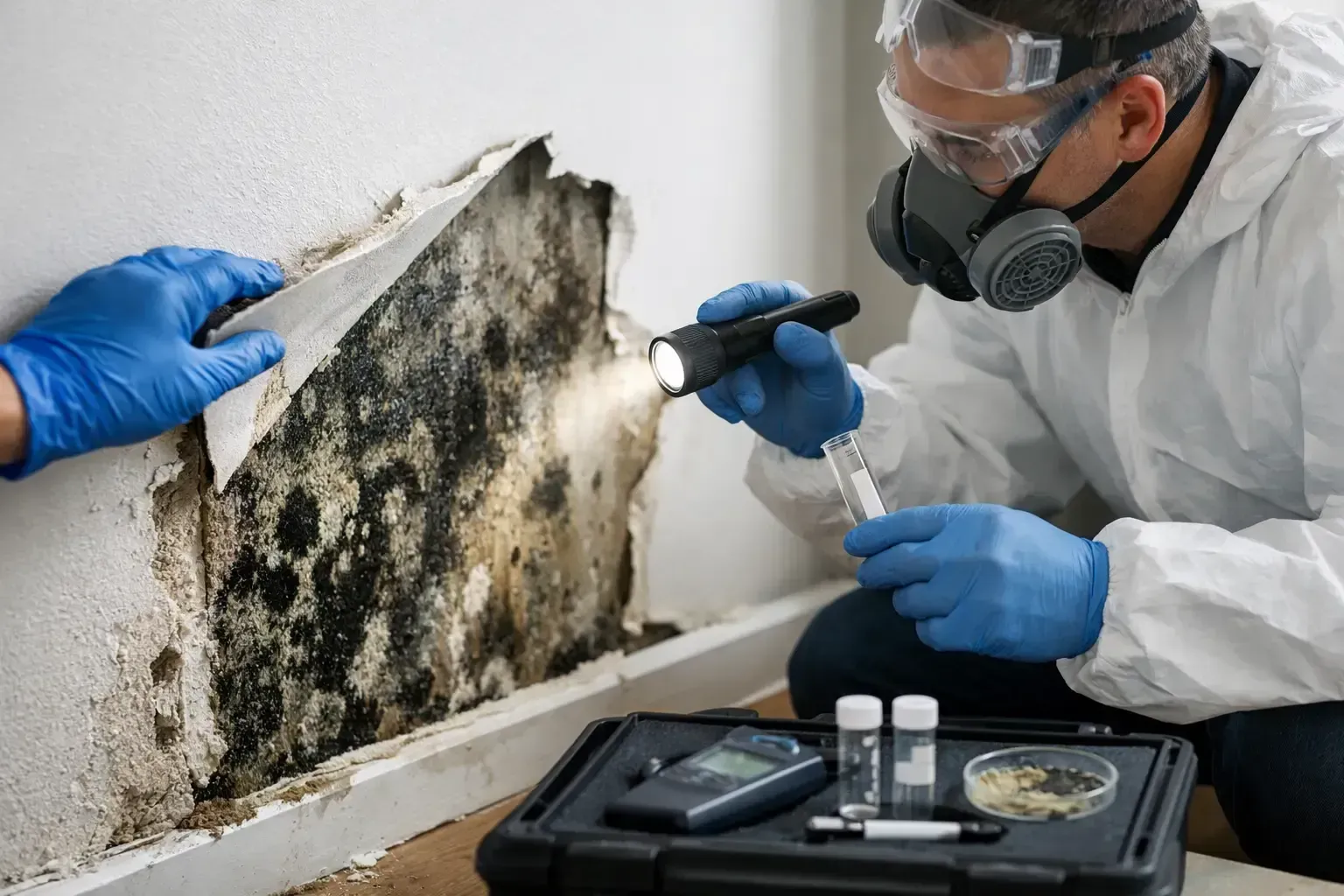
A room can look clean, smell mostly normal, and still have a mold problem behind drywall, under flooring, or inside an HVAC system. If you are trying to figure out how to test hidden mold, the goal is not to guess based on one stain or one odor. The goal is to find evidence, confirm moisture, and use the right testing method for the location and situation.
That matters because hidden mold is usually a moisture problem first and a mold problem second. If the source is missed, cleaning visible growth or running an air purifier will not solve it. You need a methodical approach that protects the property, the people inside it, and any future insurance, sale, or tenant documentation.
How to Test Hidden Mold Without Wasting Time
The biggest mistake property owners make is starting with the wrong test. Mold kits sold online can seem simple, but they often create more confusion than answers. Mold spores exist in normal indoor and outdoor air. A petri dish growing something does not tell you where it came from, whether levels are elevated, or whether a hidden reservoir is active inside the building.
A better process starts with the building itself. Mold does not grow randomly. It follows water. That means the first step is always to identify places where moisture could be trapped or recurring. Roof leaks, plumbing leaks, HVAC condensation, window intrusion, slab moisture, crawlspace humidity, and prior flooding are all common starting points.
If there has been a leak in the last few weeks or months, focus there first. If there is no known leak, look for patterns such as a musty odor that gets stronger when the AC runs, staining that returns after painting, warped baseboards, soft drywall, bubbling finishes, or rooms that always feel damp.
Start With a Visual and Moisture Inspection
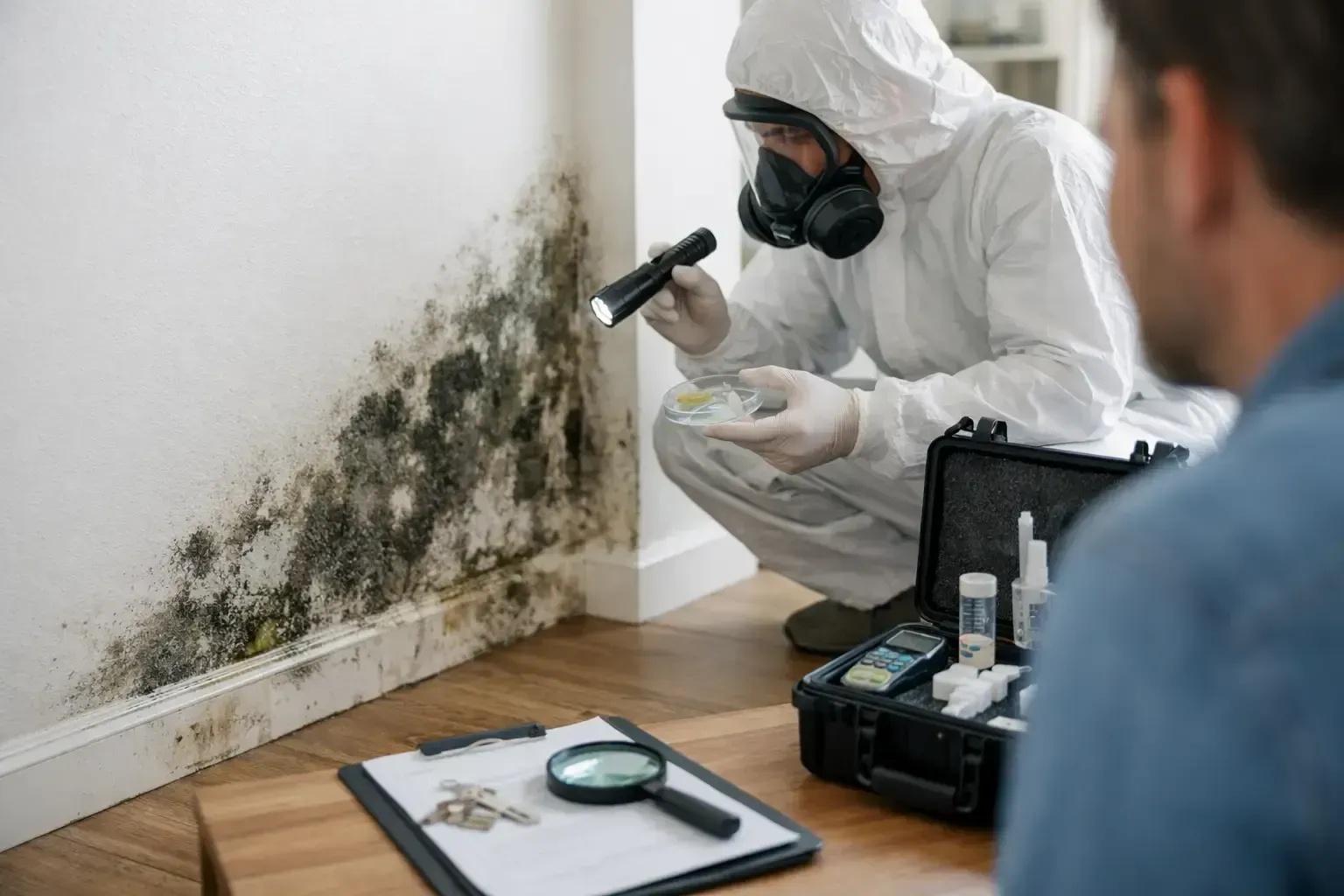
When professionals investigate hidden mold, they rarely begin by sampling the air at random. They begin with a detailed visual assessment paired with moisture detection. That combination tells you where to test and whether hidden growth is even likely.
What to Look for
Walk the property slowly and pay attention to more than obvious black spots. Hidden mold often shows up indirectly. You may notice yellow or brown water stains, peeling paint, swollen trim, lifted flooring, or rust on metal fasteners near a wall cavity. In closets, under sinks, around air handlers, and behind stored items, look for discoloration and condensation.
Odor is also useful, but it is not proof by itself. A musty smell suggests microbial activity or chronic dampness, yet odor alone cannot confirm how much growth is present or whether the source is mold, sewage bacteria, or another indoor air quality issue.
Why Moisture Meters Matter
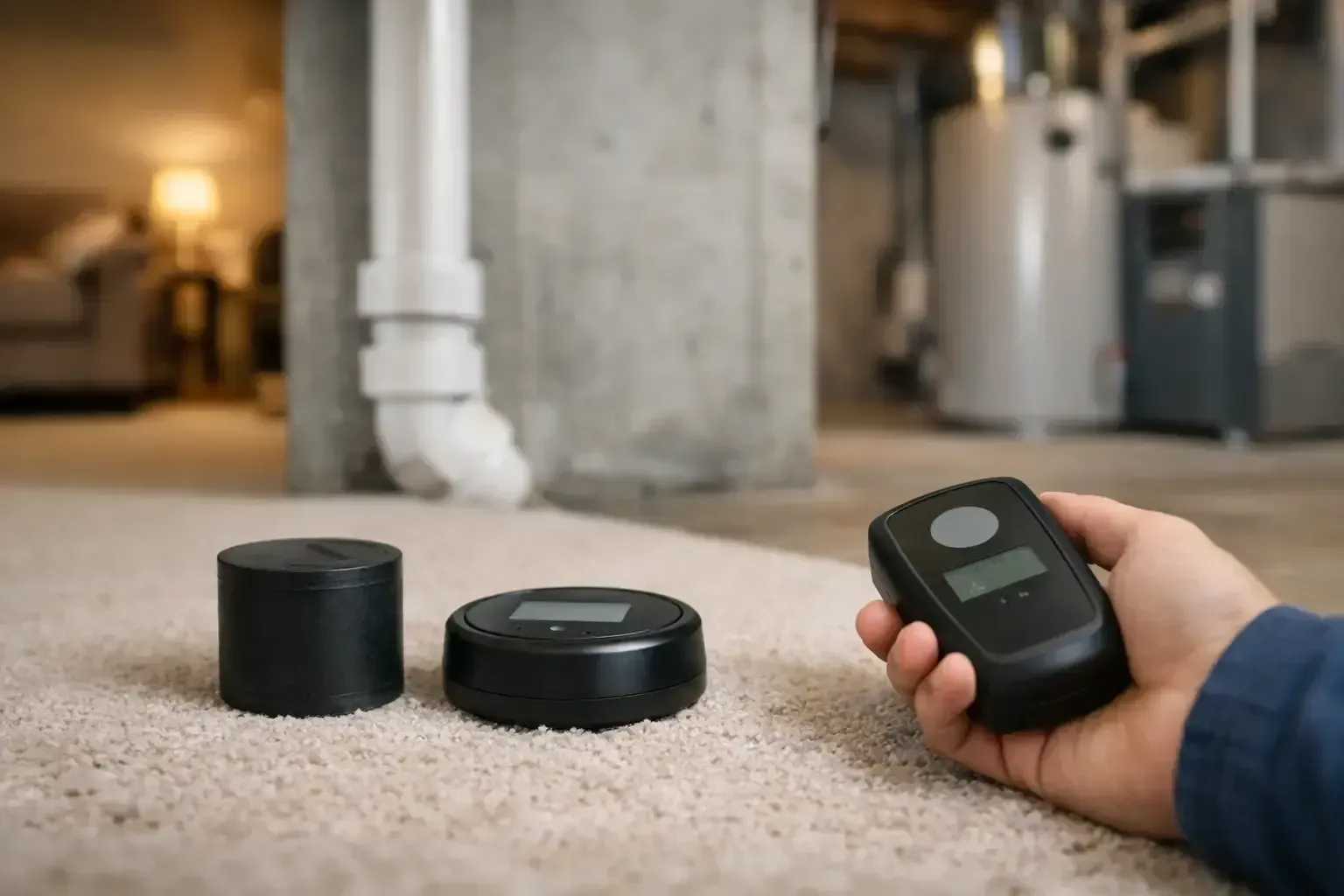
A moisture meter helps determine whether drywall, wood, or flooring currently holds elevated moisture. That is critical because mold needs moisture to stay active. If a wall is dry and stable, testing may be less urgent. If readings are elevated, there is a stronger reason to inspect further or sample that area.
In some cases, thermal imaging can help identify cooler areas consistent with moisture intrusion. It does not see mold directly, but it can point to hidden wet materials behind finished surfaces. Those findings often guide more targeted testing.
When Air Testing Helps and When It Does Not
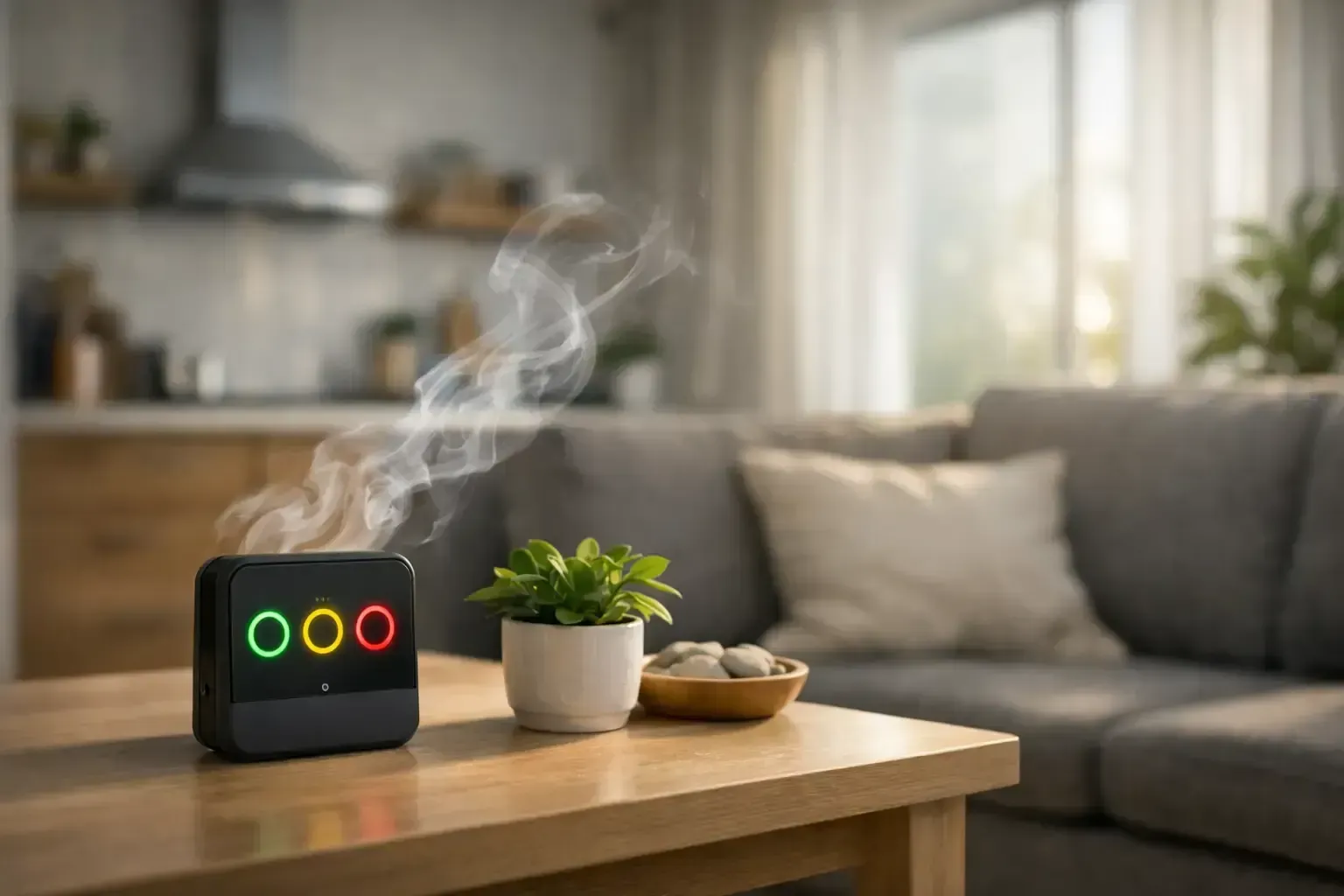
Air sampling is one of the most requested services, and it can be valuable when used correctly. It compares indoor air to outdoor air and can help identify whether mold spores are elevated inside a building. This is especially useful when there is suspicion of hidden mold but no visible growth.
That said, air testing has limits. Mold spores are not evenly distributed every minute of the day. HVAC cycles, weather, occupant activity, and closed or open doors can all affect results. A clean-looking air sample does not always rule out mold hidden in a sealed wall cavity, and an elevated sample does not tell you exactly where the growth is located.
Air testing works best as part of an overall assessment, not as a standalone answer. If you are buying a property, dealing with unexplained symptoms, or trying to document concerns in a landlord-tenant or insurance situation, properly collected air samples can provide useful data when combined with inspection findings.
Surface and Cavity Testing for Suspected Hidden Growth
If a specific area is suspected, surface or cavity sampling may be more useful than general air testing.
Surface sampling
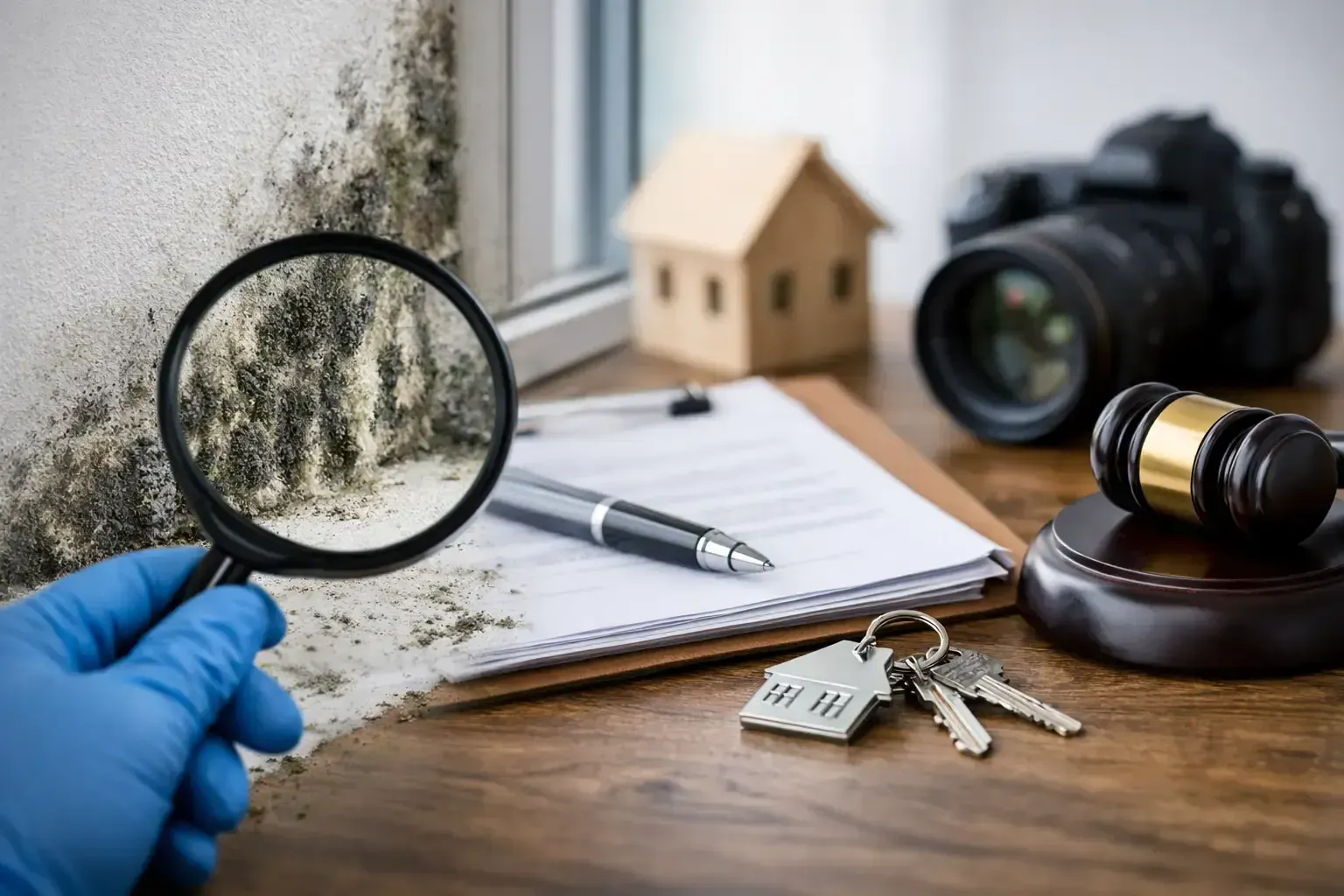
Tape lifts and swab samples can confirm whether visible discoloration is actually mold. This matters because not every dark mark is fungal growth. Dust, soot, staining from water damage, and construction debris can look similar. Laboratory analysis helps separate assumption from evidence.
Cavity sampling
When mold is suspected behind drywall, under cabinets, or inside a ceiling void, cavity sampling may be appropriate. This usually involves accessing the void carefully or drawing air from within the cavity. It is a more targeted way to investigate hidden contamination without opening large areas blindly.
This approach is especially helpful when there is a strong odor, elevated moisture, or visible water damage, but no open view of the suspected source. It can also reduce unnecessary demolition by narrowing the search area.
How to Test Hidden Mold After Water Damage
If the property recently had a leak, flood, or AC overflow, timing matters. Testing too early can miss developing growth, while waiting too long can allow contamination to spread. In many cases, the first priority after water damage is drying and stabilizing the structure quickly. Once materials remain wet beyond a day or two, the risk of mold increases significantly.
After water damage, testing usually focuses on the affected materials, adjacent rooms, and HVAC impact if the system ran during the event. Moisture mapping is essential here. Water often travels farther than the visible stain suggests, especially under flooring and inside wall cavities.
If remediation has already been performed, post-remediation verification testing may be the next step. That type of testing checks whether contamination has been properly removed and whether the area is dry and ready for rebuild. For property owners, buyers, managers, and contractors, that documentation can be just as important as the initial diagnosis.
DIY Testing Versus Professional Mold Testing
There is a reason many people search how to test hidden mold before calling anyone. They want to know whether this is something they can handle themselves. The honest answer is that it depends on what you need.
If you only want a rough sense of whether an area smells musty or has moisture risk, a flashlight and a basic moisture meter may help you spot warning signs. That can be useful for early awareness.
But if you need defensible results, lab-backed identification, or documentation for a sale, insurance claim, tenant dispute, or health concern, DIY kits usually fall short. They do not provide a full building assessment, they can be contaminated during collection, and they rarely answer the question that matters most: where is the mold coming from and how far has it spread?
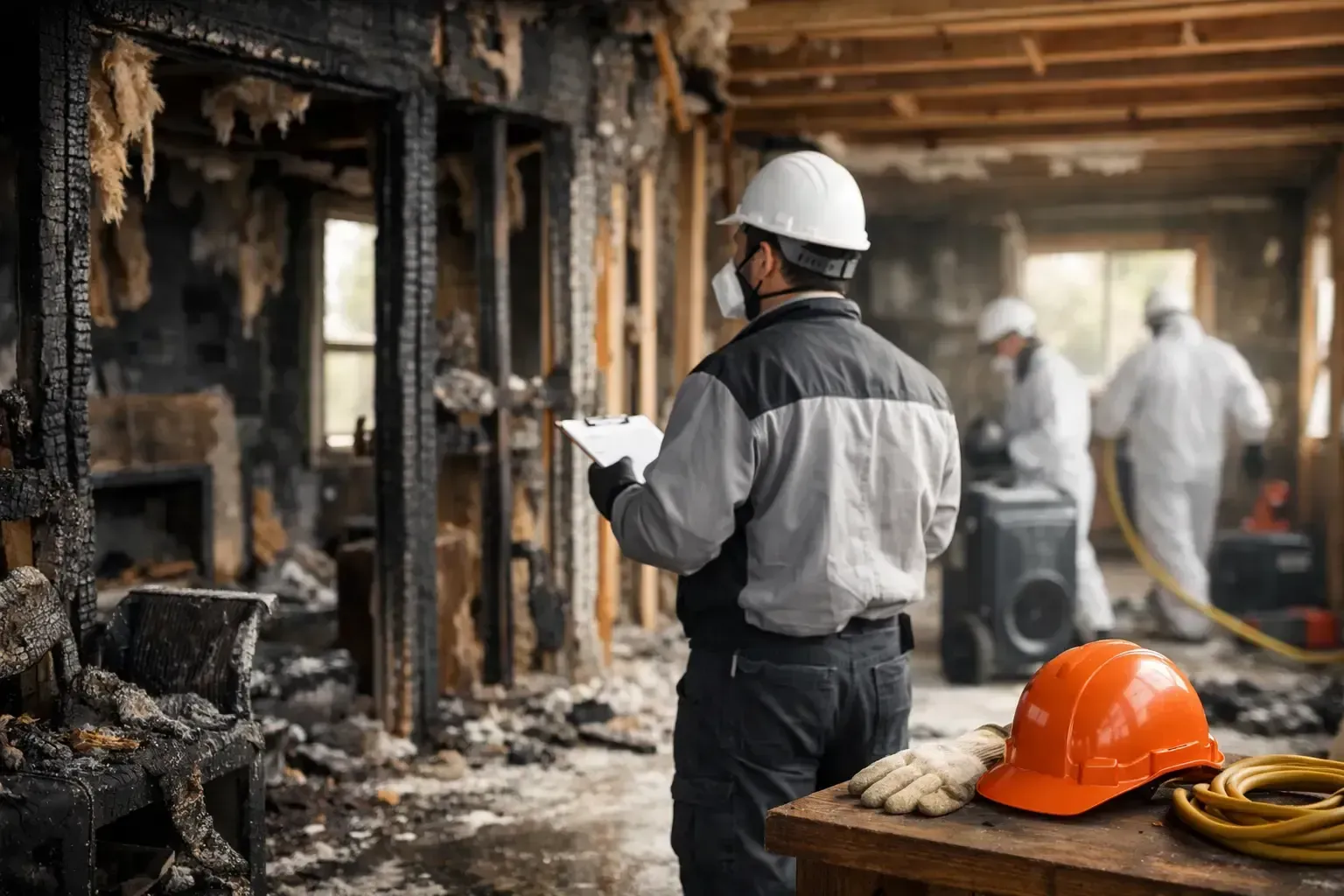
Professional testing is also safer in some conditions. Disturbing moldy materials without containment can spread spores. Opening a wall near sewage contamination or after fire damage can expose occupants to more than mold alone. A qualified environmental tester looks at the full contamination picture.
When to Call a Professional Right Away
Some situations should not wait. If there is a strong persistent odor with no visible source, repeated water intrusion, visible growth larger than a small isolated spot, occupant health complaints, or mold concerns tied to a home purchase or legal dispute, professional testing is the better path.
The same is true for commercial buildings, rental properties, healthcare spaces, schools, and any building where documentation matters. Accurate sampling, clear reporting, and a scope built around the property conditions are what turn suspicion into answers.
For many owners in Florida and Kentucky, humidity, storm exposure, plumbing failures, and HVAC issues create ideal conditions for hidden mold. An experienced assessment can determine whether the problem is active, where it is likely originating, and what should happen next. Hanes Environmental approaches mold investigations the same way the best field work is always done - start with the building science, verify with testing, and document the findings clearly.
What the Right Result Should Give You
A good mold test does more than say yes or no. It should tell you whether conditions support hidden growth, what type of sampling was appropriate, how indoor conditions compare to normal expectations, and what next steps make sense based on the evidence.
Sometimes that means remediation. Sometimes it means fixing a moisture issue and monitoring the area. Sometimes it means the concern is not mold at all, but another indoor air quality or contamination problem that needs a different response.
If you suspect mold but cannot see it, resist the urge to guess or rely on a quick kit that leaves you with more questions. The best approach is careful inspection, moisture confirmation, and targeted testing that matches the property conditions. Clear answers are what protect your health, your investment, and your next decision.
Recent Posts