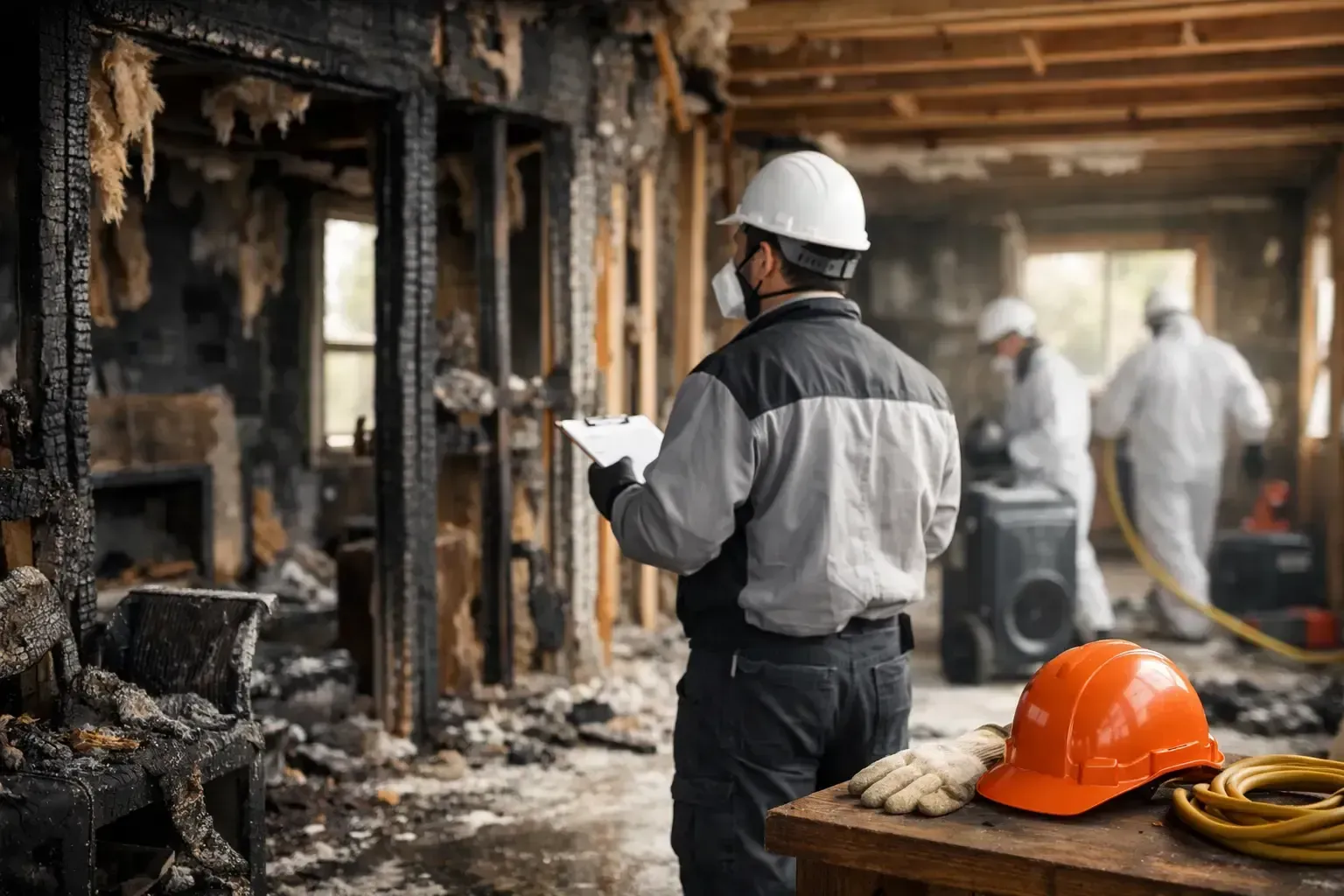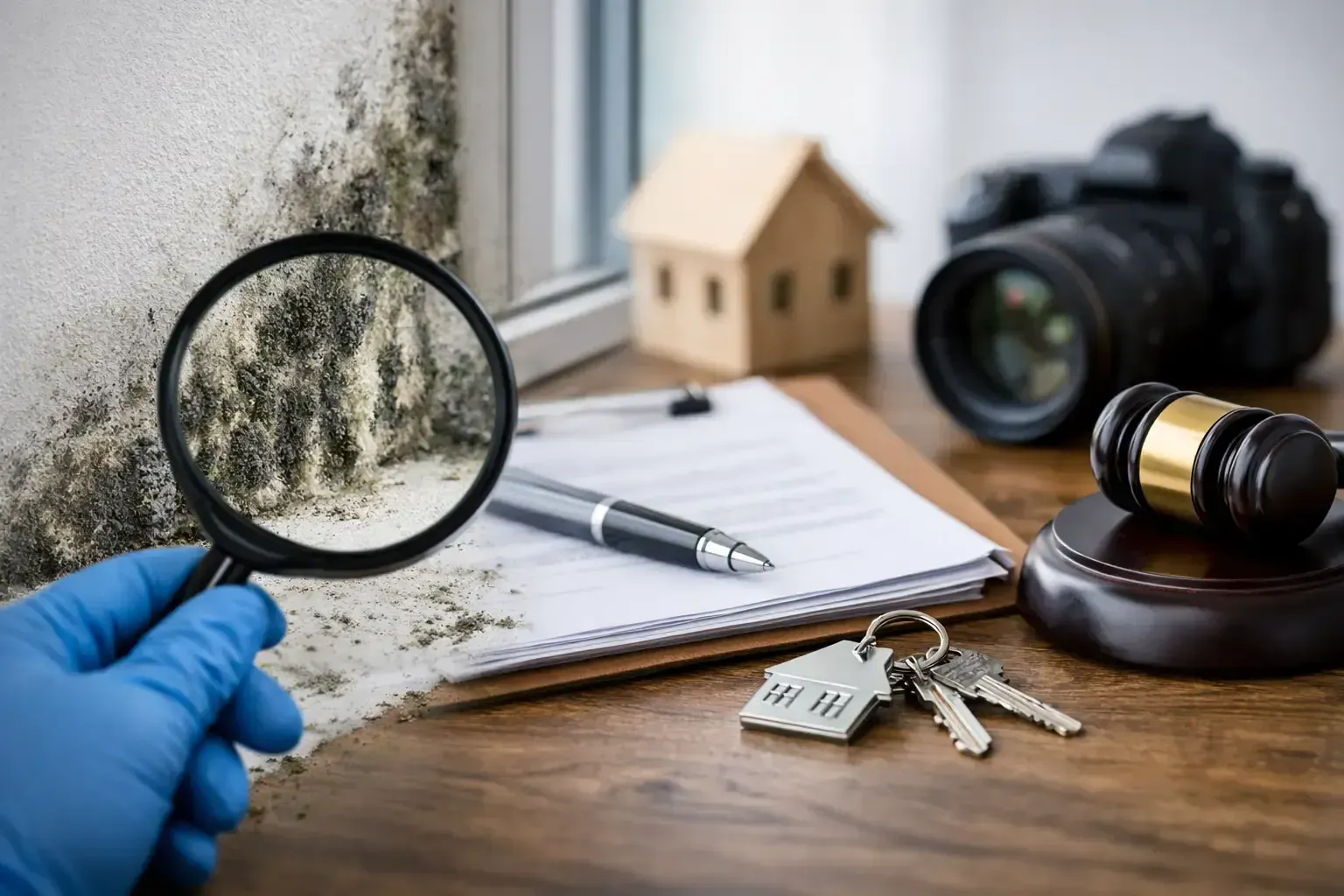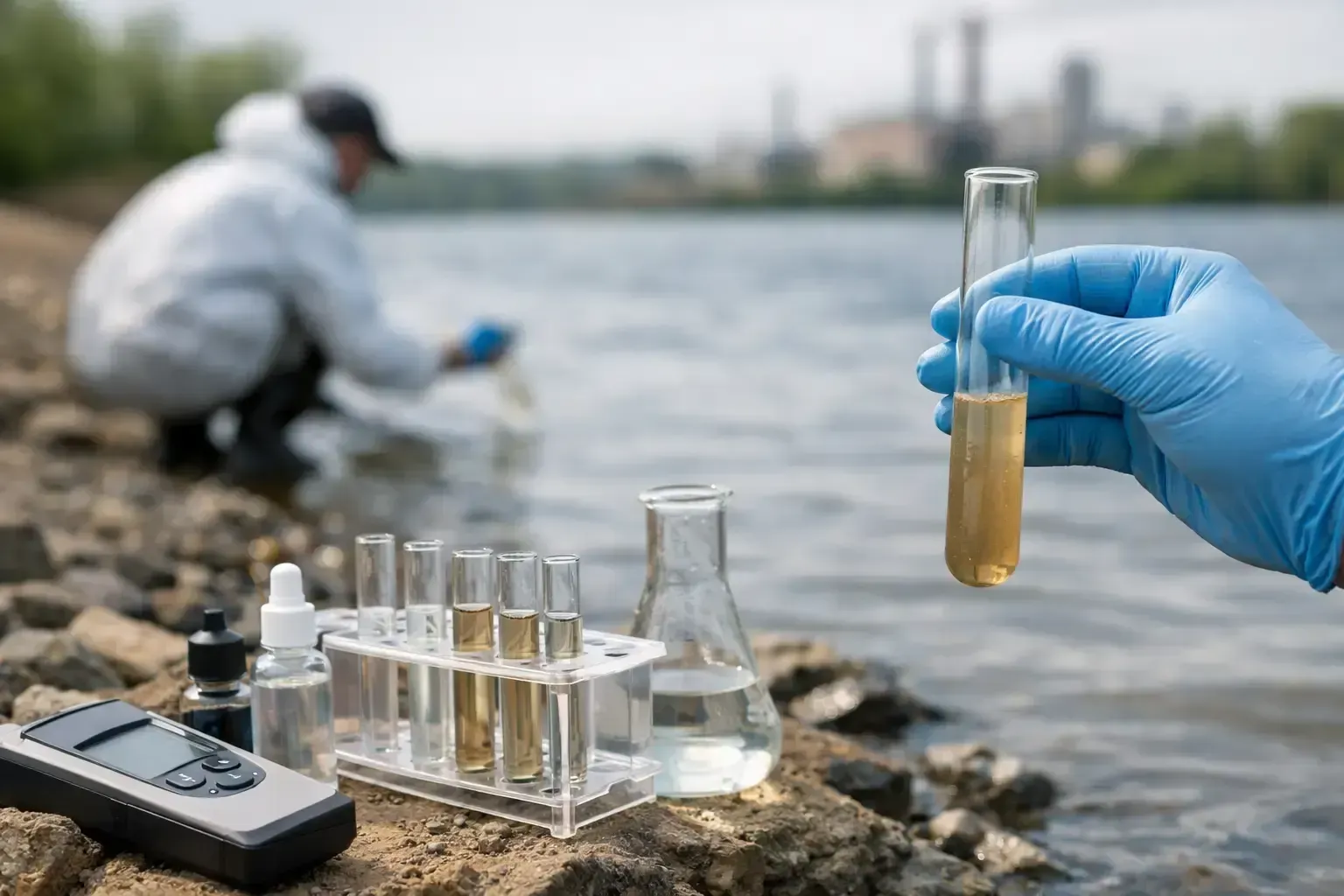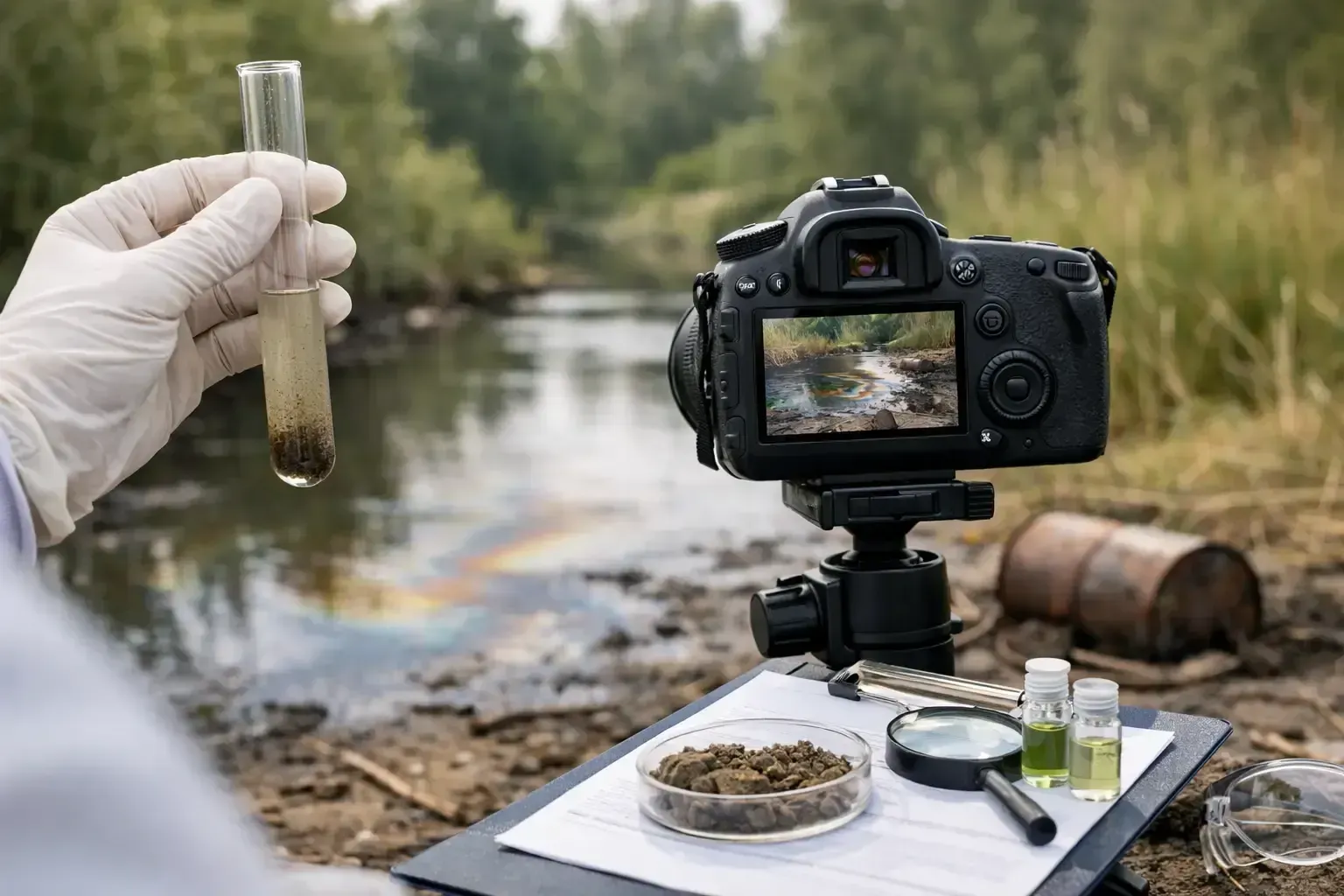
The quality of the report depends on the quality of the inspection. You want someone who understands moisture behavior, building materials, contamination categories, and the difference between visible damage and actual spread. The report should be direct, specific, and supported by field findings, not vague language.
It also helps to work with a company that can explain results in plain English. Technical accuracy matters, but so does communication. When people are dealing with damage to a home, rental, office, or investment property, they need answers they can act on.
In Florida and Kentucky, where weather, humidity, plumbing failures, and hidden moisture issues can all play a role, a thorough assessment is one of the smartest early steps you can take. Hanes Environmental provides that kind of clear, field-based reporting so property owners know what they are dealing with before the damage gets worse.
The sooner you replace assumptions with documented facts, the easier it becomes to protect the building, the people inside it, and the money it will take to set things right.
Why Interpretation Matters More Than the Lab Report Alone
When sewage backs up into a home, rental, office, or commercial space, the mess is only part of the problem. What gets missed in the first few hours often becomes the reason an insurance claim stalls, a tenant dispute escalates, or contamination spreads farther than anyone first realized. If you need to know how to document sewage contamination, the goal is simple: create a clear, defensible record of what happened, where it spread, what was affected, and what actions were taken.
That record matters because sewage contamination is not just dirty water. It can contain bacteria, viruses, parasites, and chemical contaminants. Porous materials may become unsafe quickly. Hidden moisture can move beneath flooring, behind baseboards, and into wall cavities. Good documentation protects health, supports cleanup decisions, and gives property owners a stronger position when dealing with insurers, contractors, landlords, tenants, or buyers.
Why Documentation Matters After a Sewage Loss
In sewage cases, memory is not enough. Conditions change fast. Water recedes, surfaces dry, odors fade, and damaged materials get removed. If there is no record from the beginning, it becomes harder to prove the extent of contamination or show why certain materials had to be discarded.
Thorough documentation also helps separate visible damage from likely hidden impact. A bathroom overflow that appears limited to tile may have reached trim, drywall, insulation, cabinetry, or adjacent rooms. In commercial settings, contamination may affect inventory, equipment, shared walls, or occupied areas beyond the original source. The more complete the record, the easier it is to justify proper restoration instead of incomplete cleanup.
How to Document Sewage Contamination the Right Way
Start before any major cleanup begins, but do not put yourself at risk to get photos or measurements. If the area contains standing sewage, electrical hazards, or strong contamination, limit access and use proper protective equipment. If conditions are not safe, the first step is to secure the site and bring in qualified help.
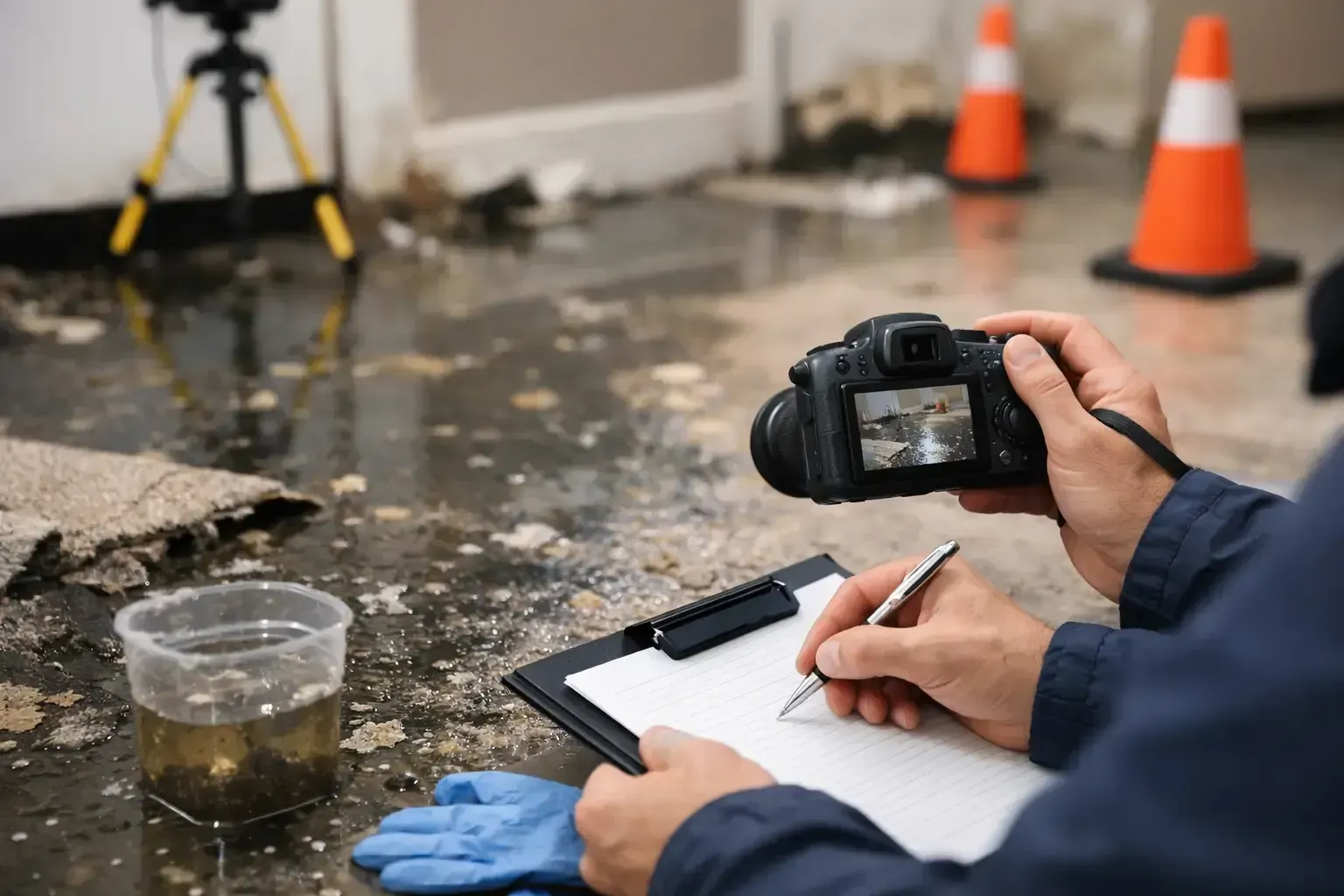
Begin with wide photographs of the affected area. Show the overall room, entry points, fixtures, flooring transitions, and any path the sewage followed. Then move closer and capture individual damaged materials such as baseboards, drywall, cabinets, carpet, furniture, boxes, equipment, and contents. If the contamination reached multiple rooms, document each room separately and then photograph the connecting path between them.
Video can help if the damage is widespread. A slow walkthrough with spoken observations can record odor conditions, water lines, staining, and the general extent of impact. Keep the camera steady and avoid rushing. A clear visual timeline is more useful than dramatic footage.
Write down the date and time the problem was discovered, when the backup likely began, and when the water source was stopped if that is known. Note where the sewage came from. That could mean a toilet overflow, floor drain backup, broken sewer line, septic issue, lift station problem, or municipal line failure. If the source is uncertain, say so. Guessing can create problems later.
What Your Written Record Should Include
A strong written log does more than say a room was affected. It should identify what was contaminated and how severely. Room-by-room notes are usually the clearest approach.
For each area, record the approximate depth of standing water or visible residue, the materials that came in contact with sewage, and any obvious signs such as staining, swelling, delamination, odor, or visible debris. Include contents as well as building materials. Upholstered furniture, cardboard, stored textiles, paper goods, and porous inventory often need special attention because they can absorb contamination rapidly.
It also helps to note environmental conditions. Was the HVAC running? Were interior doors open? Did water move downhill into neighboring rooms? In multi-unit properties or commercial buildings, document whether contamination could have spread through shared hallways, wall cavities, or lower levels. These details can matter in both cleanup planning and liability review.
If anyone was exposed, document that carefully and factually. List who entered the affected area, when they entered, whether protective gear was used, and whether any occupants reported illness symptoms or strong odors. Do not make medical conclusions, but do record the basic facts.
Photographing Sewage Contamination for Insurance and Liability
Photos are often the first thing an adjuster, attorney, property manager, or remediation team reviews. The best photo set is organized and repetitive in a good way. Take wide shots first, then mid-range shots, then close-ups. Include the same affected material from different angles if the damage pattern is unclear.
Use good lighting if possible. Make sure photos are in focus. If there is a visible water line, residue, or sewage solids, capture that clearly. If cabinetry, drywall, or flooring is swelling or separating, photograph the deformation before it changes. If personal property or business equipment was impacted, document model labels, serial numbers, and condition where relevant.
A simple trick improves credibility: include reference points. Show doorways, room corners, or recognizable fixtures so the location of each image is obvious. If the depth of contamination matters, use a tape measure or another visible scale in the frame. That is especially useful when documenting affected drywall height, standing water depth, or the extent of damaged contents.
Save Evidence of What Was Removed and Why
One of the biggest documentation mistakes happens during fast cleanup. Materials get bagged and discarded before anyone records what they were, how much was removed, or why they were considered non-salvageable.
Before disposal, photograph removed carpet, pad, drywall, insulation, cabinetry, and contaminated contents. Keep notes showing which room they came from and why they were removed. In sewage losses, porous materials are often not appropriate candidates for simple surface cleaning. Still, the decision should be documented with clear observations, not vague statements.
If emergency demolition is necessary to prevent further contamination or to access hidden moisture, log who authorized it and when. Save copies of invoices, work authorizations, moisture readings, and disposal records. Those documents help show the chain of events from discovery through mitigation.
When Professional Testing Should Be Part of the Record
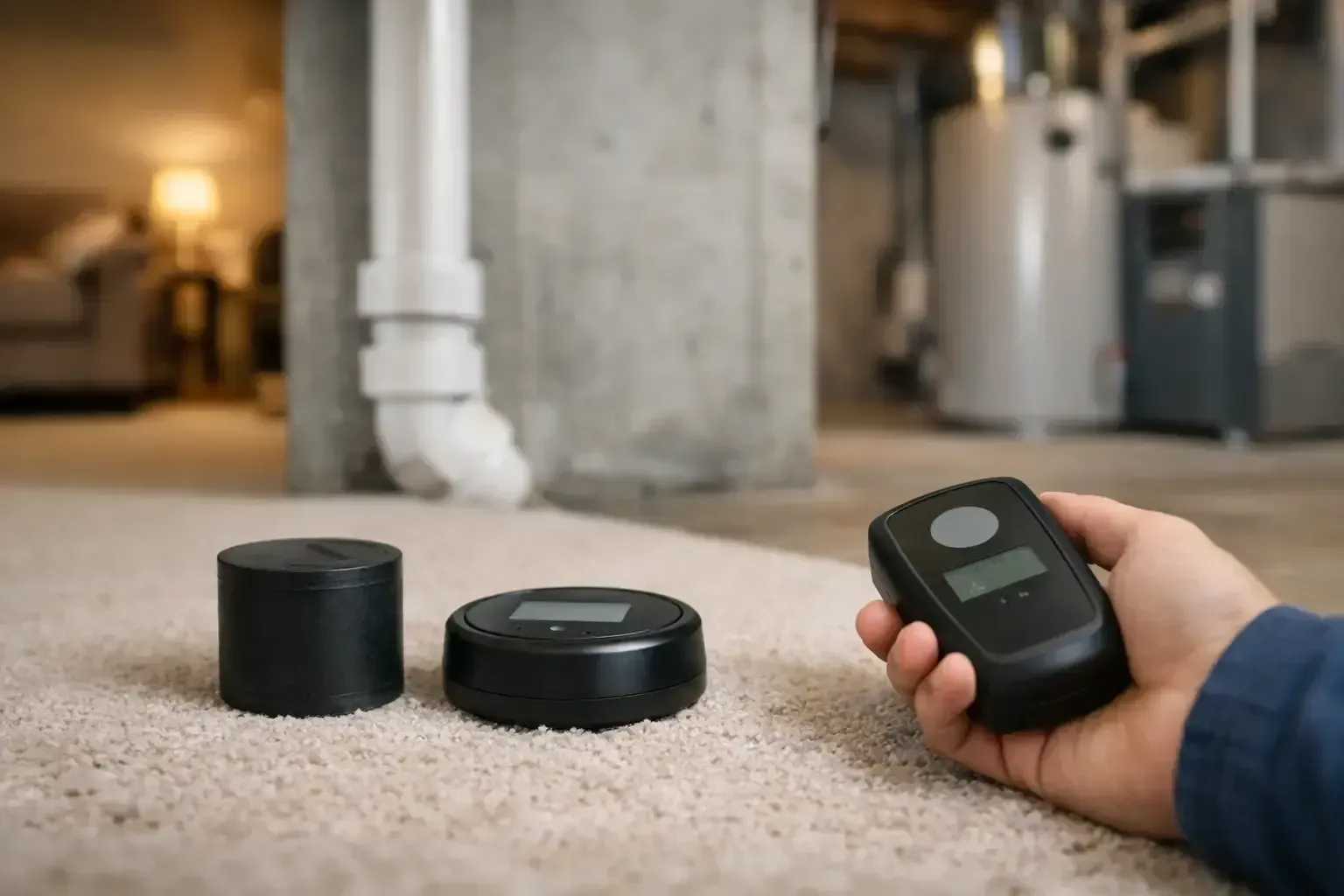
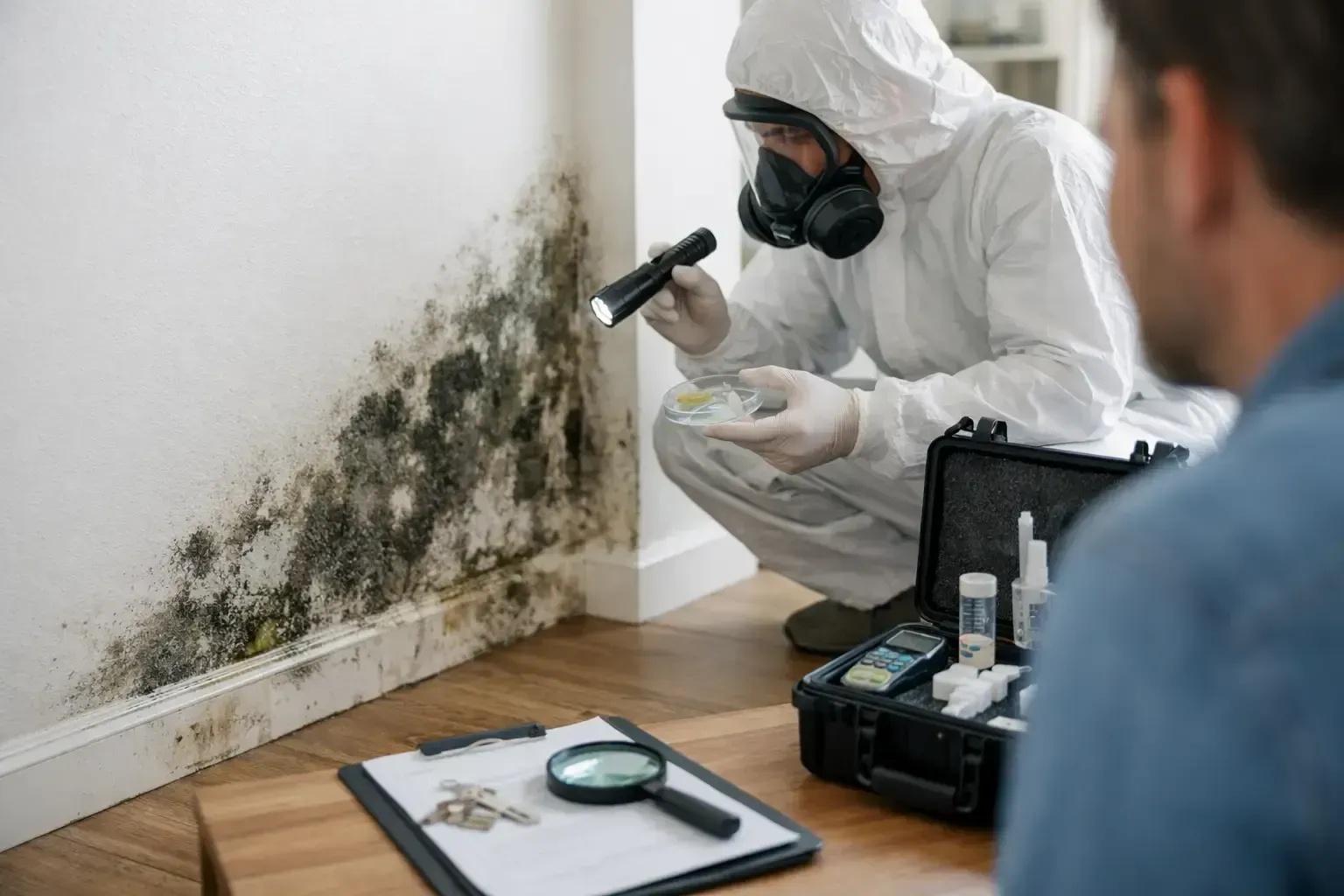
Not every sewage event looks severe at first. That is exactly why testing can matter. Visual damage does not always show where contamination ended. Moisture meters, thermal imaging, bacterial sampling, and laboratory-supported assessment can provide a more defensible picture, especially in disputes, insurance claims, commercial losses, or situations involving health concerns.
Professional documentation becomes more important when contamination affected hidden cavities, HVAC systems, multiple units, crawlspaces, slab edges, or high-value interiors. It also matters if there is disagreement about whether materials are truly contaminated or whether cleanup was sufficient.
A qualified environmental professional can document site conditions, identify likely contamination pathways, collect samples where appropriate, and produce a clear report. For property owners who need evidence that stands up under review, that level of documentation often carries more weight than phone photos alone. In Florida and Kentucky, Hanes Environmental is often called when owners, managers, and insurers need accurate findings and clear reporting after suspected sewage or bacteria contamination.
Common Mistakes When Documenting Sewage Contamination
The first mistake is cleaning too soon. Understandably, people want the smell and shock gone immediately. But if everything is wiped down before it is recorded, key evidence disappears.
The second mistake is documenting only the obvious room. Sewage rarely respects room lines. It can move under flooring, along wall plates, and into contents that do not look damaged at first glance.
The third mistake is relying on verbal descriptions instead of time-stamped notes and images. A detailed record created on the same day is more useful than a reconstructed explanation a week later.
Another common issue is failing to separate facts from assumptions. Record what you observed, what was measured, and what was reported. If a cause is still under investigation, say that directly.
What to Do Right After Documentation Starts
Once the initial record is underway, focus on containment and safe next steps. Restrict access to affected areas. Prevent cross-contamination by limiting foot traffic and separating clean areas from contaminated ones. If occupants are vulnerable due to age, health condition, or immune status, extra caution is warranted.
From there, the next move depends on severity. A small, well-defined event may still require removal of contaminated porous materials and sanitation of structural surfaces. A larger loss may call for professional remediation, drying, demolition, testing, and post-cleanup verification. The right response depends on where the sewage went, what materials were involved, how long conditions remained wet, and whether hidden contamination is likely.
If you are facing a sewage backup, do not wait for the situation to become harder to prove. Careful documentation on day one can protect your health, your property, and your position with everyone involved in the claim or cleanup.
Recent Posts