Common Mistakes When Documenting Sewage Contamination
The quality of the report depends on the quality of the inspection. You want someone who understands moisture behavior, building materials, contamination categories, and the difference between visible damage and actual spread. The report should be direct, specific, and supported by field findings, not vague language.
It also helps to work with a company that can explain results in plain English. Technical accuracy matters, but so does communication. When people are dealing with damage to a home, rental, office, or investment property, they need answers they can act on.
In Florida and Kentucky, where weather, humidity, plumbing failures, and hidden moisture issues can all play a role, a thorough assessment is one of the smartest early steps you can take. Hanes Environmental provides that kind of clear, field-based reporting so property owners know what they are dealing with before the damage gets worse.
The sooner you replace assumptions with documented facts, the easier it becomes to protect the building, the people inside it, and the money it will take to set things right.
Why Interpretation Matters More Than the Lab Report Alone
If the property recently had a leak, flood, or AC overflow, timing matters. Testing too early can miss developing growth, while waiting too long can allow contamination to spread. In many cases, the first priority after water damage is drying and stabilizing the structure quickly. Once materials remain wet beyond a day or two, the risk of mold increases significantly.
After water damage, testing usually focuses on the affected materials, adjacent rooms, and HVAC impact if the system ran during the event. Moisture mapping is essential here. Water often travels farther than the visible stain suggests, especially under flooring and inside wall cavities.
If remediation has already been performed, post-remediation verification testing may be the next step. That type of testing checks whether contamination has been properly removed and whether the area is dry and ready for rebuild. For property owners, buyers, managers, and contractors, that documentation can be just as important as the initial diagnosis.
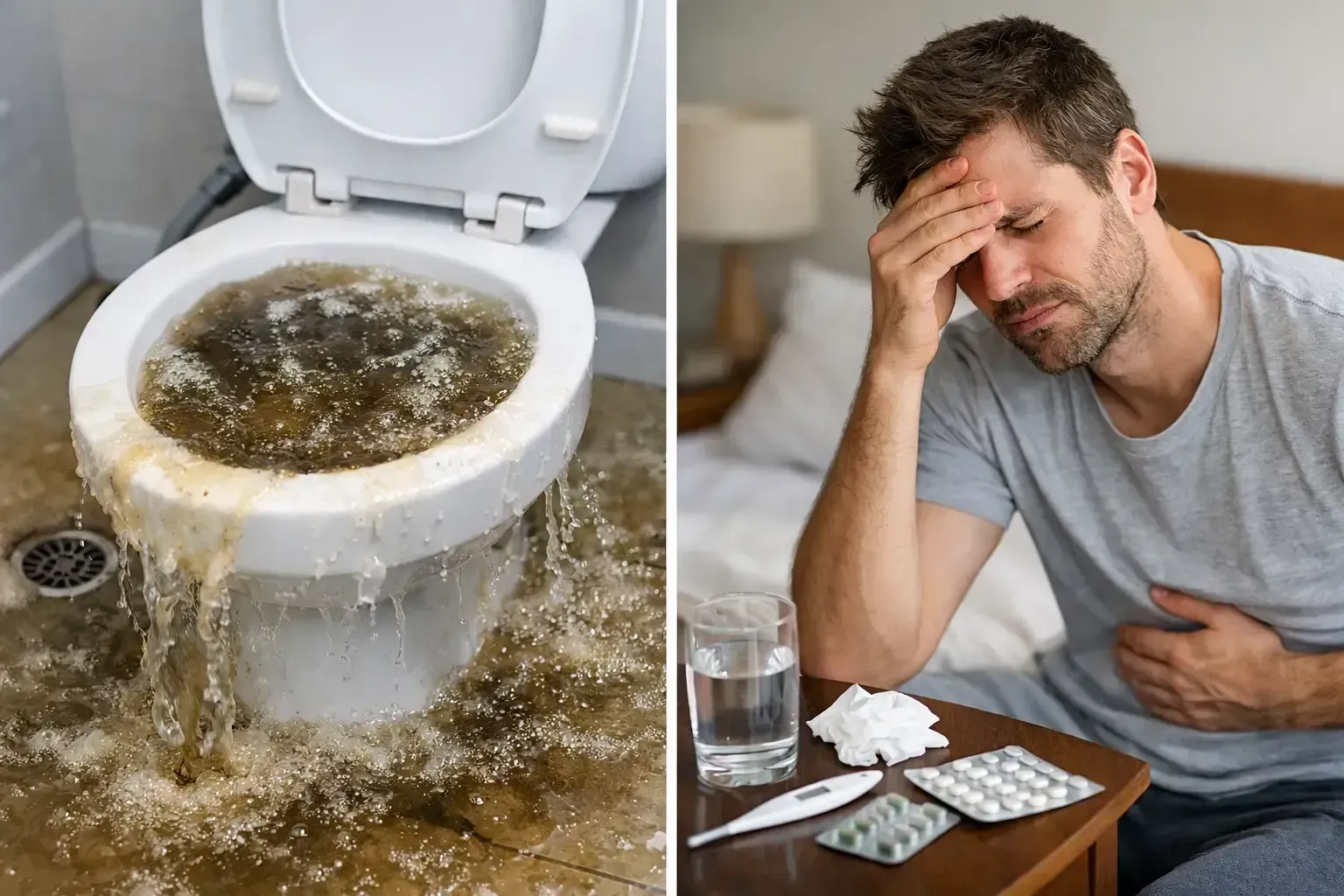
A toilet overflow or floor drain backup is not just a mess to clean up. If you are asking, can sewage backup cause illness, the short answer is yes. Sewage carries bacteria, viruses, parasites, and other contaminants that can affect the air, surfaces, and materials inside a home or commercial building within hours.
The bigger problem is that sewage damage is often worse than it first appears. Water may recede, but contamination can remain in grout lines, subfloors, drywall, insulation, HVAC components, and porous contents. That is why people sometimes keep feeling unwell after the visible water is gone.
Can Sewage Backup Cause Illness in a Home or Business?
Yes, and the level of risk depends on what was contaminated, how long it sat, and who was exposed. Raw sewage is considered grossly contaminated water because it can contain human waste, harmful microorganisms, and chemical pollutants. Even a small backup can create an unhealthy environment if it reaches flooring, cabinets, air ducts, or stored contents.
In a residence, the most common concern is direct contact during cleanup or after children and pets move through affected areas. In a commercial setting, risk can spread faster because of shared restrooms, larger floor areas, and higher occupant traffic. Property managers and business owners also have to think about documentation, liability, and whether contamination spread beyond the original room.
Not every person exposed will get sick, but that does not make the situation minor. Older adults, infants, pregnant women, and anyone with asthma, allergies, or a weakened immune system may be affected more quickly and more severely.
What Makes Sewage Exposure Dangerous?
Sewage backups are dangerous because they introduce multiple hazards at the same time. There is the obvious biological contamination, but there is also the moisture problem. Once building materials stay wet, microbial growth can begin, and that can add another layer of indoor environmental concerns.
Common sewage-related contaminants may include E. coli, Salmonella, Shigella, Hepatitis A, norovirus, Giardia, and other fecal-origin organisms. Depending on the source and the building conditions, sewage may also carry detergents, grease, industrial runoff, and chemical residues. In other words, this is not just dirty water. It is a mixed contamination event.
That distinction matters because appearance alone is not enough to judge safety. Clear-looking water from a backup can still contain dangerous organisms. A mild odor does not mean low risk, and a strong odor does not tell you exactly what is present. Accurate assessment often requires more than visual inspection.
Symptoms That Can Happen After Sewage Backup Exposure
Illness from sewage exposure can show up in different ways. Some people develop stomach symptoms first, while others notice irritation in the eyes, nose, throat, or skin. If contaminated moisture contributes to indoor microbial growth, respiratory complaints may also become part of the picture.
Common symptoms can include nausea, vomiting, diarrhea, stomach cramps, headaches, skin rashes, coughing, sinus irritation, fever, and fatigue. In some cases, symptoms begin within hours. In others, they take longer to appear, especially if exposure is indirect and ongoing through contaminated air or surfaces.
It is also possible for two people in the same property to react very differently. One occupant may feel fine while another develops significant symptoms. That is one reason sewage events should be treated based on contamination risk, not just on whether everyone feels sick right away.
How Contamination Spreads Beyond the Visible Backup
One of the biggest mistakes after a sewage incident is assuming the problem stayed where the water was seen. In real properties, contaminated water can wick into drywall, soak under flooring, enter cabinets, spread through cracks, and remain trapped beneath finish materials. If HVAC returns are nearby, airborne particulates and odors can move farther than expected.
Bathrooms, kitchens, laundry rooms, slab edges, and lower-level spaces are common trouble spots, but contamination can spread into adjacent rooms through foot traffic alone. Shoes, mop heads, tools, and cleaning cloths can transfer material from one area to another. That is why a quick wipe-down rarely equals full decontamination.
For landlords, property managers, and real estate professionals, this is where objective documentation becomes important. A sewage claim or tenant complaint is much easier to address when there is clear evidence showing where contamination was found and whether cleanup was sufficient.
When Cleanup is Not Enough
Some minor surface incidents can be addressed quickly if contamination is limited and handled correctly. But sewage backups often involve porous materials that cannot be reliably disinfected. Carpet pad, insulation, baseboards, particleboard cabinets, and some drywall assemblies may need removal, not surface treatment.
This is where people get into trouble trying to save materials that should be discarded. Bleach or household disinfectant does not fix everything, especially when sewage has penetrated below the surface. If materials remain contaminated or damp, odors persist and the health risk may continue.
There is also a timing issue. The longer sewage sits, the more likely contamination will spread and the harder it becomes to restore the area safely. Delays can turn a focused cleanup into a much larger environmental and restoration problem.
When Professional Testing Makes Sense
Testing is not required for every spill, but it becomes very valuable when the situation is unclear, disputed, or potentially extensive. If occupants are reporting symptoms, if the source of contamination is uncertain, if sewage reached hidden building cavities, or if a contractor says the area is clean but concerns remain, professional assessment can provide defensible answers.
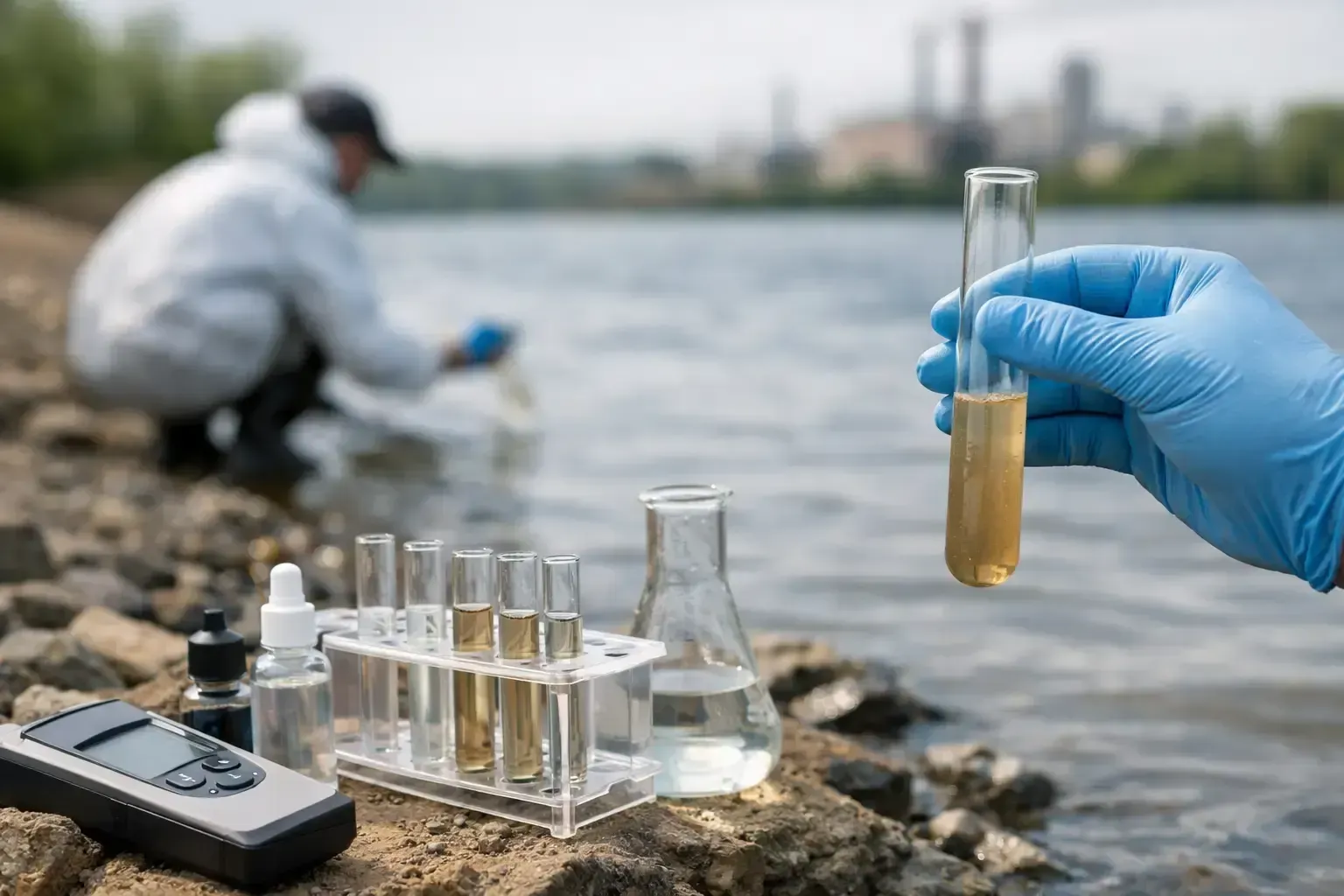
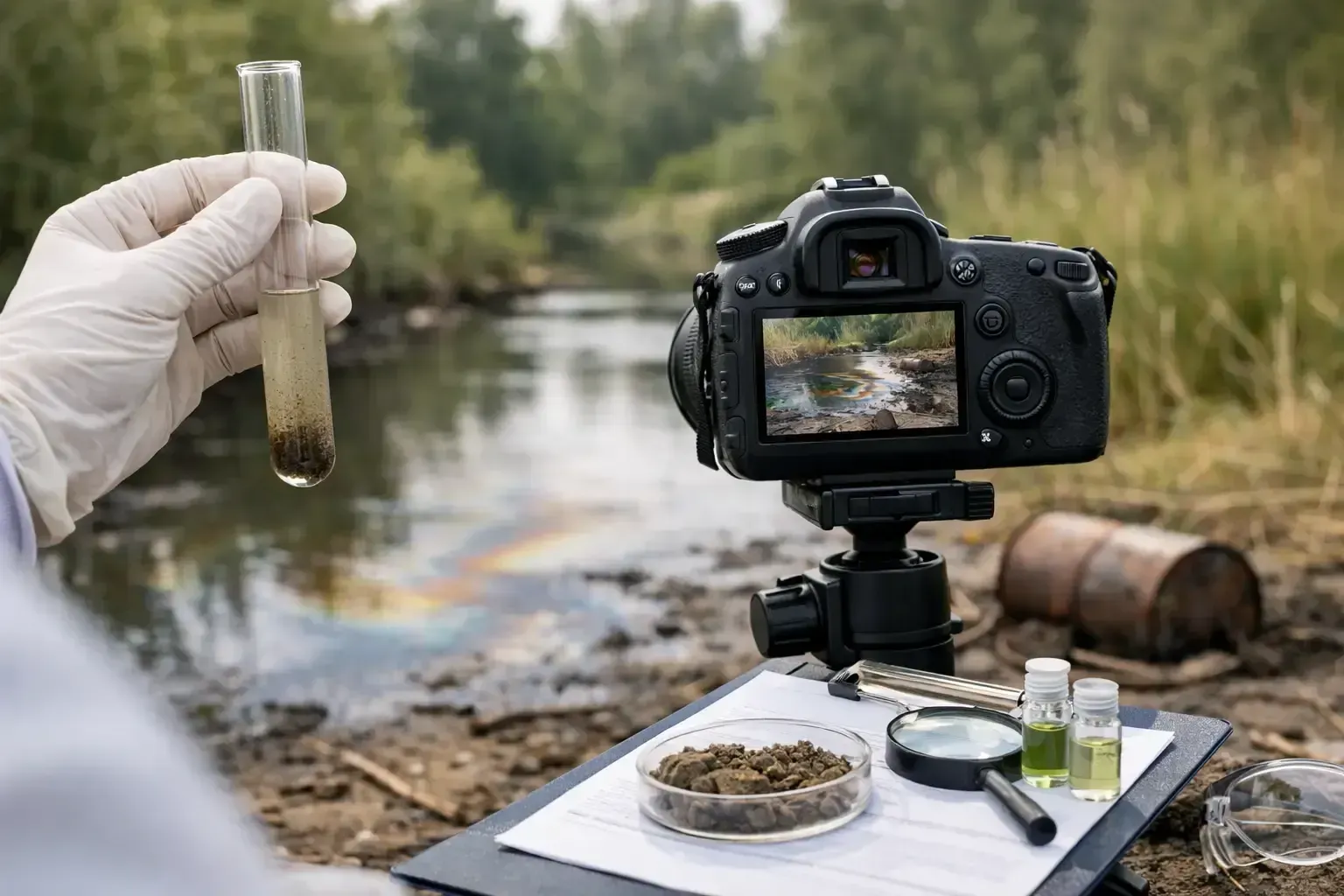
A proper sewage and bacteria investigation may involve moisture mapping, contamination assessment, inspection of affected materials, and laboratory-supported sampling where appropriate. The goal is not just to confirm that a backup happened. It is to identify how far contamination spread, what materials are still affected, and whether the property is safe to occupy.
For insurance claims, post-cleanup verification, real estate transactions, and tenant-landlord disputes, clear reporting matters. The right documentation helps support decisions about cleanup, replacement, and re-entry.
Can Sewage Backup Cause Illness After Cleanup?
Yes, if cleanup was incomplete or if contaminated materials were left behind. This is more common than many people realize. A floor may look clean while subflooring, wall cavities, or lower cabinetry still hold contamination. Odor is one clue, but the absence of odor does not guarantee the area is safe.
Post-remediation concerns are especially common in buildings where the initial response focused only on standing water extraction. Drying alone is not the same as decontamination. If the event involved Category 3 water, the cleaning standard must reflect that level of risk.
This is also why professional post-remediation verification can be useful after major sewage loss. It helps confirm whether the restoration process actually addressed the contamination rather than just the appearance of damage.
What You Should Do Right Away After a Sewage Backup
The first priority is limiting exposure. Keep people and pets out of the affected area. Do not use fans that may spread contamination to clean areas, and do not track through the loss if it can be avoided. If electrical safety is a concern, that needs to be addressed before anyone enters the area.
If sewage has affected more than a very small, contained surface area, professional help is the safer path. The same is true if the backup involved a crawl space, HVAC system, multiple rooms, or porous materials. Protective equipment, containment, proper removal, and accurate assessment all matter.
If anyone has symptoms after exposure, medical guidance is appropriate. Environmental evaluation and medical care serve different purposes, and both can matter after a serious sewage event.
For property owners in Florida and Kentucky dealing with uncertainty after a backup, Hanes Environmental provides sewage and bacteria testing, water damage assessments, and clear reporting to help determine whether contamination remains.
A sewage backup is never something to watch and wait on. The sooner the contamination is evaluated correctly, the easier it is to protect the people inside and make sound decisions about cleanup, restoration, and next steps.
Recent Posts