Common Mistakes When Documenting Sewage Contamination
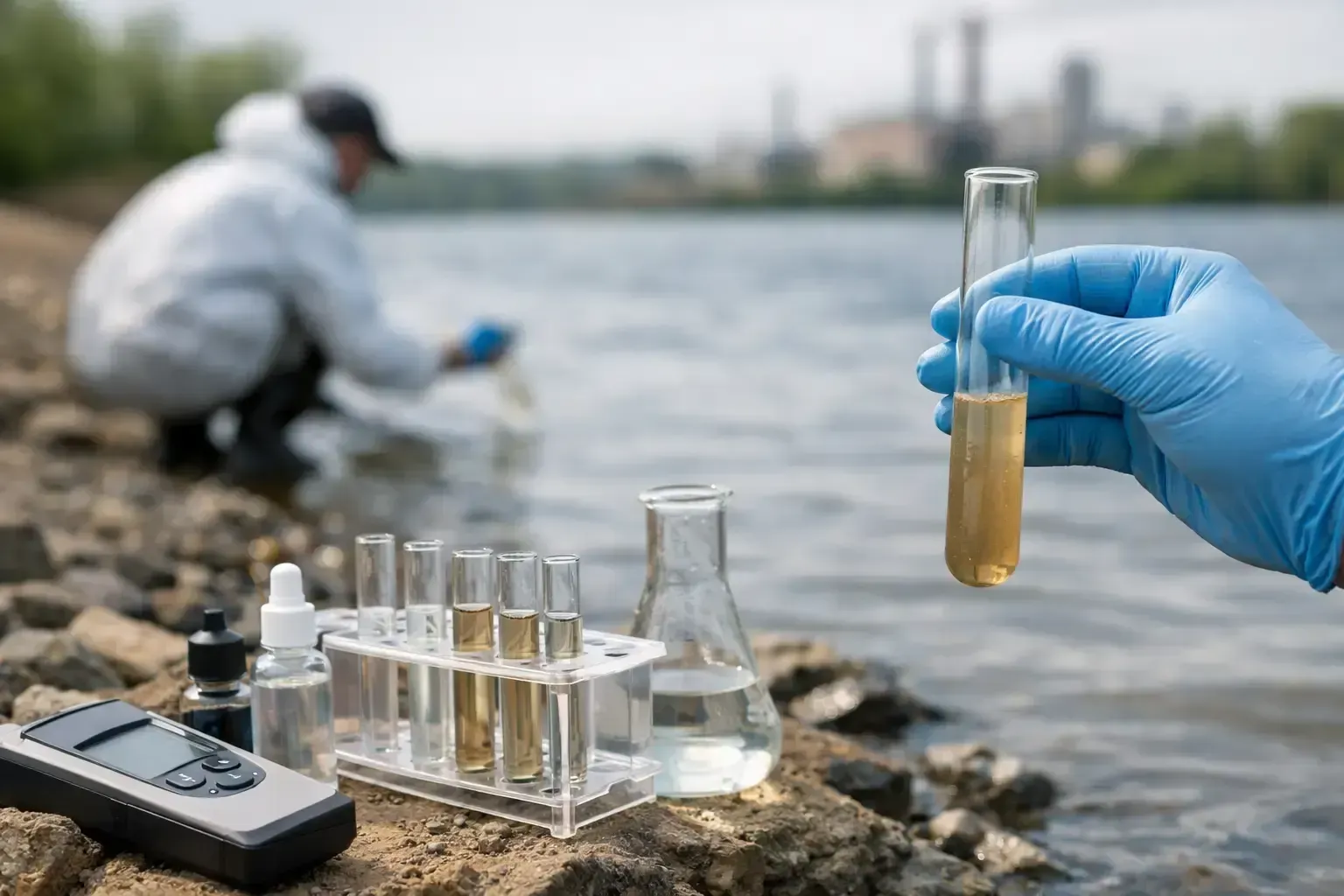
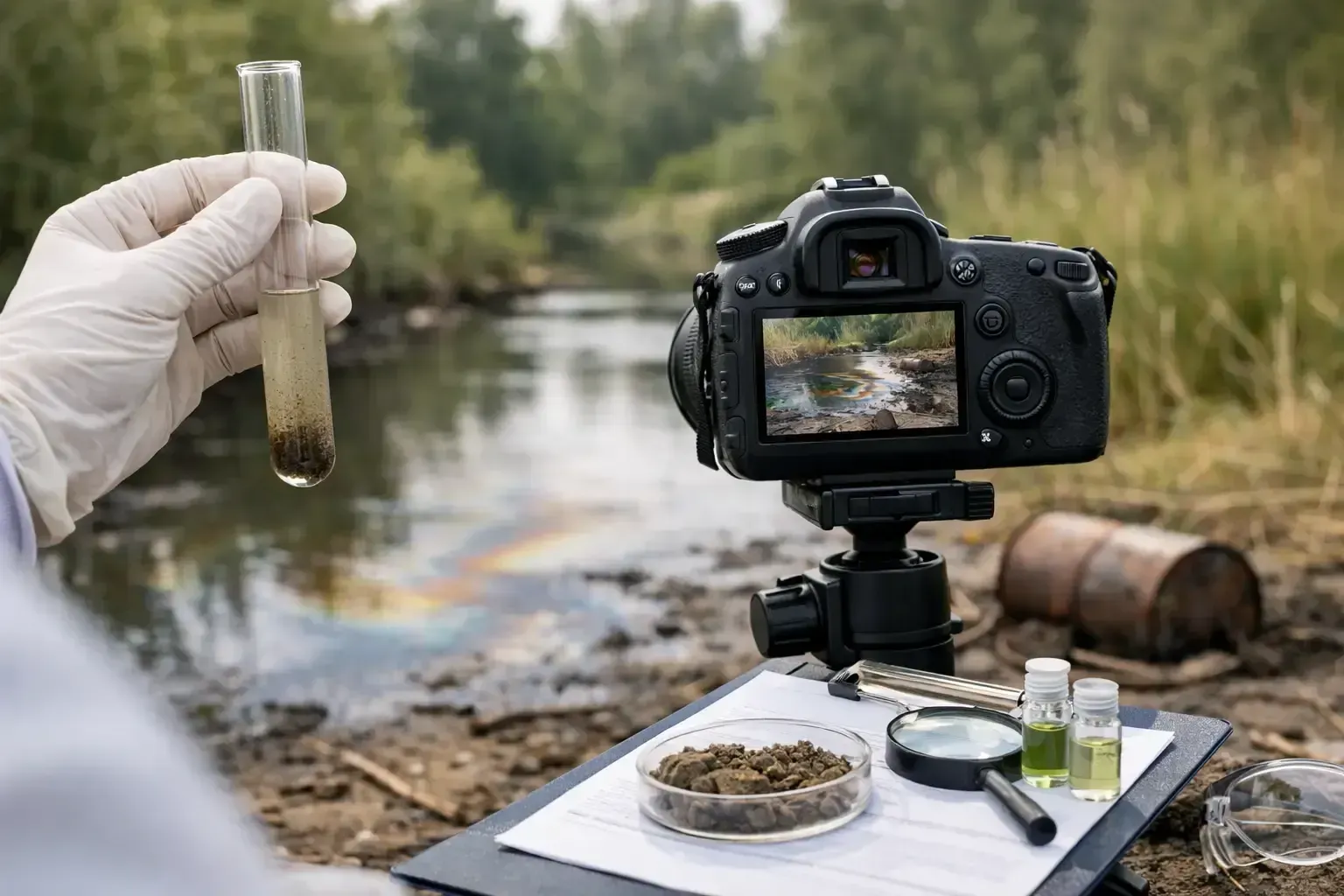
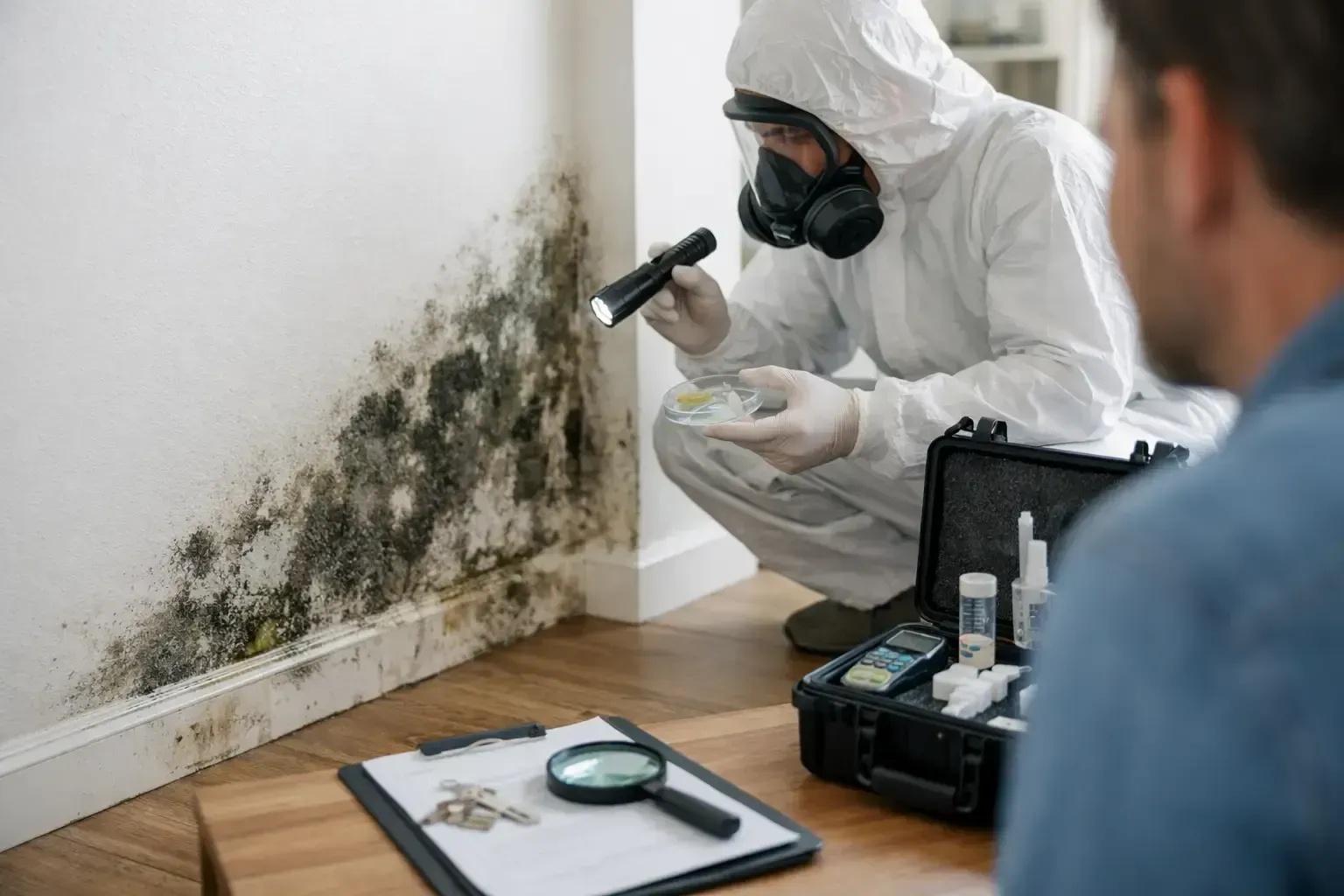
The quality of the report depends on the quality of the inspection. You want someone who understands moisture behavior, building materials, contamination categories, and the difference between visible damage and actual spread. The report should be direct, specific, and supported by field findings, not vague language.
It also helps to work with a company that can explain results in plain English. Technical accuracy matters, but so does communication. When people are dealing with damage to a home, rental, office, or investment property, they need answers they can act on.
In Florida and Kentucky, where weather, humidity, plumbing failures, and hidden moisture issues can all play a role, a thorough assessment is one of the smartest early steps you can take. Hanes Environmental provides that kind of clear, field-based reporting so property owners know what they are dealing with before the damage gets worse.
The sooner you replace assumptions with documented facts, the easier it becomes to protect the building, the people inside it, and the money it will take to set things right.
Why Interpretation Matters More Than the Lab Report Alone
If the property recently had a leak, flood, or AC overflow, timing matters. Testing too early can miss developing growth, while waiting too long can allow contamination to spread. In many cases, the first priority after water damage is drying and stabilizing the structure quickly. Once materials remain wet beyond a day or two, the risk of mold increases significantly.
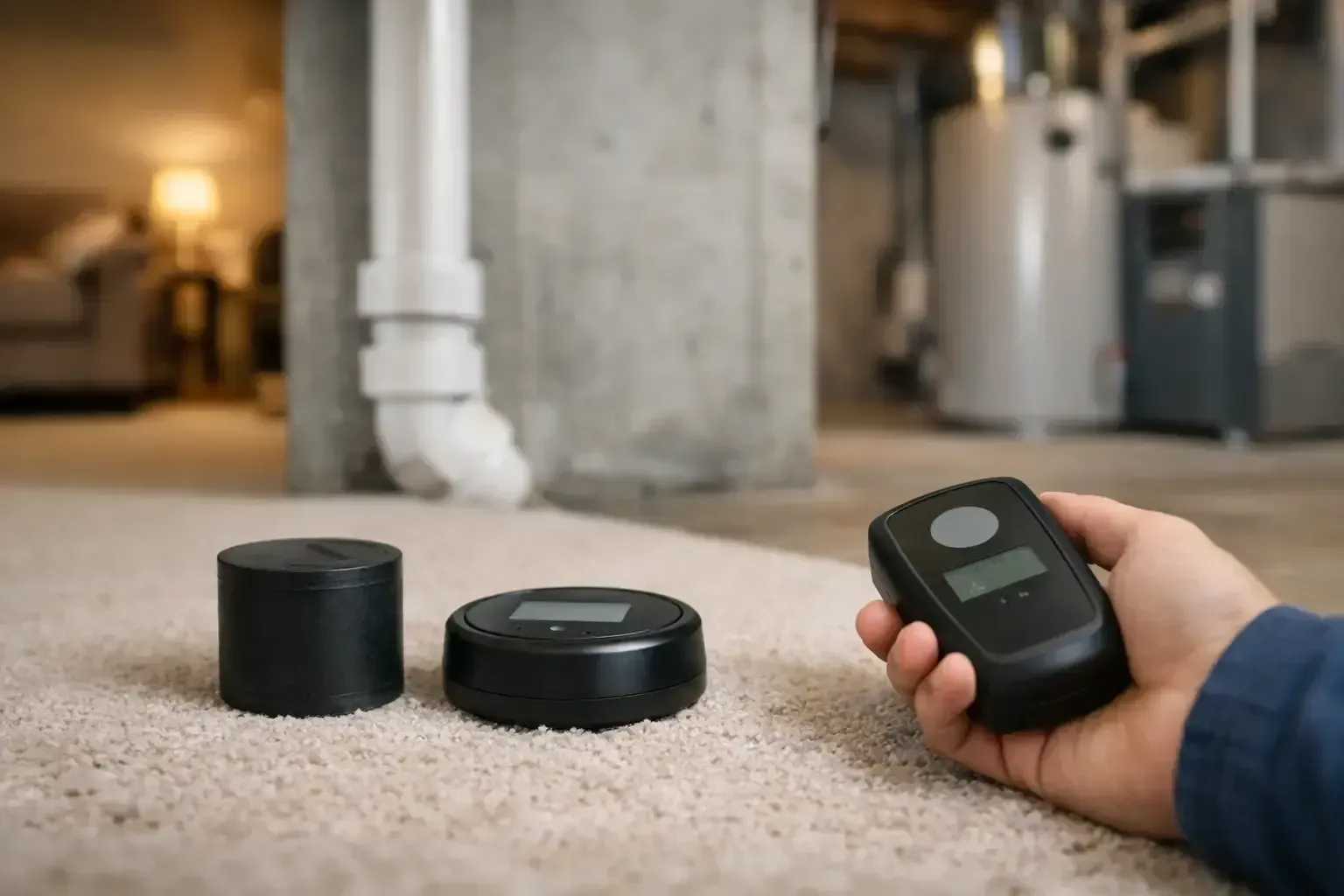
After water damage, testing usually focuses on the affected materials, adjacent rooms, and HVAC impact if the system ran during the event. Moisture mapping is essential here. Water often travels farther than the visible stain suggests, especially under flooring and inside wall cavities.
If remediation has already been performed, post-remediation verification testing may be the next step. That type of testing checks whether contamination has been properly removed and whether the area is dry and ready for rebuild. For property owners, buyers, managers, and contractors, that documentation can be just as important as the initial diagnosis.
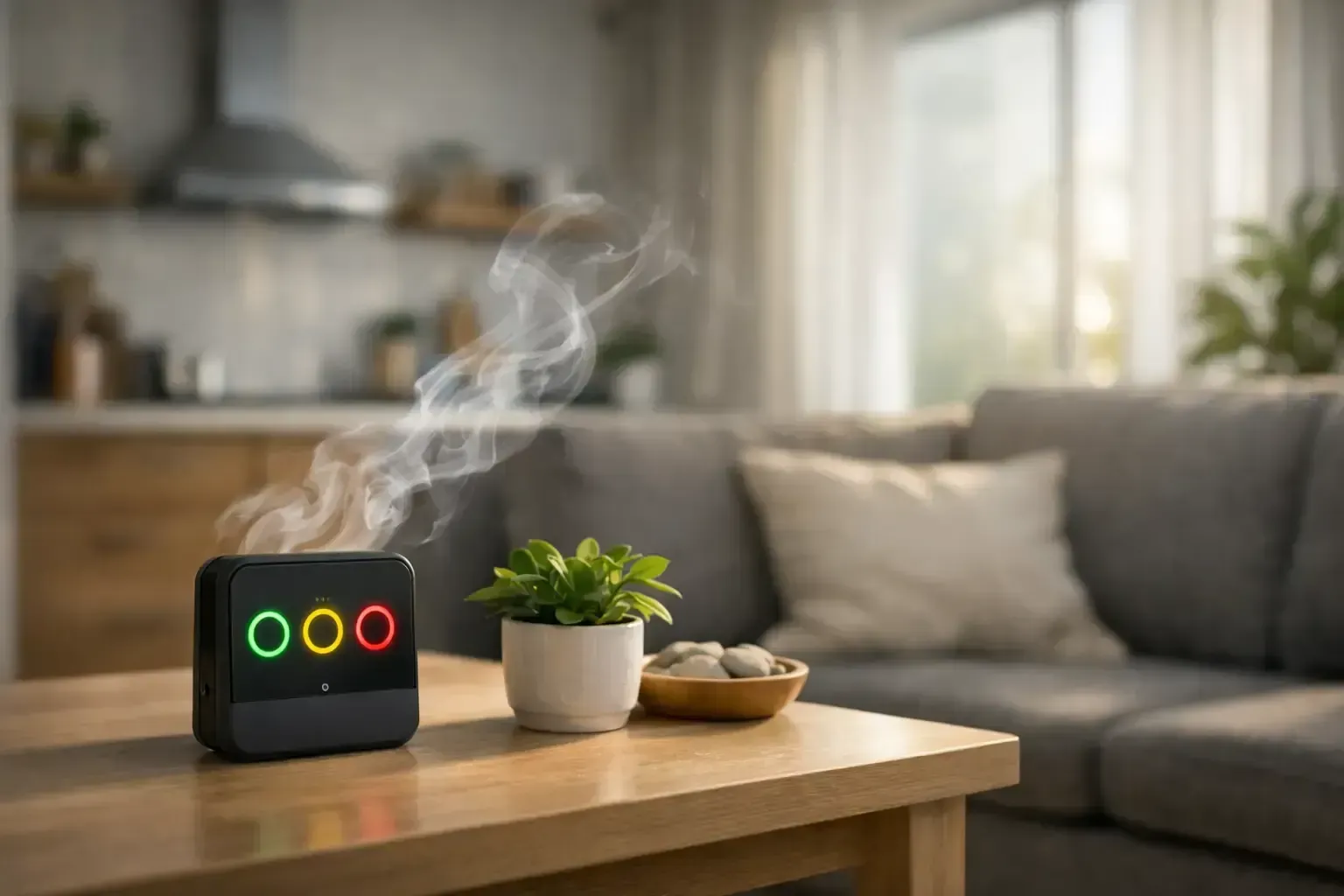
Use the checklist as a screening tool, not a final diagnosis. Walk the property slowly. Start where water is most likely, then expand outward to adjacent rooms and connected systems such as HVAC and crawl spaces. Document what you see, what you smell, and what history you know.
If your inspection reveals isolated humidity staining, you may only need better ventilation and moisture control. If it reveals recurring leaks, soft materials, spreading discoloration, or widespread odor, the safer move is a professional mold assessment with testing where appropriate.
When indoor conditions feel off, delay usually makes the situation more expensive. A careful inspection done early can protect your health, your property, and your documentation if the issue turns into a real estate, insurance, or tenant matter.
The best closing thought is simple: trust what the building is telling you. If you see moisture, smell mustiness, or notice damage that does not make sense, act on it before a small problem becomes hidden contamination.
Room-by-room Inspection Points
Bring in Qualified Help for Complex or Contaminated Losses
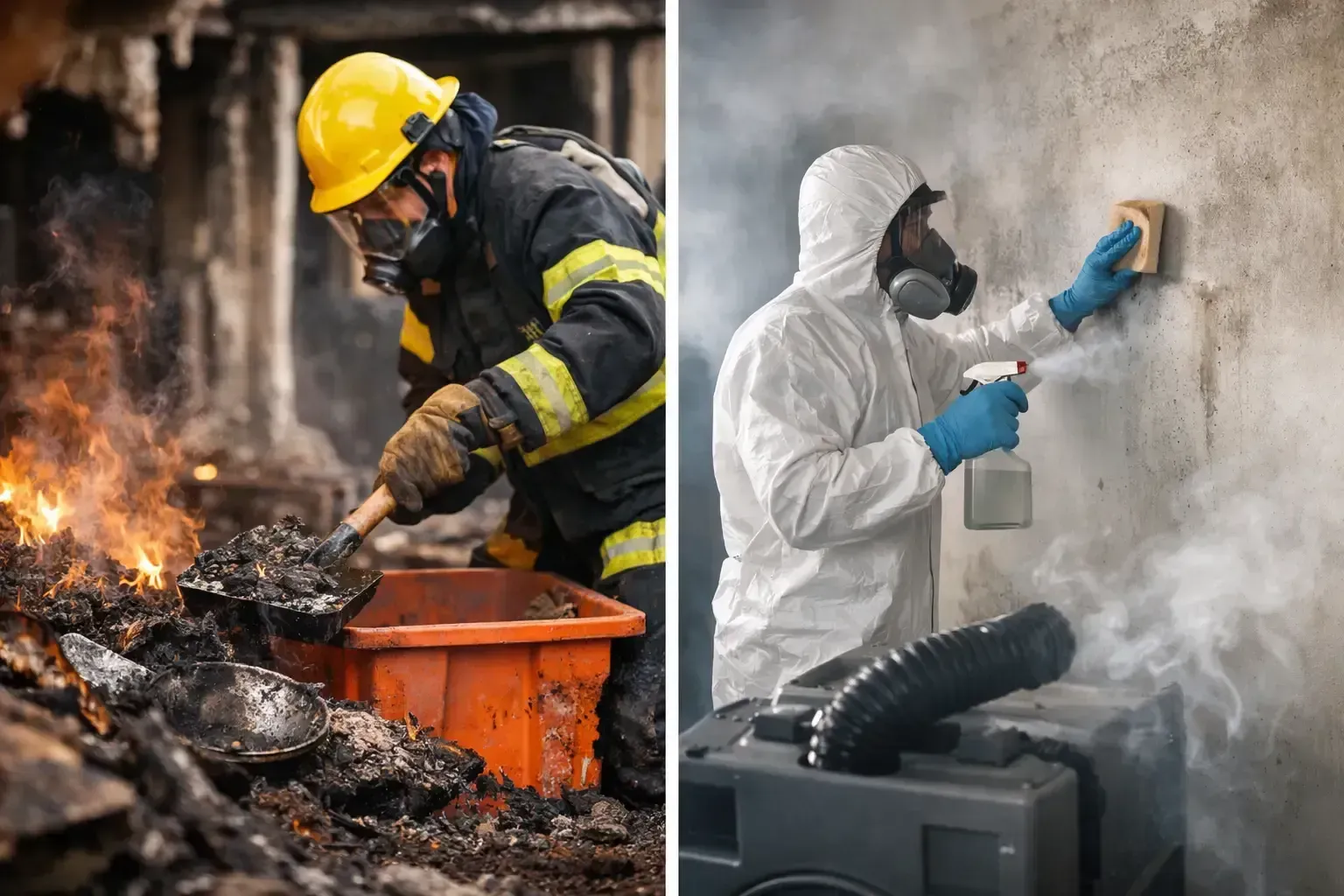
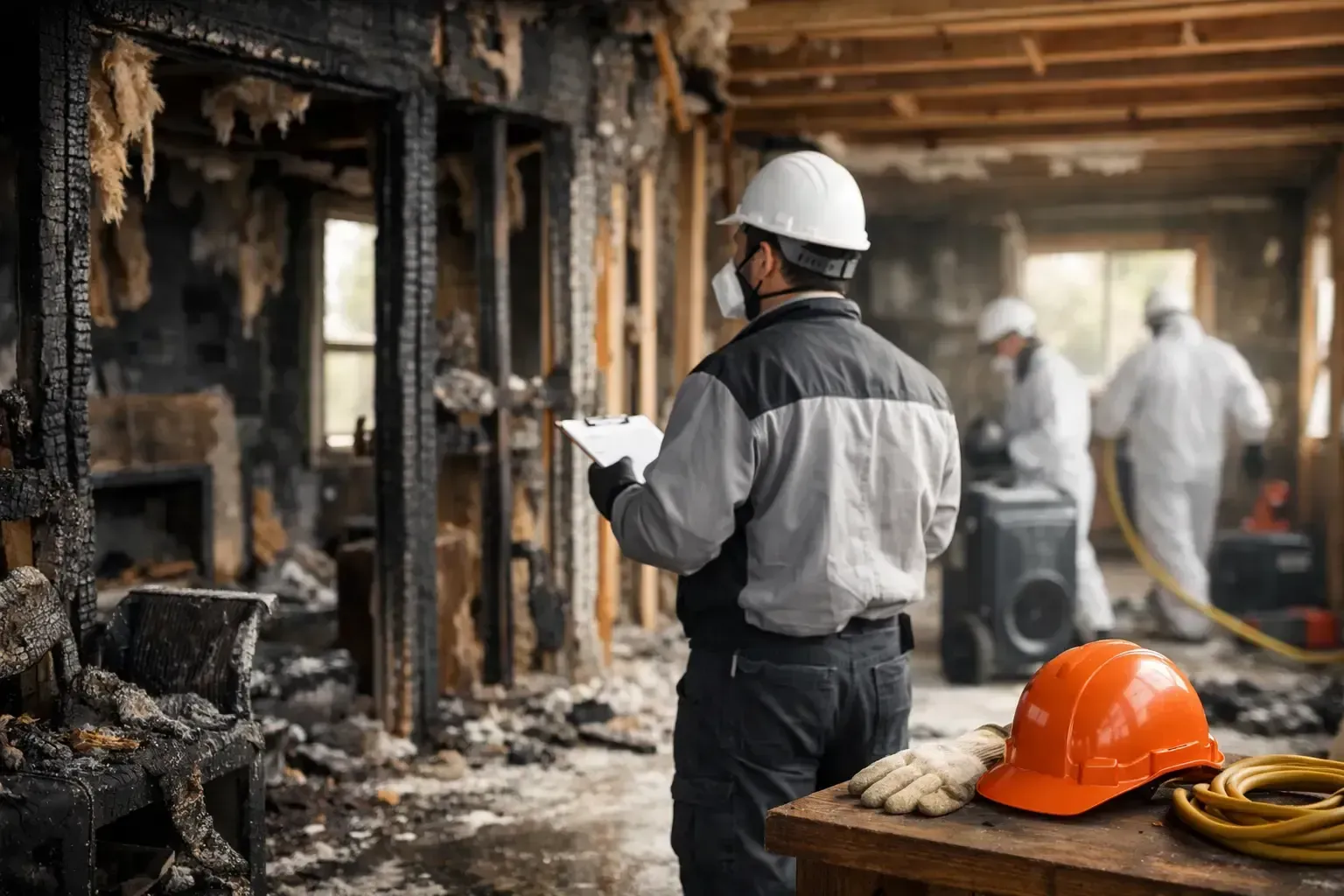
A fire can be out in minutes, yet the damage it leaves behind can continue affecting a property for months. Soot settles into ductwork, smoke odor migrates through wall cavities, and residues can remain on surfaces that look clean. Understanding fire cleanup versus smoke remediation helps property owners make better decisions before repairs begin, insurance questions arise, or occupants return to the building.
These services overlap, but they are not interchangeable. Fire cleanup focuses on the direct physical aftermath of the fire. Smoke remediation addresses the particles, odors, and air-quality concerns that spread well beyond the burn area. A complete recovery plan may require both.
What Fire Cleanup Addresses
Fire cleanup is the process of stabilizing and removing the visible, physical damage caused by a fire. This can include charred building materials, ash, burned contents, melted plastics, damaged insulation, and water-damaged materials left behind after firefighting efforts.
The first priority is safety. A structure may have weakened framing, compromised electrical systems, broken glass, or wet materials that can support mold growth. Before anyone starts removing debris or rebuilding, the affected areas should be evaluated for structural conditions, contamination, moisture, and the extent of material damage.
Cleanup work often includes securing the property, removing unsalvageable debris, cleaning recoverable structural materials and contents, drying water-affected areas, and preparing the site for repairs. The correct approach depends on the type of materials burned and how hot the fire became. A small kitchen fire may leave a localized residue problem. A fire involving synthetic furniture, wiring, insulation, or vehicle-related materials can create a much broader contamination concern.
Fire cleanup is not simply a matter of sweeping up ash and painting over stains. Aggressive dry brushing, household vacuums, and unplanned demolition can spread fine soot particles into clean areas. It can also destroy evidence needed for an insurance claim or make it harder to determine what materials can be safely restored.
Fire Cleanup Versus Smoke Remediation: The Key Difference
The main difference is where the problem exists. Fire cleanup concentrates on damaged materials and the fire-affected area. Smoke remediation concentrates on the airborne and deposited residues that travel through a building, often far from the source of the fire.
Smoke follows air movement. It can move through hallways, around closed doors, into closets, behind baseboards, through HVAC systems, and into attic or crawlspace openings. Even when flames never entered a room, that room may still contain carbonaceous particles and smoke-related odor.
Smoke remediation is a controlled process used to identify, remove, or contain those residues. Depending on the loss, the work may involve detailed cleaning of surfaces, contents cleaning, HEPA filtration, HVAC evaluation and cleaning, odor treatment, removal of contaminated porous materials, and verification testing. The goal is not to make the building smell better for a few days. The goal is to address the source of the residue and determine whether the indoor environment has been properly restored.
A fresh coat of paint or a strong deodorizer may hide the problem temporarily. It does not prove that soot or combustion-related particles have been removed. If smoke odor returns when the air conditioner runs, humidity rises, or the building is closed for several hours, contaminants may still be present in materials or air pathways.
Why Smoke Residue Requires More Than Surface Cleaning
Smoke is made up of very small particles and gases produced when materials burn. Its composition changes based on the fuel source, temperature, oxygen level, and duration of the fire. Wood, cooking oils, carpeting, drywall, plastics, fabrics, electronics, and insulation each produce different residues.
Many smoke particles are small enough to settle in textured surfaces, fabrics, carpet backing, ceiling cavities, ductwork, and other hard-to-reach areas. Some residues are acidic or oily. They may contribute to discoloration, corrosion, lingering odor, and surface damage if they are not promptly addressed.
Health concerns also deserve attention. Smoke residue can irritate the eyes, nose, throat, and lungs, particularly for children, older adults, people with asthma or respiratory conditions, and individuals with chemical sensitivities. The level of risk depends on the fire, the materials involved, the amount of residue, and the duration of exposure. That is why assumptions should not replace a documented assessment.
When Testing Should Be Part of the Plan
Testing is especially useful when the extent of smoke damage is unclear, occupants report odor or irritation, the property has a complicated HVAC system, or an insurance claim requires defensible documentation. It can also help distinguish between ordinary dust, construction debris, mold-related particles, and fire-related soot.
A professional assessment may include visual inspection, moisture evaluation, documentation of fire-affected materials, and targeted smoke, soot, carbonaceous particle, or VOC testing. Samples can provide laboratory-supported findings that help guide the scope of restoration. This is valuable when a property manager needs to document habitability, a homeowner disagrees with a proposed scope, or a contractor needs clear information before closing walls and beginning repairs.
Testing is not necessary for every minor incident. A brief, contained cooking event with no visible soot, no lingering odor, and no impact on nearby materials may require straightforward cleaning. The situation changes when smoke traveled through multiple rooms, the HVAC system operated during or after the event, visible residues are present, or the source involved more than a small amount of food or oil.
Common Situations That Need Both Services
A bedroom fire is a clear example. Fire cleanup may involve debris removal, removal of burned drywall and insulation, water extraction, and drying. Smoke remediation may be needed in bedrooms across the hall, the living room, closets, ductwork, and other areas where smoke traveled.
A small electrical fire behind a wall can be more deceptive. There may be limited visible charring, but the odor can spread quickly through framing cavities and ventilation pathways. Cleaning the visible wall surface alone may not resolve the problem.
Commercial properties present additional concerns. Smoke can travel through large HVAC systems, affect inventory, interrupt operations, and create questions about employee or customer safety. In multifamily housing, the source unit may be heavily damaged while adjoining units experience smoke intrusion without visible burn damage. Accurate documentation helps property owners make appropriate restoration decisions and communicate clearly with insurers, tenants, and contractors.
What Property Owners Should Avoid After a Fire
Do not enter an unsafe building until it has been cleared for access. Avoid turning on HVAC equipment if smoke contamination may be present, since the system can distribute particles to other areas. Do not use standard household vacuums on soot. Most lack the filtration needed to capture fine particles and can release them back into the air.
Avoid wiping soot with water or general-purpose cleaners without knowing what type of residue is present. Some residues smear easily and can become more difficult to remove. Do not discard damaged materials, photographs, or contents until they have been documented for insurance purposes, unless there is an immediate safety concern.
It is also wise to address water damage promptly. Fire suppression water can affect flooring, drywall, insulation, and contents. Delays can create a separate moisture and mold problem while the fire claim is still being handled.
A More Defensible Path to Restoration
The best restoration decisions start with a clear picture of what happened, where contaminants traveled, and what materials can realistically be cleaned or saved. That means separating direct fire damage from smoke-related contamination instead of treating the entire property as one uniform problem.
Hanes Environmental provides fire and smoke damage assessments, soot and carbonaceous particle testing, VOC testing, and restoration support for property owners who need clear findings and practical next steps. Independent, documented information can help define a reasonable scope of work before repairs conceal the evidence.
After a fire, speed matters, but so does accuracy. A property that looks clean is not automatically a property that has been properly remediated. Careful assessment and targeted restoration give owners a stronger basis for protecting the building, its occupants, and the investment behind it.
Recent Posts