Common Mistakes When Documenting Sewage Contamination
The quality of the report depends on the quality of the inspection. You want someone who understands moisture behavior, building materials, contamination categories, and the difference between visible damage and actual spread. The report should be direct, specific, and supported by field findings, not vague language.
It also helps to work with a company that can explain results in plain English. Technical accuracy matters, but so does communication. When people are dealing with damage to a home, rental, office, or investment property, they need answers they can act on.
In Florida and Kentucky, where weather, humidity, plumbing failures, and hidden moisture issues can all play a role, a thorough assessment is one of the smartest early steps you can take. Hanes Environmental provides that kind of clear, field-based reporting so property owners know what they are dealing with before the damage gets worse.
The sooner you replace assumptions with documented facts, the easier it becomes to protect the building, the people inside it, and the money it will take to set things right.
Why Interpretation Matters More Than the Lab Report Alone
If the property recently had a leak, flood, or AC overflow, timing matters. Testing too early can miss developing growth, while waiting too long can allow contamination to spread. In many cases, the first priority after water damage is drying and stabilizing the structure quickly. Once materials remain wet beyond a day or two, the risk of mold increases significantly.
After water damage, testing usually focuses on the affected materials, adjacent rooms, and HVAC impact if the system ran during the event. Moisture mapping is essential here. Water often travels farther than the visible stain suggests, especially under flooring and inside wall cavities.
If remediation has already been performed, post-remediation verification testing may be the next step. That type of testing checks whether contamination has been properly removed and whether the area is dry and ready for rebuild. For property owners, buyers, managers, and contractors, that documentation can be just as important as the initial diagnosis.
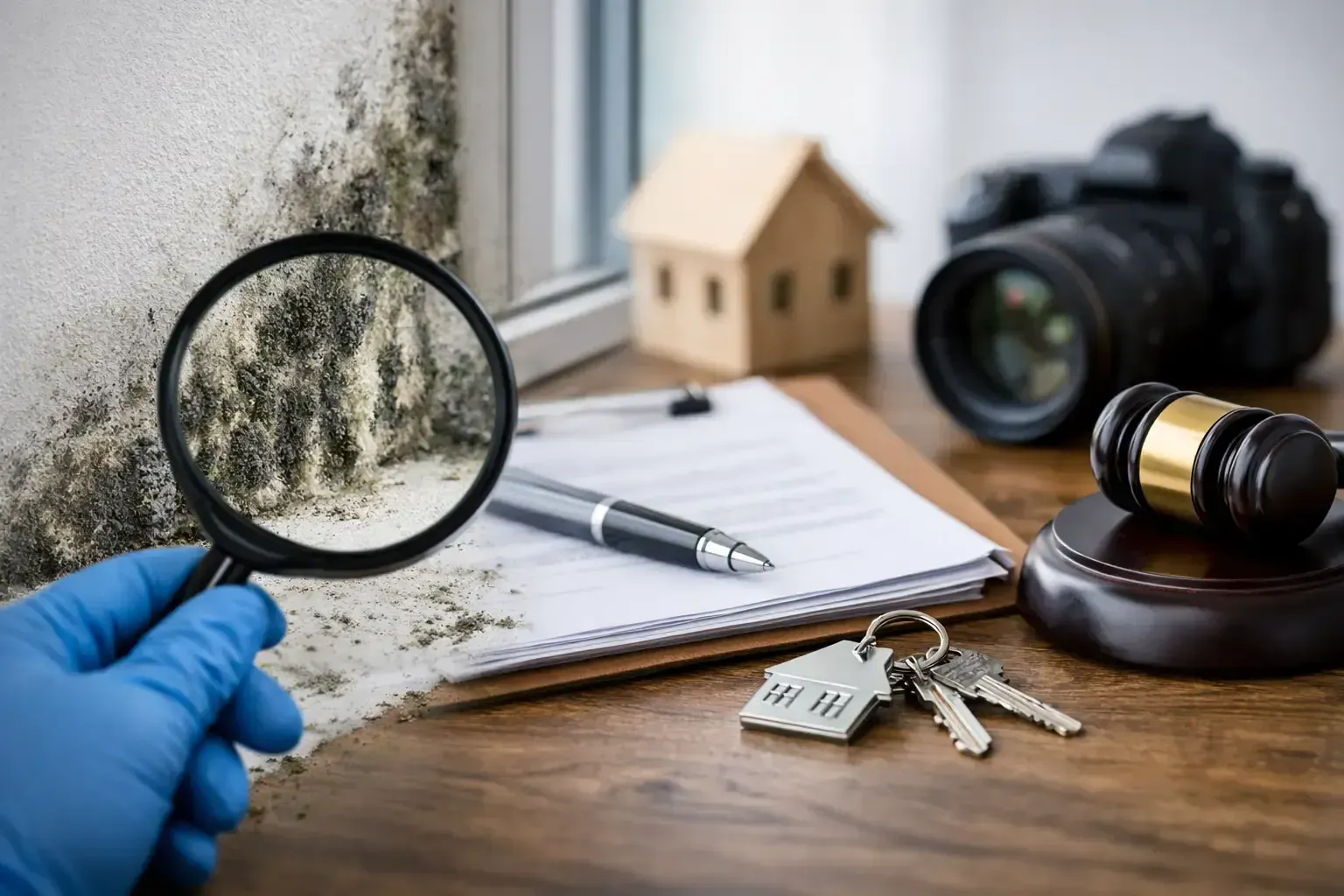
Use the checklist as a screening tool, not a final diagnosis. Walk the property slowly. Start where water is most likely, then expand outward to adjacent rooms and connected systems such as HVAC and crawl spaces. Document what you see, what you smell, and what history you know.
If your inspection reveals isolated humidity staining, you may only need better ventilation and moisture control. If it reveals recurring leaks, soft materials, spreading discoloration, or widespread odor, the safer move is a professional mold assessment with testing where appropriate.
When indoor conditions feel off, delay usually makes the situation more expensive. A careful inspection done early can protect your health, your property, and your documentation if the issue turns into a real estate, insurance, or tenant matter.
The best closing thought is simple: trust what the building is telling you. If you see moisture, smell mustiness, or notice damage that does not make sense, act on it before a small problem becomes hidden contamination.
Room-by-room Inspection Points
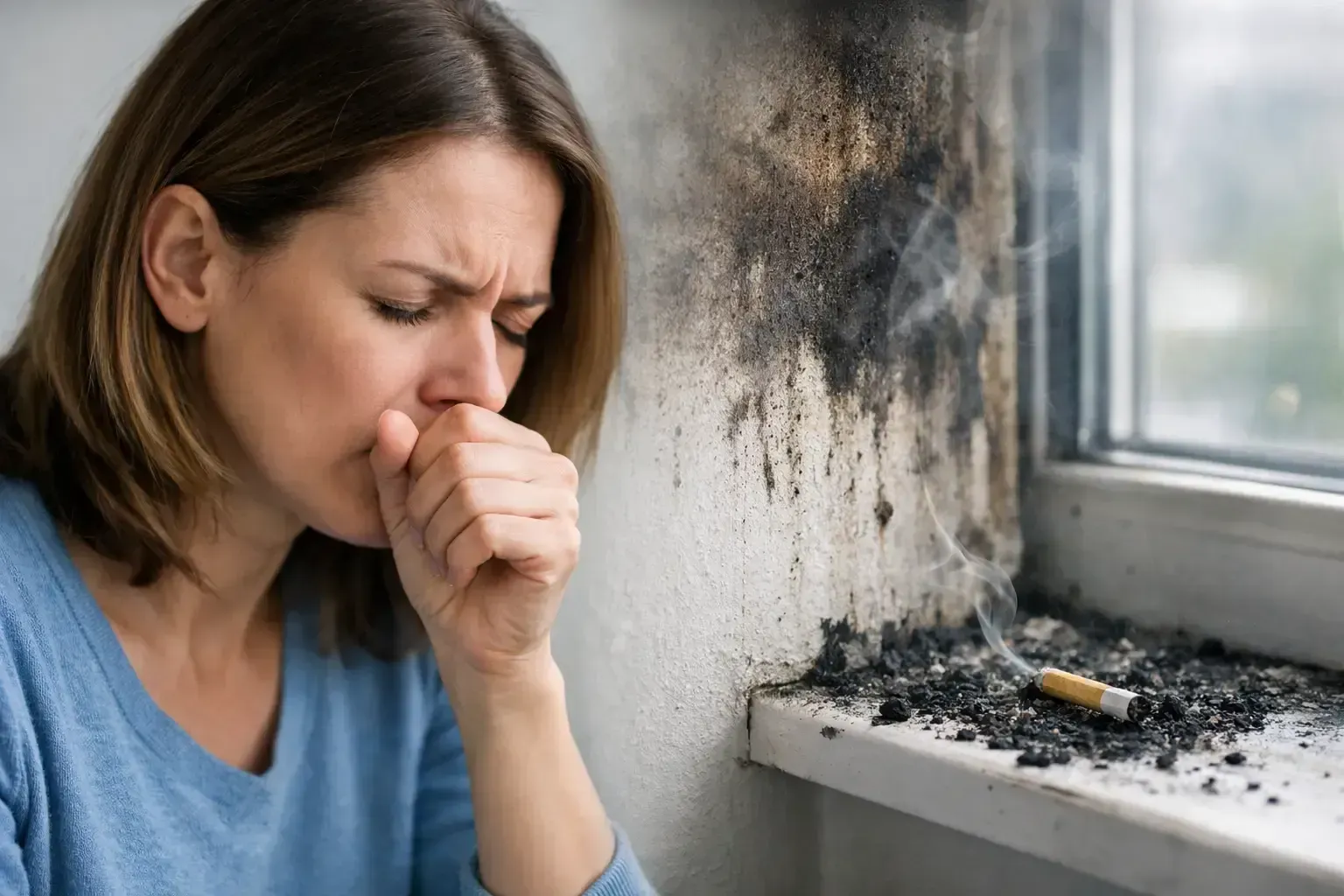
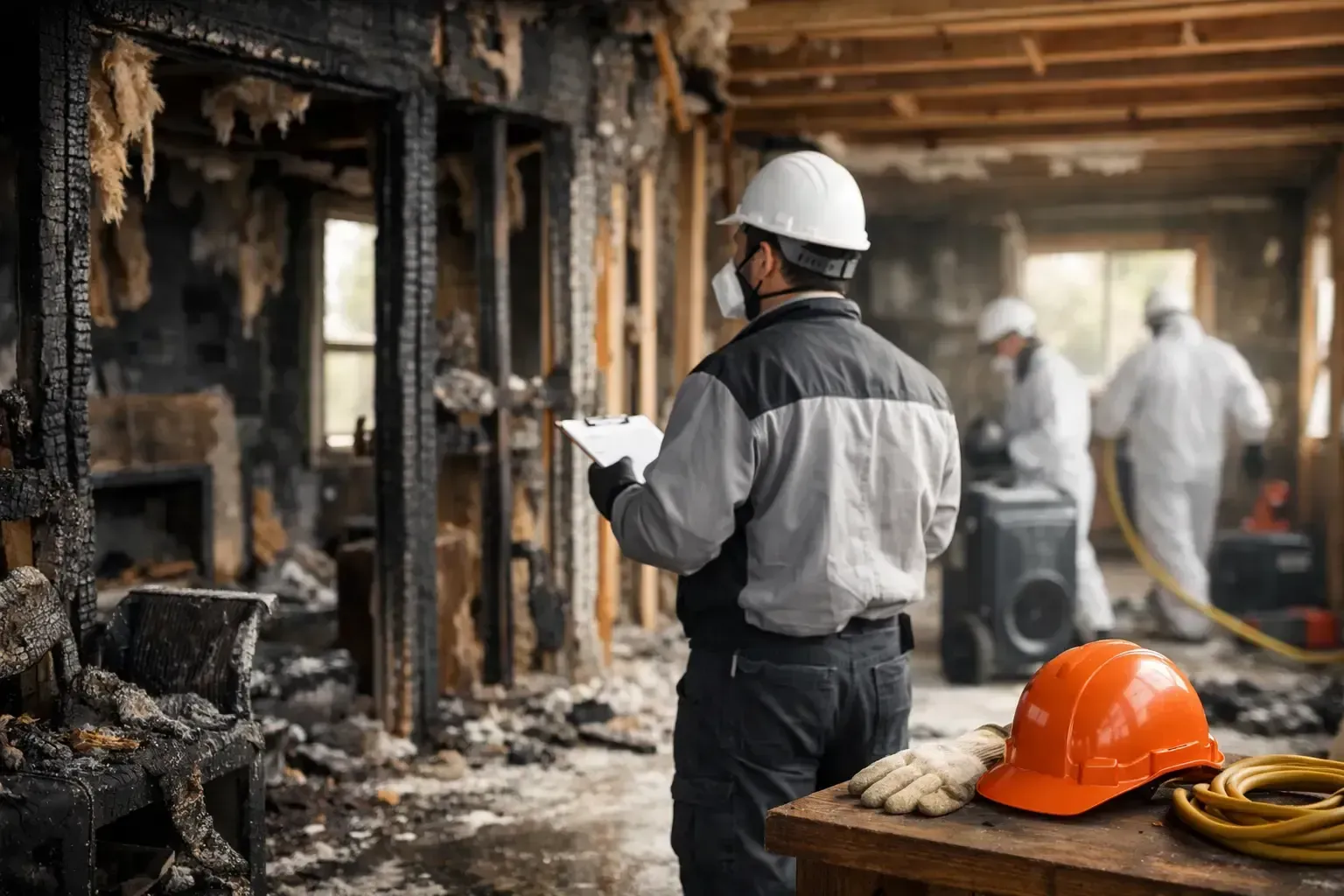
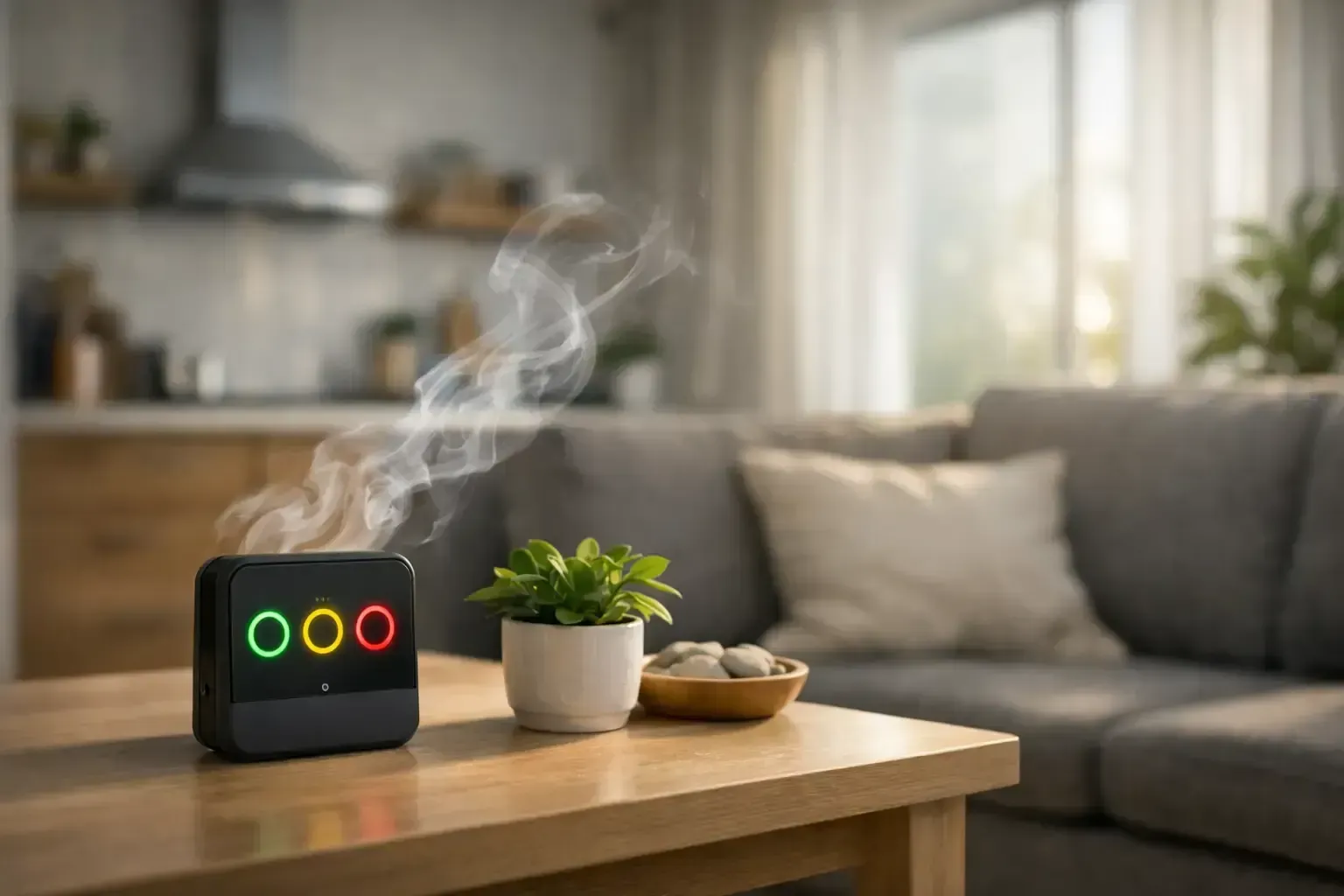
A fire may be out, but the contamination it leaves behind can remain in the building for months. Can smoke residue affect health? Yes. The level of concern depends on the source of the smoke, the materials that burned, how far particles traveled, and whether residue was properly removed rather than simply covered up.
For homeowners, tenants, property managers, and business owners, the most difficult part is that smoke contamination is not always obvious. A faint odor, black film near an HVAC register, staining around doors, or recurring throat and eye irritation may be the only visible clues. Accurate assessment helps separate a cosmetic cleanup issue from a condition that needs more thorough restoration and documentation.
What Smoke Residue is Made of
Smoke residue is not one uniform substance. It is a mixture of gases, fine particles, soot, ash, oils, and chemical compounds created when materials burn. Wood smoke has a different chemical profile than smoke from plastics, synthetic fabrics, electronics, insulation, furniture, fuel, or building materials.
The smallest particles can settle on walls, ceilings, upholstery, flooring, personal belongings, and inside HVAC systems. They may also be disturbed later by cleaning, walking on carpet, opening windows, or operating heating and air-conditioning equipment. That is why a building can continue to smell smoky long after the fire department has left.
Soot is especially concerning because it consists of very fine carbonaceous particles. These particles can carry compounds produced during combustion, including polycyclic aromatic hydrocarbons, volatile organic compounds, and other irritants. The exact mixture varies from one loss event to another. A professional assessment focuses on the actual conditions in the property instead of assuming every smoke event presents the same risk.
Can Smoke Residue Affect Health After a Fire?
Exposure to smoke residue can irritate the eyes, nose, throat, and lungs. People may notice coughing, headaches, a burning sensation in the throat, congestion, nausea, or a lingering smoky taste or odor. These symptoms can be more pronounced when residue is actively airborne, such as during demolition, sweeping, improper cleaning, or HVAC operation.
Some occupants are more likely to be affected by poor indoor air quality. This includes children, older adults, people with asthma or chronic respiratory conditions, pregnant individuals, and anyone with sensitivities to odors or airborne irritants. A person who did not have symptoms during the initial fire event may still react after returning to a building where residual particles and odors remain.
Health effects are not always immediate or easy to tie to one source. A smoky building may also have water damage from fire suppression, elevated humidity, damaged ductwork, or hidden contamination in wall cavities. These overlapping issues are why a complete post-fire evaluation can be more useful than relying on smell alone.
If anyone experiences severe breathing difficulty, chest pain, confusion, or other urgent symptoms, seek medical care immediately. Property testing can identify building conditions, but it does not replace medical diagnosis or treatment.
Thirdhand Smoke and Surface Contact
The term thirdhand smoke is often used to describe tobacco smoke pollutants that remain on indoor surfaces, dust, fabrics, and other materials after smoking has stopped. Fire-related residue is different in origin, but the practical concern is similar: contaminants can remain after the visible smoke clears.
Residue on frequently touched surfaces may be especially relevant in homes with young children or pets, which can have more contact with floors, furniture, and dust. Wiping one visible area does not necessarily address contamination on porous materials, inside cabinets, behind appliances, or within ventilation components.
Odor is a Warning Sign, Not a Test Result
A smoke odor is a reason to investigate, but it cannot identify the amount or type of contamination present. Odor sensitivity varies widely. One person may notice a light smoky smell immediately, while another may become accustomed to it after a few days. Fragrances, ozone treatments, air fresheners, and fresh paint can also mask the problem without removing the source.
Likewise, the absence of odor does not guarantee that a property is free of soot or smoke-related particles. Fine residue may be present in concealed areas, especially after an attic fire, kitchen fire, electrical fire, wildfire smoke intrusion, or a small smoldering event.
A proper assessment starts with a careful visual inspection and an understanding of what burned, where the fire occurred, how long smoke was present, and what cleanup has already been performed. Depending on the property and concern, investigators may document soot deposition, collect dust or surface samples, evaluate indoor air conditions, assess HVAC pathways, and identify materials that cannot be effectively cleaned.
Why Improper Cleanup Can Make Conditions Worse
Dry wiping, household vacuuming, sweeping, and aggressive scrubbing can spread fine particles instead of removing them. Standard vacuums may not capture the smallest soot particles. Water-based cleaning can also push residue deeper into unfinished wood, drywall, textiles, and other porous materials if the method is not appropriate for the surface.
Smoke residue often requires controlled cleaning methods, HEPA filtration, source removal, detailed cleaning of structural and contents surfaces, and, in some situations, removal of unsalvageable materials. HVAC systems deserve particular attention. If soot entered return ducts or air handlers, operating the system may redistribute particles and odors into rooms that were not heavily affected at first.
There is also a trade-off between saving materials and protecting indoor conditions. Some items can be professionally cleaned and restored. Others, such as heavily contaminated insulation, charred drywall, or porous contents with persistent odor, may need to be removed. The correct decision should be based on the material, extent of contamination, and documented findings, not solely on appearance.
When Professional Testing Makes Sense
Professional smoke and soot testing is particularly valuable when the source is uncertain, the fire was significant, odors continue after cleaning, occupants report symptoms, or an insurance, landlord-tenant, real estate, or commercial liability question is involved. It can also help after a wildfire smoke event, when fine outdoor particles entered through open windows, damaged seals, or HVAC systems.
Testing is not a substitute for visible source removal. If a wall is visibly coated in soot, it needs to be addressed. However, laboratory-supported testing and clear reporting can help determine whether hidden contamination remains, whether cleaning efforts were effective, and whether additional restoration is justified.
For property managers and business owners, documentation matters. Clear findings can support decisions about tenant safety, reopening a workspace, restoring inventory, communicating with insurers, and planning remediation. For home buyers and sellers, a post-fire history should be evaluated carefully, especially if fresh paint or deodorizing treatments appear to be masking a past issue.
Practical Steps After Smoke Exposure
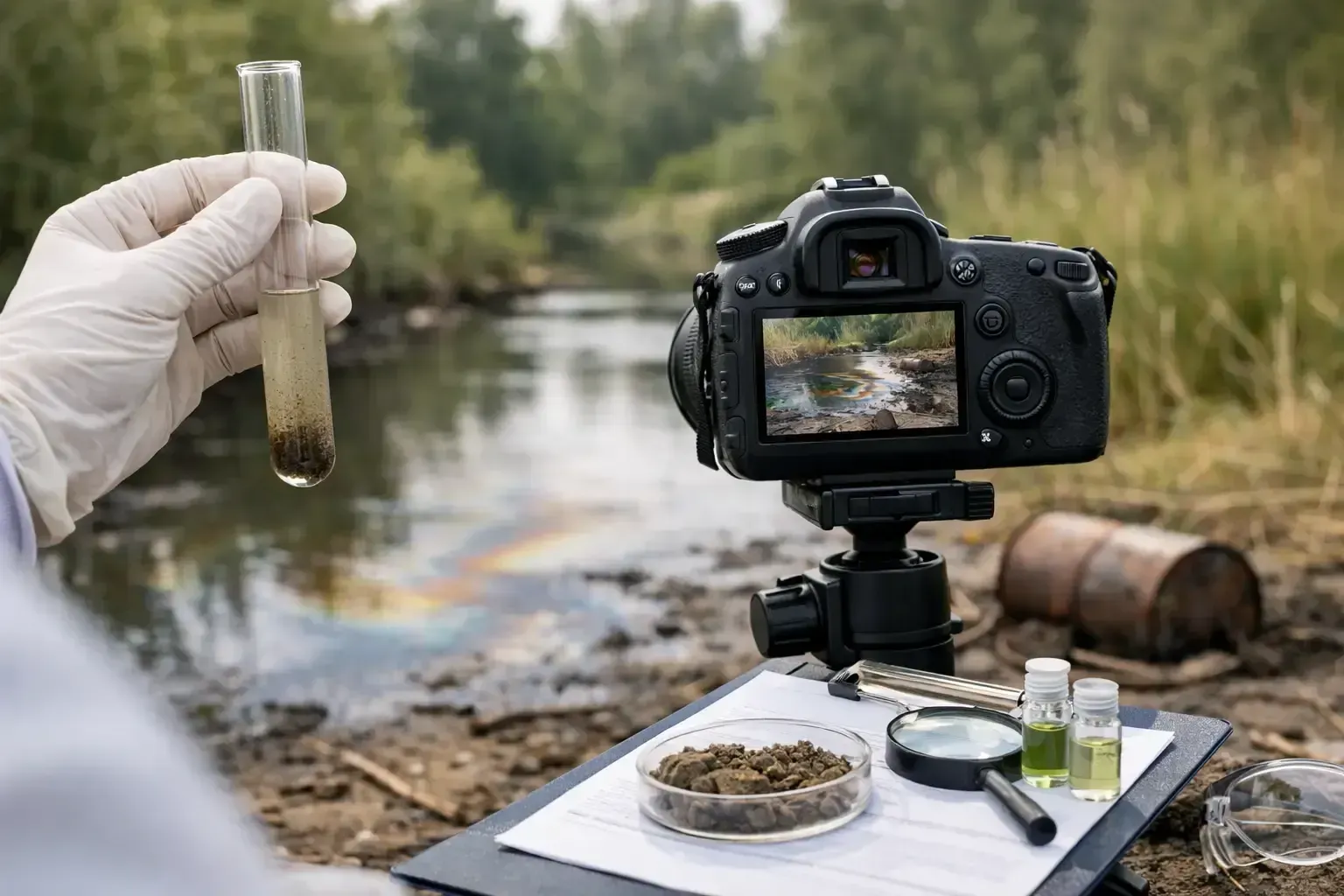
Do not reoccupy a fire-damaged area until it is safe to enter and any emergency hazards have been addressed. Avoid disturbing visible soot, and do not run the HVAC system if there is reason to believe it drew in smoke. Photograph visible staining, residue, and damaged materials before cleanup begins, particularly when an insurance claim may be involved.
Remove items that are clearly contaminated only if doing so can be done safely without spreading dust. Keep windows and doors closed during periods of poor outdoor air quality, such as a nearby wildfire event, but use appropriate ventilation once outdoor conditions improve and the property is being professionally cleaned. Avoid relying on candles, fragrance sprays, or fogging alone to solve a smoke problem.
Hanes Environmental provides fire and smoke damage assessments, soot and carbonaceous particle testing, VOC testing, and restoration services for Florida and Kentucky properties. An assessment can provide the factual basis for deciding what should be cleaned, restored, removed, or documented.
A smoky odor should not be dismissed as a normal part of life after a fire. When the source, extent, or safety of smoke residue is uncertain, getting clear answers early can protect the people in the building and prevent a small unresolved issue from becoming a longer-term property problem.
Recent Posts