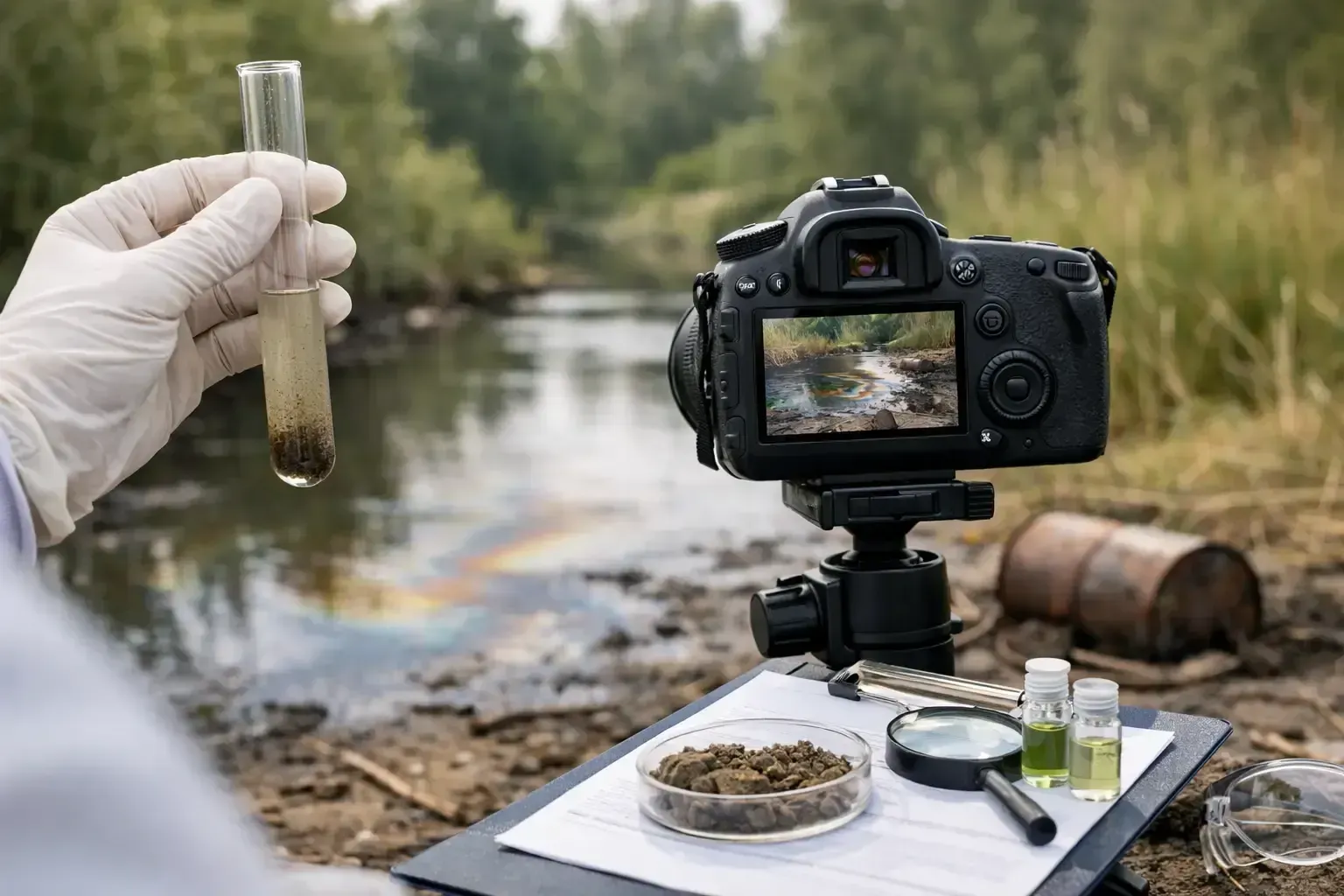
Common Mistakes When Documenting Sewage Contamination
The quality of the report depends on the quality of the inspection. You want someone who understands moisture behavior, building materials, contamination categories, and the difference between visible damage and actual spread. The report should be direct, specific, and supported by field findings, not vague language.
It also helps to work with a company that can explain results in plain English. Technical accuracy matters, but so does communication. When people are dealing with damage to a home, rental, office, or investment property, they need answers they can act on.
In Florida and Kentucky, where weather, humidity, plumbing failures, and hidden moisture issues can all play a role, a thorough assessment is one of the smartest early steps you can take. Hanes Environmental provides that kind of clear, field-based reporting so property owners know what they are dealing with before the damage gets worse.
The sooner you replace assumptions with documented facts, the easier it becomes to protect the building, the people inside it, and the money it will take to set things right.
Why Interpretation Matters More Than the Lab Report Alone
If the property recently had a leak, flood, or AC overflow, timing matters. Testing too early can miss developing growth, while waiting too long can allow contamination to spread. In many cases, the first priority after water damage is drying and stabilizing the structure quickly. Once materials remain wet beyond a day or two, the risk of mold increases significantly.
After water damage, testing usually focuses on the affected materials, adjacent rooms, and HVAC impact if the system ran during the event. Moisture mapping is essential here. Water often travels farther than the visible stain suggests, especially under flooring and inside wall cavities.
If remediation has already been performed, post-remediation verification testing may be the next step. That type of testing checks whether contamination has been properly removed and whether the area is dry and ready for rebuild. For property owners, buyers, managers, and contractors, that documentation can be just as important as the initial diagnosis.
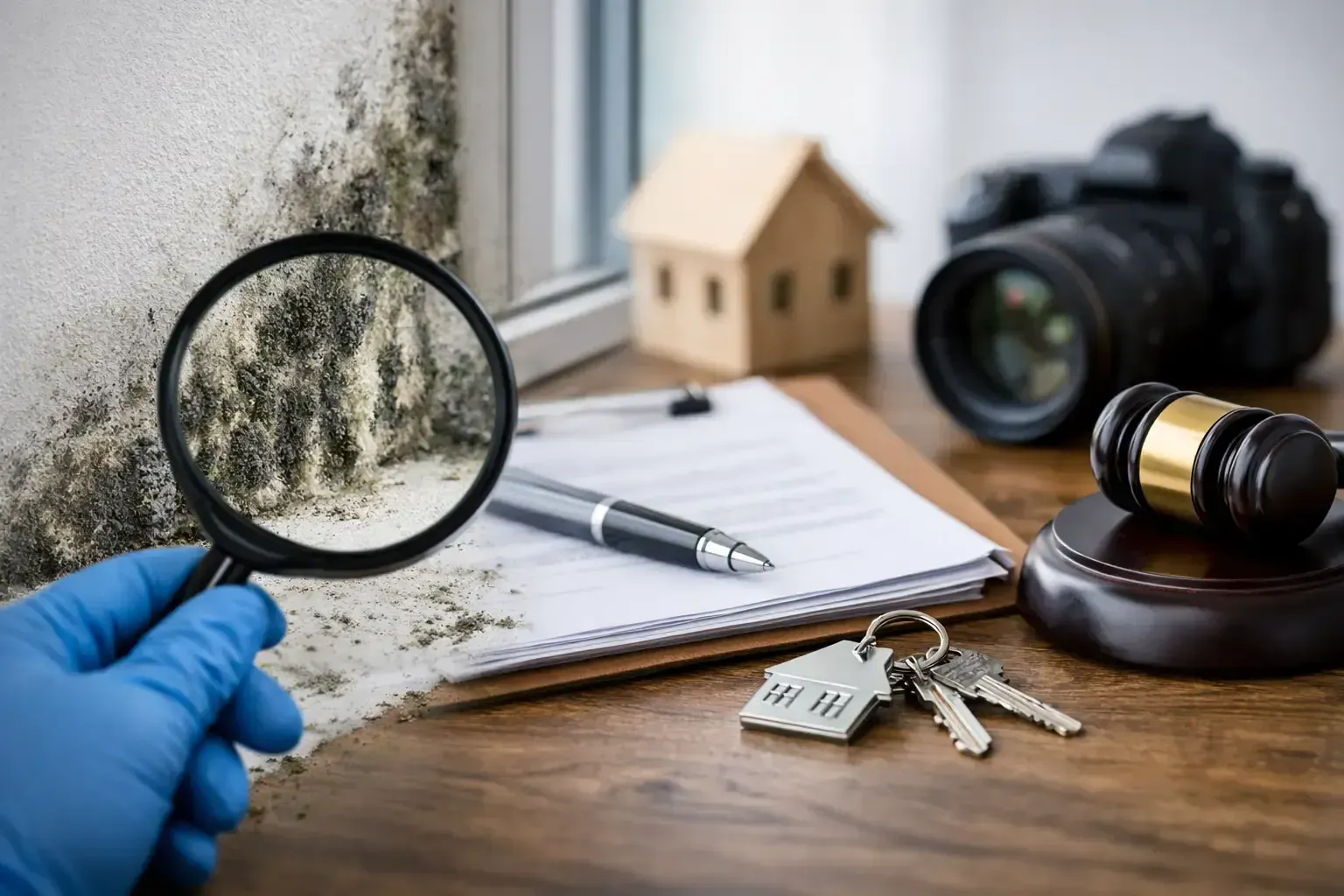
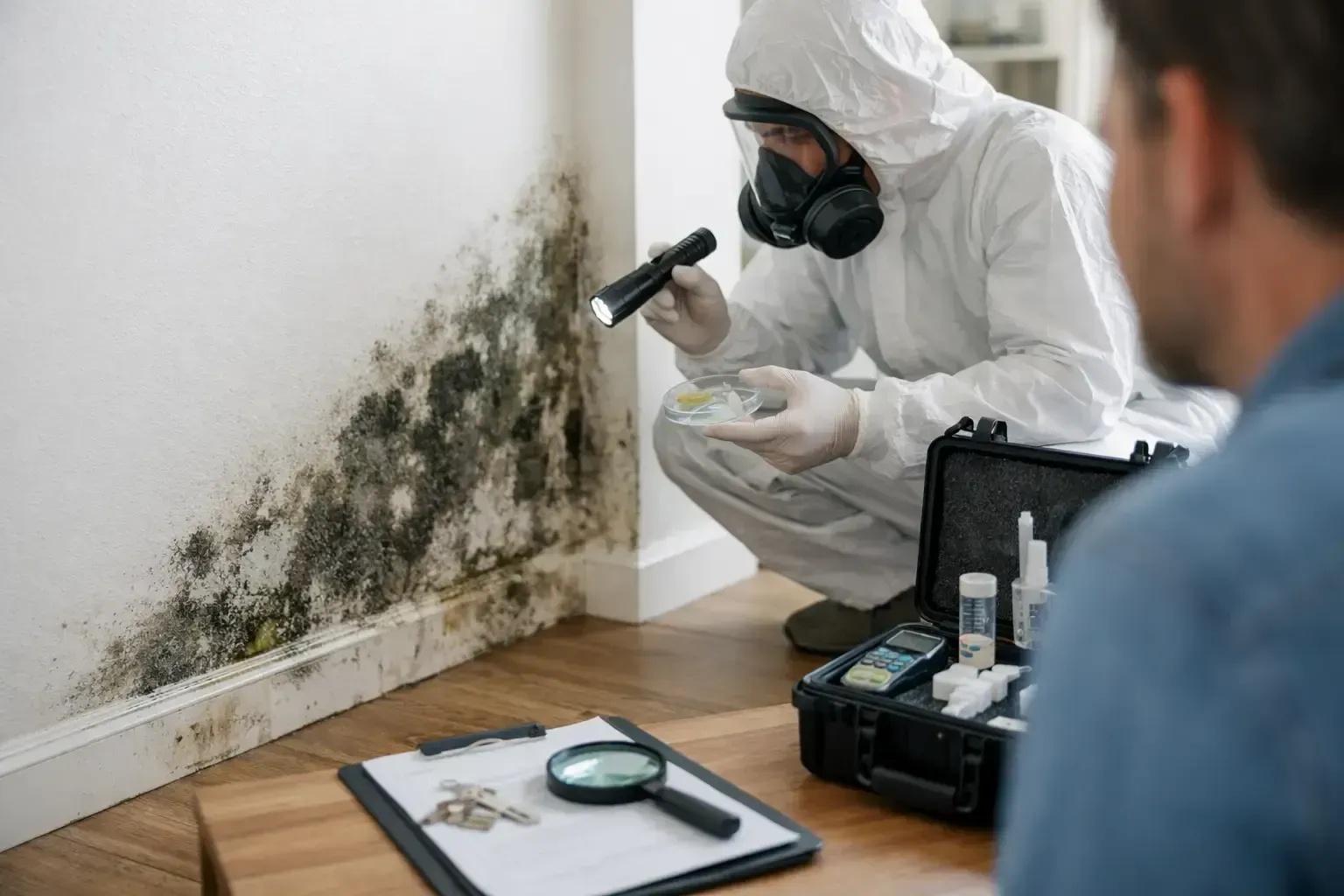
Use the checklist as a screening tool, not a final diagnosis. Walk the property slowly. Start where water is most likely, then expand outward to adjacent rooms and connected systems such as HVAC and crawl spaces. Document what you see, what you smell, and what history you know.
If your inspection reveals isolated humidity staining, you may only need better ventilation and moisture control. If it reveals recurring leaks, soft materials, spreading discoloration, or widespread odor, the safer move is a professional mold assessment with testing where appropriate.
When indoor conditions feel off, delay usually makes the situation more expensive. A careful inspection done early can protect your health, your property, and your documentation if the issue turns into a real estate, insurance, or tenant matter.
The best closing thought is simple: trust what the building is telling you. If you see moisture, smell mustiness, or notice damage that does not make sense, act on it before a small problem becomes hidden contamination.
Room-by-room Inspection Points

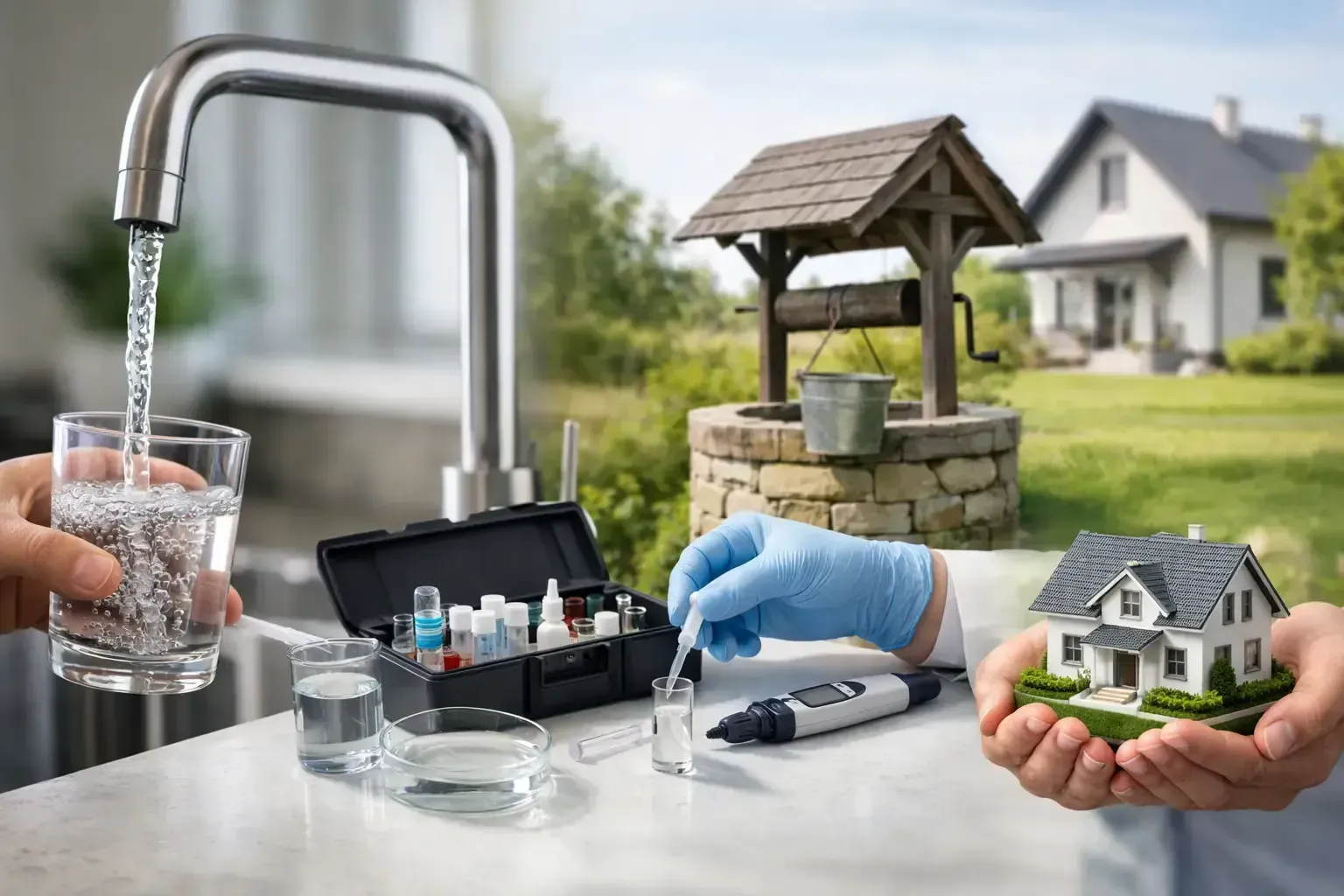
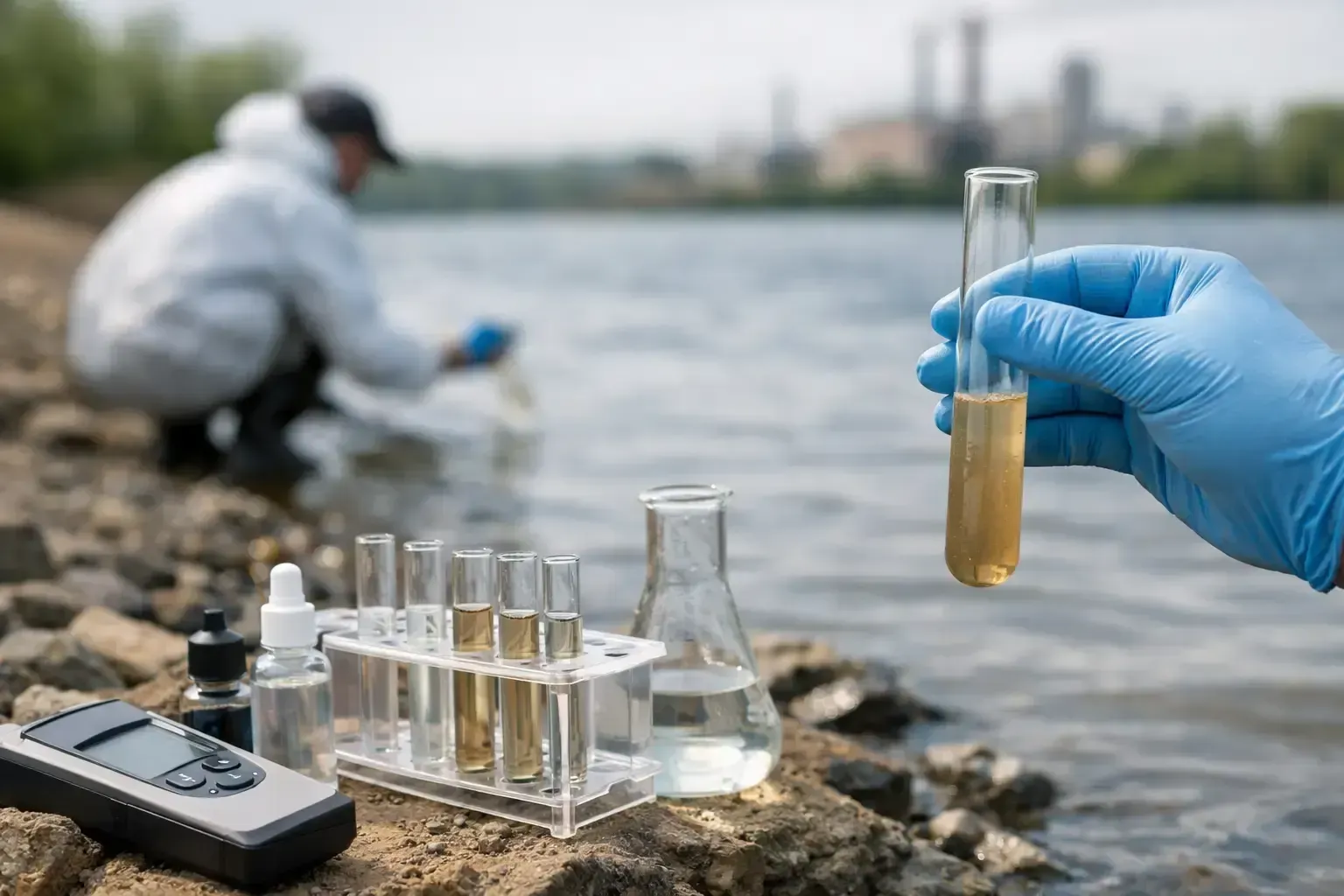
A water test report can look alarming even when the results are acceptable. It can also look routine while revealing a serious contamination concern. Knowing how to interpret water test report results starts with separating health-based findings from aesthetic issues, then confirming what was tested, how the sample was collected, and whether the result calls for immediate action.
For a private well, a property sale, an FHA or VA loan, a rental dispute, or a building affected by water damage or sewage, the report is more than paperwork. It is documented evidence of the water conditions at the time of sampling.
Start With the Sample Information
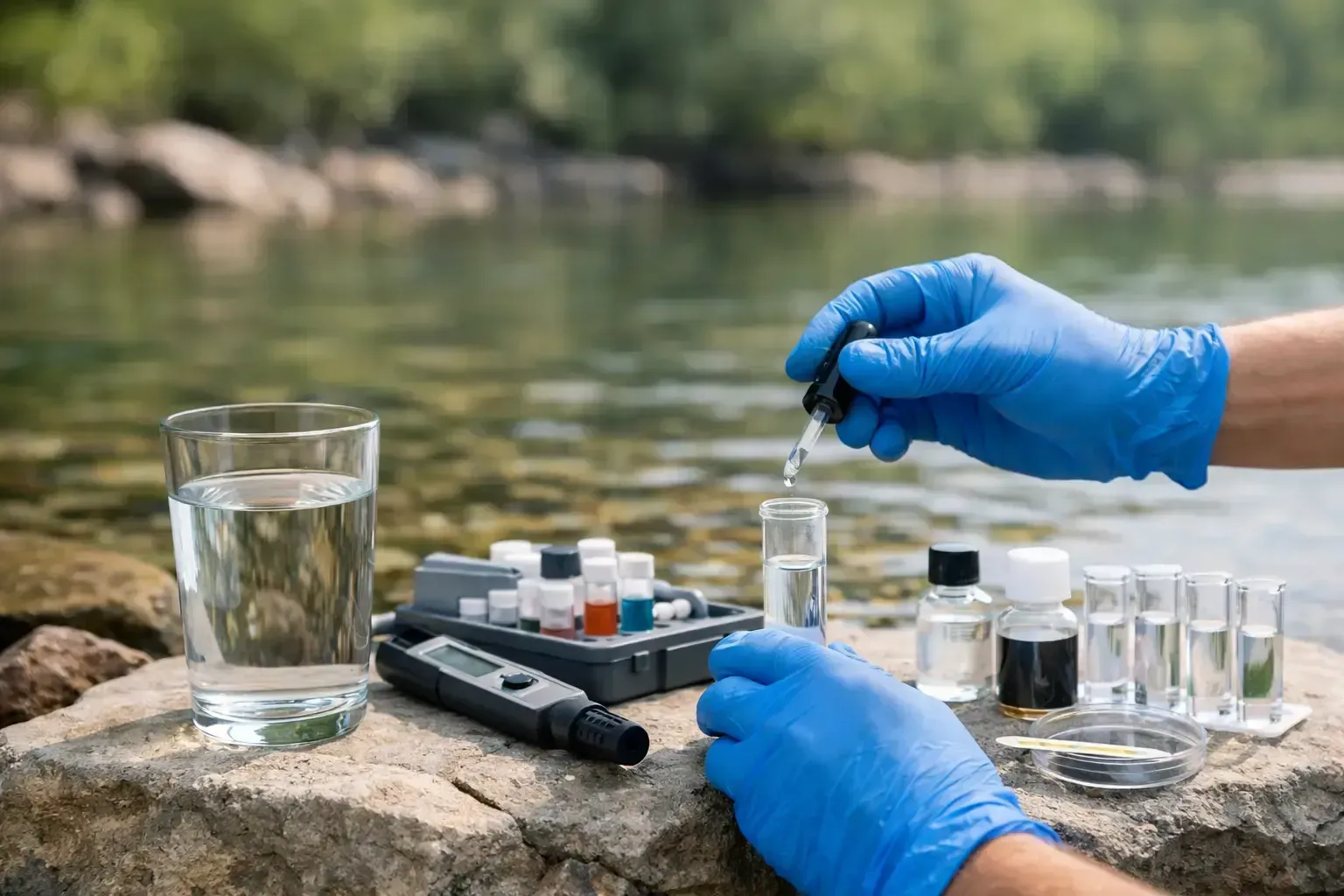
Before looking at any contaminant result, review the first section of the report. Confirm the property address, sample location, collection date and time, laboratory name, and the person or company that collected the sample. A sample from a kitchen faucet may tell a different story than one collected directly from a well pressure tank, a utility connection, or a storage tank.
The sample location matters because plumbing can affect results. Old pipes, a corroded faucet, a water softener, filtration equipment, or a recently disinfected well can change what appears in the sample. If the report does not clearly identify where and how the water was collected, its usefulness may be limited.
Also check whether the report notes sample preservation, holding time, or any laboratory qualification. Bacteria samples, in particular, must reach the laboratory within a strict time window. A properly collected sample supports a more defensible result for buyers, lenders, property managers, and insurance documentation.
How to Interpret a Water Test Report by Column
Most laboratory reports place several pieces of information on the same line: the analyte or contaminant, the result, the unit of measurement, the reporting limit, and a comparison value or standard. Read the full line, not just the number.
The analyte identifies what the laboratory tested for, such as total coliform bacteria, E. coli, nitrate, lead, iron, pH, turbidity, or total dissolved solids.
The result is the measured amount found in the sample. It may be shown as a number, a “present” or “absent” finding, or a notation such as ND, meaning not detected.
The unit tells you how the result is measured. Common units include milligrams per liter (mg/L), micrograms per liter (µg/L), colony-forming units (CFU), and MPN, or most probable number. A result cannot be judged correctly without its unit. For example, 10 mg/L and 10 µg/L are very different concentrations.
The reporting limit is the lowest level the laboratory can reliably report under that testing method. “Not detected” does not necessarily mean the substance is completely absent. It means it was not detected at or above that laboratory’s reporting limit.
The standard may be a federal drinking water maximum contaminant level, a state guideline, a lender requirement, or an internal laboratory reference. Ask what standard is being used. Private wells are not regulated like public water systems, but health-based drinking water benchmarks still provide valuable guidance.
Bacteria Results Require Prompt Attention
For most property owners, bacteria results are the first numbers to review. Total coliform and E. coli are commonly tested in FHA and VA water testing and private well assessments.
Total coliform is a broad group of bacteria found in soil, vegetation, surface water, and the digestive systems of animals. A positive total coliform result does not automatically mean the water contains human sewage or will make someone sick. It does indicate that the well, plumbing system, sample point, or water source may be vulnerable to contamination.
E. coli is more concerning. Its presence can indicate fecal contamination from people or animals and should be treated as a potential health risk. Do not assume the water is safe for drinking, cooking, brushing teeth, making ice, or preparing infant formula until the issue has been evaluated and corrected.
A positive bacteria result may come from a contaminated well cap, poor drainage near the well, a damaged casing, flooding, nearby septic conditions, a dirty faucet aerator, or improper sample collection. The right response depends on the source. Simply shocking a well without identifying the reason for contamination can lead to repeat failures.
Understand Nitrate, Nitrite, and Other Health-Based Results
Nitrate and nitrite are especially important for private wells. They can enter groundwater through fertilizer use, septic systems, animal waste, or natural conditions. Elevated nitrate can pose a serious risk to infants, particularly babies under six months old, because it can interfere with the blood’s ability to carry oxygen.
If nitrate or nitrite is above the applicable drinking water standard, use an alternate safe water source for drinking and food preparation while the source and treatment options are evaluated. Boiling water does not remove nitrate. In fact, boiling can concentrate it as water evaporates.
Lead is another result that deserves careful reading. Lead may be absent from the incoming water source but enter water through older plumbing, fixtures, solder, or service lines. A lead result should be evaluated alongside the sample location and sampling method. First-draw samples are often used to assess plumbing-related lead exposure, while flushed samples may better reflect the water source itself.
Other results may be health-based but are less commonly included in a basic real estate or lender test. Arsenic, fluoride, volatile organic compounds, and certain metals may require separate testing based on the property history, geographic area, industrial activity, nearby fuel storage, or known water quality concerns.
Not Every Unpleasant Result is a Health Emergency
Some water test findings affect taste, odor, staining, or equipment performance more than immediate health risk. Iron and manganese can leave orange, brown, or black staining on fixtures and laundry. High hardness can cause scale buildup in pipes, water heaters, and appliances. Sulfur-related conditions may create a rotten egg odor.
pH measures whether water is acidic or alkaline. Low pH can contribute to corrosion, which may increase the chance of metals leaching from plumbing. High pH can contribute to scale. Neither result should be interpreted alone. The plumbing material, metal results, water chemistry, and visible symptoms all matter.
Turbidity measures cloudiness caused by suspended particles. It may be caused by sediment, disturbed well conditions, surface water intrusion, or plumbing debris. Turbidity can also make disinfection less effective because particles may shield microorganisms. If turbidity is elevated along with bacteria, the combination deserves faster investigation.
Total dissolved solids, often called TDS, measures the combined amount of dissolved minerals and salts. A high TDS result can affect taste and indicate mineral-heavy water, but it does not identify which minerals are present or prove that the water is unsafe. Further testing may be needed before choosing treatment equipment.
Compare Results to the Right Standard
A report may mark a result as “pass,” “fail,” “acceptable,” or “exceeds.” Those labels are helpful, but they are not the full interpretation. A lender-required water panel may have different requirements than a comprehensive drinking water assessment. A test performed after flooding or sewage exposure may need to focus on bacteria and contamination pathways that a routine mortgage test does not address.
Do not assume an untested contaminant is absent. A basic panel may only include bacteria, nitrate, nitrite, lead, and a few physical characteristics. If the property has a history of water damage, sewage backup, fire suppression water, chemical storage, agricultural activity, or an old well, broader testing may be appropriate.
Results can also change over time. Heavy rainfall, drought, flooding, nearby construction, a failed well seal, plumbing repairs, and changes to a treatment system can all affect water quality. A passing report documents the sample on that day. It is not a permanent guarantee.
Decide What Happens Next
A result that exceeds a health-based standard, detects E. coli, or shows a potential sewage-related concern should not be ignored. Stop using the water for consumption when appropriate, protect occupants, and seek a professional evaluation of the water source and plumbing system. If a property has vulnerable occupants, including infants, older adults, or people with weakened immune systems, act with added caution.
For non-health-based concerns such as hardness, iron, or odor, the next step may be treatment planning rather than an emergency response. The best treatment depends on the actual contaminant, concentration, flow rate, water use, and whether the issue originates in the source water or plumbing. A treatment system selected from a single number can waste money and fail to solve the problem.
When results are unclear, conflicting, or tied to a real estate transaction, a documented environmental assessment can provide the clarity needed to move forward. Hanes Environmental helps Florida and Kentucky property owners understand laboratory-supported findings, identify likely contamination pathways, and determine whether further testing or corrective action is warranted.
A water report should leave you with a clear decision, not more uncertainty. If a result raises questions about health, property damage, lender compliance, or contamination, treat that question as the reason to investigate further before relying on the water.
Recent Posts