Water on the floor is obvious. What causes trouble is everything you cannot see once the surface starts to dry. A proper water damage assessment report is the document that turns a stressful situation into a clear set of facts. It shows where moisture traveled, what materials were affected, whether contamination is present, and what needs to happen next to protect the property.
For homeowners, property managers, real estate professionals, and business owners, that clarity matters. Water damage is rarely just a cleanup issue. It can become a mold issue, a structural issue, an indoor air quality issue, or an insurance documentation issue depending on how long the moisture remained, what was affected, and whether the source involved clean water, gray water, or sewage.
Why a Water Damage Assessment Report Matters
A wet ceiling, warped flooring, or stained drywall may look minor at first. The problem is that visible damage often represents only part of the loss. Moisture can move behind baseboards, under flooring, into wall cavities, and through insulation. In commercial properties, it may also affect equipment, inventory, tenant spaces, or shared building systems.
That is why an assessment report matters more than a quick visual opinion. It creates a documented record of conditions at the time of inspection. This helps owners make repair decisions based on evidence rather than guesswork. It also gives restoration contractors, adjusters, property managers, and buyers a common reference point.
There is also a health and liability side to consider. If water has been sitting long enough to support microbial growth, the issue is no longer just drying materials. It may involve contamination and occupant exposure. In rental properties or commercial buildings, that can quickly turn into a dispute over habitability, responsibility, or the quality of remediation.
What is Included in a Water Damage Assessment Report
A strong report is detailed, readable, and defensible. It should explain the problem in plain language while documenting the technical findings clearly enough to support repairs, insurance review, or further environmental testing.
Source and Cause of the Loss
The report typically begins by identifying the apparent source of water intrusion. This may be a plumbing leak, roof leak, appliance failure, storm entry, HVAC condensate issue, slab moisture problem, sprinkler discharge, or sewage backup. In some cases, the source is active and easy to identify. In other cases, the visible damage appears long after the initial event, which means the assessor has to piece together the most likely path and timeline of moisture migration.
Cause matters because not all water losses are treated the same. A clean water line break is different from an overflow involving waste water. The category of water affects the level of risk, the need for containment, and the scope of removal or disinfection.
Moisture Mapping and Affected Materials
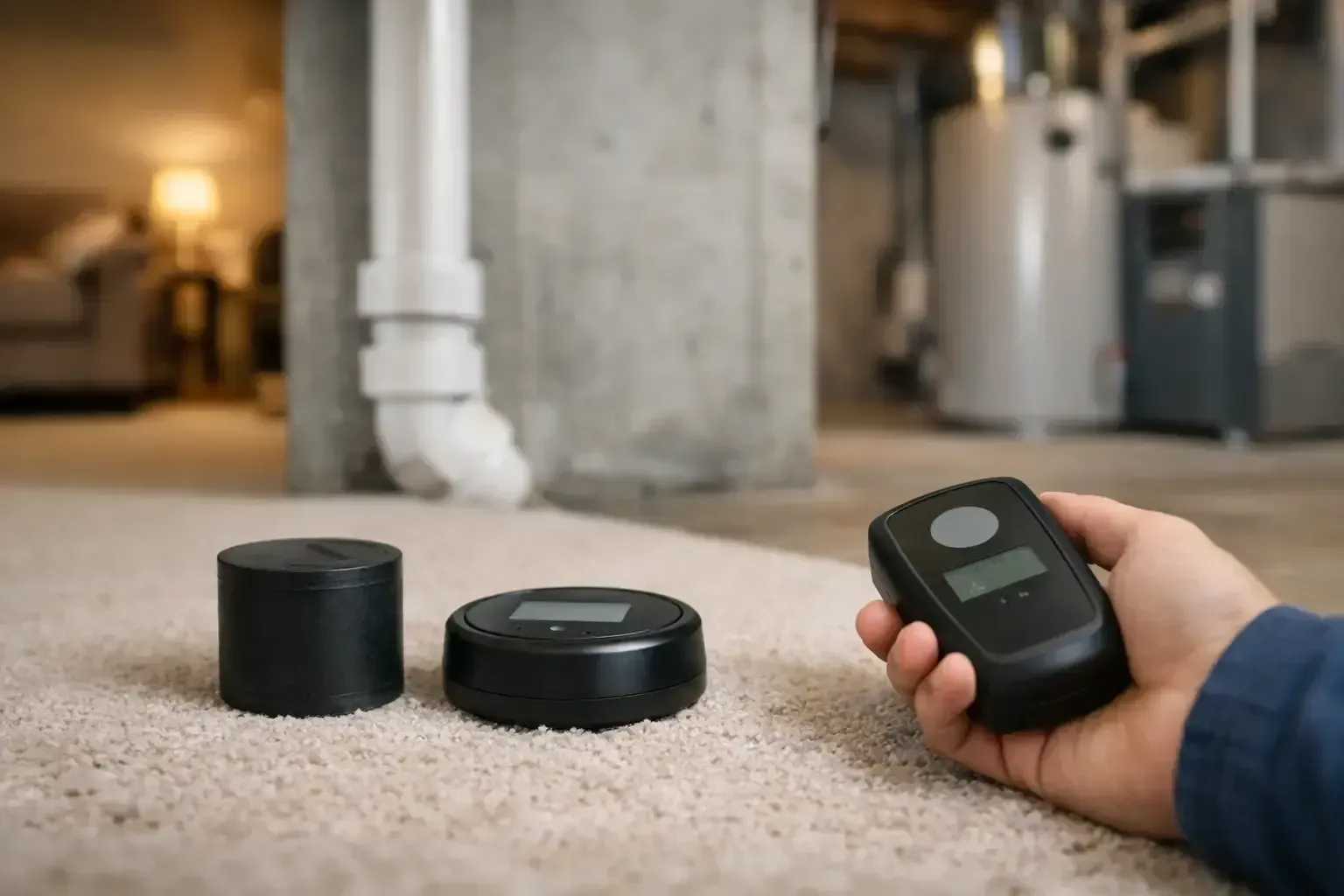
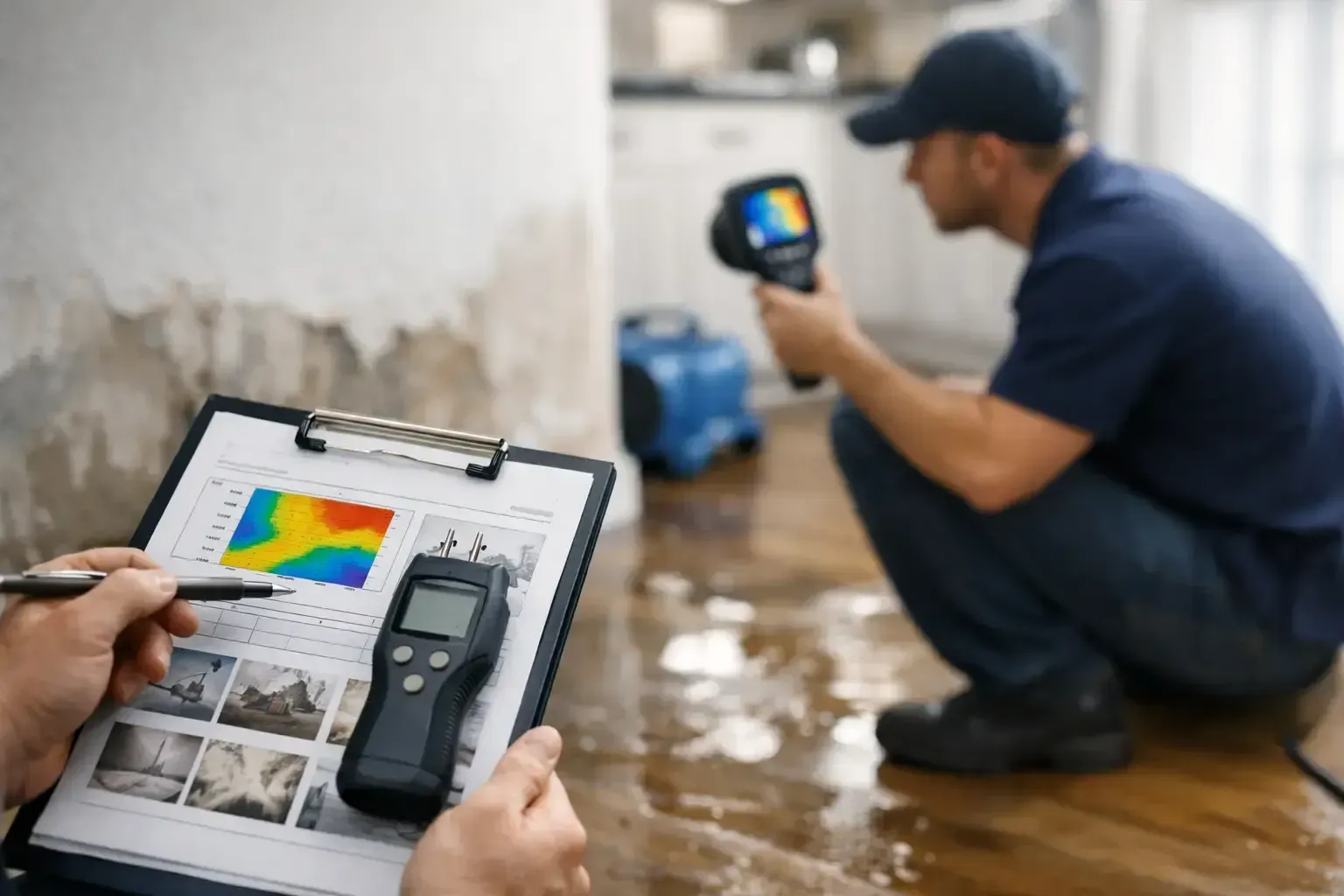
A proper report should identify where elevated moisture was found and which materials were affected. This often includes drywall, insulation, wood framing, subfloor, cabinets, trim, ceiling materials, carpet, pad, and concrete. Moisture readings help distinguish between materials that are currently wet, materials that have dried, and areas that may still hold hidden moisture.
This section is important because visible staining is not always the true boundary of damage. Moisture meters, thermal imaging, and hands-on inspection can reveal spread beyond what the eye catches. That can change the scope of work significantly.
Extent of Damage
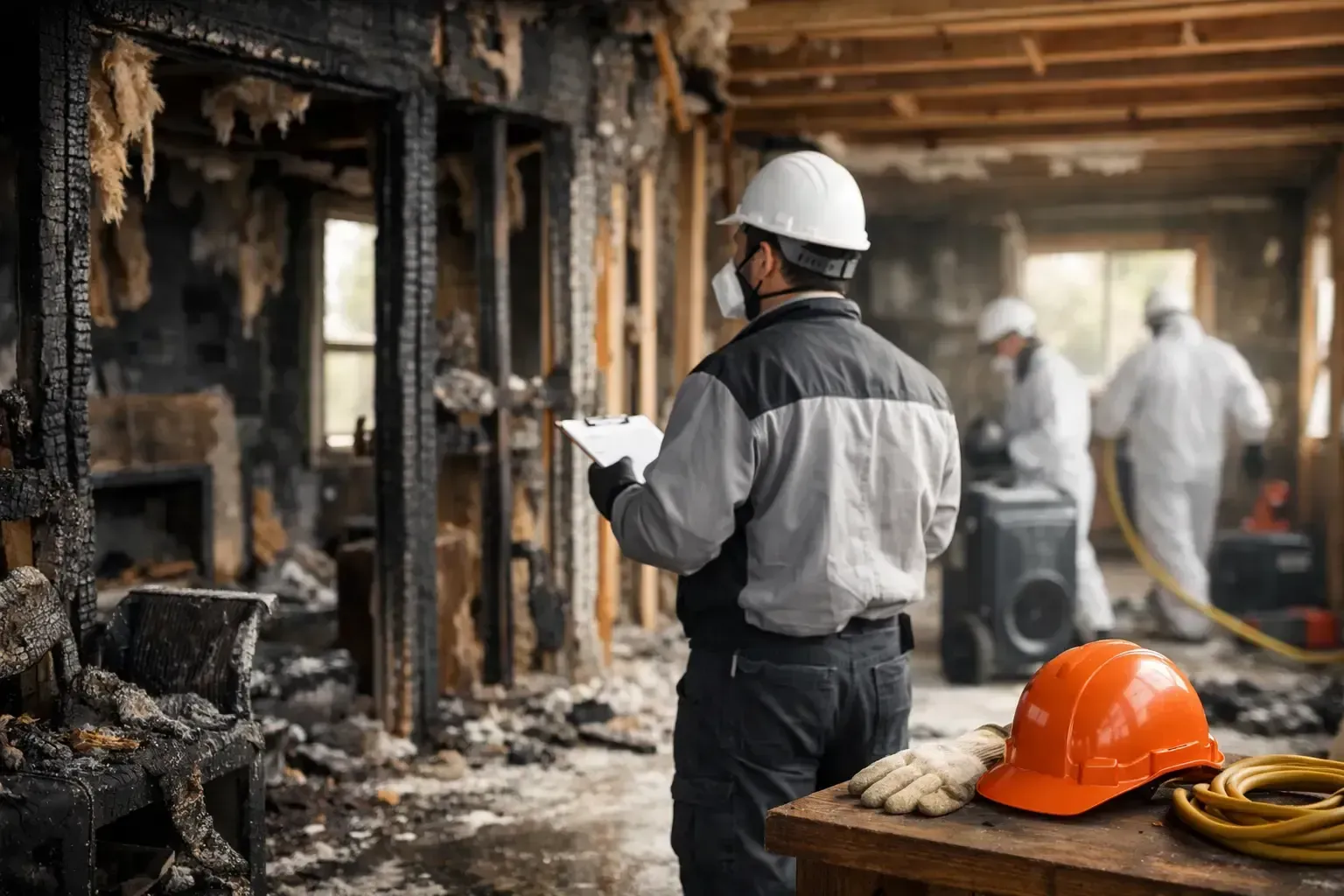
The report should describe the severity and extent of damage by room, area, or building section. It may note swelling, delamination, staining, deterioration, odor, microbial growth, or compromised finishes. In more complex losses, it may also document affected contents, business interruption concerns, or risks to adjacent units.
This is where experience matters. Some materials can be dried and saved if addressed quickly. Others must be removed because they absorb contamination or lose integrity once wet. The right recommendation depends on the material, the source of water, and the amount of time that has passed.
Environmental and Contamination Concerns
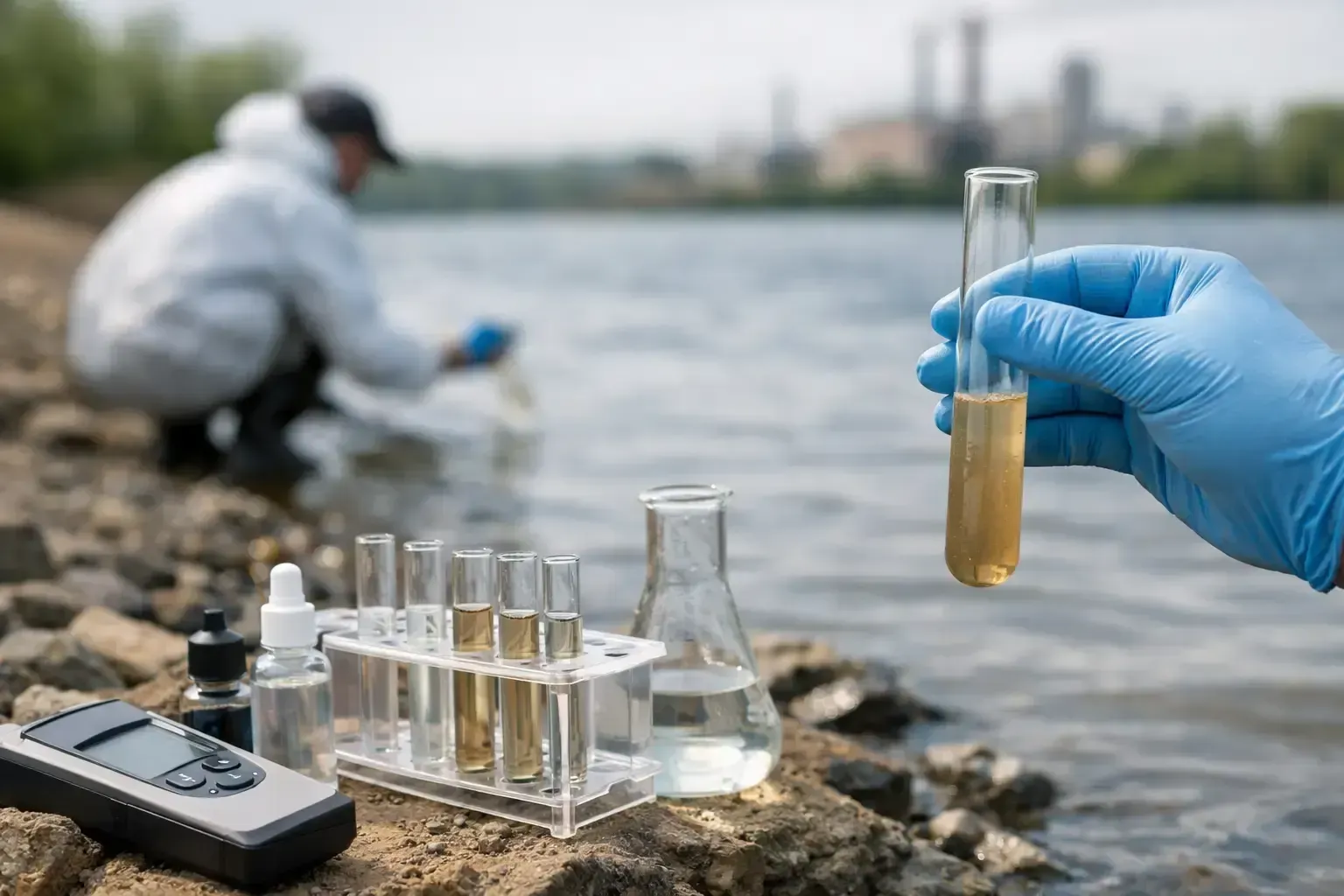
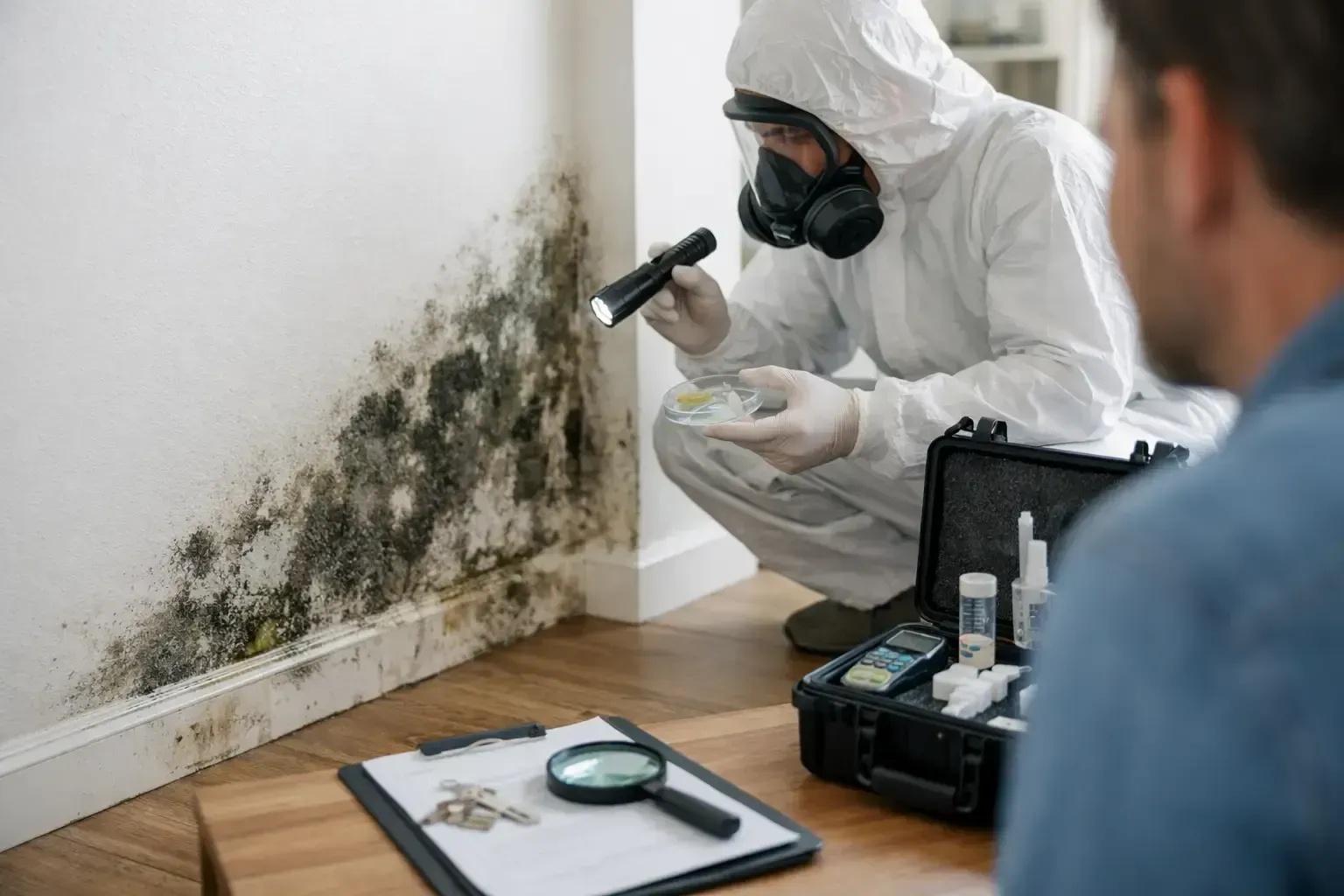
Not every water loss requires the same level of environmental testing, but many do. If the water source involved sewage, if there is a strong odor, if the damage is not recent, or if there are signs of mold growth, the report should address contamination concerns directly.
That may include recommendations for mold assessment, bacteria testing, sewage contamination evaluation, or indoor air quality review. In some cases, post-remediation verification may also be necessary after cleanup is complete. A good report does not overstate risk, but it does not ignore it either.
Photos, readings, and documentation
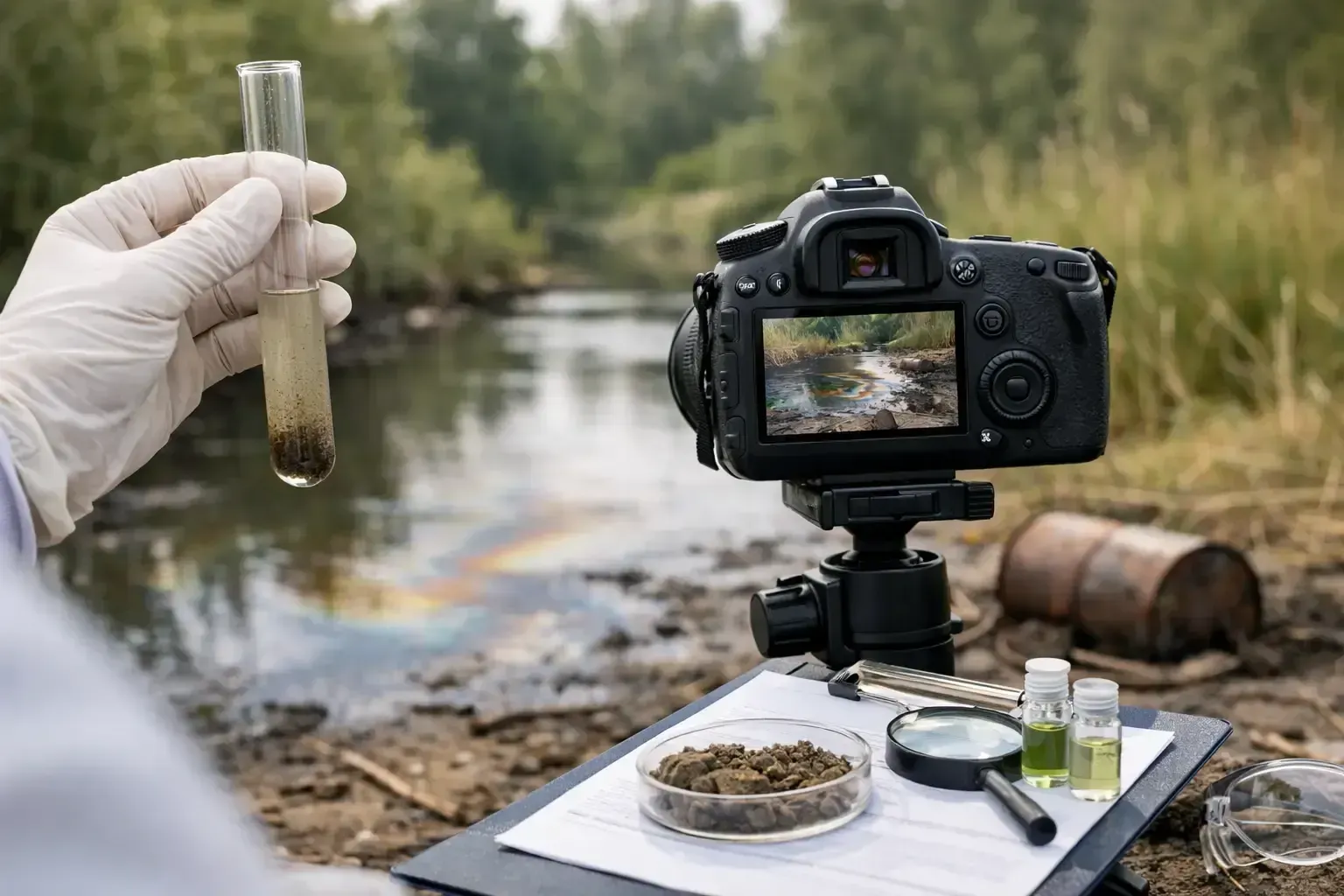
A reliable report should include supporting documentation. That often means photographs, moisture readings, affected-area notes, and inspection observations. This information gives the report weight. It shows what was found, where it was found, and why certain recommendations were made.
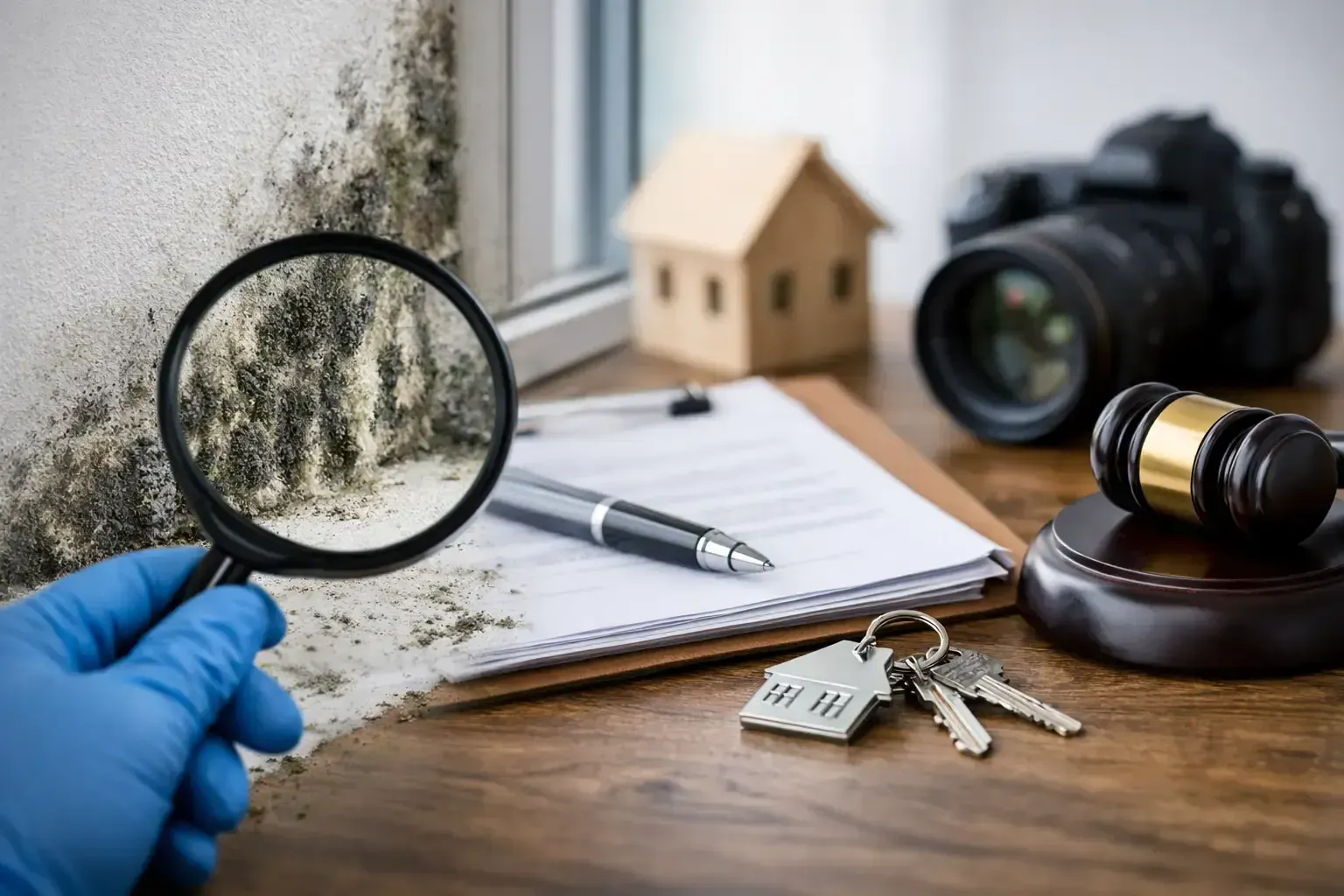
For insurance-related claims or property disputes, this level of documentation can be especially valuable. It helps establish condition, timing, and scope in a way that casual notes or phone photos usually cannot.
What the Report Helps You Decide
A water damage assessment report is not just paperwork. It is a decision-making tool. It helps determine whether drying is enough or whether demolition is necessary. It helps identify whether mold assessment should be added. It helps clarify whether the problem appears limited or widespread.
For a homeowner, that can mean avoiding unnecessary work while still addressing hidden damage correctly. For a property manager, it can help coordinate vendors and document conditions for owners or tenants. For a real estate transaction, it can help buyers and sellers understand whether the issue is cosmetic, active, or tied to a larger environmental concern.
The report can also help with timing. Some problems require immediate containment and extraction. Others require targeted opening of walls or removal of wet materials before drying equipment is installed. Waiting too long can increase the cost and the risk.
When a Visual Inspection is Not Enough
There are times when a quick walk-through may catch the basics. There are also many cases where that approach misses the real problem. Slow leaks behind walls, under-slab moisture issues, window intrusion, roof leaks above ceilings, and HVAC-related condensation problems often continue unnoticed until odors, staining, or mold appear.
That is why specialized assessment matters. The goal is not just to confirm that water damage exists. The goal is to define the full extent of the problem and document it accurately. If the property has vulnerable occupants, tenant complaints, prior repair history, or ongoing moisture concerns, a more careful assessment becomes even more important.
Insurance, Liability, and Repair Planning
Insurance carriers, adjusters, contractors, and property owners do not always look at the same problem the same way. A contractor may focus on repairs. An insurer may focus on cause and covered loss. An owner may be worried about safety, cost, and whether the problem will return.
A clear assessment report helps bridge those concerns. It gives everyone a factual starting point. It can support a claim, guide a restoration plan, or justify additional environmental testing when contamination is suspected. It can also help document pre-existing versus newly discovered conditions, which is often a point of confusion in older properties or buildings with repeated moisture events.
There is a trade-off here. A very limited report may cost less upfront, but it may leave out hidden damage that later increases the repair scope. A more detailed assessment provides better protection against missed conditions, especially in larger homes, commercial spaces, and losses involving multiple rooms or uncertainty about how long the water has been present.
What to Look for in the Assessor
The quality of the report depends on the quality of the inspection. You want someone who understands moisture behavior, building materials, contamination categories, and the difference between visible damage and actual spread. The report should be direct, specific, and supported by field findings, not vague language.
It also helps to work with a company that can explain results in plain English. Technical accuracy matters, but so does communication. When people are dealing with damage to a home, rental, office, or investment property, they need answers they can act on.
In Florida and Kentucky, where weather, humidity, plumbing failures, and hidden moisture issues can all play a role, a thorough assessment is one of the smartest early steps you can take. Hanes Environmental provides that kind of clear, field-based reporting so property owners know what they are dealing with before the damage gets worse.
The sooner you replace assumptions with documented facts, the easier it becomes to protect the building, the people inside it, and the money it will take to set things right.
Recent Posts