Common Mistakes When Documenting Sewage Contamination
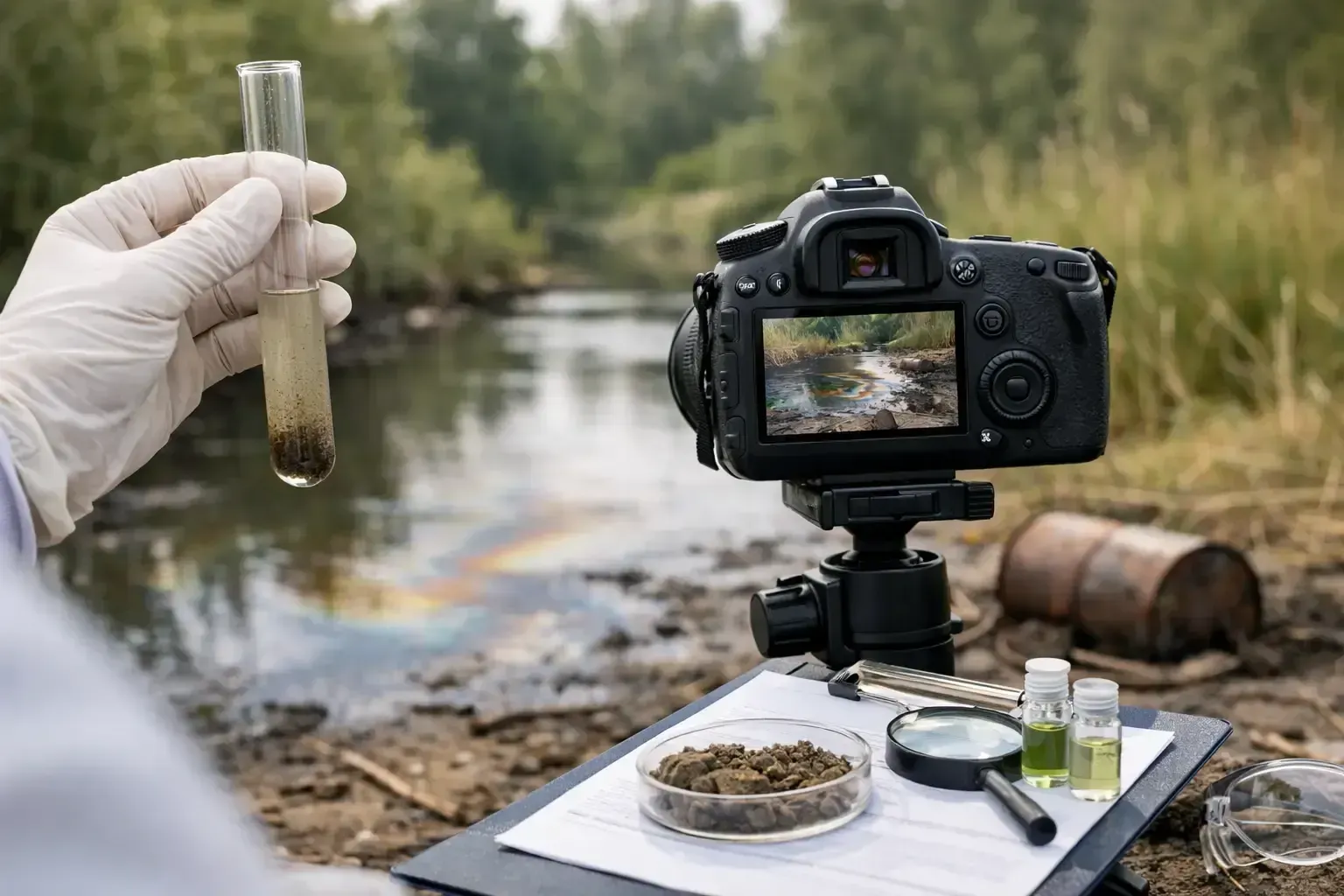
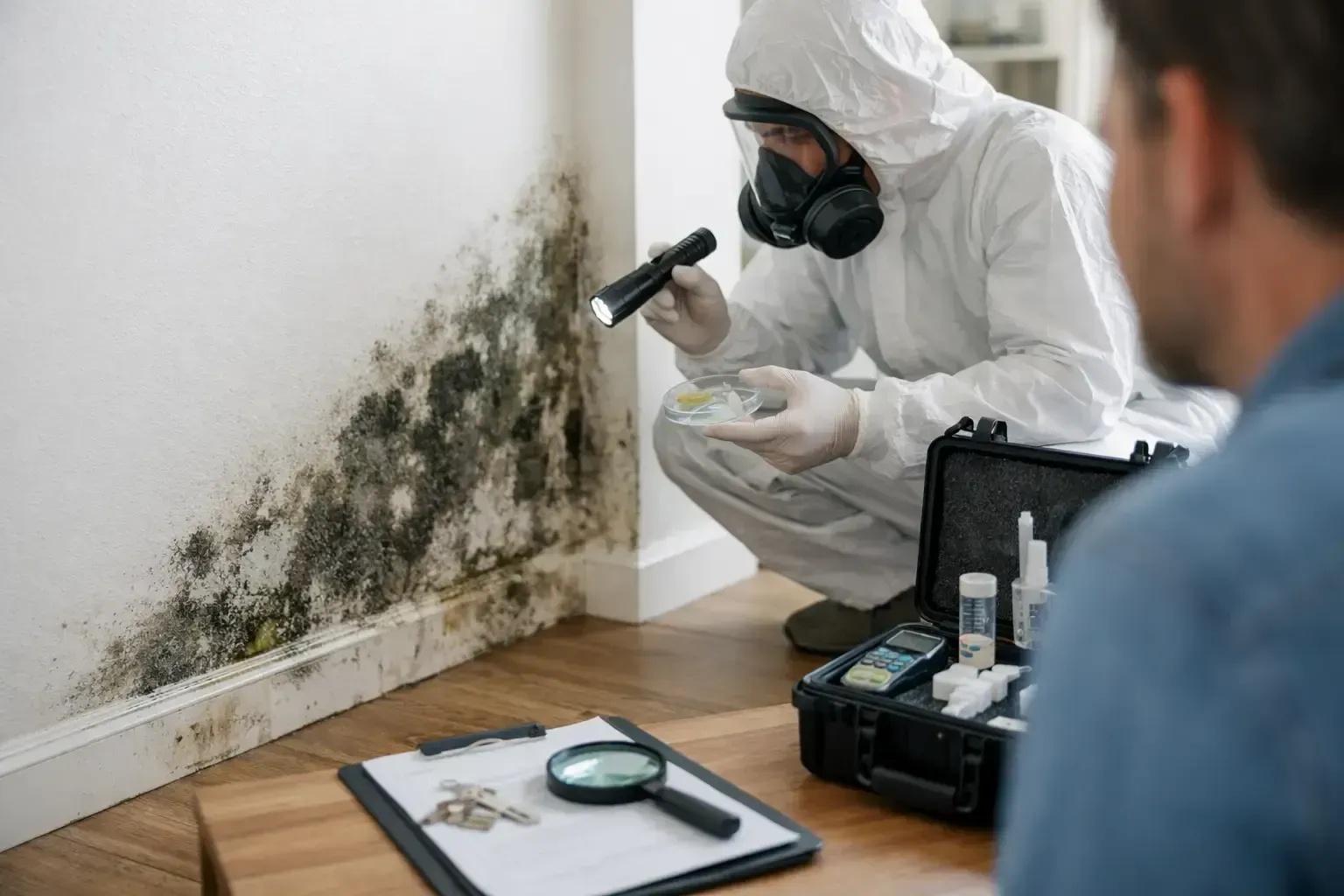
The quality of the report depends on the quality of the inspection. You want someone who understands moisture behavior, building materials, contamination categories, and the difference between visible damage and actual spread. The report should be direct, specific, and supported by field findings, not vague language.
It also helps to work with a company that can explain results in plain English. Technical accuracy matters, but so does communication. When people are dealing with damage to a home, rental, office, or investment property, they need answers they can act on.
In Florida and Kentucky, where weather, humidity, plumbing failures, and hidden moisture issues can all play a role, a thorough assessment is one of the smartest early steps you can take. Hanes Environmental provides that kind of clear, field-based reporting so property owners know what they are dealing with before the damage gets worse.
The sooner you replace assumptions with documented facts, the easier it becomes to protect the building, the people inside it, and the money it will take to set things right.
Why Interpretation Matters More Than the Lab Report Alone
If the property recently had a leak, flood, or AC overflow, timing matters. Testing too early can miss developing growth, while waiting too long can allow contamination to spread. In many cases, the first priority after water damage is drying and stabilizing the structure quickly. Once materials remain wet beyond a day or two, the risk of mold increases significantly.
After water damage, testing usually focuses on the affected materials, adjacent rooms, and HVAC impact if the system ran during the event. Moisture mapping is essential here. Water often travels farther than the visible stain suggests, especially under flooring and inside wall cavities.
If remediation has already been performed, post-remediation verification testing may be the next step. That type of testing checks whether contamination has been properly removed and whether the area is dry and ready for rebuild. For property owners, buyers, managers, and contractors, that documentation can be just as important as the initial diagnosis.
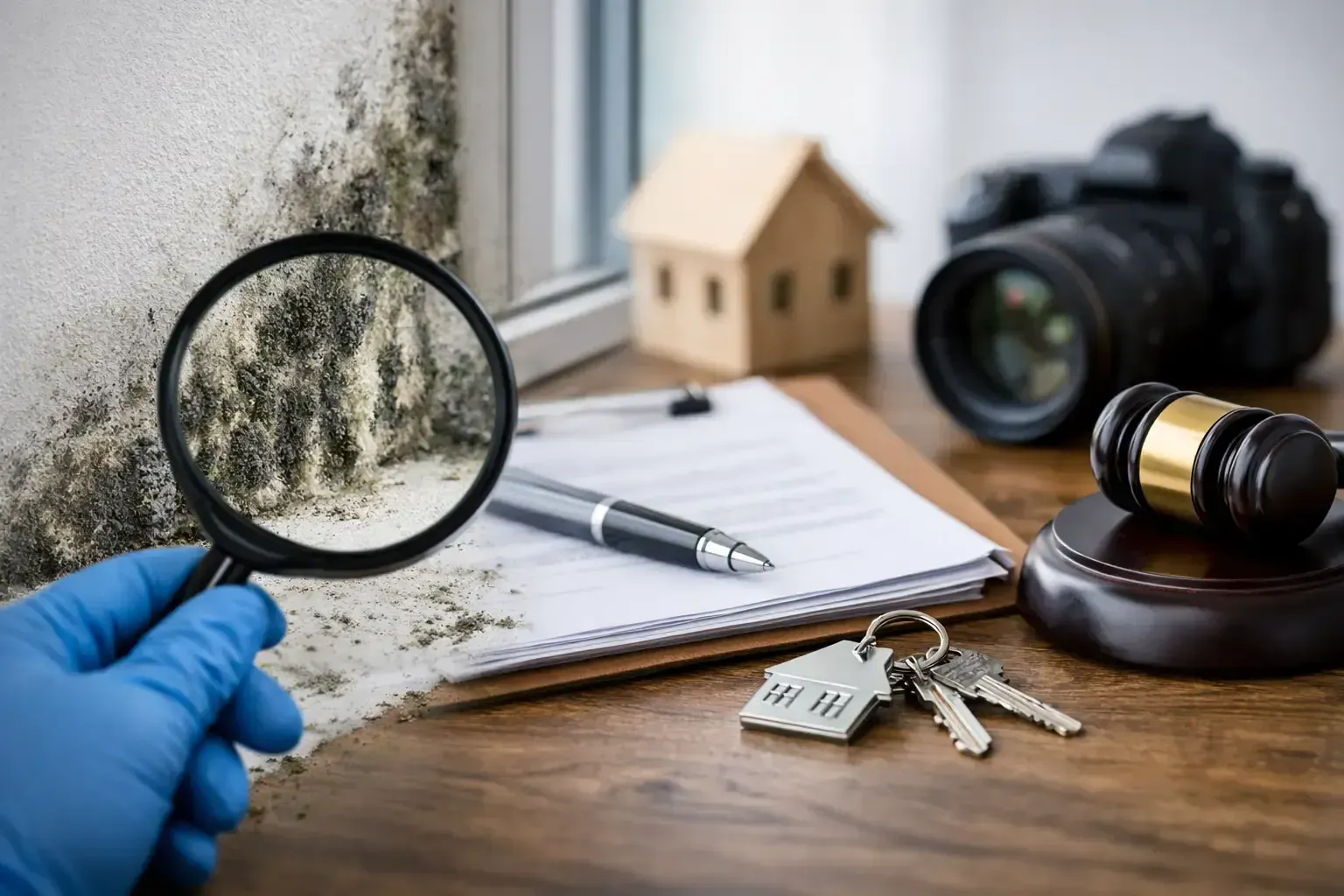
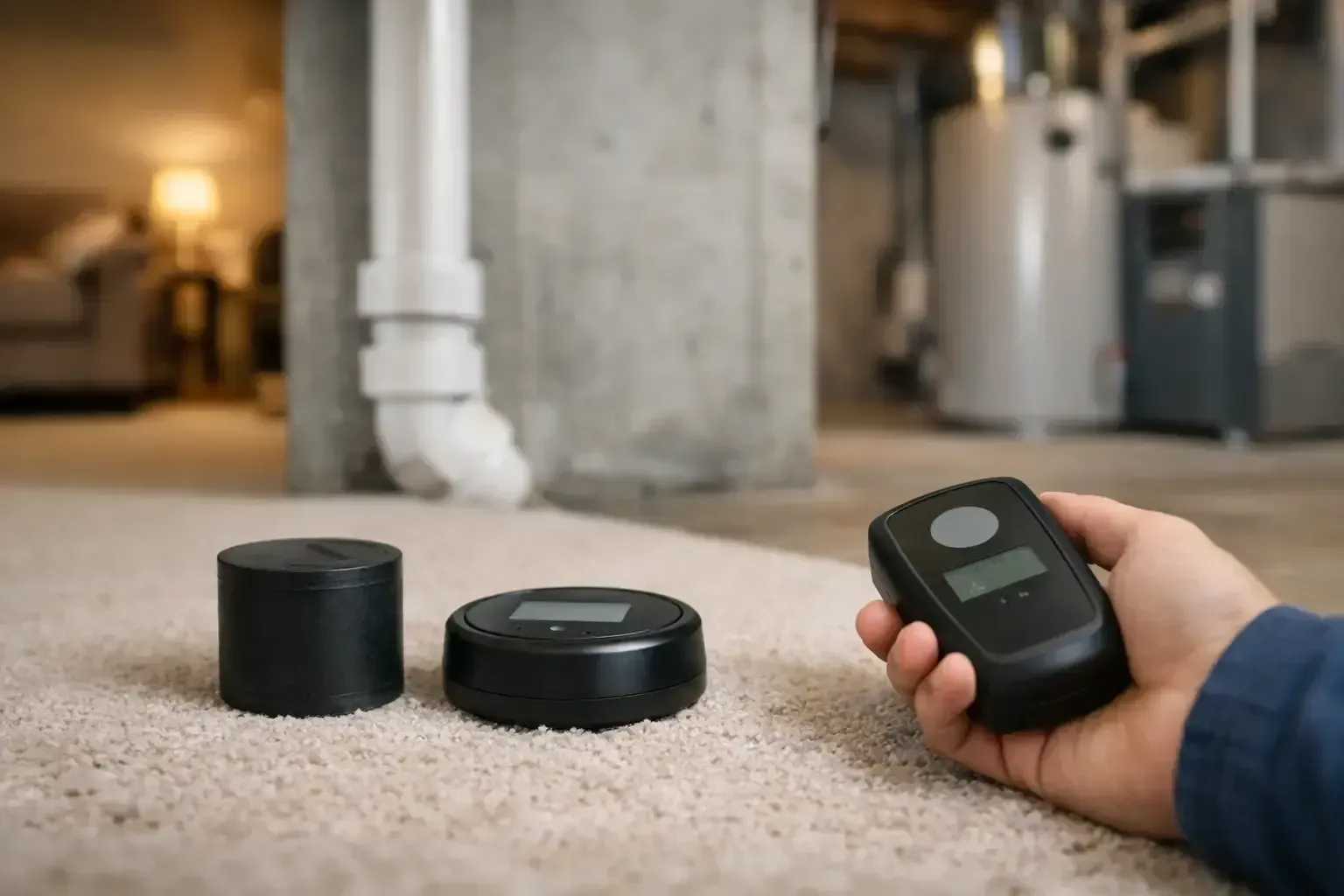
Use the checklist as a screening tool, not a final diagnosis. Walk the property slowly. Start where water is most likely, then expand outward to adjacent rooms and connected systems such as HVAC and crawl spaces. Document what you see, what you smell, and what history you know.
If your inspection reveals isolated humidity staining, you may only need better ventilation and moisture control. If it reveals recurring leaks, soft materials, spreading discoloration, or widespread odor, the safer move is a professional mold assessment with testing where appropriate.
When indoor conditions feel off, delay usually makes the situation more expensive. A careful inspection done early can protect your health, your property, and your documentation if the issue turns into a real estate, insurance, or tenant matter.
The best closing thought is simple: trust what the building is telling you. If you see moisture, smell mustiness, or notice damage that does not make sense, act on it before a small problem becomes hidden contamination.
Room-by-room Inspection Points
Bring in Qualified Help for Complex or Contaminated Losses
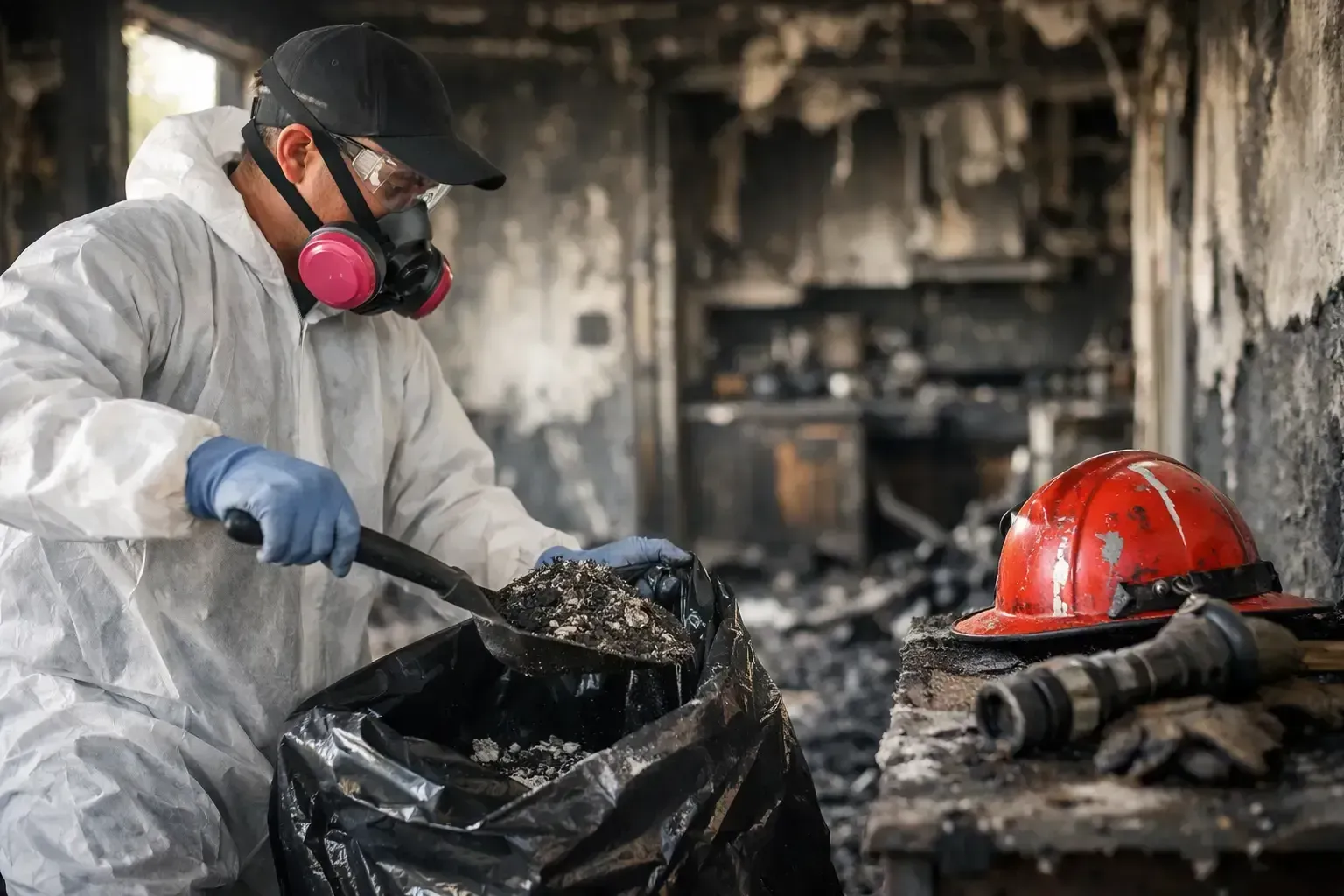
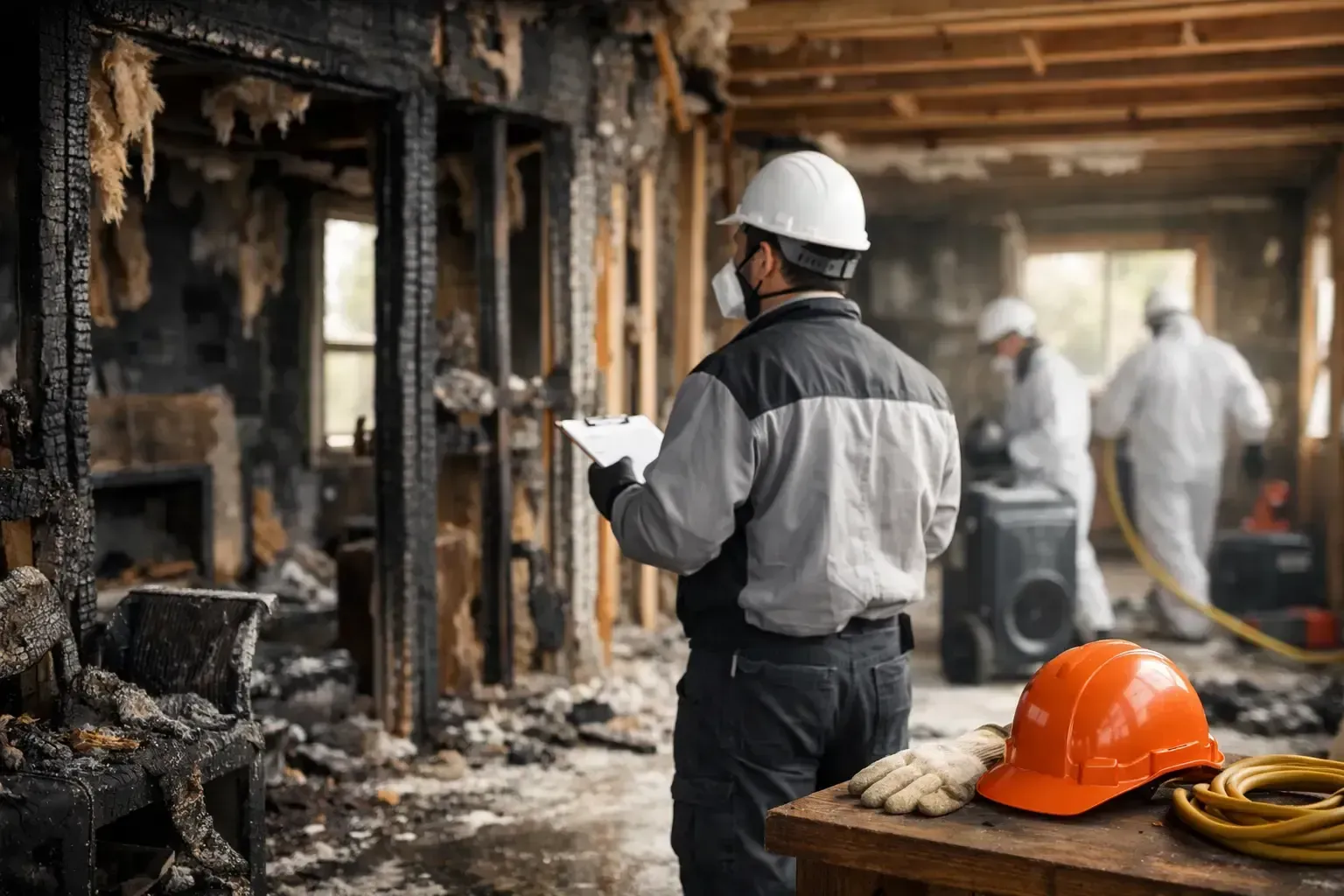
A fire can be out in minutes, yet the contamination it leaves behind can remain in a home or business for months. Fire residue cleanup is not simply a matter of removing visible black soot from walls and furniture. Smoke particles, ash, odor-causing compounds, and residues from burned materials can settle throughout the property, including inside HVAC systems, closets, cabinets, electronics, and soft furnishings.
The right response protects the people who use the building, preserves evidence for an insurance claim, and prevents residue from spreading into areas that were not directly affected. The first priority is to understand what burned, where the smoke traveled, and what level of cleaning or restoration is actually needed.
Why Fire Residue is More Than a Surface Problem
Fire residue changes based on the fuel source, fire temperature, oxygen level, and suppression methods used. A small kitchen fire involving cooking oil can leave a greasy, difficult-to-remove film. A fire involving plastics, wiring, insulation, furniture, or stored chemicals may produce a more complex mixture of soot, particulates, and volatile organic compounds, commonly called VOCs.
The residue may be visible as black streaks, gray ash, yellow-brown staining, or a fine powder on horizontal surfaces. It can also be invisible. Smoke particles are small enough to move through door gaps, return air vents, and wall cavities. That is why a room with no obvious flame damage may still have a persistent odor, discolored contents, or compromised indoor air quality.
Residue left in place can continue to transfer onto hands, clothing, and clean surfaces. It can also stain porous materials over time. In a commercial setting, this creates concerns beyond appearance. Property managers and business owners may need documentation showing that the affected area was evaluated, contamination was addressed, and the building can be safely reoccupied.
The First 24 Hours Matter
After emergency responders have cleared the property, avoid disturbing the affected area until the damage has been documented. Walking through soot-covered rooms can grind particles into flooring and carry contamination into unaffected spaces. Running the HVAC system before it has been evaluated may spread smoke residue through the ductwork.
Take clear photographs and video of visible soot, damaged belongings, wall and ceiling staining, and water used during firefighting. Keep receipts for emergency expenses, temporary lodging, and mitigation work. If there is an insurance claim, accurate documentation from the beginning can reduce disputes over the scope of damage.
Do not begin aggressive cleaning with household products, dry dusting, or a standard vacuum. Ordinary vacuums can exhaust fine particles back into the air, while the wrong cleaner can set stains permanently or damage finishes. A professional assessment helps determine whether materials can be cleaned, require specialized restoration, or should be removed.
What a Professional Fire Residue Cleanup Assessment Looks for
A thorough assessment begins with the origin of the fire and the path smoke took through the structure. This includes rooms near the fire, adjacent spaces, attic areas, HVAC returns and supply vents, and areas where odors are strongest. The goal is to identify the full footprint of contamination, not just the most visibly damaged room.
Soot and Carbonaceous Particle Testing
Soot is made up of carbonaceous particles created during incomplete combustion. Testing can help document whether these particles are present on surfaces or in settled dust, especially when damage is subtle or an insurance carrier, landlord, tenant, buyer, or property manager needs defensible findings.
This type of evaluation can be particularly valuable after a small fire that appears contained. Smoke can travel far beyond the flames. A kitchen fire, electrical fire, or garage fire may affect bedrooms, offices, stored inventory, or shared building areas even when the surfaces do not initially look damaged.
Indoor Air and VOC Considerations
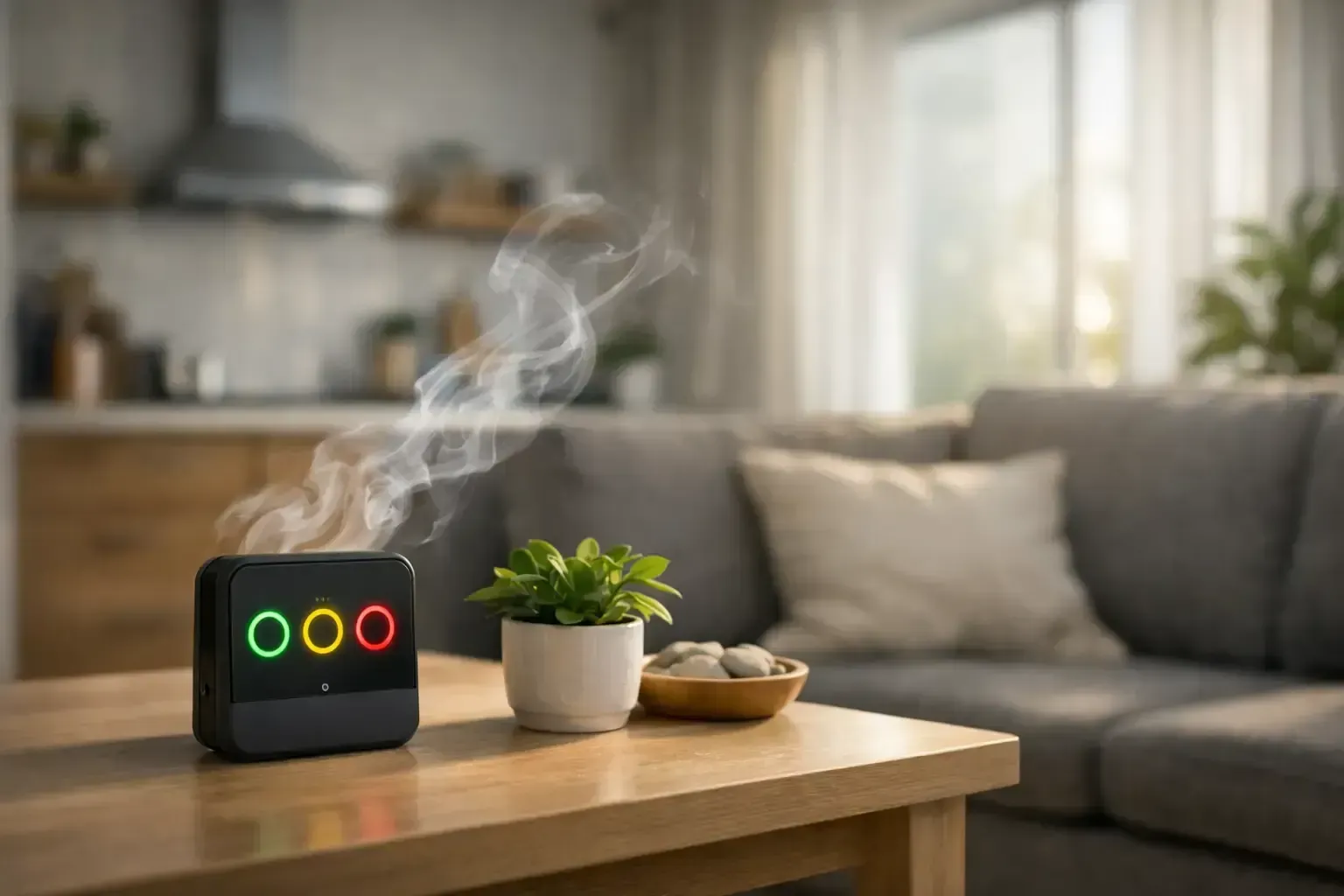
Burned materials can release odors and VOCs that linger after visible soot has been removed. Air quality concerns depend on what burned, how much smoke was produced, how long the building remained closed, and whether ventilation systems moved contaminated air through the property.
Testing may be appropriate when occupants report headaches, throat irritation, eye irritation, unusual odors, or symptoms that improve when they leave the building. Testing does not replace cleanup, but it can provide clear information about conditions inside the property and support a targeted restoration plan.
Moisture and Secondary Damage
Firefighting often introduces substantial water into a structure. Wet drywall, insulation, flooring, and framing can create a separate moisture problem that must be addressed quickly. If drying is delayed, mold growth can become an added concern after the fire damage itself has been resolved.
A complete inspection should account for both smoke contamination and water intrusion. Treating only the soot while overlooking wet structural materials can leave the property with another preventable restoration issue.
Cleaning Methods Must Match the Material
There is no single product or technique that works for every fire loss. Nonporous surfaces such as metal, glass, and some sealed finishes can often be cleaned successfully with appropriate methods. Porous materials such as insulation, unfinished wood, carpet padding, upholstered furniture, paper goods, and some ceiling tiles may absorb smoke particles and odor compounds deeply enough that cleaning is limited or impractical.
Professional restoration commonly involves controlled containment, HEPA vacuuming, specialized dry-cleaning methods, wet cleaning where appropriate, odor treatment, and detailed cleaning of contents. The correct sequence matters. Cleaning a ceiling after the floor, for example, can redeposit particles onto surfaces that were already treated.
Some materials should not be cleaned until they have been evaluated. Electronics can contain residue that causes corrosion or performance problems later. Artwork, documents, antiques, and specialty finishes may require a different restoration approach than ordinary household items. A quick wipe-down may make an item look better while leaving contamination in seams, vents, or porous components.
When DIY Cleaning Creates More Risk
A homeowner may be able to handle a very minor, isolated soot mark from a candle or a small pan flare-up. The situation changes when residue is widespread, smoke odor persists, the HVAC system may be involved, occupants have health concerns, or the fire burned synthetic materials, electrical components, or unknown contents.
Avoid mixing cleaners, using bleach as a universal solution, painting over soot, or applying odor sprays before the source is removed. Paint may fail to adhere to residue, and fragrances can mask a problem without correcting it. Opening windows can help with temporary ventilation, but it will not remove settled soot from building materials or contents.
If anyone has asthma, chronic respiratory conditions, chemical sensitivities, or other health vulnerabilities, take an especially cautious approach. Children and older adults may also be more affected by poor indoor air conditions. The safest decision is often to limit access until the property has been assessed and a proper cleanup plan is in place.
Documentation Protects Property Owners and Managers
For insurance claims, tenant disputes, commercial losses, and real estate transactions, verbal assurances are rarely enough. Documented findings establish what was present, the locations affected, the testing performed, and the recommended corrective actions. This can help establish a reasonable restoration scope and demonstrate that decisions were based on conditions in the building, not guesswork.
Post-cleaning verification may also be appropriate when contamination was significant or when occupants need confidence before returning to the property. The level of testing depends on the loss. Not every fire requires the same protocol, but every property deserves an evaluation that reflects the materials involved and the extent of smoke travel.
Hanes Environmental provides fire and smoke damage assessments, soot and carbonaceous particle testing, VOC testing, and restoration services for properties throughout Florida and in Lexington and Louisville, Kentucky. With clear reporting and direct, experienced guidance, property owners can make informed decisions before residue becomes a longer-term indoor environmental problem.
A fire loss is disruptive enough without uncertainty about what remains behind. Protect the property, preserve the documentation, and make cleanup decisions based on a careful assessment rather than what can be seen from the doorway.
Recent Posts