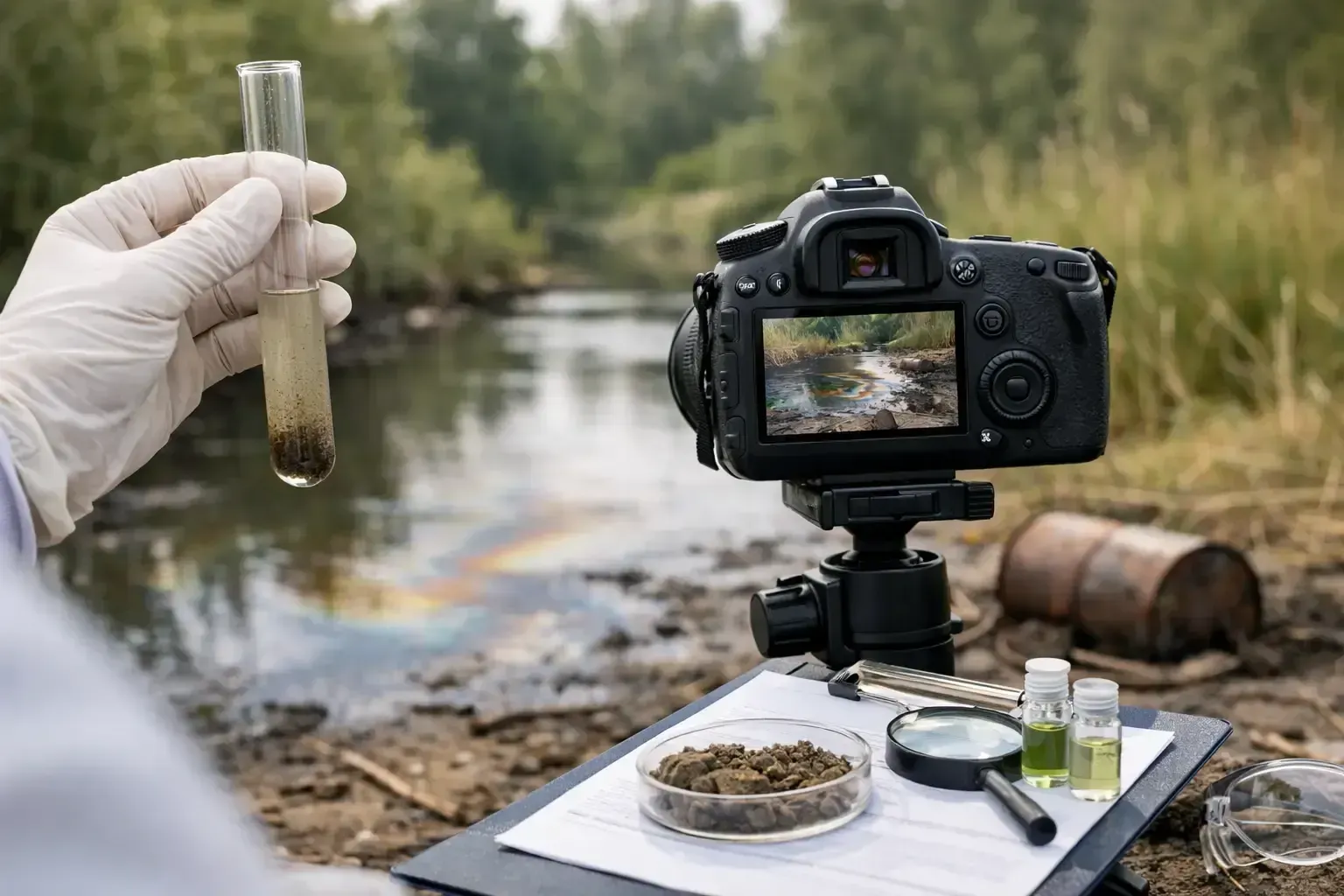
Common Mistakes When Documenting Sewage Contamination
The quality of the report depends on the quality of the inspection. You want someone who understands moisture behavior, building materials, contamination categories, and the difference between visible damage and actual spread. The report should be direct, specific, and supported by field findings, not vague language.
It also helps to work with a company that can explain results in plain English. Technical accuracy matters, but so does communication. When people are dealing with damage to a home, rental, office, or investment property, they need answers they can act on.
In Florida and Kentucky, where weather, humidity, plumbing failures, and hidden moisture issues can all play a role, a thorough assessment is one of the smartest early steps you can take. Hanes Environmental provides that kind of clear, field-based reporting so property owners know what they are dealing with before the damage gets worse.
The sooner you replace assumptions with documented facts, the easier it becomes to protect the building, the people inside it, and the money it will take to set things right.
Why Interpretation Matters More Than the Lab Report Alone
If the property recently had a leak, flood, or AC overflow, timing matters. Testing too early can miss developing growth, while waiting too long can allow contamination to spread. In many cases, the first priority after water damage is drying and stabilizing the structure quickly. Once materials remain wet beyond a day or two, the risk of mold increases significantly.
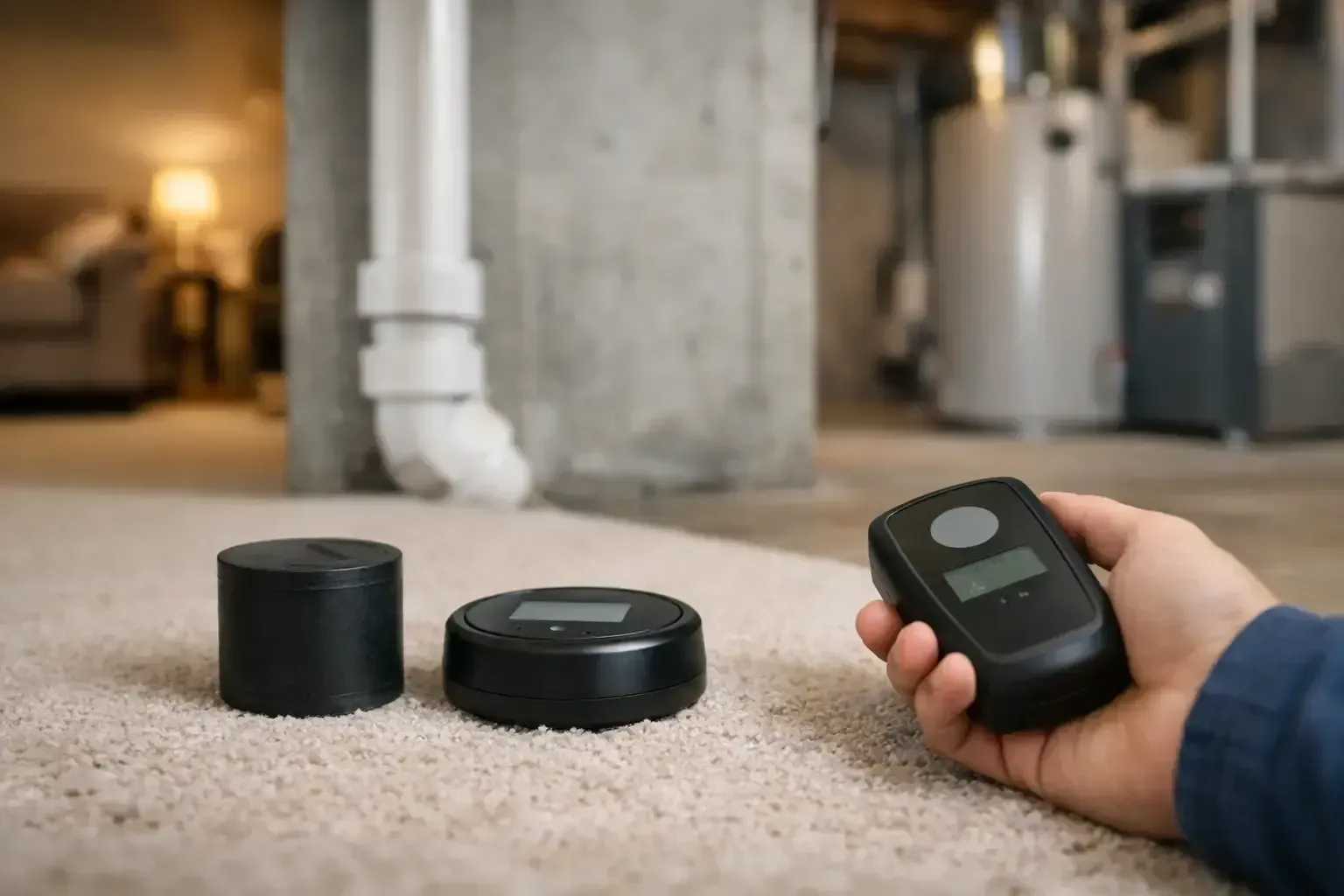
After water damage, testing usually focuses on the affected materials, adjacent rooms, and HVAC impact if the system ran during the event. Moisture mapping is essential here. Water often travels farther than the visible stain suggests, especially under flooring and inside wall cavities.
If remediation has already been performed, post-remediation verification testing may be the next step. That type of testing checks whether contamination has been properly removed and whether the area is dry and ready for rebuild. For property owners, buyers, managers, and contractors, that documentation can be just as important as the initial diagnosis.
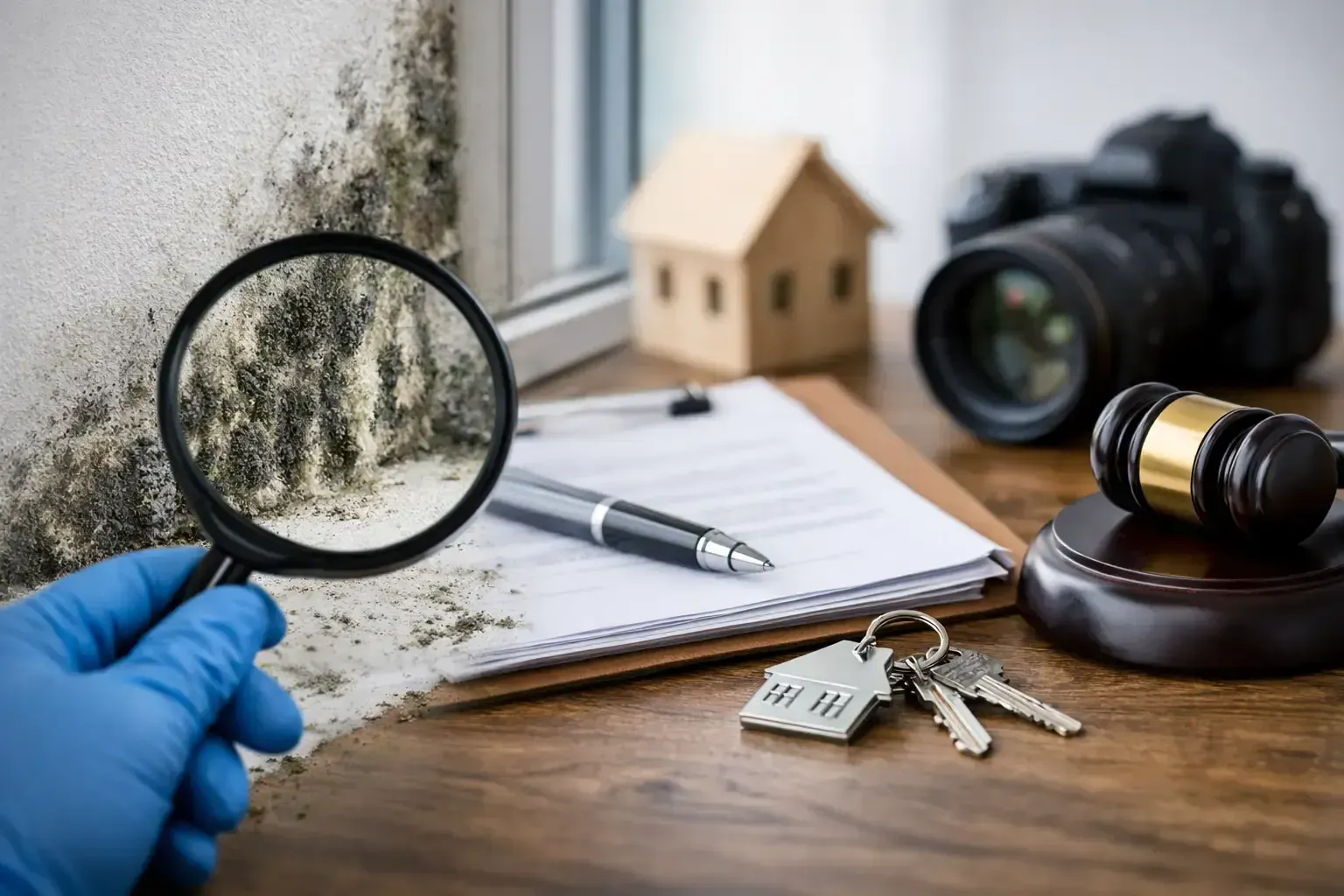
Use the checklist as a screening tool, not a final diagnosis. Walk the property slowly. Start where water is most likely, then expand outward to adjacent rooms and connected systems such as HVAC and crawl spaces. Document what you see, what you smell, and what history you know.
If your inspection reveals isolated humidity staining, you may only need better ventilation and moisture control. If it reveals recurring leaks, soft materials, spreading discoloration, or widespread odor, the safer move is a professional mold assessment with testing where appropriate.
When indoor conditions feel off, delay usually makes the situation more expensive. A careful inspection done early can protect your health, your property, and your documentation if the issue turns into a real estate, insurance, or tenant matter.
The best closing thought is simple: trust what the building is telling you. If you see moisture, smell mustiness, or notice damage that does not make sense, act on it before a small problem becomes hidden contamination.
Room-by-room Inspection Points
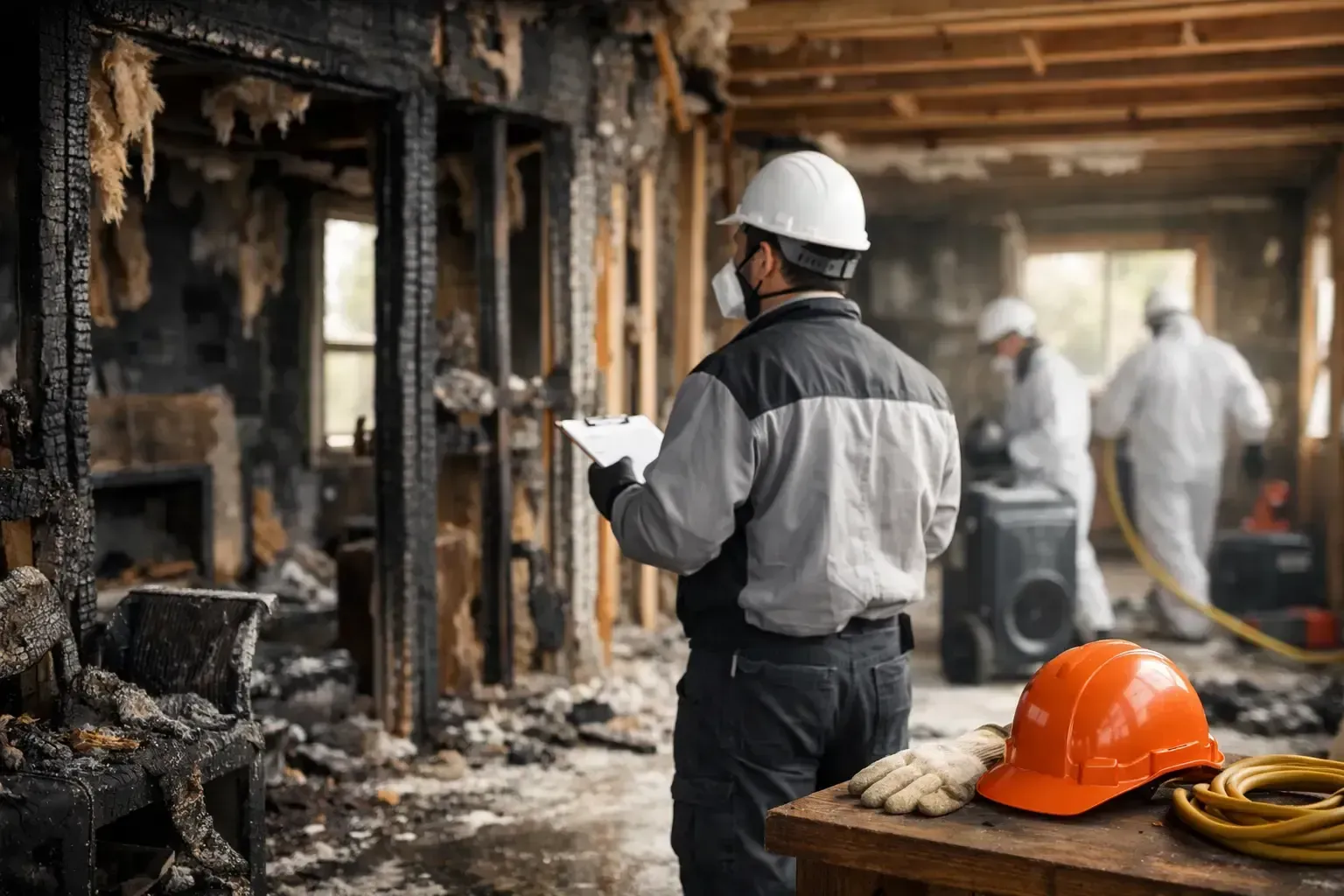
Bring in Qualified Help for Complex or Contaminated Losses
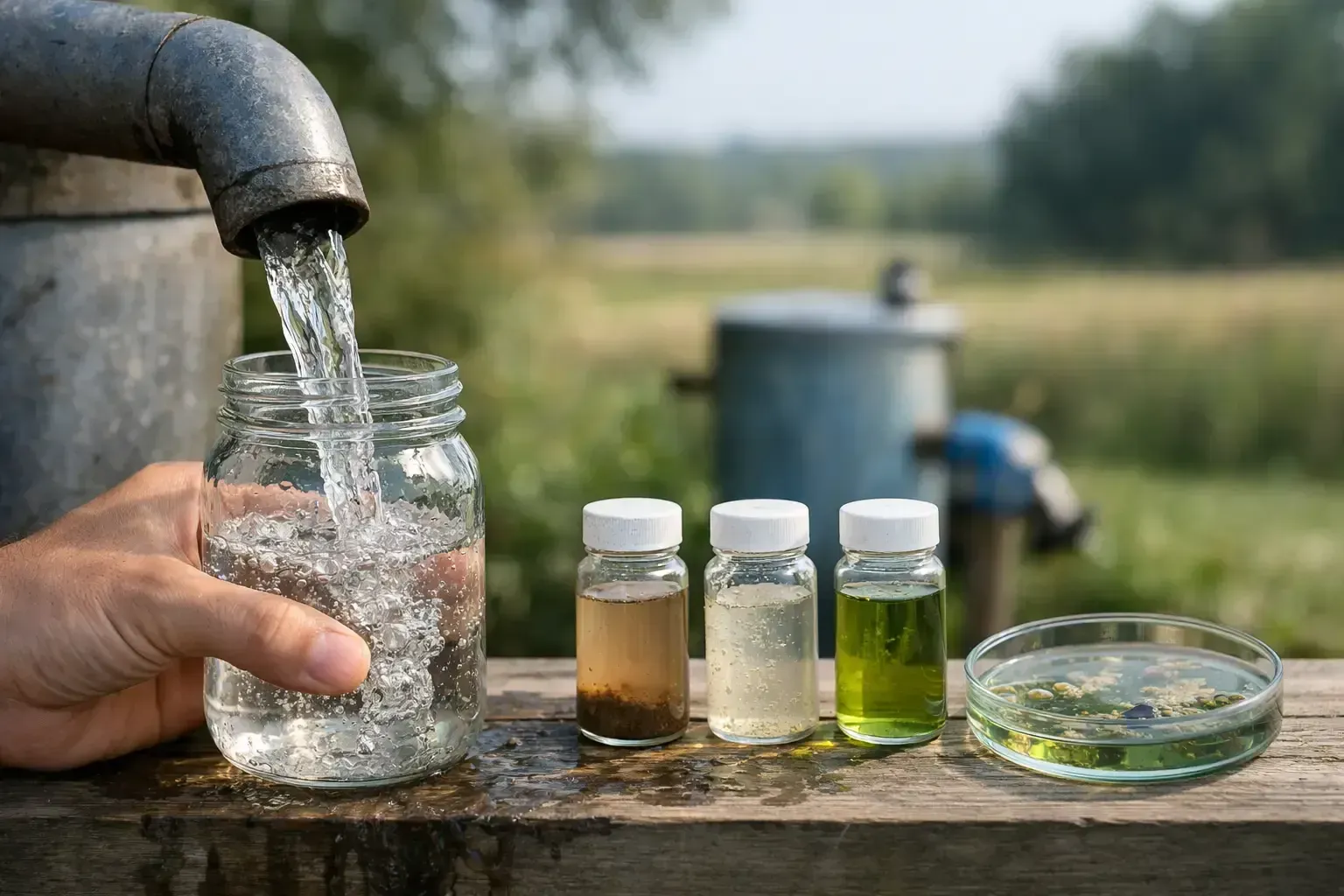
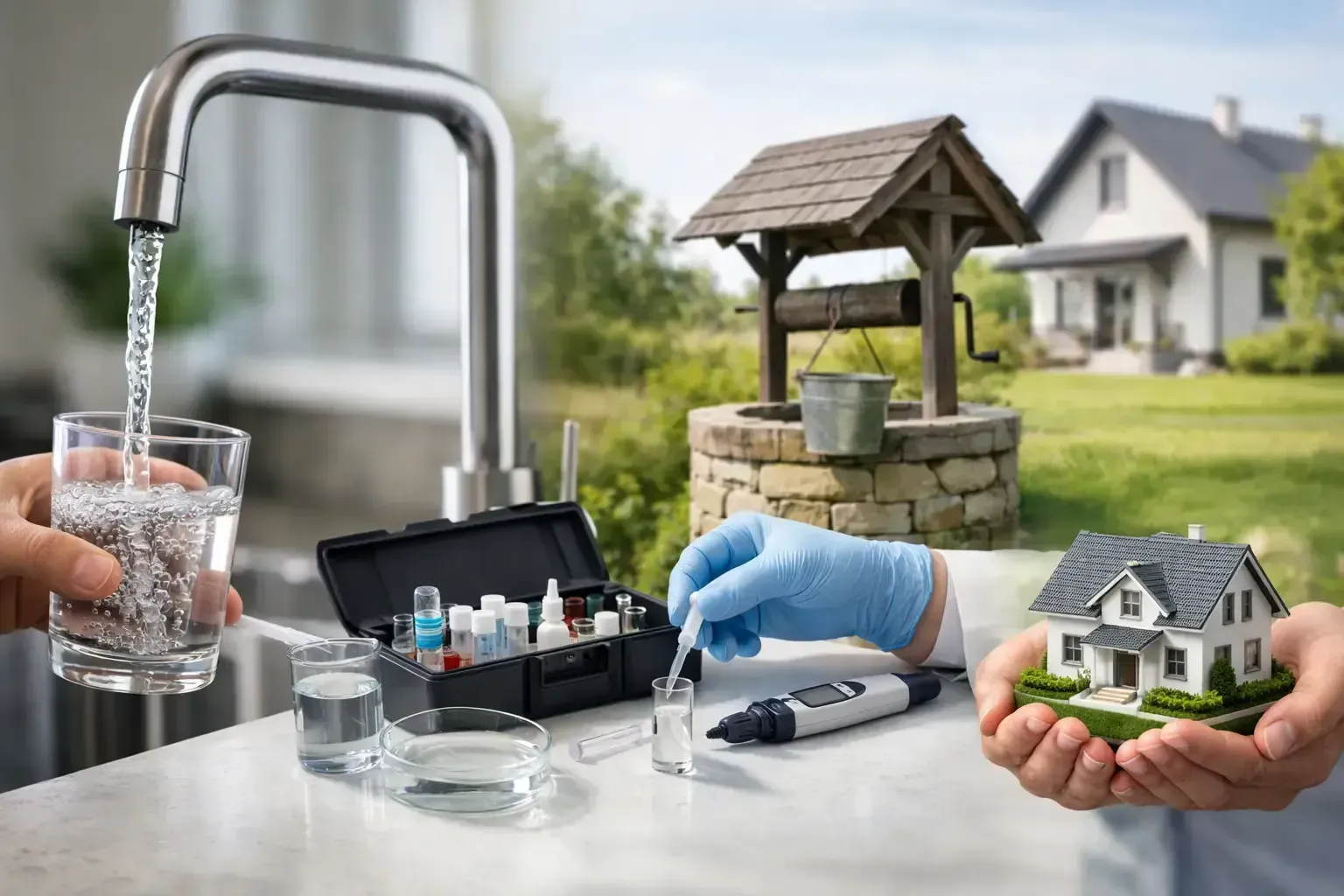
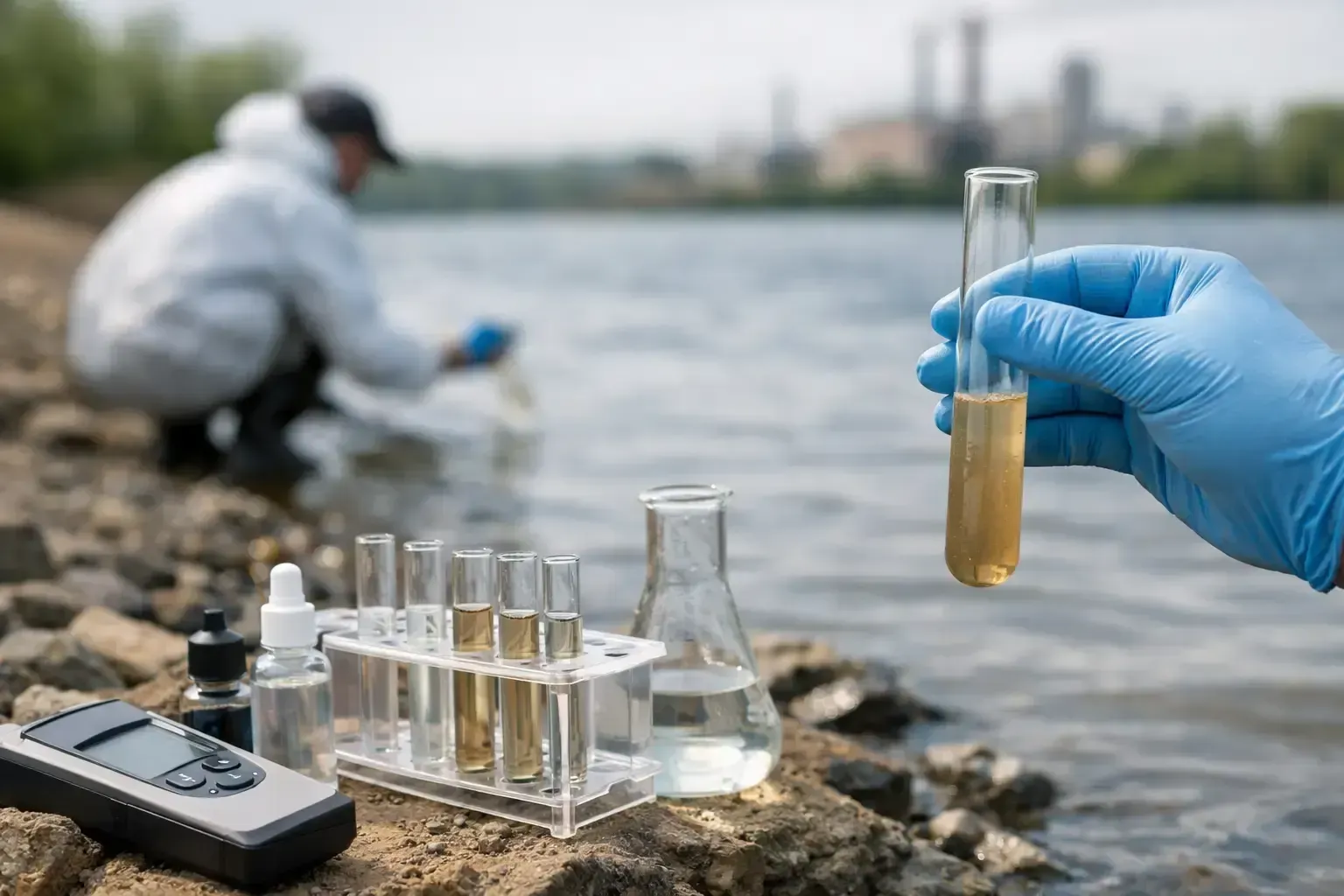
A private well can look clear, smell normal, and still contain contaminants that affect health, a real estate transaction, or the safe use of a property. That is why asking what contaminants appear in well water is not just a maintenance question. It is a question that requires testing based on the well, the property, local conditions, and the people relying on the water.
Unlike public water systems, private wells are generally the property owner’s responsibility. There is no utility conducting routine monitoring at the source before water reaches the kitchen faucet. A well draws from groundwater, and groundwater can change after flooding, heavy rain, septic problems, nearby land use changes, construction, or deterioration in the well itself.
What Contaminants Appear in Well Water?
Well-water contaminants generally fall into four practical categories: microorganisms, naturally occurring minerals and metals, chemicals from human activity, and contaminants introduced through the well system or household plumbing. The specific risk depends on local geology, the depth and construction of the well, nearby septic systems, agricultural activity, stormwater flow, and past use of the land.
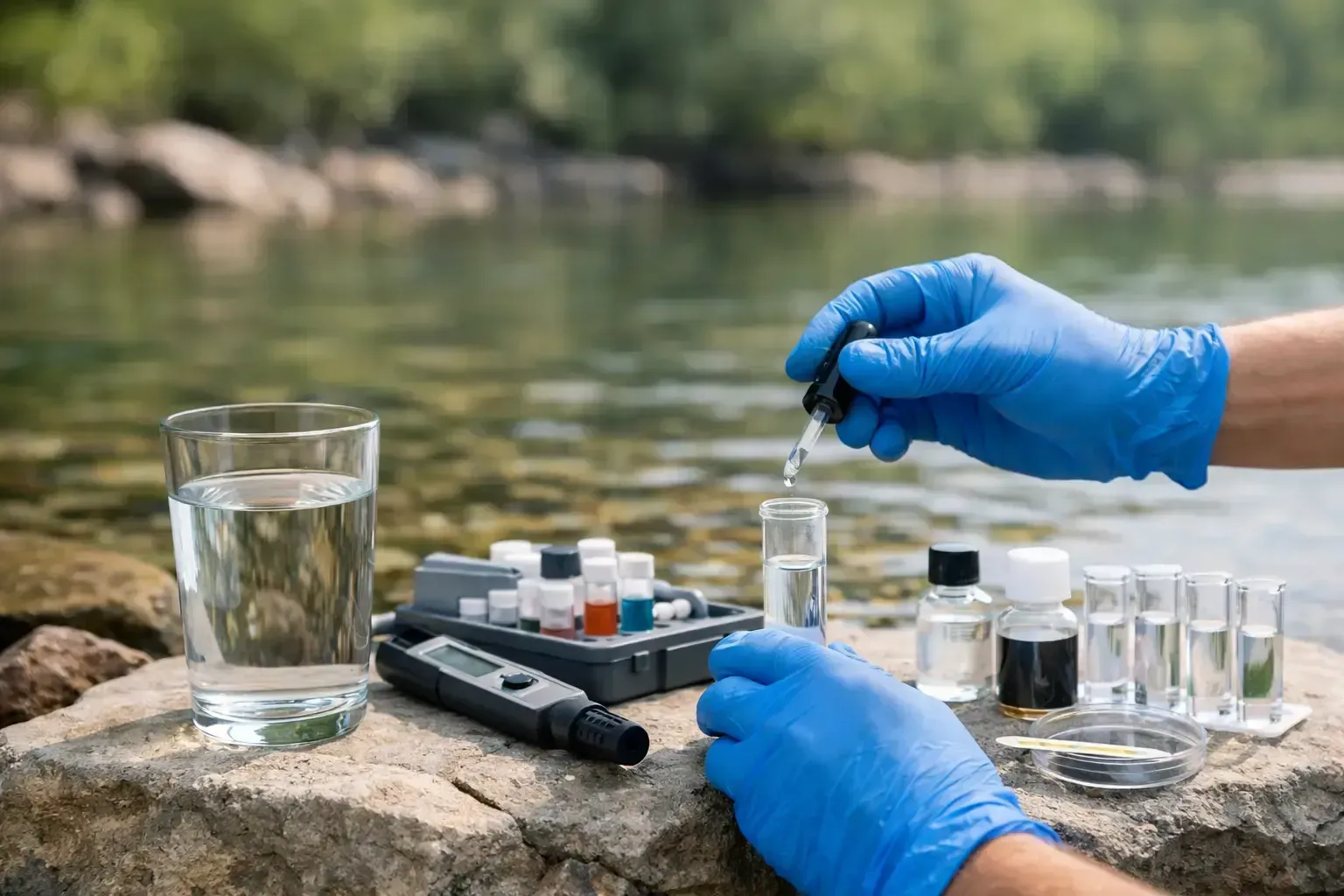
A proper water test does not rely on appearance alone. It identifies what is present, measures the concentration, and provides documentation that can guide treatment, repairs, or further investigation.
Bacteria and other microorganisms
Total coliform bacteria are among the most common concerns in private wells. Their presence does not always mean the water contains a disease-causing organism, but it can indicate that surface water, soil, animal waste, or another outside source is entering the well system.
E. coli is more urgent. It is a specific type of coliform associated with fecal contamination and can signal a pathway for pathogens that cause gastrointestinal illness. A positive E. coli result should be taken seriously, particularly in homes with infants, older adults, pregnant individuals, or anyone with a weakened immune system.
Bacteria can enter through a damaged well cap, cracked casing, improper grading around the well, flooding, a nearby septic issue, or an improperly disinfected system after repair work. Because bacterial contamination can be intermittent, a previously acceptable result does not guarantee that the water will remain safe after major weather events or property changes.
Nitrate and nitrite
Nitrate and nitrite can reach groundwater through fertilizer, septic waste, manure, and decaying organic material. They are colorless and odorless, so a homeowner cannot detect them without laboratory testing.
Elevated nitrate is especially concerning for infants because it can interfere with the blood’s ability to carry oxygen. Pregnant individuals and households using well water to prepare infant formula should treat nitrate testing as a priority. Shallow wells and wells located near agricultural areas, septic systems, or animal operations may face a greater risk, but no private well should be assumed safe based on location alone.
Arsenic, uranium, radium, and other naturally occurring contaminants
Some well-water concerns originate in the earth itself. Arsenic can occur naturally in groundwater when water moves through certain rock and soil formations. Long-term exposure is the primary concern, which makes testing valuable even when no immediate symptoms are apparent.
Radioactive elements such as uranium and radium may also occur naturally in some groundwater sources. Their presence and concentration vary substantially by region and geology. These are not contaminants a homeowner can identify through taste, odor, or color. A targeted laboratory analysis is the only dependable way to know whether they are present at a concerning level.
Fluoride may also occur naturally. At an appropriate level it can support dental health, but excessive fluoride can be problematic, particularly for developing teeth. The correct response depends on the measured result, not assumptions about whether all fluoride is beneficial or harmful.
Metals, minerals, and corrosive water
Iron, manganese, calcium, magnesium, sodium, chloride, and sulfur-related compounds are frequent well-water findings. Some primarily affect water quality rather than creating an immediate health hazard. Iron can stain fixtures and laundry red or brown. Manganese can leave dark staining and affect taste. Hard water from calcium and magnesium can create scale in water heaters, pipes, and appliances.
Still, not every mineral issue is merely cosmetic. High sodium may matter for people on sodium-restricted diets. Elevated chloride can indicate saltwater influence, road salt, or other sources depending on the area. Sulfur odors may be tied to naturally occurring hydrogen sulfide or bacterial activity within the well or plumbing system.
Lead and copper deserve separate attention because they often enter water after it leaves the well. Corrosive water can cause plumbing components, solder, fittings, or fixtures to release metals into the water supply. Testing at the source and at a tap may be necessary when plumbing contamination is suspected. A clean well source does not automatically mean every faucet delivers clean water.
Chemicals from land use and spills
Pesticides, herbicides, petroleum compounds, solvents, and volatile organic compounds can enter groundwater through spills, leaking storage tanks, industrial activity, improper disposal, runoff, or historic property use. These contaminants are not part of every standard well-water panel. They often require a targeted test selected after reviewing the property’s history and nearby conditions.
For example, a well near an old fuel tank, a workshop, a dry-cleaning operation, intensive agriculture, or a former industrial site may warrant chemical screening beyond basic bacteria and nitrate testing. Homes near airports, military facilities, landfills, or certain manufacturing areas may also need evaluation for PFAS, a group of persistent chemicals that requires specialized analysis.
This is where a one-size-fits-all test package can fall short. The right panel should reflect the reason for testing, whether that is a home purchase, FHA or VA financing requirement, a flood event, an unexplained odor, illness concerns, or known land-use risks.
When Well Water Testing Should Not Wait
Annual testing for bacteria and nitrate is a sensible baseline for many private wells. More comprehensive testing should be considered periodically and whenever circumstances change. Waiting for water to look or taste unusual can leave a contamination issue undiscovered.
Prompt testing is particularly appropriate after:
- Flooding, hurricanes, heavy rainfall, or standing water around the well
- A damaged or missing well cap, cracked casing, pump repair, or plumbing work
- A septic backup, sewage release, or newly discovered septic-system failure
- A change in water color, odor, taste, sediment, staining, or pressure
- A nearby chemical spill, fuel leak, construction project, or land-use change
- A home sale, refinancing process, or FHA or VA water test requirement
For buyers and real estate professionals, a well-water test documents conditions at the time of the transaction. It can reveal issues that require treatment, repair, a follow-up sample, or further negotiation before closing. For landlords, property managers, and business owners, documented results also help establish a clear record of due diligence.
How Accurate Sampling Protects the Result
A laboratory report is only as dependable as the sample collected. Bacteria testing is especially sensitive to collection procedures. The sampling point may need to be disinfected, aerators may need to be removed, and sterile containers must be handled correctly. Samples also have holding-time requirements, meaning delays can compromise the result.
Sampling strategy matters as well. A sample from the pressure tank, a kitchen tap, or an outdoor spigot can answer different questions. If the concern is groundwater quality, sampling should focus on the well source before treatment equipment when possible. If the concern is lead, copper, or a household exposure pathway, a first-draw tap sample may be more appropriate.
This is why clear reporting and a site-specific approach are valuable. A result should explain what was tested, where the sample was collected, what the laboratory found, and what next step makes sense. Treatment should not be selected before the contaminant and concentration are known.
A Clear Answer Starts With the Right Test
Not every well contains dangerous contamination, and not every unusual result requires the same response. Some problems can be corrected with disinfection, a well repair, improved drainage, or a targeted filtration system. Others require additional sampling to determine whether the source is the aquifer, the well construction, the plumbing, or a nearby environmental condition.
For homeowners and property professionals in Florida and Kentucky, Hanes Environmental can help identify the appropriate laboratory-supported water testing approach and provide clear documentation of the findings. If your well has been affected by flooding, sewage exposure, property changes, or a pending transaction, testing now gives you facts to act on before uncertainty becomes a larger problem.
Recent Posts