Common Mistakes When Documenting Sewage Contamination
The quality of the report depends on the quality of the inspection. You want someone who understands moisture behavior, building materials, contamination categories, and the difference between visible damage and actual spread. The report should be direct, specific, and supported by field findings, not vague language.
It also helps to work with a company that can explain results in plain English. Technical accuracy matters, but so does communication. When people are dealing with damage to a home, rental, office, or investment property, they need answers they can act on.
In Florida and Kentucky, where weather, humidity, plumbing failures, and hidden moisture issues can all play a role, a thorough assessment is one of the smartest early steps you can take. Hanes Environmental provides that kind of clear, field-based reporting so property owners know what they are dealing with before the damage gets worse.
The sooner you replace assumptions with documented facts, the easier it becomes to protect the building, the people inside it, and the money it will take to set things right.
Why Interpretation Matters More Than the Lab Report Alone
If the property recently had a leak, flood, or AC overflow, timing matters. Testing too early can miss developing growth, while waiting too long can allow contamination to spread. In many cases, the first priority after water damage is drying and stabilizing the structure quickly. Once materials remain wet beyond a day or two, the risk of mold increases significantly.
After water damage, testing usually focuses on the affected materials, adjacent rooms, and HVAC impact if the system ran during the event. Moisture mapping is essential here. Water often travels farther than the visible stain suggests, especially under flooring and inside wall cavities.
If remediation has already been performed, post-remediation verification testing may be the next step. That type of testing checks whether contamination has been properly removed and whether the area is dry and ready for rebuild. For property owners, buyers, managers, and contractors, that documentation can be just as important as the initial diagnosis.
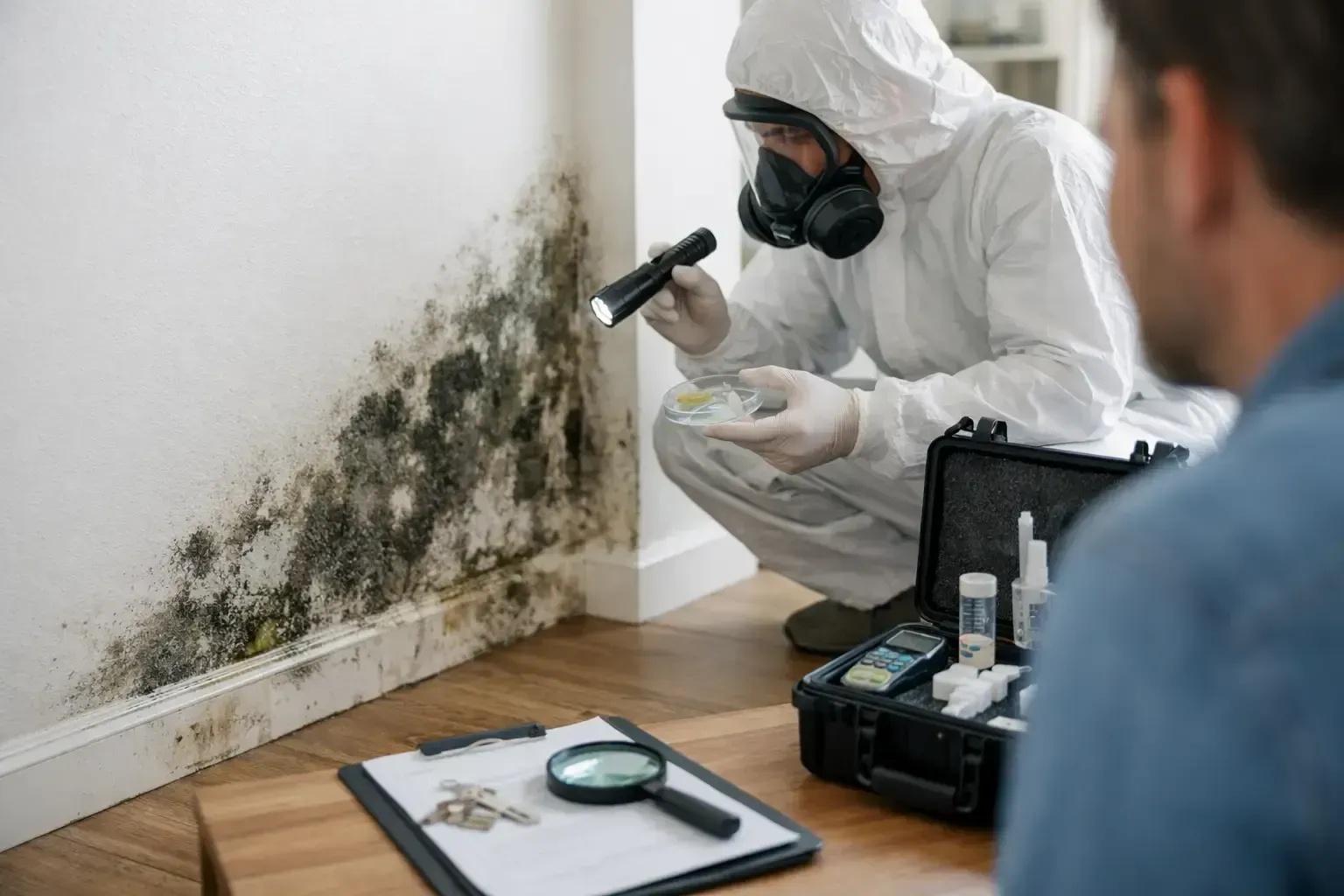
Use the checklist as a screening tool, not a final diagnosis. Walk the property slowly. Start where water is most likely, then expand outward to adjacent rooms and connected systems such as HVAC and crawl spaces. Document what you see, what you smell, and what history you know.
If your inspection reveals isolated humidity staining, you may only need better ventilation and moisture control. If it reveals recurring leaks, soft materials, spreading discoloration, or widespread odor, the safer move is a professional mold assessment with testing where appropriate.
When indoor conditions feel off, delay usually makes the situation more expensive. A careful inspection done early can protect your health, your property, and your documentation if the issue turns into a real estate, insurance, or tenant matter.
The best closing thought is simple: trust what the building is telling you. If you see moisture, smell mustiness, or notice damage that does not make sense, act on it before a small problem becomes hidden contamination.
Room-by-room Inspection Points
Bring in Qualified Help for Complex or Contaminated Losses
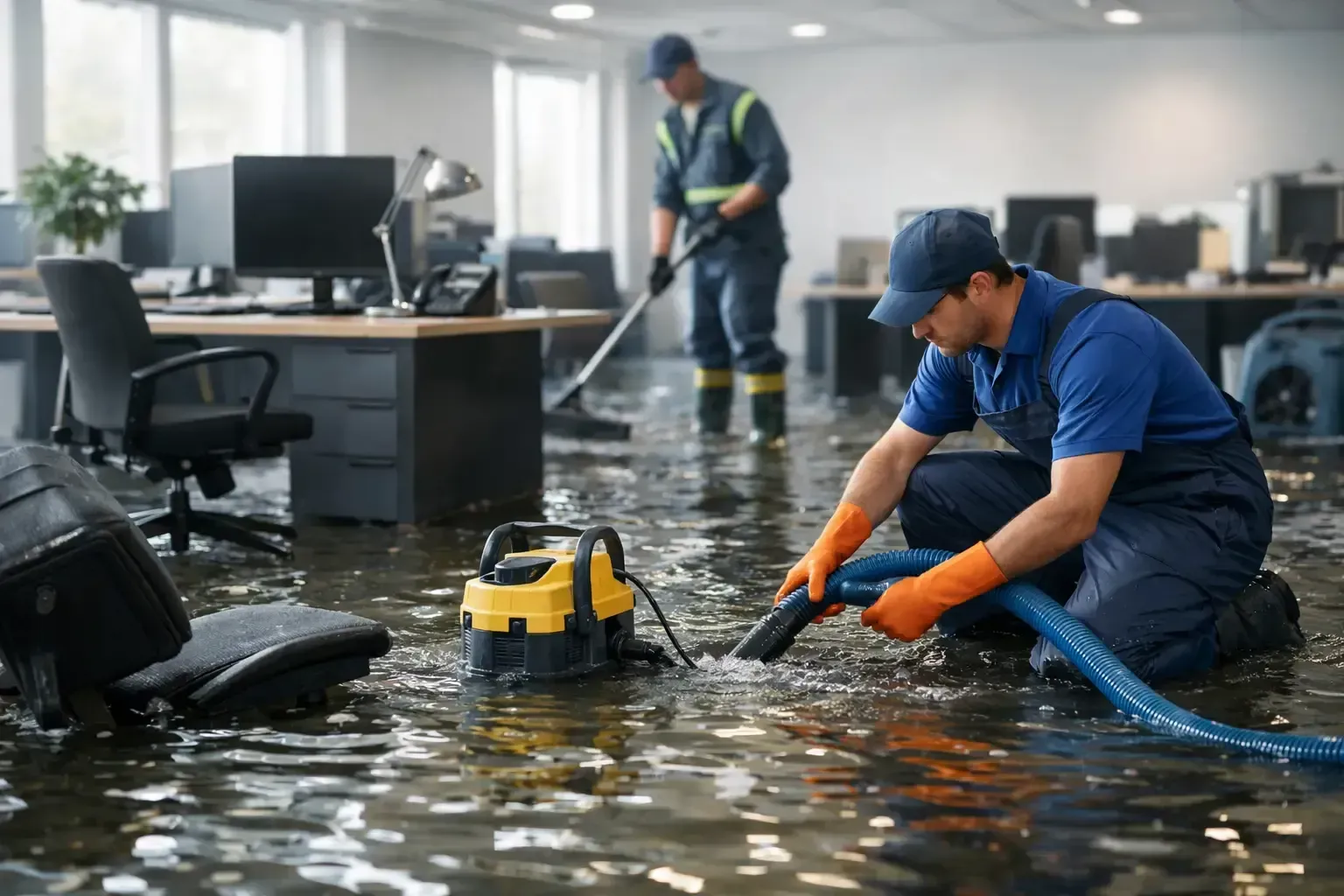
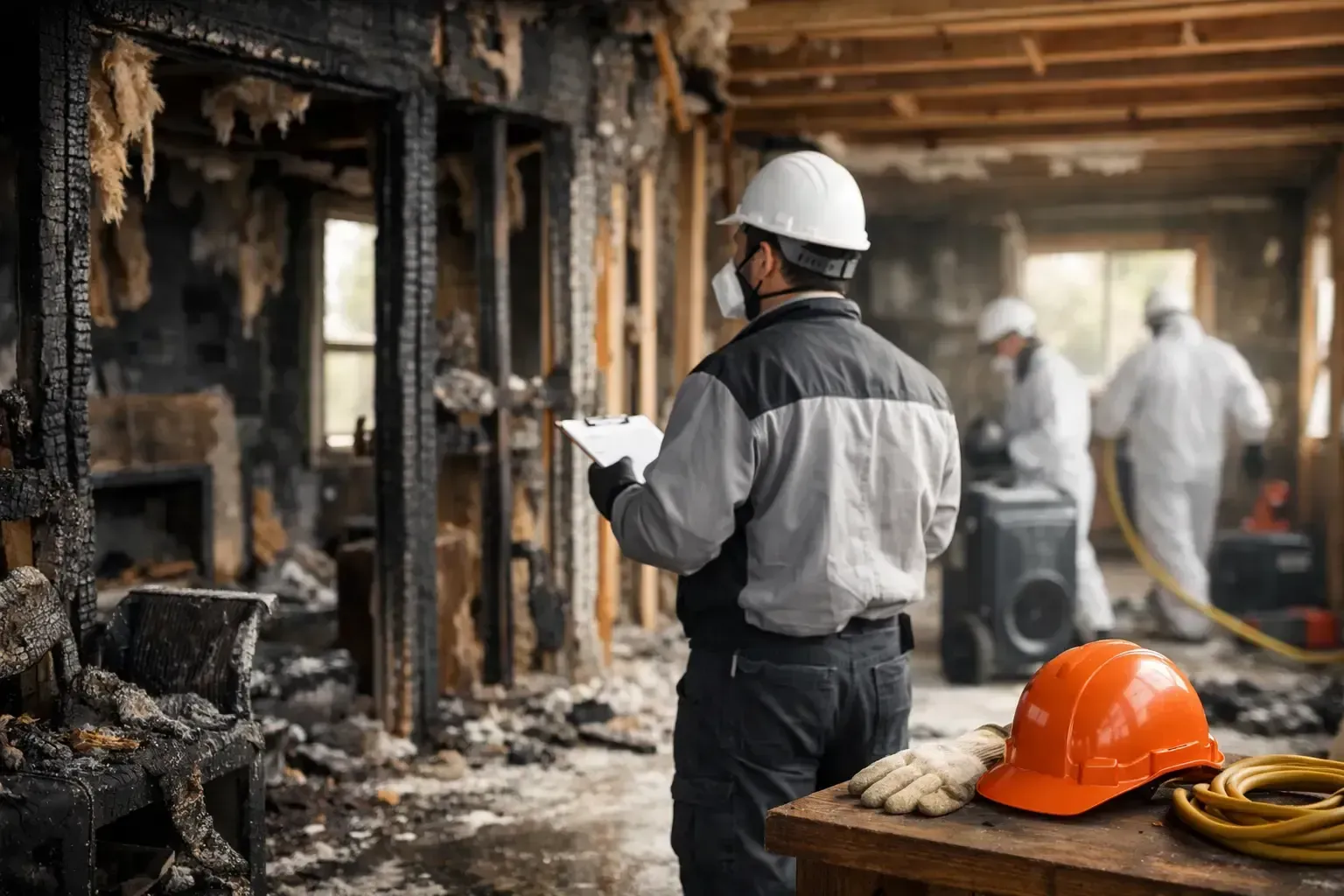
A flooded office can go from a wet floor to a business interruption problem in a matter of hours. Carpet backing holds water, drywall wicks moisture upward, furniture traps humidity, and paper records may be damaged before anyone realizes how far the water traveled. Effective flooded office restoration begins with protecting people, stopping additional damage, and documenting what happened before cleanup decisions erase important evidence.
The right response depends on where the water came from, how long it has been present, what materials were affected, and whether contamination is possible. A clean supply-line leak is not handled the same way as a toilet backup, roof intrusion, or floodwater entering through exterior doors. Treating every loss as simple water removal can leave behind concealed moisture, microbial growth conditions, or unresolved indoor air concerns.
Secure the Office Before Restoration Begins
The first priority is safety. Do not allow employees or tenants to walk through standing water until electrical and slip hazards have been addressed. Water near outlets, power strips, computer equipment, server rooms, or electrical panels requires immediate caution. If it is safe to do so, shut off the water source. If not, contact the appropriate plumbing, building maintenance, or emergency service professional.
Move people away from the affected area and protect dry spaces. Relocating documents, electronics, inventory, and movable furnishings can reduce losses, but avoid carrying contaminated materials through clean areas. For larger commercial properties, restrict access with clear signage and keep a record of who entered the affected space.
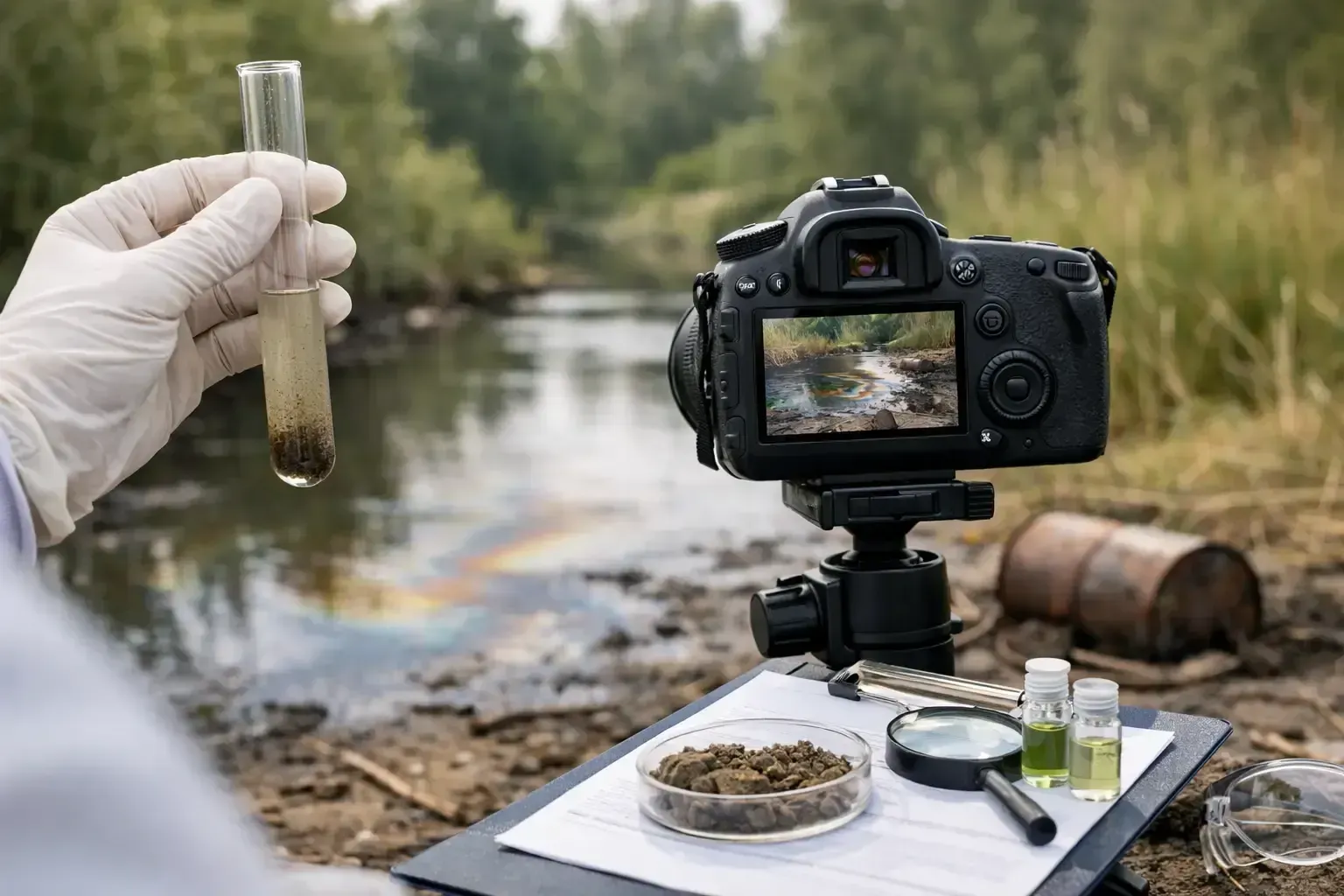
Photos and video taken early can be useful for insurance documentation and for understanding the original extent of the water event. Capture standing water, visible staining, damaged contents, the apparent source, and affected rooms. Do this before major demolition, extraction, or disposal begins whenever conditions allow.
Identify the Water Source and Contamination Risk
Not all water damage presents the same health or restoration risk. Water from a clean plumbing supply line may begin as relatively clean water, but it can become more contaminated as it moves through carpet, dust, wall cavities, and building materials. Water from a dishwasher, washing machine, or other appliance discharge may contain contaminants that change the cleanup approach.
Sewage backups, toilet overflows involving waste, exterior floodwater, and water that has traveled through contaminated building materials require more caution. These events may introduce bacteria, viruses, organic waste, and other contaminants into the office. Porous materials such as carpet padding, insulation, ceiling tiles, paper files, and upholstered furnishings may not be safely recoverable after a contaminated-water event.
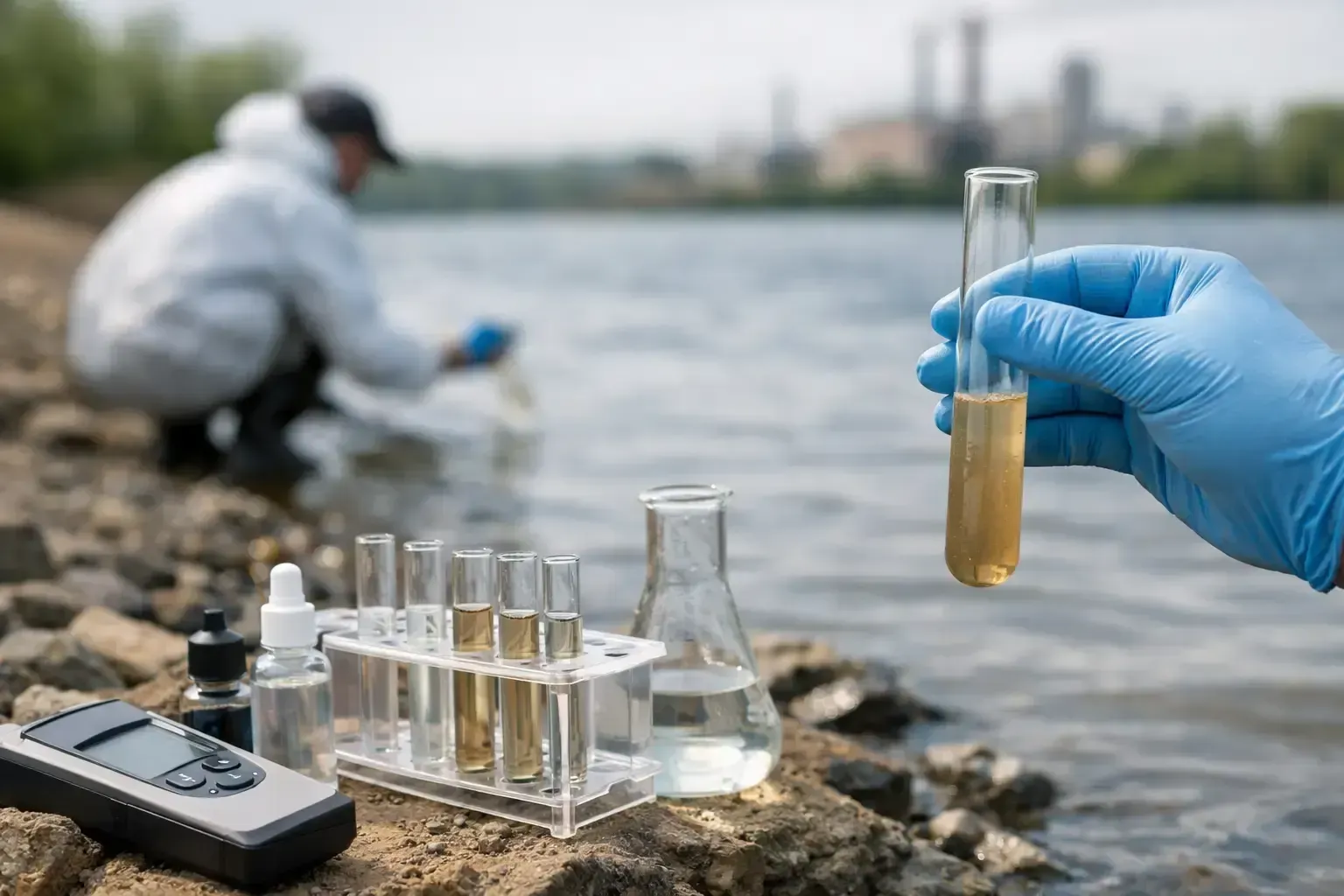
A proper assessment helps determine whether water damage restoration alone is appropriate or whether sewage and bacteria contamination investigation, surface sampling, or other environmental testing should be considered. That distinction matters for occupant safety, cleanup scope, and defensible documentation.
Why Fast Drying Is Only Part of Flooded Office Restoration
Water extraction is necessary, but it is not the finish line. The real question is whether the building materials have been dried to an acceptable condition and whether hidden moisture remains. Moisture often moves below carpet, behind baseboards, inside wall cavities, under resilient flooring, and into wood framing or cabinetry.
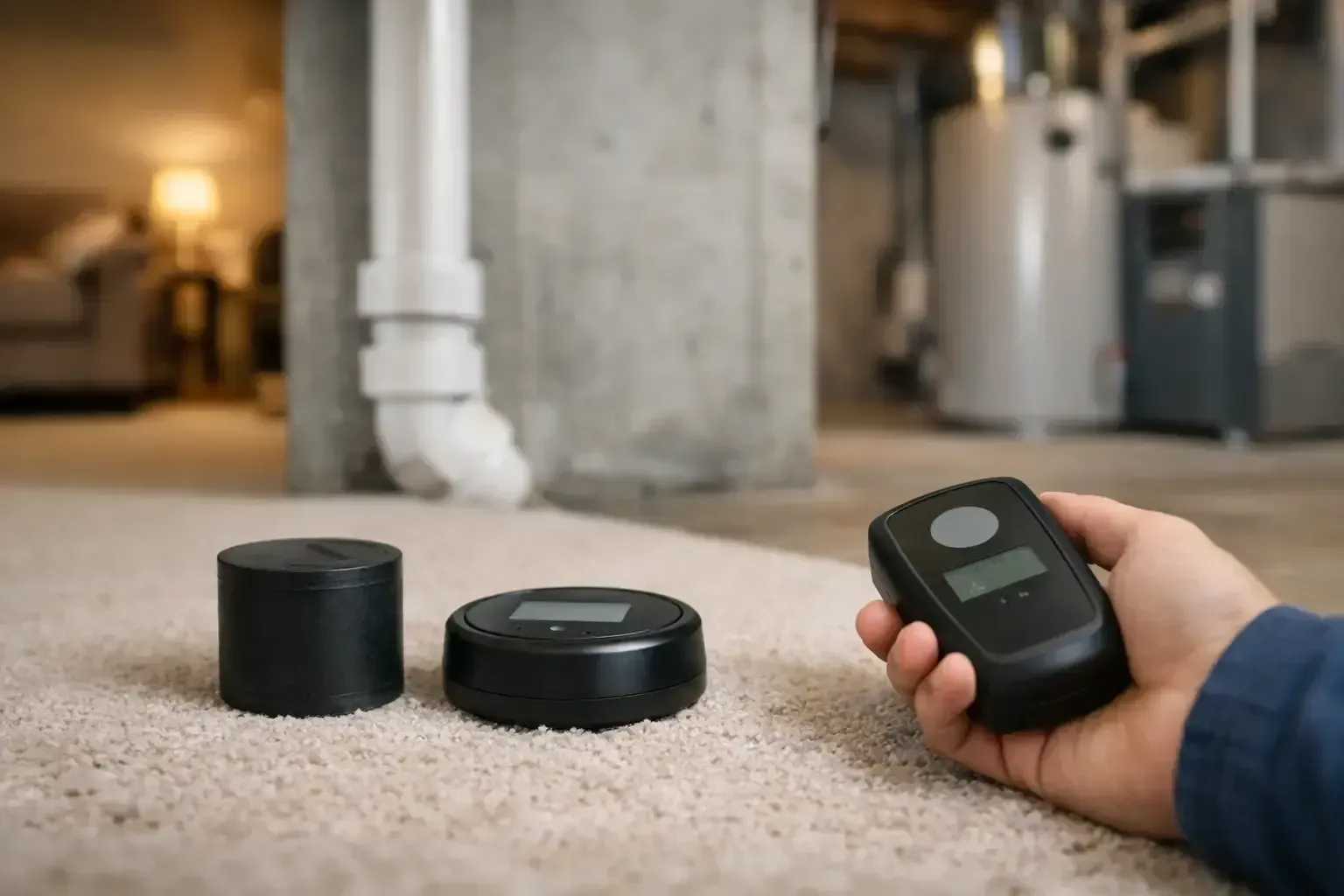
Professional moisture investigations use appropriate meters and other diagnostic methods to identify affected materials rather than relying only on what looks wet. A wall can appear dry while elevated moisture remains behind the paint. Likewise, a carpet can feel dry on top while the pad and subfloor below remain damp.
Drying equipment should be selected and monitored based on the materials, affected area, temperature, humidity, and extent of damage. More equipment is not automatically better. Incorrect placement, insufficient dehumidification, or removing equipment too early can extend drying time and create conditions favorable to mold growth.
For offices that must stay operational, restoration planning also involves practical decisions. Can unaffected departments remain open? Should employees work remotely? Can the affected area be isolated with containment? The answer depends on the contamination level, the building layout, the HVAC system, and whether drying work can be completed without exposing occupants to unsafe conditions or excessive disruption.
Watch for Hidden Damage Behind Finished Surfaces
Commercial offices often have construction features that conceal water damage: layered flooring, built-in cabinetry, acoustic ceiling systems, insulated exterior walls, and extensive wiring or data cabling. Water can migrate far beyond the visible perimeter, particularly after a roof leak or a broken pipe above a suspended ceiling.
Ceiling tiles may need prompt removal when saturated because they can sag, collapse, and hold moisture against structural components. Wet drywall may be salvageable in limited situations, but that depends on the water source, duration of exposure, material condition, and whether insulation or wall cavities were affected. If contaminated water reached porous materials, removal is often the safer choice.
Do not overlook HVAC components. Water-damaged insulation, contaminated duct materials, or an HVAC system that ran during a moisture event can spread odors or particulate matter through the office. When there is concern about indoor air conditions, an indoor air quality assessment can help identify the next appropriate step instead of relying on assumptions.
Protect Records, Electronics, and Business Continuity
An office flood is often as much a records and operations problem as a building problem. Remove documents from wet surfaces promptly, separating them when possible to promote airflow. Do not use aggressive heat on important records, photographs, or specialty paper products. Some materials may require specialized contents recovery or preservation decisions.
Computers, monitors, printers, networking equipment, and servers should not be powered on after water exposure until they have been evaluated by qualified technical personnel. Turning on wet electronics can cause additional damage and create electrical hazards. Keep a written inventory of affected equipment, including serial numbers and location, for insurance and replacement planning.
For property managers and business owners, communication matters. Tell employees what areas are closed, what work is underway, and when the space will be reevaluated. Clear communication reduces speculation and helps occupants understand that the situation is being handled with health, safety, and documentation in mind.
Know When Testing and Documentation Matter Most
Testing is not required for every small, clean-water incident that is addressed immediately and dried correctly. However, it becomes especially valuable when the source is uncertain, water has been present for more than a short period, odors persist, visible growth is present, sewage is involved, occupants report symptoms, or an insurance claim or tenant dispute is likely.
Environmental testing can provide a documented basis for decisions about contamination, cleaning, removal, and reoccupancy. In certain situations, moisture readings, mold assessment, bacteria testing, or indoor air quality testing can clarify whether a suspected condition exists and where it is located. Laboratory-supported findings are particularly useful when the office has sensitive occupants, shared tenancy, or potential liability concerns.
After significant remediation, post-remediation verification may be appropriate to confirm that the work area meets the intended remediation standard before normal occupancy resumes. This is different from simply seeing that the floor is dry. Verification focuses on whether the environmental condition that required remediation has been properly addressed.
Avoid the Shortcuts That Create Bigger Problems
The most expensive office flood mistakes usually happen early. Waiting until the next business day can allow moisture to spread. Covering wet carpet with fans without extracting water first may not dry the pad or subfloor. Painting over staining or odor does not correct a moisture source. Removing damaged materials without documenting the condition can complicate an insurance claim.
Another common mistake is assuming a visible dry surface means the space is ready for use. A careful restoration decision should be based on the water category, material type, moisture condition, contamination risk, and occupant exposure. It is reasonable to ask for clear findings, moisture documentation, and an explanation of what can be saved, what should be removed, and why.
For Florida and Kentucky offices, weather can add another layer of complexity. High outdoor humidity can slow drying, while severe storms can create water intrusion in multiple locations at once. A response plan should account for the building envelope, drainage, roof condition, and the possibility that a recurring leak is the actual cause of repeated damage.
Hanes Environmental provides owner-led assessments, testing, and restoration support for commercial water damage concerns in Florida and Kentucky. The goal is straightforward: identify the source, document the conditions, address the damage correctly, and provide clear information for the people responsible for the property.
When your office has been flooded, the safest next step is not to guess what is dry or clean. Protect the space, preserve the evidence, and get accurate answers before a manageable water event becomes a longer-term building and health concern.
Recent Posts