Common Mistakes When Documenting Sewage Contamination
The quality of the report depends on the quality of the inspection. You want someone who understands moisture behavior, building materials, contamination categories, and the difference between visible damage and actual spread. The report should be direct, specific, and supported by field findings, not vague language.
It also helps to work with a company that can explain results in plain English. Technical accuracy matters, but so does communication. When people are dealing with damage to a home, rental, office, or investment property, they need answers they can act on.
In Florida and Kentucky, where weather, humidity, plumbing failures, and hidden moisture issues can all play a role, a thorough assessment is one of the smartest early steps you can take. Hanes Environmental provides that kind of clear, field-based reporting so property owners know what they are dealing with before the damage gets worse.
The sooner you replace assumptions with documented facts, the easier it becomes to protect the building, the people inside it, and the money it will take to set things right.
Why Interpretation Matters More Than the Lab Report Alone
If the property recently had a leak, flood, or AC overflow, timing matters. Testing too early can miss developing growth, while waiting too long can allow contamination to spread. In many cases, the first priority after water damage is drying and stabilizing the structure quickly. Once materials remain wet beyond a day or two, the risk of mold increases significantly.
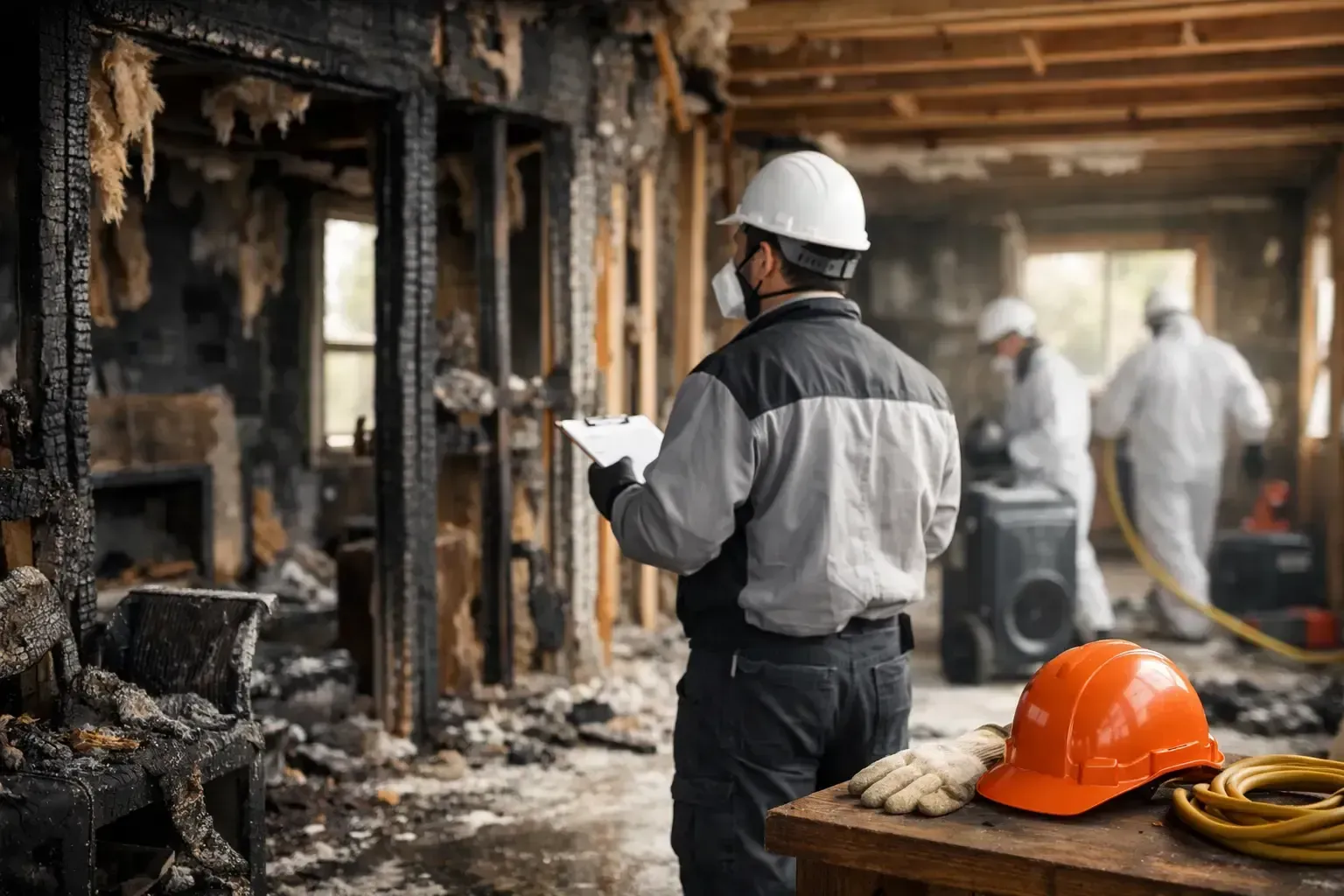
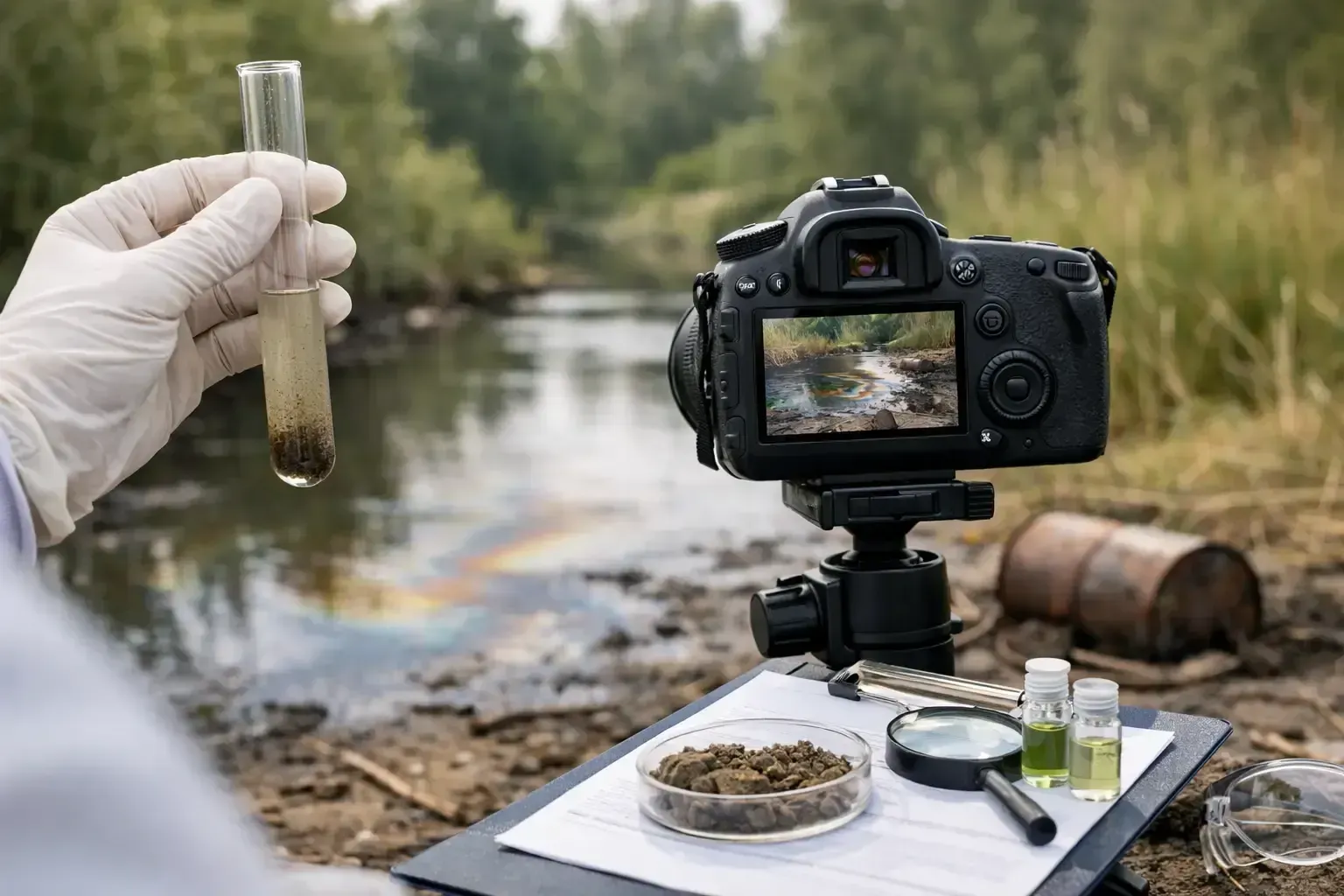
After water damage, testing usually focuses on the affected materials, adjacent rooms, and HVAC impact if the system ran during the event. Moisture mapping is essential here. Water often travels farther than the visible stain suggests, especially under flooring and inside wall cavities.
If remediation has already been performed, post-remediation verification testing may be the next step. That type of testing checks whether contamination has been properly removed and whether the area is dry and ready for rebuild. For property owners, buyers, managers, and contractors, that documentation can be just as important as the initial diagnosis.
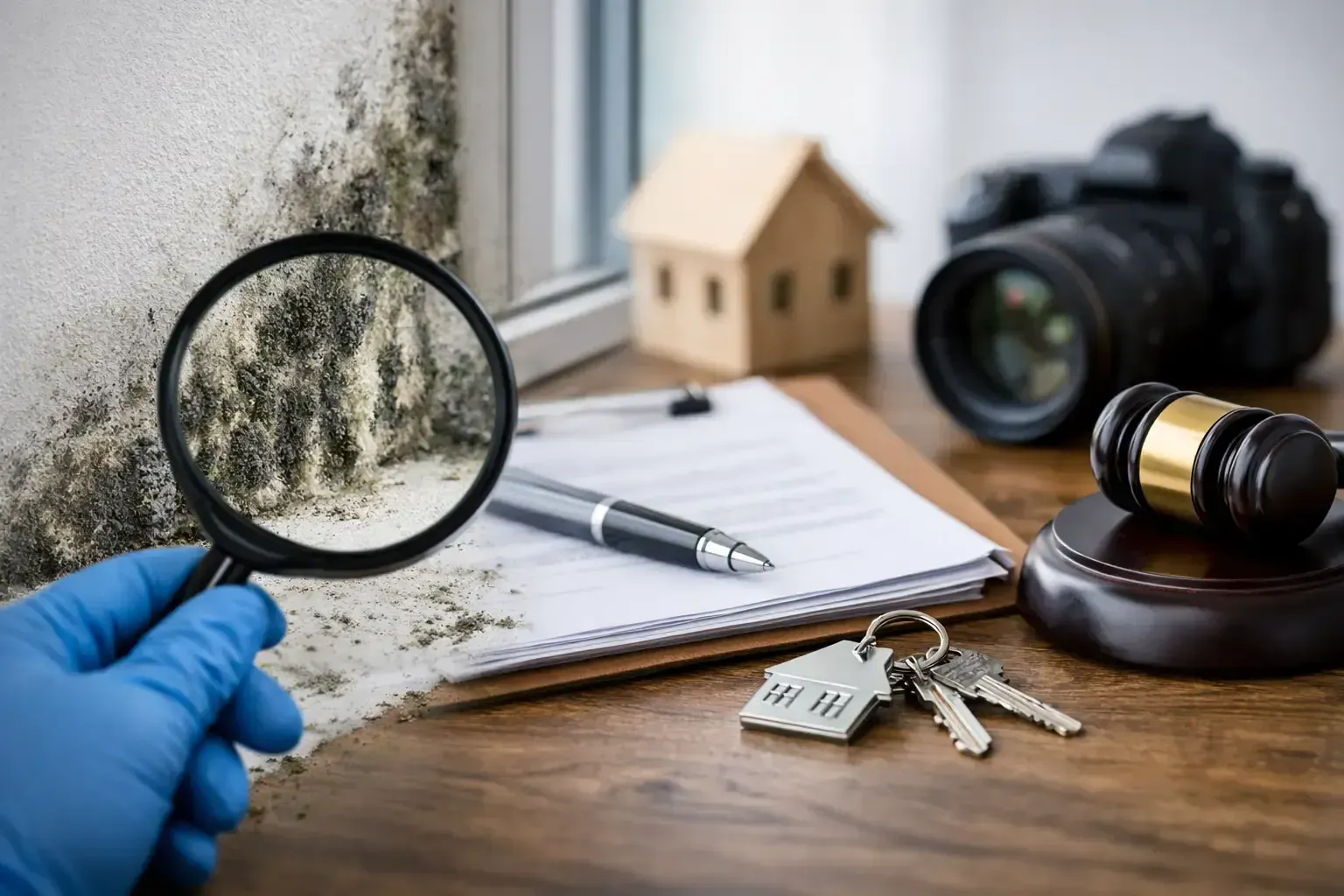
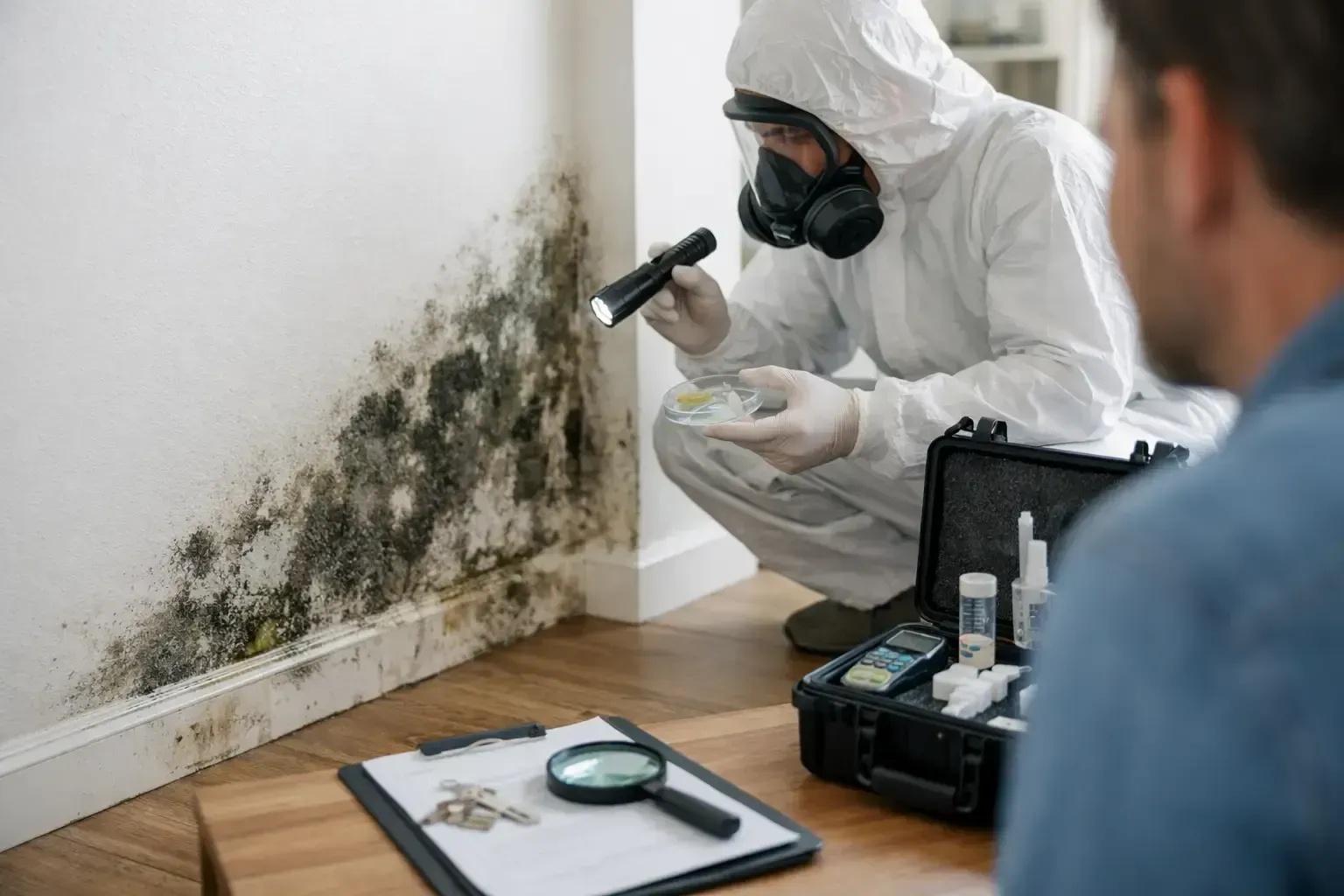
Use the checklist as a screening tool, not a final diagnosis. Walk the property slowly. Start where water is most likely, then expand outward to adjacent rooms and connected systems such as HVAC and crawl spaces. Document what you see, what you smell, and what history you know.
If your inspection reveals isolated humidity staining, you may only need better ventilation and moisture control. If it reveals recurring leaks, soft materials, spreading discoloration, or widespread odor, the safer move is a professional mold assessment with testing where appropriate.
When indoor conditions feel off, delay usually makes the situation more expensive. A careful inspection done early can protect your health, your property, and your documentation if the issue turns into a real estate, insurance, or tenant matter.
The best closing thought is simple: trust what the building is telling you. If you see moisture, smell mustiness, or notice damage that does not make sense, act on it before a small problem becomes hidden contamination.
Room-by-room Inspection Points
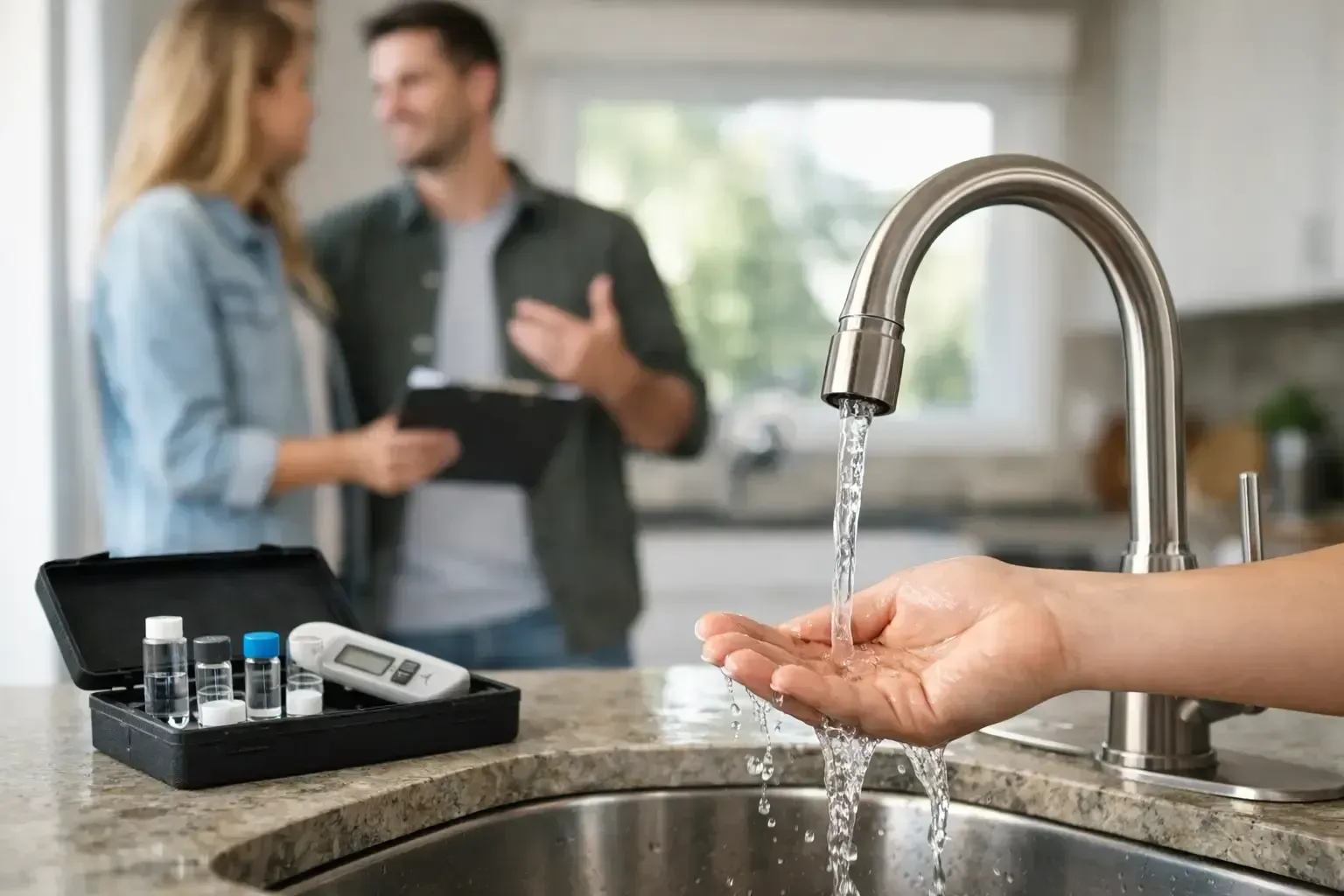
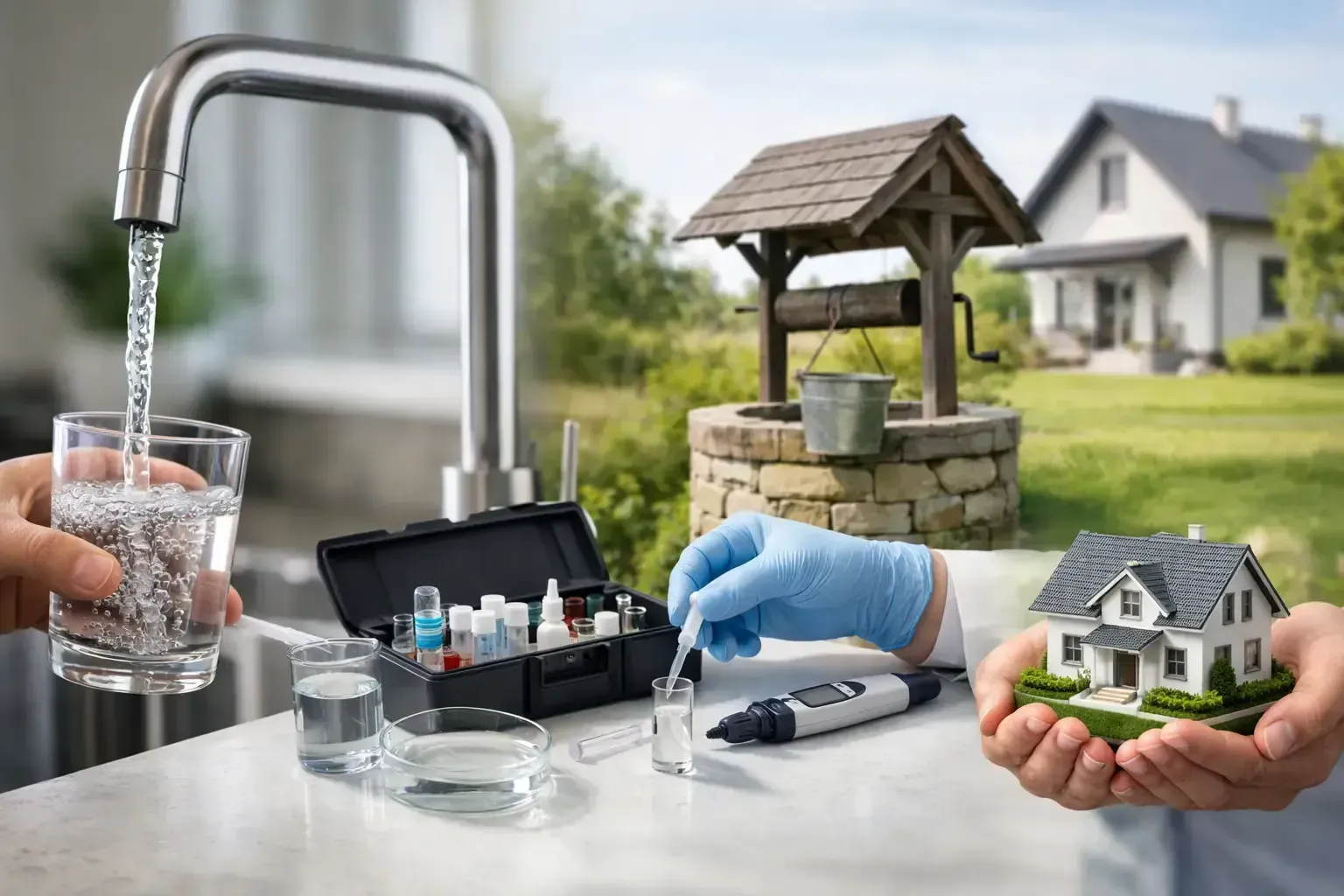
A home can look move-in ready and still have a water issue that stops an FHA loan near the finish line. When a property uses a private well or another non-public water source, the lender may need documented proof that the water is safe for household use. This guide to FHA water standards explains what buyers, sellers, real estate professionals, and property managers need to know before a closing is put at risk.
What FHA Water Standards Are Designed to Protect
FHA financing is intended to support homes that are safe, secure, and sanitary. Water quality falls directly within that standard. A property must have an acceptable water supply for drinking, cooking, bathing, and everyday household use.
For a home connected to a public water system, the utility's compliance and availability typically satisfy the water-supply requirement. A private well requires closer review because there is no public utility continually monitoring the water at the tap. The lender, appraiser, or underwriter may require a laboratory water test, especially when the property relies on an individual well, shared well, spring, cistern, or other private source.
The practical concern is simple: clear water is not necessarily safe water. Bacteria, nitrate, lead, and other contaminants are often invisible. A laboratory report provides defensible documentation instead of assumptions.
When an FHA Water Test Is Usually Needed
Testing is most commonly requested when the property has an individual water supply. Requirements can also vary based on the lender, loan program, property location, appraiser observations, local health department rules, and prior water-related concerns.
A test may be necessary when a well is newly installed, has been out of service, has recently flooded, or serves a property with visible sanitary concerns. It can also be requested when the appraisal notes an unusual odor, staining, poor water pressure, a damaged well cap, standing water near the well, or possible separation issues between the well and septic components.
Do not wait until the last few days before closing to ask whether testing is required. Lenders may have their own accepted testing forms, sampling instructions, laboratory requirements, and expiration windows. Some will only accept a report that is recent enough for the underwriting timeline. Confirm the lender's requirements before scheduling the sample collection.
FHA Requirements and Local Rules Work Together
There is no one-size-fits-all water panel that applies identically to every FHA transaction. FHA property standards, lender overlays, and state or local health requirements can all affect what must be tested and how results are evaluated.
In Florida and Kentucky, water quality conditions can differ significantly from one area to another. Rural properties may be more vulnerable to agricultural runoff, septic-system impacts, shallow groundwater conditions, or bacteria after heavy rain. Older homes may also have plumbing materials that raise lead concerns at the fixture, even if the well itself is not the source.
A qualified testing provider can collect samples correctly, use an appropriate laboratory panel, and provide a clear report for the parties reviewing the loan. That matters because an improperly collected sample or incomplete report may create another round of testing and another closing delay.
Common FHA Water Testing Parameters
The exact panel depends on the lender and local requirements, but several parameters appear frequently in private-well testing. The goal is to screen for contaminants that can create health concerns or indicate that the water system is not protected from outside intrusion.
Total coliform and E. coli bacteria are among the most important tests. Coliform bacteria can indicate that surface water, soil, animal waste, or sanitary contamination has entered the supply. E. coli is a more specific indicator of fecal contamination and should be treated seriously. A positive result does not automatically identify the source, but it does require timely investigation and corrective action.
Nitrate and nitrite testing is also common. These compounds may enter groundwater through fertilizer use, septic systems, animal waste, or naturally occurring conditions. Elevated nitrate levels are especially concerning for infants and pregnant individuals.
Lead is sometimes included, particularly when the property has older plumbing or a lender requires it. Lead may come from service lines, solder, fixtures, or plumbing components rather than the well. The sampling method matters because a first-draw lead sample and a flushed sample can answer different questions.
Depending on the property and location, testing may also include pH, turbidity, arsenic, fluoride, iron, manganese, chloride, sulfate, copper, or other analytes. Some of these affect appearance, taste, odor, corrosion, or plumbing performance. Others can have direct health implications. A result should be interpreted against the applicable drinking-water benchmark and the property's specific circumstances, not treated as a simple pass-or-fail number without context.
What Happens if Water Results Fail
A failed water test is a problem to address, not a reason to guess. The first step is to review which parameter failed, how far it exceeded the applicable standard, and whether the sample collection followed the required method.
For bacteria, the cause may be a loose or damaged well cap, poor drainage around the wellhead, a flooded area, an untreated well, a plumbing issue, or contamination entering through another pathway. Disinfection may be recommended, but chlorinating a well without identifying the contributing condition can lead to repeat contamination later.
For nitrate, lead, arsenic, or other chemical concerns, a simple shock treatment will not solve the issue. The solution may involve source investigation, plumbing repairs, a properly selected treatment system, connection to an approved water supply, or other corrective work. The lender may then require a follow-up test showing that the correction was effective.
This is where documentation matters. Keep the original laboratory report, records of repairs or treatment, invoices, and the post-correction water result. Buyers need confidence that the issue was corrected. Sellers need evidence that the property can proceed. Lenders need a clear file that supports the loan decision.
Sampling Errors That Can Complicate a Closing
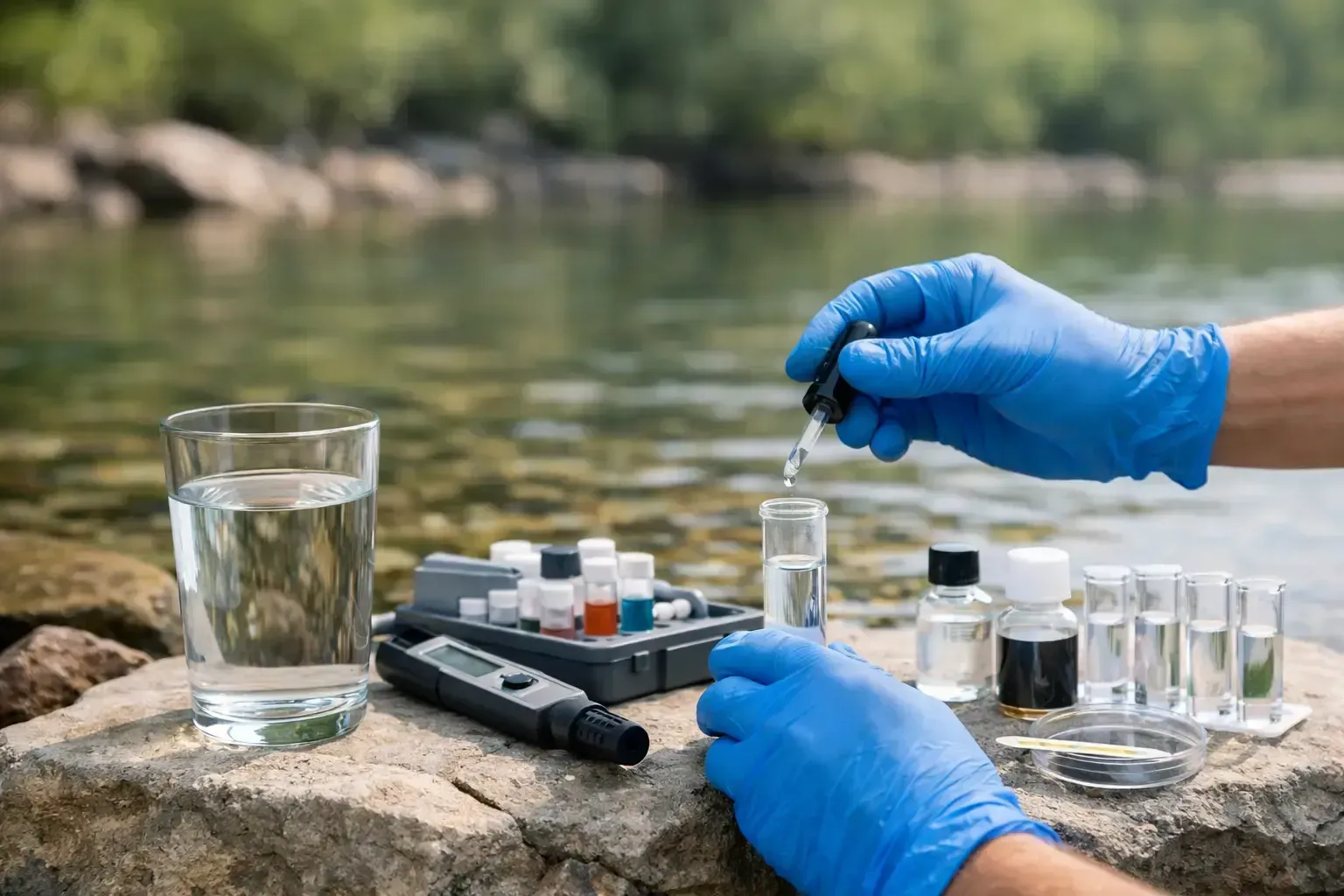
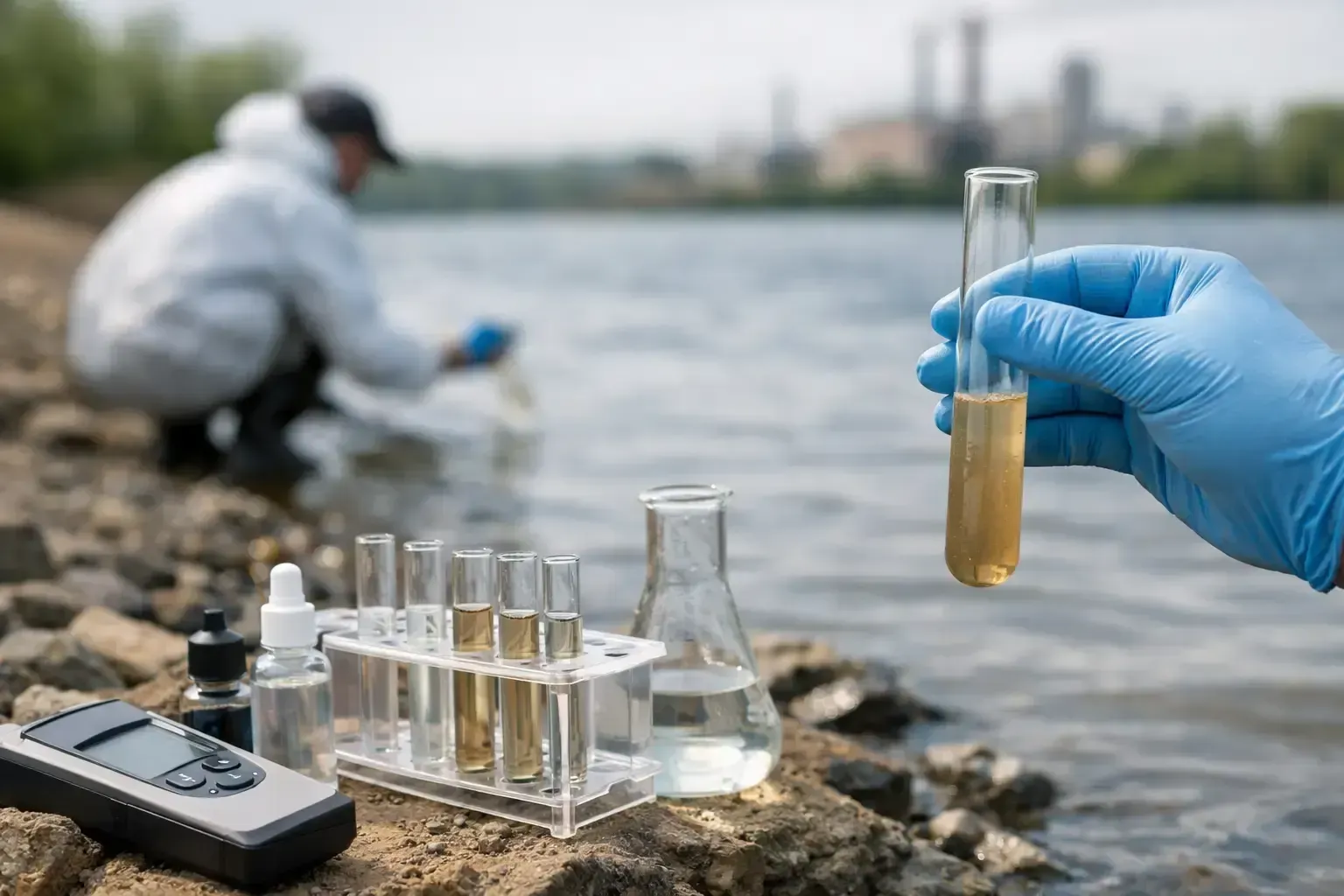
Water testing is only as reliable as the sample collection process. A sample bottle touched inside the cap, collected from a dirty faucet aerator, exposed to outside contamination, or delivered late to the laboratory can produce unusable or misleading results.
Bacteria samples are especially time-sensitive. The sampling location must be prepared according to the laboratory protocol, the correct sterile container must be used, and the chain of custody must be complete. If a property has water treatment equipment, the lender may specify whether the sample should be collected before or after treatment. That distinction is critical. A post-treatment sample can show whether the delivered household water is acceptable, while a source-water sample can help identify contamination within the well supply itself.
Avoid relying on home test strips or informal screening kits for an FHA transaction. They can be useful for personal awareness, but they generally do not replace laboratory-supported testing and documented sample handling.
A Practical Plan for Buyers and Sellers
The cleanest transactions start early. Once a buyer knows the property has a private well or other non-public supply, the buyer's agent, listing agent, and lender should confirm the testing requirement. Sellers should not assume a previous report will be accepted, particularly if it is old or does not contain the required parameters.
Schedule testing early enough to allow for laboratory turnaround, review, possible corrections, and retesting. If the property has a history of water intrusion, sewage backup, storm flooding, or suspected well damage, address those conditions before collecting the sample. Testing a compromised system without correcting the obvious defect may only create an avoidable failure.
For buyers, a passing FHA test supports financing, but it should not replace broader due diligence. Ask about the age of the well, recent repairs, treatment equipment, septic location, flooding history, water pressure, staining, odors, and any prior water-quality reports. For sellers, providing organized records can reduce questions and protect the transaction from last-minute surprises.
Clear Results Are Worth the Preparation
Private water systems can provide dependable household water, but they need proper testing and maintenance. FHA water requirements are not designed to create unnecessary obstacles. They are intended to prevent a buyer from taking possession of a home with an unverified or unsafe water supply.
Hanes Environmental provides FHA and VA water testing with careful sample collection, laboratory-supported results, and clear reporting for Florida and Kentucky property transactions. When water quality is part of the loan file, accurate answers early in the process can protect both the closing and the people who will live in the home.
Recent Posts