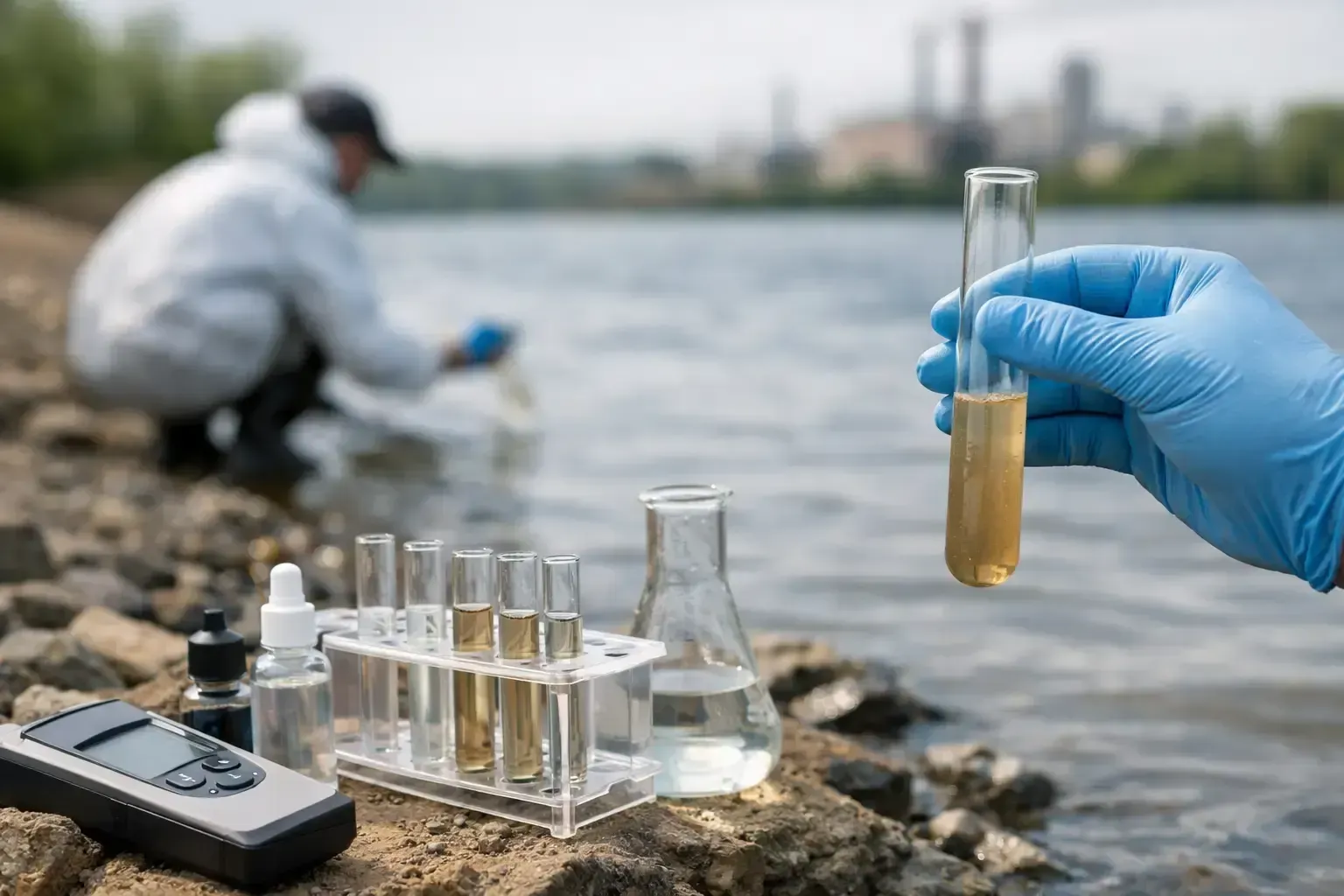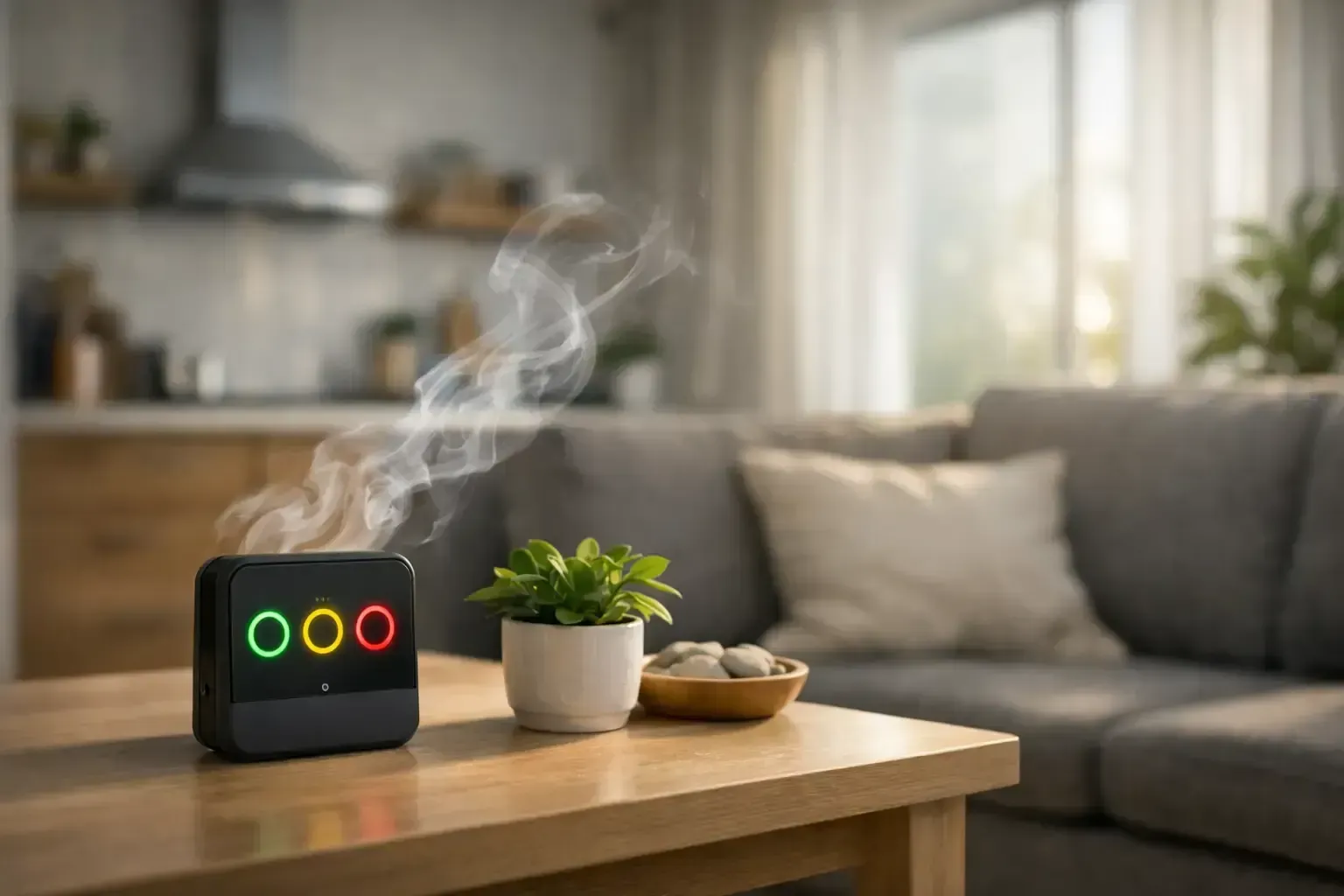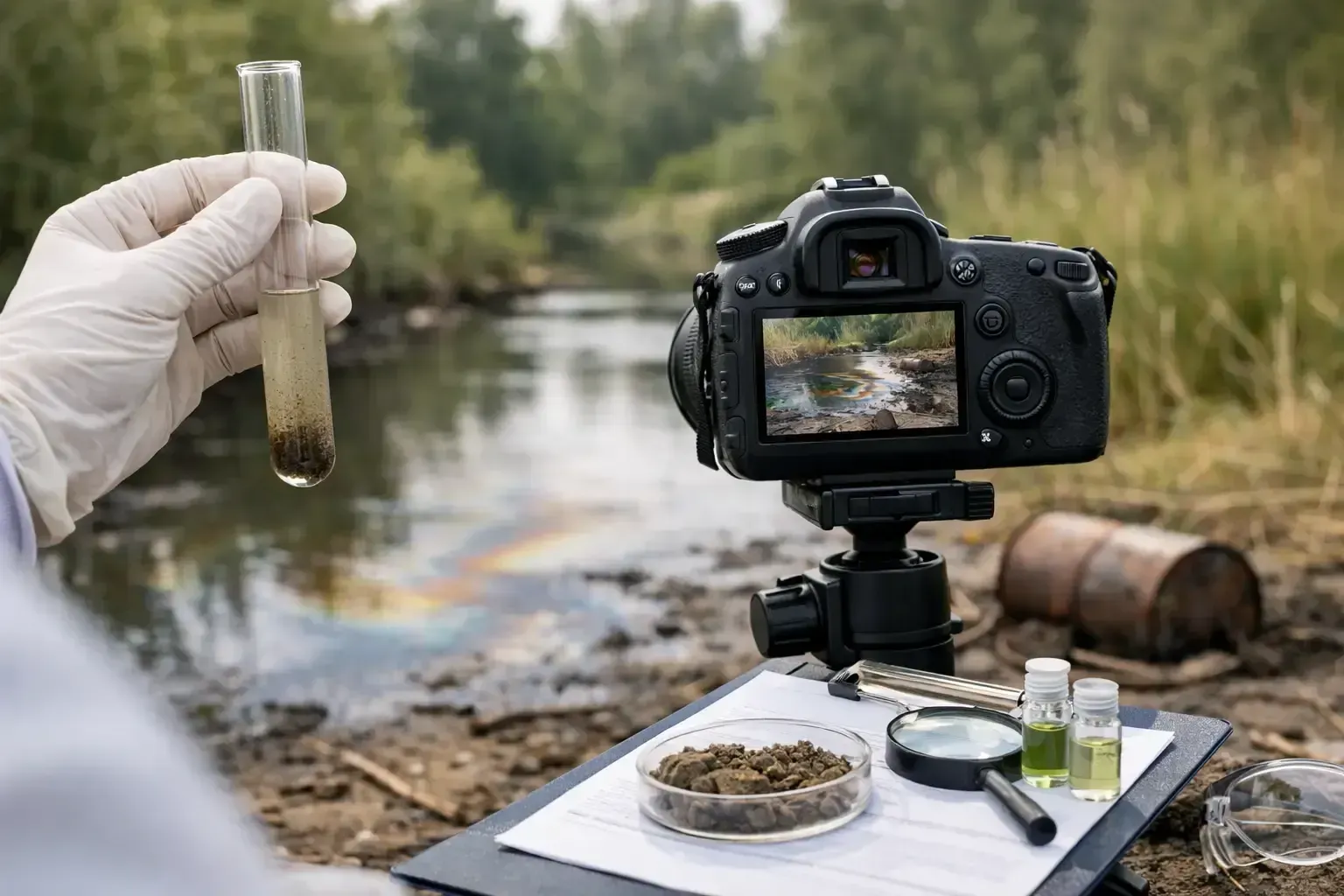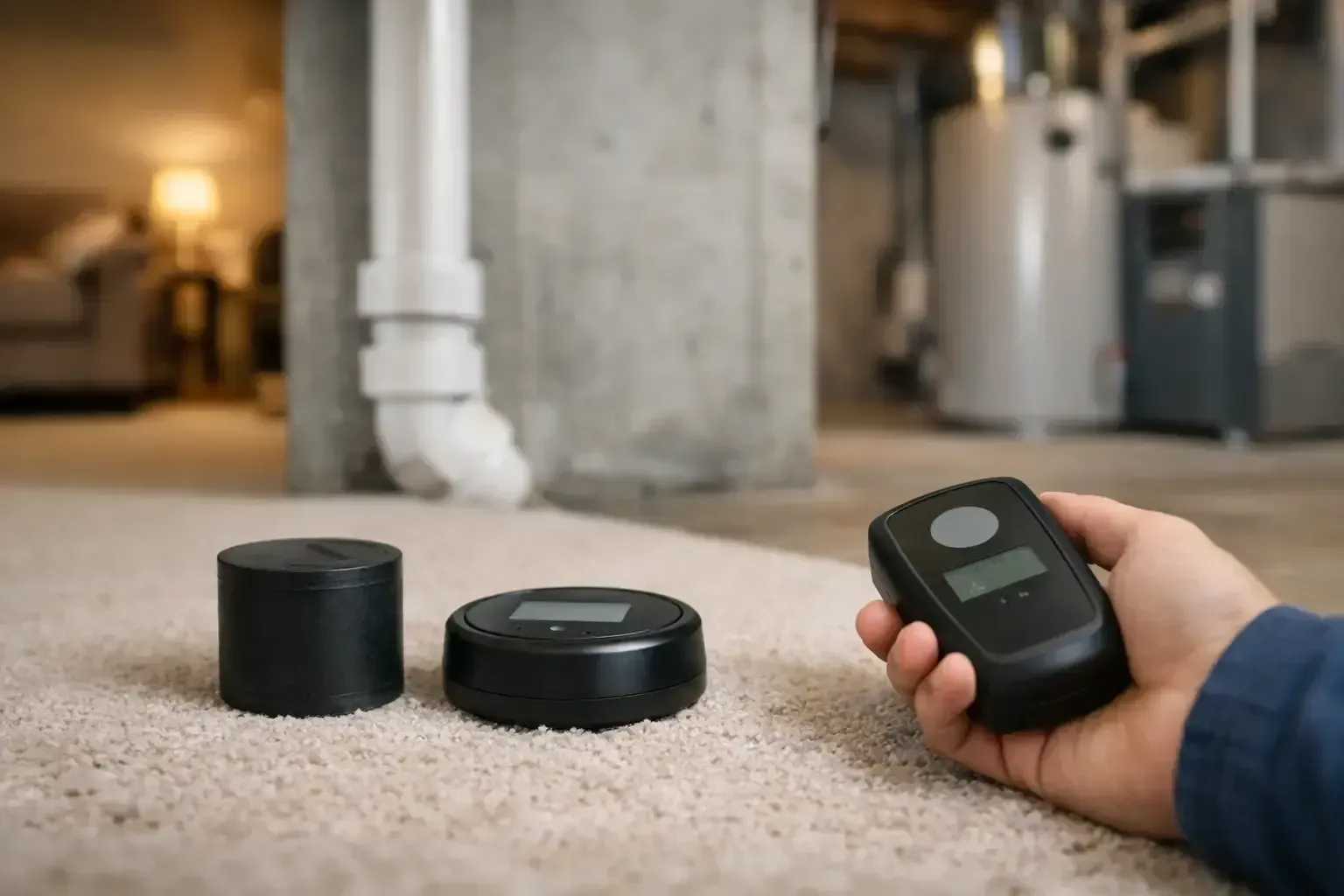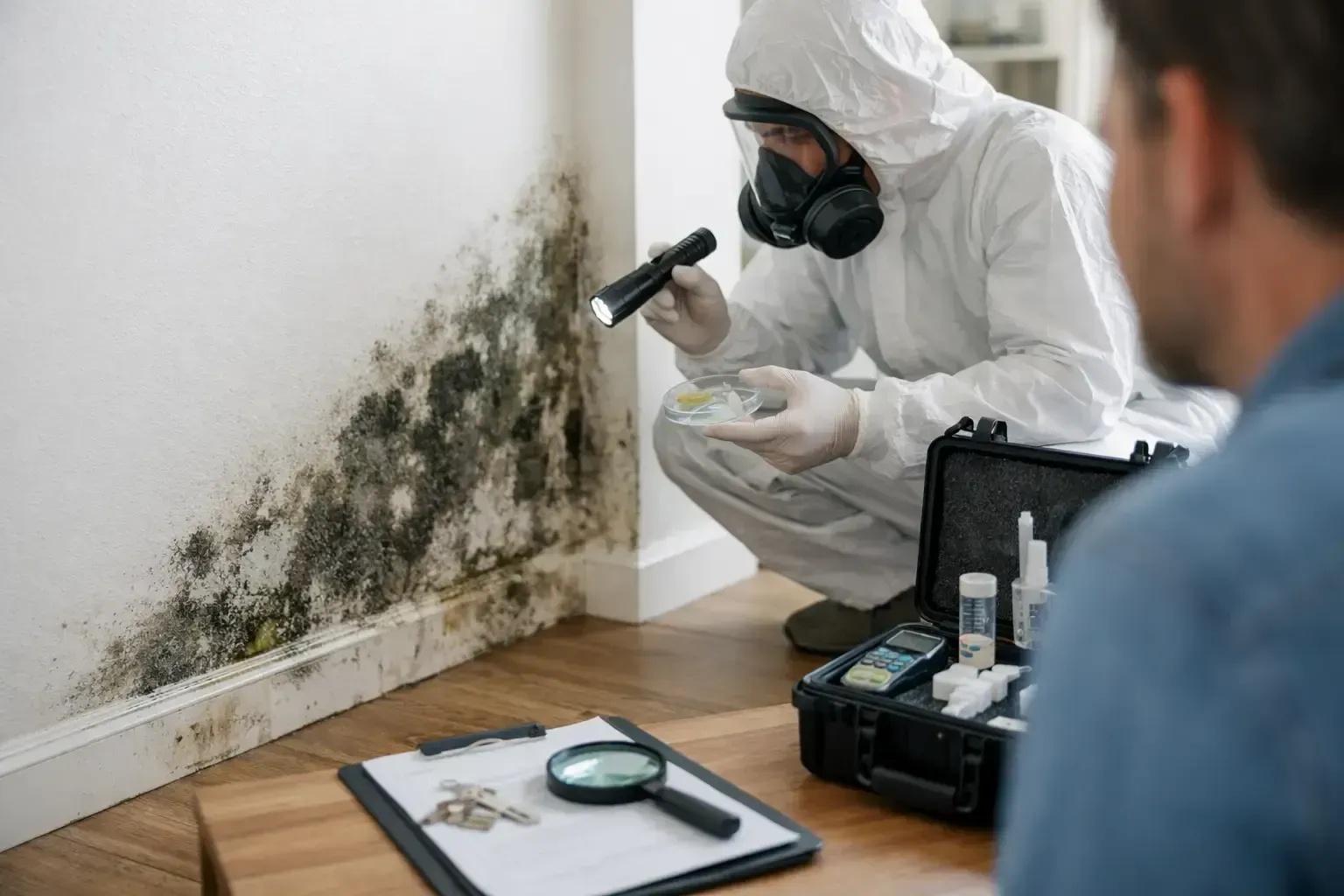
The quality of the report depends on the quality of the inspection. You want someone who understands moisture behavior, building materials, contamination categories, and the difference between visible damage and actual spread. The report should be direct, specific, and supported by field findings, not vague language.
It also helps to work with a company that can explain results in plain English. Technical accuracy matters, but so does communication. When people are dealing with damage to a home, rental, office, or investment property, they need answers they can act on.
In Florida and Kentucky, where weather, humidity, plumbing failures, and hidden moisture issues can all play a role, a thorough assessment is one of the smartest early steps you can take. Hanes Environmental provides that kind of clear, field-based reporting so property owners know what they are dealing with before the damage gets worse.
The sooner you replace assumptions with documented facts, the easier it becomes to protect the building, the people inside it, and the money it will take to set things right.
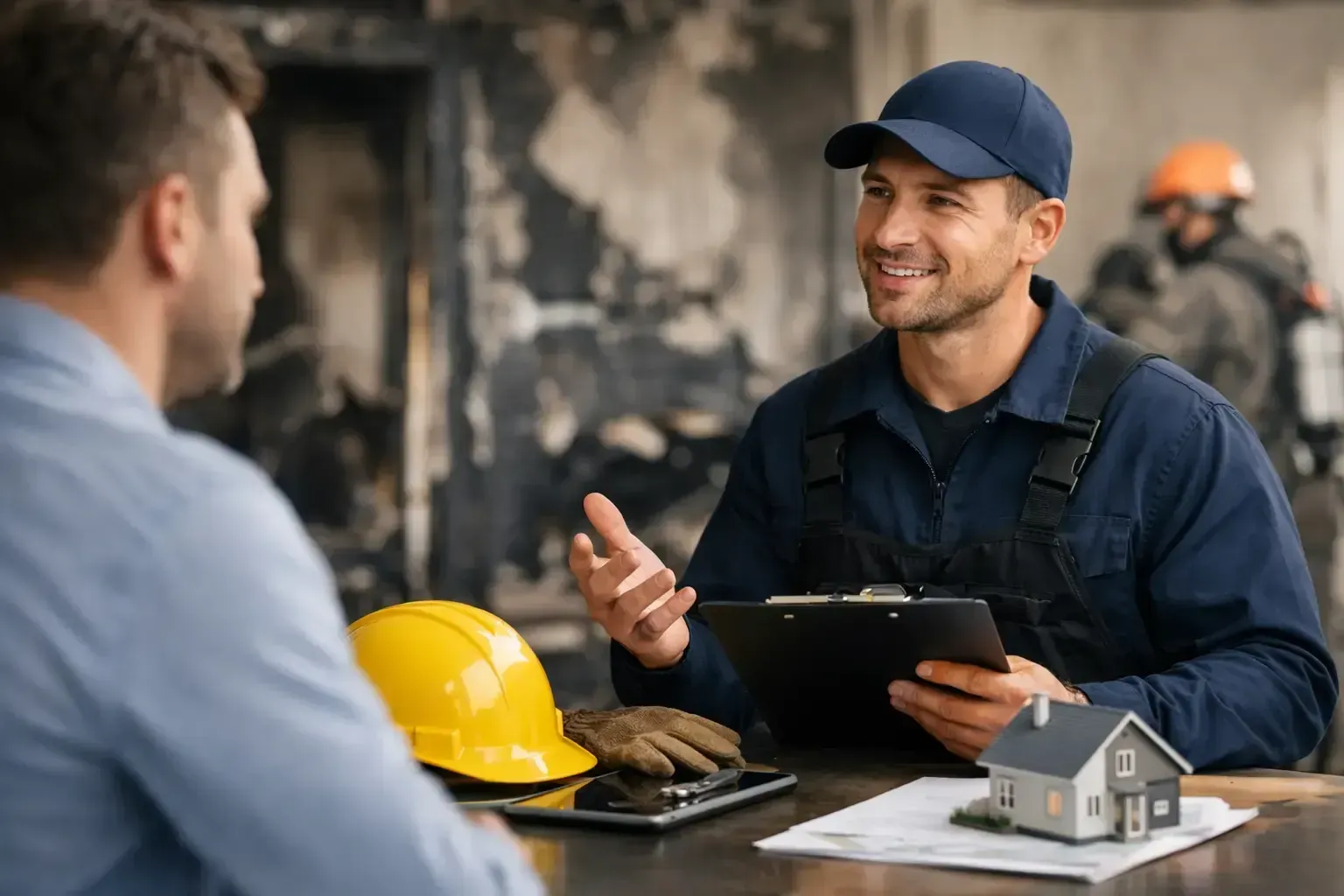
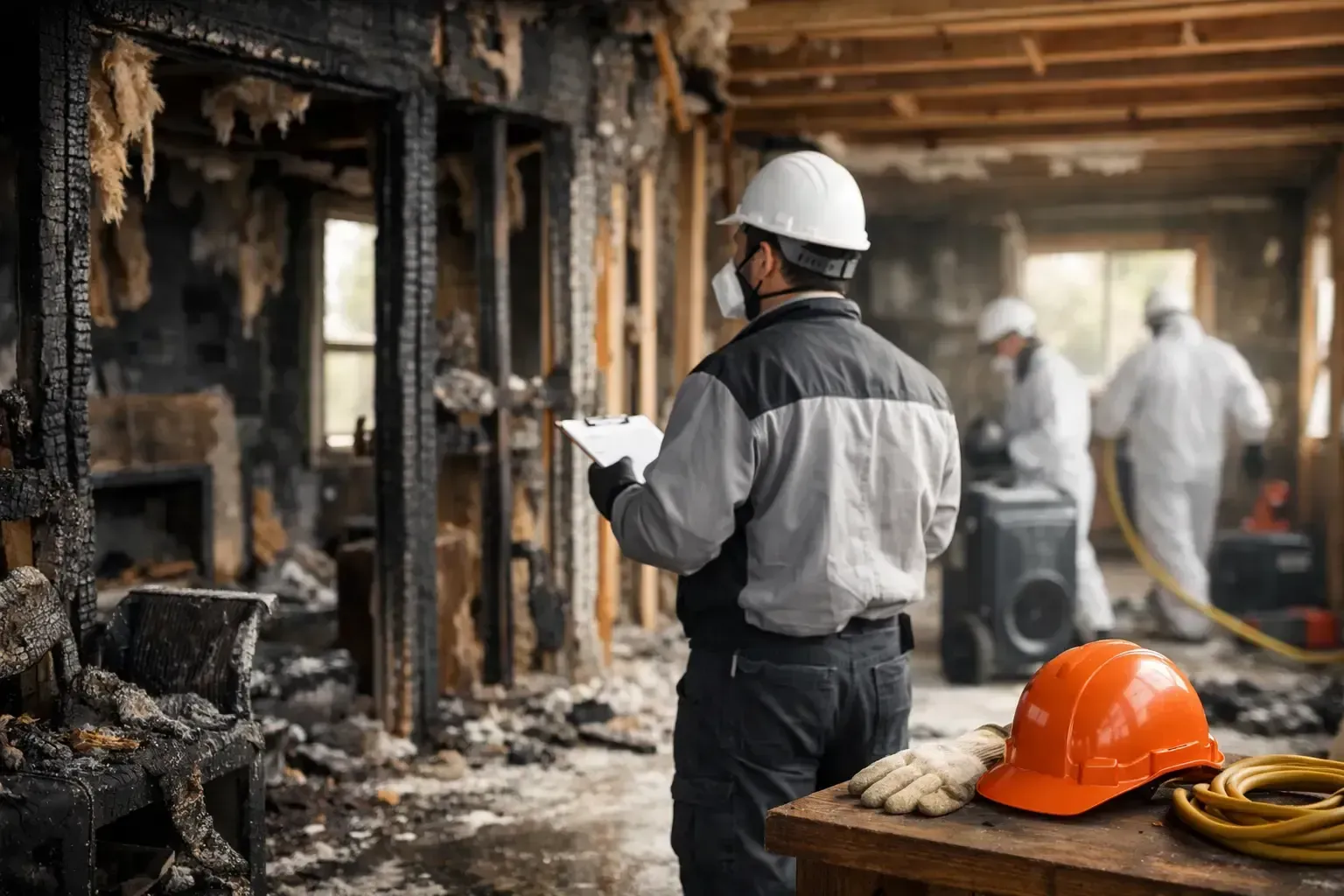
The first 24 to 48 hours after a fire can change the cost, safety, and recovery timeline of a property. Burned materials are only part of the problem. Smoke residues spread well beyond the original fire area, soot can settle inside HVAC systems and hidden cavities, and water used to extinguish the fire often creates a second layer of damage. That is why choosing the right fire damage restoration company matters so much.
A rushed cleanup can leave behind odors, corrosive soot, and contamination that continue to affect the building long after the visible damage is gone. A careful restoration process does more than make a property look better. It helps protect structural materials, indoor air quality, electronics, contents, and the people who return to the space.
What a Fire Damage Restoration Company Should Actually Do
Many property owners assume fire cleanup starts and ends with removing debris and repainting surfaces. In practice, proper fire restoration is part emergency response, part environmental investigation, and part controlled rebuilding process.
A qualified fire damage restoration company should begin with a detailed assessment. That means identifying the fire source, the extent of heat damage, where smoke traveled, what kind of soot is present, and whether suppression water has affected walls, flooring, insulation, or contents. Different fire conditions leave different residues. Protein residue from kitchen fires behaves differently than dry soot from a fast-burning paper fire or oily residue from synthetic materials. The cleaning method has to match the residue.
From there, the company should stabilize the property. This may include board-up services, roof tarping, moisture control, and containment of affected areas. Stabilization is not just about security. It also helps stop secondary damage, which is common after a fire.
The restoration process usually includes debris removal, soot and smoke residue cleaning, odor control, content evaluation, moisture drying, and repairs or reconstruction where needed. In more complex losses, testing may also be necessary to document carbonaceous particles, combustion byproducts, VOCs, or hidden contamination in areas that do not look damaged at first glance.
Why Testing Matters After Fire Damage
Not every fire loss needs the same level of environmental testing, but many do. This is one of the biggest differences between a surface-level cleanup and a thorough restoration plan.
After a fire, residues can remain on walls, framing, ductwork, insulation, and contents. Some materials absorb odors and particles deeply. Others release contaminants back into the air over time. If a property owner only relies on what can be seen or smelled, important issues may be missed.
A fire damage restoration company with assessment and testing capabilities can help answer practical questions. Is the soot confined to one room or distributed through the HVAC system? Are there carbonaceous particles in adjacent spaces? Did extinguishing water create hidden moisture conditions that now support mold growth? Is the property ready for re-occupancy, or does the air still carry combustion-related contaminants?
For homeowners, this protects health and reduces the chance of repeated cleanup. For commercial properties, it helps with liability control, tenant concerns, and reopening decisions. For insurance professionals and real estate stakeholders, documented findings create a clearer record of the damage.
Signs a Fire Damage Restoration Company is Qualified
Experience matters, but experience alone is not enough. Fire losses are messy, time-sensitive, and often layered with smoke migration, water intrusion, and indoor air quality concerns. You want a company that can explain what it is seeing and back up its decisions with a clear process.
Look for a provider that performs detailed inspections rather than offering a price based only on photos or a quick walk-through. A dependable company should explain what was affected, what can likely be cleaned, what may need to be removed, and where hidden damage is most likely to appear.
It also helps to work with a company that understands both restoration and environmental conditions. Fire scenes often require more than demolition and deodorization. There may be moisture trapped behind surfaces, contamination inside mechanical systems, or concerns about lingering soot in rooms that were never burned. When one company can assess, test, document, and restore, the process tends to be more accurate and more efficient.
Communication is another major indicator. A strong company gives direct answers, realistic timeframes, and written documentation. If a contractor avoids specifics, downplays residue concerns, or promises that the smell will disappear with basic cleaning alone, that is a warning sign.
Questions to Ask Before Hiring
The right questions can quickly tell you whether a company is prepared for the job.
Ask how they determine the extent of smoke and soot damage beyond the fire area. Ask whether they evaluate HVAC contamination, hidden moisture, and porous materials that may retain odor. Ask what type of residue is present and how that changes the cleaning approach. Ask what documentation they provide for insurance or property records.
You should also ask who will actually be involved in the project. Some companies sell the job with one person and hand it off to a different crew with limited oversight. Owner involvement or strong project supervision can make a real difference, especially in losses where testing, reporting, and restoration need to stay aligned.
Finally, ask how they decide whether materials should be cleaned, sealed, or removed. There is no single rule for every fire. In some cases, structural materials can be restored successfully. In others, residue penetration or heat damage makes replacement the safer option. A trustworthy company will explain the trade-offs instead of pushing a one-size-fits-all answer.
Common Mistakes Property Owners Make After a Fire
One common mistake is waiting too long to start mitigation. Even if the fire was small, residues begin affecting surfaces right away. Soot can be acidic and corrosive, which means metals, electronics, and finishes may continue deteriorating if they are not addressed promptly.
Another mistake is assuming a painting contractor or general cleaning crew can handle a fire loss. Cosmetic improvement is not the same as restoration. If residues remain under flooring, inside wall cavities, in insulation, or throughout the ventilation system, the property may still have odor, contamination, or future material failure.
Property owners also sometimes throw away documentation in the rush to clean up. Photos, written observations, testing results, and moisture readings can all support claims, scope decisions, and later property transactions. Good records matter.
There is also a tendency to focus only on the rooms with obvious burn damage. Smoke rarely stays in one place. It can travel through hallways, closets, attics, shared walls, and HVAC pathways. If the scope is too narrow, the cleanup often feels incomplete because it is incomplete.
Residential and Commercial Fire Losses Are Not the Same
A house fire and a commercial fire may both involve smoke, soot, and water, but the restoration priorities can differ.
In residential properties, the biggest concerns are usually occupant safety, odor removal, salvageability of contents, and returning the home to livable condition. Families want to know whether the air is safe, whether belongings can be saved, and how to keep the damage from spreading.
In commercial and industrial settings, downtime, documentation, tenant impact, equipment exposure, and liability often carry equal weight. A business may need detailed reporting to support insurance, reassure occupants, or document contamination in multiple units or work areas. Restoration has to balance safety with operational pressure, and that requires a disciplined approach.
Why Local Knowledge Helps
A fire damage restoration company serving Florida and Kentucky should understand more than fire residue alone. In Florida, high humidity can accelerate secondary moisture issues after suppression efforts. In both states, buildings vary widely in age, construction type, ventilation layout, and material sensitivity. Those factors affect drying strategies, residue removal, and post-loss testing.
That is where practical field experience matters. A company that regularly handles fire, smoke, water, and environmental investigations can spot overlaps that less specialized providers miss. Hanes Environmental is often called in for exactly that reason, especially when clients need both restoration work and defensible testing to document conditions clearly.
The Best Choice is Usually the Most Thorough One
The lowest estimate is not always the lowest final cost. If odor returns, hidden moisture leads to mold, or soot was never fully removed from the HVAC system, the property owner may end up paying for the same problem twice.
A reliable fire damage restoration company should protect the building, the people using it, and the documentation behind the loss. That means careful assessment, appropriate testing when needed, honest communication, and restoration methods based on the actual conditions inside the property.
After a fire, people want fast answers. That makes sense. But the better outcome usually comes from a company that is thorough enough to find what the fire left behind, not just what it made obvious.
Recent Posts