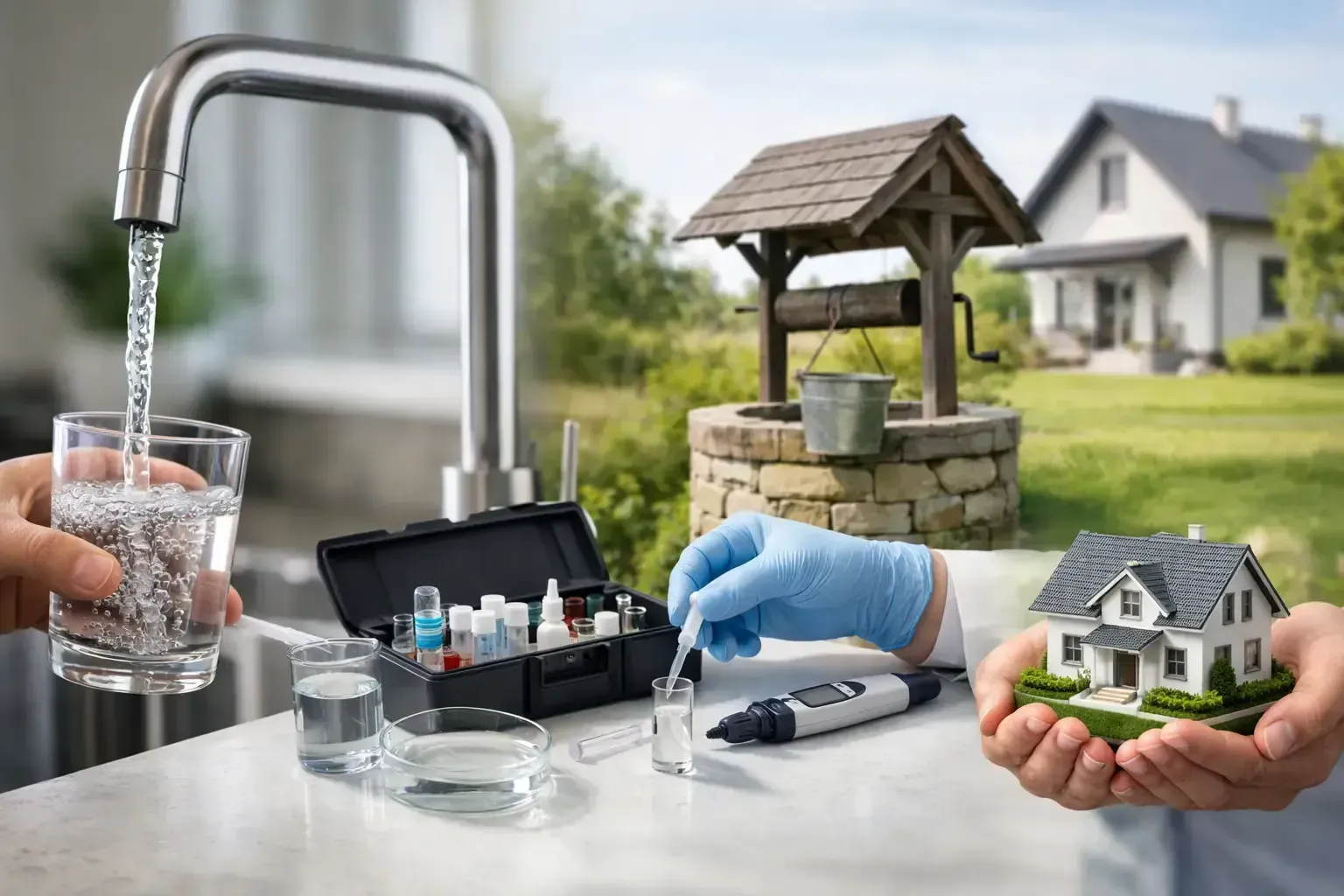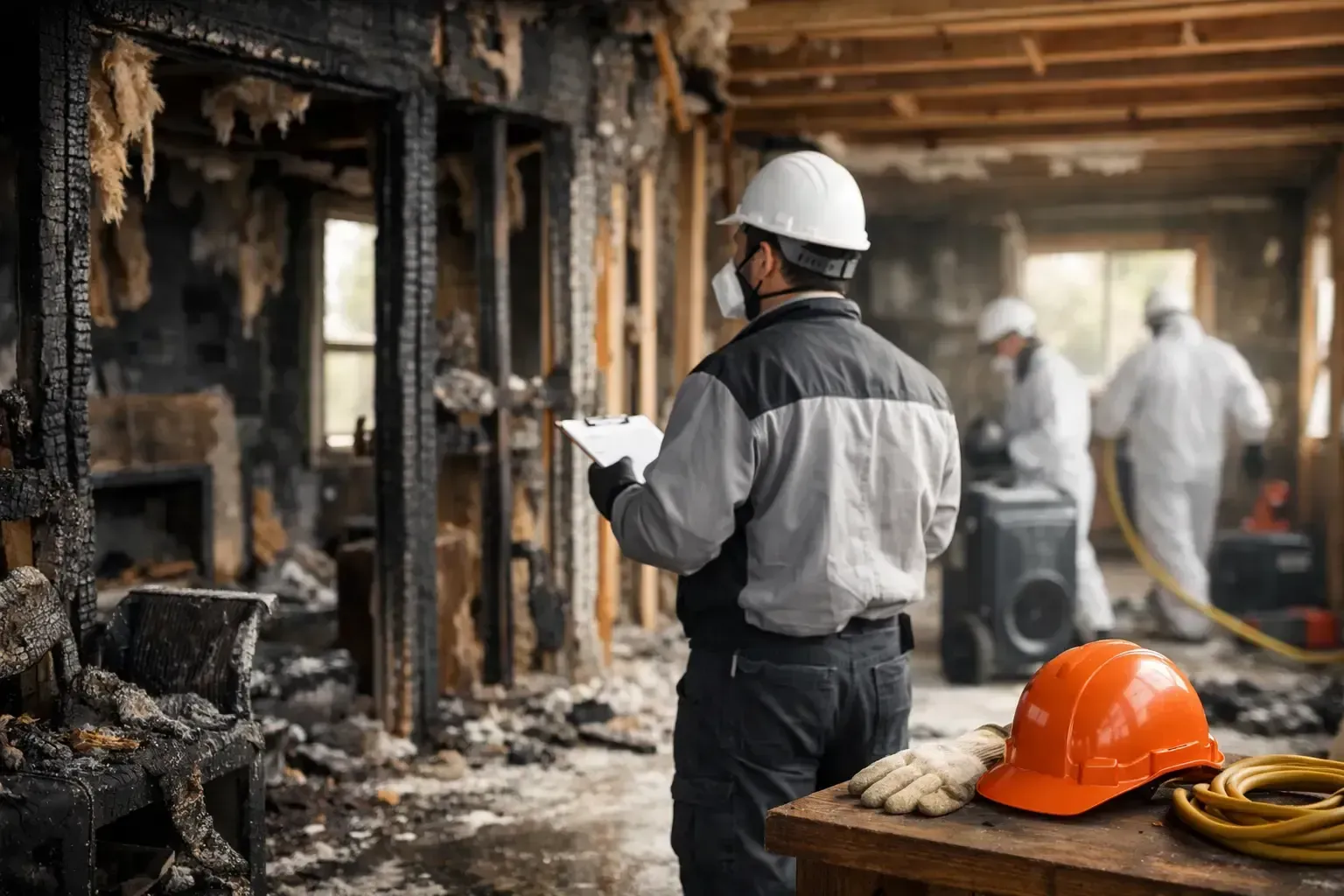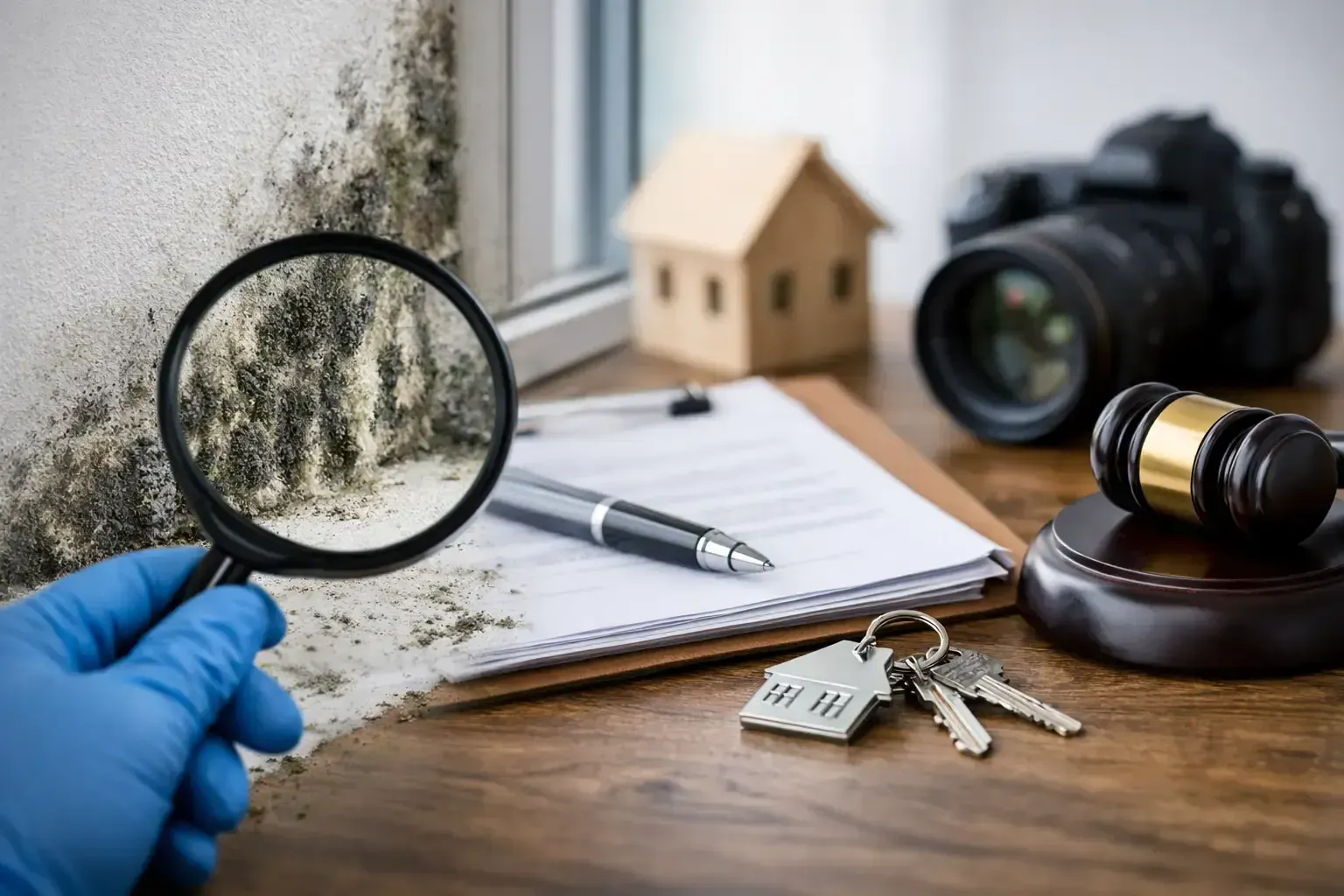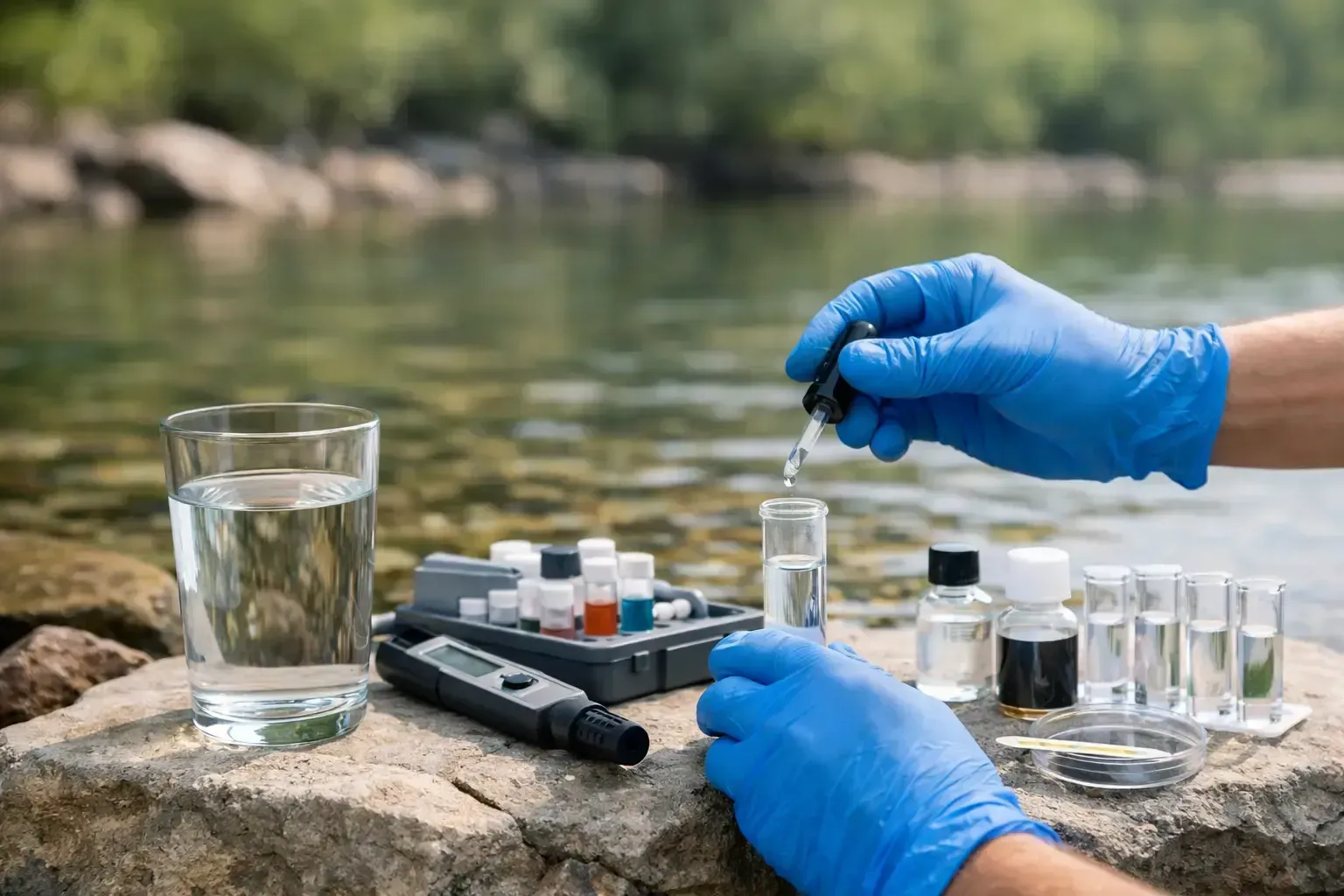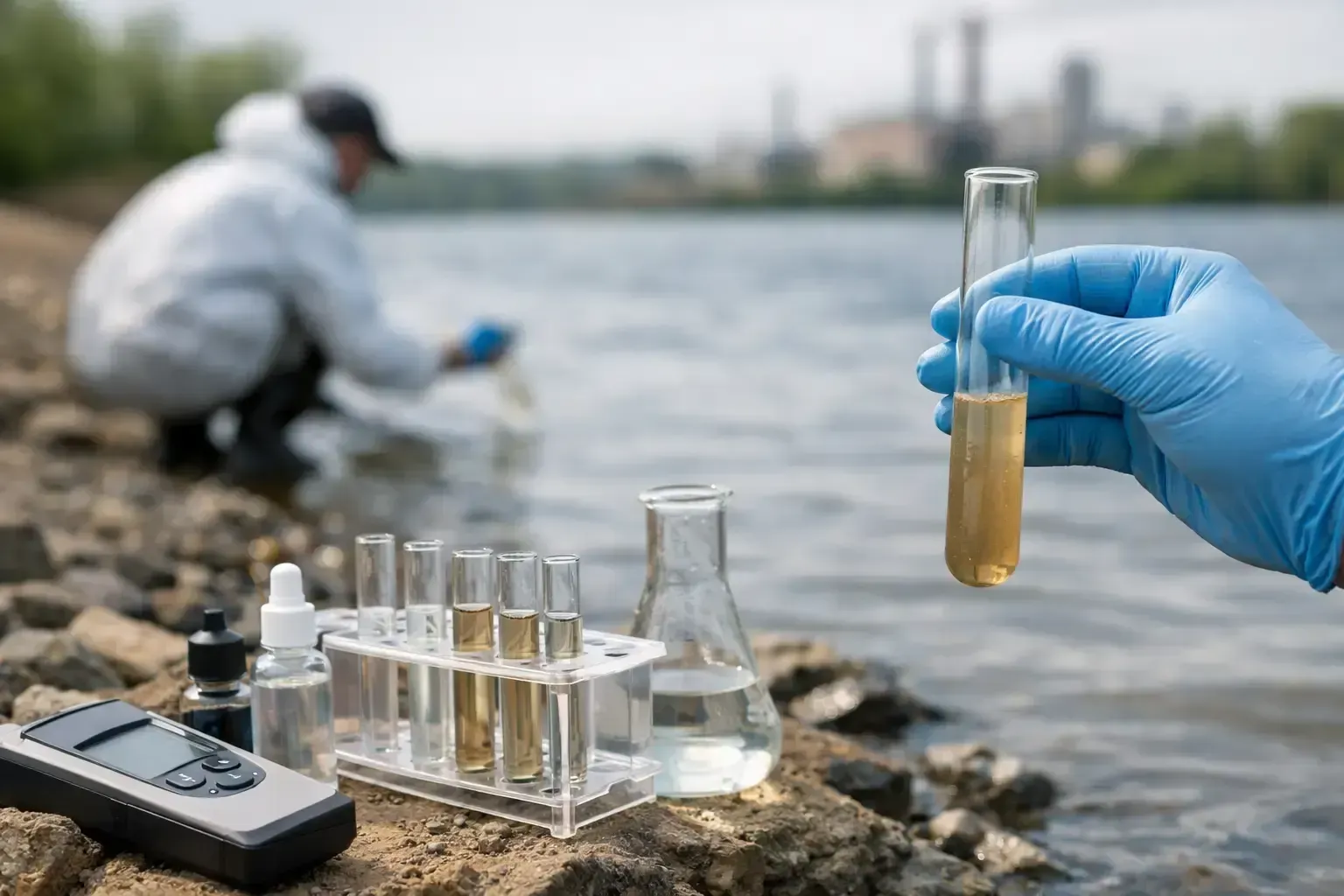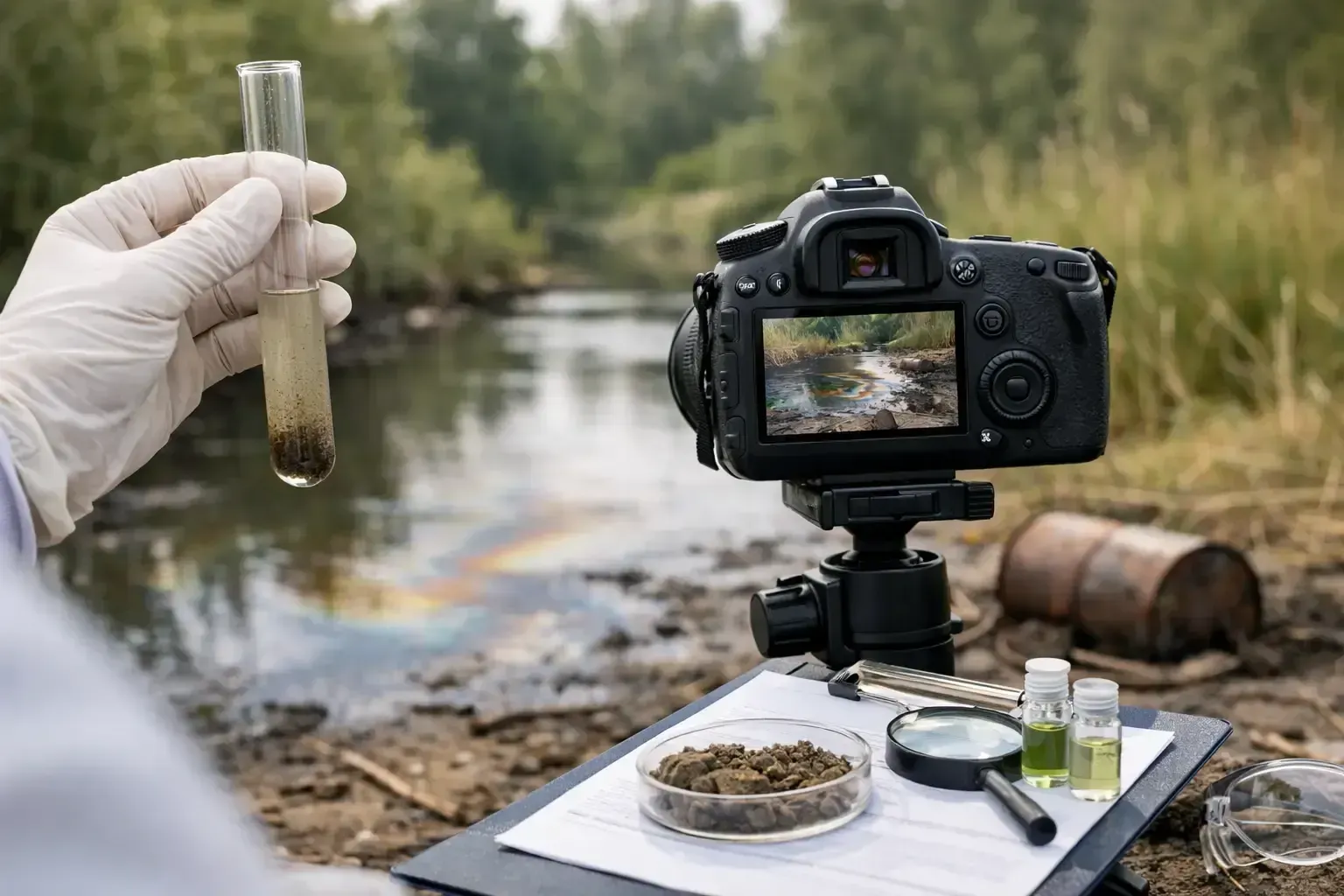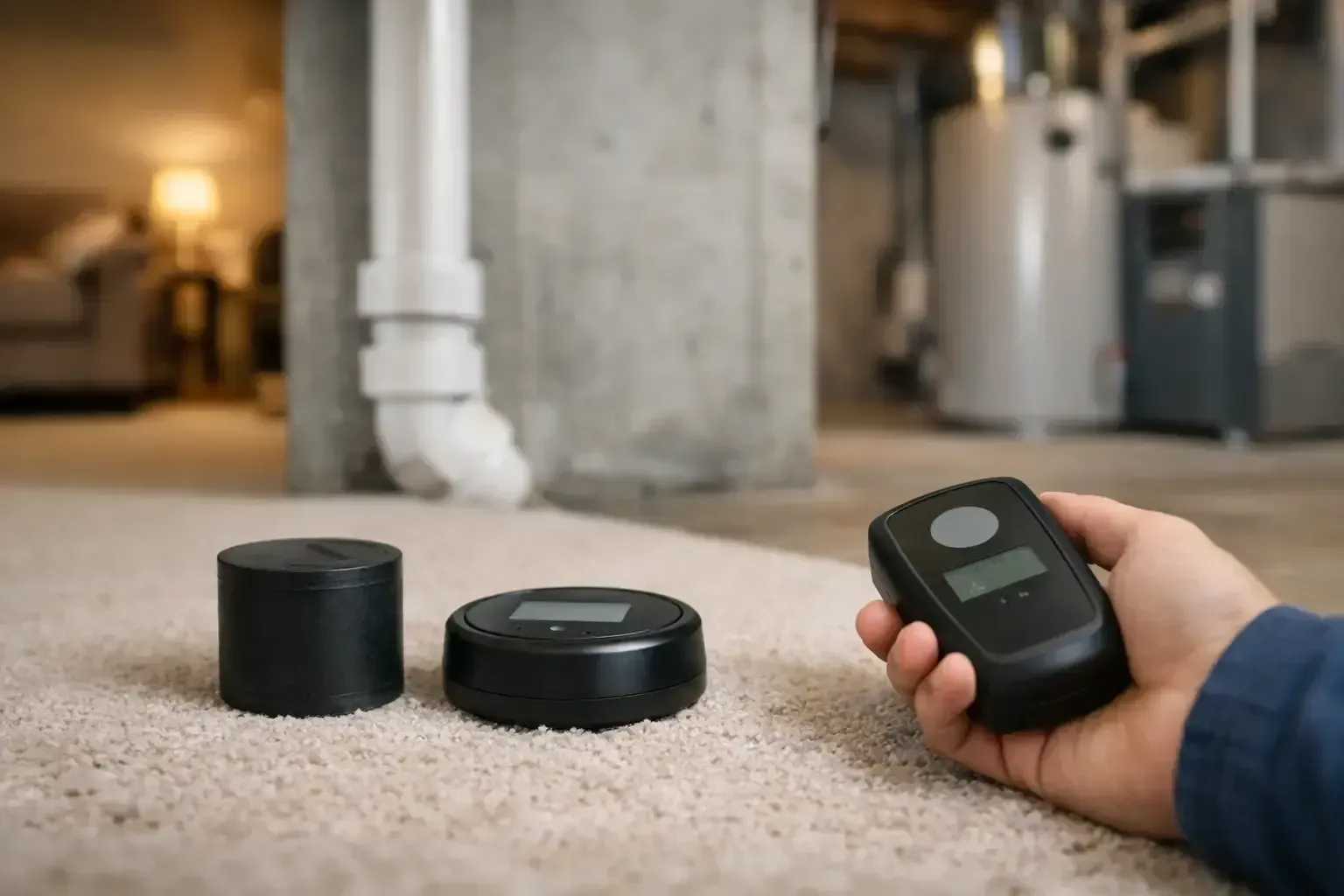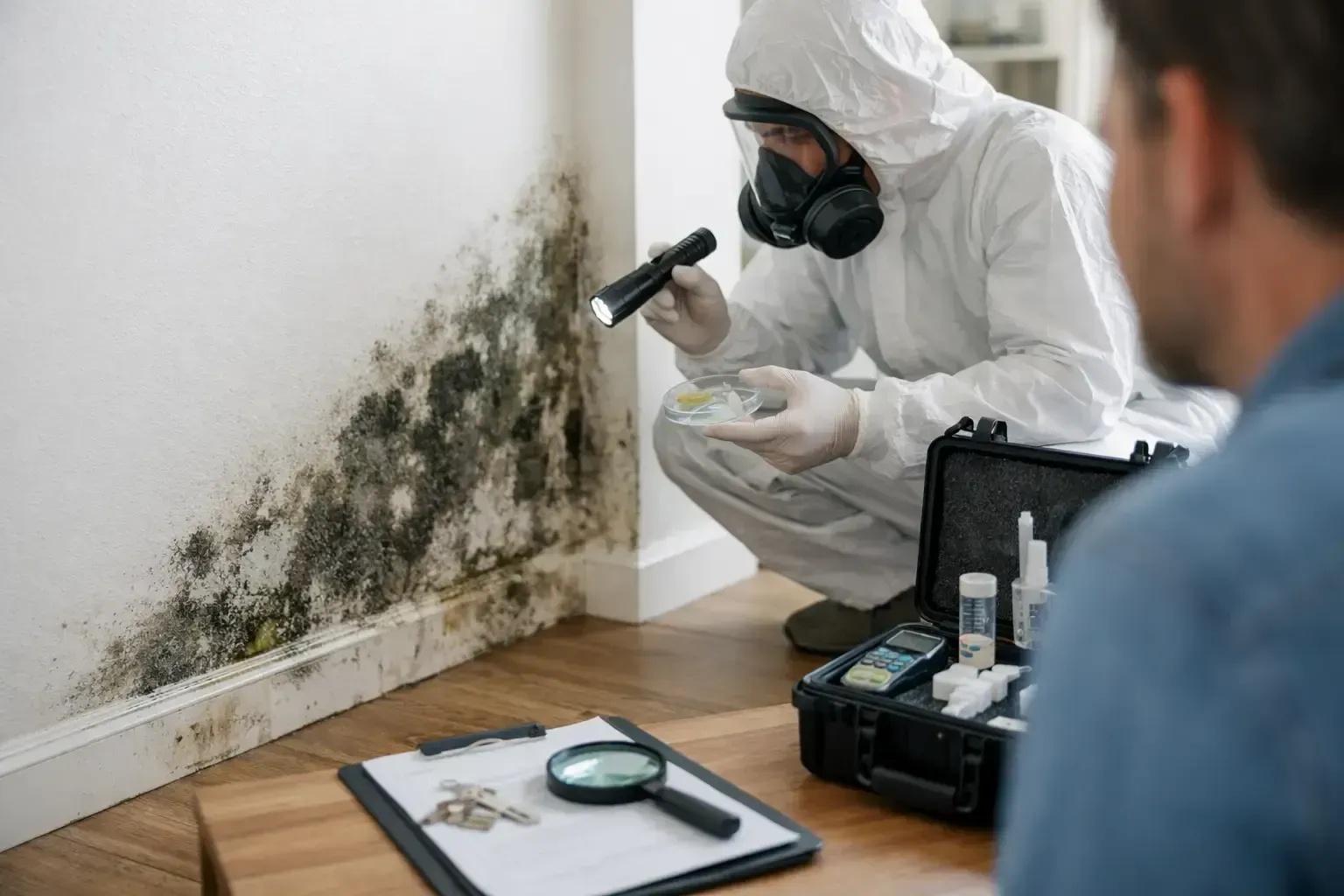
The quality of the report depends on the quality of the inspection. You want someone who understands moisture behavior, building materials, contamination categories, and the difference between visible damage and actual spread. The report should be direct, specific, and supported by field findings, not vague language.
It also helps to work with a company that can explain results in plain English. Technical accuracy matters, but so does communication. When people are dealing with damage to a home, rental, office, or investment property, they need answers they can act on.
In Florida and Kentucky, where weather, humidity, plumbing failures, and hidden moisture issues can all play a role, a thorough assessment is one of the smartest early steps you can take. Hanes Environmental provides that kind of clear, field-based reporting so property owners know what they are dealing with before the damage gets worse.
The sooner you replace assumptions with documented facts, the easier it becomes to protect the building, the people inside it, and the money it will take to set things right.
A pipe bursts at 2 a.m., a roof leak spreads through the attic, or a supply line quietly soaks a wall for days before anyone notices. In those moments, water damage restoration services are not just about drying out a property. They are about stopping a small failure from becoming structural damage, mold growth, contamination, and a much larger insurance or repair problem.
When water enters a building, time matters. Drywall absorbs it. Insulation traps it. Wood framing can swell, weaken, or stay damp long after surfaces appear dry. Flooring may cup, buckle, or separate. In some cases, the real damage is not what you can see on the surface. It is what remains behind baseboards, under cabinets, inside wall cavities, or beneath commercial flooring systems.
What Water Damage Restoration Services Actually Include
A proper restoration job starts with assessment, not guesswork. The first question is not simply where the water is visible. The first question is how far it traveled, what materials were affected, and whether contamination is involved.
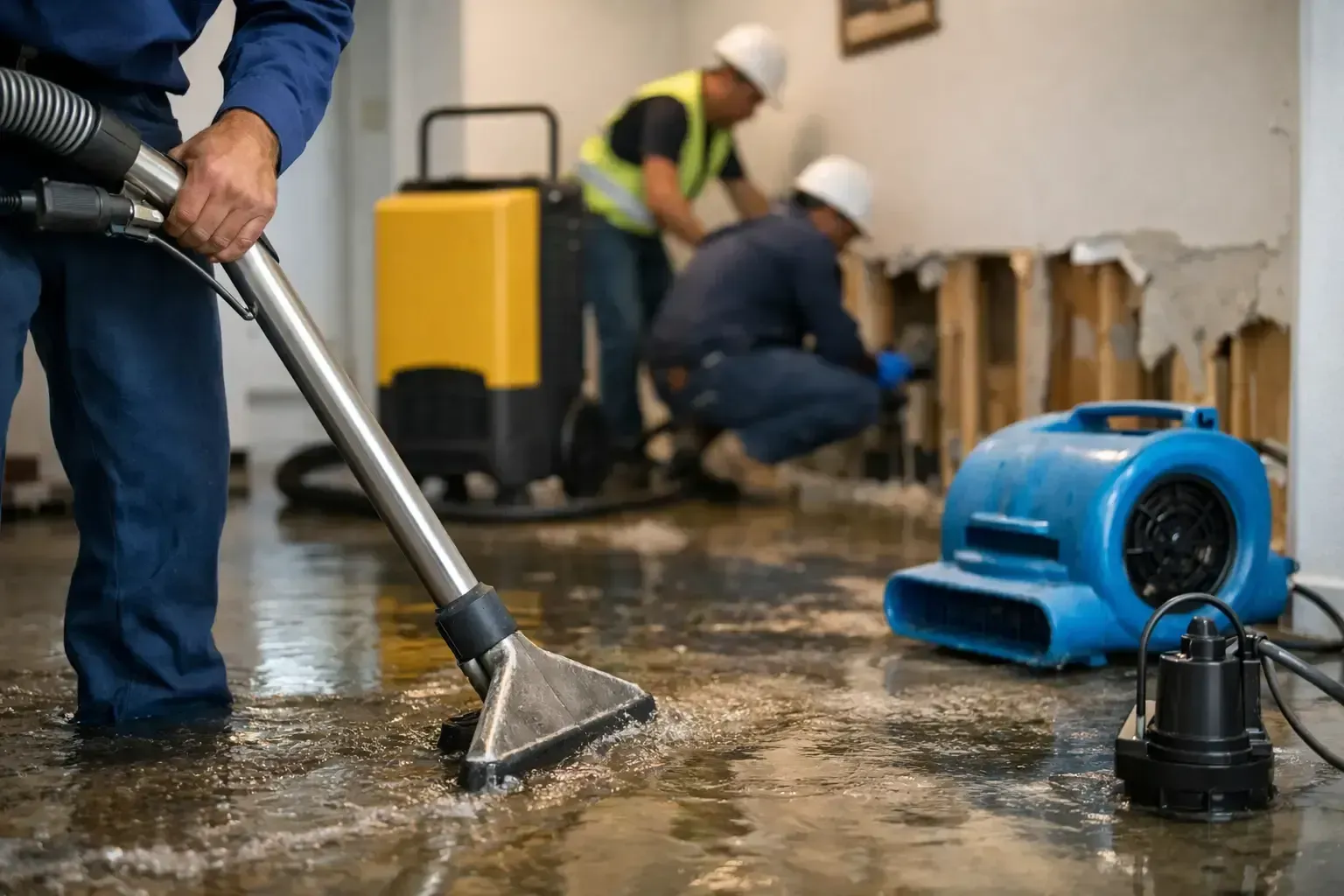
Professional water damage restoration services typically include moisture inspection, water extraction, structural drying, removal of damaged materials when needed, dehumidification, cleaning, and documentation. In more serious losses, the process may also involve sewage contamination investigation, bacteria concerns, odor control, or mold-related follow-up if wet materials were not addressed quickly enough.
This is where many property owners get caught off guard. A room can look dry and still hold elevated moisture in the subfloor or framing. That is why field testing matters. Moisture meters, thermal imaging, and careful inspection help identify hidden wet areas before they turn into secondary damage.
Why Fast Action Matters More Than Most People Realize
Water damage is not static. It changes by the hour.
Within a short time, porous materials begin absorbing moisture deeply. Within a day or two, conditions can support microbial growth, especially in Florida humidity or in buildings with poor airflow. If the source involves gray water or sewage, the concern shifts even faster from simple drying to contamination control.
There is also a financial side to the delay. A smaller restoration job can become a demolition project if moisture spreads unchecked. Subfloors, trim, insulation, cabinetry, and even HVAC-adjacent areas can be affected. For homeowners, that means higher repair costs and a greater chance of mold concerns. For property managers and business owners, it can also mean tenant complaints, downtime, liability questions, and documentation issues.
Fast action does not always mean panic. It means making sound decisions early, with accurate information.
Not All Water Losses Are the Same
One of the biggest mistakes people make is treating every water event like a simple leak. The source and category of water affect the restoration plan.
Clean water from a broken supply line is different from rain intrusion through a compromised roof. Both are serious, but they do not always carry the same contamination concerns. Gray water from appliances or drain overflows can introduce additional health risks. Sewage backups are a different level entirely and require much stricter handling, removal decisions, and cleaning protocols.
Then there is the question of how long the water has been present. A fresh clean-water loss may be less complicated if caught immediately. The same loss, left unaddressed for several days in warm conditions, may no longer be treated as a simple clean-water event. Time changes the job.
That is why experienced assessment matters. Restoration is not just about equipment placement. It is about understanding what happened, what is now at risk, and what evidence needs to be documented.
Water Damage Restoration Services and Hidden Moisture
Visible staining tells only part of the story. Hidden moisture is often what creates the biggest problems later.
Water can wick upward into drywall, move laterally under flooring, and collect in areas property owners rarely inspect. In multi-unit properties and commercial buildings, the source may even start in another space entirely. A unit above, a concealed plumbing chase, or a roof penetration can all create patterns that are easy to misread without testing.
This is especially important in occupied homes and businesses. People often want reassurance that the area is dry because surfaces feel normal again. But a dependable answer comes from measurement, not appearance. Direct owner-operated service, clear reporting, and thorough inspection make a difference when you need to know whether a building is truly drying or just looks better from the doorway.
The Overlap Between Water Damage and Mold Concerns
Water damage and mold are closely connected, but they are not identical problems. A building can have water damage without visible mold. It can also have mold because past moisture was not fully resolved.
This matters because the next step depends on the conditions present. If drying starts quickly and affected materials respond well, the focus may stay on restoration alone. If materials remain wet too long, or if there is a history of recurring leaks, a deeper environmental assessment may be needed.
For many property owners, this is where stress increases. They are not just worried about damaged flooring or walls. They are worried about indoor air quality, occupant health, odors, and whether the problem will keep returning. That is why restoration decisions should be based on evidence. Moisture findings, contamination concerns, and post-loss conditions need to be documented clearly, especially when insurance, tenant disputes, or real estate transactions are involved.
What to Expect From a Professional Restoration Process
A dependable restoration process should feel organized and transparent, not confusing. First, the water source must be identified and stopped if it is still active. Then the affected areas are inspected to determine the extent of intrusion. Extraction and drying begin based on the materials involved and how deeply moisture has spread.
From there, the process depends on the condition of the materials. Some can be dried in place. Others should be removed because they are deteriorated, contaminated, or unlikely to dry properly. This is one of those it-depends situations. Saving materials may reduce demolition, but not every material is a good candidate for in-place drying.
Monitoring is another part of the job that should not be skipped. Drying equipment is not a set-it-and-forget-it solution. Moisture levels need to be checked throughout the process to confirm that progress is actually happening. If they are not, the drying plan may need to change.
For clients who need documented findings, whether for insurance, real estate, or property management purposes, reporting should be clear and defensible. That level of detail matters when a restoration claim is questioned or when hidden damage becomes part of a larger property issue.
Choosing the Right Provider for Water Damage Restoration Services
Not every company approaches water damage with the same level of technical care. Some focus heavily on cleanup but less on documentation, moisture mapping, contamination concerns, or the environmental side of the loss.
That distinction matters when the situation is more than cosmetic. If a property has sewage exposure, possible bacteria concerns, recurring moisture, fire-related residue mixed with suppression water, or a need for laboratory-supported testing, experience across restoration and environmental assessment becomes a real advantage.
For homeowners, the right provider should explain the problem in plain language. For commercial clients, property managers, and insurance professionals, the provider should also be able to support findings with solid reporting. Hanes Environmental serves Florida and Kentucky clients who need both practical restoration help and clear technical answers when a property may be unsafe or documentation is required.
What Property Owners Should Do First
If you discover water damage, the first priority is safety. Shut off the water source if possible. Avoid contact with contaminated water. Be careful around wet electrical areas and damaged ceilings. Then document the visible damage and get the property assessed quickly.
Do not assume fans alone will solve it. Do not assume a dry surface means the structure is dry. And do not wait several days to see if the smell goes away on its own. Water damage tends to get more expensive, not less, when it is left alone.
The right response is measured, fast, and informed. When restoration is handled properly, you protect more than drywall and flooring. You protect the health of the indoor environment, the integrity of the structure, and your ability to move forward with confidence.
If your home, rental, business, or job site has been affected by water, the best next step is simple: get accurate answers early, before hidden moisture turns into a much bigger problem.
Recent Posts