Common Mistakes When Documenting Sewage Contamination
The quality of the report depends on the quality of the inspection. You want someone who understands moisture behavior, building materials, contamination categories, and the difference between visible damage and actual spread. The report should be direct, specific, and supported by field findings, not vague language.
It also helps to work with a company that can explain results in plain English. Technical accuracy matters, but so does communication. When people are dealing with damage to a home, rental, office, or investment property, they need answers they can act on.
In Florida and Kentucky, where weather, humidity, plumbing failures, and hidden moisture issues can all play a role, a thorough assessment is one of the smartest early steps you can take. Hanes Environmental provides that kind of clear, field-based reporting so property owners know what they are dealing with before the damage gets worse.
The sooner you replace assumptions with documented facts, the easier it becomes to protect the building, the people inside it, and the money it will take to set things right.
Why Interpretation Matters More Than the Lab Report Alone
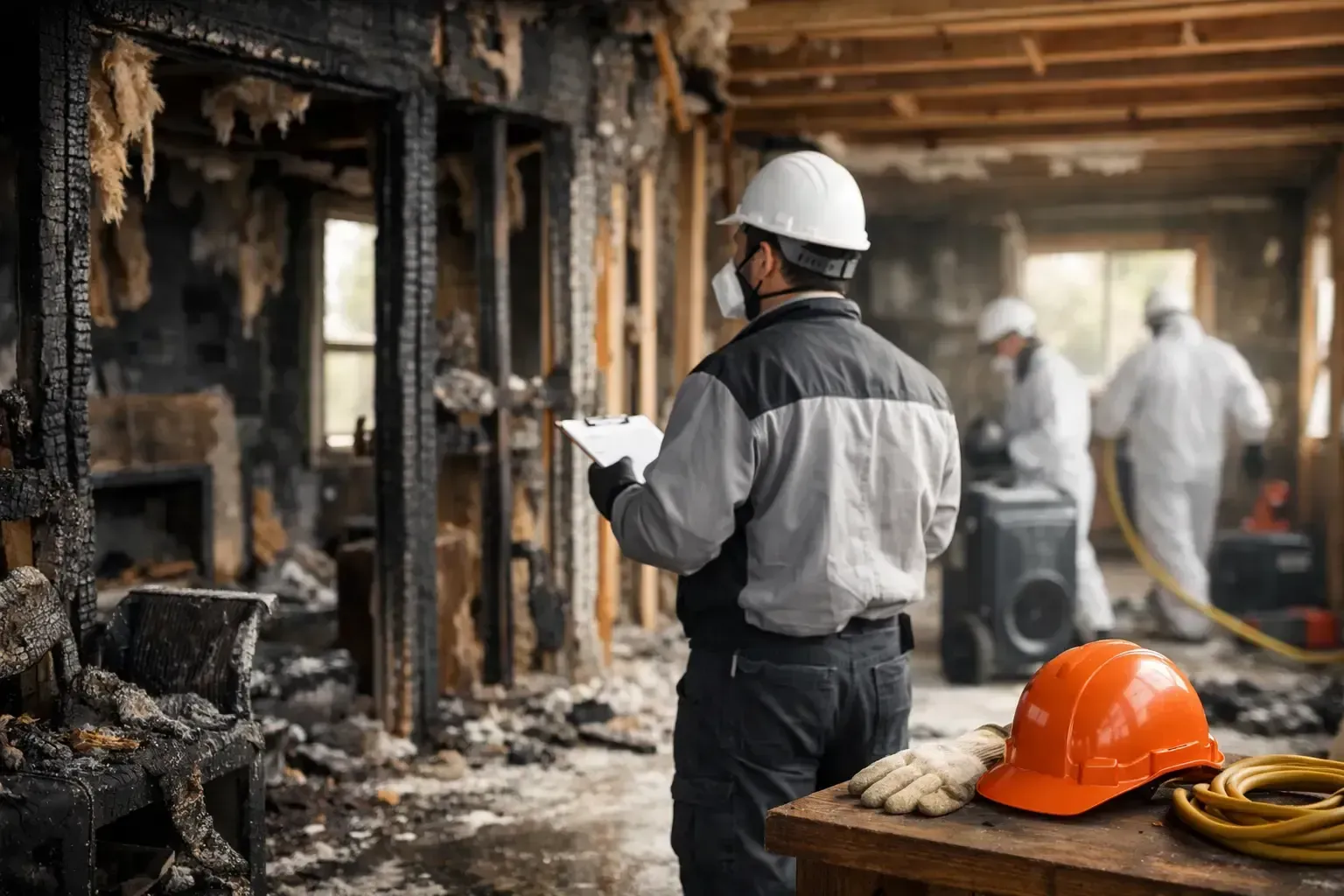
If the property recently had a leak, flood, or AC overflow, timing matters. Testing too early can miss developing growth, while waiting too long can allow contamination to spread. In many cases, the first priority after water damage is drying and stabilizing the structure quickly. Once materials remain wet beyond a day or two, the risk of mold increases significantly.
After water damage, testing usually focuses on the affected materials, adjacent rooms, and HVAC impact if the system ran during the event. Moisture mapping is essential here. Water often travels farther than the visible stain suggests, especially under flooring and inside wall cavities.
If remediation has already been performed, post-remediation verification testing may be the next step. That type of testing checks whether contamination has been properly removed and whether the area is dry and ready for rebuild. For property owners, buyers, managers, and contractors, that documentation can be just as important as the initial diagnosis.
Why Does My House Smell Damp in One Room Only?
If the smell keeps returning, if someone in the building is having health complaints, if there was prior water damage, or if you need documentation for a landlord, tenant, buyer, seller, or insurance matter, professional assessment is the smart next step.
A proper moisture and environmental investigation can help determine whether the problem is active water intrusion, elevated humidity, hidden mold, HVAC contamination, or a combination of factors. In many cases, testing is less about proving a suspicion and more about narrowing the problem to the exact materials and areas involved.
For homeowners and property managers, that can prevent unnecessary demolition. For real estate and insurance situations, it can also provide clear reporting backed by defensible methods. Hanes Environmental works with property owners who need accurate answers, not guesswork, when a building smells damp and the cause is not obvious.
A damp smell is your building telling you something has changed. The sooner you identify where the moisture is coming from, the easier it is to protect the property and the people inside it.
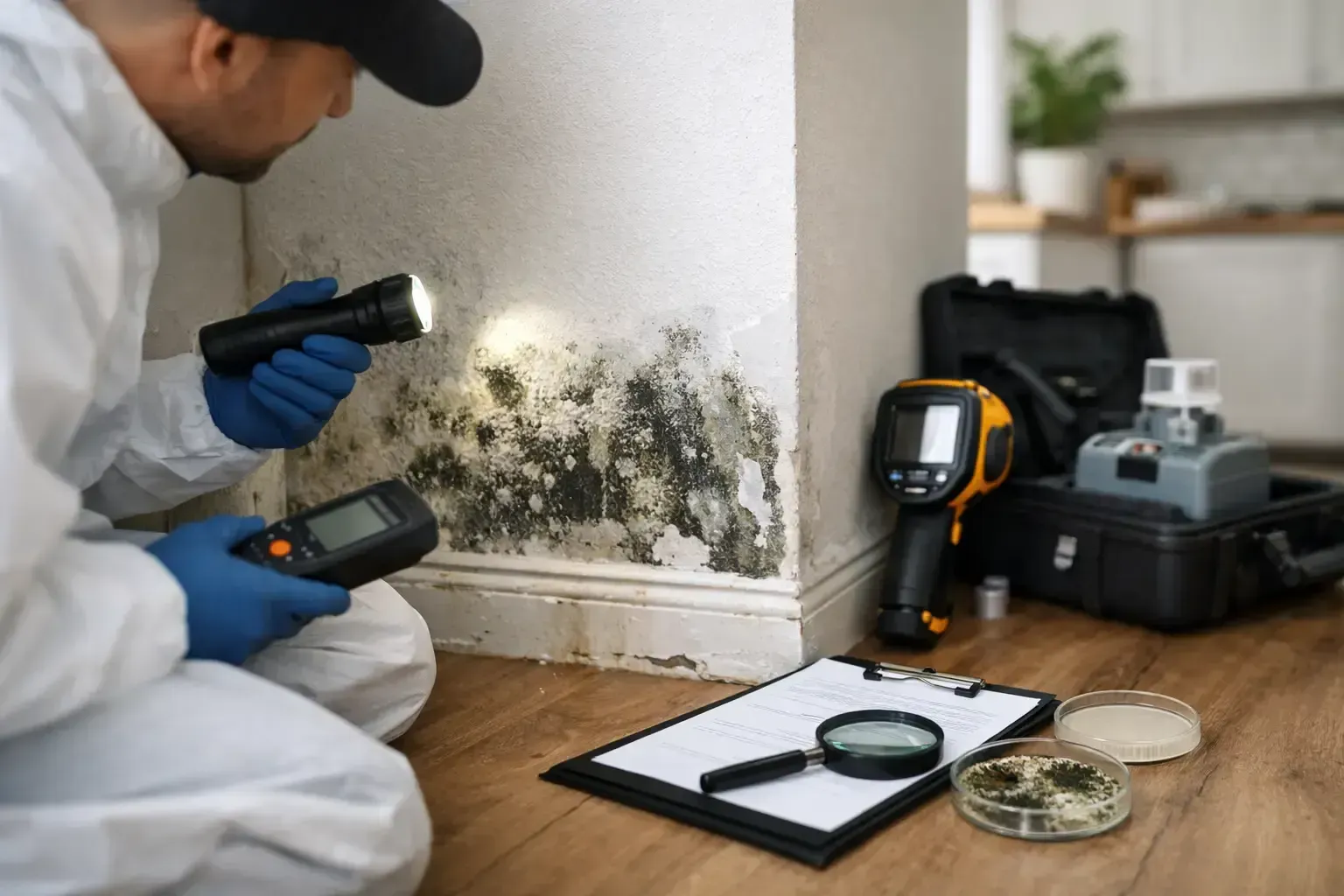
A musty smell after a leak is easy to dismiss - until stains spread, tenants complain, or a buyer asks for answers you cannot provide. A proper mold assessment gives you more than a guess. It shows where moisture is coming from, whether mold is active, how far contamination may have spread, and what evidence supports the next step.
For homeowners, landlords, real estate professionals, and business owners, that matters because mold problems are rarely just surface problems. What looks like a small patch on drywall can be tied to wet insulation, HVAC issues, plumbing leaks, roof intrusion, crawlspace humidity, or long-term condensation inside wall cavities. The assessment is the point where uncertainty gets replaced with documented findings.
What a Mold Assessment Actually Involves
A mold assessment is a professional inspection and testing process used to determine whether mold is present, what conditions are allowing it to grow, and how severe the issue may be. It is not the same as spraying a cleaner on a visible spot and assuming the job is done. It is also not just an air sample taken in the middle of a room without looking at the building itself.
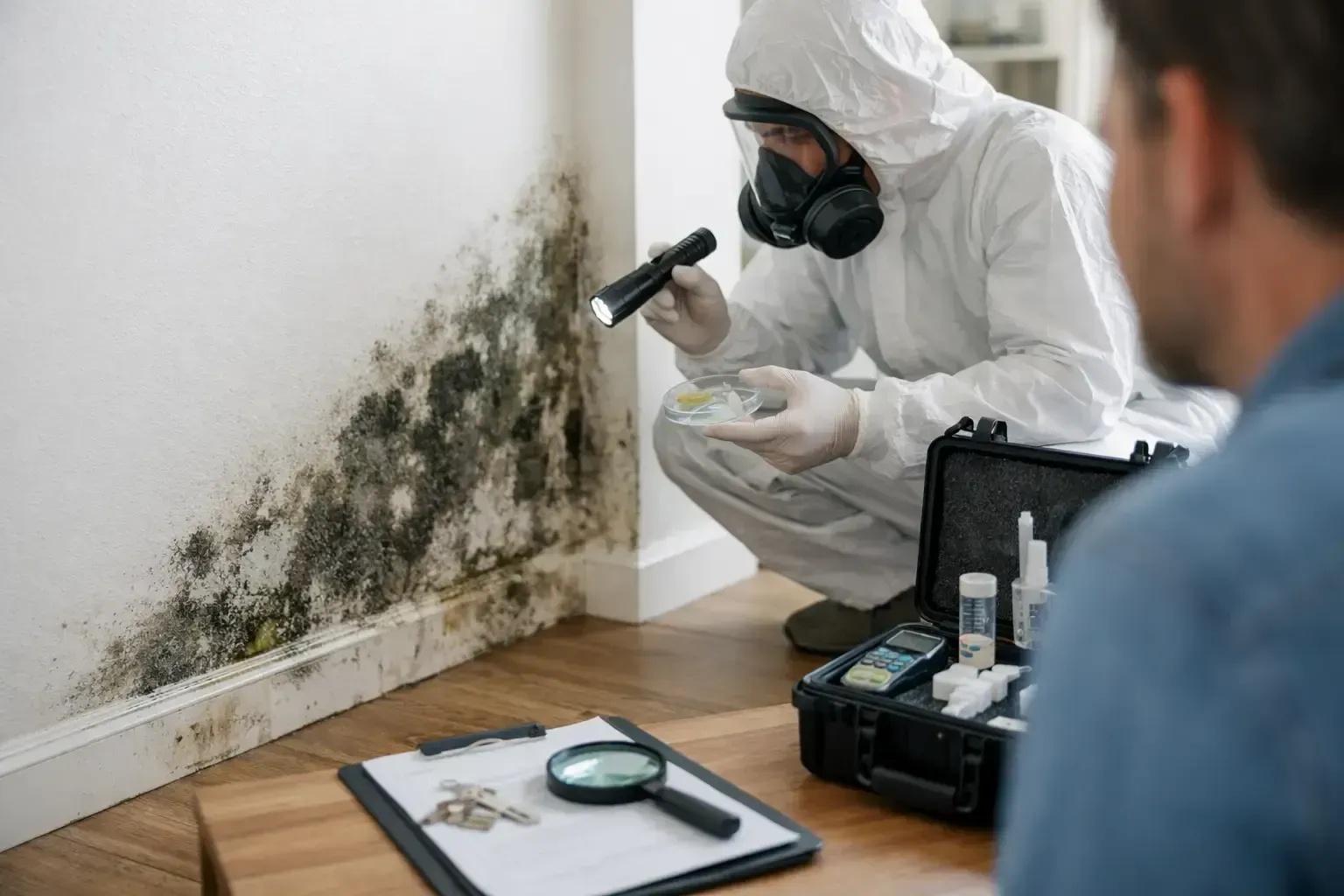
A thorough assessment starts with the structure, because mold follows moisture. The inspector looks for current and past water intrusion, humidity problems, visible fungal growth, staining, warped materials, soft drywall, damp baseboards, and conditions that support hidden contamination. In many cases, the most important evidence comes from what caused the moisture in the first place.
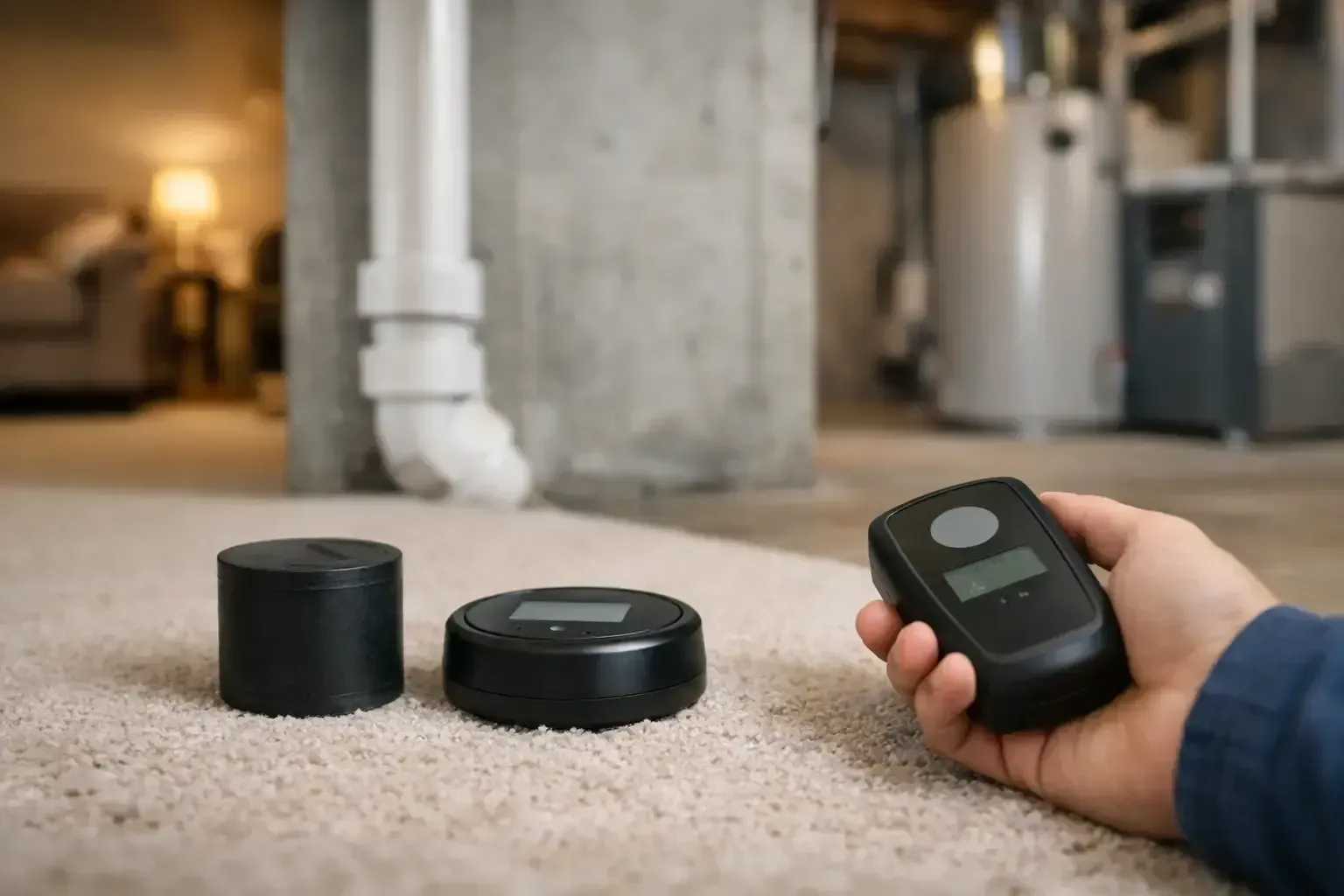
Depending on the property and the concern, the assessment may include moisture meter readings, thermal imaging, air sampling, surface sampling, and a room-by-room inspection of affected and adjacent areas. In some cases, limited contamination is obvious and sampling is not the main priority. In other situations - especially when there is a real estate transaction, insurance dispute, tenant complaint, or health concern - documented testing becomes much more important.
When a Mold Assessment is Worth Scheduling
Some property owners wait until mold is visible on walls or ceilings. That can be too late. By the time growth is visible, the moisture problem may have been active for weeks or months.
A mold assessment makes sense after roof leaks, plumbing failures, appliance overflows, storm damage, HVAC drain problems, or any event that leaves building materials wet. It is also appropriate when there is a persistent musty odor, repeated allergy-like symptoms indoors, staining that keeps returning, or concern about hidden growth behind cabinets, under flooring, or inside wall cavities.
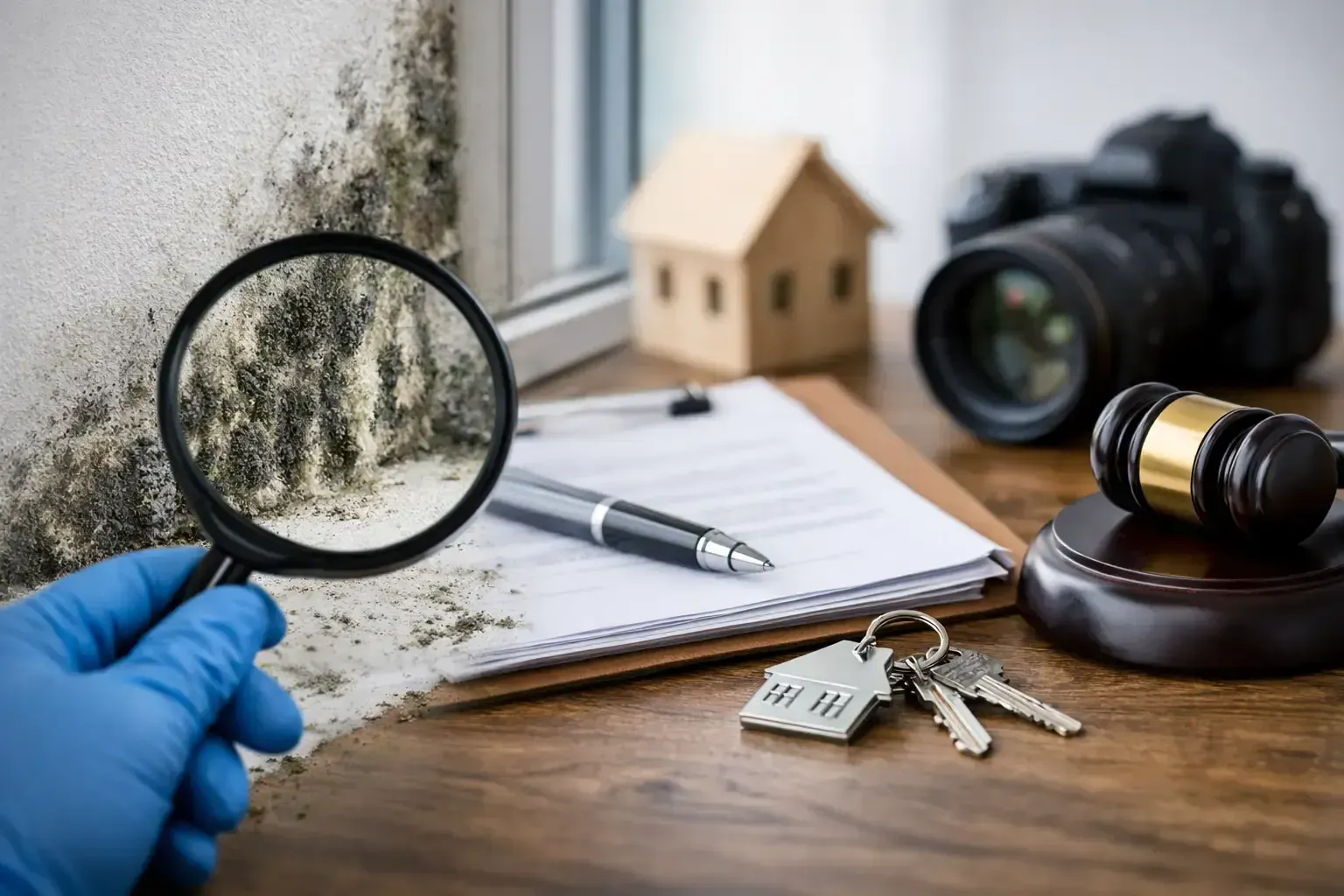
In real estate, pre-purchase concerns are common. Buyers may notice odor, discoloration, prior repairs, or a history of water damage and want objective answers before closing. Property managers and landlords often need documented findings when there is a dispute over habitability, maintenance, or the source of a moisture issue. Commercial owners may need to understand whether a complaint is isolated to one suite or tied to a larger building condition.
What Inspectors Look for During Mold Assessment
The visible mold itself is only one part of the picture. An experienced inspector is trying to answer several questions at once. Where is the water coming from? How long has it likely been happening? What materials are affected? Is the issue isolated or widespread? Does the pattern suggest active moisture or old damage?
That means looking closely at bathrooms, kitchens, laundry areas, attics, crawlspaces, around windows, near roof penetrations, under sinks, around air handlers, and in areas with a history of flooding or chronic humidity. In Florida, high humidity and storm-related moisture can make hidden growth more likely. In Kentucky, seasonal moisture changes, basement conditions, and drainage issues can create a different set of risks. The building still tells the story, but the regional moisture patterns matter.
Moisture mapping is often one of the most useful parts of the process. A wall may look dry on the outside while the framing or insulation inside still holds moisture. Thermal imaging can help identify temperature differences consistent with damp materials, but it is a screening tool, not a stand-alone answer. Readings still need to be confirmed with proper meters and inspection judgment.
Do You Always Need Mold Testing?
Not always. That is one of the most misunderstood parts of the process.
If mold is clearly visible on porous materials after known water damage, testing may not be necessary to confirm that cleanup is needed. The more urgent question may be how far the damage extends and what source needs to be corrected before remediation starts. In that situation, inspection and moisture investigation can be more valuable than collecting unnecessary samples.
Testing becomes more useful when the source is unclear, when contamination is suspected but not visible, when there is a need for third-party documentation, or when occupants want defensible information about indoor air conditions. Air samples can help compare indoor and outdoor spore levels. Surface samples can help identify the type of growth on a material. But samples should support the inspection, not replace it.
One air sample with no moisture investigation can miss the real issue. On the other hand, targeted testing combined with a detailed assessment can provide strong evidence for remediation planning, transaction decisions, or post-loss documentation.
What Happens After the Assessment
A solid mold assessment should leave you with clear findings, not more confusion. That usually includes what was observed, what was tested, where elevated moisture or suspected contamination was found, and what corrective action is recommended.
Sometimes the answer is straightforward. Fix the leak, remove affected materials, dry the area properly, and verify that conditions are back to normal. Other situations are more involved. If contamination has spread into multiple rooms, HVAC components, insulation, cabinetry, or structural cavities, the scope of work may need to be larger and more controlled.
This is where accuracy matters. Overcalling mold can lead to unnecessary expense. Undercalling it can leave contamination behind and allow the problem to return. A dependable report helps owners, buyers, contractors, and adjusters work from the same facts.
The Difference Between Assessment and Remediation
A lot of people use these terms interchangeably, but they are not the same.
The assessment identifies conditions, documents evidence, and helps define the problem. Remediation is the physical cleanup and removal process. Keeping those roles clear is especially important when documentation, liability, or verification matters. If remediation is performed, many property owners also benefit from post-remediation verification to confirm that the affected area was cleaned properly and that containment debris and elevated spore conditions are no longer present.
That matters in homes, but it matters just as much in commercial and rental settings where occupants, tenants, buyers, or insurers may need proof that the work was completed correctly.
Why Fast Action Matters With Mold
Mold does not need much time when moisture remains available. Materials such as drywall, paper backing, wood, ceiling tile, and carpet can support growth quickly under the right conditions. The longer wet conditions stay in place, the more likely it is that damage spreads beyond the original leak area.
Fast action does not mean panic. It means getting accurate information before small damage turns into larger demolition, occupancy issues, or transaction delays. That is one reason owner-operated companies with field experience are often a strong fit for these situations. You need someone who can inspect carefully, explain findings in plain language, and give you documentation you can actually use. Hanes Environmental is built around that kind of direct, practical service.
Choosing the Right Mold Assessment Approach
There is no single script for every property. A condo with an HVAC closet issue, a flooded commercial suite, an attic with roof intrusion, and a home under contract all call for different levels of inspection and testing. The best approach depends on the property history, visible conditions, occupancy concerns, and whether documentation will be used for a buyer, insurer, contractor, or legal file.
What should stay consistent is the standard of care. The inspection should be thorough. The methods should be appropriate to the problem. The report should be clear. And the findings should help you make a sound decision, whether that means moving forward with remediation, negotiating a repair, confirming a concern, or ruling one out.
If you suspect mold, trust the building conditions more than wishful thinking. A stain, odor, or past leak is often the early warning. Getting a professional assessment now is usually easier than dealing with a larger contamination problem later.
Recent Posts