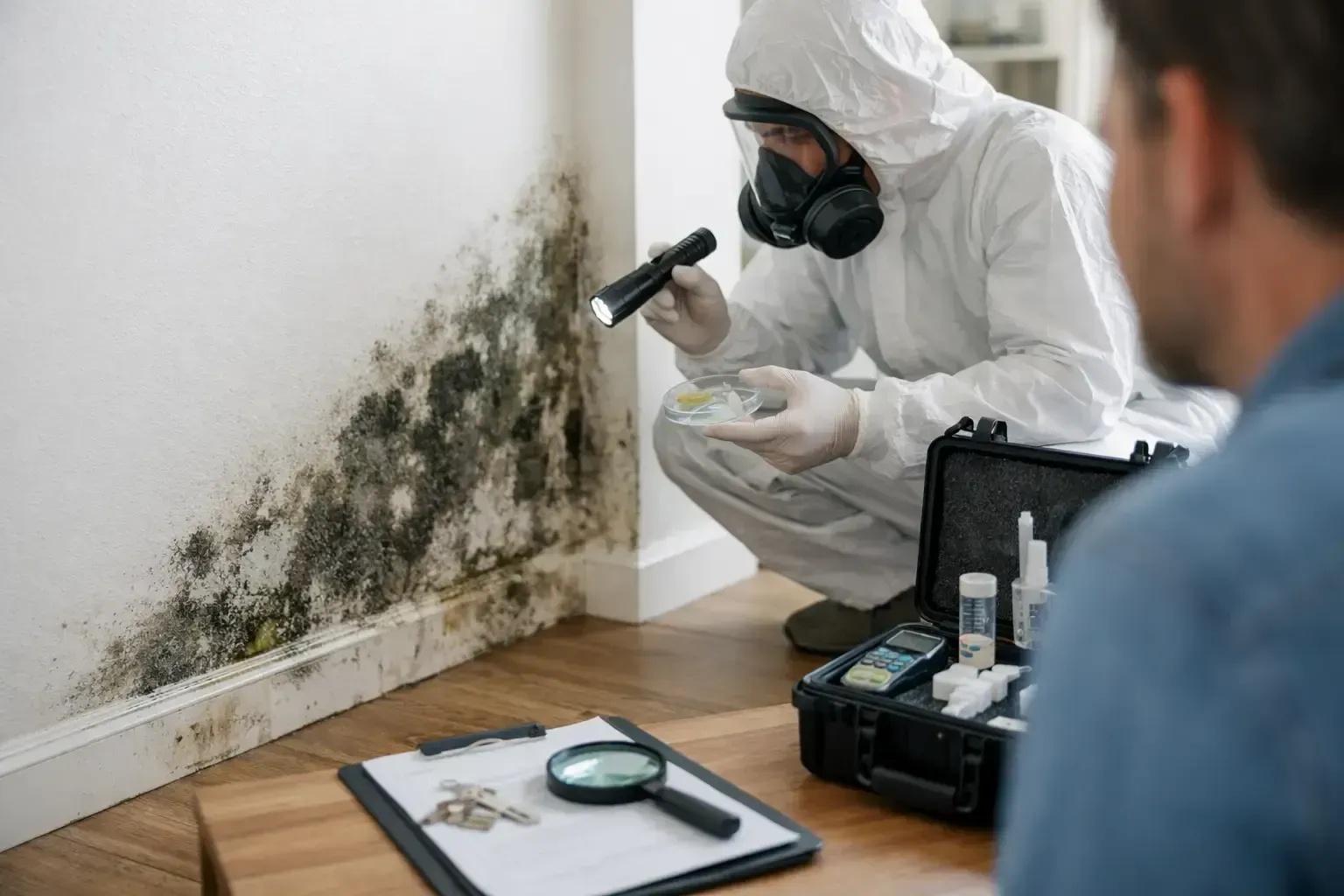
The quality of the report depends on the quality of the inspection. You want someone who understands moisture behavior, building materials, contamination categories, and the difference between visible damage and actual spread. The report should be direct, specific, and supported by field findings, not vague language.
It also helps to work with a company that can explain results in plain English. Technical accuracy matters, but so does communication. When people are dealing with damage to a home, rental, office, or investment property, they need answers they can act on.
In Florida and Kentucky, where weather, humidity, plumbing failures, and hidden moisture issues can all play a role, a thorough assessment is one of the smartest early steps you can take. Hanes Environmental provides that kind of clear, field-based reporting so property owners know what they are dealing with before the damage gets worse.
The sooner you replace assumptions with documented facts, the easier it becomes to protect the building, the people inside it, and the money it will take to set things right.
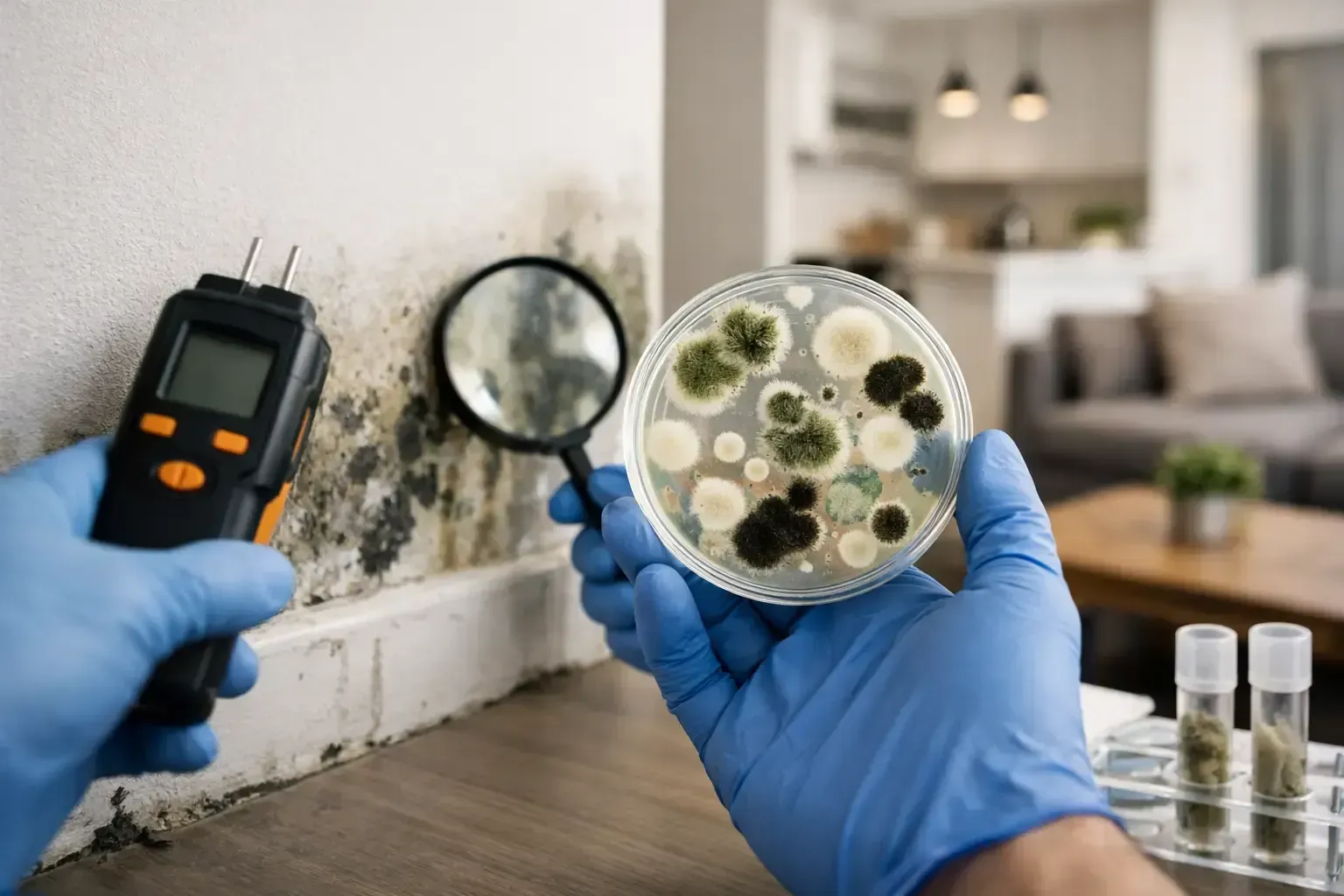
A musty odor in one room, staining near an air vent, or a recent leak that never fully dried - these are the moments when people start asking, what does mold testing show, and is there a real problem behind the smell or discoloration? The short answer is that mold testing can reveal whether mold spores are elevated, what types are present, whether hidden growth is likely, and whether moisture conditions are supporting contamination. What it does not do is solve the problem by itself. Testing is a diagnostic tool, and the value comes from knowing how to read the results in the context of the building.
What Does Mold Testing Show During an Inspection?
Mold testing shows evidence. It helps determine whether mold is present at normal background levels or whether there is an indoor amplification issue that needs attention. In practical terms, it can show if the air inside a home or building contains a higher concentration of spores than expected, if certain mold types are more dominant indoors than outdoors, and if contamination may be connected to water intrusion, high humidity, or hidden moisture inside walls, ceilings, flooring, or HVAC areas.
For property owners, that matters because visible mold is only part of the picture. A small stain on drywall may be the tip of a larger problem, or it may be old cosmetic damage with no active growth. On the other hand, a room can look clean while air samples and moisture readings point to a concealed issue. Good testing helps separate suspicion from documented findings.
The Main Things Mold Testing Can Reveal
Spore Levels in the Air
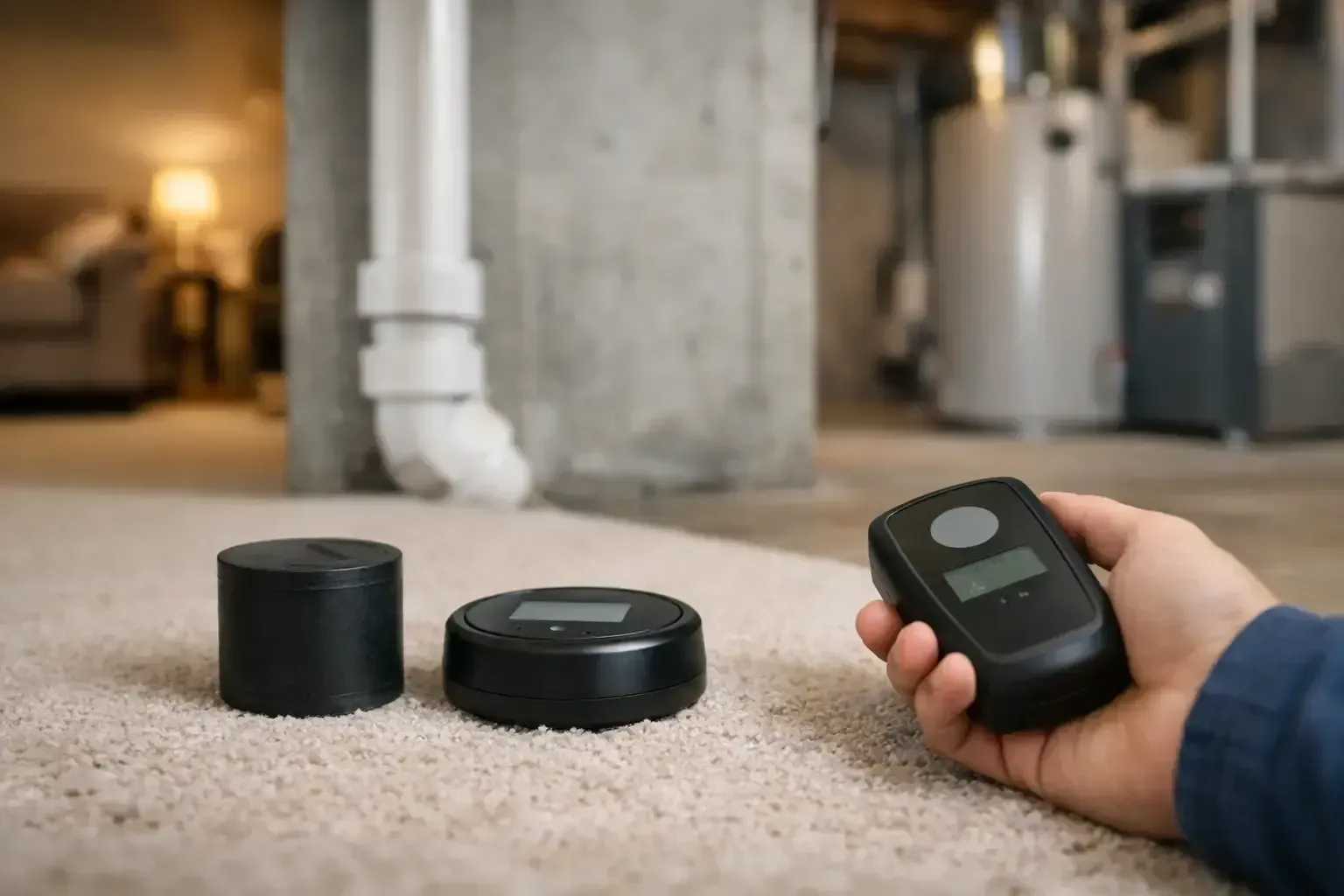
Air sampling is one of the most common methods used in a mold assessment. It measures the concentration of airborne mold spores in a specific area and compares indoor conditions to outdoor conditions or to other parts of the building. This can help show whether spores are accumulating indoors at abnormal levels.
That said, elevated spore counts are not the only thing that matters. Mold behavior changes throughout the day based on airflow, humidity, HVAC operation, and disturbance. A result is a snapshot, not a permanent condition. That is why experienced interpretation matters as much as the sample itself.
The Types of Mold Present
Lab analysis can identify the mold groups or genera found in an air or surface sample. This matters because certain molds are more closely associated with chronic moisture problems and indoor growth. If the lab finds molds that are water-damage indicators in significant indoor levels, that points toward an active or recent moisture source.
At the same time, the presence of a mold type does not automatically tell you how much growth exists behind a wall or whether the material is still wet. Identification is useful, but it is only one part of a proper assessment.
Whether Mold is Likely Active Indoors
One of the most useful things testing can show is whether mold appears to be originating inside the property rather than drifting in from outdoors. If indoor air samples contain types or quantities that do not match the outdoor environment, that is a strong sign the building itself is contributing spores.
This is especially important in Florida and other humid climates, where outdoor mold is common. Not every spore found indoors means there is a problem. The question is whether the indoor environment is amplifying mold beyond what should normally be present.
Evidence of Hidden Moisture Conditions
Mold testing is often paired with a moisture investigation, and that combination is where the answers become much stronger. Moisture meters, thermal imaging, humidity readings, and inspection findings can show why mold may be present and where the problem is originating.
For example, testing might suggest contamination in a wall cavity, but the moisture inspection can help confirm whether that wall is currently wet, previously wet, or being affected by an ongoing plumbing or roof issue. If you only test for mold without evaluating moisture, you can miss the cause.
What Mold Testing Does Not Show
This is where a lot of confusion starts. Mold testing does not always tell you the full extent of contamination inside concealed spaces. It does not tell you, by itself, whether every affected material can be cleaned or must be removed. It also does not diagnose health conditions.
People often want a simple yes-or-no answer: Is my home safe? The reality is more specific than that. Testing can show signs consistent with contamination, elevated spores, and water-damage conditions. A qualified assessor then uses those findings to explain the likely severity, source, and next steps.
It is also worth saying that a "clear" sample does not always mean there is no mold anywhere in the building. Mold may be localized, dormant, sealed inside a cavity, or simply not captured in that sample at that moment. This is why sampling strategy and inspection experience matter.
Surface Samples vs. Air Samples
Surface samples and air samples answer different questions.
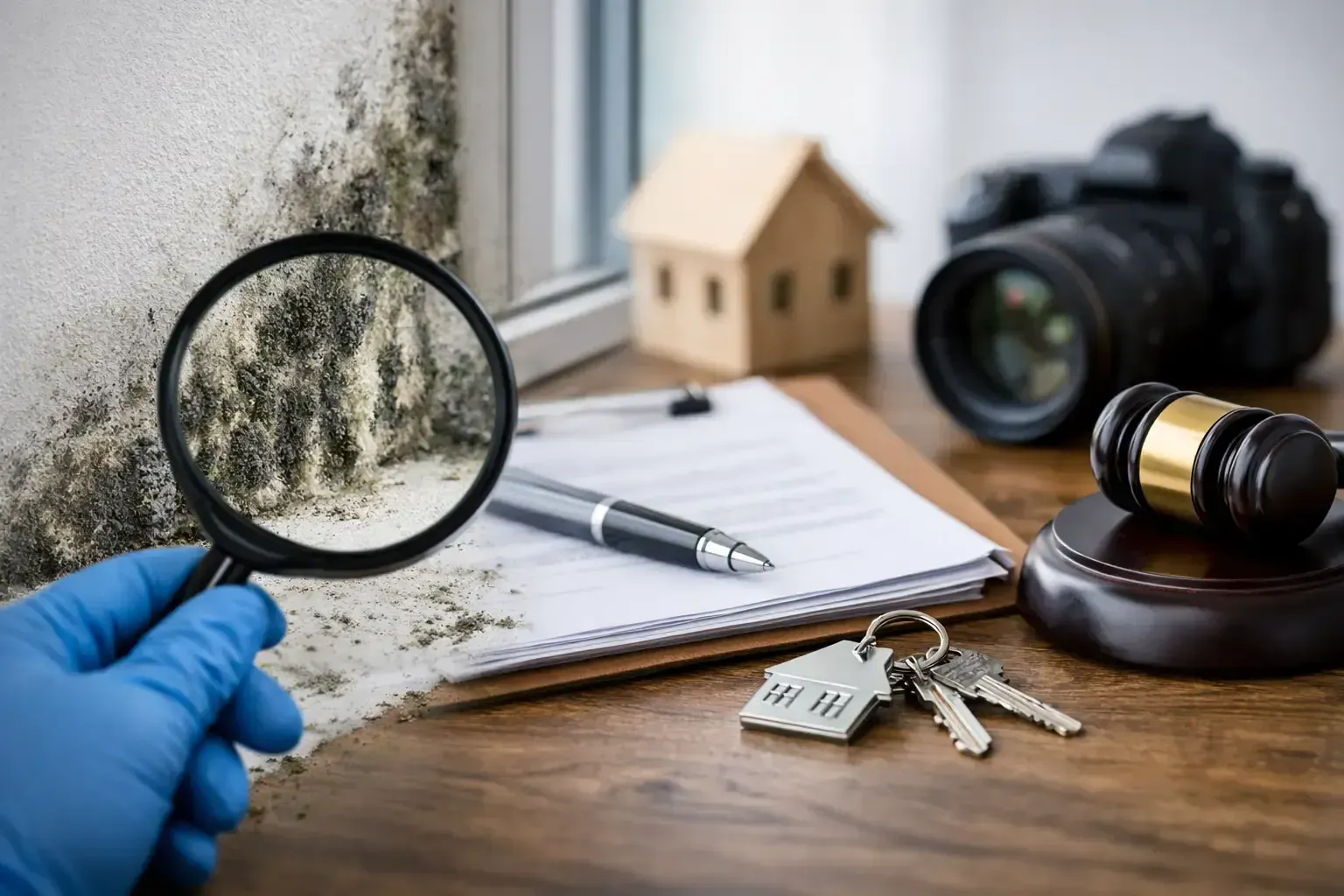
A surface sample can show whether a suspicious material actually contains mold. This is useful when there is visible discoloration and you need laboratory confirmation. It can also help document conditions for real estate transactions, tenant-landlord concerns, or insurance-related discussions.
An air sample is better for understanding what occupants may be breathing in a room or zone of the property. It is often used when there is an odor, a history of water damage, or concern about hidden growth.
Neither method is universally better. It depends on the situation. In many cases, the strongest assessment uses visual inspection, moisture mapping, and targeted sampling together.
When Mold Testing is Most Useful
Mold testing is not necessary for every small visible patch. If a tiny, isolated area is clearly caused by a known moisture event, the priority may be correcting the moisture source and removing the affected material properly. But there are many cases where testing is the smart move.
It is especially useful after leaks, flooding, recurring humidity issues, HVAC concerns, or when occupants notice odors, irritation, or repeated staining with no clear source. It is also helpful in pre-purchase inspections, tenant complaints, post-remediation verification, and situations where documentation may be needed for liability or insurance purposes.
For commercial properties and rental buildings, testing can also establish a defensible record. That matters when multiple occupants, maintenance teams, or contractors are involved and decisions need to be based on evidence rather than assumptions.
What Does Mold Testing Show After Remediation?
After cleanup, mold testing can show whether the remediation appears to have returned conditions to an acceptable range. This is often called post-remediation verification, or PRV testing. The goal is not just to check whether visible debris is gone. It is to determine whether the affected area has been properly cleaned, dried, and contained so that airborne spores are no longer elevated.
This step is important because mold problems often look resolved before they are actually resolved. A painted surface can hide staining. A dried room can still contain contaminated dust. Post-remediation testing helps confirm whether the work achieved the intended result.
For owners, buyers, property managers, and contractors, that documentation can provide clarity and reduce disputes later.
Why Interpretation Matters More Than the Lab Report Alone
A lab report without context can be misleading. Numbers on a page do not explain where the spores came from, whether the issue is active, or how urgent the problem may be. The real value comes from combining the report with inspection findings, moisture data, building history, and the pattern of damage.
For example, if one bedroom shows elevated indoor spores, but the adjacent wall also has high moisture readings and sits below a known roof leak, the findings point in a very different direction than the same air result in a dry room with open windows during heavy outdoor mold conditions.
That is why experienced, property-specific assessment matters. Accurate sampling is critical, but accurate interpretation is what turns testing into useful guidance.
The Real Answer Property Owners Need
If you are asking what does mold testing show, you are usually asking something bigger. You want to know whether there is an active problem, whether it is affecting the air, whether hidden damage is likely, and what to do next.
Done correctly, mold testing can answer those questions with much more confidence than a visual guess. It can show whether mold conditions are normal or abnormal, whether indoor contamination is likely, and whether additional investigation or remediation is justified. For homeowners, business owners, buyers, and property managers, that kind of clarity protects health concerns, supports informed decisions, and helps prevent a moisture issue from becoming a much larger restoration problem.
When something in a building does not seem right, waiting rarely makes the answers better. Clear testing and thorough assessment give you a starting point you can trust.
Recent Posts