Common Mistakes When Documenting Sewage Contamination
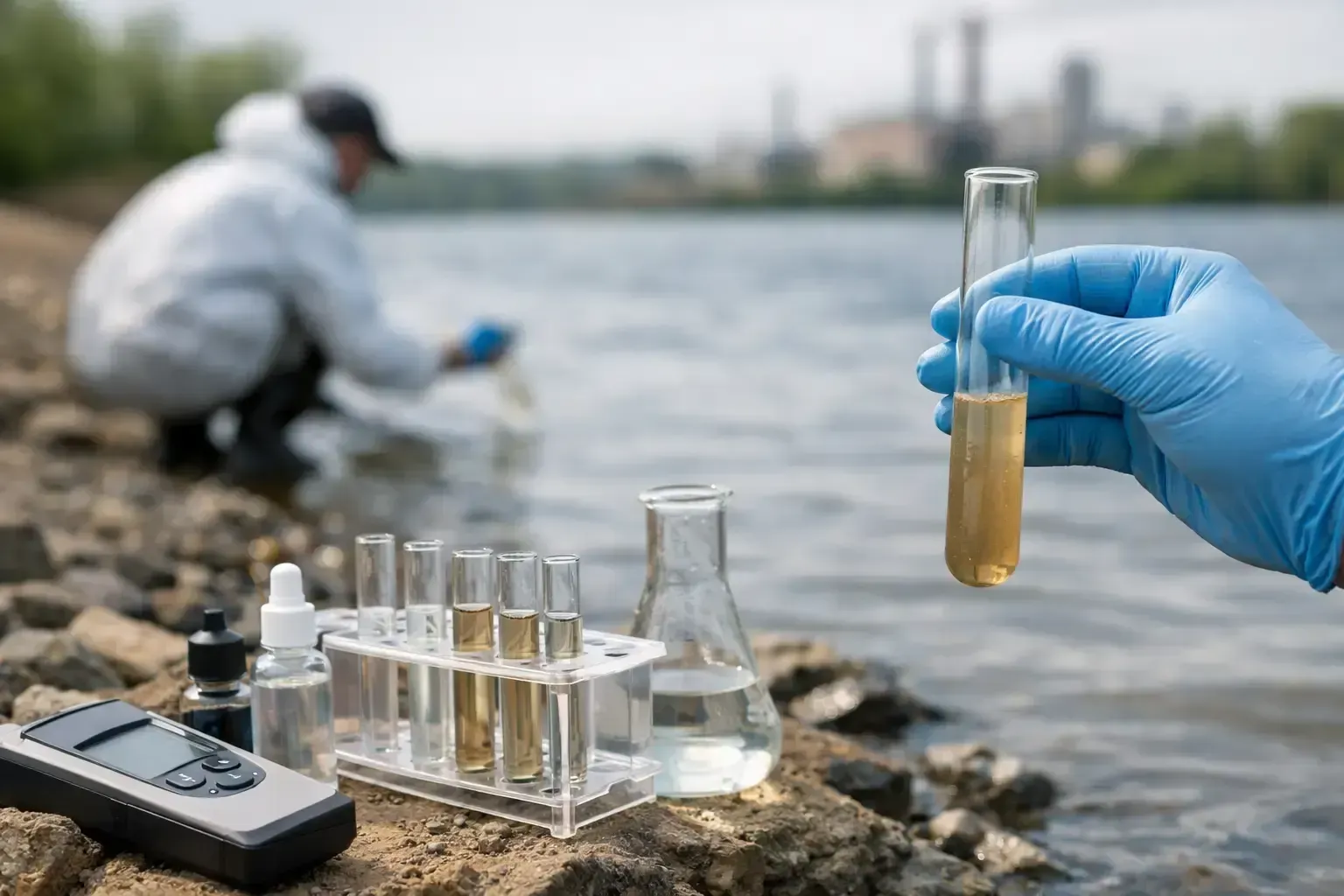
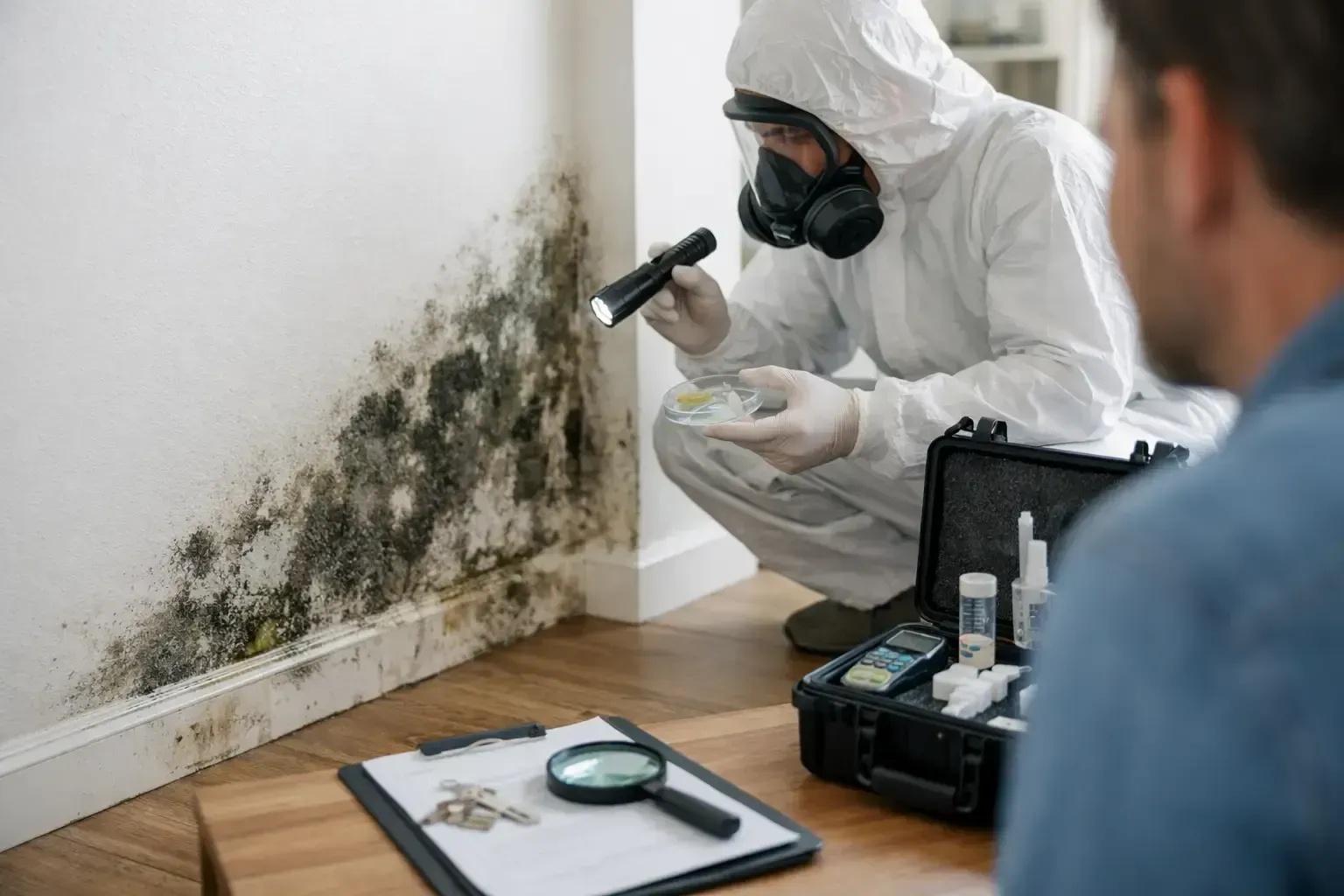
The quality of the report depends on the quality of the inspection. You want someone who understands moisture behavior, building materials, contamination categories, and the difference between visible damage and actual spread. The report should be direct, specific, and supported by field findings, not vague language.
It also helps to work with a company that can explain results in plain English. Technical accuracy matters, but so does communication. When people are dealing with damage to a home, rental, office, or investment property, they need answers they can act on.
In Florida and Kentucky, where weather, humidity, plumbing failures, and hidden moisture issues can all play a role, a thorough assessment is one of the smartest early steps you can take. Hanes Environmental provides that kind of clear, field-based reporting so property owners know what they are dealing with before the damage gets worse.
The sooner you replace assumptions with documented facts, the easier it becomes to protect the building, the people inside it, and the money it will take to set things right.
Why Interpretation Matters More Than the Lab Report Alone
If the property recently had a leak, flood, or AC overflow, timing matters. Testing too early can miss developing growth, while waiting too long can allow contamination to spread. In many cases, the first priority after water damage is drying and stabilizing the structure quickly. Once materials remain wet beyond a day or two, the risk of mold increases significantly.
After water damage, testing usually focuses on the affected materials, adjacent rooms, and HVAC impact if the system ran during the event. Moisture mapping is essential here. Water often travels farther than the visible stain suggests, especially under flooring and inside wall cavities.
If remediation has already been performed, post-remediation verification testing may be the next step. That type of testing checks whether contamination has been properly removed and whether the area is dry and ready for rebuild. For property owners, buyers, managers, and contractors, that documentation can be just as important as the initial diagnosis.
Use the checklist as a screening tool, not a final diagnosis. Walk the property slowly. Start where water is most likely, then expand outward to adjacent rooms and connected systems such as HVAC and crawl spaces. Document what you see, what you smell, and what history you know.
If your inspection reveals isolated humidity staining, you may only need better ventilation and moisture control. If it reveals recurring leaks, soft materials, spreading discoloration, or widespread odor, the safer move is a professional mold assessment with testing where appropriate.
When indoor conditions feel off, delay usually makes the situation more expensive. A careful inspection done early can protect your health, your property, and your documentation if the issue turns into a real estate, insurance, or tenant matter.
The best closing thought is simple: trust what the building is telling you. If you see moisture, smell mustiness, or notice damage that does not make sense, act on it before a small problem becomes hidden contamination.
Room-by-room Inspection Points
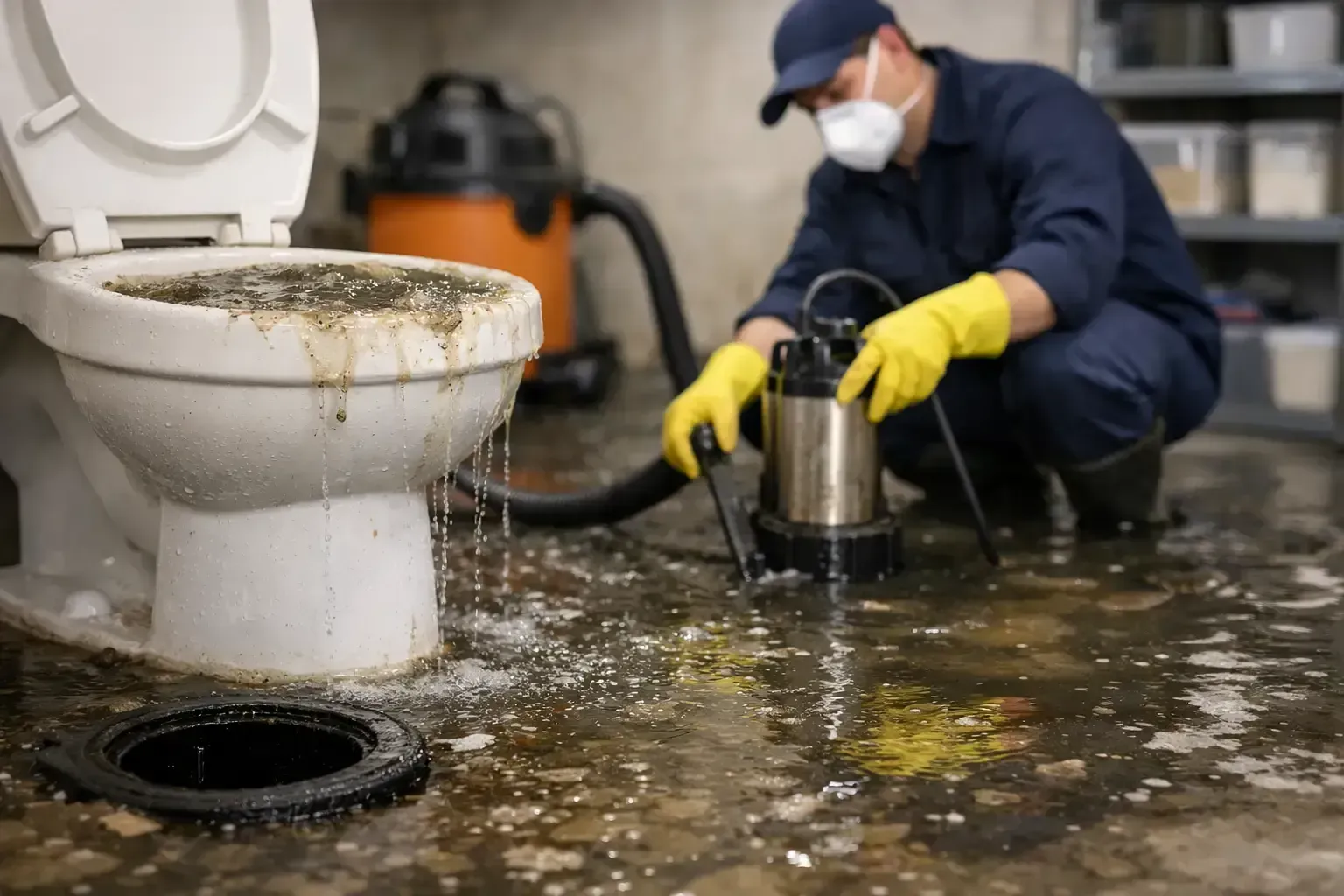
A sewage backup is not ordinary water damage. Wastewater can carry bacteria, viruses, parasites, and other contaminants into flooring, walls, belongings, and HVAC-adjacent areas. Knowing how to respond after sewage backup can protect the people in the building, limit the spread of contamination, and create the documentation needed for restoration and insurance decisions.
The first priority is simple: keep people away from the affected area. Do not try to save a rug, move furniture, or start cleaning until the source has been stopped and the contamination risk has been assessed.
Treat Sewage Backup as a Health Hazard
Sewage entering a home, rental property, office, or commercial building is generally treated as Category 3 water, often called black water. This category may include waste from toilets, sewer lines, septic systems, or floodwater mixed with sewage. Even a small backup can contaminate porous materials and leave residues that are not visible after the water recedes.
Children, older adults, pregnant people, pets, and anyone with a weakened immune system should remain completely out of the affected area. If sewage has reached a kitchen, occupied bedroom, daycare space, medical office, or food-service area, take the situation especially seriously. Restrict access until qualified restoration and environmental professionals can determine what was affected and what can be safely retained.
If anyone had direct contact with sewage, wash exposed skin thoroughly with soap and clean water. Remove contaminated clothing carefully and wash it separately. Seek medical guidance if a person develops symptoms such as vomiting, diarrhea, fever, skin irritation, or an infected cut after exposure.
How to Respond After a Sewage Backup: First Steps
Start by stopping additional wastewater from entering the building. If the backup is coming from a toilet, avoid flushing it again. If it appears related to a blocked drain line, stop using sinks, showers, dishwashers, and washing machines until a licensed plumber identifies and corrects the problem. Continued water use can force more sewage into the structure.
Turn off electrical power to the affected area only if it can be done without entering standing water or touching wet electrical equipment. Do not step into water near outlets, extension cords, appliances, or electrical panels. Call an electrician or emergency professional when there is any doubt.
Then close doors to isolate the area, if doing so does not require walking through contamination. Keep pets out. Do not run central HVAC if sewage has reached return vents, floor registers, or areas near air-handling equipment. Air movement can spread moisture, odors, and contaminated particles beyond the original loss area.
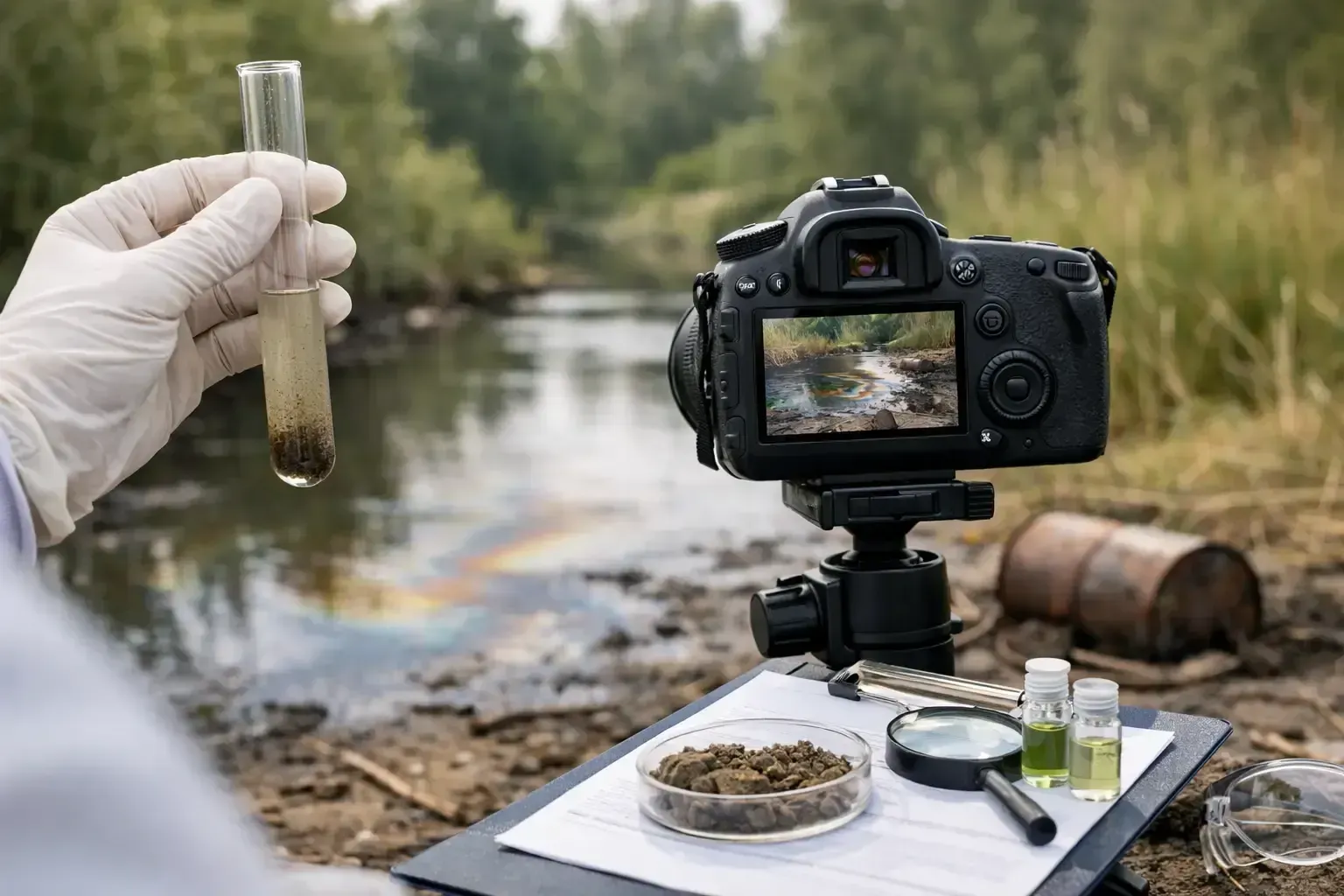
Take clear photos and video from a safe location before items are moved or cleanup begins. Capture the source of the backup, water lines on walls, impacted rooms, damaged contents, and any visible staining. Record the date, time, and when the issue was first discovered. This evidence can be valuable for insurance claims, property management records, tenant-landlord discussions, and restoration planning.
Do Not Make Contamination Worse
A fast response matters, but the wrong response can increase the damage. Household fans, shop vacuums, carpet cleaners, and standard wet vacs are not appropriate for sewage-contaminated materials. They can spread contamination or leave hidden moisture behind.
Avoid using bleach as a catch-all solution. Bleach does not replace removal of contaminated porous materials, and it can create irritating fumes when mixed with other cleaning products. Never mix bleach with ammonia, acids, drain cleaners, or unknown chemicals. The focus should be on source control, safe removal, detailed cleaning, and proper drying - not masking odor or discoloration.
Do not attempt to dry and keep materials that absorb sewage, particularly when contamination is extensive. Carpeting and padding, upholstered furniture, mattresses, cardboard, books, paper products, insulation, and many fabric items may need disposal. Drywall, baseboards, cabinetry, and wood flooring may also require removal depending on how far the sewage traveled, how long it remained, and whether the materials can be thoroughly cleaned and dried.
Hard, nonporous surfaces such as tile, metal, glass, and some sealed plastic or finished wood surfaces may be salvageable after professional cleaning and disinfection. It depends on the material condition, the duration of exposure, and whether contamination has entered joints, cracks, backing materials, or wall cavities.
Contact the Right Professionals Early
A plumber addresses the cause of the sewage backup. A qualified water damage restoration provider addresses the water extraction, removal of contaminated materials, cleaning, drying, and rebuilding scope. In many cases, an environmental assessment is also appropriate to document contamination conditions, evaluate hidden moisture, and support decisions about cleaning versus removal.
This distinction matters. Clearing a drain does not mean the property is clean. Likewise, drying visible surfaces does not prove that sewage-contaminated materials behind walls, beneath flooring, or inside cabinetry have been addressed.
For a substantial loss, a professional team should use appropriate personal protective equipment, containment procedures, controlled demolition methods, specialized extraction equipment, and moisture-detection tools. The affected building materials should be evaluated beyond what is visible. Sewage may wick into drywall, travel under floating floors, enter insulation, or remain beneath cabinets after the standing water disappears.
Hanes Environmental can provide sewage and bacteria contamination investigations, water damage assessments, and clear reporting for property owners, managers, insurance professionals, and restoration teams throughout Florida and in Lexington and Louisville, Kentucky. Independent assessment and documented findings can be particularly helpful when the extent of contamination is disputed or when a property needs defensible records for a claim.
Protect Your Insurance Claim and Property Records
Notify your insurance carrier promptly, but do not wait for an adjuster before taking reasonable steps to prevent further damage. Emergency extraction, source correction, and measures to limit contamination spread are often necessary. Keep receipts for emergency plumbing, temporary lodging, cleanup, protective supplies, and damaged property replacement when applicable.
Create a room-by-room inventory of affected belongings. Include the item description, approximate age, purchase price if known, and visible condition. Photograph labels, serial numbers, and model numbers for appliances or electronics. Do not discard contaminated contents until they have been documented, unless they present an immediate health hazard or your insurer directs otherwise.
For landlords and property managers, document all tenant notifications, access restrictions, contractor arrival times, and remediation decisions. For businesses, keep records of closures, affected inventory, employee exposure concerns, and any areas removed from service. Thorough records reduce confusion later and show that the property was handled responsibly.
Verify That the Area Is Dry, Clean, and Safe to Reoccupy
Restoration should not end when the odor fades or the floor looks dry. Moisture trapped behind building materials can support mold growth, while incomplete cleaning can leave contamination concerns unresolved. A proper response includes confirming that affected materials were addressed, the structure was dried to acceptable conditions, and the work area was cleaned before reconstruction begins.
The level of verification depends on the loss. A minor, contained toilet overflow on a nonporous floor may require less investigation than sewage that entered multiple rooms, soaked carpeting, reached wall cavities, or affected a commercial property. When occupants have health concerns, when contamination involved extensive demolition, or when there is a dispute over the quality of cleanup, post-remediation verification testing can provide a clearer answer.
Be cautious about returning furniture, area rugs, or stored belongings too soon. If an item was moved out before the area was cleaned, it may still carry contamination on its underside, wheels, fabric, or packaging. Clean and inspect items before bringing them back into the restored space.
A sewage backup can feel overwhelming because the damage is immediate and the risks are often hidden. Focus first on keeping people out, stopping the source, documenting conditions, and bringing in qualified help. A careful response protects more than finishes and furnishings - it protects the health, value, and future use of the property.
Recent Posts