Common Mistakes When Documenting Sewage Contamination
The quality of the report depends on the quality of the inspection. You want someone who understands moisture behavior, building materials, contamination categories, and the difference between visible damage and actual spread. The report should be direct, specific, and supported by field findings, not vague language.
It also helps to work with a company that can explain results in plain English. Technical accuracy matters, but so does communication. When people are dealing with damage to a home, rental, office, or investment property, they need answers they can act on.
In Florida and Kentucky, where weather, humidity, plumbing failures, and hidden moisture issues can all play a role, a thorough assessment is one of the smartest early steps you can take. Hanes Environmental provides that kind of clear, field-based reporting so property owners know what they are dealing with before the damage gets worse.
The sooner you replace assumptions with documented facts, the easier it becomes to protect the building, the people inside it, and the money it will take to set things right.
Why Interpretation Matters More Than the Lab Report Alone
If the property recently had a leak, flood, or AC overflow, timing matters. Testing too early can miss developing growth, while waiting too long can allow contamination to spread. In many cases, the first priority after water damage is drying and stabilizing the structure quickly. Once materials remain wet beyond a day or two, the risk of mold increases significantly.
After water damage, testing usually focuses on the affected materials, adjacent rooms, and HVAC impact if the system ran during the event. Moisture mapping is essential here. Water often travels farther than the visible stain suggests, especially under flooring and inside wall cavities.
If remediation has already been performed, post-remediation verification testing may be the next step. That type of testing checks whether contamination has been properly removed and whether the area is dry and ready for rebuild. For property owners, buyers, managers, and contractors, that documentation can be just as important as the initial diagnosis.
Use the checklist as a screening tool, not a final diagnosis. Walk the property slowly. Start where water is most likely, then expand outward to adjacent rooms and connected systems such as HVAC and crawl spaces. Document what you see, what you smell, and what history you know.
If your inspection reveals isolated humidity staining, you may only need better ventilation and moisture control. If it reveals recurring leaks, soft materials, spreading discoloration, or widespread odor, the safer move is a professional mold assessment with testing where appropriate.
When indoor conditions feel off, delay usually makes the situation more expensive. A careful inspection done early can protect your health, your property, and your documentation if the issue turns into a real estate, insurance, or tenant matter.
The best closing thought is simple: trust what the building is telling you. If you see moisture, smell mustiness, or notice damage that does not make sense, act on it before a small problem becomes hidden contamination.
Room-by-room Inspection Points
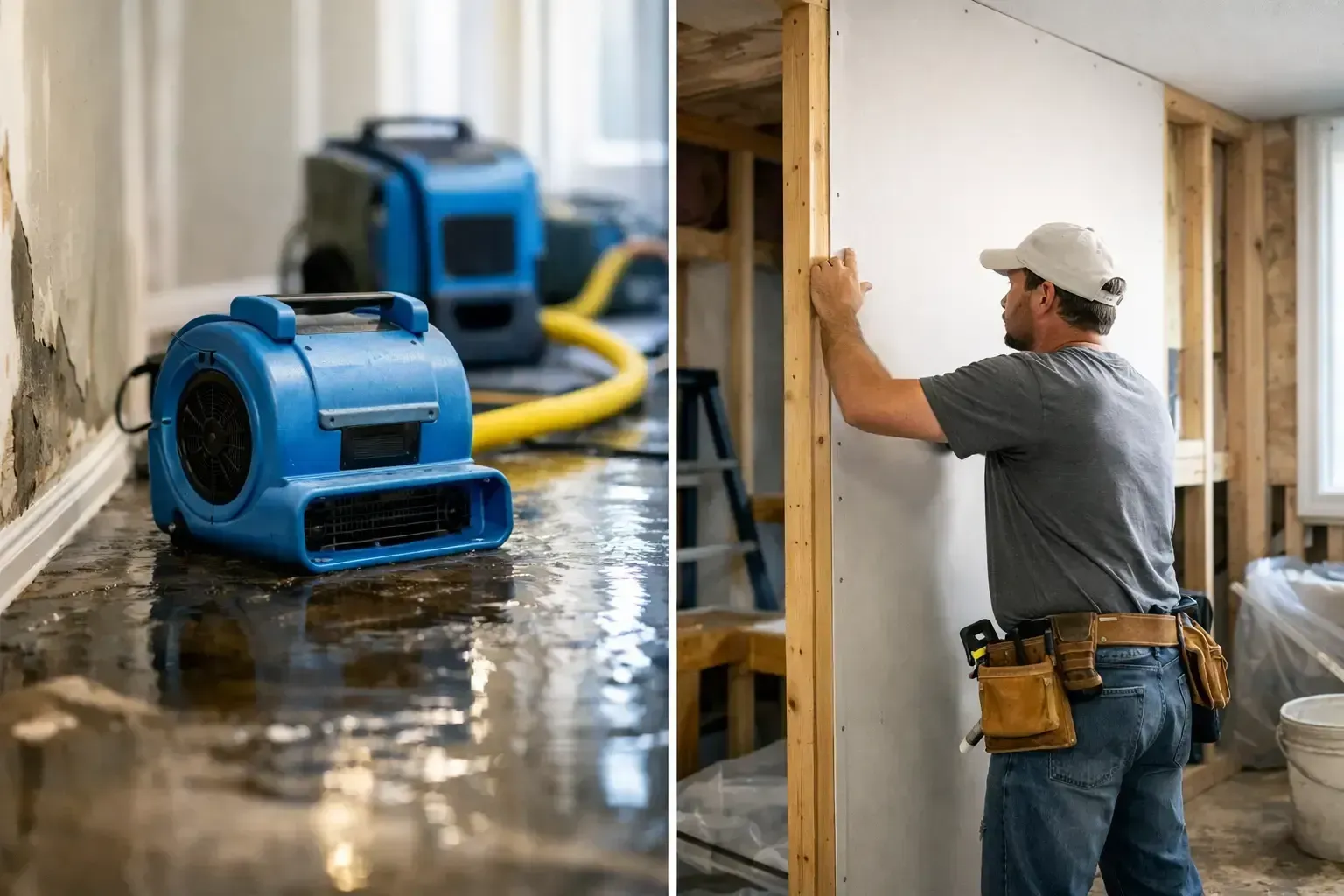
A burst supply line can soak drywall, flooring, insulation, and belongings in minutes. The immediate question is usually, “Who can get this dry?” But understanding water mitigation versus restoration services helps property owners make better decisions in the first hours and avoid treating a contamination or hidden-moisture problem as a simple cleanup.
Water mitigation and restoration are connected, but they are not the same job. Mitigation is the emergency work that stops additional damage. Restoration is the repair and rebuilding work that returns affected materials and spaces to a usable condition. In some losses, both are necessary. In others, the correct next step depends on the source of water, how long materials stayed wet, and whether contaminants are present.
Water Mitigation Versus Restoration Services: The Core Difference
Water mitigation begins with control. Its purpose is to stop the water source, remove standing water, stabilize the affected area, and dry materials before moisture causes more damage. The goal is not to make the property look finished that day. The goal is to prevent a small water event from becoming structural deterioration, microbial growth, odor, or a larger insurance claim.
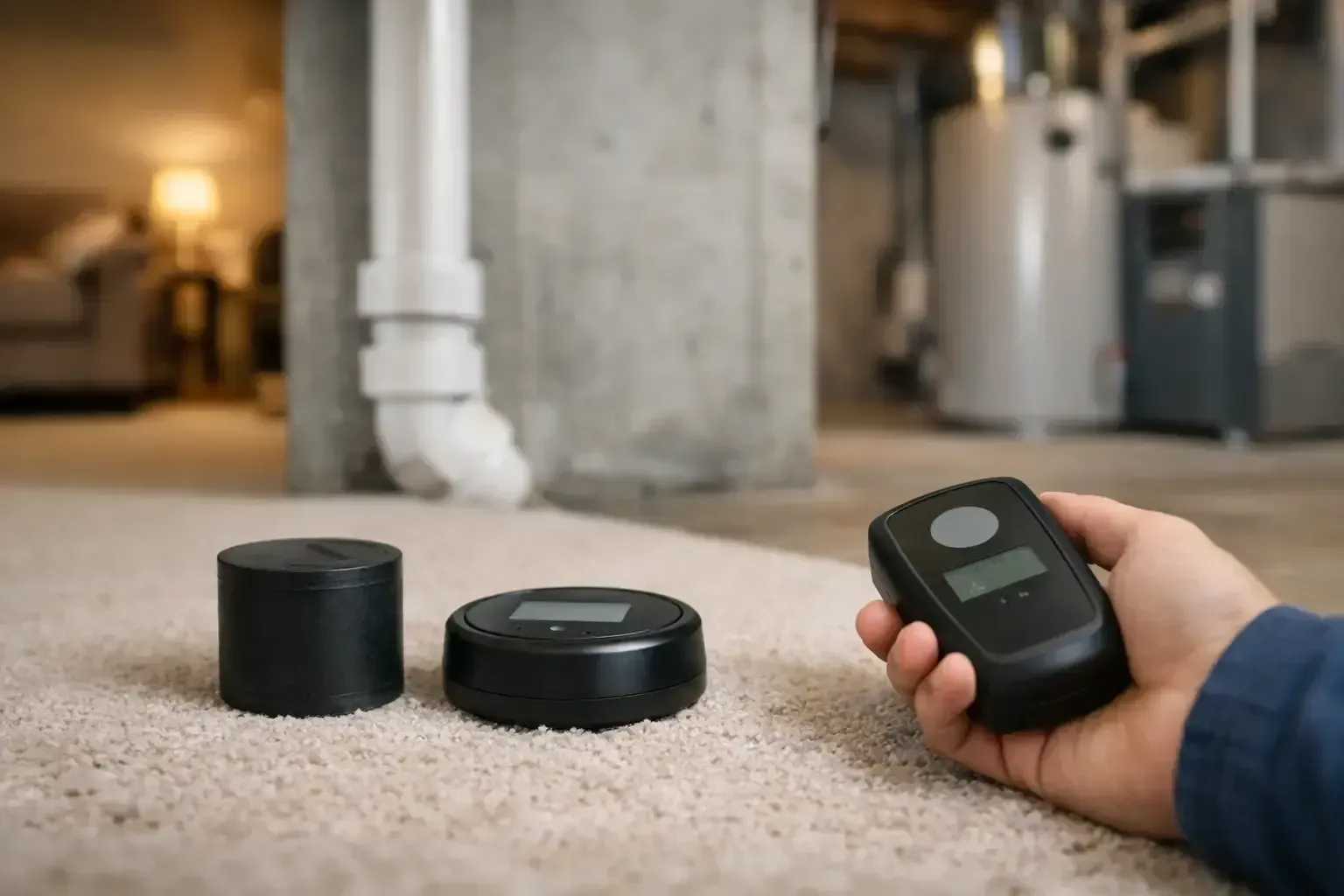
A mitigation response may include extracting water from floors and carpets, removing wet padding, setting drying equipment, opening affected wall or ceiling areas when necessary, and measuring moisture in building materials. Technicians should document what was affected and track drying conditions rather than relying on a surface that merely feels dry.
Restoration comes after the property has been stabilized and properly dried. This phase may involve replacing drywall, insulation, baseboards, flooring, cabinets, trim, paint, or other materials removed or damaged during the loss. Restoration may also address cosmetic and functional repairs after a roof leak, appliance failure, plumbing backup, or flood.
The order matters. Rebuilding before moisture is controlled can trap water inside walls or beneath new finishes. That creates a hidden condition that may not appear until staining, odor, warped materials, or mold growth develops later.
What Water Mitigation Should Address First
A proper mitigation response starts by identifying the source and category of water. Clean water from a broken supply line is not handled the same way as water from a toilet overflow, sewage backup, storm intrusion, or floodwater. Water that contains sewage, bacteria, chemicals, or outdoor contaminants requires more than drying equipment. It may require containment, removal of impacted porous materials, cleaning, disinfection, and environmental testing.
Time is also critical. Wet drywall can lose integrity quickly. Carpet padding holds moisture against subfloors. Insulation can retain water inside a wall cavity long after the visible floor is dry. Florida’s heat and humidity can make drying more difficult, while Kentucky properties may face water losses caused by frozen pipes, roof leaks, or seasonal storms. In either climate, moisture needs to be measured, not guessed.
Effective mitigation commonly includes these four priorities:
- Stopping or controlling the active water source
- Extracting standing water and removing materials that cannot be safely dried
- Measuring moisture in floors, walls, ceilings, cabinets, and concealed cavities
- Setting and monitoring appropriate drying and dehumidification equipment
Not every wet material must be removed. A hard surface floor or structural component may be dryable if the water is clean, the material is in sound condition, and drying begins quickly. On the other hand, porous materials exposed to sewage or prolonged moisture may need removal even if they appear intact. The right decision depends on contamination, material type, moisture readings, and the duration of exposure.
What Restoration Services Cover
Once the affected area reaches an acceptable drying condition, restoration work can begin. This is the stage most property owners picture when they think of repair: replacing damaged materials, restoring finishes, and returning rooms to normal use.
For a minor appliance leak, restoration may be limited to replacing a small section of baseboard and repainting. For a larger loss, it can involve rebuilding lower wall sections, installing new flooring, replacing cabinetry, repairing ceilings, and correcting damage to insulation or structural components. Commercial properties may also need repairs coordinated around tenant access, business operations, equipment, inventory, and safety requirements.
Restoration should follow a clear scope supported by the initial damage assessment. If hidden moisture was found behind cabinets or inside walls, those areas need to be addressed before finishes are reinstalled. If the water source involved sewage, a restoration plan should account for cleaning and contamination control, not simply material replacement.
A visually repaired space is not always a properly resolved space. That distinction is especially important when a property has a history of recurring leaks, musty odors, tenant complaints, or suspected mold.
When Testing and Assessment Are Necessary
Not all water damage requires laboratory-supported testing. A clean, quickly corrected supply-line leak that was thoroughly dried may not need extensive environmental investigation. However, testing and assessment become valuable when conditions are uncertain, contamination is possible, or documentation is needed for a claim, transaction, dispute, or health-related concern.
Consider an assessment when water has been present for more than a short period, materials were wet behind walls or beneath flooring, mold-like growth or odor is present, occupants report respiratory irritation, or sewage may have entered the property. Testing may also be appropriate after a restoration project when an owner, property manager, buyer, or insurer needs defensible documentation of conditions.
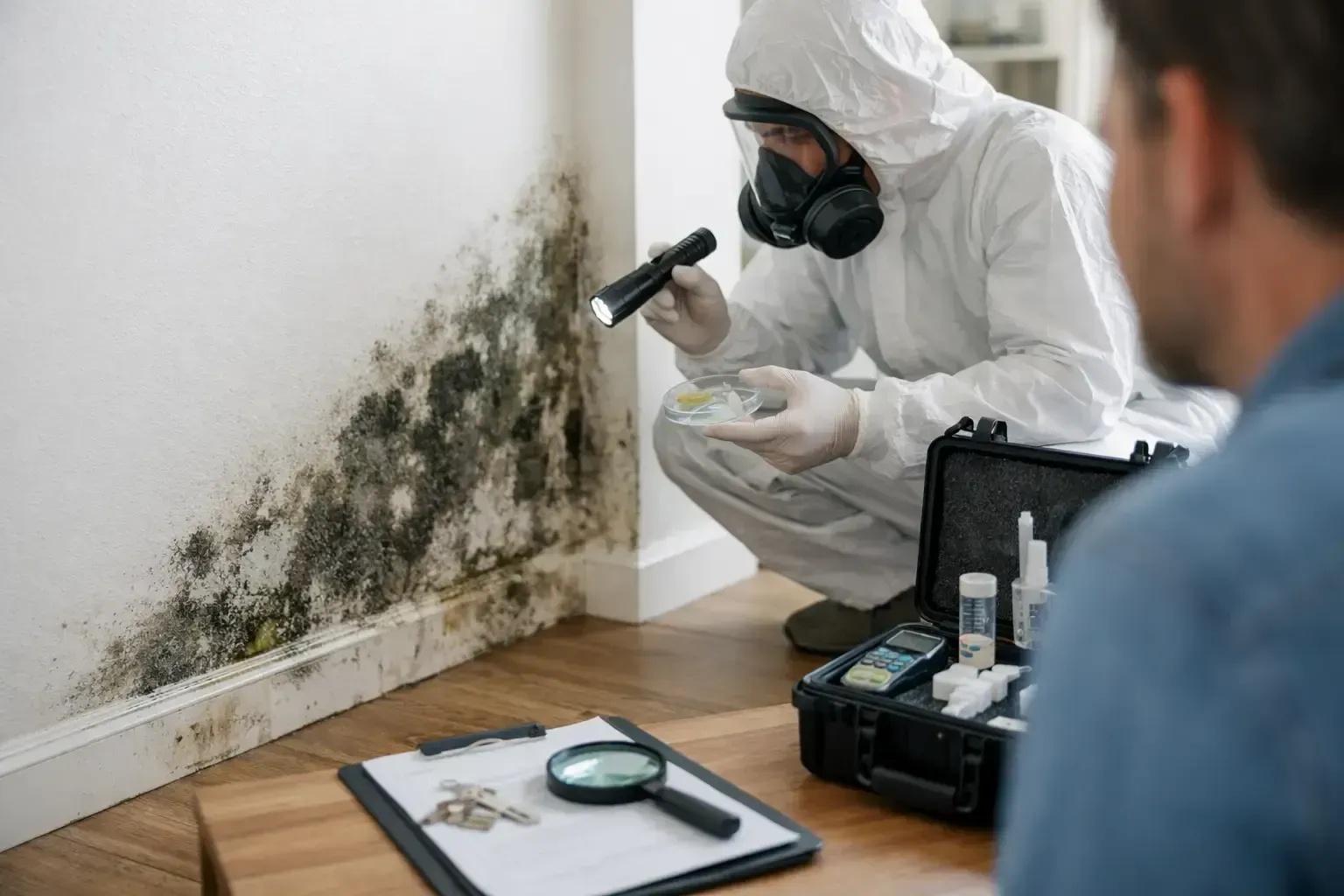
For suspected mold, an assessment should identify moisture sources, visible conditions, affected materials, and areas that may require further investigation. Air or surface sampling may be useful in the right circumstances, but samples alone do not replace a complete inspection. The building conditions and moisture evidence matter.
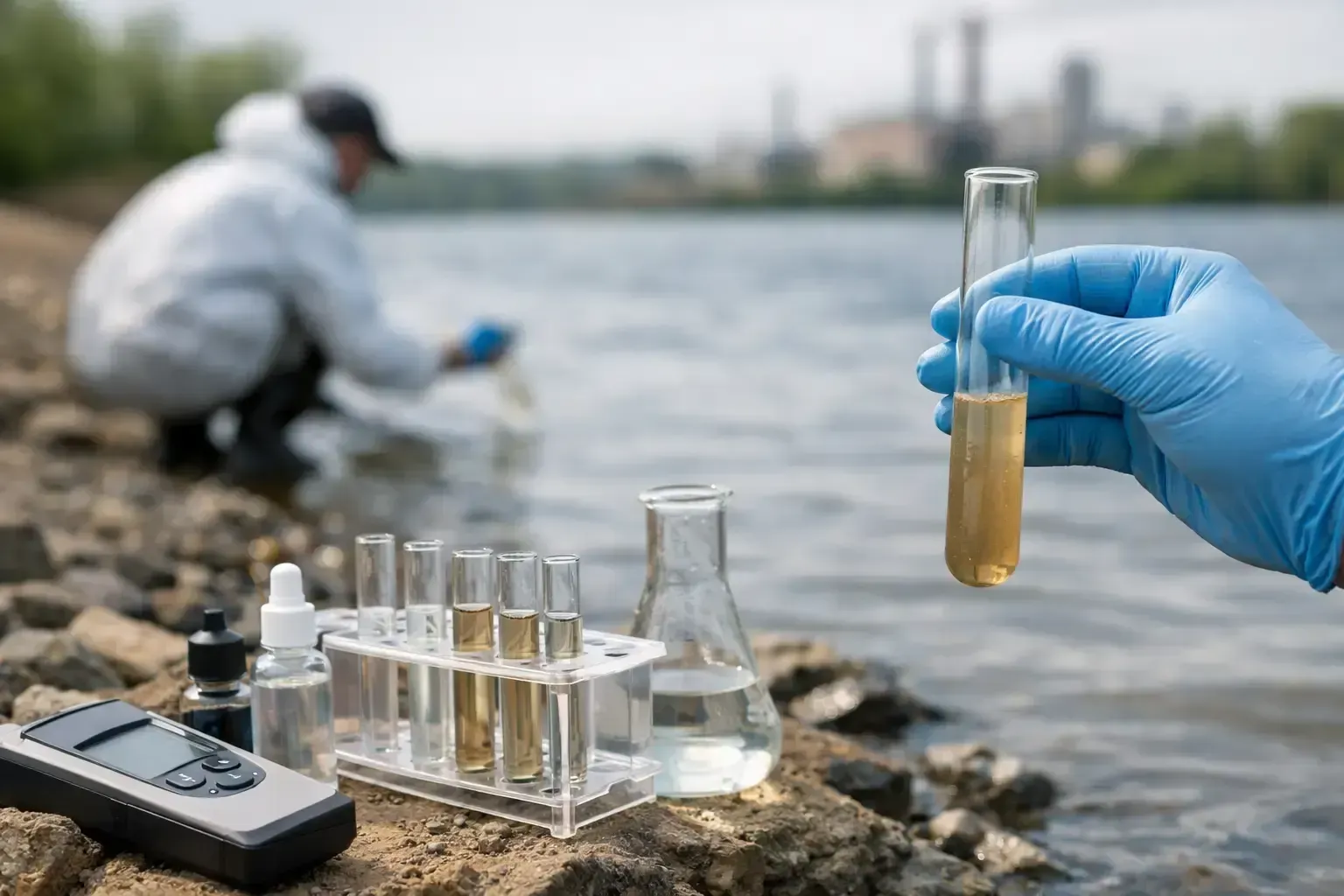
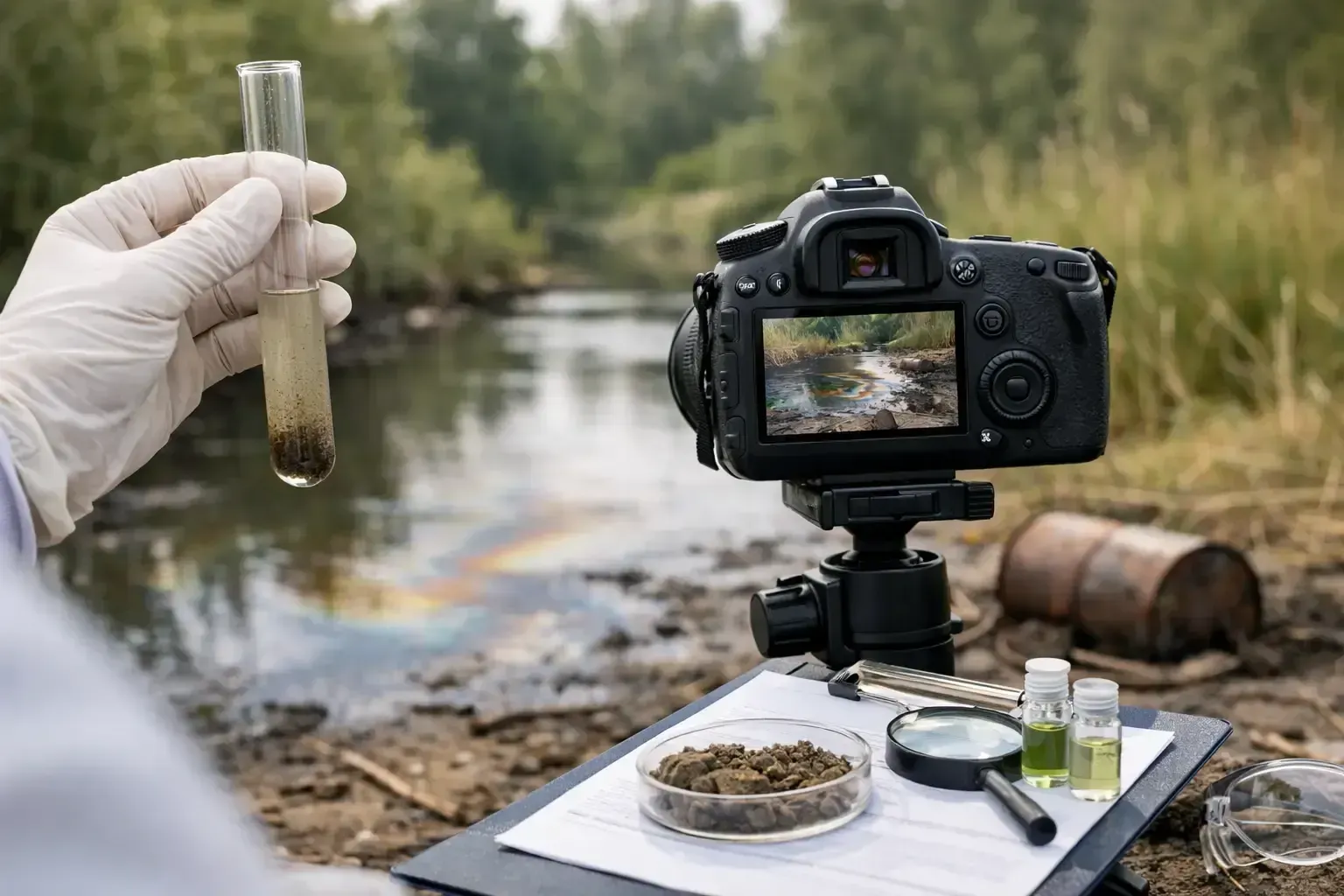
For sewage or contaminated water losses, bacteria and contamination concerns require careful evaluation. Drying a contaminated area without proper cleaning, removal, and verification can leave behind conditions that affect occupants and create liability for property owners or managers.
How the Two Services Work Together on an Insurance Claim
Mitigation often begins before every claim detail is settled because waiting can increase damage. Property owners should take reasonable steps to prevent further loss, such as shutting off water, protecting unaffected contents, and arranging for emergency water removal when needed. Documentation is essential from the beginning.
Photos, moisture readings, equipment logs, material inventories, and clear descriptions of affected areas help establish what happened and what work was necessary. This information can support communication with insurers, adjusters, landlords, tenants, and restoration contractors.
Restoration estimates usually follow once the mitigation scope is understood. That sequence helps avoid underestimating hidden damage or writing repair plans based only on what is visible at the surface. It also gives owners a clearer picture of which materials can remain, which require replacement, and whether contamination-related work is needed.
Insurance coverage varies by policy and cause of loss. A sudden pipe break may be treated differently from long-term seepage, repeated maintenance issues, groundwater intrusion, or flood damage. An accurate assessment does not guarantee coverage, but it provides documented findings that can clarify the condition of the property and support informed claim decisions.
Choosing the Right Help After Water Damage
The right provider should be able to explain what is being done, why it is necessary, and how the drying or restoration decision was reached. Be cautious of anyone who promises that all materials can be saved without inspecting concealed areas or taking moisture readings. The fastest-looking solution is not always the safest or least expensive outcome over time.
Ask whether the water source has been identified, whether the water may be contaminated, how hidden moisture will be checked, and what documentation will be provided. If mold, sewage, poor indoor air quality, or a disputed damage condition is involved, independent environmental assessment and testing can provide needed clarity before repairs close the affected areas.
Hanes Environmental provides water damage assessments, restoration support, mold evaluations, sewage and bacteria investigations, and post-remediation verification for property owners who need clear answers about what remains behind the visible damage. Direct, documented findings can help protect the building, its occupants, and the decisions that follow.
If water has reached drywall, flooring, insulation, or concealed building cavities, treat the event as more than a wet surface. Stop the source, document the conditions, verify drying, and make repairs only after the property is ready to be closed back up.
Recent Posts