Common Mistakes When Documenting Sewage Contamination
The quality of the report depends on the quality of the inspection. You want someone who understands moisture behavior, building materials, contamination categories, and the difference between visible damage and actual spread. The report should be direct, specific, and supported by field findings, not vague language.
It also helps to work with a company that can explain results in plain English. Technical accuracy matters, but so does communication. When people are dealing with damage to a home, rental, office, or investment property, they need answers they can act on.
In Florida and Kentucky, where weather, humidity, plumbing failures, and hidden moisture issues can all play a role, a thorough assessment is one of the smartest early steps you can take. Hanes Environmental provides that kind of clear, field-based reporting so property owners know what they are dealing with before the damage gets worse.
The sooner you replace assumptions with documented facts, the easier it becomes to protect the building, the people inside it, and the money it will take to set things right.
Why Interpretation Matters More Than the Lab Report Alone
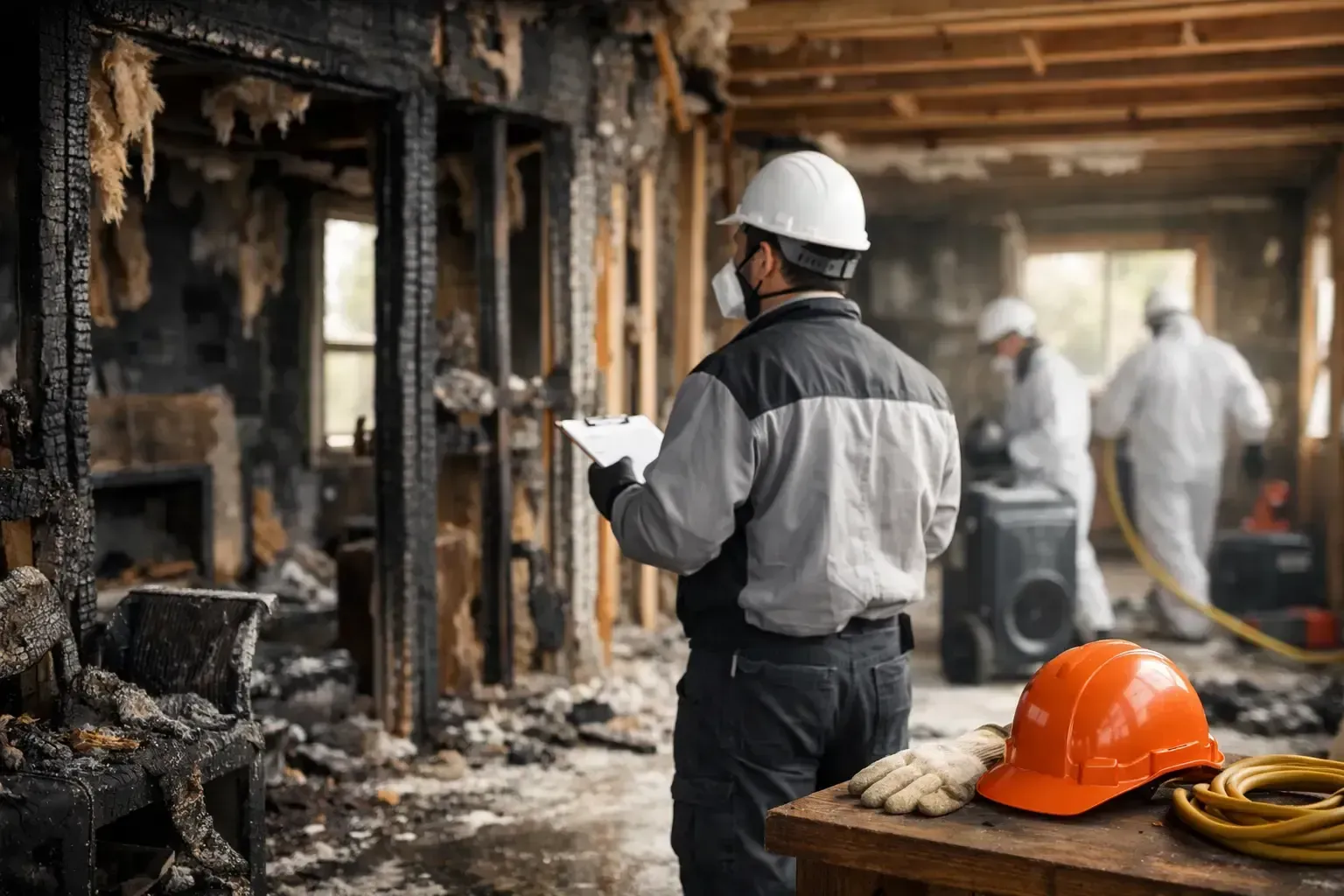
If the property recently had a leak, flood, or AC overflow, timing matters. Testing too early can miss developing growth, while waiting too long can allow contamination to spread. In many cases, the first priority after water damage is drying and stabilizing the structure quickly. Once materials remain wet beyond a day or two, the risk of mold increases significantly.
After water damage, testing usually focuses on the affected materials, adjacent rooms, and HVAC impact if the system ran during the event. Moisture mapping is essential here. Water often travels farther than the visible stain suggests, especially under flooring and inside wall cavities.
If remediation has already been performed, post-remediation verification testing may be the next step. That type of testing checks whether contamination has been properly removed and whether the area is dry and ready for rebuild. For property owners, buyers, managers, and contractors, that documentation can be just as important as the initial diagnosis.
Use the checklist as a screening tool, not a final diagnosis. Walk the property slowly. Start where water is most likely, then expand outward to adjacent rooms and connected systems such as HVAC and crawl spaces. Document what you see, what you smell, and what history you know.
If your inspection reveals isolated humidity staining, you may only need better ventilation and moisture control. If it reveals recurring leaks, soft materials, spreading discoloration, or widespread odor, the safer move is a professional mold assessment with testing where appropriate.
When indoor conditions feel off, delay usually makes the situation more expensive. A careful inspection done early can protect your health, your property, and your documentation if the issue turns into a real estate, insurance, or tenant matter.
The best closing thought is simple: trust what the building is telling you. If you see moisture, smell mustiness, or notice damage that does not make sense, act on it before a small problem becomes hidden contamination.
Room-by-room Inspection Points

A stuffy nose that starts after a water leak, coughing that settles down after leaving the office, or itchy eyes that appear every spring can all feel similar. That is what makes mold symptoms versus allergies difficult to sort out without looking at both the person and the property. Your symptoms can offer useful clues, but they cannot confirm whether mold is present or identify the source of an indoor air problem.
For homeowners, tenants, property managers, and business owners, the practical question is not simply, “Is this mold?” It is whether the building has a moisture condition, contamination, or air-quality concern that needs to be documented and corrected. A thorough assessment can separate assumptions from evidence.
Why Mold Symptoms and Allergies Overlap
Allergies occur when the immune system reacts to a substance that is normally harmless, such as pollen, dust mites, pet dander, or mold spores. Mold can trigger allergic responses in people who are sensitive to it. At the same time, damp or contaminated indoor conditions may cause irritation even in people without a diagnosed mold allergy.
Common symptoms that may occur with allergies, mold exposure, or other indoor air irritants include:
- Sneezing, congestion, runny nose, or postnasal drip
- Itchy, watery, or burning eyes
- Coughing, throat irritation, or hoarseness
- Wheezing, chest tightness, or worsening asthma symptoms
- Skin irritation in some sensitive individuals
- Headaches or a general feeling of irritation while inside a particular space
These symptoms are real, but they are not specific to mold. Pollen, dust, cleaning chemicals, smoke residue, volatile organic compounds, poor ventilation, and respiratory viruses can create similar complaints. This is why a visual spot on a wall or a musty odor should not be treated as a complete diagnosis.
Mold Symptoms Versus Allergies: Clues That Matter
The timing and location of symptoms often provide better direction than the symptom itself. Seasonal allergies commonly increase when outdoor pollen is high. They may follow a predictable pattern each year and affect a person in multiple locations, including outdoors, at work, and at home.
A building-related concern may be more likely when symptoms begin or worsen in one specific property, room, or area. For example, a tenant may feel congested only in a bedroom with a past plumbing leak, or employees may report coughing after returning to an office following a roof leak. Improvement after spending time away from the building can also be a meaningful clue, although it does not prove mold is the cause.
Signs That Point Toward a Moisture Problem
Mold needs moisture to grow. When there is a mold concern, the most valuable question is usually: where did the water come from, and is that condition still active?
Warning signs include visible staining, peeling paint, warped flooring, bubbling drywall, recurring condensation, a history of roof or plumbing leaks, water intrusion around windows, flooding, or an HVAC system with drainage issues. A persistent musty odor can support the need for an investigation, especially near crawlspaces, bathrooms, kitchens, laundry rooms, or areas affected by water damage.
Hidden moisture is common. Mold can grow behind baseboards, inside wall cavities, beneath flooring, under cabinets, or in building materials that appear dry at the surface. In Florida, humidity and storm-related water intrusion create additional risk. In Kentucky, seasonal weather changes, basement moisture, roof leaks, and frozen-pipe events can create the same conditions.
Signs That May Fit Ordinary Allergies Better
Symptoms that track closely with outdoor pollen seasons, improve with standard allergy care, and continue in many unrelated environments may be more consistent with common allergies. Pet dander and dust-mite allergies can also remain active year-round, particularly in carpeted rooms, upholstered furniture, bedding, and poorly maintained HVAC systems.
Still, there is no clean dividing line. A person can have seasonal allergies and also live or work in a damp building. Existing asthma or allergies may make someone more sensitive to airborne particles and irritants. That is why property conditions should be investigated on their own merits rather than dismissed because someone “has allergies anyway.”
What Symptoms Cannot Tell You
Symptoms cannot identify the type of mold, measure airborne spore levels, locate hidden contamination, or determine whether a building needs remediation. They also cannot establish a medical diagnosis. If breathing problems, asthma attacks, fever, severe respiratory symptoms, or other urgent health concerns occur, seek prompt medical care.
People with asthma, severe allergies, chronic lung conditions, weakened immune systems, or other medical vulnerabilities should be especially cautious around suspected mold and water-damaged materials. Avoid disturbing visible growth, tearing out wet drywall, or using fans that may spread particles through the space before the situation is evaluated.
The appearance of mold is not a reliable measure of risk either. Dark-colored growth is not automatically more dangerous than other colors, and a small visible area may be connected to larger hidden moisture damage. Conversely, staining that looks like mold may be dirt, soot, old water marks, or another material. Accurate identification requires a qualified inspection and, when appropriate, laboratory-supported testing.
A Practical Way to Investigate the Property
Start by documenting what has happened. Note when symptoms occur, which rooms are involved, when water events happened, and whether the concern changes after rain, HVAC operation, showering, or time away from the building. Photos of staining, damaged materials, and visible growth can help establish a timeline.
Next, address active water. A leaking pipe, roof penetration, overflowing fixture, failed appliance line, or condensation issue should be corrected promptly. Drying alone may not resolve a problem if porous materials stayed wet long enough for mold growth or if moisture remains behind finished surfaces.
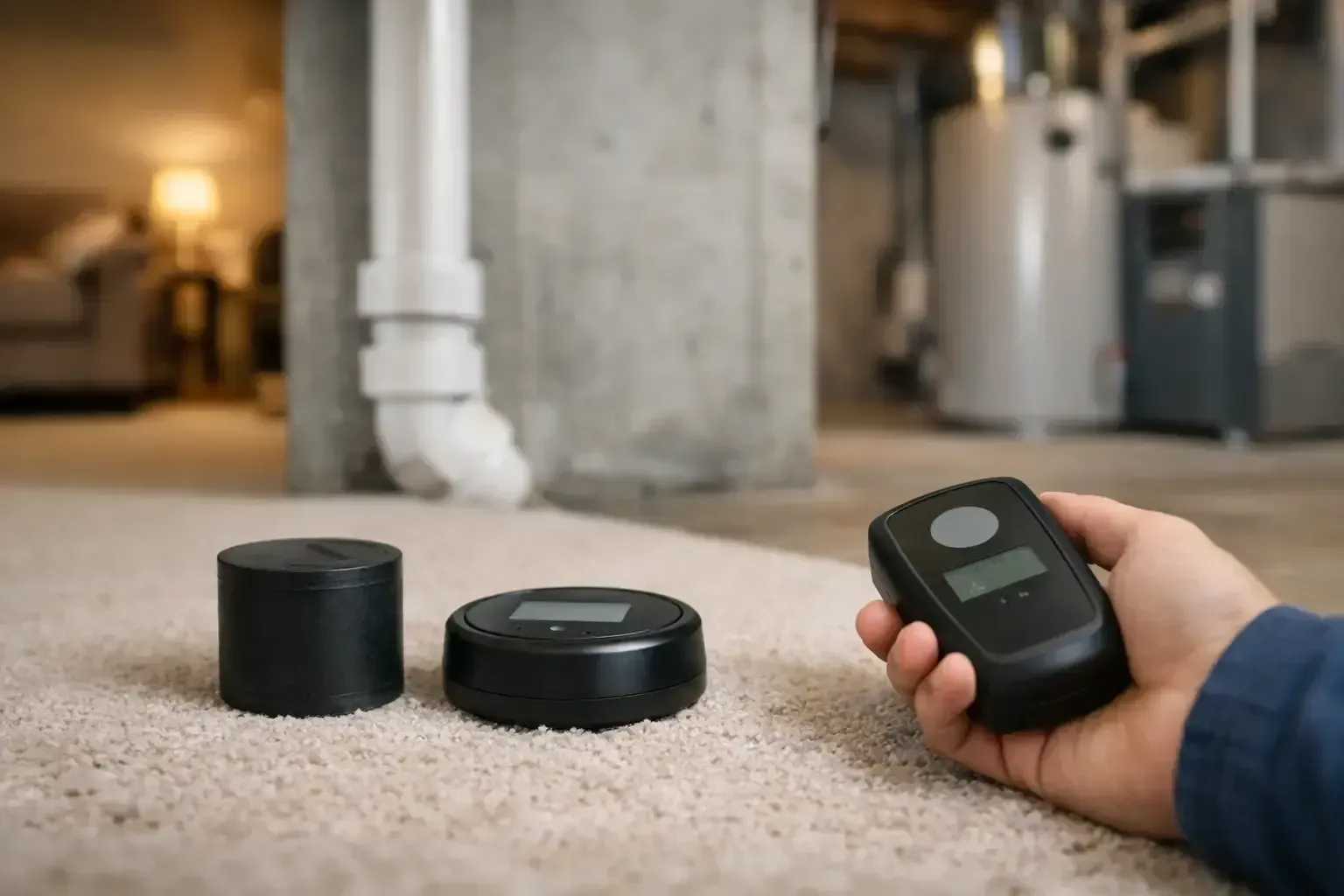
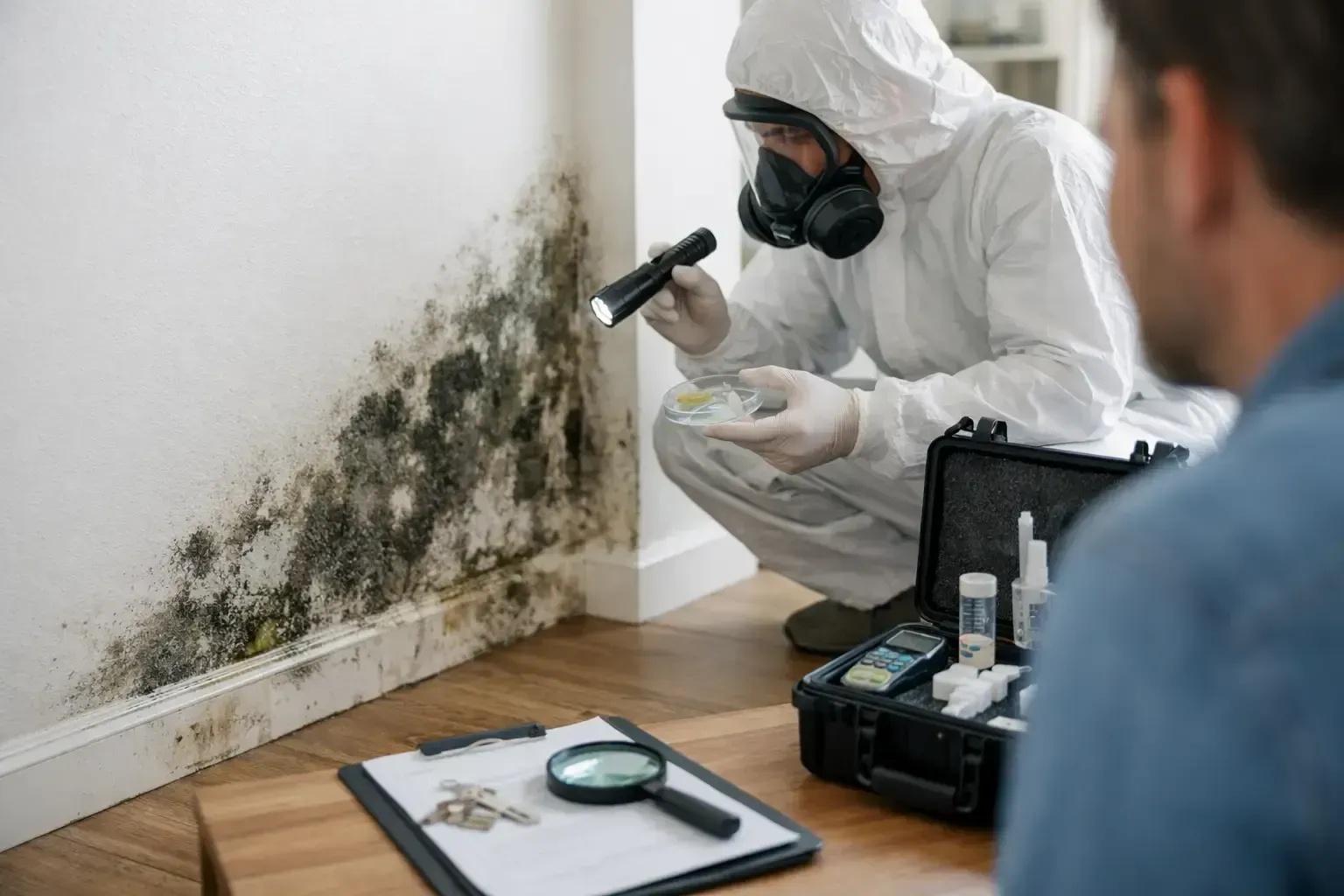
A professional assessment should focus on the building, not just a single air sample. A complete investigation may include a visual inspection, moisture measurements, thermal imaging where appropriate, evaluation of HVAC and ventilation conditions, and targeted sampling based on observed conditions. Surface, air, or bulk samples can provide useful information when collected with a defined purpose and interpreted alongside inspection findings.
Testing has limits. A normal air sample does not guarantee that hidden mold is absent, because airborne conditions can change from hour to hour. Likewise, a laboratory result showing mold spores does not automatically prove a health cause. The strongest conclusions come from combining building history, moisture evidence, site observations, and properly interpreted laboratory results.
When Documentation Is Especially Valuable
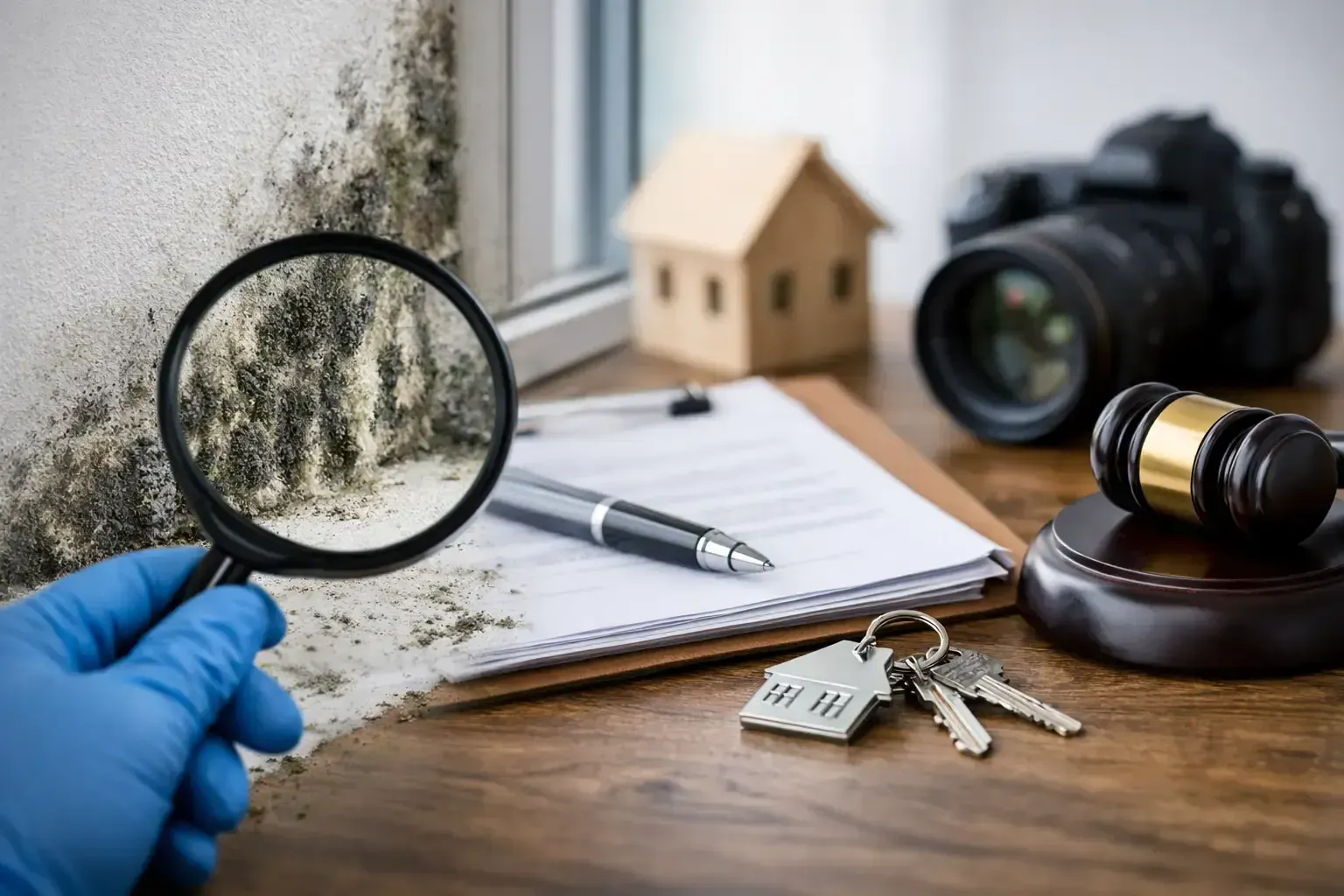
Clear reporting matters when a property is being bought or sold, when a tenant and landlord disagree about conditions, or when an insurance claim involves water damage. It also matters after restoration work. Post-remediation verification can help determine whether the work addressed the documented contamination and whether conditions are appropriate for rebuilding or reoccupancy.
For commercial properties, an assessment can help management respond to employee complaints with a documented process rather than speculation. For homeowners, it can prevent unnecessary demolition in one situation and reveal concealed damage in another. The right scope depends on the property, the water history, and what the inspection finds.
Hanes Environmental provides mold assessments, moisture investigations, indoor air quality testing, and post-remediation verification for properties across Florida and in Lexington and Louisville, Kentucky. The goal is straightforward: identify the source, document the condition, and provide clear findings that support the next decision.
Do Not Let a Musty Smell Become a Guessing Game
If your symptoms seem tied to a particular room or a known water event, take the building signal seriously. You do not need to decide on your own whether the issue is mold, pollen, dust, or another indoor contaminant. A careful evaluation can replace uncertainty with a practical plan to protect the people inside and the property itself.
Recent Posts