Common Mistakes When Documenting Sewage Contamination
The quality of the report depends on the quality of the inspection. You want someone who understands moisture behavior, building materials, contamination categories, and the difference between visible damage and actual spread. The report should be direct, specific, and supported by field findings, not vague language.
It also helps to work with a company that can explain results in plain English. Technical accuracy matters, but so does communication. When people are dealing with damage to a home, rental, office, or investment property, they need answers they can act on.
In Florida and Kentucky, where weather, humidity, plumbing failures, and hidden moisture issues can all play a role, a thorough assessment is one of the smartest early steps you can take. Hanes Environmental provides that kind of clear, field-based reporting so property owners know what they are dealing with before the damage gets worse.
The sooner you replace assumptions with documented facts, the easier it becomes to protect the building, the people inside it, and the money it will take to set things right.
Why Interpretation Matters More Than the Lab Report Alone
If the property recently had a leak, flood, or AC overflow, timing matters. Testing too early can miss developing growth, while waiting too long can allow contamination to spread. In many cases, the first priority after water damage is drying and stabilizing the structure quickly. Once materials remain wet beyond a day or two, the risk of mold increases significantly.
After water damage, testing usually focuses on the affected materials, adjacent rooms, and HVAC impact if the system ran during the event. Moisture mapping is essential here. Water often travels farther than the visible stain suggests, especially under flooring and inside wall cavities.
If remediation has already been performed, post-remediation verification testing may be the next step. That type of testing checks whether contamination has been properly removed and whether the area is dry and ready for rebuild. For property owners, buyers, managers, and contractors, that documentation can be just as important as the initial diagnosis.
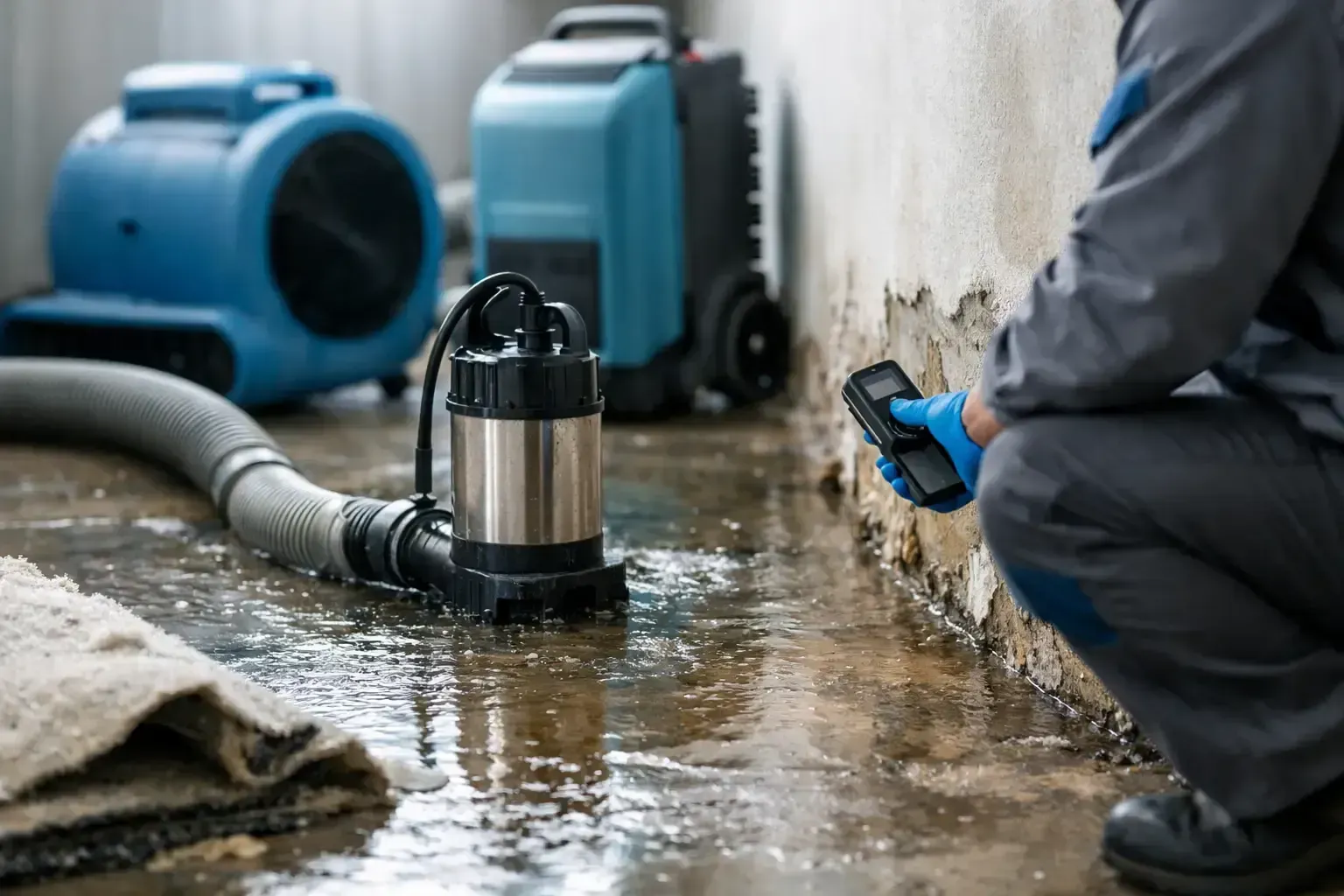
A wet ceiling stain, soft baseboards, or a musty smell after a storm can change the entire mood of a property in a few hours. Water restoration is not just about removing visible water. It is about finding where moisture traveled, understanding what may now be contaminated, and making sure the building is actually dry before damage gets worse.
For homeowners, property managers, and business owners, that distinction matters. A surface may look dry while insulation, framing, flooring, and wall cavities still hold moisture. If that hidden moisture is missed, mold growth, structural damage, odors, and insurance disputes often follow. Fast action helps, but accurate assessment is what keeps a short-term water event from turning into a long-term property problem.
What Water Restoration Actually Includes
Good water restoration starts with more than extraction equipment. The process usually begins with identifying the source, stopping active intrusion, and classifying the type of water involved. Clean water from a supply line is handled differently than gray water from an appliance discharge or black water from sewage backup. That difference affects both safety procedures and the level of cleaning or removal required.
From there, the real work is mapping the affected area. Water rarely stays where it first appears. It can move under flooring, into drywall, behind cabinets, and through shared wall systems. In commercial spaces, it may also spread through multiple suites or into hidden mechanical areas. Moisture meters, thermal imaging, and direct inspection help determine the true extent of impact.
Drying is only one part of the job. Depending on the loss, water restoration may also involve selective demolition, contamination assessment, antimicrobial treatment where appropriate, removal of unsalvageable materials, air quality concerns, and documentation for insurance or property records. In some cases, post-remediation verification or follow-up testing is the clearest way to confirm the property is ready for repair or re-occupancy.
Why Timing Matters in Water Restoration
Water damage changes quickly. In the first day, flooring can swell, drywall can wick moisture, and finishes may begin to break down. Within a short window, especially in Florida humidity, microbial growth can begin on wet organic materials. That does not mean every wet building has immediate widespread mold contamination, but the risk rises fast when moisture is not identified and controlled.
The timing issue is also practical. The longer water sits, the more likely materials become unsalvageable. A leak caught early may require limited drying and repairs. The same leak left unaddressed can involve flooring removal, wall cavity work, odor treatment, mold assessment, and expanded reconstruction costs. For property managers and commercial owners, delay can also mean tenant complaints, business interruption, and added liability.
There is another factor people often miss: delayed discovery. A pipe may drip slowly behind a wall for weeks before staining appears. Roof leaks may show up far from the actual point of entry. Appliance failures can soak subflooring while the visible surface dries enough to look normal. That is why visual inspection alone is not enough when water damage is suspected.
Not All Water Losses Are the Same
One of the biggest mistakes after a water event is treating every loss as if it were a simple cleanup. It depends on the water source and where the water traveled.
A broken supply line under a sink is often less hazardous than toilet overflow, storm intrusion carrying outdoor contaminants, or sewage backup. If water contacted insulation, carpeting, porous contents, or HVAC pathways, the restoration scope changes. Materials that can be dried safely in one situation may need removal in another.
Older buildings add more complexity. Layered flooring, previous repairs, hidden cavities, and long-standing moisture issues can make the damage pattern less obvious. In commercial and industrial properties, larger affected areas, sensitive equipment, and occupant safety concerns require a more controlled approach. New construction is not exempt either. Lumber, drywall, and building materials exposed to weather or plumbing failures can retain moisture before a project is even complete.
The Hidden Problems Water Can Leave Behind
The most obvious problem is physical damage, but water events often create secondary issues that matter just as much. Mold is the concern most property owners know about, and for good reason. Wet drywall paper, wood, dust, and insulation can all support microbial growth under the right conditions.
Sewage losses raise a different level of concern because they may involve bacteria and other harmful contaminants. In those cases, proper assessment and sanitation are not optional. Occupant exposure becomes part of the risk picture, especially for children, older adults, and anyone with respiratory sensitivity or a weakened immune system.
Odors are another sign that should not be brushed off. A lingering musty or sour smell may point to trapped moisture, contamination in porous materials, or inadequate drying. Odor is not a lab result, but it is often a clue that the restoration was incomplete or that hidden areas were missed.
Then there is documentation. If an insurance claim, property sale, tenant dispute, or contractor question comes up later, accurate records can make a major difference. Moisture readings, contamination findings, photos, and written reporting help establish what happened, what was affected, and what was done to correct it.
How to Tell if the Job Was Done Right
A proper water restoration job should leave you with more than dry-looking surfaces. You should understand the source of the damage, the materials affected, the contamination concerns if any, and whether moisture levels returned to acceptable conditions.
That does not always mean every material has to be removed. Sometimes controlled drying and targeted restoration are enough. Other times, removal is the safer and more defensible choice. The right answer depends on the material type, the category of water, the duration of exposure, and the building conditions.
Clear communication matters here. Property owners should not be left guessing about what was found behind walls or under floors. A reliable restoration process explains the findings in plain language and supports decisions with measurements, inspection results, and, when needed, laboratory-backed testing.
Water Restoration and Insurance Claims
Insurance questions often start early in the process. People want to know what is covered, what needs to be documented, and whether testing is worth it. The answer depends on the policy, the cause of loss, and the condition of the property before the event.
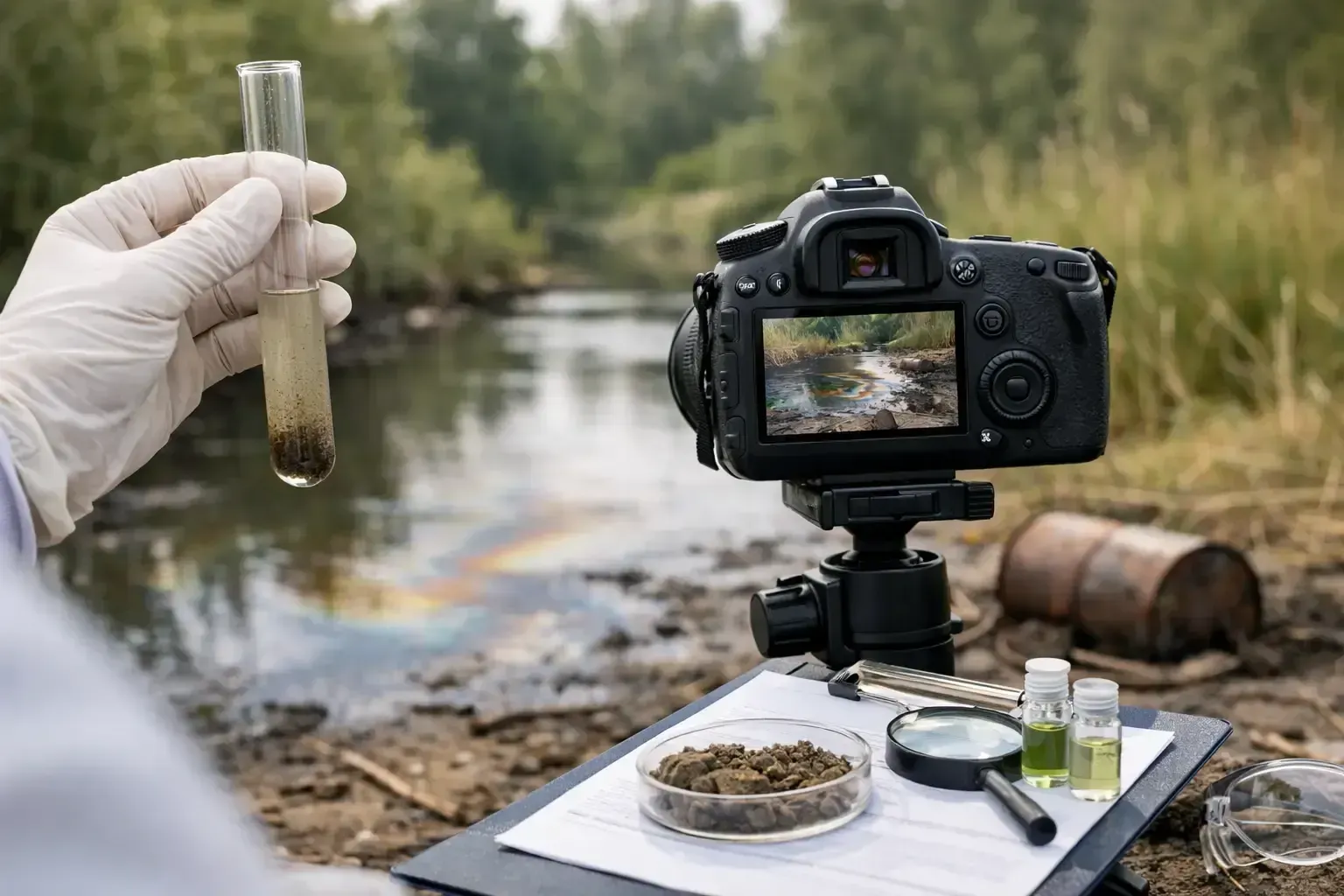
What does not depend on the policy is the value of accurate evidence. Photos of damaged materials, moisture mapping, notes on affected rooms, and contamination findings can help support a claim and reduce disputes about scope. This is especially useful when the damage is not fully visible or when mold, sewage impact, or hidden moisture becomes part of the claim discussion.
For real estate professionals and property managers, that documentation can also protect future transactions and occupancy decisions. A building that suffered water damage is not automatically unsafe, but it does need a defensible record showing that the problem was identified and addressed correctly.
When Testing Should Be Part of Water Restoration
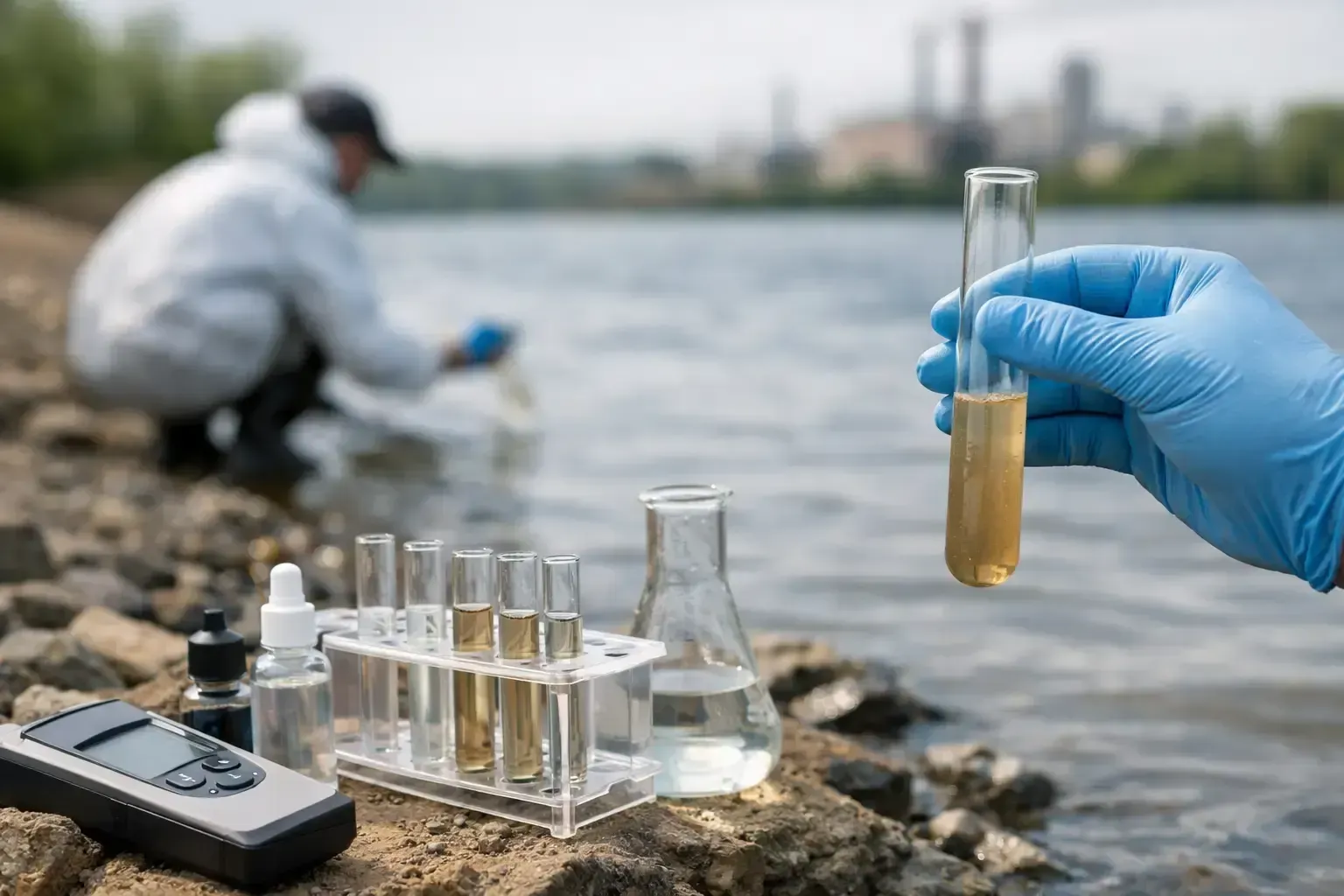
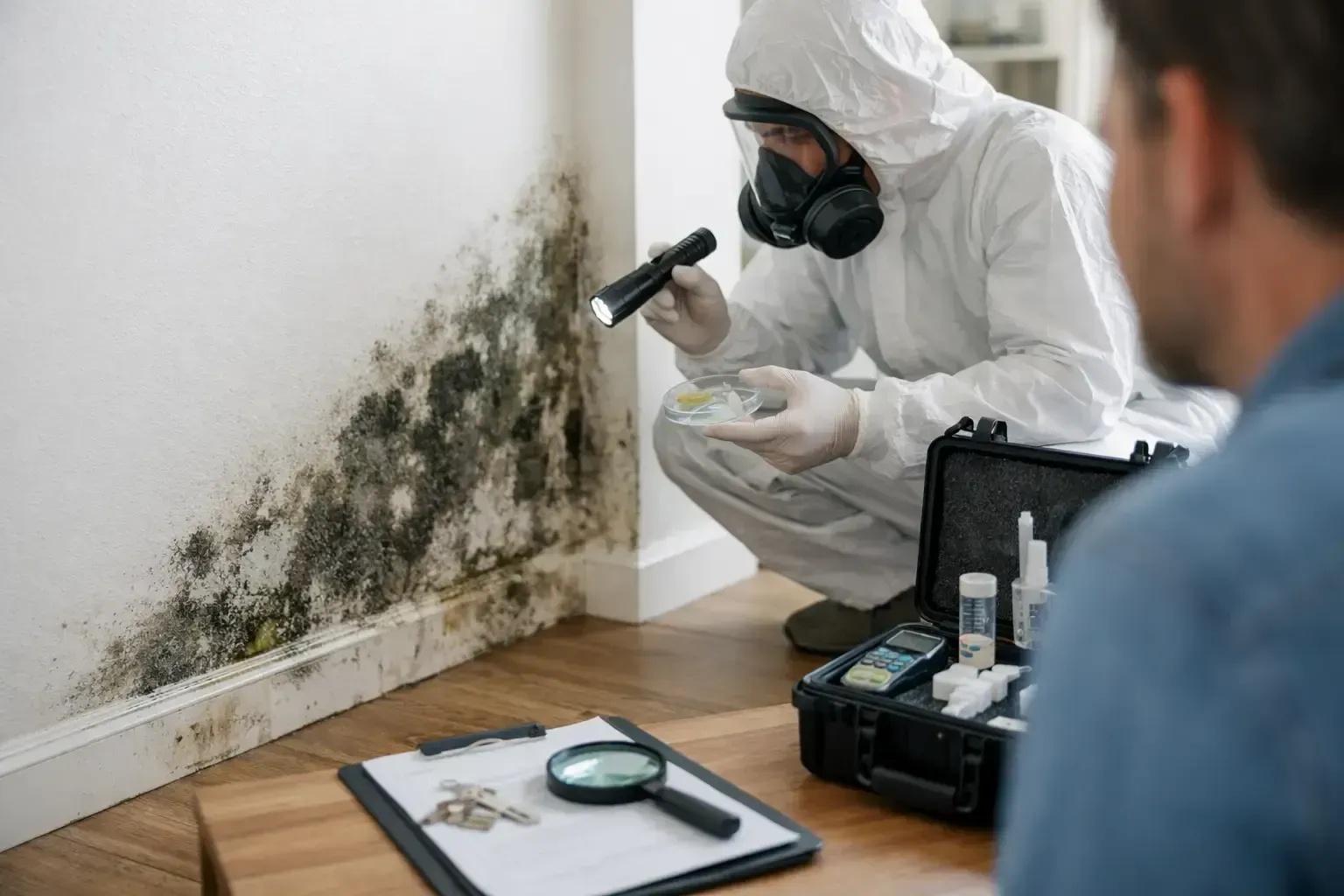
Testing is not required for every small clean-water loss, but there are situations where it adds real value. If sewage is involved, if there is visible or suspected mold, if occupants are reporting health symptoms, or if the moisture event was hidden for an unknown period, testing can help define the actual risk.
The same applies when there is disagreement about whether a property is dry or safe to move forward with repairs. Moisture data, mold assessment findings, indoor air quality information, or post-remediation verification can move the conversation from opinion to evidence.
This is one reason many property owners prefer working with a company that understands both restoration and environmental assessment. The drying phase may solve the obvious problem, but testing can confirm whether contamination, odor sources, or hidden moisture still remain. That combination is especially valuable in Florida and Kentucky markets where humidity, storm exposure, and variable building conditions can complicate a water loss.
Choosing the Right Response After Water Damage
The best response is prompt, but not rushed. You want action right away, yet you also want the cause identified, the damage mapped correctly, and the scope based on facts instead of assumptions. A fan and a dehumidifier from the hardware store may help in a minor situation, but they will not tell you what is happening inside a wall cavity or beneath a wood floor.
For larger or questionable losses, professional water restoration is about control. Control of moisture, contamination, documentation, and next steps. That is what protects the building and the people inside it. Hanes Environmental approaches these situations with the same priority every property owner wants: accurate answers, thorough assessment, and a restoration path that makes sense for the actual conditions on site.
If your property has had a leak, flood, sewage backup, or unexplained moisture issue, the smartest next step is to treat it like a building problem, not just a cleanup problem. What you cannot see is often what causes the most trouble later.
Recent Posts