Common Mistakes When Documenting Sewage Contamination
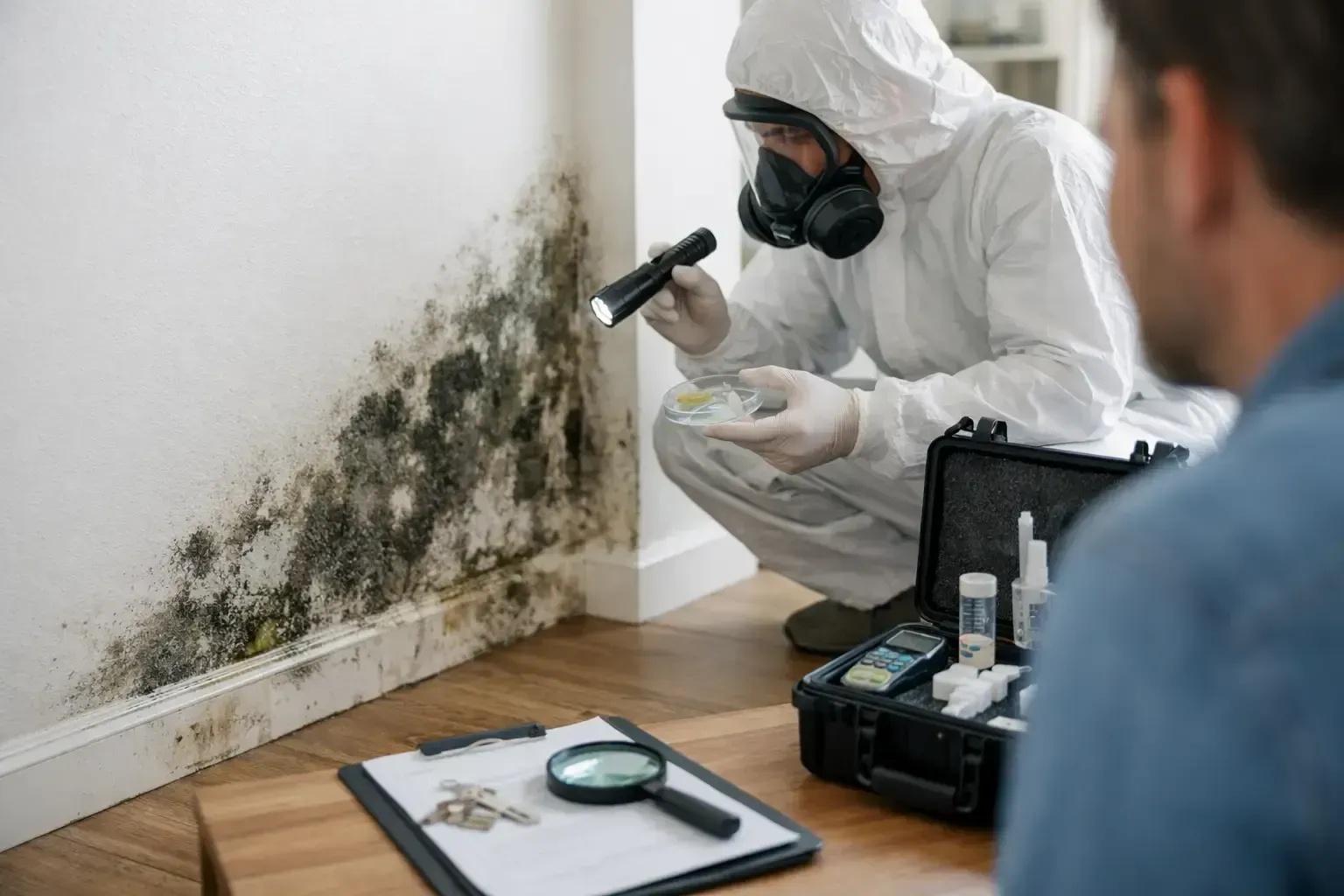
The quality of the report depends on the quality of the inspection. You want someone who understands moisture behavior, building materials, contamination categories, and the difference between visible damage and actual spread. The report should be direct, specific, and supported by field findings, not vague language.
It also helps to work with a company that can explain results in plain English. Technical accuracy matters, but so does communication. When people are dealing with damage to a home, rental, office, or investment property, they need answers they can act on.
In Florida and Kentucky, where weather, humidity, plumbing failures, and hidden moisture issues can all play a role, a thorough assessment is one of the smartest early steps you can take. Hanes Environmental provides that kind of clear, field-based reporting so property owners know what they are dealing with before the damage gets worse.
The sooner you replace assumptions with documented facts, the easier it becomes to protect the building, the people inside it, and the money it will take to set things right.
Why Interpretation Matters More Than the Lab Report Alone
If the property recently had a leak, flood, or AC overflow, timing matters. Testing too early can miss developing growth, while waiting too long can allow contamination to spread. In many cases, the first priority after water damage is drying and stabilizing the structure quickly. Once materials remain wet beyond a day or two, the risk of mold increases significantly.
After water damage, testing usually focuses on the affected materials, adjacent rooms, and HVAC impact if the system ran during the event. Moisture mapping is essential here. Water often travels farther than the visible stain suggests, especially under flooring and inside wall cavities.
If remediation has already been performed, post-remediation verification testing may be the next step. That type of testing checks whether contamination has been properly removed and whether the area is dry and ready for rebuild. For property owners, buyers, managers, and contractors, that documentation can be just as important as the initial diagnosis.
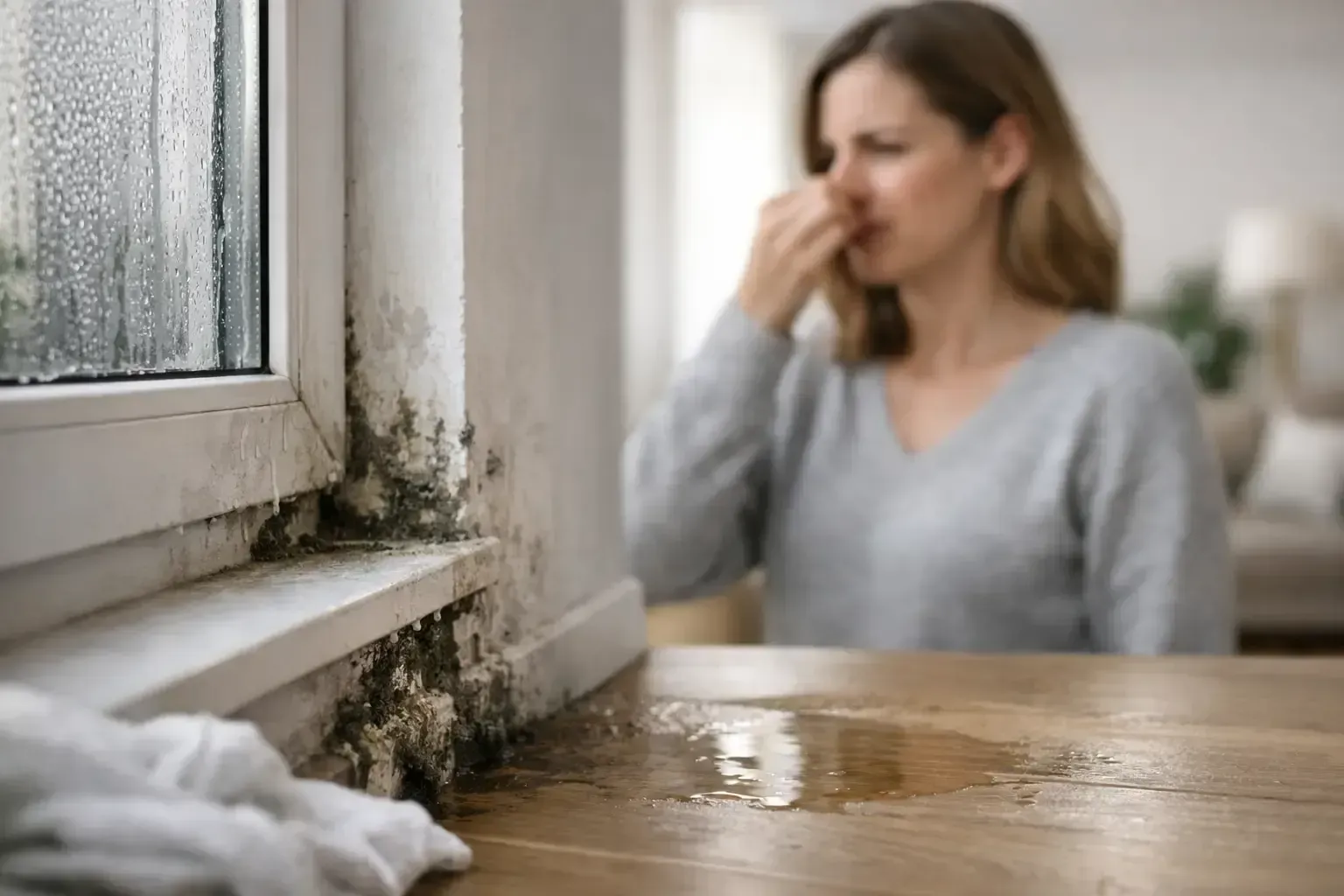
You walk into the house, and there it is again - that stale, musty, damp smell that seems to hang in the air no matter how much you clean. If you are asking, "why does my house smell damp," the odor is usually a warning sign that moisture is collecting somewhere it should not be. Sometimes the cause is simple, like high indoor humidity. Other times, it points to hidden water damage, mold growth, wet building materials, or poor ventilation.
That smell matters because moisture problems rarely stay small. A damp odor can mean materials are absorbing water behind walls, under flooring, inside cabinetry, or in HVAC components. In many homes and commercial properties, the smell shows up before staining, swelling, or visible mold ever appears.
Why Does My House Smell Damp Even When Nothing Looks Wet?
This is one of the most common and most frustrating situations for property owners. Moisture does not have to be visible to create odor. Drywall, insulation, wood framing, carpet pad, subflooring, and air ducts can all hold moisture out of sight. Once those materials stay damp long enough, they start producing that familiar musty smell.
The odor itself is often caused by microbial growth or by materials beginning to break down in a moist environment. Mold is a frequent contributor, but it is not the only one. Bacteria, wet dust buildup, and long-term humidity can also create a stale or earthy smell.
In Florida, high humidity can push indoor moisture problems faster than many people expect. In Kentucky, damp basements, crawlspaces, and seasonal moisture shifts are often major contributors. Climate changes the pattern, but the core issue is the same - excess moisture inside the building envelope.
The Most Common Causes of a Damp Smell in a House
A damp-smelling house usually comes back to one or more moisture sources that have not been fully identified. The key is not masking the smell. The key is finding where water or humidity is feeding it.
High Indoor Humidity
Sometimes the air itself is the problem. When indoor humidity stays too high, soft materials absorb that moisture over time. Upholstery, carpet, clothing, drywall, and even paper goods can start to smell musty.
This often happens in homes with oversized AC systems, poor airflow, infrequent HVAC maintenance, or rooms that stay closed off. A house can smell damp even without an active leak if the air never dries out properly.
Hidden Plumbing Leaks
A small leak under a sink, behind a shower wall, around a toilet, or inside a laundry area can go unnoticed for weeks or months. Because the water is slow and continuous, it soaks nearby materials and creates ideal conditions for odor.
These leaks are especially common in areas that are not checked often, such as under cabinets, behind appliances, and around water heater connections.
Roof Leaks and Window Intrusion
Water entering from above or around exterior openings often creates intermittent moisture problems. You may not see active dripping, but rainwater can get into insulation, framing, or drywall and leave behind a persistent smell.
This can be tricky because the odor may seem stronger only after storms, during humid weather, or in certain rooms.
Damp Crawlspaces, Basements, and Slab Moisture
If moisture is coming up from below the structure, the house may smell damp even though upper living areas look fine. Crawlspaces with wet soil, missing vapor barriers, standing water, or poor ventilation can send musty air upward. Basements often develop a similar pattern.
Even slab-on-grade homes can have moisture-related flooring issues if vapor transmission is affecting flooring adhesives or subfloor materials.
HVAC System Issues
Your air conditioning system can spread damp odors throughout the house. Wet evaporator coils, clogged condensate lines, dirty drain pans, and microbial buildup inside air handlers or ductwork can all contribute.
If the smell gets stronger when the system starts running, the HVAC system deserves close attention. The source may not be in the room where you notice the odor most.
Past Water Damage That Was Never Fully Dried
One of the biggest issues we see is incomplete drying after a leak, flood, or storm event. Surfaces may look normal again, but trapped moisture can remain inside wall cavities, flooring systems, or structural components.
This is where odor becomes a useful warning. If materials were not dried quickly and correctly, the house may continue to smell damp long after the original event seems over.
Why Does My House Smell Damp in One Room Only?
When the smell is limited to one room, the source is often nearby. Bedrooms can develop odors from exterior wall leaks, AC airflow problems, or hidden closet humidity. Bathrooms may have plumbing leaks, failed caulking, or poor exhaust ventilation. Laundry rooms are common trouble spots because of washing machine hoses, drain backups, and trapped moisture behind appliances.
If the odor is strongest in one area, that does not always mean the entire problem is in plain sight there. Air movement can carry smells from an adjacent wall cavity, under flooring, from a crawlspace opening, or through ductwork.
That is why a proper investigation matters. Guessing wrong can lead to tearing into the wrong area while the real moisture source keeps spreading.
What a Damp Smell Can Mean for Health and Property
A damp smell does not automatically mean a property is unsafe, but it should not be ignored. Prolonged moisture can support mold growth and degrade indoor air quality. For some occupants, especially children, older adults, and people with asthma, allergies, or respiratory sensitivity, odor-related moisture problems can become more than just an annoyance.
From a building standpoint, persistent dampness can damage drywall, warp wood materials, affect insulation performance, stain finishes, and weaken flooring systems. In rental, commercial, or real estate situations, it can also create documentation, liability, and transaction issues.
There is also a practical point here: odor removal without moisture correction usually fails. Air fresheners, fogging products, and surface cleaners may reduce the smell for a short time, but if the material remains wet, the odor almost always returns.
How to Tell if the Smell is Mold, Humidity, or Water Damage
There is some overlap, which is why people often misdiagnose the problem. A musty or earthy odor often suggests microbial growth, but odor alone cannot confirm what is present or how far it has spread. High humidity tends to create a more general stale smell throughout the home. Water damage odors may feel localized, especially near walls, floors, cabinets, or HVAC components.
The challenge is that many properties have more than one issue at the same time. A house may have elevated humidity, a hidden leak, and mold growth in an AC closet all contributing to the same smell. That is why a real inspection typically looks at moisture patterns, material condition, air movement, and if needed, targeted environmental testing.
What You Should Do First if Your House Smells Damp
Start with the basics, but stay realistic about what you can and cannot see. Check under sinks, around tubs and showers, behind toilets, near the water heater, around windows, and behind appliances if accessible. Pay attention to HVAC closets, supply vents, and return areas. If you have a crawlspace, basement, or attic, those areas deserve a close look too.
If indoor humidity is high, running the AC alone may not fully solve it. Some homes need better ventilation control, dehumidification, or HVAC correction. If you recently had a leak or flood, ask whether the affected materials were actually moisture tested and dried, not just cleaned up.
Do not start tearing out materials blindly unless there is an urgent active leak. Opening the wrong area can add cost and confusion. It is usually better to identify the moisture source first, then remove only what is necessary.
When Professional Testing Makes Sense
If the smell keeps returning, if someone in the building is having health complaints, if there was prior water damage, or if you need documentation for a landlord, tenant, buyer, seller, or insurance matter, professional assessment is the smart next step.
A proper moisture and environmental investigation can help determine whether the problem is active water intrusion, elevated humidity, hidden mold, HVAC contamination, or a combination of factors. In many cases, testing is less about proving a suspicion and more about narrowing the problem to the exact materials and areas involved.
For homeowners and property managers, that can prevent unnecessary demolition. For real estate and insurance situations, it can also provide clear reporting backed by defensible methods. Hanes Environmental works with property owners who need accurate answers, not guesswork, when a building smells damp and the cause is not obvious.
A damp smell is your building telling you something has changed. The sooner you identify where the moisture is coming from, the easier it is to protect the property and the people inside it.
Recent Posts