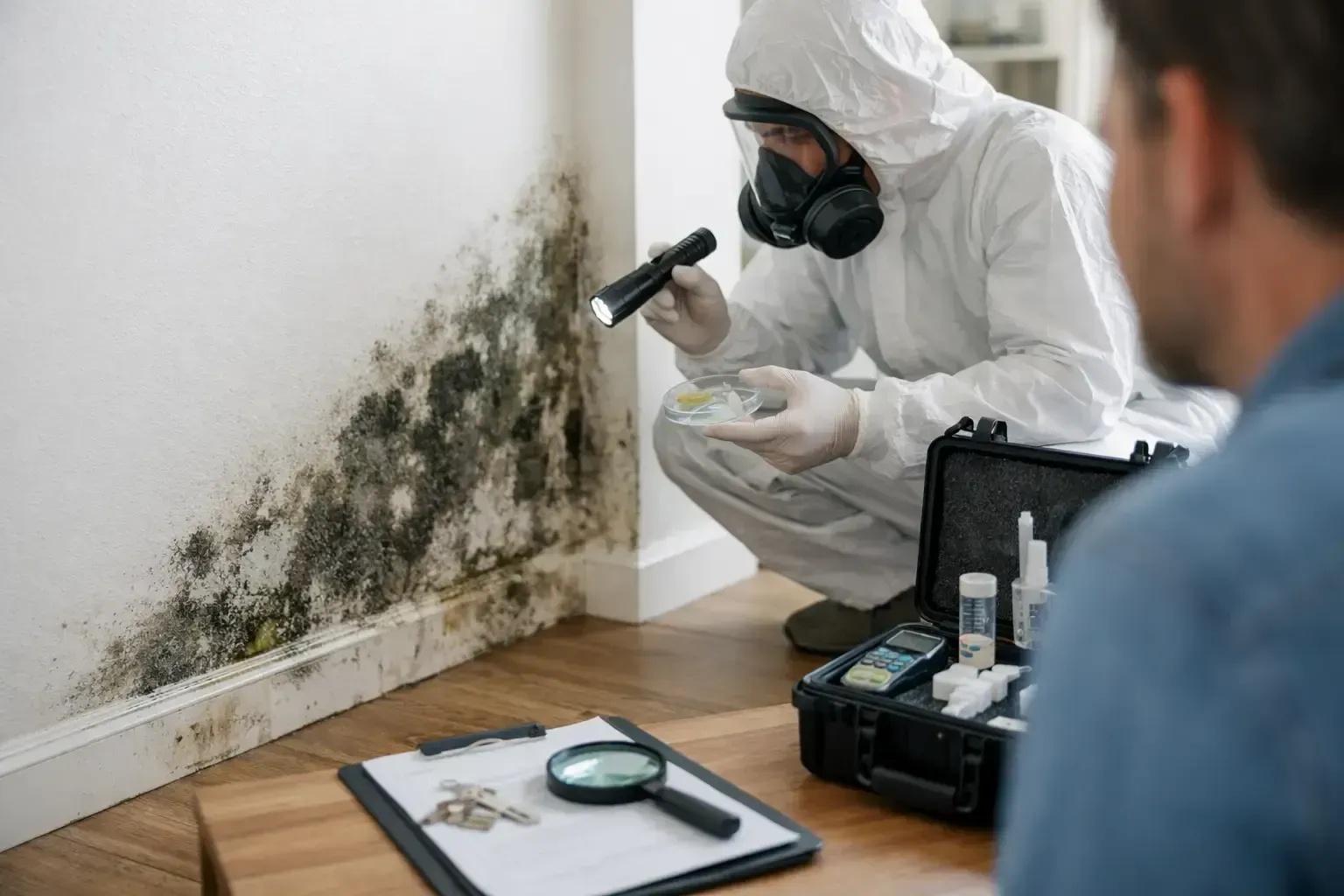
Common Mistakes When Documenting Sewage Contamination
The quality of the report depends on the quality of the inspection. You want someone who understands moisture behavior, building materials, contamination categories, and the difference between visible damage and actual spread. The report should be direct, specific, and supported by field findings, not vague language.
It also helps to work with a company that can explain results in plain English. Technical accuracy matters, but so does communication. When people are dealing with damage to a home, rental, office, or investment property, they need answers they can act on.
In Florida and Kentucky, where weather, humidity, plumbing failures, and hidden moisture issues can all play a role, a thorough assessment is one of the smartest early steps you can take. Hanes Environmental provides that kind of clear, field-based reporting so property owners know what they are dealing with before the damage gets worse.
The sooner you replace assumptions with documented facts, the easier it becomes to protect the building, the people inside it, and the money it will take to set things right.
Why Interpretation Matters More Than the Lab Report Alone
If the property recently had a leak, flood, or AC overflow, timing matters. Testing too early can miss developing growth, while waiting too long can allow contamination to spread. In many cases, the first priority after water damage is drying and stabilizing the structure quickly. Once materials remain wet beyond a day or two, the risk of mold increases significantly.
After water damage, testing usually focuses on the affected materials, adjacent rooms, and HVAC impact if the system ran during the event. Moisture mapping is essential here. Water often travels farther than the visible stain suggests, especially under flooring and inside wall cavities.
If remediation has already been performed, post-remediation verification testing may be the next step. That type of testing checks whether contamination has been properly removed and whether the area is dry and ready for rebuild. For property owners, buyers, managers, and contractors, that documentation can be just as important as the initial diagnosis.
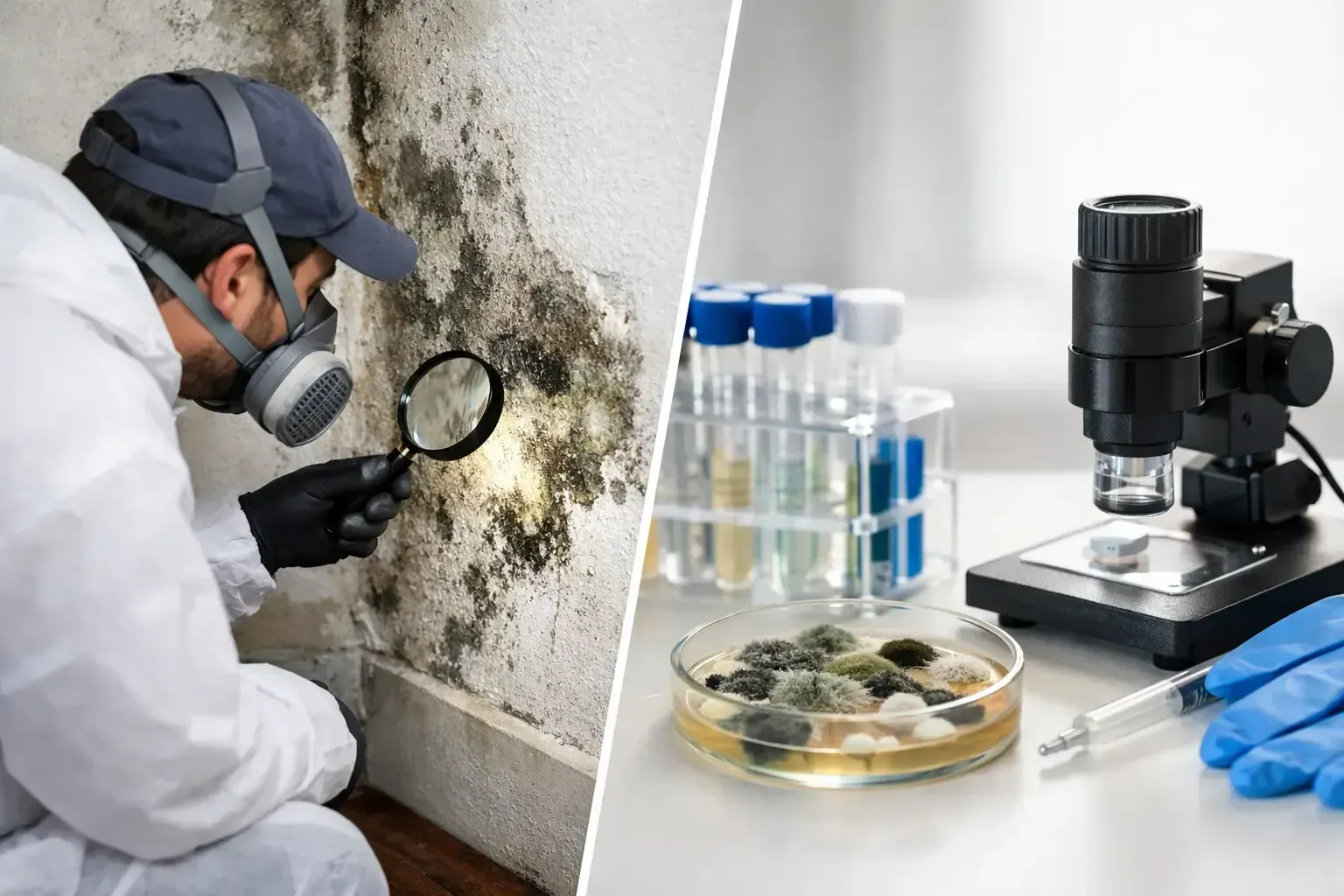
When you spot staining on a wall, smell a musty odor, or deal with a recent leak, the question usually comes fast - do you need mold testing, an inspection, or both? Understanding mold testing vs inspection matters because the wrong service can waste time, miss hidden moisture, or leave you without the documentation you actually need.
For many property owners, the two terms sound interchangeable. They are not. One is primarily about finding conditions and visible evidence. The other is about collecting samples and measuring what is present in the air or on surfaces. Both can be valuable, but they solve different problems.
Mold Testing vs Inspection: The Core Difference
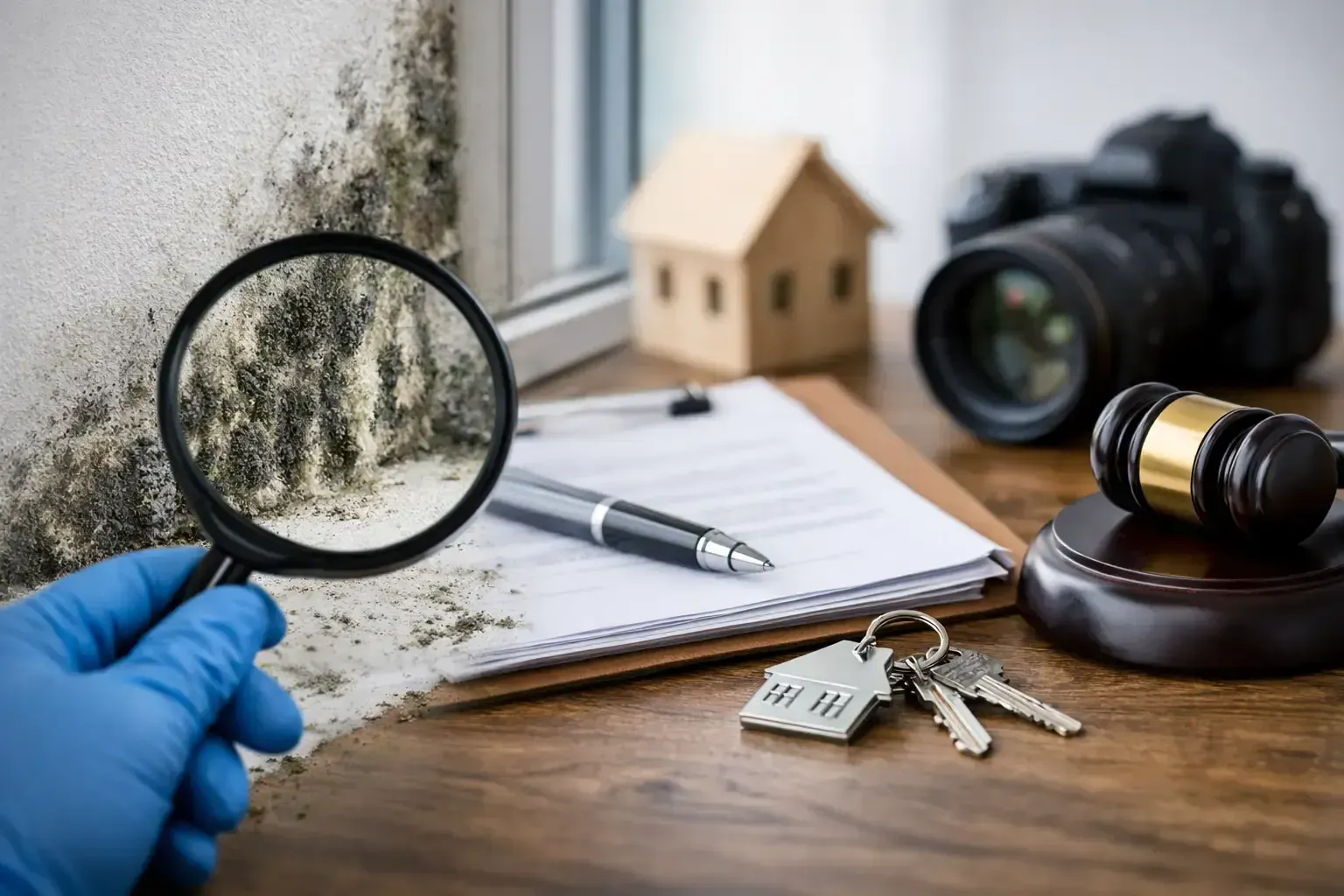
A mold inspection is a targeted evaluation of the property. It focuses on what an experienced assessor can identify through a visual review, moisture detection, building conditions, and signs that support mold growth. That includes water intrusion, elevated humidity, past damage, staining, visible microbial growth, and materials that may be affected behind walls, under flooring, or above ceilings.
Mold testing is the sampling side of the process. It may involve air samples, surface samples, cavity samples, or other lab-supported methods used to identify mold types, compare indoor conditions to outdoor controls, or document contamination in a more defensible way. Testing gives data. Inspection gives context.
That distinction matters because lab numbers by themselves do not tell the whole story. A property can have serious hidden moisture damage and still produce limited air sample results if the mold is trapped in a wall cavity. On the other hand, visible staining may look minor, but testing can show elevated airborne spores affecting
indoor air quality.
What a Mold Inspection Actually Looks For
A proper inspection is not just a quick walk-through with a flashlight. It should examine the reason mold may be present in the first place. Mold needs moisture. If the moisture source is not identified, the problem often returns.
During an inspection, an assessor may review areas with known leaks, roof issues, plumbing failures, HVAC concerns, condensation problems, or poor ventilation. Bathrooms, kitchens, laundry rooms, attics, crawl spaces, wall cavities, and areas impacted by past flooding or water damage are common trouble spots.
Moisture meters, thermal imaging, and direct field experience help narrow down where hidden issues may be developing. This is especially important in Florida, where heat and humidity can support mold growth quickly, and in properties with older plumbing, storm damage, or repeated AC condensate issues.
An inspection is often the right starting point when you already see signs of trouble or know there has been water intrusion. It helps answer practical questions. Where is the problem? How far has it spread? What materials are affected? Is the issue active or from a past event? What likely caused it?
What Mold Testing Adds
Testing becomes useful when you need measured evidence, species identification, or documentation for a specific purpose. Air sampling can help evaluate whether mold spores are elevated indoors compared to normal outdoor conditions. Surface sampling can help confirm whether suspicious growth is mold and identify the general type present. In some cases, cavity sampling is used when contamination is suspected inside a concealed space.
This can be important for home purchases, tenant-landlord disputes, post-remediation verification, insurance-related documentation, medical concerns, or commercial properties where liability and occupant complaints are involved.
Testing also helps when the signs are indirect. Maybe there is no visible mold, but occupants report persistent musty odors, headaches, respiratory irritation, or worsening symptoms in one part of the building. In that situation, sampling may help support what the building conditions are already suggesting.
Still, testing is not always necessary. If mold growth is visible and the moisture source is obvious, sampling may not change the next step. The affected materials still need to be addressed correctly, and the moisture issue still needs to be corrected.
When an Inspection Alone May Be Enough
There are situations where an inspection provides the answer you need without adding lab work. If a bathroom ceiling has visible microbial growth under an active roof leak, the priority is to confirm the extent of moisture damage, identify affected materials, and define the corrective scope. Testing may add detail, but it may not change the response.
The same goes for obvious water damage after a plumbing failure or flood event. The first need is often a moisture assessment, damage evaluation, and restoration plan. Waiting on unnecessary sampling can slow down action when time matters.
An experienced assessor should be honest about that. Good environmental diagnostics are not about selling every possible test. They are about using the right methods for the actual problem.
When Mold Testing is Worth It
Testing tends to be worth the cost when documentation matters as much as the diagnosis. Real estate transactions are a common example. Buyers want independent information before closing. Sellers may need evidence to show a concern is limited or has been corrected properly.
Testing is also useful after remediation. If contaminated materials were removed and cleaning was completed, post-remediation verification can help show whether conditions have returned to acceptable levels. That matters for peace of mind, but also for contractors, property managers, and anyone who needs a clear record.
In occupied homes and businesses, testing can also help when complaints and building symptoms do not line up neatly with what is visible. Airborne mold does not always announce itself with dramatic wall growth. Sometimes the clues are odor, recurring humidity, or localized symptoms tied to HVAC operation or hidden moisture.
Why "It Depends" Is the Honest Answer
The best answer to mold testing vs inspection is not always one or the other. It depends on what is known, what is suspected, and what decisions need to be made next.
If you need to locate the source and understand the extent of a moisture-driven issue, inspection comes first. If you need data for documentation, confirmation, clearance, or dispute resolution, testing may be necessary. In many cases, the strongest approach combines both.
That combination is especially valuable when hidden conditions are likely. An inspection can identify where to sample instead of collecting random tests that do not represent the real issue. This makes results more meaningful and avoids the false confidence that can come from isolated numbers without a building assessment behind them.
Common Misunderstandings Property Owners Have
One common mistake is assuming a home inspection includes a true mold inspection. Many general home inspections note visible concerns, but they usually do not provide a detailed environmental assessment with moisture mapping, targeted sampling, or contamination documentation.
Another misunderstanding is thinking one clean air sample means the entire property is mold-free. Mold conditions can be localized. A single sample from one room does not always reflect what is happening behind a wall, inside an HVAC system, or in another area of the building.
Property owners also sometimes believe mold testing will tell them exactly how dangerous a situation is from a medical standpoint. Testing can identify environmental conditions and support contamination findings, but health impacts vary by person, exposure history, underlying conditions, and the overall environment.
Choosing the Right Service for Your Situation
If you recently had a leak, notice visible growth, smell a musty odor, or suspect hidden moisture, start with a professional who can assess the building, not just collect samples. The property itself tells a story. Moisture history, material conditions, airflow patterns, and water intrusion points all matter.
If your concern involves a real estate sale, tenant complaint, insurance issue, post-remediation clearance, or the need for defensible third-party results, testing may need to be built into the scope from the beginning.
The right provider should explain what they are doing and why. You should know whether the goal is finding the source, documenting contamination, verifying cleanup, or all three. Clear reporting matters. So does practical guidance on what to do next.
For homeowners, business owners, property managers, and real estate professionals, that clarity is often what reduces stress the fastest. You do not need vague answers. You need an accurate assessment of the building, a testing plan when it makes sense, and results that are easy to understand and act on.
Hanes Environmental approaches these cases with that standard in mind - thorough assessment, certified methods, and clear reporting that supports real decisions.
If you are weighing mold testing vs inspection, think less about the label and more about the outcome you need. The right service is the one that identifies the cause, documents the condition, and gives you a clear path to protect the property and the people inside it.
Recent Posts