Common Mistakes When Documenting Sewage Contamination
The quality of the report depends on the quality of the inspection. You want someone who understands moisture behavior, building materials, contamination categories, and the difference between visible damage and actual spread. The report should be direct, specific, and supported by field findings, not vague language.
It also helps to work with a company that can explain results in plain English. Technical accuracy matters, but so does communication. When people are dealing with damage to a home, rental, office, or investment property, they need answers they can act on.
In Florida and Kentucky, where weather, humidity, plumbing failures, and hidden moisture issues can all play a role, a thorough assessment is one of the smartest early steps you can take. Hanes Environmental provides that kind of clear, field-based reporting so property owners know what they are dealing with before the damage gets worse.
The sooner you replace assumptions with documented facts, the easier it becomes to protect the building, the people inside it, and the money it will take to set things right.
Why Interpretation Matters More Than the Lab Report Alone
If the property recently had a leak, flood, or AC overflow, timing matters. Testing too early can miss developing growth, while waiting too long can allow contamination to spread. In many cases, the first priority after water damage is drying and stabilizing the structure quickly. Once materials remain wet beyond a day or two, the risk of mold increases significantly.
After water damage, testing usually focuses on the affected materials, adjacent rooms, and HVAC impact if the system ran during the event. Moisture mapping is essential here. Water often travels farther than the visible stain suggests, especially under flooring and inside wall cavities.
If remediation has already been performed, post-remediation verification testing may be the next step. That type of testing checks whether contamination has been properly removed and whether the area is dry and ready for rebuild. For property owners, buyers, managers, and contractors, that documentation can be just as important as the initial diagnosis.
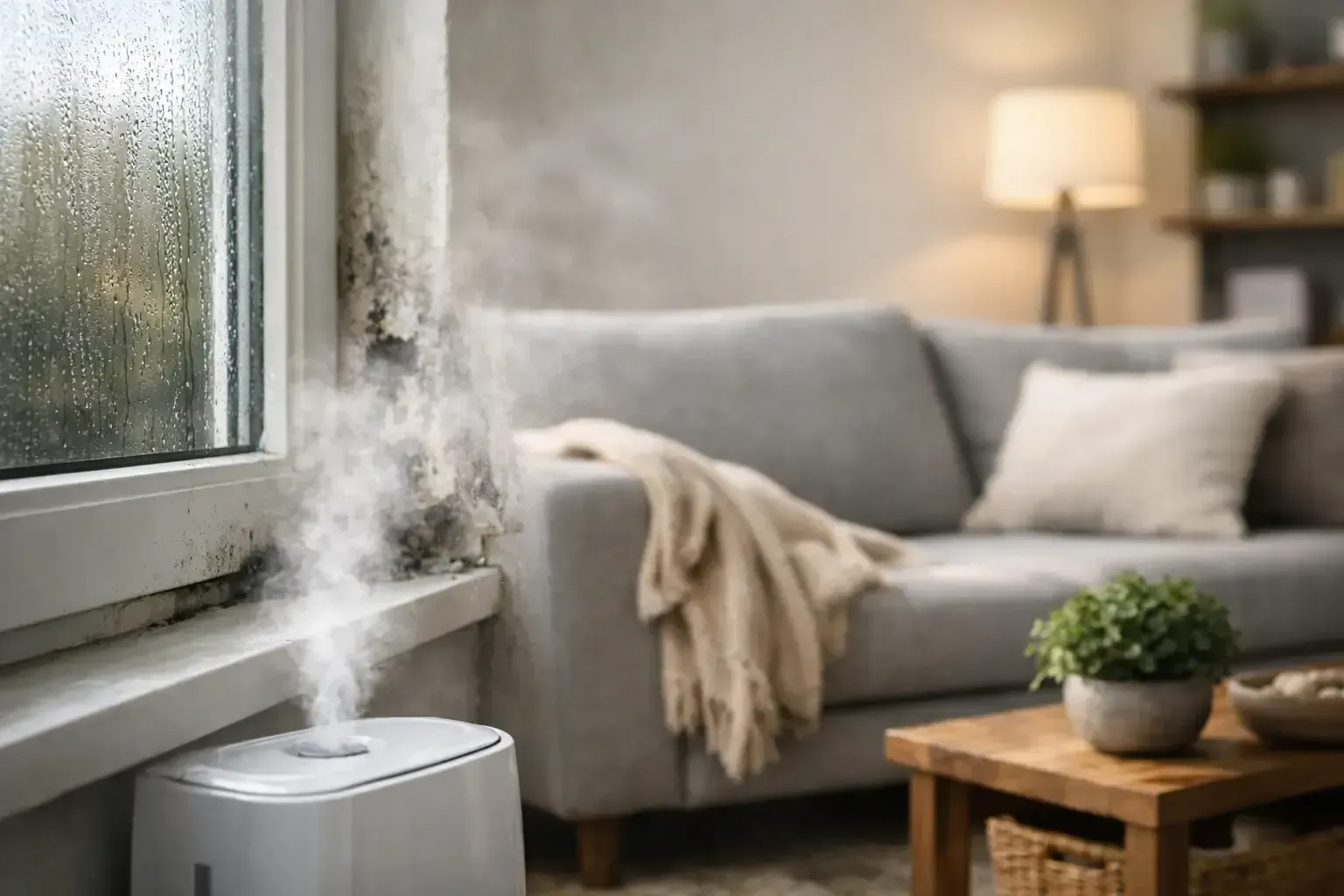
You walk into a room and catch that stale, damp smell right away. It may be strongest near an air vent, inside a closet, after the AC kicks on, or in a part of the building that never seems fully dry. If you are asking what causes musty indoor air, the short answer is usually moisture - but the real cause can be much more specific, and that matters if you want the problem to stop instead of keep coming back.
A musty odor is not a normal part of indoor living. In many cases, it points to excess humidity, hidden water intrusion, mold growth, HVAC contamination, or damp building materials that have not dried properly. Sometimes the smell is mild and intermittent. Other times it is strong enough to affect comfort, trigger complaints from tenants, or raise concerns during a home sale. Either way, the odor is a signal worth taking seriously.
What Causes Musty Indoor Air Most Often?
The most common cause is moisture that has been present long enough for microbial growth or material deterioration to begin. Musty air typically develops when porous materials like drywall, wood, carpet, insulation, or furniture absorb moisture and stay damp. Once that happens, the odor can linger even if the visible surface looks clean.
In Florida and Kentucky, humidity plays a major role, but humidity alone is not always the full story. Indoor air can smell musty because of a roof leak, plumbing leak, slab moisture, condensation around HVAC components, crawl space dampness, past flood damage, or poor drying after a water loss. A building can look fine on the surface and still have odor-producing conditions behind walls, under flooring, or inside ductwork.
That is one reason these cases can be frustrating for property owners. You may clean the room, replace filters, and run air fresheners, yet the smell keeps returning. If the moisture source is still active, the odor usually will too.
Hidden Water Damage is a Frequent Culprit
Not all water damage announces itself with stained ceilings or standing water. Slow leaks under sinks, behind showers, around windows, or inside wall cavities often go unnoticed for weeks or months. During that time, materials can stay wet enough to support mold growth and bacterial activity.
This is especially common in bathrooms, laundry rooms, kitchens, utility rooms, and areas below roof penetrations. In commercial buildings, it may show up around rooftop units, pipe chases, break rooms, or restrooms. In rental properties, the issue may be present long before a new tenant notices the odor.
If the smell seems stronger after rain, after using plumbing fixtures, or in one isolated part of the property, hidden water intrusion should be high on the list of possible causes.
High Indoor Humidity Can Create Musty Conditions
Humidity does not have to become visible condensation before it starts causing problems. When indoor relative humidity stays elevated, materials absorb moisture from the air. Closets, cabinets, stored contents, and rooms with limited airflow often develop odors first because dampness builds quietly there.
Air conditioning usually helps control humidity, but not always. An oversized AC system may cool the air too quickly without removing enough moisture. Short cycling, dirty coils, blocked drainage, or poorly balanced airflow can also leave a property feeling cool but still damp. That is why some buildings smell musty even when the thermostat reading looks normal.
Mold is Common, but Not Every Musty Smell Means Visible Mold
People often associate a musty odor with mold, and often that is justified. Mold can produce microbial volatile organic compounds, which create the earthy or stale smell many people recognize right away. But mold does not have to be visibly covering a wall to affect indoor air.
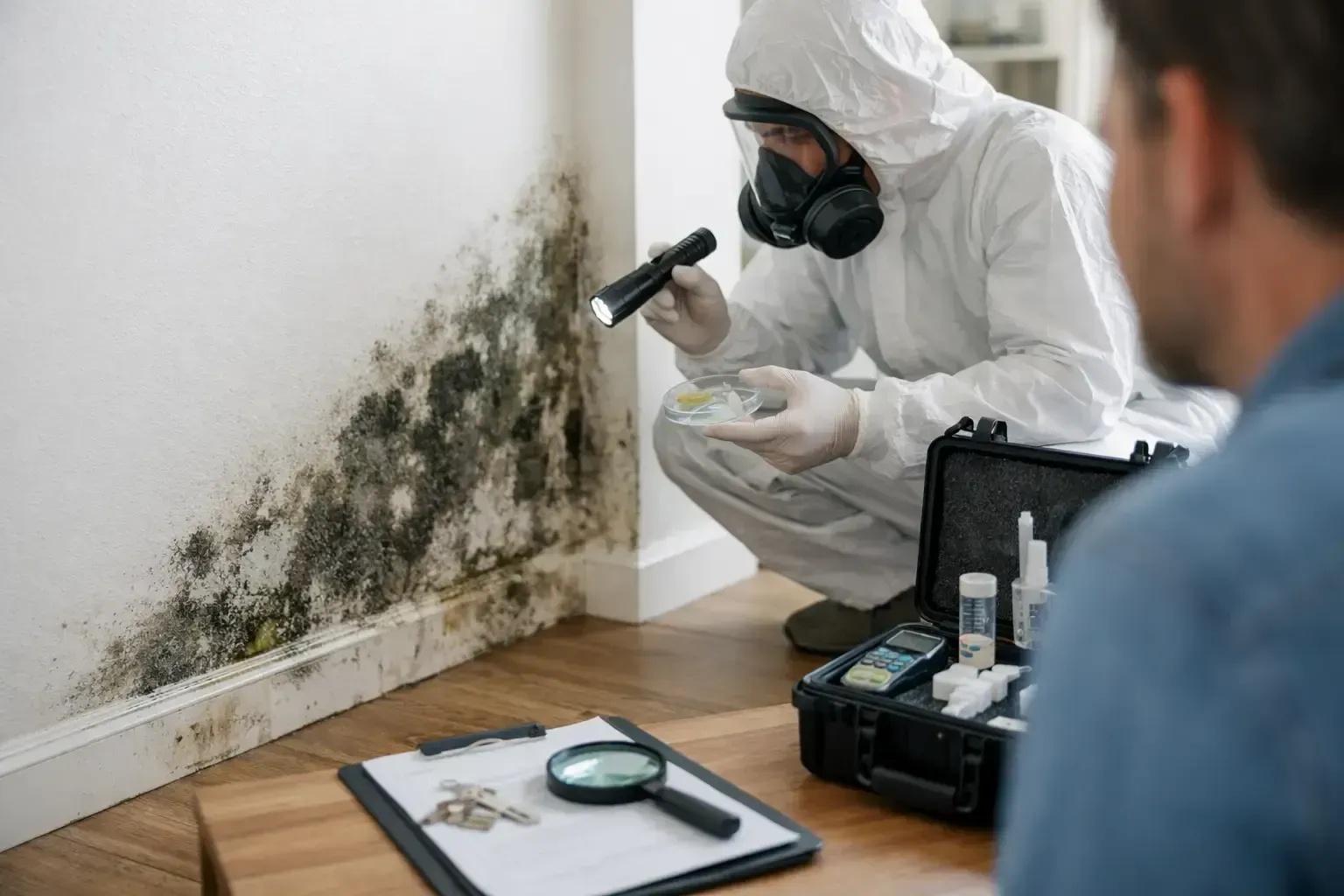
It may be growing inside a wall cavity, under vinyl flooring, beneath carpet padding, on the back side of baseboards, inside an HVAC air handler, or above a ceiling. By the time the odor becomes noticeable, the affected area may be larger than expected.
That said, not every musty smell is a major mold problem. Some odors come from damp contents, an old leak that was never fully dried, or bacterial buildup in HVAC components. The challenge is that odor alone cannot tell you exactly what is present, how extensive it is, or whether the air quality has been affected. That is where a proper assessment becomes valuable.
HVAC Systems Can Spread the Smell
If musty air seems strongest when the system turns on, the HVAC system deserves close attention. Condensate drain issues, dirty evaporator coils, wet insulation near the air handler, contaminated duct lining, and return-side air leaks can all contribute to odor.
In some homes and buildings, the HVAC system is not the original source of the problem but becomes the delivery system. It pulls air from a damp cavity, attic, crawl space, or wall chase and distributes that odor throughout the property. That can make the issue feel whole-house even when the moisture source is localized.
Air filters help with particles, but they do not solve moisture problems. If the system is carrying odor because components are wet or contaminated, replacing the filter alone is rarely enough.
Other Building Conditions That Can Cause Musty Indoor Air
Basements, crawl spaces, garages converted into living space, and poorly ventilated additions are common problem areas. These spaces often have temperature differences, lower air movement, and more opportunities for moisture intrusion. In older properties, vapor barriers, drainage details, and insulation may not be performing the way owners assume.
Stored contents can also hold odor. Cardboard boxes, fabrics, books, and upholstered furniture absorb moisture easily. In a room that has had long-term humidity or a prior leak, the smell may remain in contents even after surfaces are cleaned.
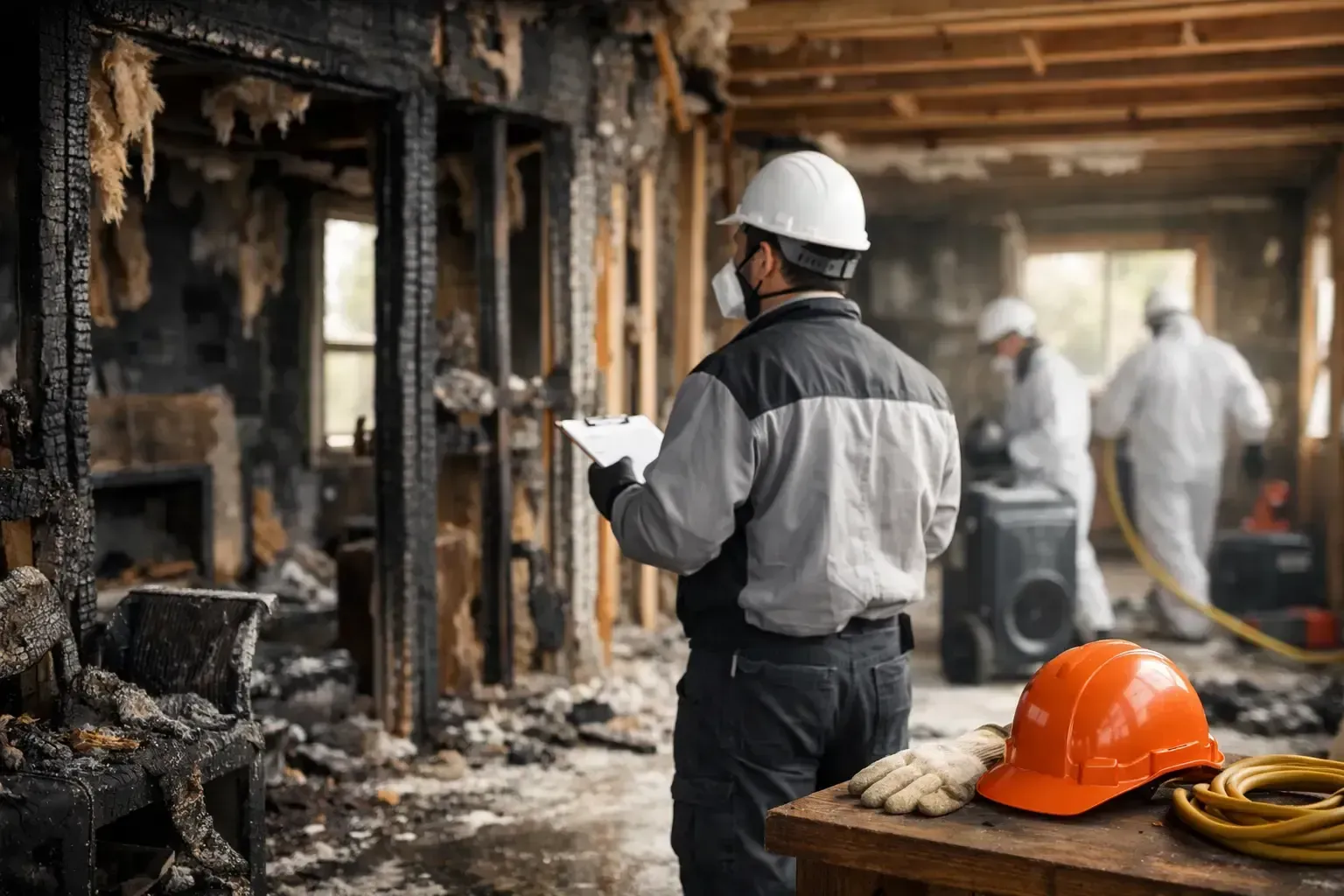
Post-fire properties can be another exception. Smoke-damaged materials sometimes trap moisture and odor in ways that mimic a musty smell, especially if cleanup was incomplete or water used during firefighting was not fully addressed. In those cases, more than one contamination source may be affecting the air.
Why the Source Matters More Than the Smell
Many property owners try to fix musty air by masking it. They deep clean, paint over stains, use odor absorbers, or add deodorizers to the HVAC system. Those steps may reduce symptoms for a while, but they do not answer the central question: where is the moisture coming from, and what materials were affected?
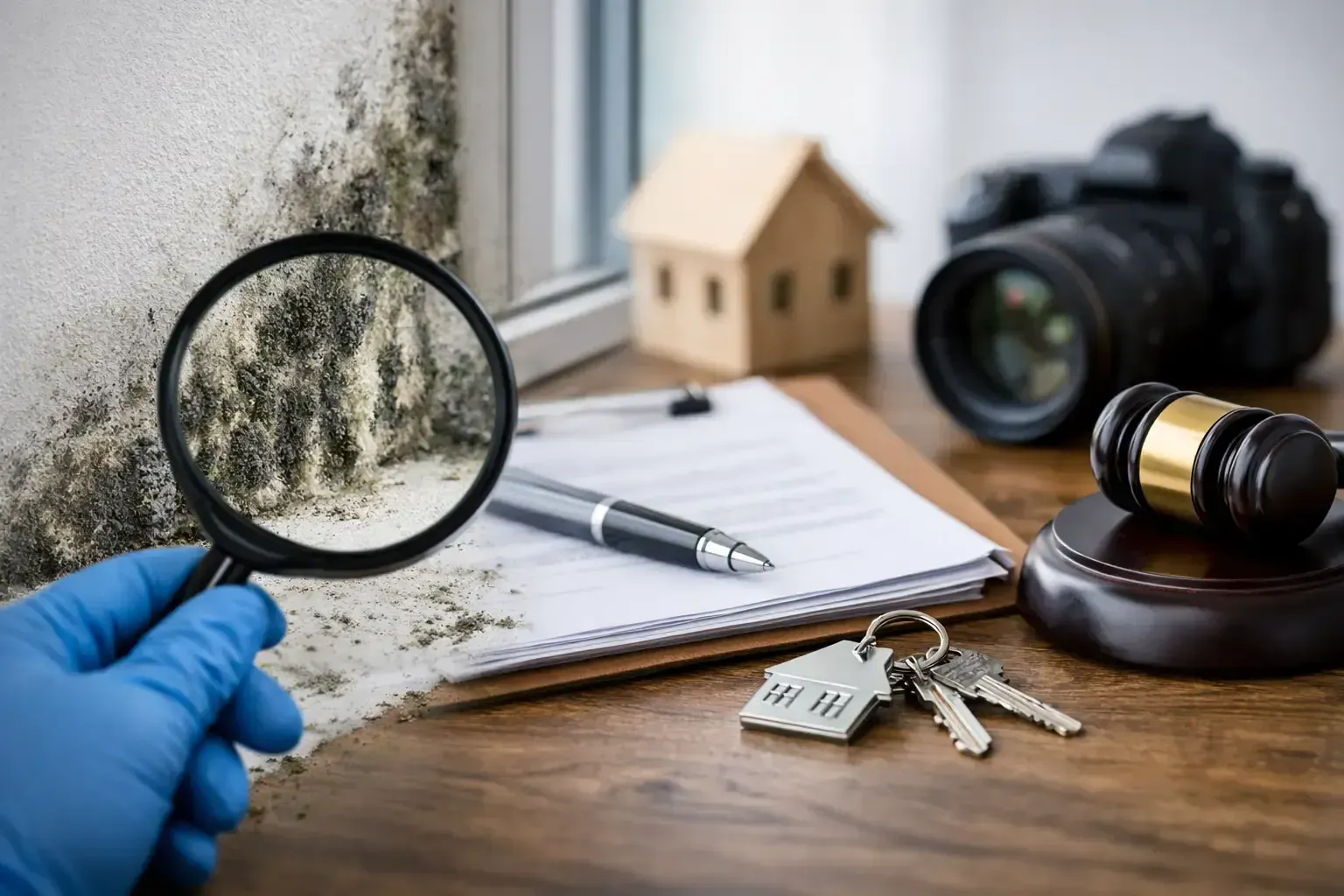
That is the part that protects both health and property value. If moisture is ongoing, damage can spread. If mold is active, disturbing materials during cleanup without a plan can make conditions worse. If you are preparing to sell, lease, or document a dispute, you need more than a guess. You need findings that are clear, accurate, and defensible.
When Testing and Inspection Make Sense
If the odor persists for more than a few days, returns after cleaning, or is tied to a recent leak, inspection is a smart next step. The same is true if occupants are reporting irritation, headaches, respiratory discomfort, or if there is concern about hidden mold or water damage.
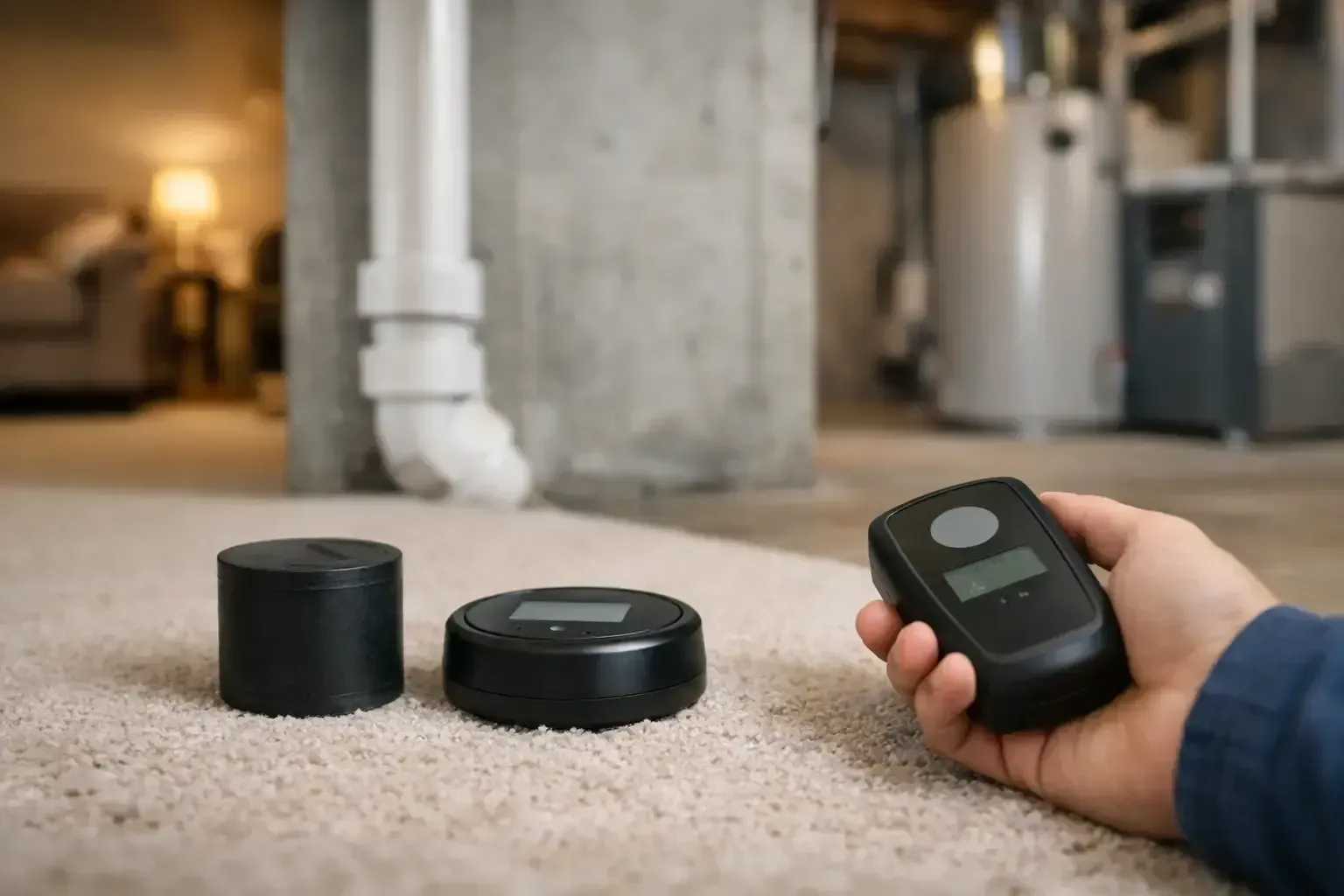
A thorough assessment may include moisture mapping, thermal imaging, visual inspection of suspect areas, HVAC review, and indoor air quality or mold testing when appropriate. The right approach depends on the building and the symptoms. Sometimes the source is straightforward. Sometimes the issue involves multiple contributors, such as a minor plumbing leak combined with poor humidity control and contaminated ductwork.
Testing is not about making the situation sound worse than it is. It is about narrowing the possibilities and identifying what can be documented. That is especially useful for homeowners deciding on repairs, landlords addressing complaints, business owners protecting occupants, or buyers evaluating a property before closing.
What to Do While You Are Investigating
Do not ignore active leaks or standing water. Drying should begin as quickly as possible. If an area has visible mold growth or damaged materials, avoid aggressive cleaning that could spread contamination before the source is understood. Keep humidity under control if you can, but remember that a dehumidifier is not a substitute for finding the cause.
If the smell is strongest in one room, note when it gets worse - after rain, after showers, when the AC runs, or after the building has been closed up. Those patterns often help identify whether the issue is related to plumbing, weather intrusion, humidity, or HVAC operation.
For property owners who need answers they can rely on, experienced environmental assessment matters. Hanes Environmental works with homeowners, property managers, buyers, and businesses that need clear testing, practical findings, and direct guidance on what the building is actually telling them.
A musty smell is your building's way of signaling that something is off. The faster you identify whether that issue is humidity, hidden water damage, mold, HVAC contamination, or a combination of problems, the sooner you can make the property feel safe, clean, and truly dry again.
Recent Posts