When a mold cleanup crew says the job is done, that should not be the end of the conversation. The real question is whether the contamination was actually removed, the affected area was cleaned to an acceptable condition, and the property is ready for normal use again. That is where post remediation verification testing matters.
For homeowners, property managers, buyers, and business owners, this step is about more than paperwork. It is about knowing whether the air is safer, whether hidden moisture issues are still active, and whether the remediation work addressed the source of the problem instead of just the visible damage. If you are paying for cleanup, dealing with an insurance claim, preparing a property for sale, or trying to protect occupants, verification is what turns claims into documented results.
What Post Remediation Verification Testing is
Post remediation verification testing, often called PRV testing, is an independent evaluation performed after remediation work is completed. Its purpose is to determine whether the treated area meets acceptable clearance criteria based on the conditions that existed before cleanup, the type of contamination involved, and current site conditions.
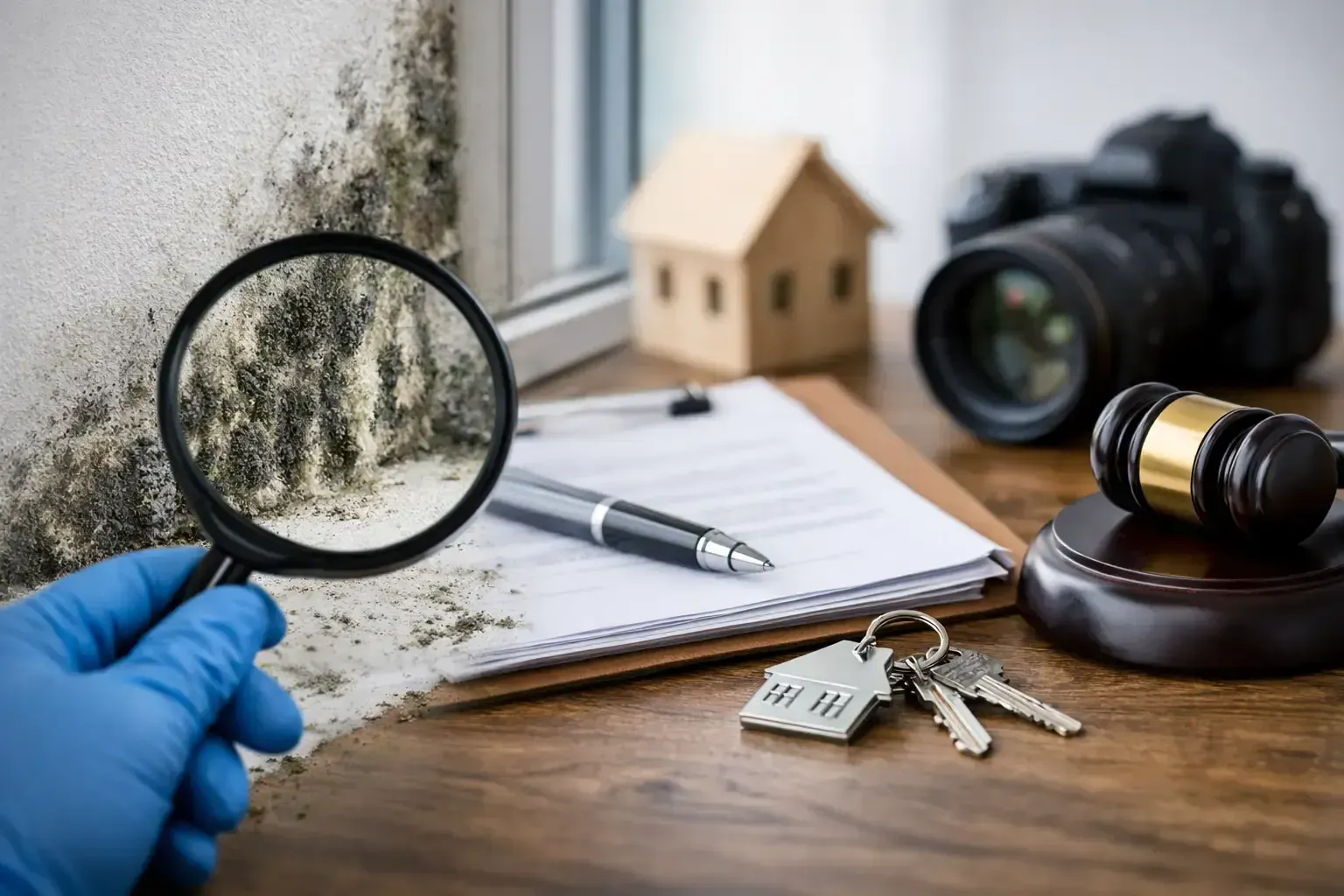
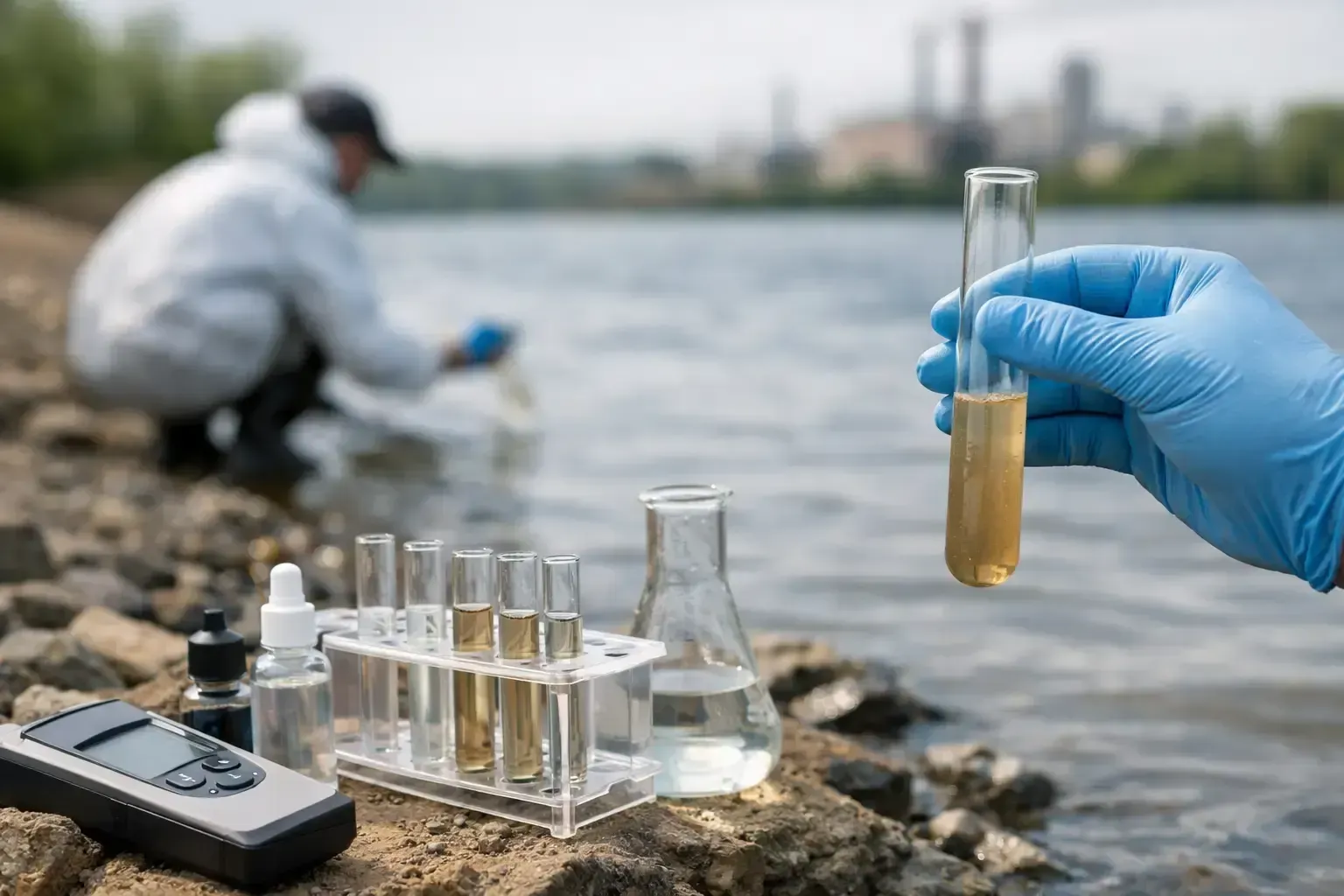
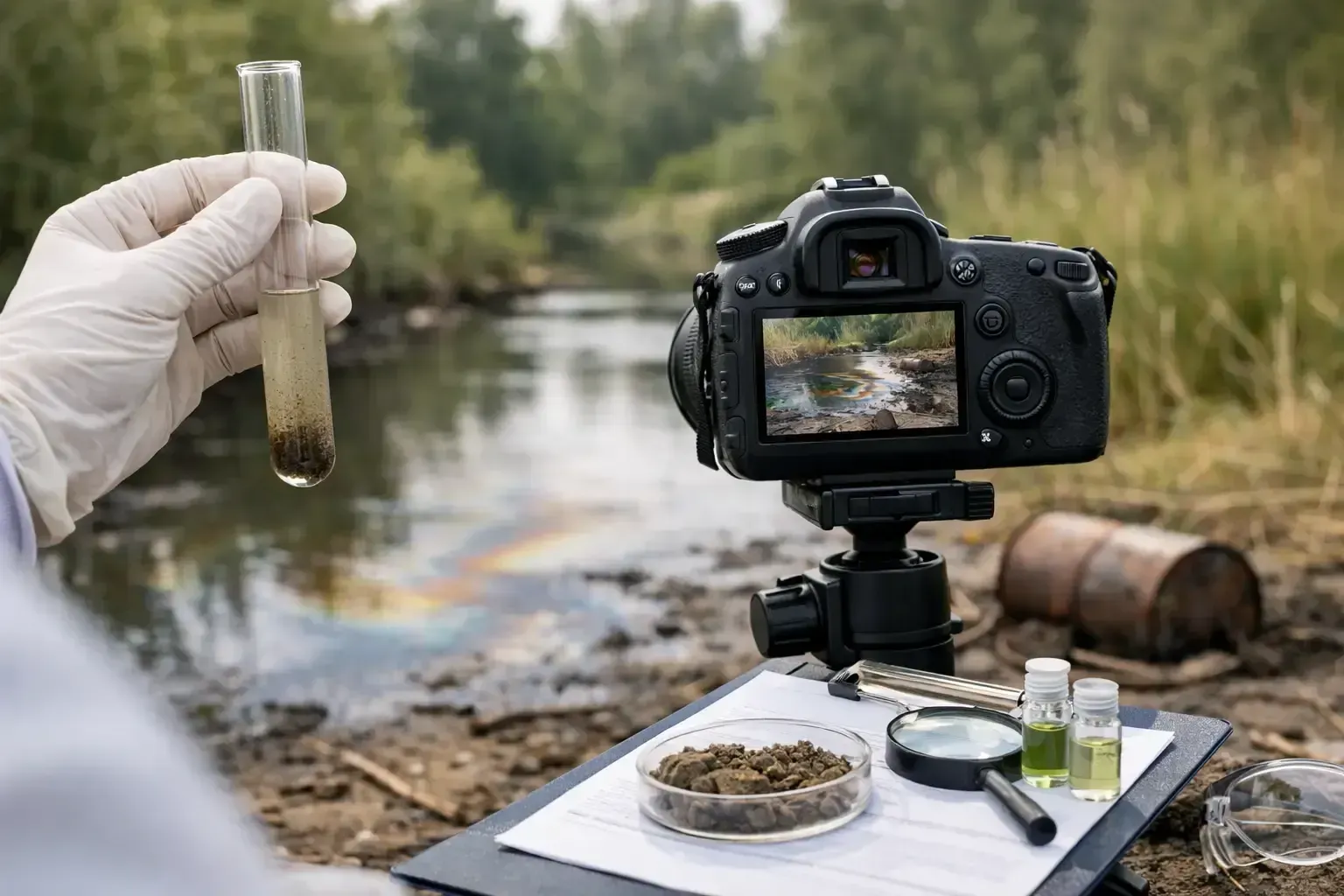
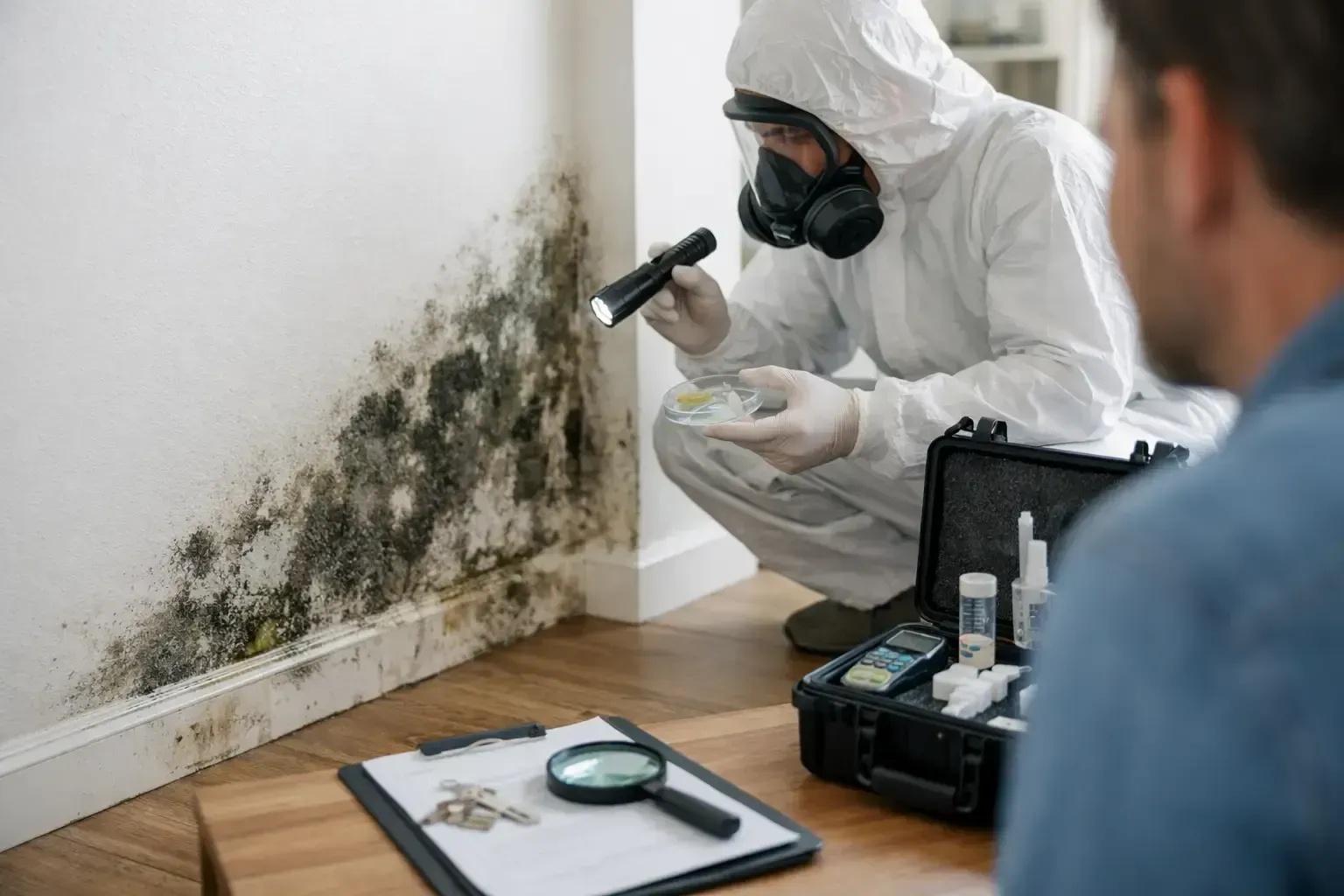
In mold cases, that often means inspecting the remediated area, checking that damaged materials were properly removed, confirming that dust and debris are not left behind, evaluating moisture conditions, and collecting samples when needed. The goal is not to simply find any spore at all. Mold exists naturally in indoor and outdoor environments. The goal is to determine whether the remediated area has returned to a normal, controlled condition without evidence of unresolved growth or remediation failure.
That distinction matters. A property can look clean and still fail verification if moisture remains in building materials, if contaminated dust was spread to adjacent areas, or if the underlying water intrusion was never corrected.
Why Post Remediation Verification Testing Matters
Remediation without verification leaves too much open to assumption. You may have a contractor who worked hard and acted in good faith, but without testing and documented inspection findings, there is no objective way to confirm the result.
This matters for health concerns because occupants often return to the space expecting that the issue is over. If contamination remains, symptoms may continue and confidence in the property drops quickly. It also matters for liability. Property managers, landlords, sellers, and commercial owners may need proof that a reported environmental issue was properly addressed.
In many situations, verification testing also helps prevent repeat costs. If a remediated area fails clearance, it is better to identify that before furniture returns, walls are closed up, tenants move back in, or a transaction goes to the next stage. A failed verification can be frustrating, but it is far less expensive than discovering a problem after the property is reoccupied.
What a Proper Verification Process Looks Like
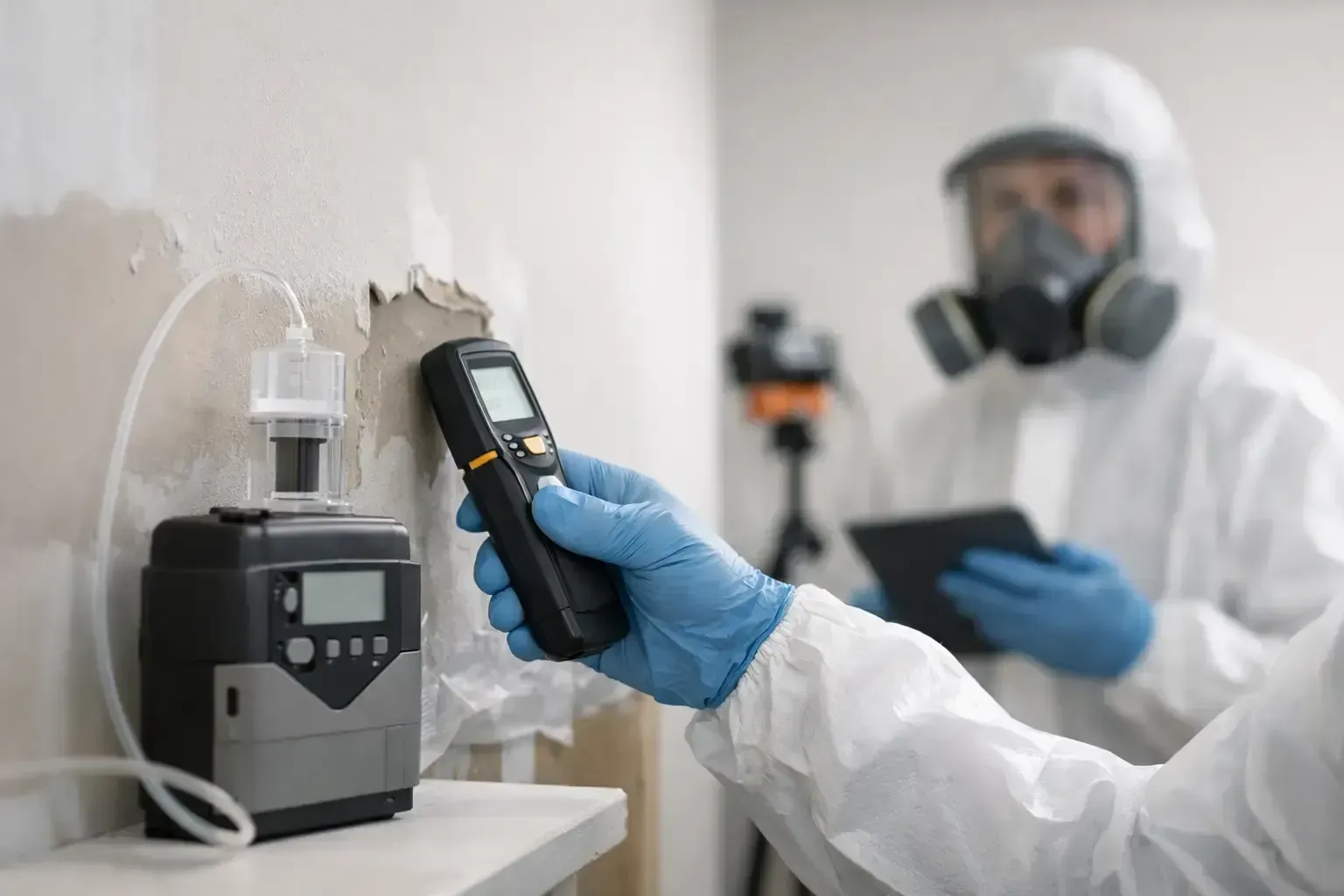
A credible post remediation verification testing process starts with inspection, not sampling alone. Sampling can be valuable, but numbers without context do not tell the full story. The inspector needs to look at the work area, the containment status, visible cleanliness, remaining damage, and moisture conditions.
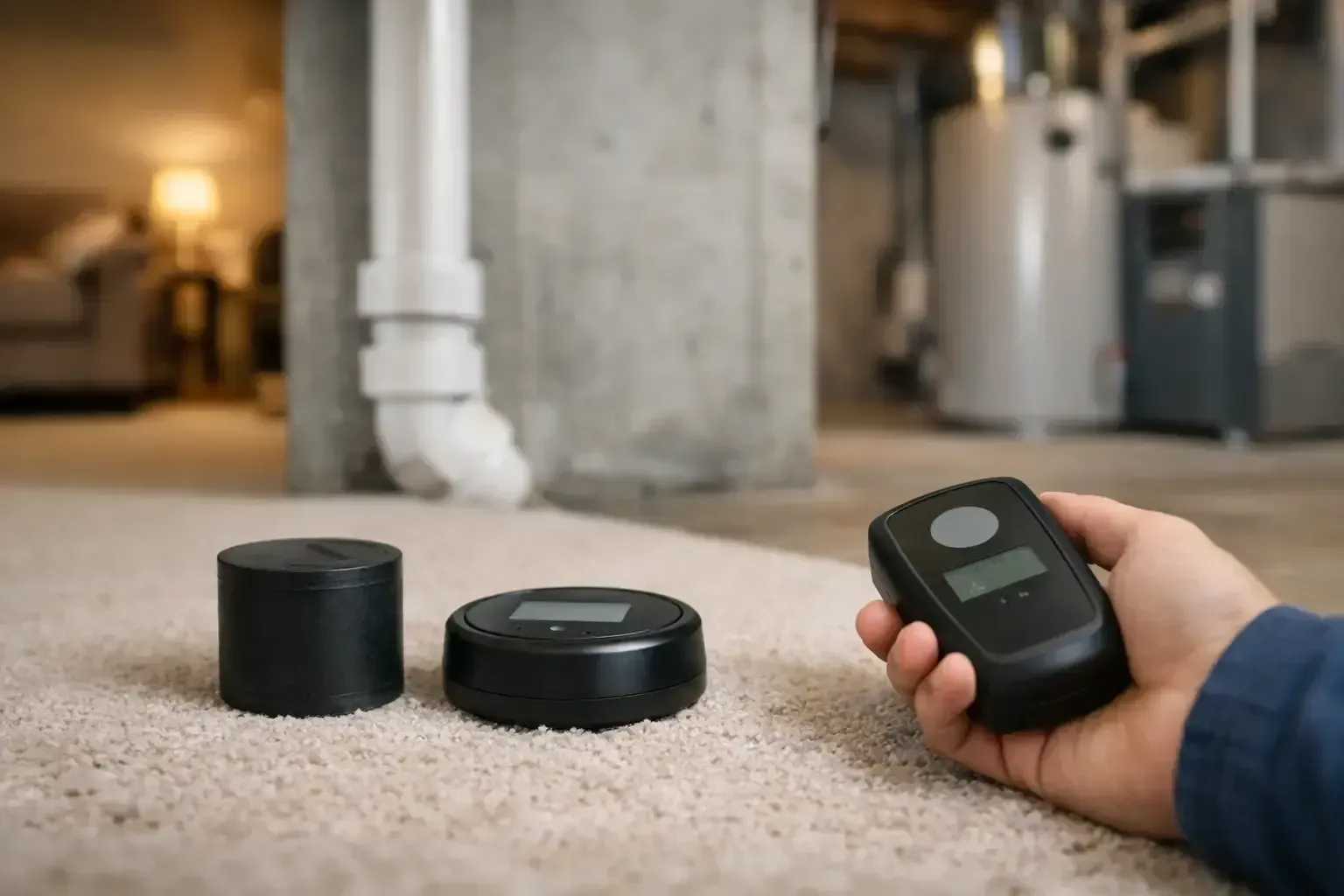
In a mold remediation project, this usually includes reviewing whether the source of moisture was corrected, whether porous materials that could not be salvaged were removed, and whether the area was cleaned thoroughly enough to eliminate settled dust and debris. Moisture meters, thermal imaging, and other field tools may be used to identify areas that still need attention.
Air samples or surface samples may then be collected when appropriate. Whether they are necessary depends on the project. In some cases, visual inspection and moisture confirmation are enough. In others, especially where there were larger contamination concerns, occupant complaints, or legal and insurance implications, laboratory-supported sampling adds an important layer of documentation.
A good verification report should explain the methods used, the areas inspected, the findings, and whether the remediation passed or failed based on established criteria. Clear reporting matters because many clients are not looking for raw technical data. They need defensible results they can understand and use.
When Prv Testing Should Happen
Timing is critical. Verification should be done after remediation is complete but before the area is rebuilt, reoccupied, or released from containment. If testing happens too early, while surfaces are still disturbed or cleaning has not been finalized, results may not reflect the finished condition. If it happens too late, problems can be covered up by reconstruction or normal occupancy.
The area should also be dry and in stable condition. If drying equipment is still running or materials have not reached acceptable moisture levels, the space may not be ready for clearance. In water-damage-related mold jobs, this point is often overlooked. Cleanup may appear finished, but elevated moisture in framing, drywall, subflooring, or insulation can set the stage for regrowth.
That is why an experienced environmental assessor does not treat verification as a quick final checkbox. It is a controlled snapshot of whether the property is truly ready to move forward.
What Can Cause a Property to Fail Post Remediation Verification Testing
A failed clearance result does not always mean the entire project was mishandled. Sometimes the failure is limited to one issue that can be corrected quickly. Still, the reasons behind failure tend to follow a pattern.
One common problem is incomplete cleaning. Fine particulate matter, including mold fragments and contaminated dust, can remain on horizontal surfaces, inside cavities, or in nearby areas affected by cross-contamination. Another is unresolved moisture. If the leak, humidity problem, or drainage issue was never fully corrected, the conditions that caused growth may still be present.
Containment failure is another concern. If remediation was performed without proper isolation, spores and debris may have spread beyond the work zone. In some properties, especially older homes, multifamily buildings, and commercial spaces, there may also be hidden reservoirs behind finishes, under flooring, or inside HVAC components that were not addressed during the initial scope of work.
This is where independent testing has real value. It helps separate a true successful cleanup from a cleanup that only looks acceptable on the surface.
Who Benefits From Verification Testing
Homeowners often seek verification for peace of mind, especially when children, elderly family members, or medically sensitive occupants are involved. They want a clear answer before returning to normal use of a bedroom, bathroom, kitchen, or living space.
Property managers and landlords benefit because documented post-remediation conditions can help reduce disputes with tenants and show that complaints were taken seriously. Realtors, buyers, and sellers may need verification when a mold issue surfaces during a transaction. A clean clearance report can keep a deal moving, while a failed result can identify exactly what still needs correction.
Commercial owners and facility managers often need even stronger documentation. They may be protecting staff, customers, inventory, or business continuity. In those cases, a detailed assessment with laboratory-backed findings can be essential.
Choosing the Right Company for Post Remediation Verification Testing
Not all testing is equal. A proper verification assessment should be detailed, unbiased, and based on field experience, not just a quick sample pull. The company should understand building science, moisture behavior, contamination pathways, and how remediation work is supposed to be performed.
It also helps to work with a provider that can explain findings in plain language. Most clients are dealing with stress, time pressure, and financial concerns. They do not need vague statements. They need direct answers about whether the area passed, what the results mean, and what should happen next if it did not.
For properties in Florida and Kentucky, especially where heat, humidity, storm damage, leaks, and indoor air quality issues are common, that local experience matters. Hanes Environmental approaches verification with the same practical focus clients need in the field - accurate inspection, certified methods, and reporting that stands up when decisions need to be made.
Verification is How You Know the Job is Actually Finished
A remediation invoice tells you work was performed. Post remediation verification testing tells you whether that work produced an acceptable result. There is a difference, and it is a difference that affects health, liability, property value, and confidence in the building.
If you are already investing in cleanup, do not stop short of confirmation. The strongest outcome is not hearing that the work is done. It is having clear evidence that the space is clean, dry, and ready for the next step.
Recent Posts