That new paint smell, the lingering odor after a water loss, the chemical scent in a recently renovated room - those are often the moments that push people to ask about voc testing in house. The concern is rarely just the smell itself. It is whether the air is safe, whether materials are off-gassing, and whether exposure could be affecting people in the building.
VOC stands for volatile organic compounds. These are gases released from certain products and building materials, including paints, adhesives, flooring, cabinetry, sealants, fuels, cleaning products, and smoke-damaged contents. Some VOCs are mild irritants at low levels. Others can become more serious concerns depending on concentration, duration of exposure, ventilation, and the specific chemicals involved.
When Voc Testing in House Makes Sense
Not every odor problem calls for VOC testing, but many do. If occupants are experiencing headaches, throat irritation, dizziness, burning eyes, or a strong chemical odor that does not go away, testing can help move the situation from guesswork to documented facts. The same applies when a home has been remodeled, a property has water damage, or a fire or smoke event has affected building materials and contents.
Real estate transactions are another common trigger. Buyers may notice unusual odors during a walkthrough. Sellers may want to address air quality concerns before listing. Property managers may need objective documentation when tenants report indoor air complaints. Business owners may also need testing when employees report symptoms or when a worksite includes stored chemicals, recent finishes, or HVAC-related air concerns.
The key point is simple: odor alone is not a reliable measure of risk. Some harmful compounds are noticeable right away. Others are not. A strong smell can fade while contaminants remain, and a mild smell can still point to a real indoor air quality issue.
What Voc Testing Can and Cannot Tell You
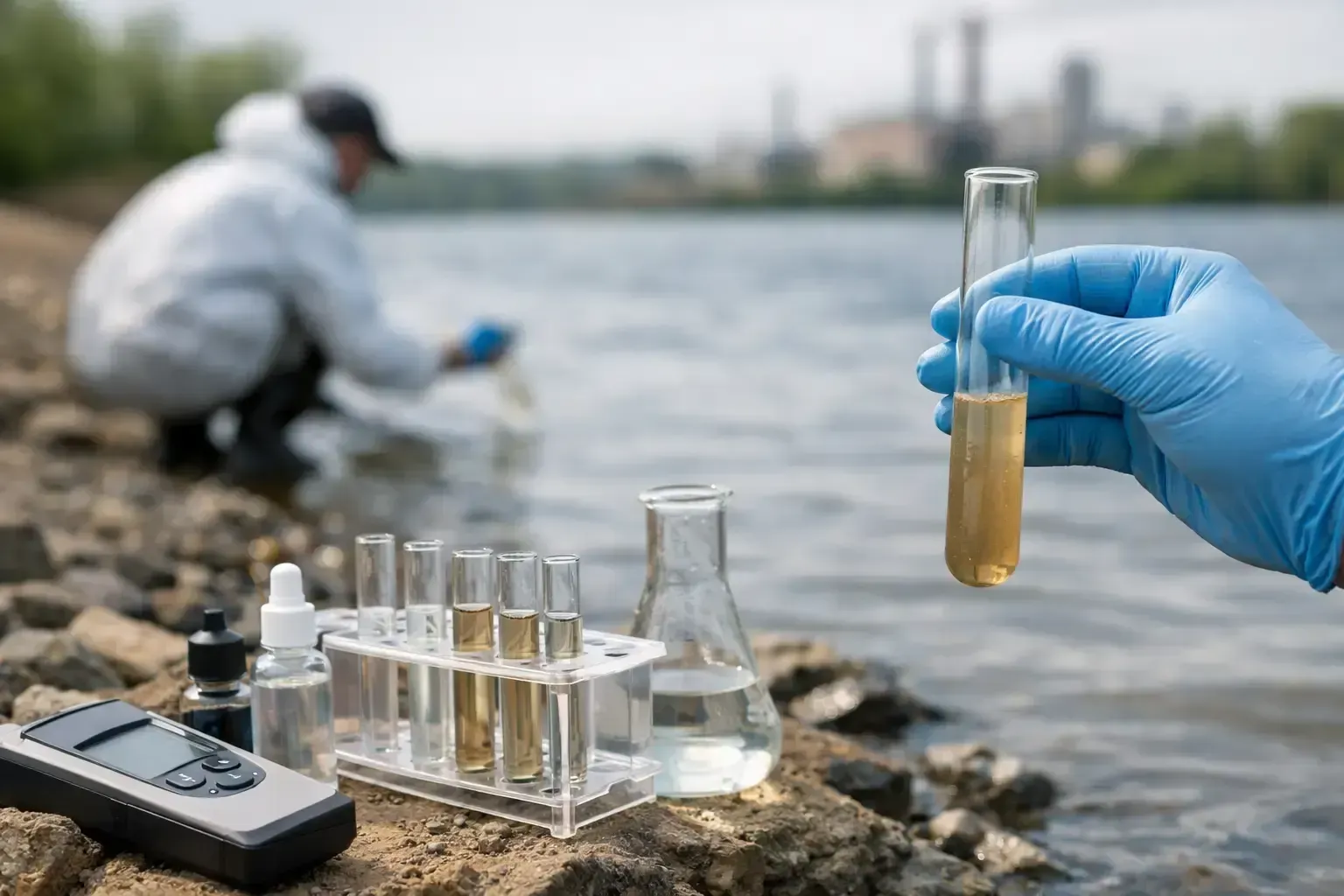
A good VOC assessment can identify whether chemical compounds are present in indoor air and whether the levels suggest an abnormal indoor source. It can also help compare indoor conditions to outdoor conditions and support a larger investigation into what is causing the problem.
What it cannot do is answer every question by itself. VOC results need context. A lab report may show elevated compounds, but the next step is figuring out why those compounds are there. That may involve reviewing building materials, recent construction, moisture issues, smoke damage, stored products, or HVAC performance.
This is where experience matters. Testing is not just about collecting air samples. It is about understanding the building, the timeline of the problem, occupant complaints, and the possible contamination sources. The same compound can point to different causes in different properties.
Common Indoor Sources of Vocs
In residential and commercial buildings, VOCs often come from ordinary materials and events that people do not immediately think of as contamination. Fresh paint, new carpet, vinyl flooring, pressed wood furniture, glues, cleaning chemicals, air fresheners, and stored solvents are frequent sources. Attached garages can also contribute when fuel vapors or exhaust migrate indoors.
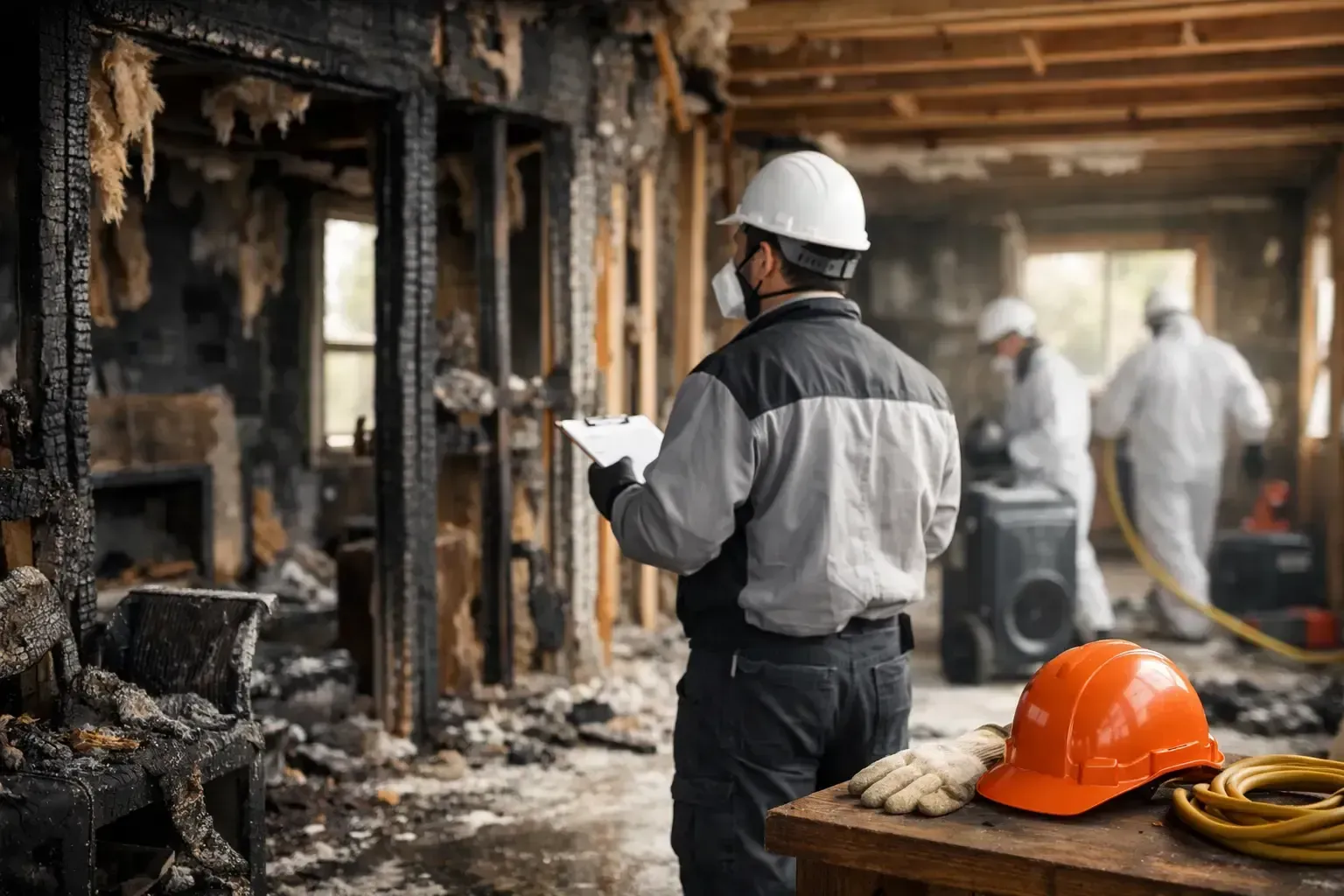
Water damage can complicate the picture. Wet materials may not create VOCs on their own, but the cleanup products, sealants, replacement materials, and hidden deterioration that follow a loss can change indoor air conditions. Fire and smoke damage can create a different set of concerns. Burned synthetic materials, soot residues, and deodorization attempts may all affect the air.
New construction and recent renovations deserve special attention. A property can look clean and finished while still releasing measurable chemical compounds from new products. That does not always mean the building is unsafe, but it does mean testing may be useful when odors are persistent or occupants are reacting badly.
Why DIY Answers Often Fall Short
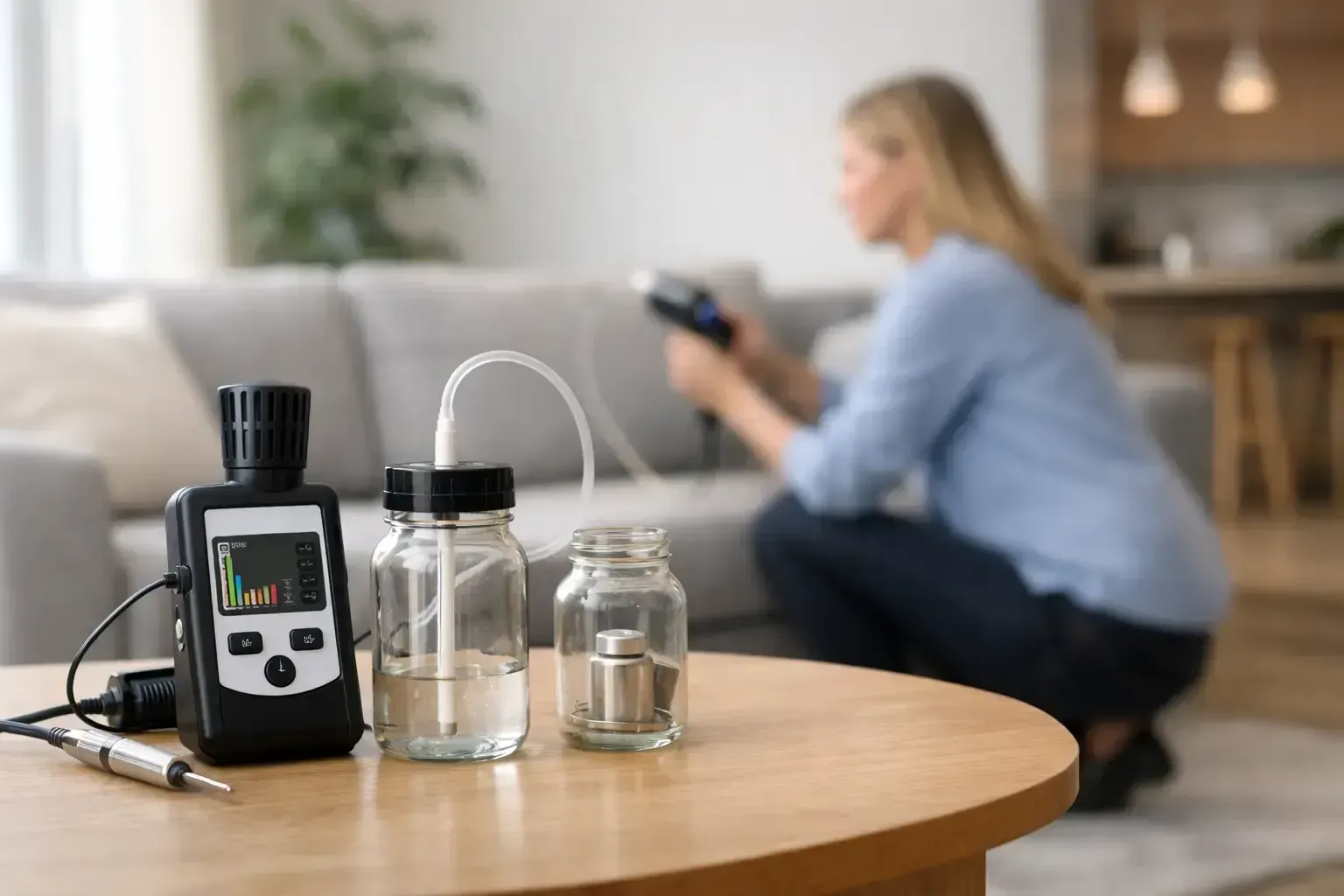
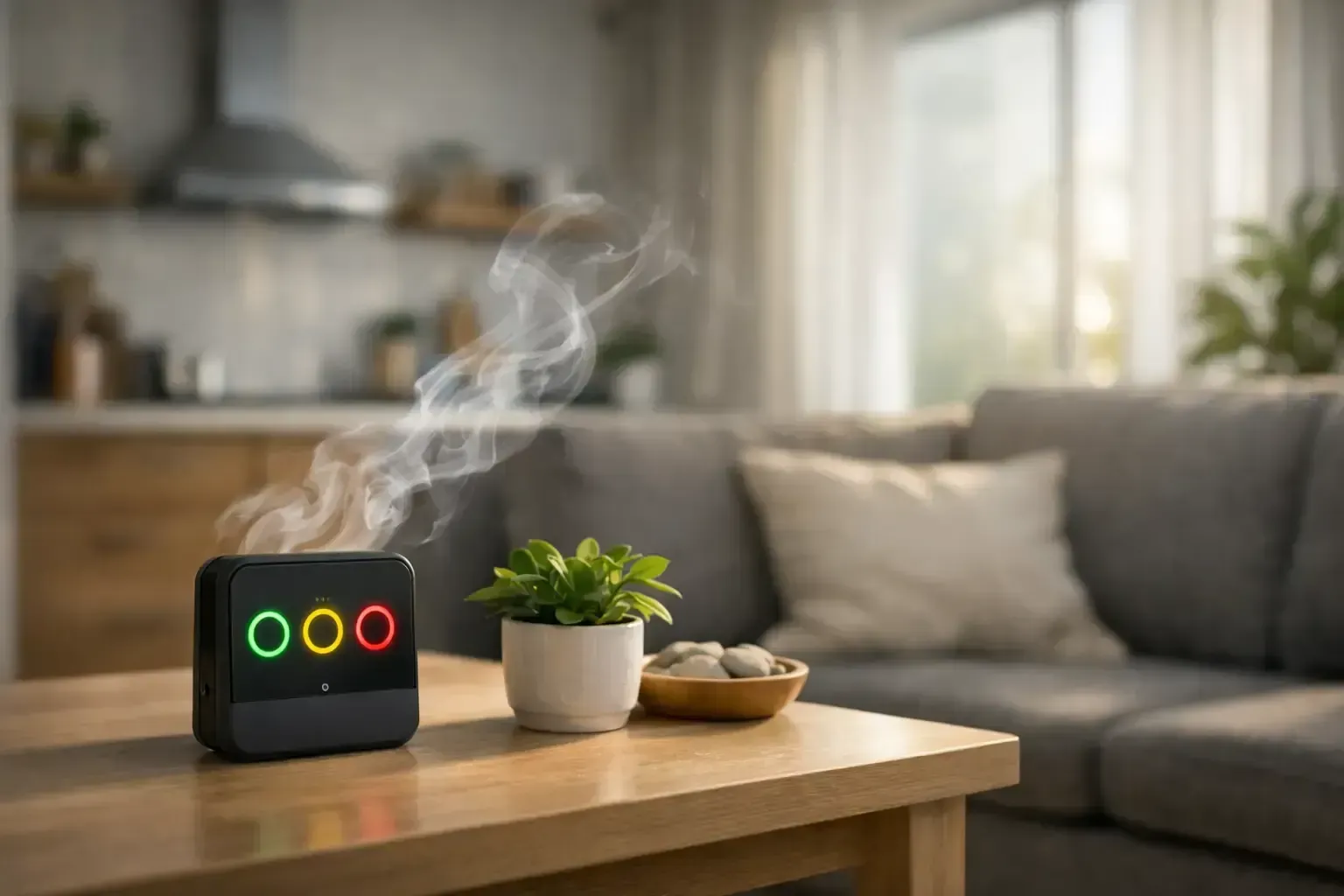
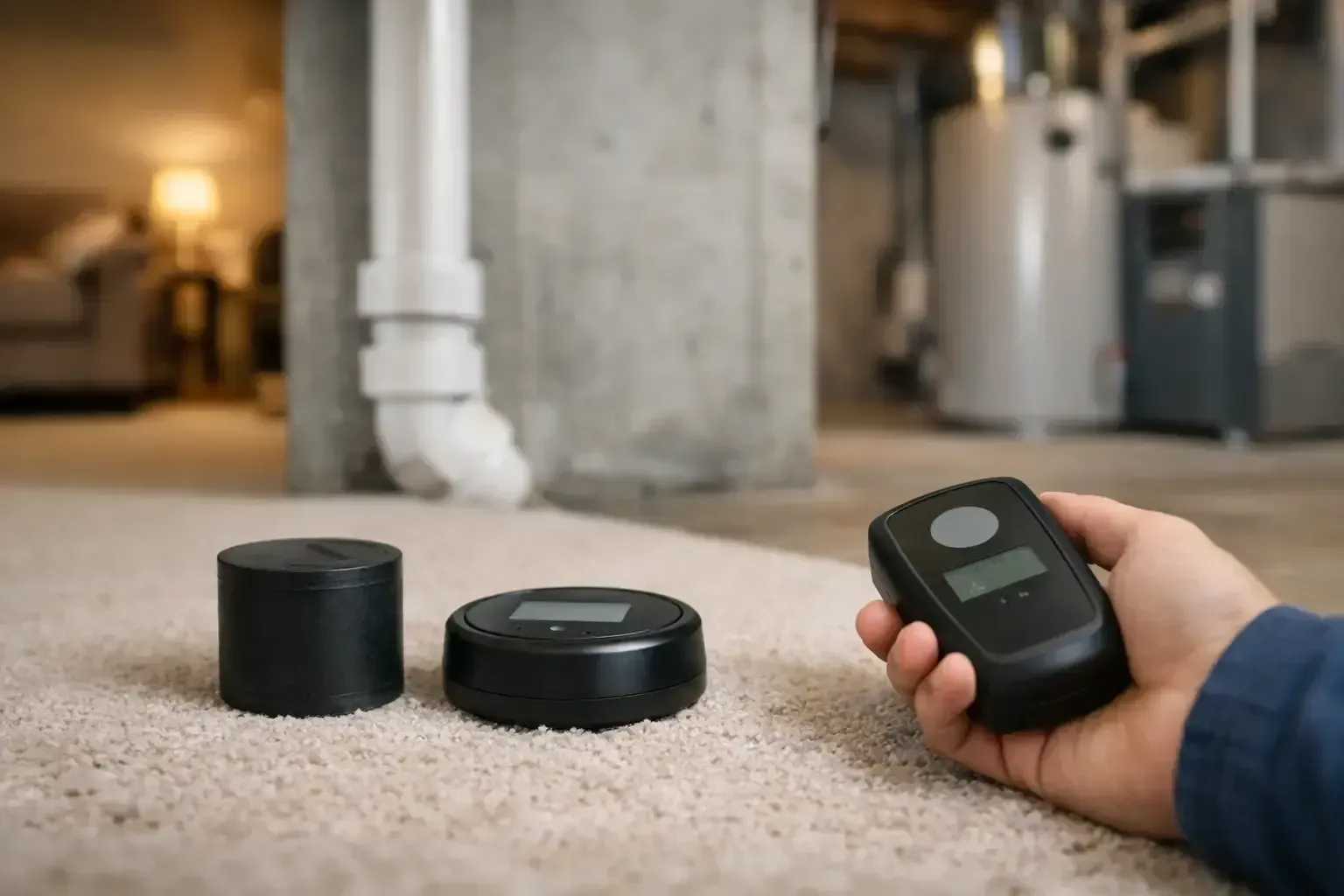
Many people start with a consumer air monitor. That is understandable. They want quick answers. The problem is that low-cost devices often provide broad readings without identifying specific compounds, and those readings can be affected by humidity, temperature, normal household products, or sensor limitations.
A consumer device may tell you that something changed in the air. It usually cannot document the source in a way that holds up for a real estate negotiation, insurance question, tenant dispute, or remediation plan. It also cannot replace lab-supported analysis when a property owner needs defensible results.
There is a place for simple monitors as screening tools, but they should not be treated as final proof. When health concerns, liability, or property value are on the line, professional testing is the safer path.
Interpreting Results Without Overreacting
One of the biggest mistakes in indoor air investigations is assuming any detected VOC means the building is dangerous. VOCs are common in indoor environments. The real question is whether the types and concentrations found are consistent with normal background conditions or whether they point to an unusual indoor source that needs attention.
That is why results should be read carefully. A recently painted room may test differently from an occupied living room with no recent work. A home with fire residue may show a very different pattern from a home with a hidden solvent source in a garage or utility area. Even season and ventilation habits can influence concentrations.
The goal is not to create alarm. The goal is to identify whether a manageable indoor air issue exists, document it clearly, and determine what corrective action makes sense. Sometimes the answer is source removal. Sometimes it is ventilation improvement, further cleaning, or material replacement. Sometimes testing confirms that a suspected chemical issue is not the main problem and that another condition should be investigated instead.
Voc Testing in House After Damage or Complaints
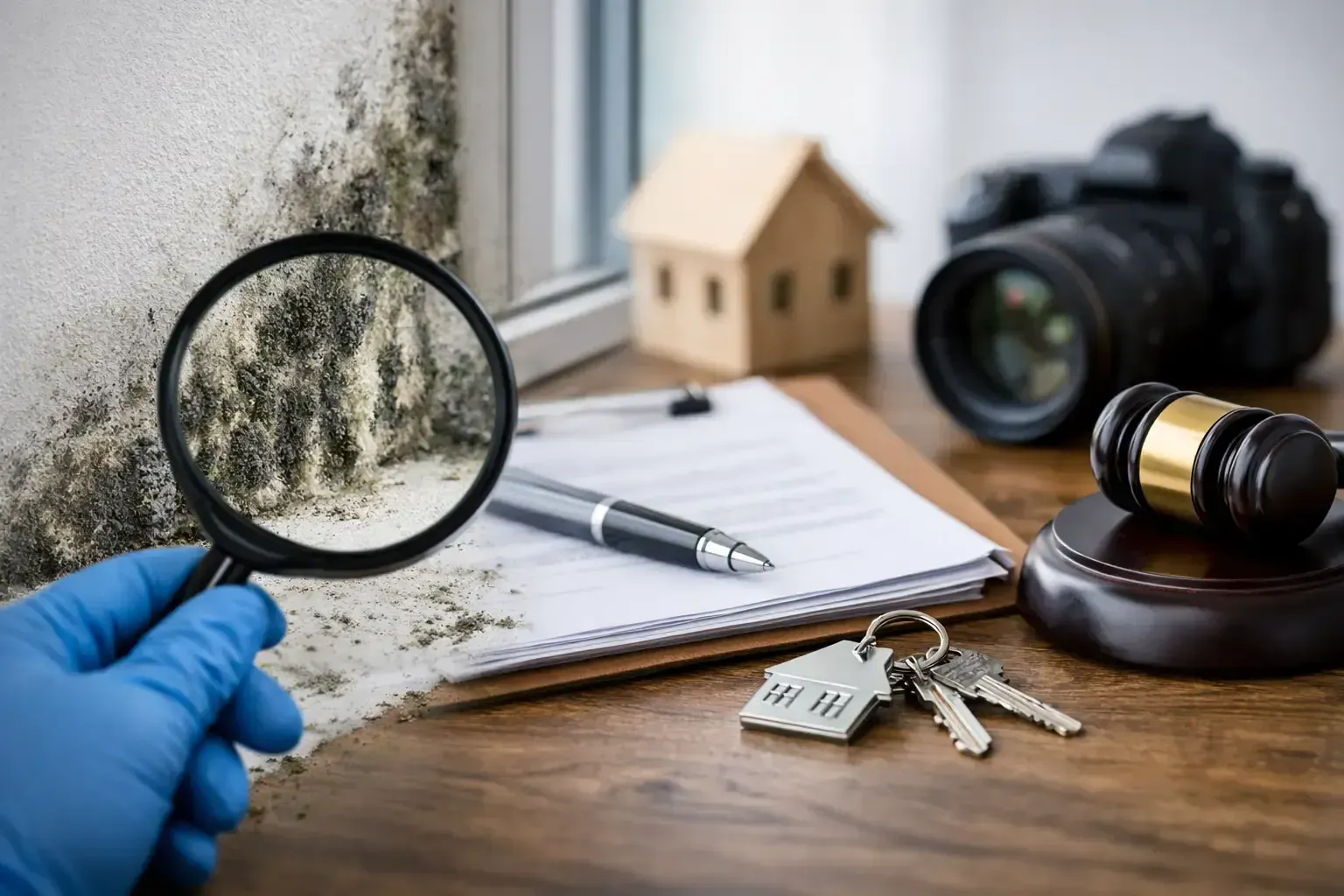
VOC concerns often show up alongside other environmental issues. After water damage, a property may need moisture investigation, mold assessment, and indoor air testing together. After fire damage, smoke residue testing and VOC analysis may both be appropriate. In rental properties or commercial spaces, air complaints may overlap with maintenance failures, poor ventilation, or contamination from adjacent areas.
That overlap is exactly why broad field experience matters. A property rarely presents one neat problem at a time. It presents symptoms, odors, timing, and occupant concerns that need to be sorted out methodically. An experienced environmental assessor knows when VOC testing is the right tool and when another form of testing should be added to build a complete picture.
For homeowners, that means fewer assumptions and clearer next steps. For realtors, managers, and business owners, it means documentation that supports decisions instead of vague opinions. Hanes Environmental approaches testing that way - with a focus on accurate sampling, clear reporting, and findings that help clients protect the property and the people inside it.
If you suspect a chemical air quality problem indoors, the smartest move is not to guess and not to wait for the smell to explain itself. Get the conditions assessed while the evidence is still present, and let the results guide what happens next.