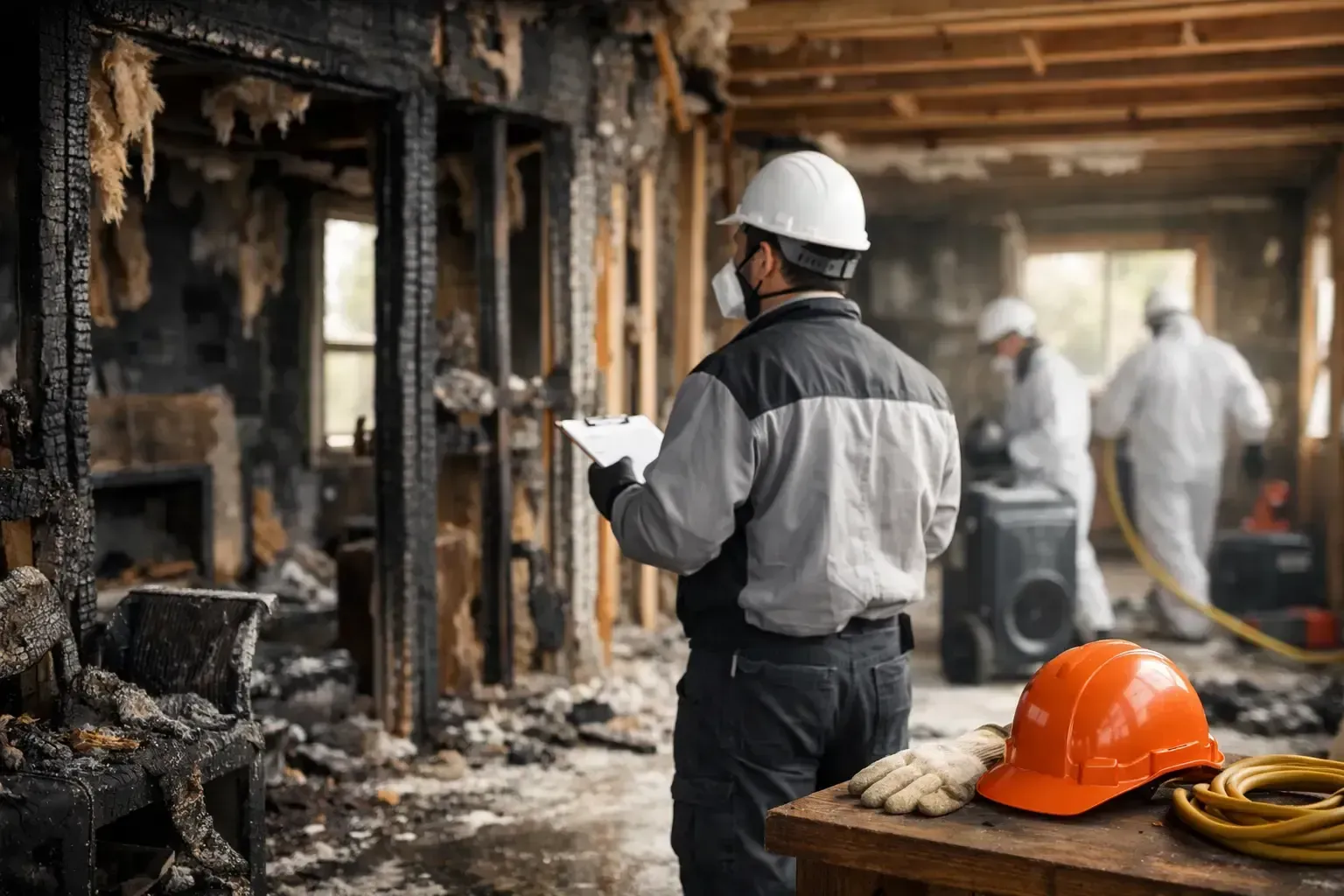
The fire may be out, but that does not mean the property is safe. Smoke damage testing after fire helps answer the questions that matter most right away - what contaminants are still present, where they traveled, and whether the building can be safely occupied or restored.
That matters because smoke does not stay in one room. It moves through HVAC systems, wall cavities, attic spaces, cabinets, textiles, and porous building materials. In many cases, the visible damage is only part of the problem. The larger issue is the fine residue and airborne contamination left behind, especially when plastics, synthetic materials, wiring, insulation, and household contents have burned.
What Smoke Damage Testing After Fire Actually Checks
A proper fire assessment is not just a visual walk-through. It is a targeted investigation designed to identify combustion byproducts that can affect surfaces, indoor air, contents, and occupant health. Depending on the fire event, testing may look for soot and carbonaceous particles, char residue, ash deposition, and volatile organic compounds, often called VOCs.
Soot is especially important because it can be extremely fine and acidic. It settles on horizontal surfaces, but it also clings to walls, ceilings, vents, electronics, and personal property. Some soot is oily and sticky. Some is dry and easier to disturb back into the air. The type of material that burned often changes the residue profile, which is one reason testing should be based on the actual loss event rather than assumptions.
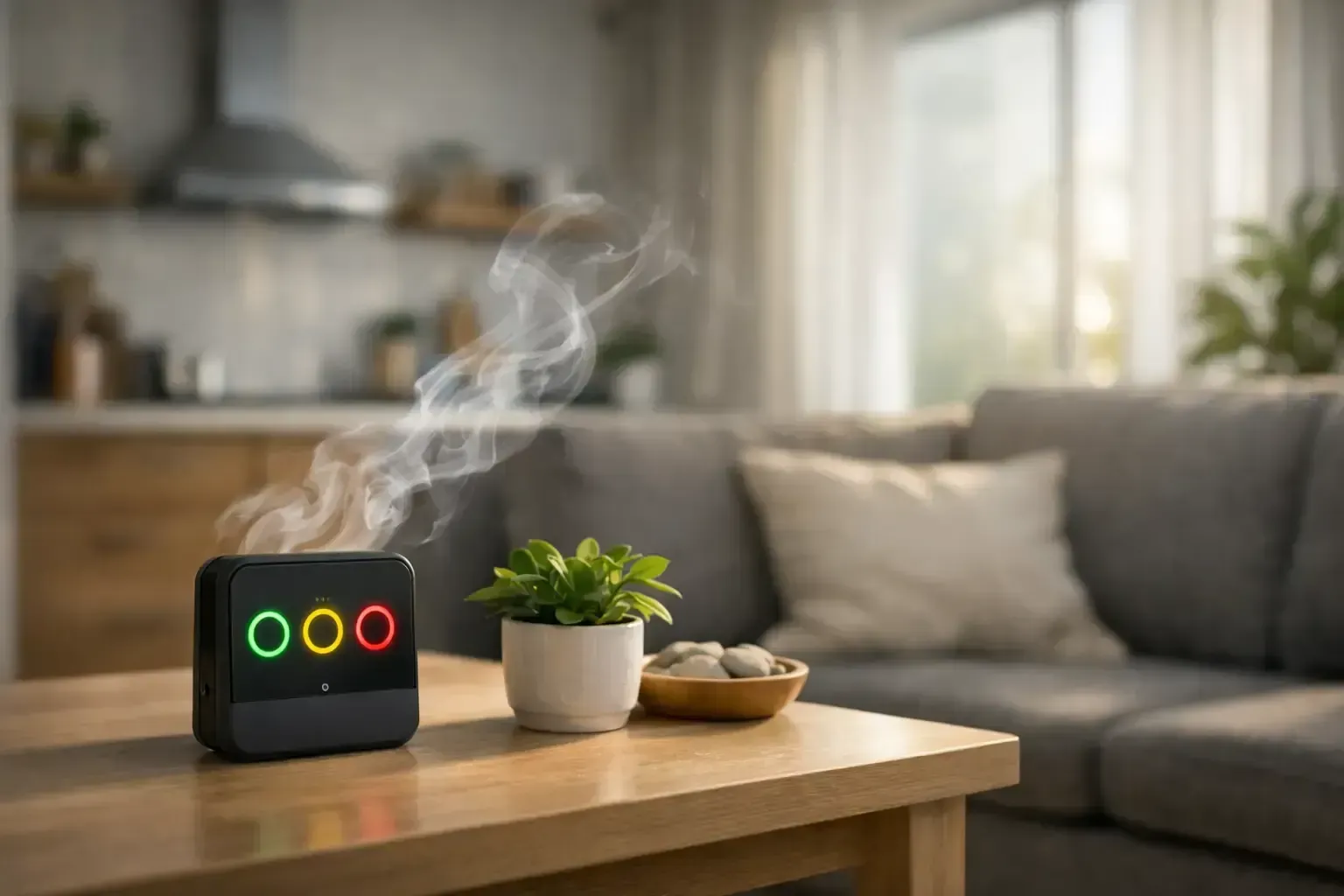
VOC testing may also be needed when there is a strong lingering odor or concern about chemical off-gassing after a fire. Smoke odor is not only a nuisance. It can signal that combustion compounds remain in the indoor environment, even after a basic cleaning.
Why Visual Inspection is Not Enough
A property can look cleaner than it is. Fresh paint, wiped surfaces, or deodorizing efforts may improve appearance, but they do not confirm that contamination has been removed. In homes and commercial buildings, smoke residue often reaches areas that owners do not immediately think to inspect, such as return vents, insulation, tops of doors, inside closets, or behind trim details.
This is where smoke damage testing after fire becomes valuable. It provides documented evidence rather than guesswork. That can help homeowners make decisions, support insurance documentation, and give property managers or business owners a defensible basis for cleanup and re-occupancy planning.
There is also a health side to consider. Not every person will react the same way to post-fire contamination. Someone with asthma, allergies, respiratory sensitivity, or an already compromised immune system may notice symptoms sooner than others. Even when occupants do not report symptoms, it is still smart to verify conditions rather than rely on odor alone.
When Testing Should Happen
Timing depends on the situation. If the structure is unstable or active emergency response is still underway, safety comes first. Once the property is accessible, early testing can help define the scope of contamination before demolition, deep cleaning, or restoration changes the evidence.
That said, post-cleaning or post-restoration testing can also be useful. In those cases, the goal is different. The question is no longer where the smoke went. The question becomes whether remediation was effective and whether residue or airborne contaminants remain.
In some losses, both phases make sense. Initial testing helps establish the damage footprint. Follow-up testing helps verify that the cleanup was successful.
What a Professional Assessment May Include
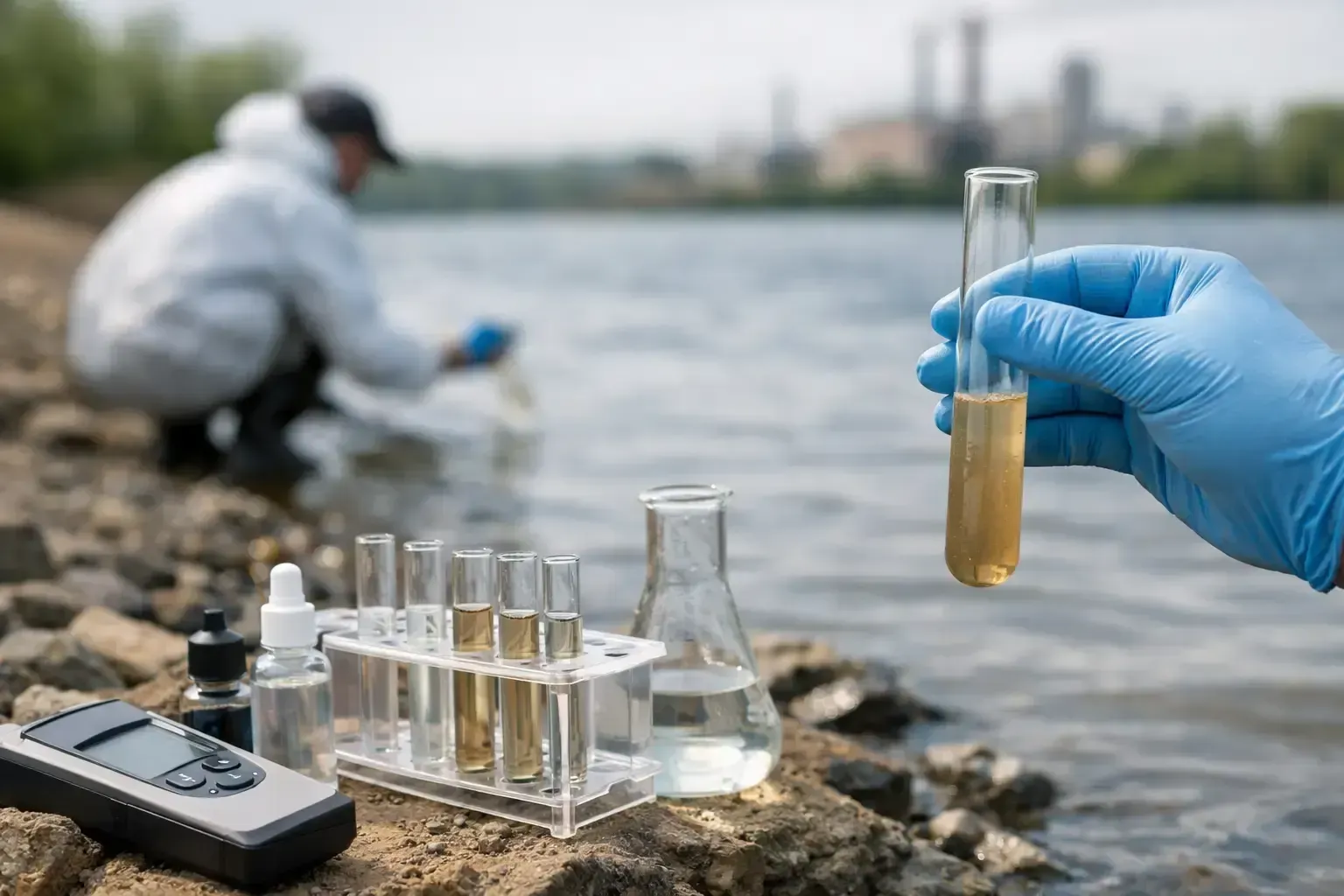
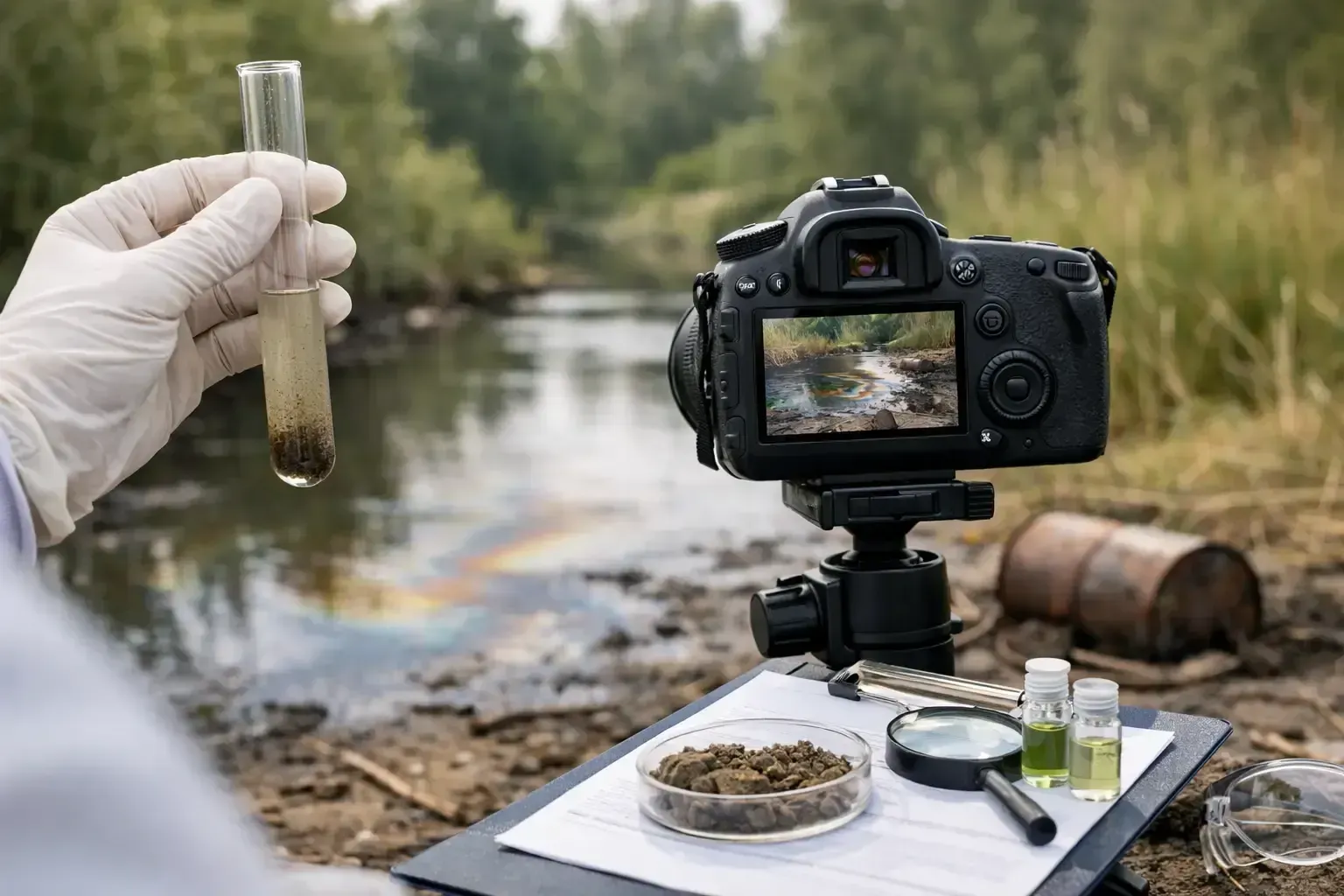
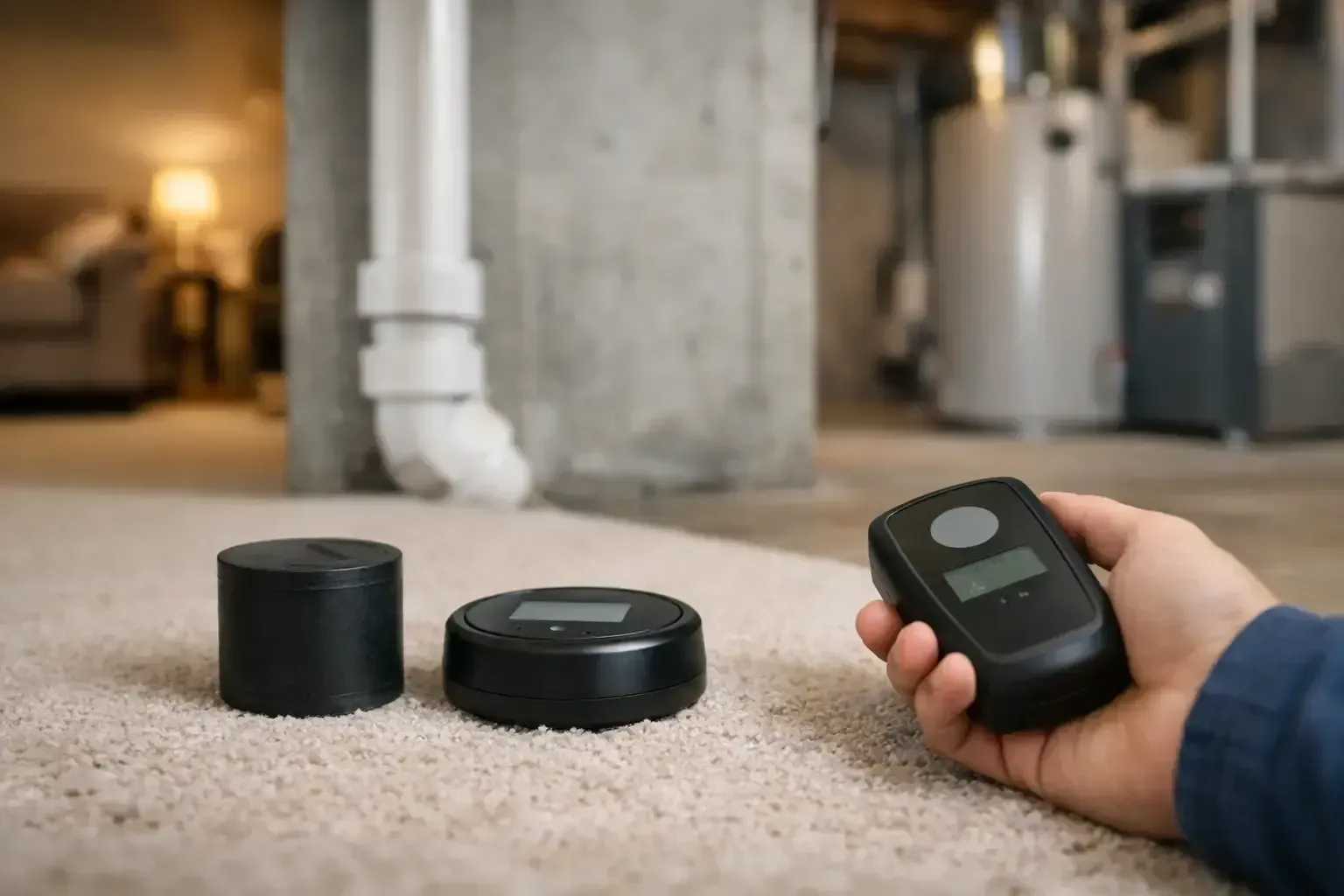
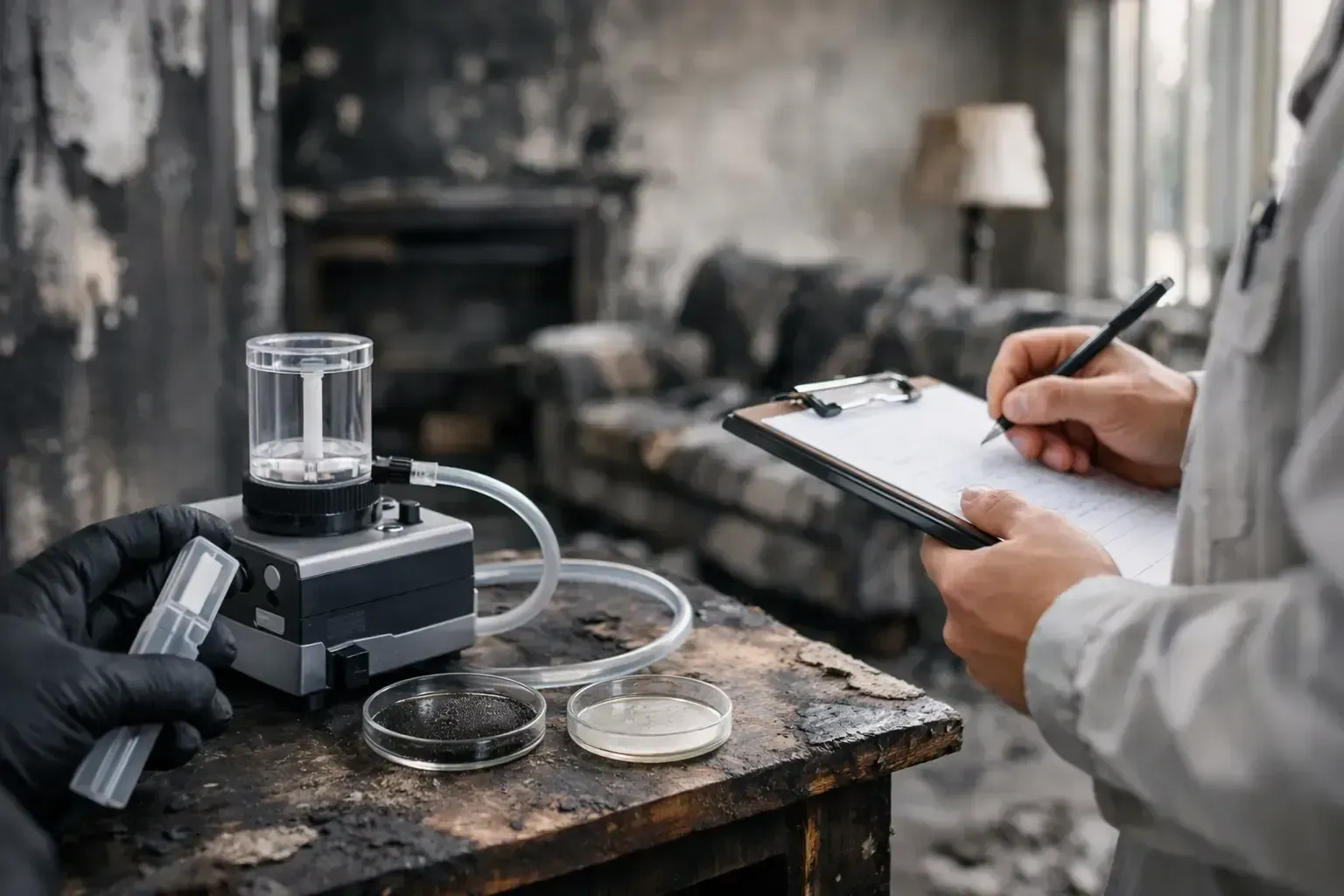
No two fires are exactly the same, so testing should match the property and the source event. A kitchen fire, an electrical fire, and a large structural fire can leave very different contamination patterns. A qualified assessment may include surface sampling, tape lifts, wipe samples, particulate analysis, soot and carbonaceous particle testing, and indoor air sampling for combustion-related compounds.
Moisture conditions may also need to be evaluated if firefighting water was used. That is an important overlap many property owners miss. Fire losses often create water damage at the same time, and wet building materials can become another problem if not addressed quickly.
In commercial settings, the assessment may need to consider inventory, machinery, tenant spaces, ventilation zones, and operational interruptions. In residential settings, there is usually more focus on living spaces, contents, HVAC contamination, odor persistence, and whether the home is safe for children, pets, and vulnerable occupants.
What the Results Can Tell You
Good testing does more than say yes or no. It helps define extent, severity, and likely pathways. That can influence how a restoration plan is written and whether certain materials should be cleaned, sealed, removed, or replaced.
For example, if testing identifies smoke residue in HVAC components, surface cleaning alone may not solve the problem. If porous materials show embedded contamination, deodorizing may not be enough. If airborne compounds remain elevated, re-occupancy may need to wait until additional cleaning or source removal is completed.
This is also why clear reporting matters. Property owners, insurance professionals, restoration contractors, and real estate stakeholders often need the same facts, but for different reasons. One party may need to understand health concerns. Another may need documentation for a claim. Another may need to know what remediation standard the property should meet before the next step can begin.
Smoke Odor Versus Confirmed Contamination
A common question is whether odor alone proves smoke damage. The honest answer is that it depends. Strong odor usually means something remains, but the absence of odor does not necessarily mean the problem is gone. Some residues persist with very little smell, especially after partial cleanup or ventilation.
On the other hand, odor can linger in materials even when the highest-risk contaminants have already been removed. That is why decisions should not be based on smell alone. Testing helps separate cosmetic concerns from actual contamination issues, and sometimes it confirms that both are still present.
Why Post-fire Testing Matters for Insurance and Property Transactions
After a fire, documentation can become just as important as cleanup. If there is a dispute about scope, cause, habitability, or completion, laboratory-supported findings carry more weight than informal observations. This can be especially useful for landlords, tenants, commercial property managers, and owners preparing a property for sale or re-occupancy.
Real estate transactions add another layer. A property may show repaired fire damage, but buyers still want to know whether smoke contamination was properly addressed. Testing can provide clarity and reduce uncertainty before money changes hands.
For insurance-related losses, detailed assessment records can help establish what was affected and whether remediation addressed the full contamination footprint. That does not guarantee a claim outcome, but it does create stronger support for the facts.
Choosing the Right Testing Partner
Post-fire conditions are stressful. Most people do not need more technical jargon. They need accurate answers, clear reporting, and someone who understands how smoke behaves inside real buildings.
That means the right testing partner should know how to inspect hidden areas, choose the right sample types, interpret laboratory findings, and explain results in plain language. It also helps when the same company understands the broader environmental picture, including indoor air quality, VOCs, water intrusion after firefighting, and post-remediation verification.
For owners in Florida and Kentucky, that local experience matters. Climate, building materials, HVAC use, and occupancy patterns can all affect how contamination settles, lingers, or spreads. A field-driven assessment is usually far more useful than a generic checklist.
Hanes Environmental approaches smoke and fire assessments with that practical mindset - identify the contaminants, document the conditions, and provide information people can actually use to make the next decision.
What to Do if You Suspect Hidden Smoke Contamination
If a fire has occurred, even a small one, do not assume the damage stopped where the flames did. If odor remains, if soot keeps reappearing, if the HVAC system was running during the event, or if occupants are reporting irritation, there is a reason to investigate further.
The goal of smoke damage testing after fire is not to create alarm. It is to replace uncertainty with evidence. When you know what is present and where it traveled, cleanup becomes more targeted, documentation becomes stronger, and the path back to a safe indoor environment becomes much clearer.
When a property has already been through enough, clear answers are not a luxury. They are part of protecting the building, the people inside it, and the decisions that come next.
Recent Posts