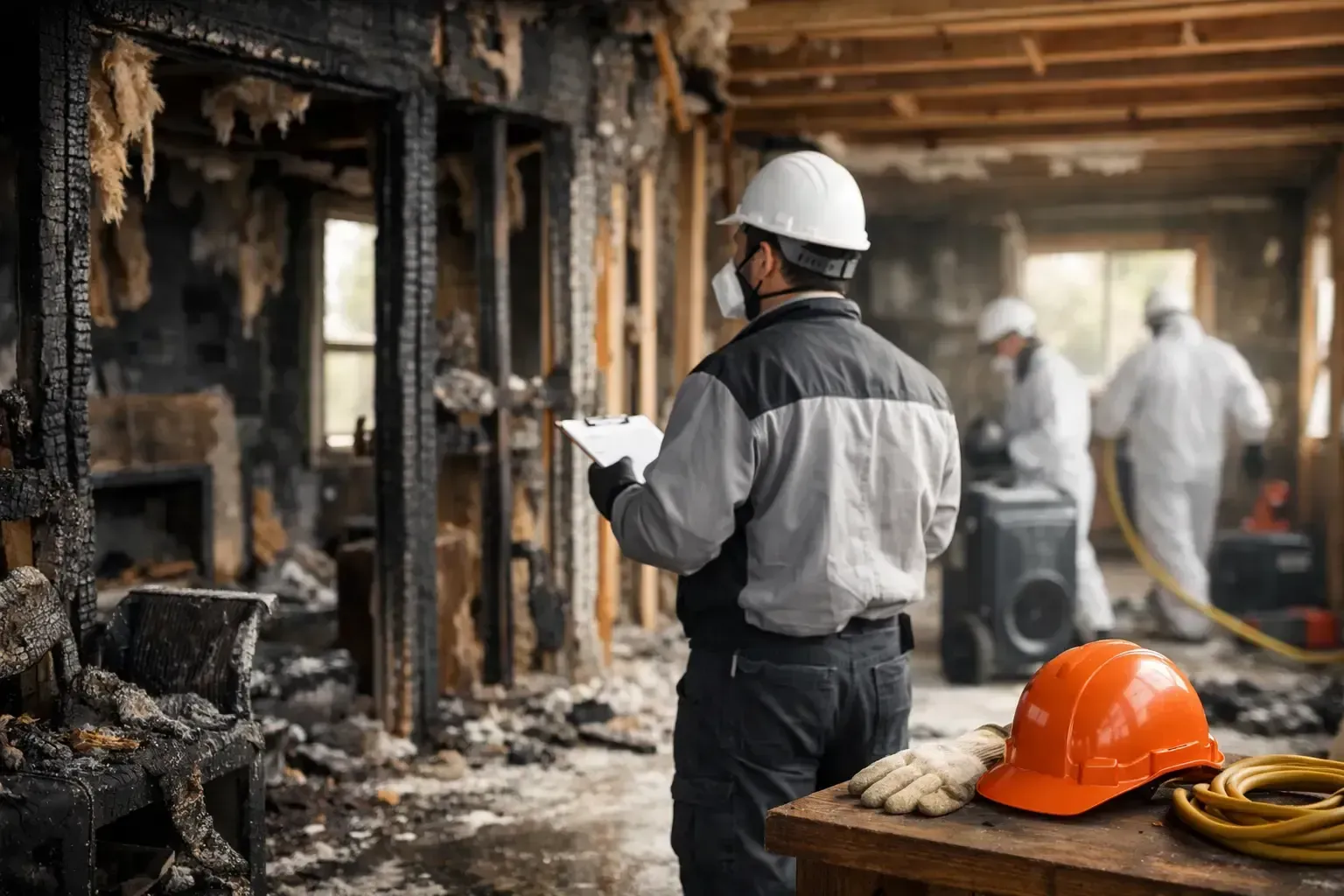
The fire may be out, but the hard part often starts when the adjuster, contractor, and property owner disagree about what was actually damaged. That is where soot testing for insurance claim support becomes valuable. When smoke residue has moved beyond the visibly burned area, testing helps show whether contamination is superficial, widespread, or hidden inside the building.
After a fire, many property owners are told some version of the same thing: if you cannot see heavy residue, the damage must be minor. That is not always true. Soot particles can settle inside HVAC systems, on attic framing, inside cabinets, on vertical surfaces, and within porous materials where the contamination is not obvious during a quick visual walk-through. Insurance decisions, scope of cleaning, and replacement recommendations are stronger when they are backed by documented evidence rather than assumptions.
Why Soot Testing for Insurance Claim Cases Matters
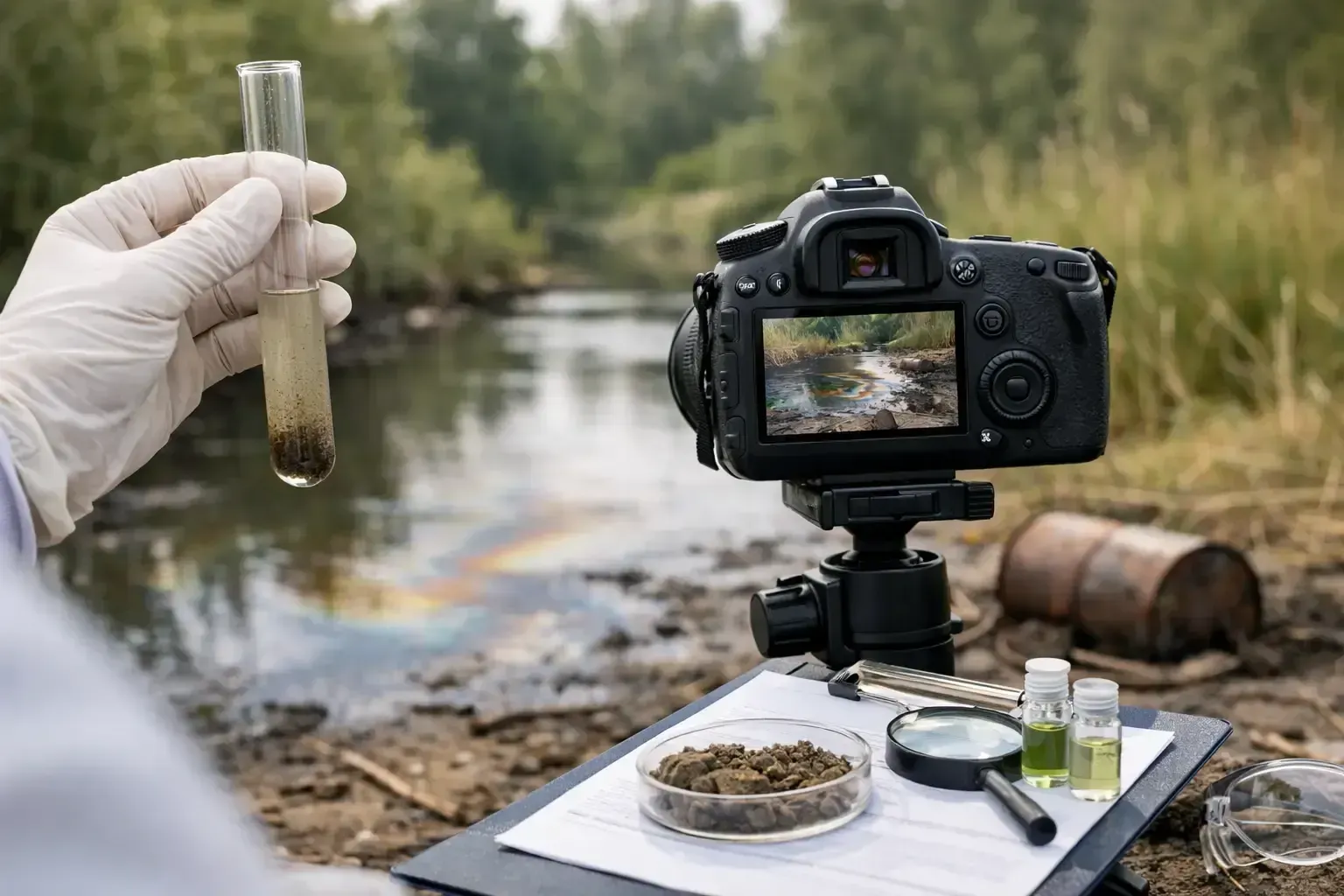
Insurance claims move on documentation. Photos help. A contractor estimate helps. A fire report helps. But when there is a dispute about the extent of smoke and soot contamination, environmental testing adds a different level of proof. It creates a record of what is present, where it is present, and in many cases how far the contamination has migrated.
That matters because soot is not just dirt. Fire-related residue can include carbonaceous particles and combustion byproducts that affect indoor surfaces, contents, and air quality. Depending on the fuel source, the fire conditions, and the age of the building, residue may also contain more concerning compounds. Not every fire produces the same type of soot, and not every property responds the same way to smoke movement. A kitchen fire in a modern home creates a different contamination pattern than a garage fire, electrical fire, furnace puff-back, or commercial equipment fire.
For insurance purposes, testing can help answer practical questions. Did soot spread into rooms that were not directly involved in the fire? Are contents in adjacent spaces affected? Is the HVAC system acting as a distribution path? Is cleaning likely to be sufficient, or are some materials too impacted to restore? Those answers affect scope, cost, and timelines.
What Soot Testing Actually Looks for
In plain terms, soot testing is used to identify and document combustion-related residue on surfaces or within the indoor environment. That may include visible black residue, faint gray film, oily deposits, or microscopic carbon particles that are not easy to confirm by sight alone.
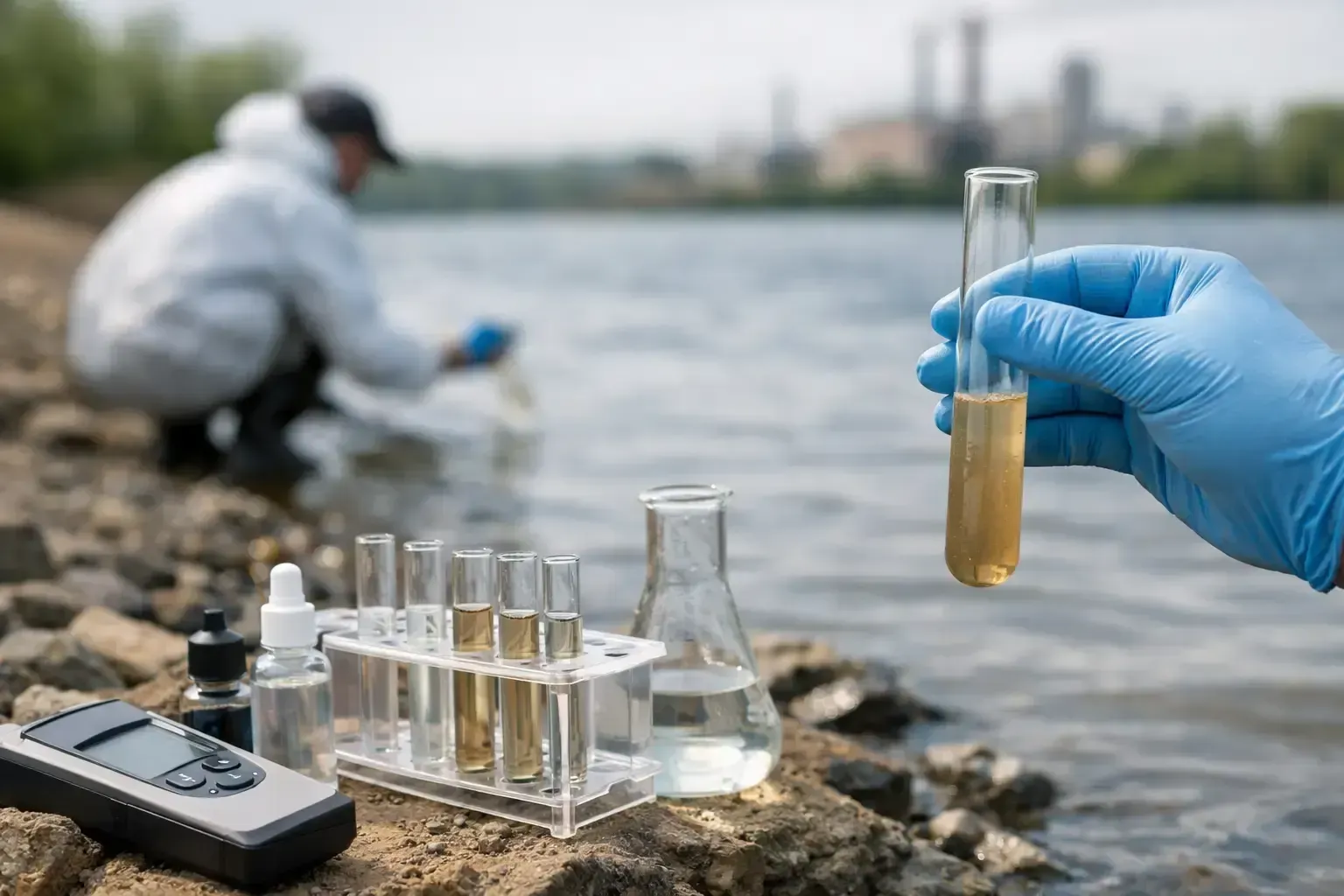
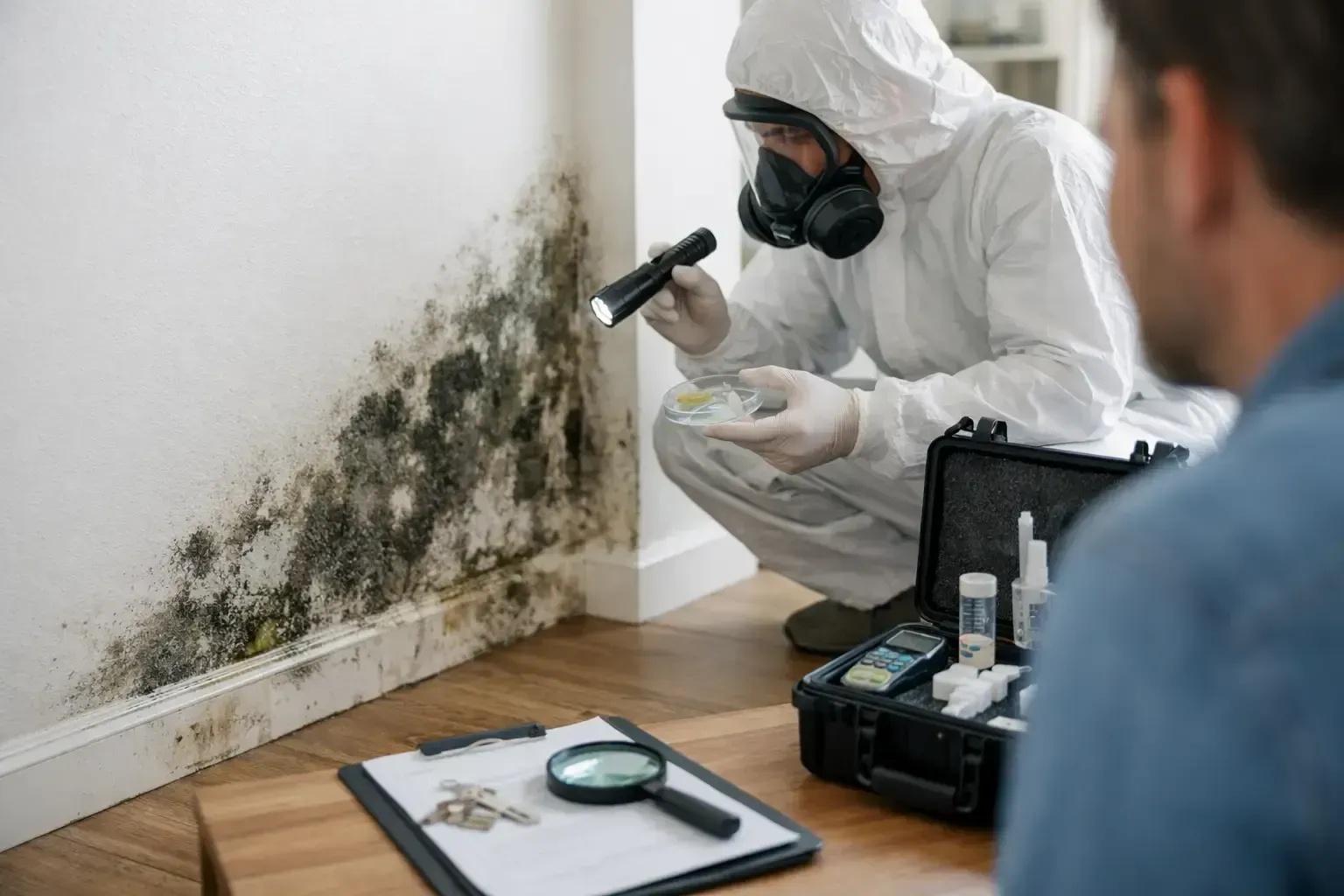
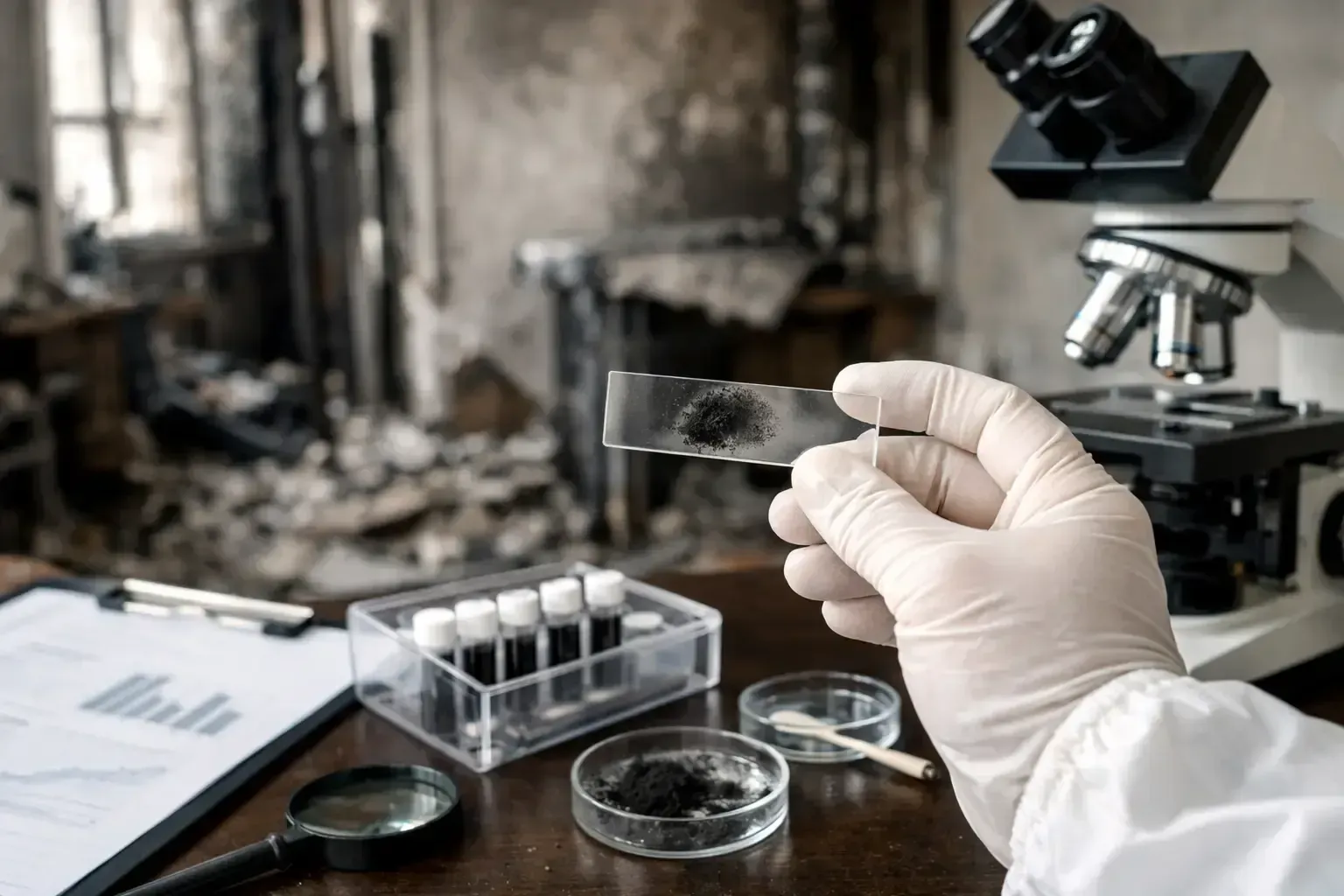
The method used depends on the condition of the property and the reason for testing. Surface sampling is common when there is a question about whether a room, hallway, cabinet interior, or HVAC register has been affected. Tape lifts, wipes, and other collection methods can capture settled particulate for laboratory evaluation. In some cases, comparative sampling is used to show the difference between suspected impacted areas and cleaner control areas.
A proper assessment is broader than taking a few random samples. The inspection side matters just as much. Investigators look at fire origin, airflow patterns, HVAC operation, material types, visible residue patterns, and the distinction between fresh fire-related soot and older dust or occupancy-related buildup. That distinction is critical in insurance claim situations because the central issue is often causation. The question is not just whether particles are present. The question is whether they are tied to the covered event.
When Testing is Especially Useful in an Insurance Claim
Some fire losses are obvious. A room is charred, nearby surfaces are blackened, and replacement is clearly necessary. In those cases, the dispute is usually not about whether damage exists. It is about how far the damage extends.
Testing becomes especially useful when the property has light-to-moderate smoke impact, a partial fire loss, or inconsistent visible residue. It is also useful when a claim has stalled because one party believes cleaning is enough and another believes contamination is more extensive. Landlord-tenant situations, commercial properties, multifamily buildings, and high-value homes often benefit from third-party documentation because several stakeholders may be involved.
Another common situation is a puff-back or malfunction involving oil, fuel, or heating equipment. These events can leave fine soot throughout a property with limited obvious fire damage. To an untrained eye, the residue may look like ordinary dust. Laboratory-supported soot and carbonaceous particle testing can help separate normal accumulation from combustion-related contamination.
What Insurance Adjusters and Property Owners Need From the Report
A useful report does more than say soot was found. It should clearly identify the sampled locations, describe the conditions observed, outline the methods used, and explain the findings in language that non-technical readers can understand. That includes adjusters, attorneys, property managers, and homeowners who may all be reading the same document for different reasons.
Good reporting ties field observations to the lab findings. If a bedroom near the fire shows no visible residue but samples confirm combustion particulate on horizontal surfaces and supply registers, that matters. If the HVAC closet, return grille, or duct surfaces show evidence of spread, that matters too. If a detached room appears unaffected and the testing supports that conclusion, that is just as valuable. Insurance claims are not helped by overstatement. They are helped by accurate boundaries.
This is one reason independent environmental testing can carry weight. The goal is not to inflate a claim or minimize it. The goal is to define the actual condition of the property using defensible methods and clear documentation.
Limits and Trade-offs in Soot Testing for Insurance Claim Support
Testing is powerful, but it is not magic. It works best when it is done early, before extensive demolition, deep cleaning, repainting, or content removal changes the evidence. If the property has already been heavily disturbed, the testing can still provide useful information, but the interpretation may be narrower.
It also matters who is doing the assessment. Sampling without a sound inspection plan can produce weak or confusing results. Too few samples may fail to capture the spread. Too many random samples can create noise without improving clarity. The right approach depends on the fire event, the building layout, and the actual dispute.
There is also a practical balance between testing and restoration urgency. In some losses, immediate stabilization and cleaning cannot wait. In others, pausing briefly for targeted documentation can prevent later arguments about scope. This is why timing should be discussed case by case.
Common Mistakes After a Smoke or Soot Loss
One of the biggest mistakes is assuming visible cleanliness means the contamination is gone. Soot often settles in less obvious areas such as closet shelves, inside drawers, above ceiling fans, on textured ceilings, and within HVAC components. Another mistake is relying only on odor as a decision tool. Smoke odor can persist even after heavy residue is removed, and some contaminated areas may not carry a strong odor at all.
Property owners also run into trouble when they start wiping surfaces before documentation is complete. That impulse is understandable, especially in occupied homes and businesses. But partial cleaning can erase patterns that help show how contamination traveled. If there is any chance of an insurance dispute, early inspection and testing are often worth the short delay.
A final issue is using general cleaning language when the real question is contamination mapping. Insurance claims are often won or lost on specifics. Which rooms were affected? Which materials are impacted? Is the system-wide spread confirmed or only suspected? Broad statements are easy to challenge. Detailed findings are harder to dismiss.
Choosing a Qualified Testing Partner
Not every inspector understands fire residue, laboratory interpretation, and insurance documentation at the same level. The right testing partner should be able to inspect the property thoroughly, collect defensible samples, explain what the results mean, and present the findings in a report that holds up under scrutiny.
That means experience with smoke, soot, and carbonaceous particle investigations matters. It also means the company should be comfortable working with homeowners, adjusters, restoration contractors, property managers, and commercial clients who may all need different levels of explanation. Clear communication is not a bonus in these cases. It is part of the service.
For property owners in Florida and Kentucky, a company like Hanes Environmental is often brought in when accurate testing, thorough documentation, and practical answers are needed after fire or smoke damage.
If your claim depends on proving where soot traveled and how far the contamination goes, the safest move is to get the property evaluated before assumptions shape the outcome.
Recent Posts