Common Mistakes When Documenting Sewage Contamination
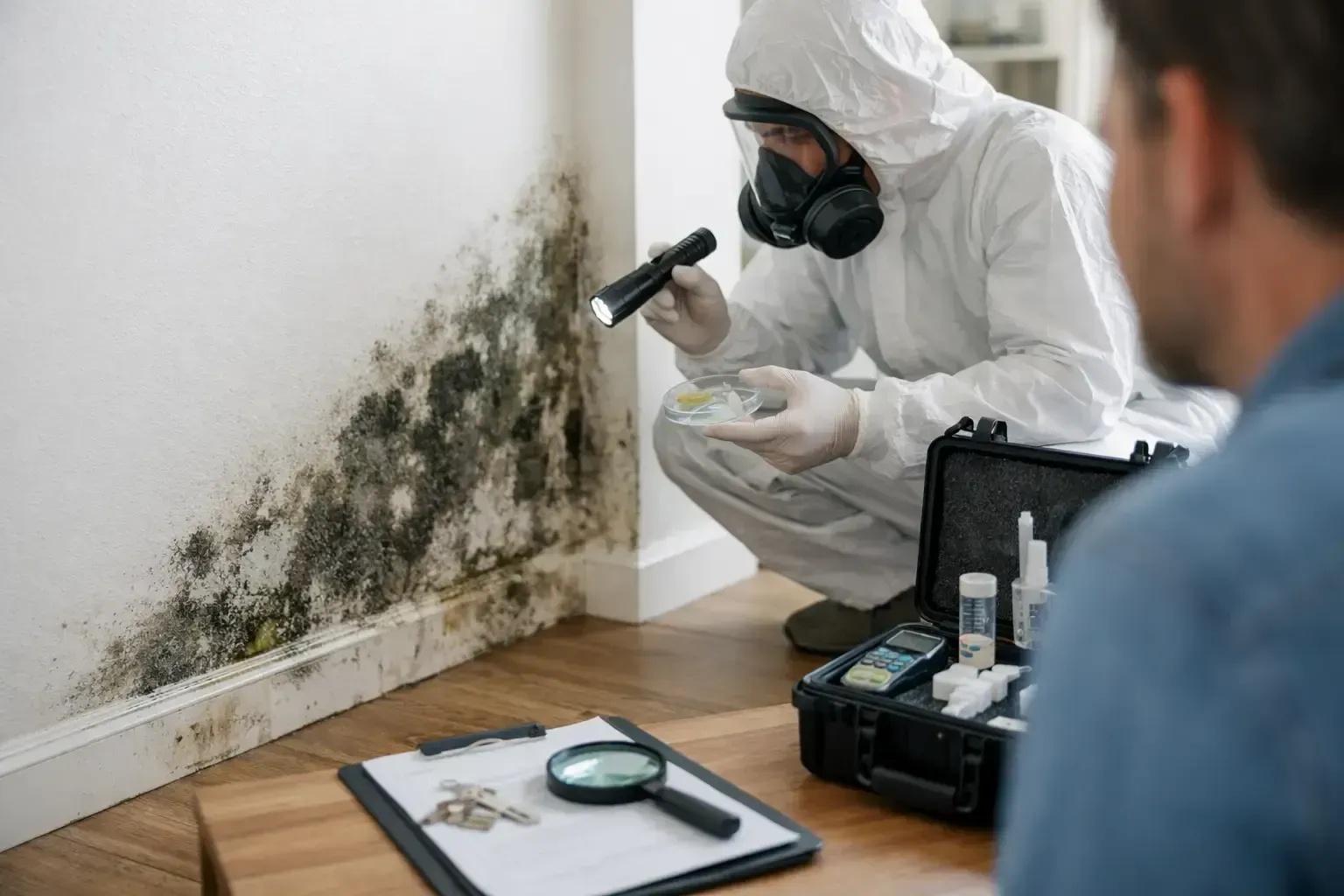
The quality of the report depends on the quality of the inspection. You want someone who understands moisture behavior, building materials, contamination categories, and the difference between visible damage and actual spread. The report should be direct, specific, and supported by field findings, not vague language.
It also helps to work with a company that can explain results in plain English. Technical accuracy matters, but so does communication. When people are dealing with damage to a home, rental, office, or investment property, they need answers they can act on.
In Florida and Kentucky, where weather, humidity, plumbing failures, and hidden moisture issues can all play a role, a thorough assessment is one of the smartest early steps you can take. Hanes Environmental provides that kind of clear, field-based reporting so property owners know what they are dealing with before the damage gets worse.
The sooner you replace assumptions with documented facts, the easier it becomes to protect the building, the people inside it, and the money it will take to set things right.
Why Interpretation Matters More Than the Lab Report Alone
If the property recently had a leak, flood, or AC overflow, timing matters. Testing too early can miss developing growth, while waiting too long can allow contamination to spread. In many cases, the first priority after water damage is drying and stabilizing the structure quickly. Once materials remain wet beyond a day or two, the risk of mold increases significantly.
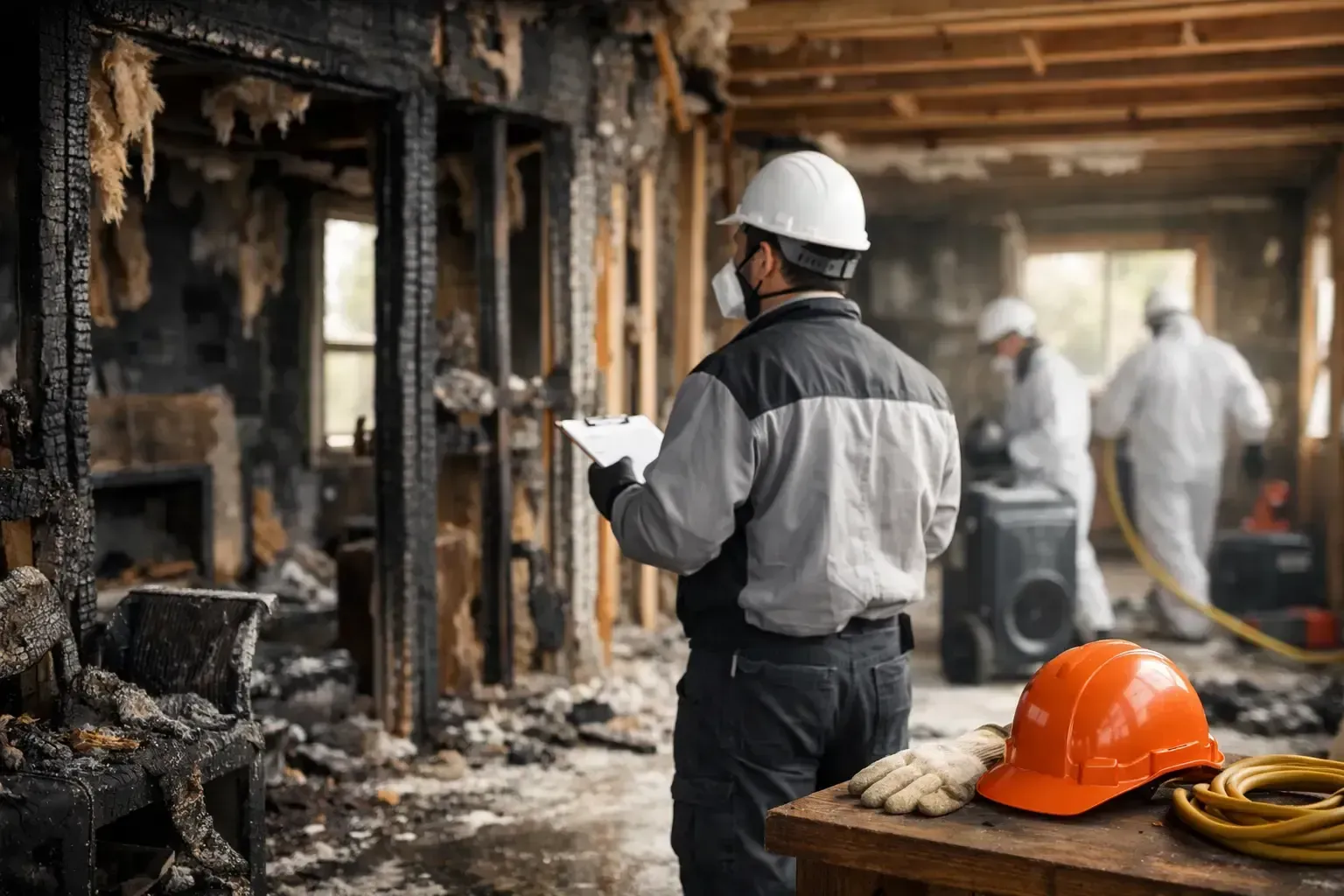
After water damage, testing usually focuses on the affected materials, adjacent rooms, and HVAC impact if the system ran during the event. Moisture mapping is essential here. Water often travels farther than the visible stain suggests, especially under flooring and inside wall cavities.
If remediation has already been performed, post-remediation verification testing may be the next step. That type of testing checks whether contamination has been properly removed and whether the area is dry and ready for rebuild. For property owners, buyers, managers, and contractors, that documentation can be just as important as the initial diagnosis.
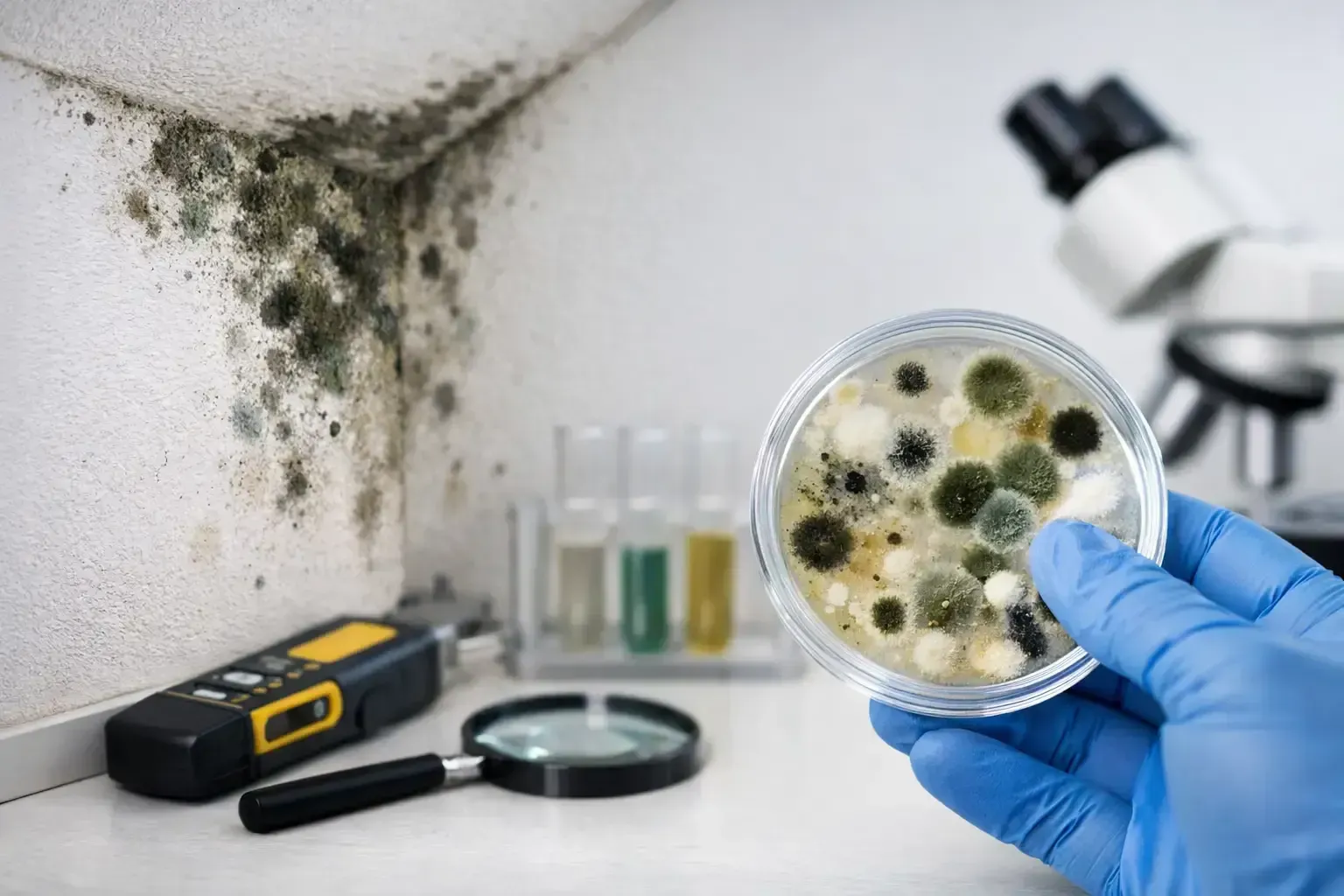
You do not need mold testing every time you see a small patch of visible growth on a bathroom caulk line. But when the source is unclear, the contamination may be hidden, or the results need to be documented, the question becomes more serious: when should mold be tested? The right time is usually tied to one thing - whether testing will help identify a hidden problem, define the scope, support a claim, or confirm that cleanup was done correctly.
When Should Mold Be Tested in a Home or Building?
Mold testing makes sense when there is uncertainty, risk, or a need for defensible documentation. It is not always the first step. In many cases, a trained mold assessor begins with a detailed inspection, moisture mapping, and a review of the building history. Testing is then used to answer specific questions, not just to produce a lab report.
If you have obvious mold growth caused by a known leak, the immediate priority is usually stopping the moisture source and planning proper removal. Testing may still be useful, but not because you need a lab to tell you that visible mold is present. It becomes useful when you need to know whether the issue has spread behind walls, affected the air, or created a larger contamination area than what is visible on the surface.
That distinction matters. Testing is most valuable when it changes the next decision.
The Situations Where Mold Testing is Most Useful
One of the most common times to test is after a water loss that was not dried properly or may have gone unnoticed. A roof leak, plumbing leak, AC drain issue, or appliance overflow can introduce moisture into wall cavities, insulation, flooring, and subfloors. By the time staining appears, the damage may already be larger than expected. A moisture investigation paired with mold testing can help determine whether microbial growth has developed in concealed areas.
Persistent musty odor is another strong reason to investigate. Odor alone is not proof of mold, but it often points to hidden moisture or concealed contamination. This is especially true in closets, around HVAC systems, under sinks, near baseboards, or in rooms that feel damp even when surfaces look clean. If a building smells off but no one can find the source, testing can help narrow down where the problem is and whether airborne spores are elevated indoors.
Health complaints can also justify testing, especially when symptoms improve outside the property. Occupants may report coughing, throat irritation, headaches, sinus issues, or worsening asthma. Mold is not the only possible cause of those symptoms, and no honest assessor should suggest otherwise without evidence. Still, when complaints line up with moisture history or indoor air concerns, a professional assessment can help determine whether mold is part of the problem.
Real estate transactions are another practical reason. Buyers, sellers, realtors, and property managers often need clear documentation before closing, leasing, or turning over a unit. In those cases, testing can help identify hidden issues before they become disputes. It can also protect all parties by replacing guesswork with inspection findings, moisture data, and laboratory-supported results.
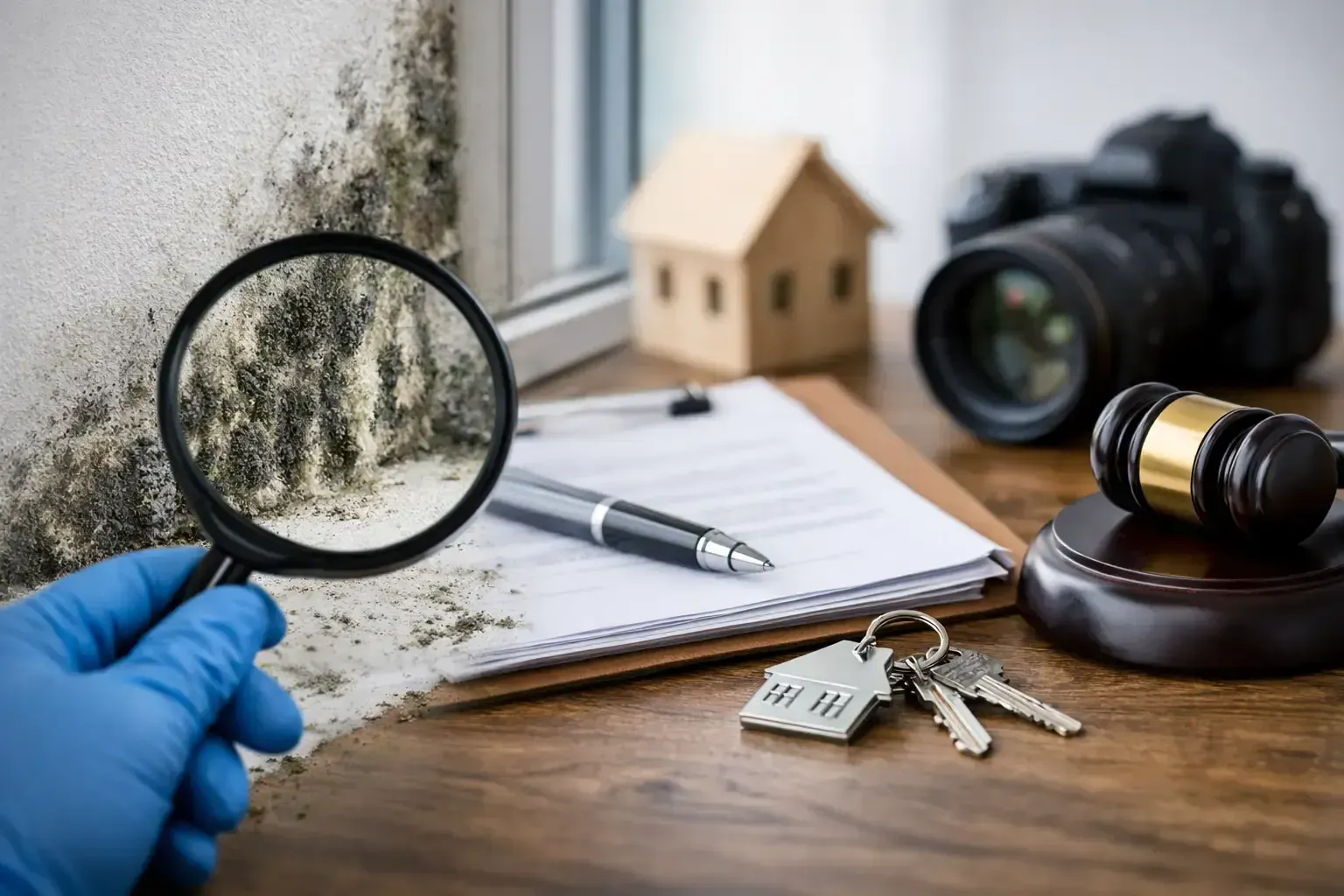
Testing is also important in tenant-landlord conflicts, insurance-related situations, and post-restoration disputes. If someone is questioning whether a property is safe, whether work was done properly, or whether contamination is ongoing, documented findings matter. A visual opinion alone may not be enough.
When an Inspection Matters More Than Sampling
People often ask for mold testing when what they really need is a mold inspection. Those are not the same service.
Sampling without a thorough inspection can miss the bigger issue. Mold problems are driven by moisture. If the assessment does not identify where water is entering, how materials are retaining moisture, and whether the HVAC system is contributing to distribution, the testing may be incomplete or misleading. A clean air sample from one room does not rule out hidden growth in another area. A single surface sample does not explain why mold is there in the first place.
That is why experienced assessors start with building conditions, not just petri dishes or air cassettes. The goal is to understand the environment, not simply collect samples.
When Should Mold Be Tested After Water Damage?
Timing matters. If testing is done too early, results may not reflect the real extent of the issue. If it is done too late, contamination may spread and make cleanup more expensive.
After water damage, mold can begin developing within 24 to 48 hours under the right conditions. That does not mean every wet area needs immediate mold sampling on day one. In the earliest stage, the priority is emergency drying, moisture control, and damage assessment. If materials remain wet, if drying was delayed, or if odors and staining develop afterward, testing becomes much more relevant.
This comes up often after slow leaks behind walls, slab leaks, roof intrusions, or AC-related moisture that lingered for days or weeks. In those cases, the question is no longer whether water was present. The question is whether microbial growth followed, how far it spread, and what must be addressed now.
Post-remediation verification is another key moment. After mold cleanup, testing can confirm whether conditions have returned to an acceptable state. This is especially valuable when a homeowner wants peace of mind, a property manager needs documentation, or a contractor wants independent confirmation that remediation was successful. Proper verification should be objective and based on both visual conditions and testing where appropriate.
Signs That You Should Not Ignore
Some properties clearly need professional attention even before anyone says the word testing. Repeated humidity problems, bubbling paint, warped trim, staining around windows, damp drywall, recurring growth after cleaning, and musty HVAC odors all point to moisture conditions that should be investigated. If a room keeps showing the same problem, wiping it away is not a solution.
The same goes for commercial spaces and rental properties. Mold concerns in offices, medical buildings, retail spaces, schools, and multifamily housing carry extra liability. Complaints from occupants, a history of leaks, or visible deterioration in high-moisture areas should be taken seriously and documented correctly.
When Mold Testing May Not Be Necessary
Not every mold concern needs lab sampling. If mold is visibly growing on a small, non-porous area and the cause is obvious, testing may add little value. The better use of time and money may be correcting the moisture issue and cleaning or removing affected materials properly.
There is also a difference between curiosity and need. Some people want testing just to know the exact species present. In many real-world cases, that information does not change the remediation plan. What matters more is the extent of contamination, the source of moisture, and whether affected materials can be cleaned or should be removed.
A reliable assessor should tell you when testing is useful and when it is not. That kind of honesty protects the customer.
What Professional Mold Testing Should Provide
Good mold testing is not just a sample and a number. It should give you context. That includes a visual inspection, moisture readings, site history, a sampling strategy based on conditions at the property, laboratory analysis, and a report that explains what the findings mean in plain language.
For homeowners, that means understanding whether the issue appears localized or widespread. For buyers and sellers, it means having documentation that supports decisions. For property managers and business owners, it means having defensible findings that can guide next steps and reduce liability.
In Florida and Kentucky, where humidity, storm events, plumbing failures, and HVAC issues can all create ideal mold conditions, speed and accuracy matter. An owner-operated company such as Hanes Environmental can identify not only whether mold is present, but also the moisture conditions allowing it to continue.
The better question is not whether mold exists somewhere in the world around us. It does. The real question is whether your property has a moisture-driven mold problem that needs to be documented and corrected. When the answer affects health concerns, property value, cleanup decisions, or liability, that is when mold testing earns its place.
If something about the building feels off, trust that signal long enough to get clear answers. Waiting rarely makes moisture problems smaller.
Recent Posts